REVIEW · SIEM REAP
4-Day All Major Temples & Kulen mountain & Koh Ker & Beng Mealea
Book on Viator →Operated by Happy Angkor Tour · Bookable on Viator
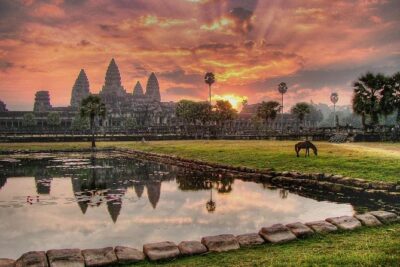
Four days in Cambodia can change your brain. You’ll see Angkor Wat at sunrise, then ride out to Phnom Kulen, Koh Ker, and jungle ruins like Beng Mealea. The best part is the pacing: big-name temples, plus quieter stops in between, with an English-speaking guide explaining what you’re looking at.
I especially like the comfort and flow of a private AC vehicle with hotel pickup and drop-off. It saves you from the usual Siem Reap shuffle, and you keep moving through the day with cool drinking water and wet towels.
One thing to watch: the ticket bill is not included. Admission fees for Angkor, Kulen, Koh Ker, plus the separate passes, can add up fast, and the days are long, with early starts built in.
In This Review
- Key things I’d circle before you go
- What You Actually Get: A Full-Day Private Circuit Around Siem Reap
- Price and Value: Tour Fee Plus Angkor, Kulen, and Koh Ker Tickets
- Day 1: Angkor Wat, Ta Prohm Roots, and the Phnom Bakheng Sunset Climb
- Angkor Wat (main stop)
- Ta Prohm (the movie-famous face of the jungle)
- Ta Nei and the quieter breaks
- Angkor Thom: Victory Gate to Bayon faces
- Phnom Bakheng: sunset option with a crowd rule
- Day 2: Phnom Kulen’s 1000 Lingas, Banteay Srei, and Pre Rup
- Banteay Srei: pink sandstone and fine detail
- Banteay Samre and Pre Rup: structure with fewer fireworks
- Day 3: Angkor Wat at 5:00am, Preah Khan, and the Rolous Group Links
- Preah Khan and the Buddhist focus
- Neak Pean and Ta Som: small temples, good pacing
- Eastern Mebon, then Rolous clusters
- Day 4: Koh Ker’s 928–944 Capital, Beng Mealea’s Jungle Maze
- Koh Ker Group
- Beng Mealea: built like Angkor Wat, but allowed to grow wild
- Rolous stops again
- Pace, Timing, and How to Handle Temple Heat Without Burning Out
- Who This Tour Fits Best (and Who Might Want Something Simpler)
- Should You Book This 4-Day Temples and Kulen Combo?
- FAQ
- How long is the tour?
- What’s included in the tour price?
- Are admission tickets included?
- What temples and sites are visited?
- Are meals included?
- Is free cancellation available?
Key things I’d circle before you go
- Hotel pickup and drop-off with a private AC vehicle, so you’re not piecing together transport all day
- Two Angkor Wat visits, including an early sunrise start on Day 3
- Phnom Kulen’s River of a Thousand Lingas and a waterfall stop for swimming time
- Koh Ker’s remote drive (it’s over 150 km from Siem Reap) for a different side of the Khmer Empire
- Beng Mealea’s overgrown ruins, the Indiana Jones-style contrast to polished Angkor
What You Actually Get: A Full-Day Private Circuit Around Siem Reap
This is a 4-day private guided tour based in Siem Reap, built for temple-hoppers who want more than a one-day highlight loop. You get a licensed English-speaking guide, a private driver, and an AC car through long stretches of countryside. You also get cool drinking water and wet towels, which matters more than it sounds when you’re walking stone steps in warm weather.
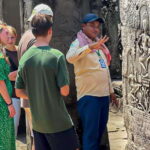
The schedule is packed, but it’s not random. Your guide ties the sites together using the Khmer Empire’s mix of Hindu and Buddhist symbolism—so you don’t just take photos, you start to recognize patterns. One reason people speak highly of this tour is the guide’s knowledge; in the past, guides like Vanna and Sam have been praised for being both informative and good-humored.
The tour feels like two types of days: major Angkor days with dense clusters of temples, and “get out of town” days where you trade crowds for distance and jungle atmosphere.
You can also read our reviews of more tours and experiences in Siem Reap
Price and Value: Tour Fee Plus Angkor, Kulen, and Koh Ker Tickets
The tour price is $389.25 per person. Then you add admissions directly, because the listed price doesn’t include them. From the tour info, you’re looking at:
- Angkor + all temples pass: $72 per person
- Kulen mountain ticket: $20 per person
- Koh Ker Group ticket: $15 per person
That’s $107 in admissions on top of the tour fee, before you even factor in lunch. The tour also suggests meals as about $5 per person depending on the menu (lunch isn’t included as a fixed set meal).
Is it good value? For me, it is if you want a guide-driven circuit across multiple temple zones without negotiating tickets, tuk-tuk math, and time lost between sites. Private transport plus a licensed guide already saves energy. And because you’re visiting remote areas like Koh Ker and Beng Mealea (both outside the usual core), you’d likely spend similar time and money trying to DIY.
If your goal is only one or two Angkor temples, this might feel like overkill. But if you want four days of variety—and you’d rather pay once than plan everything—this is priced like a “hands-off, ride-everywhere” option.
Day 1: Angkor Wat, Ta Prohm Roots, and the Phnom Bakheng Sunset Climb
Day 1 is your classic Angkor orientation day, but with a tight order that keeps you from wasting hours backtracking. You start with hotel pickup around 8:00am, and you’ll stop to buy the temples pass along the way.
Angkor Wat (main stop)
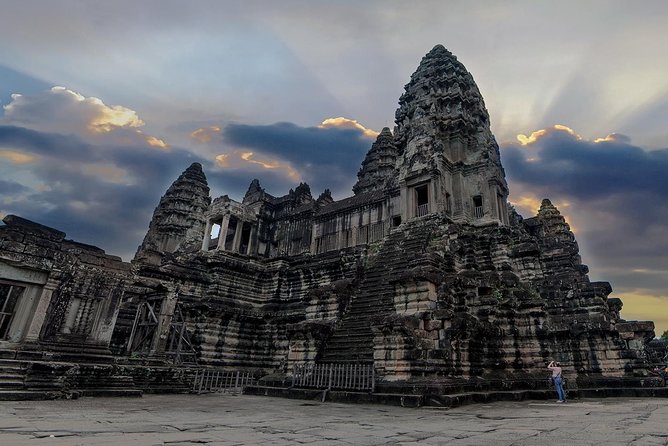
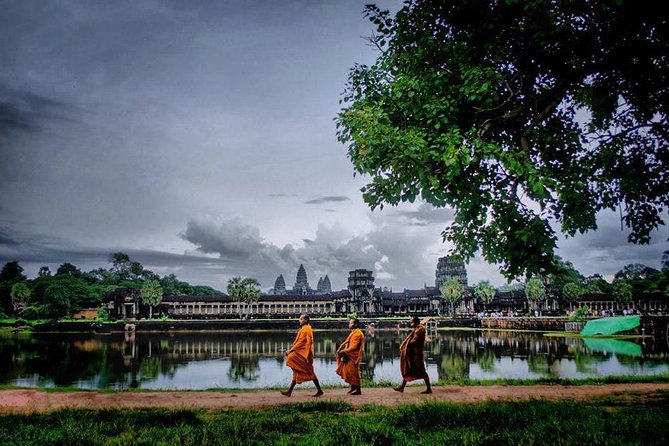
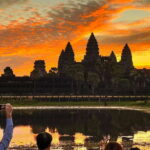
You’ll begin at Angkor Wat after breakfast, with about 2.5 hours on-site. This is the huge anchor: scale, symmetry, and that layered stone geometry you only fully appreciate once you’ve walked into it. Your guide’s explanations help you see it as more than a photo backdrop.
Consideration: Angkor Wat can be visually stunning but also busy. If you’re sensitive to crowds, arrive when your schedule gets you there early, and focus on side details, not just the main front view.
Ta Prohm (the movie-famous face of the jungle)
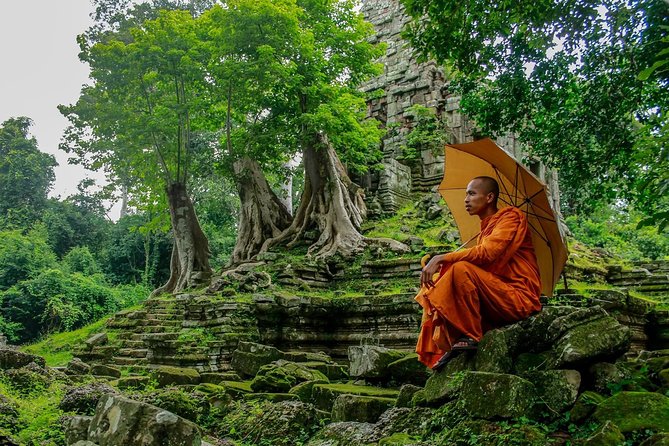
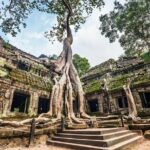
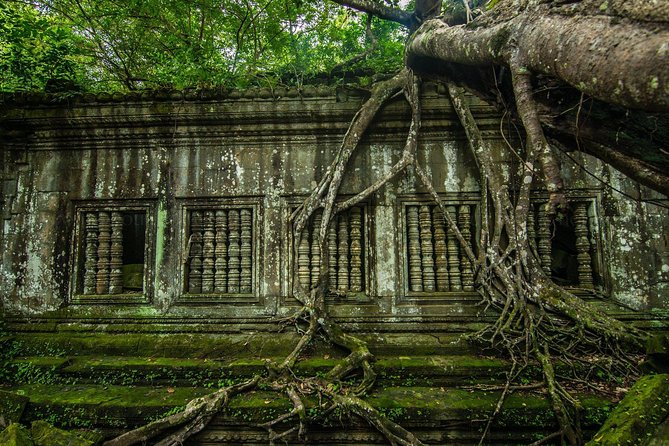
Next is Ta Prohm, around 2 hours. The big deal here is the trees: gigantic roots wrapped through and around the structure. Your job is to slow down enough to notice how the stone and roots share the same space. It’s dramatic, and it’s a reminder that this area is alive in a way polished temples can’t always be.
Ta Nei and the quieter breaks
Then comes Ta Nei (about 45 minutes). It’s smaller and less restored, and that usually means fewer people and more of a “walk and observe” pace. If you want a breather between the headline stops, this is where you get it.
Angkor Thom: Victory Gate to Bayon faces
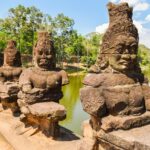
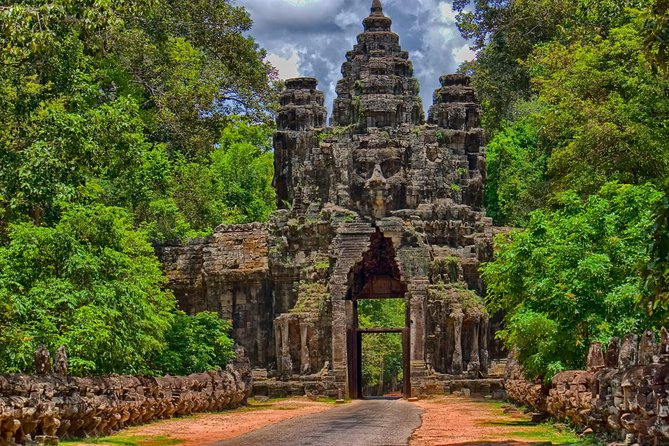
After that you enter Angkor Thom, starting with the Victory Gate and then moving through Bayon (about 45 minutes). Bayon’s key feature is the towers with multiple faces. Your guide’s talk here matters because it changes what you notice—suddenly the carvings don’t look random.
You also visit Baphuon, Phimeanakas, the Terrace of the Elephants, and the Terrace of the Leper King, each with shorter time slots. These are quick, but that’s not a weakness. They act like a highlight tour of Angkor Thom’s story beats.
Phnom Bakheng: sunset option with a crowd rule
Finally you climb Phnom Bakheng (about 2 hours, with sunset viewing included as an option). There’s an important note: access is controlled because there’s a limited number of tourists allowed. This is one of those moments where your guide’s timing and order matter a lot.
My practical advice: If you want sunset, commit to it. If you don’t, you can skip waiting and save your energy for the rest of the day.
Day 2: Phnom Kulen’s 1000 Lingas, Banteay Srei, and Pre Rup
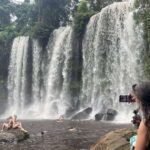
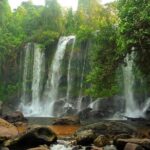
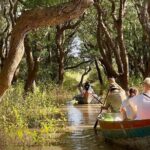
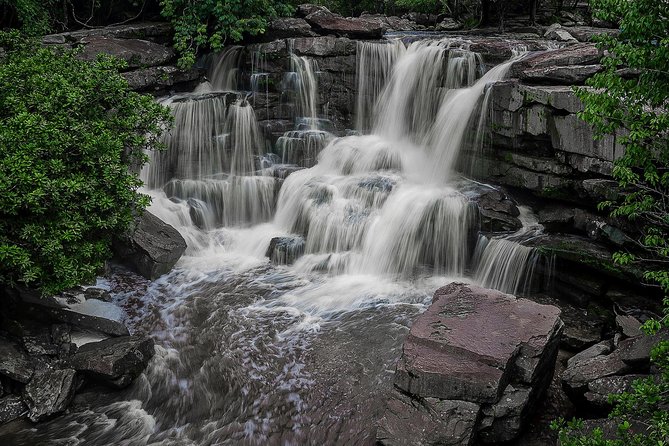
Day 2 pushes you out into nature. You’ll spend about 5 hours at Phnom Kulen National Park, which is described as more than just temples. Think of it as a riverbed area covered with carved Lingas—the River of a Thousand Lingas, tied to Shiva symbolism.
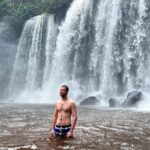
The big plus here is that this day breaks the temple-only rhythm. You’ll also have time to swim in the waterfall, based on the tour overview. That’s the kind of stop that makes a multi-day tour feel like a real experience instead of a checklist.
Banteay Srei: pink sandstone and fine detail
After Kulen, you go to Banteay Srei (about 1 hour), known as the Ladies temple. You’ll see pink sandstone and a Hindu temple dedication (built in the 10th century for the trinity gods, mainly Shiva).
Banteay Srei rewards people who like close-up carvings. The stone is a different color and texture than many other sites, so even if you’ve already seen Angkor-scale temples, this feels like a new “style” of Khmer architecture.
Banteay Samre and Pre Rup: structure with fewer fireworks
Banteay Samre is next (about 45 minutes). It’s described as Hindu and dated to the 12th century. The architecture is less obviously explained visually at a glance, so your guide’s context matters.
Then Pre Rup (about 30 minutes) brings you to a funerary tradition angle. Your guide will connect it to how Cambodians viewed funerals in relation to distant junctures, and the temple’s late 10th-century Hindu purpose.
Consideration: This is the kind of day where the heat can catch you. If you’re going to be picky, keep an eye on your energy. Short temple stops can feel perfect when you’re tired, as long as you’re hydrated.
Day 3: Angkor Wat at 5:00am, Preah Khan, and the Rolous Group Links
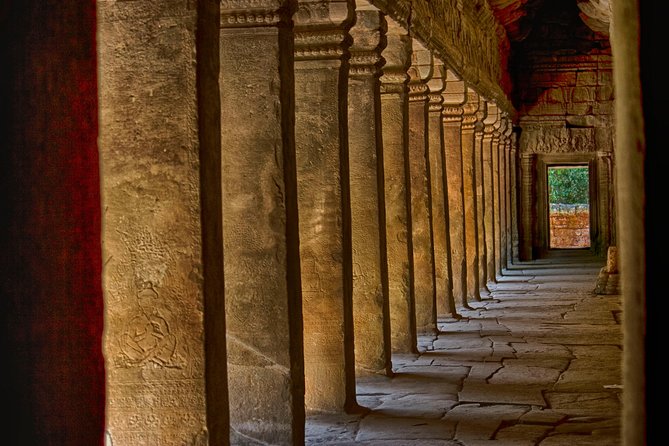
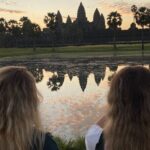
Day 3 starts early, around 5:00am, specifically for sunrise at Angkor Wat. You’ll get about 1 hour 45 minutes for this first stop. Sunrise is the reason most people book these early departures, and it’s the clearest example of why this tour feels more complete than the “one-day Angkor only” version.
Preah Khan and the Buddhist focus
After breakfast, you visit Preah Khan (about 1 hour). This is a Buddhist temple tied to King Jayavarman VII and dedicated to his father. It’s huge and highly extensive by your tour description, so you’ll want to rely on your guide to point out what to look for.
Neak Pean and Ta Som: small temples, good pacing
Then comes Neak Pean (about 30 minutes), a small island temple in the middle of a larger water area. It’s quieter and more contemplative. Ta Som (also about 30 minutes) follows, another small Buddhist temple on the east side.
Eastern Mebon, then Rolous clusters
Eastern Mebon (about 1 hour) is a temple-mountain ruin with three levels and five towers, plus the elephant statues on the corners. It feels like a “big idea” stop, a chance to zoom out and picture the place as a whole.
After Eastern Mebon you drive to temples in the Rolous group: Lolei, Preah Ko, and Bakong. These stops are shorter time-wise, like 15–20 minutes each for Lolei and Preah Ko, and about 45 minutes for Bakong. Bakong is described as the first temple mountain of sandstone and the biggest in the cluster.
There’s also a lunch break along the way at a good restaurant.
My practical take: Day 3 is a balance between iconic Angkor and the smaller sites that help you understand the empire’s layout. It’s also the day where you’ll notice your own preferences: if you like walking and reading stone symbols, you’ll probably enjoy the shorter stops more.
Day 4: Koh Ker’s 928–944 Capital, Beng Mealea’s Jungle Maze
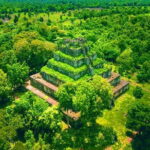
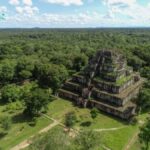
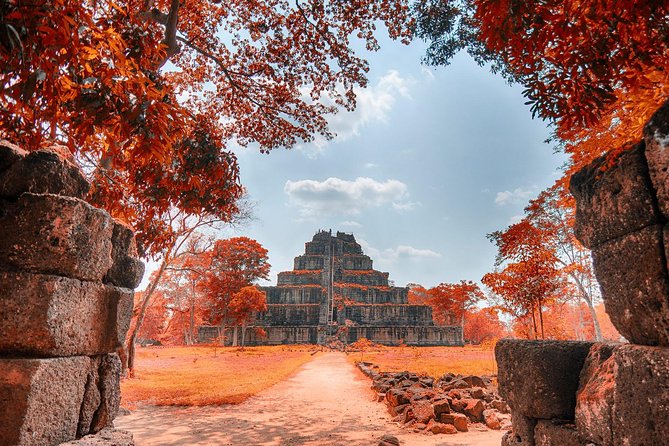
Day 4 is about leaving the familiar Angkor footprint. Koh Ker is more than 150 km northeast of Siem Reap, in the Preah Vihear province. It was briefly the Khmer Empire’s capital between 928 and 944—a key historical detail that changes how you see the ruins. You’re not just visiting old stones; you’re visiting a different power center.
Koh Ker Group
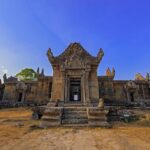
You spend about 4 hours at Koh Ker. The tour info references the Koh Ker Group and lists temples within it, but even without that, the main value is distance and context. This area feels less managed than the Angkor core, which can be a plus if you want fewer crowds and more “why is this here?” curiosity.
Beng Mealea: built like Angkor Wat, but allowed to grow wild
Next is Beng Mealea (about 1 hour 30 minutes). This is described as the most mysterious temple set at Angkor, where nature has taken over. It’s also compared to an Indiana Jones experience. The important structural detail you get is that Beng Mealea uses the same floor plan as Angkor Wat.
That makes it extra fun: you can look at the layout and recognize the influence, then watch how the jungle changes the result. It’s a different kind of spectacle than Angkor’s restoration-focused look.
Rolous stops again
The schedule then includes Lolei, Preah Ko, and Bakong again (with shorter durations). That might sound repetitive, but sometimes it’s a practical routing choice to keep your day efficient. Either way, you’ll likely appreciate these sites more on Day 4 because by then you’ve built some familiarity.
Consideration: Day 4 is long-distance heavy. If you’re prone to motion sickness, take it seriously. Private transport helps, but the drive time is real.
Pace, Timing, and How to Handle Temple Heat Without Burning Out
This tour is four full days, and it’s temple-dense. The best way to enjoy it is to treat it like a physical rhythm:
- You’ll do long rides between clusters, especially on Days 2 and 4.
- You’ll do short stone-walking bursts with guide-led explanation.
- You’ll have at least one major early start for sunrise.
It’s also worth noting the Phnom Bakheng climb is tied to a limited number of tourists. That means you should follow your guide’s timing rather than freelancing. If you’re planning to spend time up there, go in with enough water and patience.
What to wear? The tour info doesn’t list specific clothing guidance, but the reality of these stops is clear: comfortable shoes for uneven stone and packed paths, light breathable clothing for heat, and something that works if you’re doing the waterfall swimming time on Kulen day.
And yes, the AC car helps. But you’re still going to feel it. That’s the trade for seeing four temple zones in four days.
Who This Tour Fits Best (and Who Might Want Something Simpler)
This tour is a strong match if you want:
- Multiple temple zones beyond Angkor, including Kulen, Koh Ker, and Beng Mealea
- A guide who can connect the sites through symbols and historical context
- A private setup where you control the pace with fewer logistical headaches
- Sunrise time at Angkor Wat, not just a late-day visit
It might not be the best fit if you prefer a slower trip with fewer early mornings, or if you’re budget-sensitive enough that the $107 admission add-on plus meals will feel stressful. Also, if you’re the type who wants only the most famous temples and minimal driving, you may find parts of Days 2 and 4 feel like you’re spending more time in the car than you want.
But if you like variety and you’re ready for a packed, well-guided route, this is built for you.
Should You Book This 4-Day Temples and Kulen Combo?
I’d book it if you want the most complete Siem Reap temple experience in a short window, with private AC comfort, a licensed English guide, and a route that actually covers more than just Angkor Wat. The big value is that you get both worlds: restored icons and darker, wilder jungle sites like Ta Prohm and Beng Mealea, plus the historical contrast of Koh Ker’s brief capital era.
Book with confidence if:
- You’re okay paying separate admissions and meals
- You can handle early pickup for sunrise
- You want a true “temples + countryside + jungle” mix
Skip or consider a lighter option if:
- You dislike long drives and crowded sunrise moments
- You’d rather self-plan and only hit a couple major stops
- The total cost after tickets is a stretch for your budget
If your travel style is active and curious, this tour gives you a lot of Cambodia for the time you spend there—and it does it with less hassle than most DIY routes.
FAQ
How long is the tour?
It’s a 4-day tour, with each day running as a full schedule of temple stops and driving between sites.
What’s included in the tour price?
The tour includes a private A/C vehicle with driver, an English-speaking guide with licensed status, cool drinking waters and wet towels, parking fees and road tolls, and pickup from your hotel plus drop-off back at your hotel.
Are admission tickets included?
No. Admission fees are listed separately. You’ll need the Angkor + all temples pass ($72 per person), the Kulen mountain ticket ($20 per person), and the Koh Ker Group ticket ($15 per person). Beng Mealea entry fees are noted as not included.
What temples and sites are visited?
You’ll visit major Angkor sites such as Angkor Wat, Ta Prohm, Angkor Thom (including Bayon), plus other temples across the Angkor area. You’ll also visit Phnom Kulen, Banteay Srei, Banteay Samre, Pre Rup, Preah Khan, Neak Pean, Ta Som, Eastern Mebon, and the Rolous group (Lolei, Preah Ko, Bakong). Day 4 includes Koh Ker and Beng Mealea.
Are meals included?
Meals are not included. Lunch depends on the food in the menu, and it’s listed as about $5 per person.
Is free cancellation available?
Yes. You can cancel for a full refund up to 24 hours before the experience start time.