REVIEW · SIEM REAP
Full-Day Guided Bicycle Tour in Angkor Wat Temple
Book on Viator →Operated by Asia Backroads Travel · Bookable on Viator
Two wheels makes Angkor feel personal. This full-day Angkor Wat bike tour lets you trade traffic for quieter routes through forest trails and village paths, then slow down at temples like Ta Prohm and Bayon. I especially like that the day doesn’t revolve only around big monuments; there’s a proper break with Cambodian lunch served near the temples, plus snacks, seasonal fruit, and pure drinking water.
The main thing to plan for is cost: the $55 tour price is great value, but entrance fees for the temple sites are extra (USD 37 for a single day entry). Also, the tour depends on good weather, since it can be canceled or moved if conditions are poor.
In This Review
- Key things that make this Angkor cycling day work
- From Siem Reap to Angkor Archaeological Park, without the usual grind
- Day start: pickup, bike fitting, and getting through the Angkor checkpoint
- Ta Prohm and the jungle temples: where the roots really do their thing
- Angkor Thom walls, Bayon faces, and the terrace detours
- Lunch near the temples: a break that stops the day from blurring
- Angkor Wat at a slower, clearer pace
- How much is this really worth? The $55 tour price plus entry fees
- Who should book a bike day at Angkor Wat (and who should think twice)
- Guide energy matters: when Vuthy or Chuoy sets the tone
- Quick checklist before you go
- Should you book this Angkor Wat full-day bike tour?
Key things that make this Angkor cycling day work
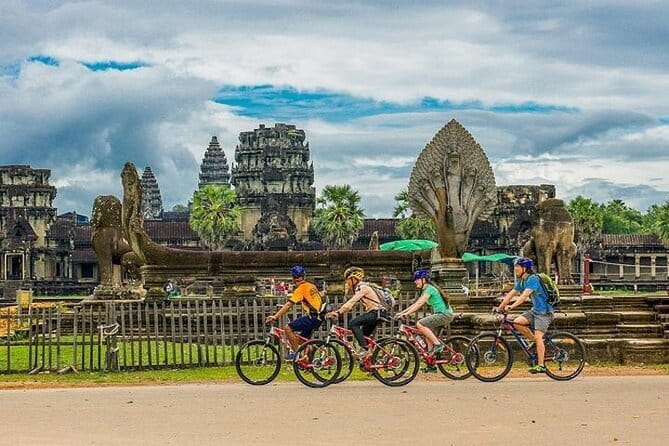
- Traffic-free riding through shaded jungle paths and rural roads
- Small group size (maximum 12), which keeps the pace relaxed
- Major temple highlights plus stops most people skip
- A real midday break with lunch near the temples, plus water and snacks
- Classic Angkor gate-to-gate routing through Ta Prohm, Angkor Thom, and Angkor Wat
- English guide support with bike fitting and a safety briefing first
From Siem Reap to Angkor Archaeological Park, without the usual grind
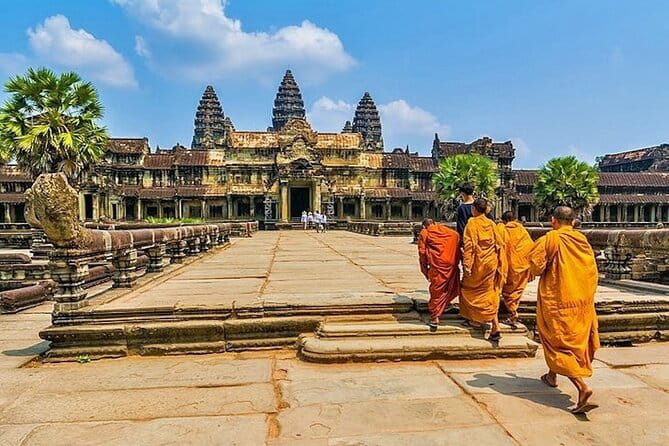
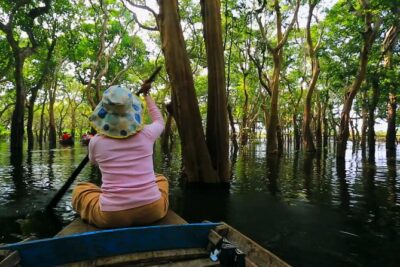
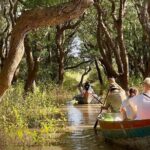
An 8-hour day in Angkor can go two ways: you race from one photo stop to the next, or you actually see what’s in front of you. This bike tour leans hard toward the second option. The big idea is simple: you ride along peaceful, traffic-free trails that cut through jungle paths, then walk in and look closer at the temples.
You also get a more human rhythm to the day. Even though you’ll hit the headline sites—Ta Prohm, Bayon, Angkor Thom, and Angkor Wat—you’re not doing it all from the back of a car. Instead, your movement stays steady, and the guide helps you connect the dots between the carvings, the layout, and the setting.
One other practical win: the group stays small (up to 12 travelers). That matters at temples, where crowds slow everyone down. With fewer people, it’s easier to pause, regroup, and keep the day from turning into a production line.
You can also read our reviews of more guided tours in Siem Reap
Day start: pickup, bike fitting, and getting through the Angkor checkpoint
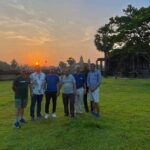
Your morning kicks off with hotel pick-up and a driver getting you to the start point. Before you pedal, you’ll get a bike fitting and a safety briefing from your English cycling guide. That’s not just formalities. A bike that fits you (seat height, comfort, control) affects how tired you feel by hour five.
Then you roll out and pass through the Angkor checkpoint. The tour description highlights a scenic, shaded road that winds gently through the forest. I like that detail because it signals the day isn’t only about “arrive, walk, leave.” You get a proper ride into the park area, and that sets you up for the first temple stop without burning all your energy too early.
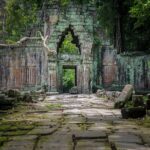
You’ll also see that the route is designed like a sequence, not random wandering. Before Ta Prohm, you’ll stop at Kravan Temple and Banteay Kdei along the way. These are the kind of stops that work beautifully on a bike day: you can appreciate the stonework without feeling trapped in the tightest crowd flows.
Ta Prohm and the jungle temples: where the roots really do their thing
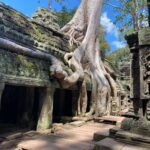
Stop 1 is Ta Prohm Temple (about 3 hours total time at this stage). This is the iconic Angkor ruin most people recognize right away—famous for how towering fig trees and jungle vines appear to wrap around the architecture.
What I like about doing Ta Prohm first on a cycling itinerary is timing and tone. Starting earlier in the day usually helps you keep your head clear. You’re fresh, you’ve already had that quiet ride through forest paths, and the temple feels less like a rushed checklist item.
But the value here isn’t only the headline. You also stop at Kravan Temple and Banteay Kdei before you reach Ta Prohm. Those in-between stops give you a sense of scale and variety across the park. If you only did Ta Prohm and moved on, you’d miss how different structures, corridors, and carvings can feel in the same overall landscape.
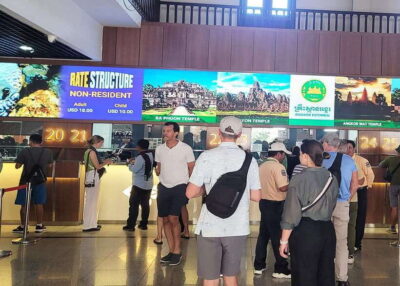
Keep in mind: entrance tickets are not included, so you’ll want to make sure you’ve budgeted for the USD 37 single day entry. (The tour provides a mobile ticket, but that doesn’t replace the need for park entry fees.)
Angkor Thom walls, Bayon faces, and the terrace detours
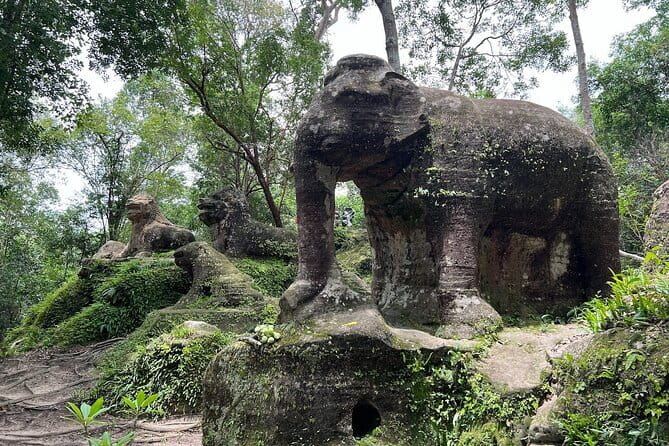
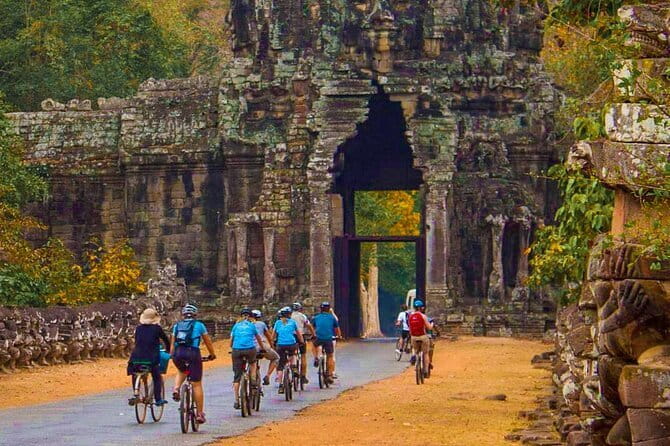
Next up is the ancient city of Angkor Thom, entered through its majestic stone gate with elephant carvings and towering faces. That gateway moment is more than a dramatic photo view. It gives you the sense of arriving at a planned world—stone walls, carved boundaries, and a layout that shapes where your eyes go.
Stop 2 centers on Bayon Temple (around 2 hours). Bayon is known for the many serene, smiling stone faces, and it’s especially interesting because it sits at the center of the complex. When you’ve been riding through wooded paths for hours, moving into Bayon feels like stepping into a different temperature of attention: the air shifts from greenery and trail motion to stone and symmetry.
This stop also includes two famous terraces:
- Terrace of the Elephants
- Terrace of the Leper King
You’ll be able to look at detailed bas-reliefs, which is one of the best ways to understand why Angkor still draws people decades later. Even if you don’t read every carving, you can see how much effort went into the storytelling, the patterns, and the figures. On a bike tour, you also get a nice pacing advantage: the guide keeps you moving, but you’re not stuck staring at a bus window.
A small caution: since tickets aren’t included in the $55, your total day cost depends on getting the correct park entry. If you’re budgeting tightly, double-check that USD figure for the single day entry before you commit.
Lunch near the temples: a break that stops the day from blurring
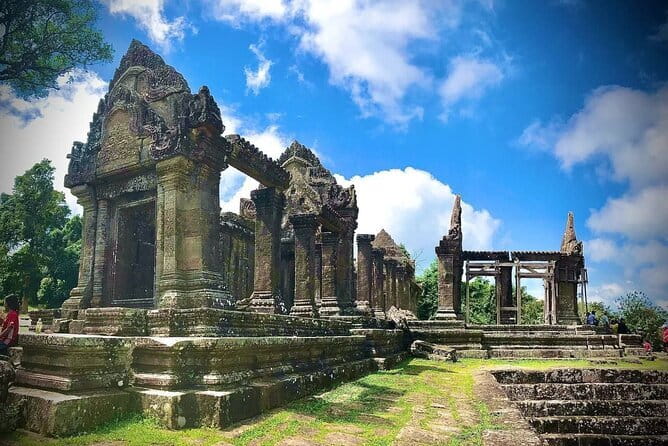
After the Bayon/Angkor Thom portion, the day breaks for lunch. You’ll pause at a local restaurant for authentic Cambodian food, served near the temples. It’s a good reset point because you’ve already walked through multiple clusters of stonework.
And this is where the included extras matter. The tour includes local snacks and seasonal fruits, plus pure drinking water. That’s practical on an 8-hour day, because small refuels prevent the late-afternoon slump where everything starts feeling like work.
I also like that the lunch moment is built into the flow rather than being an optional detour. You don’t lose time hunting for food, and you can eat knowing the schedule continues right afterward.
You can also read our reviews of more tours and experiences in Siem Reap
Angkor Wat at a slower, clearer pace
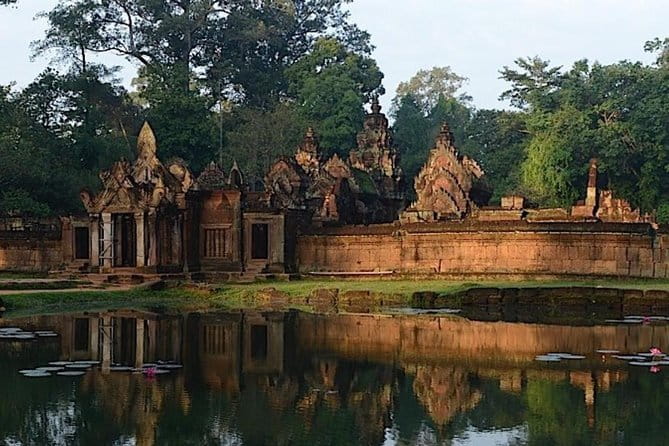
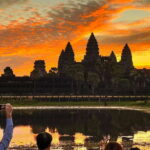
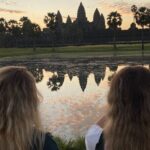
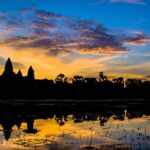
Stop 3 is Angkor Wat (about 3 hours). This is the world’s largest religious monument, and the tour frames it with the themes that visitors actually care about: history, architecture, and symbolism.
The big benefit of doing Angkor Wat by bike tour is mental space. You arrive with momentum already built in, but you’re not jolted by frequent vehicle stops. That makes it easier to focus on details like the stone geometry, the way entrances and courtyards guide your movement, and the overall plan of the complex.
You’ll have time to pause and take in the scale, not just get the must-see angle and leave. For many people, Angkor Wat feels most powerful when you can slow down and let the place speak in layers. Three hours sounds long in the abstract, but in Angkor it’s the right length to feel like you had a real visit rather than a fast check.
At the end of the afternoon, you cycle back to your hotel, closing the day with one last stretch of motion through the park area.
How much is this really worth? The $55 tour price plus entry fees
The tour price is $55 per person for roughly 8 hours, which is a pretty strong deal when you look at what’s included:
- Hotel pick-up and drop-off
- English cycling guide
- Good quality bike and helmet
- Lunch at a local restaurant
- Snacks and seasonal fruits
- Pure drinking water
- A mobile ticket
What’s not included is the part most people forget to budget: entrance fees for the attractions. The listed figure is USD 37 for a single day entry. So your likely day total lands around USD 92 before anything extra, like alcoholic drinks (available for purchase).
To me, the value comes from two places. First, you’re paying for more than transportation—you’re paying for the structure: guide, bike setup, safety briefing, and a route that threads together major temples with less-crowded stops. Second, the day includes food and small supplies that usually cost money if you’re doing it on your own.
Who should book a bike day at Angkor Wat (and who should think twice)
This tour says most travelers can participate, and I’d agree with that idea for anyone who’s comfortable with a full-day activity. You’re on a bicycle long enough that the day feels active, even if the pace is described as relaxed.
If you want to:
- see the temples and the surrounding countryside feel,
- get away from the busiest roads,
- and keep the day paced with a planned lunch,
then this kind of tour fits well.
You might want a different plan if you’re dealing with limited mobility, a very low comfort level with cycling, or you know you’ll be stressed by weather uncertainty. The tour requires good weather, and if it’s canceled due to poor conditions, you’ll be offered a different date or a full refund.
Guide energy matters: when Vuthy or Chuoy sets the tone
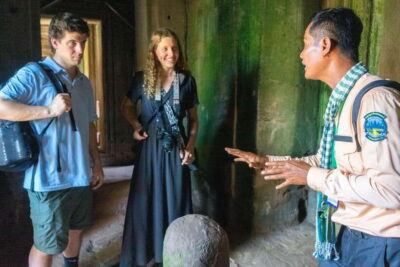
One of the best signals in the reviews is guide personality. You’ll see names like Vuthy and Chuoy mentioned in connection with fun energy and lots of Angkor context. That’s important because Angkor can feel overwhelming if your guide just says facts and moves on.
A good guide makes the route click—why Ta Prohm sits where it does, how Bayon fits inside Angkor Thom, and why the terraces matter beyond being pretty stone surfaces. When the guide keeps things light while explaining the basics, the day feels like a story instead of a sprint.
Quick checklist before you go
To make this day smooth, focus on what’s actually true in the package:
- Bring your park entry budget for the listed USD 37 single day entry
- Use the mobile ticket included in the tour setup
- Know that good weather is required
- Plan for about 8 hours total with major temple stops
And because the tour includes helmet, snacks, fruits, and drinking water, you can travel a bit lighter than you would on a DIY plan.
Should you book this Angkor Wat full-day bike tour?
If you want an Angkor day that feels more like a journey and less like a waiting-room marathon, I think this is an easy yes. The combination of traffic-free trail riding, a small group, and built-in breaks (bike fitting first, lunch mid-day, water/snacks included) is exactly what helps keep temple fatigue under control.
I’d book it when you’re:
- excited about seeing both the big names and the quieter temple stops,
- comfortable spending most of the day in motion,
- and willing to budget for entrance fees on top of the $55.
If that extra entry fee surprises you, or if bad weather would ruin your plans, then wait until you’re clear on the total cost and conditions. But for a well-paced Angkor day that stays active and still feels relaxed, this bike tour hits the sweet spot.