REVIEW · SIEM REAP
From Siem Reap: Angkor Wat Full-Day Private Tour & Sunrise
Book on GetYourGuide →Operated by Siem Reap Private Tour. · Bookable on GetYourGuide
Sunrise at Angkor hits different. You start in the dark and end up with temples that feel freshly revealed. I love how this day mixes Angkor Wat at first light with classic stops in Angkor Thom, then lands at Ta Prohm when the light turns dramatic.
The second thing I like is the practical value: a private air-conditioned vehicle plus breakfast and lunch mean you spend more energy looking, not hunting. A good English guide makes it click too—names like Bopha, Chum, Chen, and Makarab show up as guide options, and they clearly aim to keep you moving with context.
One drawback to consider is the early start and the heat later in the day. If you’re not feeling steady on your feet, or if you’re pregnant, this long day may not be the right fit—this tour isn’t suitable for pregnant women and it runs rain or shine.
In This Review
- Quick hits: what makes this Angkor day work
- Sunrise at Angkor Wat: why 5 a.m. is worth it
- The early pickup and how the day stays organized
- Angkor Wat temple time: what to pay attention to first
- Entering Angkor Thom: the Ancient Gate and the Bayon faces
- Ta Prohm when the light turns moody
- Food and breaks: included meals that actually help
- Price and value: $80 plus the temple pass reality
- Practical tips to keep the day comfortable
- Who should book this Angkor Wat sunrise private tour
- Should you book this Angkor Wat Full-Day Private Tour & Sunrise?
- FAQ
- What time do we get picked up in Siem Reap?
- What meals are included during the tour?
- Is the Angkor Temple Pass included?
- How many people are in the group?
- Which parts of Angkor will you visit?
- Will the tour run in rain, and what should I bring?
Quick hits: what makes this Angkor day work
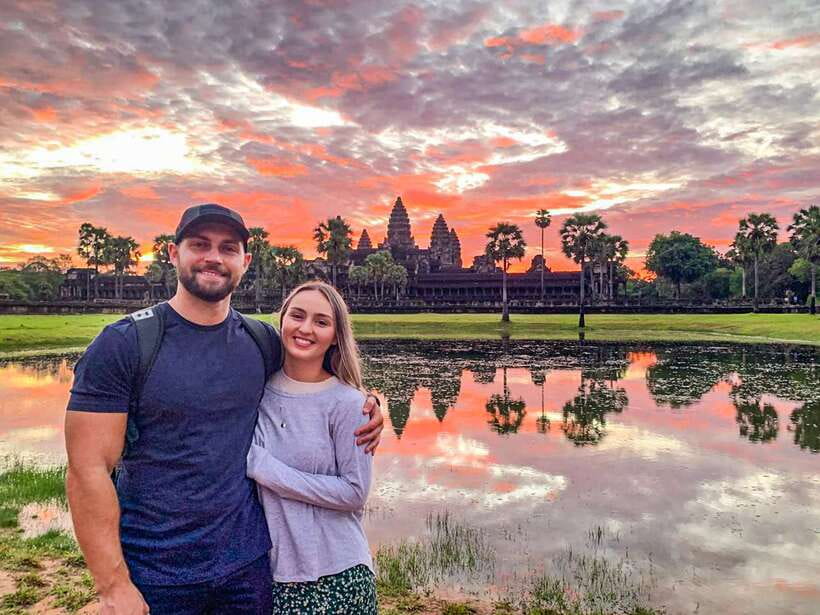
- Angkor Wat sunrise spotting with guidance to reach the best viewing spots
- Small group size (up to 8) so you’re not trapped in a slow moving crowd
- Angkor Thom highlights: Ancient Gate plus Bayon Temple’s face towers
- Ta Prohm in its jungle state, left overgrown with vines and trees
- Meals included: breakfast, lunch, plus bottled water and local snacks
- Private AC transport that helps you stay functional between sites
Sunrise at Angkor Wat: why 5 a.m. is worth it
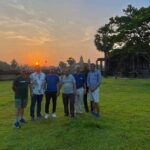
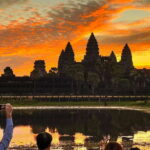
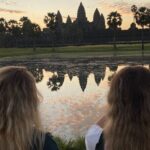
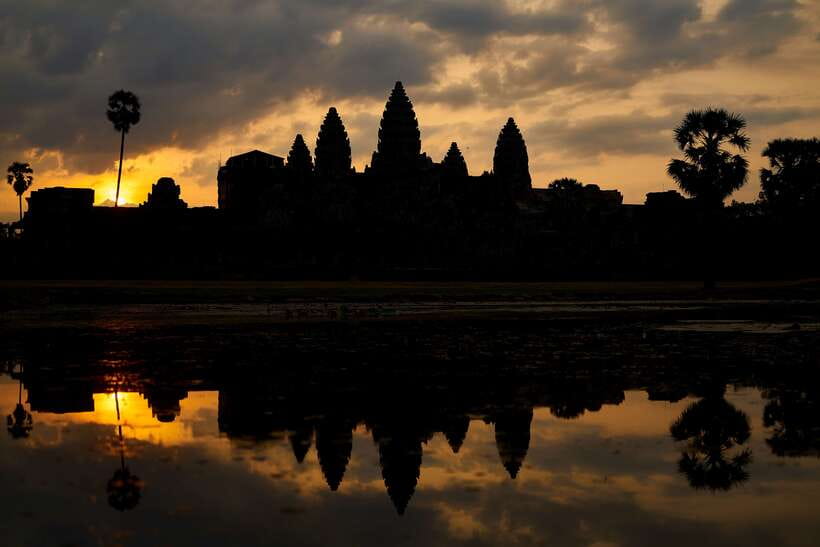
Angkor Wat is impressive in daylight. Angkor Wat at sunrise is something else—because the sky changes fast and the temple turns into a silhouette you can’t stop staring at. You’ll leave Siem Reap early enough that the site feels quiet and focused, not like a late-day checklist.
What really makes this experience feel special is the timing plus the guidance. Your guide helps you reach strong sunrise viewing angles instead of just wandering near whatever is closest. That matters because sunrise views aren’t just about the temple—they’re about positioning, photo angles, and not blocking other people while you wait for the light.
I also like that the tour isn’t only about the big moment. Sunrise sets the tone, but the rest of the day keeps giving you reasons to stay curious: temple symbolism, city layout, and why certain carvings show up again and again across the Angkor area.
You can also read our reviews of more private tours in Siem Reap
The early pickup and how the day stays organized
You meet your guide and driver at 5:00 am at your hotel. That early start is not optional, but it’s also how you avoid the rushed feeling that comes with arriving too late. If you’ve ever tried to do sunrise on your own, you know the real challenge isn’t waking up—it’s figuring out where to stand and when to move.
After pickup, the vehicle gets you to Angkor at the hour when you can still think clearly. Then you’re taken to the best spots for the colorful early light over Angkor Wat. This is one of those days where planning beats luck. A private vehicle also means you can transition quickly when your guide says it’s time to shift locations for better views.
The small group limit of 8 participants is a quiet win too. You can ask questions without your guide having to keep glancing at a parade of people. You can pause for photos without creating a traffic jam.
Angkor Wat temple time: what to pay attention to first
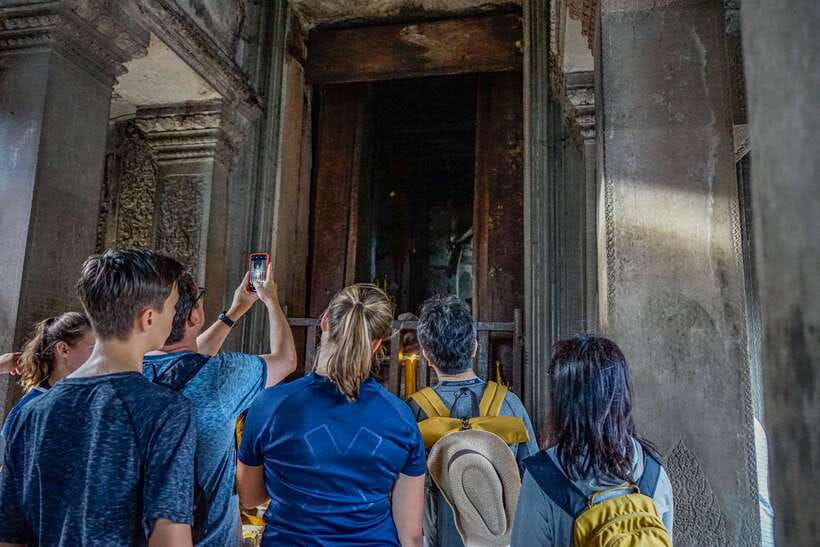
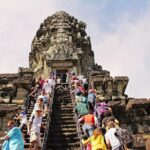
Once the sunrise moment lands, you’ll spend the morning exploring the Angkor Wat area. This isn’t a hands-off sightseeing loop. Your guide walks you through the central complex and connects what you’re seeing to meaning and symbolism.
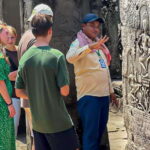
When you’re at Angkor Wat, the details can get overwhelming—long corridors, layered architecture, and carvings everywhere. So I’d treat your guide’s explanation as your roadmap: listen for what to look at next. Then use your own eyes for confirmation. If you ask questions, your guide can point out what matters most at that specific stop instead of giving you a generic script.
Another practical plus: the schedule gives you a built-in rhythm. You’ll enjoy breakfast around the time you finish exploring the Angkor Wat area. Having food here is smart because by the time you move into more walking and heat, you’re already fueled.
If you’re the kind of person who enjoys taking your time, this works well. One of the strongest themes from guide feedback is that you’re given room to explore at your pace while still staying on track.
Entering Angkor Thom: the Ancient Gate and the Bayon faces
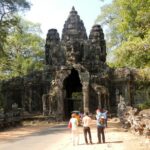
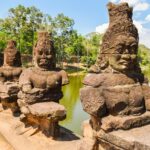
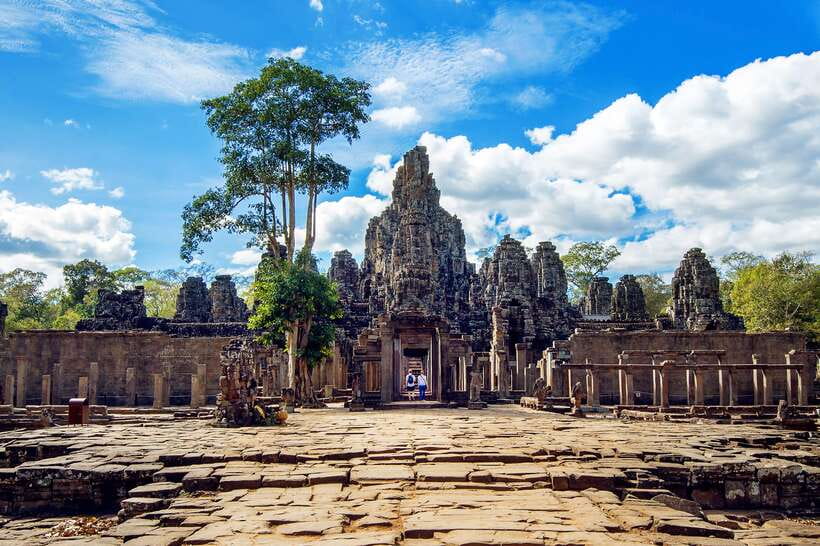
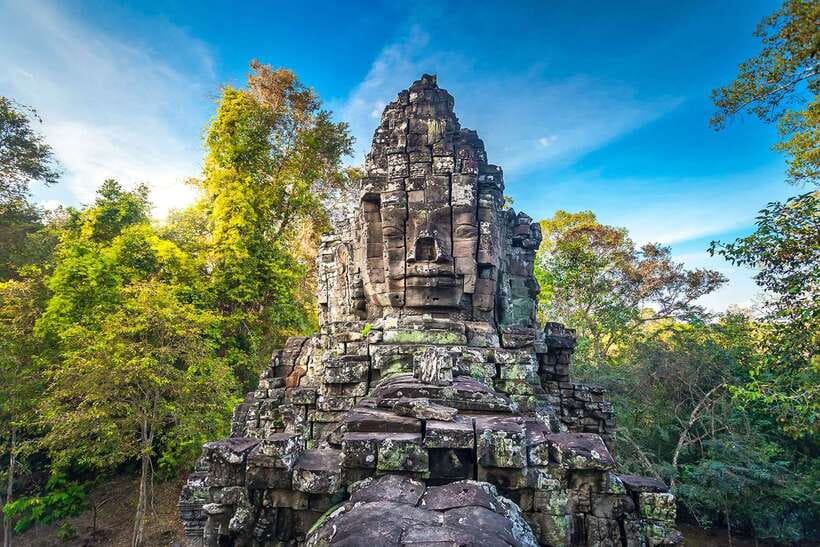
After the Angkor Wat portion and breakfast, you head into the center of Angkor Thom. The big transition is the Ancient Gate—an impressive stone gateway carved with elephants and four giant faces. You’ll feel it the moment you pass through: it’s like stepping from the temple zone into the city’s ceremonial core.
This is a great spot to slow down because the gate isn’t decoration-only. Your guide explains what the carvings suggest and how they connect to the wider Khmer world. It’s also one of those locations where photos come out better if you pause and reposition a few times, rather than firing off shots while you’re walking.
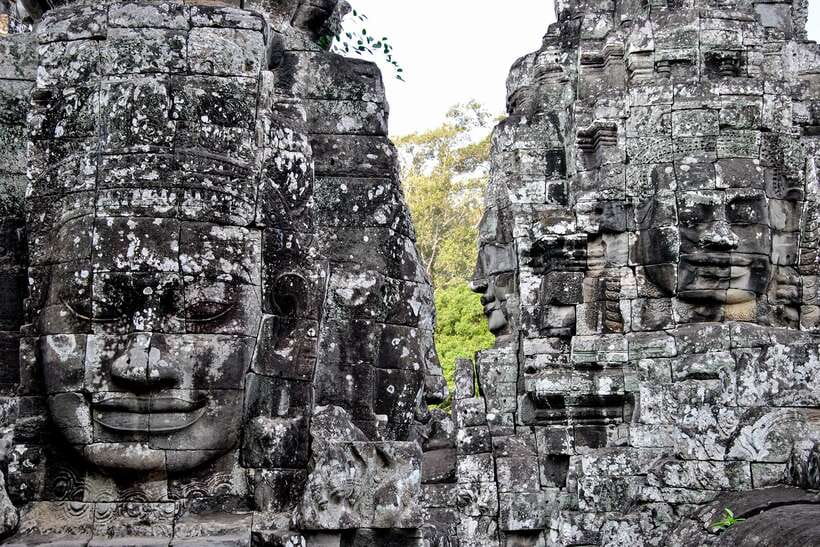
Next up is Bayon Temple, located in the center of Angkor Thom. Bayon is famous for its face towers, often described as representing provinces of the Great Khmer Empire—54 provinces, according to what you’ll hear during the visit. That specific detail helps your brain organize what you see: instead of just admiring faces, you start connecting the art to ideas about governance and meaning.
A helpful mindset here: don’t try to see everything at once. Focus on a few faces and angles, then follow the guide’s prompts to move deeper into the temple layout. You’ll get more out of it because you’ll actually understand why those carvings repeat and how the space is intended to be read.
Ta Prohm when the light turns moody
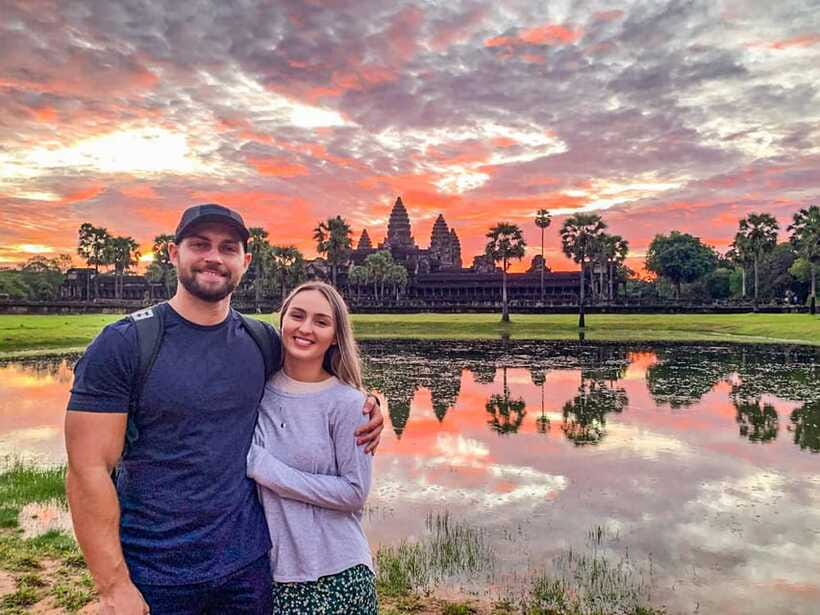
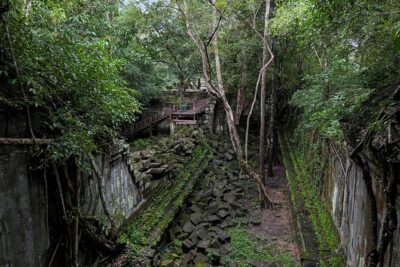
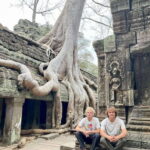
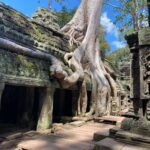
In the later part of the day, you’ll go to Ta Prohm. This is the temple people talk about for a reason: it looks like the jungle has moved in and the stone is refusing to disappear. Parts are left overgrown with jungle trees and vines, and some sections have crumbled—making it one of the most atmospheric places in the Angkor complex.
Ta Prohm also changes the mood of your camera. Angkor Wat and Bayon often feel crisp and iconic. Ta Prohm feels cinematic—arches framed by roots, stones pulled in by greenery, and photo angles that look different every few steps. If you love photos, this stop gives you plenty of chances to experiment without it feeling repetitive.
The only downside is simple: by this time in the day, it can be hot. The tour keeps you moving, but you’ll want to conserve energy—take more breaks, drink water when offered, and shade-check your timing. One review notes how heat can be tough, especially for kids, and how having the private setup makes it easier to support everyone’s pace.
Lunch is included around this point too, so you’re not dealing with hunger while temperatures climb. After lunch and more Ta Prohm time, you’ll head back toward Siem Reap as the day heats up.
You can also read our reviews of more tours and experiences in Siem Reap

Food and breaks: included meals that actually help
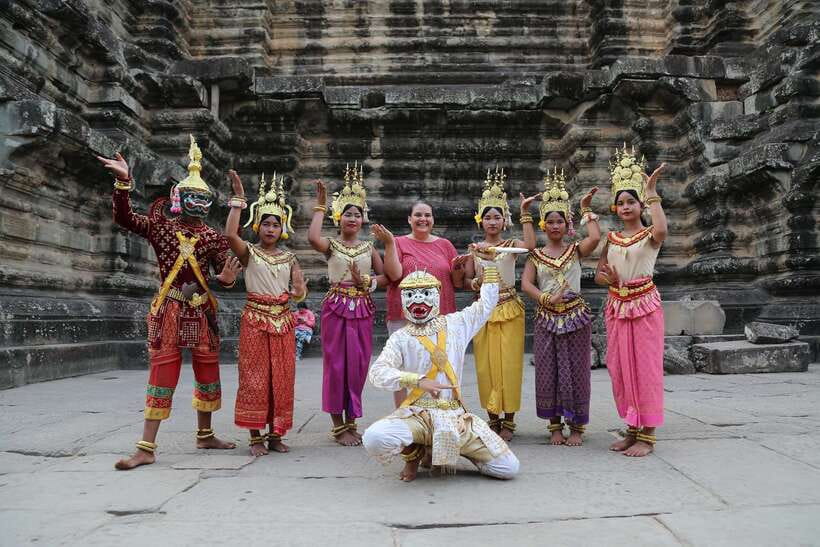
The day includes breakfast and lunch, plus bottled water and local snacks. This sounds like a standard “tour inclusions” line until you’re living the day. In practice, it’s what lets you keep your focus on the temples instead of spending energy on finding food with long lines or limited options.
Breakfast comes after your Angkor Wat exploration, which is a smart placement. You’re already awake early, and having food before you go deeper into Angkor Thom helps you avoid that mid-morning crash where attention drops.
Lunch is typically a spread of local dishes. The most useful part isn’t just that lunch is included—it’s that it’s planned into the flow of the day. You’re less likely to lose time to logistics, which means you can spend more time where it matters: the temple details.
Between meals, the tour provides snacks and water. That’s important at Angkor because “I’ll just drink later” is how you end up stuck trying to catch up when you should be looking.
Price and value: $80 plus the temple pass reality
This tour costs $80 per person for a one-day experience that includes pickup and drop-off, an English-speaking guide, a private air-conditioned vehicle, breakfast, lunch, bottled water, and local snacks. That’s already a strong bundle for a full Angkor day.
But here’s the key value math: the Angkor Temple Pass is not included and costs $37. So your likely baseline is $80 + $37, which is $117 per person, before personal spending.
Is it worth it? For many people, yes—because you’re not paying separately for transport, guide time, and meals. Also, sunrise + multiple major sites takes coordination. A private vehicle and a guide who can manage timing can save you from the most common self-planning headaches: arriving at the wrong time, missing the best viewing setup, and getting stuck dealing with too many people at the wrong moments.
If you’re a solo traveler, a couple, or a family that wants control over pace, private logistics usually feel like the difference between a stressful day and a smooth one.
Practical tips to keep the day comfortable
Bring sunglasses, a camera, and sunscreen. You’ll also want to dress for early cool mornings followed by warmer afternoon conditions—layers help because sunrise starts chilly, but the day can heat up quickly.
Wear shoes you can trust. Temple walks involve uneven surfaces and lots of time on your feet, especially if you choose to slow down for photos and details. Even with a vehicle ready between stops, the temples demand real walking.
Plan to be flexible about weather. This tour runs rain or shine. That means you should be prepared for wet conditions or sudden clouds, but the early start still lets you catch the best available light.
Finally, be honest about your energy level. This is a full-day circuit starting at 5:00 am, with multiple stops and time at each site. If you’re traveling with kids, the private setup can help you adjust breaks and pace, which has been noted as a big advantage.
Who should book this Angkor Wat sunrise private tour
This tour is best for you if you want the big sunrise moment without sacrificing the rest of Angkor Thom and Ta Prohm. If you care about context—what the symbols mean, why certain features show up—you’ll get more out of it with a guide working with you all day.
It also makes sense if you prefer a smaller group. Limited to 8 participants, it’s easier to move, ask questions, and keep your schedule from feeling like a constant wait.
I’d also recommend it if you’re the type who enjoys photos and wants help finding strong spots. Multiple guides in this experience are specifically described as knowing where to stand for photography opportunities.
And if you’re not comfortable with long days, pregnancy included, you’ll want to skip this one. The route and timing aren’t built for that.
Should you book this Angkor Wat Full-Day Private Tour & Sunrise?
Yes—if your priority is a guided Angkor Wat sunrise and you want a smooth, well-paced day that includes food and transport. The price works when you factor in the guide, private AC vehicle, breakfast, lunch, and the fact you’re covering multiple major temple zones in one organized run.
Book it especially if you value having time for questions and you don’t want to stress over how to coordinate sunrise timing and temple pass access. Just budget for the $37 Temple Pass and plan for heat and early mornings.
If you want a purely DIY adventure with no set schedule, then this style may feel too structured. But for most first-timers and photographers, the balance of iconic stops, small group size, and included meals makes it a strong way to experience Angkor without wasting your day.
FAQ
What time do we get picked up in Siem Reap?
You meet your guide and driver at your hotel at 5:00 am. Pickup includes hotel collection, and you should wait in the hotel lobby about 15 minutes before your scheduled pickup time.
What meals are included during the tour?
The tour includes breakfast after the Angkor Wat exploration and lunch during the day at one of the stops. You’ll also get bottled water and local snacks.
Is the Angkor Temple Pass included?
No. The Angkor Temple Pass is not included and costs $37.
How many people are in the group?
This is a small-group experience limited to up to 8 participants.
Which parts of Angkor will you visit?
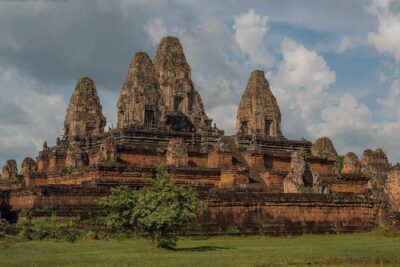
You’ll visit Angkor Wat (including the central complex), then go through Angkor Thom via the Ancient Gate, continue to Bayon Temple, and finish with Ta Prohm Temple.
Will the tour run in rain, and what should I bring?
The tour runs rain or shine. Bring sunglasses, a camera, and sunscreen to help you manage the bright morning and warmer later hours.