REVIEW · SIEM REAP
Siem Reap: Afternoon Cooking Class & Village Tour
Book on GetYourGuide →Operated by Villages Cooking Class · Bookable on GetYourGuide
A village kitchen beats a restaurant every time. This Siem Reap afternoon class pairs village life with hands-on Khmer home cooking. You’ll get picked up, ride past rice paddies and temples, visit farms for ingredients, then cook and eat a proper homemade dinner with a recipe book to follow later.
What I like most is the easy, home-style approach. You learn by doing, and the teaching stays practical, not showy. The second big win is the way the day connects food to place, through village wandering and farm time with local guidance.
One consideration: it’s not a mellow sit-down tour. You’ll be on your feet through village areas and farm stops, and it’s not suitable for pregnant women.
In This Review
- Key highlights at a glance
- Why this Siem Reap cooking class starts in the afternoon
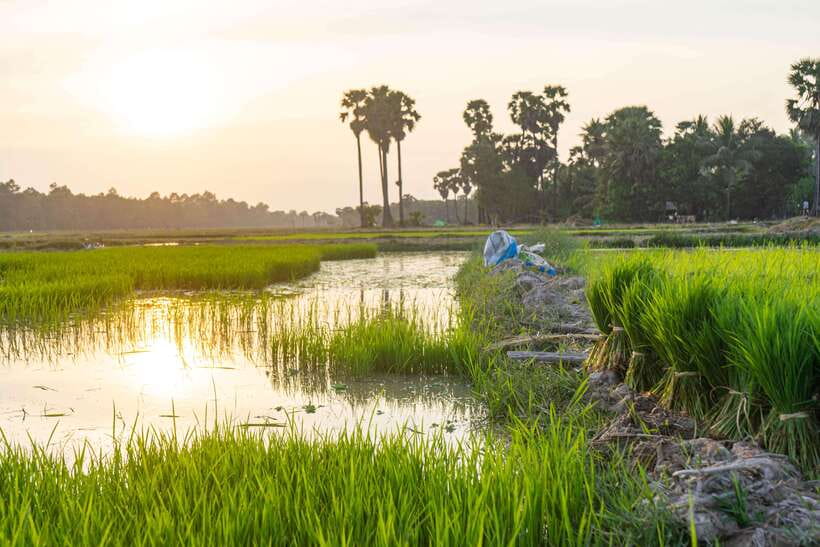
- The ride out of town: rice paddies and temple scenery on the way
- Village tour and ingredient sourcing: where your meal begins
- Tasting herbs and sauces before you cook
- Hands-on cooking with a chef: Khmer specialties, taught simply
- Your homemade dinner: the payoff at the end
- The recipe book: bring Khmer cooking home
- Price and value: is $35 a smart deal?
- Who should book this Siem Reap village cooking class
- Small details that make a difference on the day
- Should you book this Siem Reap cooking class?
- FAQ
- How long is the Siem Reap afternoon cooking class and village tour?
- What time is hotel pickup?
- How much does it cost?
- What’s included in the price?
- Do I get a recipe book?
- Is there a cooking and tasting component, or is it mostly sightseeing?
- Is the tour suitable for pregnant women?
- What language is the guide?
Key highlights at a glance
- 3:00 pm hotel pickup so you can keep your mornings flexible in Siem Reap
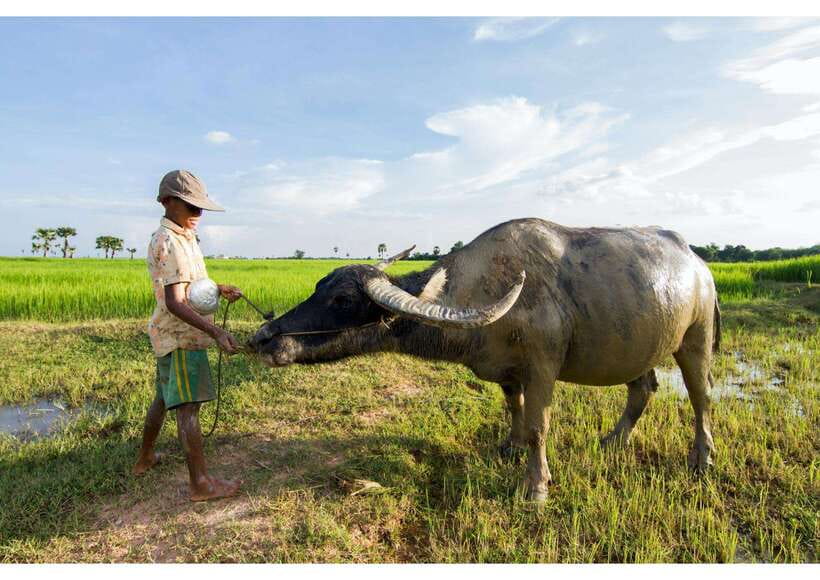
- Village and farm visits to see where Khmer ingredients come from
- Hands-on Khmer cooking with in-person help from the chef
- English-speaking local guide who explains village life and food choices
- A take-home recipe book so you can recreate your favorites at home
- Community donation visit fees included as part of the village experience
Why this Siem Reap cooking class starts in the afternoon
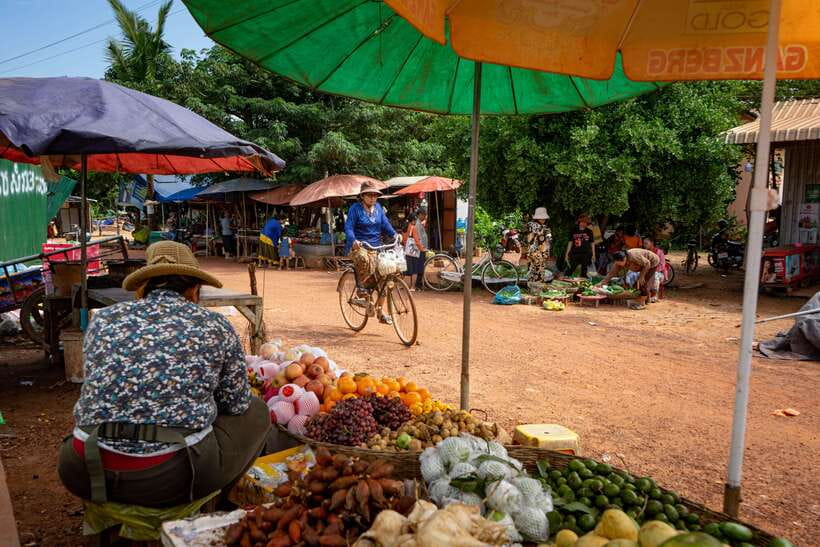
If your Siem Reap days feel like a blur of temples, this tour offers a different kind of focus. You’re learning Khmer cuisine in the exact setting where the ingredients begin: villages, farms, and everyday routines.
The timing also helps. A 3:00 pm pickup means you don’t have to rush your morning. You can do Angkor area sightseeing, markets, or a lazy lunch, then roll into something calmer that still feels like real Cambodia.
One thing to know up front: this is food-forward. You’re not just watching a cooking show. You’ll taste herbs and sauces, learn traditional techniques, and make dishes that turn into your dinner.
You can also read our reviews of more cooking classes in Siem Reap

The ride out of town: rice paddies and temple scenery on the way
You’ll meet your driver and guide at your hotel lobby about 15 minutes before pickup. The tour starts with hotel pickup at 3:00 pm, then heads outside Siem Reap City.
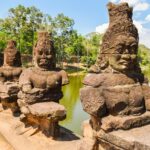
From there, expect a scenic route through rice paddies and temples toward a village area. It’s a useful reset from temple crowds because the views shift to fields and daily life.
This transport leg matters more than people think. In a cooking class like this, you’re trying to understand ingredients and rhythms, not just recipes. Seeing the land and travel path makes the food lesson feel grounded.
Practical note: you’ll likely be in the car for a chunk of time, so wear something comfortable for a few hours of movement. If you’re heat-sensitive, plan for warm weather and take water when you can.
Village tour and ingredient sourcing: where your meal begins
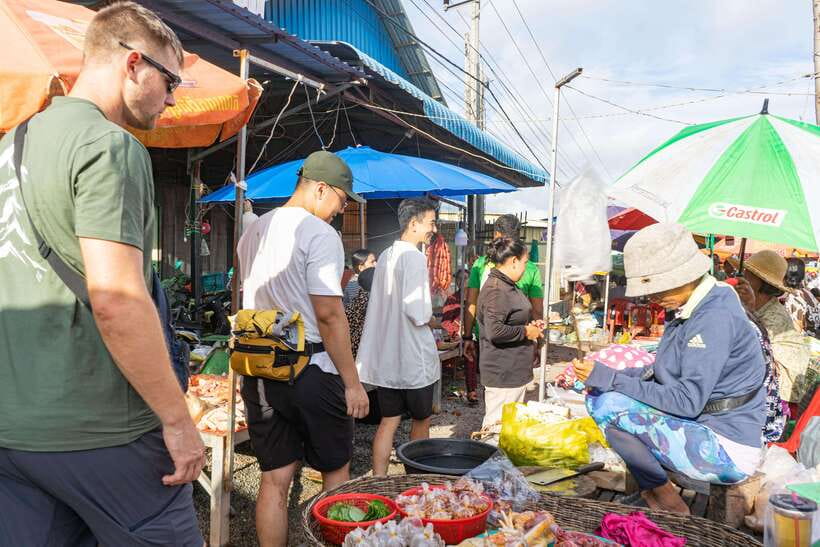
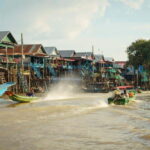
Once you reach the village, you’ll tour local homes and daily life. This isn’t a staged stop. It’s the kind of route where explanations help you understand what you’re seeing.
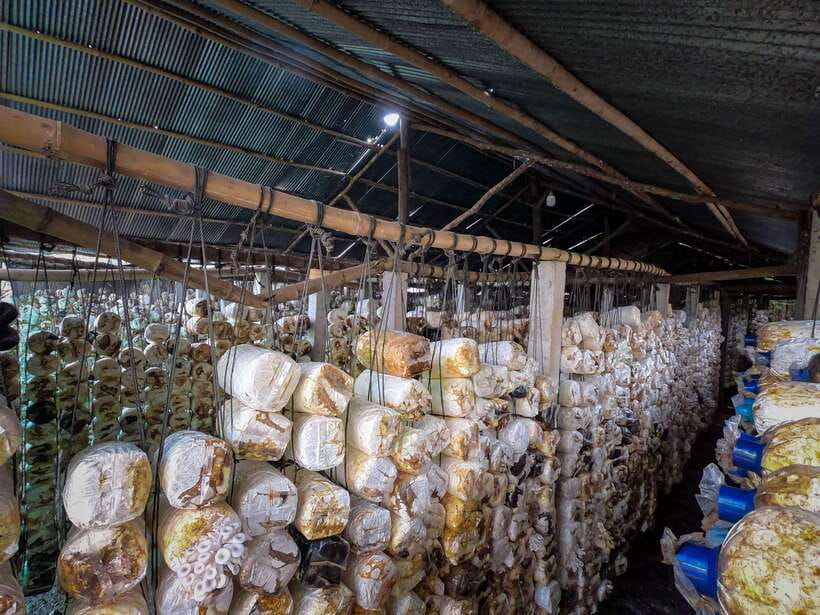
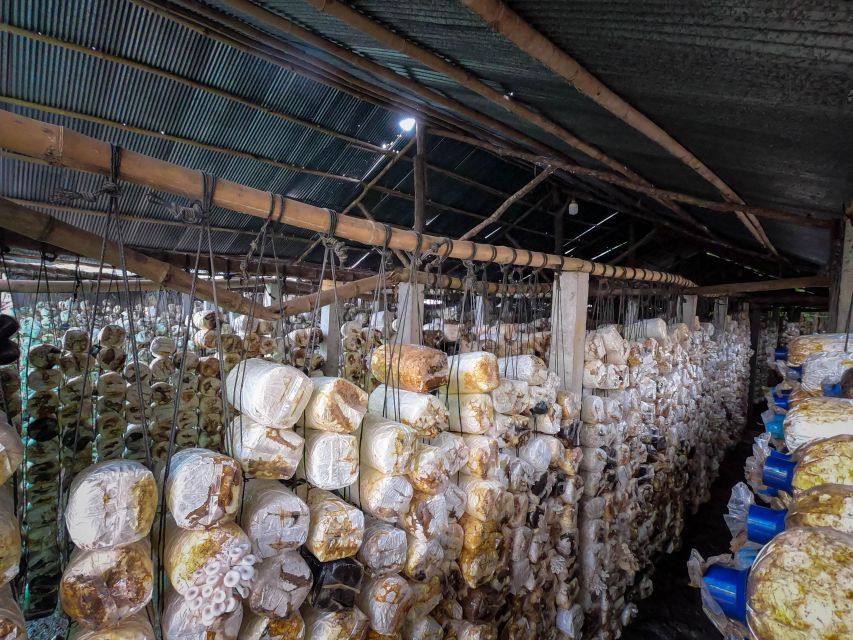
A major part of your experience is visiting the vegetable and marshroom farms. You’ll pick vegetables for your cooking class. That small step changes how you cook, because you’re not just grabbing ingredients from a tray. You chose them.
This is also where the cultural learning lands. In the reviews, the explanations around village life and how people live came up again and again. The guide’s job isn’t just to point; it’s to connect food choices to everyday Khmer living.
If you’re the type who loves knowing where ingredients come from, this is the sweet spot. You leave with a mental map: farms → pantry → flavors → dinner.
Tasting herbs and sauces before you cook
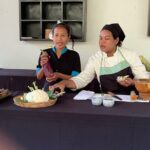
Before your knives start moving, you’ll taste and learn. The plan includes sampling aromatic herbs and tasty sauces, then picking up traditional techniques.
This pre-cooking tasting is valuable because Khmer flavor comes from balance. You’ll start to notice how herbs smell, how sauces behave, and why certain ingredients show up together. Instead of copying steps blindly, you can understand the logic.
It also keeps the class from feeling random. When you later cook, you’ll know what you tasted and why it matters.
One tip for making this part work for you: ask short questions while you’re tasting. What’s used for freshness? What’s for depth? What changes if an ingredient is swapped? Your guide speaks English, so you can get clearer fast.
Hands-on cooking with a chef: Khmer specialties, taught simply
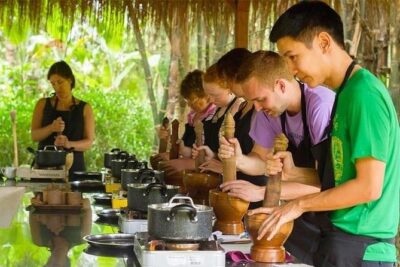
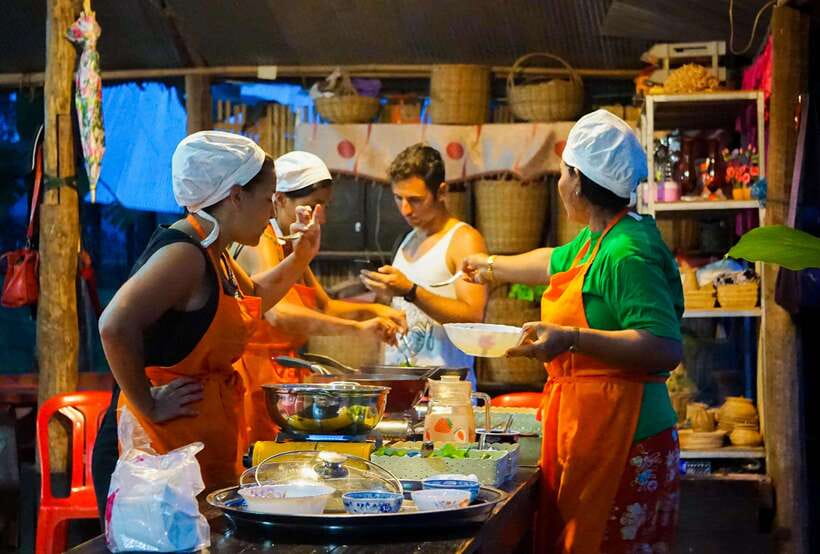
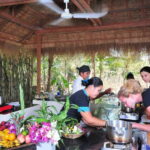
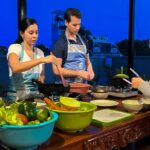
Now comes the fun part: cooking. You’ll work with the chef and follow guidance through multiple steps to create Khmer dishes.
The class is built around 2 main dishes of Khmer foods and 1 dessert. So you’re not spending four hours on one lonely plate. You’ll get variety, and that helps you take more recipes home that actually match what you enjoyed.
From the review notes, the instruction style is a big reason people rate it so highly. The cooking gets explained clearly, and you’ll have time to ask questions and learn techniques rather than just doing chores.
You can also expect an interactive feel. The whole point is that you’re cooking with help, not watching from the sidelines. If you learn best by doing, you’ll be in your element.
Food comfort factor: Khmer cooking often uses fragrant herbs and flavorful sauces. If you dislike strong aromas, mention it early so the chef can guide you.
You can also read our reviews of more tours and experiences in Siem Reap
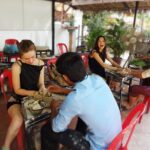
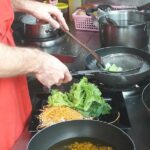
Your homemade dinner: the payoff at the end
Once the cooking finishes, you eat your results. This is described as a delicious homemade dinner, and that’s exactly what it should feel like since you cooked the meal yourself.
There’s a practical advantage here, too. If you’re new to Khmer cuisine, tasting during the class plus eating at the end gives you a complete learning loop. You can compare what you expected with what you actually got.
And yes, this is also a social moment. Your guide and chef explain things while you eat, which helps the experience stick beyond recipes.
In the reviews, people called out that the food was delicious and that the class was genuinely enjoyable. That matters because cooking classes can sometimes end as a checklist. Here, you get the satisfaction of eating what you made.
The recipe book: bring Khmer cooking home
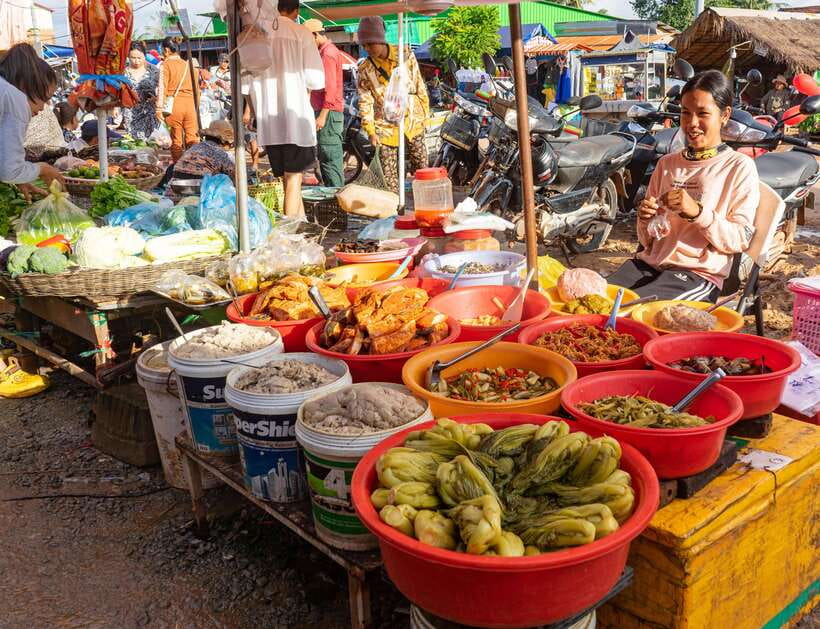
You’ll receive a recipe book at the end. This is one of the best value adds in a class like this because recipes turn a one-time experience into something you can repeat.
For most people, the hardest part of cooking a new cuisine at home is remembering ratios, names, and steps. A take-home book reduces the guesswork later.
If you want to cook one dish first at home, start with the dish you enjoyed most during dinner. Then use the recipe book to recreate your flavor anchor. Once that tastes right, you can build out the rest.
This is also why the class fee feels fair. You’re paying for more than the meal. You’re paying for ingredient sourcing, guided instruction, and a tool you’ll keep using.
Price and value: is $35 a smart deal?
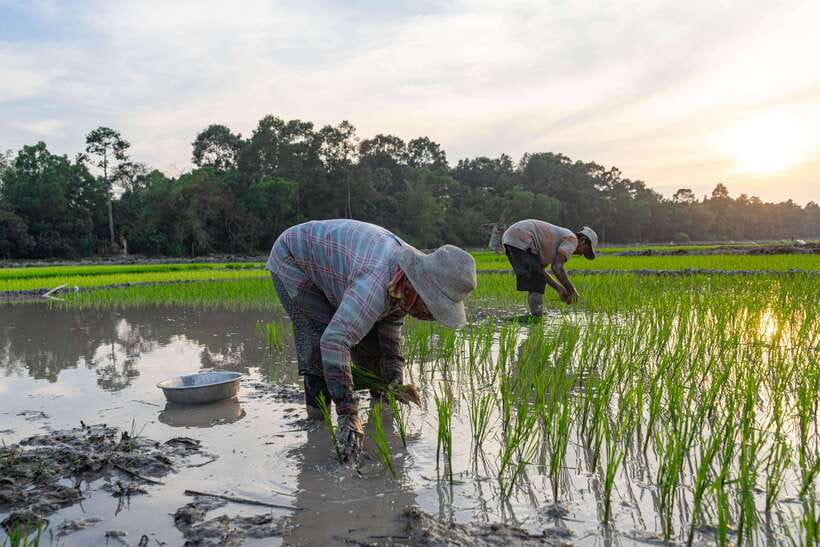
At $35 per person for about 4 hours, this is priced like a mid-range experience. The big question is whether you get enough substance to justify it.
Here’s the value math as you’ll feel it during the day:
- Hotel pickup and drop-off removes transport hassle
- A mix of village tour + farm ingredient sourcing gives the lesson context
- You get hands-on cooking with a chef and English guidance
- The class delivers 2 main dishes + 1 dessert, so it’s not just a snack
- You receive a recipe book you can use after your trip
- Village donation visit fees are included, which supports the community part of the experience
If you’re comparing this to just booking a cooking show, the difference is real. A cooking class with food-tied village visits helps you understand Khmer ingredients, not just recipes.
The only reason to hesitate is if you want a purely passive tour. This one rewards participation.
Who should book this Siem Reap village cooking class
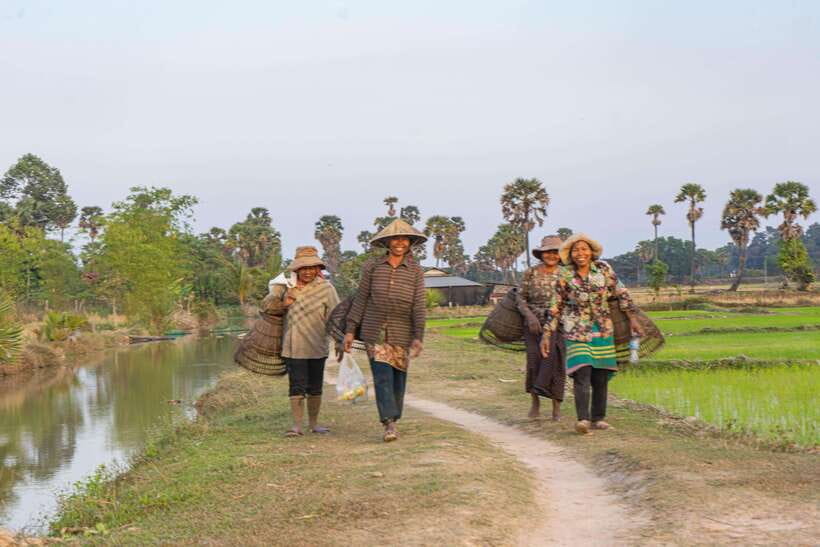
This experience fits best if you want a break from temple-hopping and you love practical learning.
It’s a good match for:
- Food lovers who enjoy understanding ingredients, not just eating
- Travelers who like interactive activities where you can ask questions
- People who want a take-home souvenir that’s actually useful, like a recipe book
It may not be ideal for:
- Anyone who can’t handle walking around village and farm areas
- People who need a fully seated, low-movement experience
- Pregnant travelers, since it’s listed as not suitable
If you’re traveling with kids, you’ll want to judge your child’s comfort level for farm walking and cooking time. The data doesn’t specify child ages, so I’d check before committing.
Small details that make a difference on the day
A few things will help you enjoy the tour more.
First, show up on time. Pickup is scheduled for 3:00 pm, and you’ll be asked to wait in the hotel lobby about 15 minutes early. That keeps the day from feeling rushed.
Second, dress for warm weather and outdoor stops. You’ll travel and visit village and farm areas, so wear something breathable and sturdy.
Third, bring curiosity. This tour is designed around explanations. One review highlighted Ron as a fantastic host who answered questions and helped people learn about Cambodian culture. If your guide is in a similar spirit, you’ll learn faster when you actively ask.
Should you book this Siem Reap cooking class?
I think you should book it if you want a genuine Khmer food experience with more than one hour of instruction. The combination of village touring, farm ingredient picking, and hands-on cooking makes the $35 feel like a fair trade for knowledge you can actually use.
Skip it if you’re only seeking a quick snack, hate outdoor walking, or you want a totally passive activity. This is a working kitchen lesson with real movement.
If you can handle that, you’ll leave with dinner in your stomach and recipes in your hands. That’s the kind of travel souvenir that keeps paying off back home.
FAQ
How long is the Siem Reap afternoon cooking class and village tour?
The tour duration is 4 hours.
What time is hotel pickup?
Pickup is scheduled for 3:00 pm. You should wait in the hotel lobby about 15 minutes before your scheduled pickup time.
How much does it cost?
It costs $35 per person.
What’s included in the price?
The tour includes hotel pickup and drop-off, an English-speaking local guide, 2 main dishes of Khmer foods, 1 dessert, and village donation visit fees.
Do I get a recipe book?
Yes. You’ll receive a recipe book so you can recreate the dishes at home.
Is there a cooking and tasting component, or is it mostly sightseeing?
It includes both. You’ll taste herbs and sauces, learn traditional techniques, cook Khmer specialties, and then eat your homemade dinner. You’ll also tour the village and visit farms.
Is the tour suitable for pregnant women?
No, it’s listed as not suitable for pregnant women.
What language is the guide?
The tour includes an English-speaking live guide.