REVIEW · SIEM REAP
Angkor Wat Tour, Explore The Main Temples With Tour Guide
Book on Viator →Operated by Angkor Wat Merge Tour · Bookable on Viator
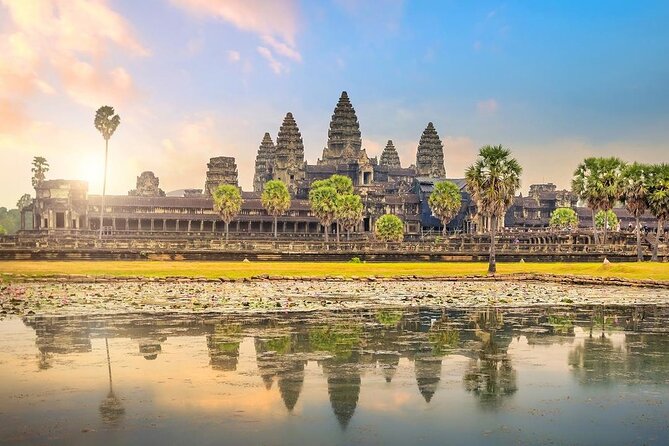
Morning light turns Angkor Wat into a ritual. This shared day trip from Siem Reap pairs English speaking commentary with a smart hit-list of the park’s most famous sights, so you spend less time guessing and more time understanding what you’re seeing. You’ll move temple to temple in an air-conditioned minibus with pickup and drop-off, plus water along the way.
What I like most is the way your guide connects details to the bigger picture, especially at the signature stops. I also like the practical flow: you start early, travel comfortably, and get guided time at Angkor Wat, Banteay Kdei, Ta Prohm, and Bayon without having to plan routes all day.
One thing to consider: the day is physically demanding, with a lot of walking, steps, and uneven temple ground.
In This Review
- Key things to know before you go
- Why this Angkor Wat day tour works (and what a guide adds)
- Getting to the park: air-conditioned comfort and a clean start
- Angkor Wat first: the best way to see the main complex
- What to watch for
- Banteay Kdei: the quieter temple stop you’ll be glad you included
- Why this stop is good value in a day
- Ta Prohm: the jungle temple look, with context that makes it better
- A practical downside
- Bayon and Angkor Thom: faces, towers, and the center of the action
- The timing trick
- Tonle Om Gate: finishing with a big entrance moment
- Price and value: what $12.50 really means after the $37 entrance fee
- What the shared-group format feels like on the ground
- Practical tips to make your day smoother
- Who this Angkor Wat tour suits best
- Should you book this Angkor Wat tour with a guide?
Key things to know before you go
- Early start from Siem Reap helps you reach Angkor Wat with better morning light and fewer crowds to fight.
- English speaking tour guide brings context to architecture and carvings, not just locations.
- Main temples in one day: Angkor Wat, Banteay Kdei, Ta Prohm, Bayon, plus Tonle Om Gate.
- Shared group size capped at 30 keeps the tour social but not too big.
- Entrance fee is separate (you pay $37 per person), so plan your total budget.
Why this Angkor Wat day tour works (and what a guide adds)
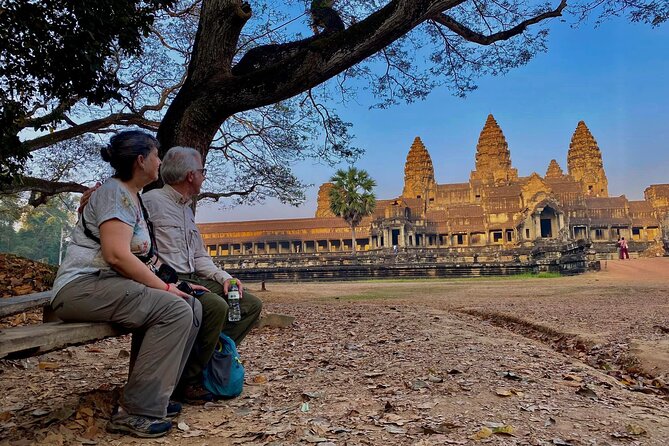
Angkor Wat isn’t just one temple. It’s the centerpiece of a whole Angkor Archaeological Park world, with lots of styles, symbols, and layers of meaning packed into stone. Without guidance, it can blur together into “pretty ruins.” With a good guide, the details start to click.
I like that this tour is built around the major beats of the day. You get guided time at Angkor Wat first, then the quieter Banteay Kdei stop, the cinematic Ta Prohm, and then Bayon’s face-tower drama in Angkor Thom. That sequence matters because the guide can build stories as you go, so you’re not just collecting photos.
One extra plus from the experiences I’ve seen people share: guides can be genuinely story-focused. For example, some groups mention a guide named Mao who combined history with personal storytelling and took care of the group throughout the day. That’s exactly the kind of difference you feel when you’re walking temple courtyards instead of reading wall labels.
You can also read our reviews of more guided tours in Siem Reap

Getting to the park: air-conditioned comfort and a clean start
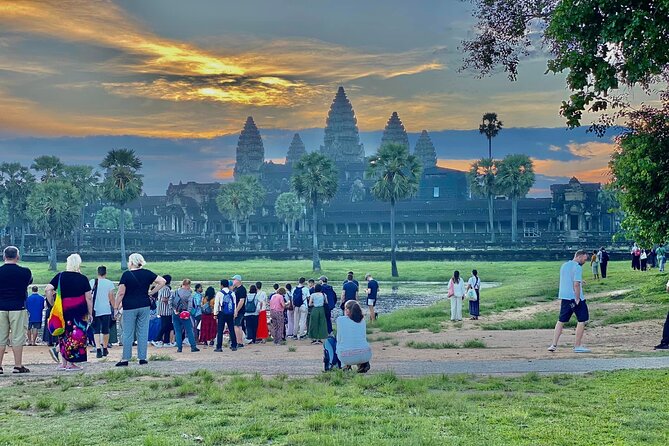
This tour includes pickup and drop-off from your Siem Reap hotel and transportation by air-conditioned minibus. For an 8-hour day, that’s not a small thing. Heat and long drives can drain your energy before you even hit the first stone blocks.
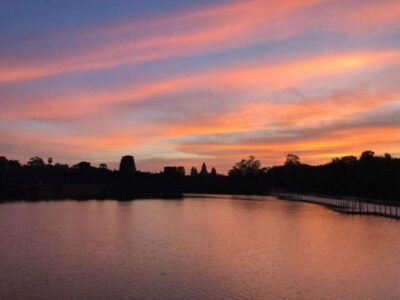
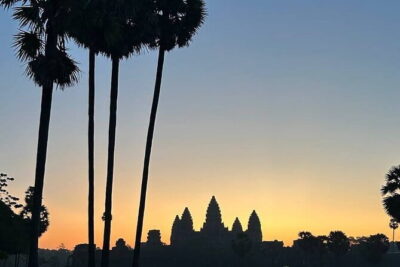
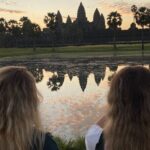
The timing also helps. You start in the early morning and head to the Angkor Archaeological Park. That gives you a stronger chance to experience Angkor Wat in morning light. In the feedback I saw, sunrise at Angkor Wat is a highlight for some groups, and the early start is what makes that kind of timing realistic.
You’ll also have water included, which I really appreciate for a long walking day. It won’t replace good planning (hat, sunscreen), but it reduces the number of things you need to manage on site.
Angkor Wat first: the best way to see the main complex
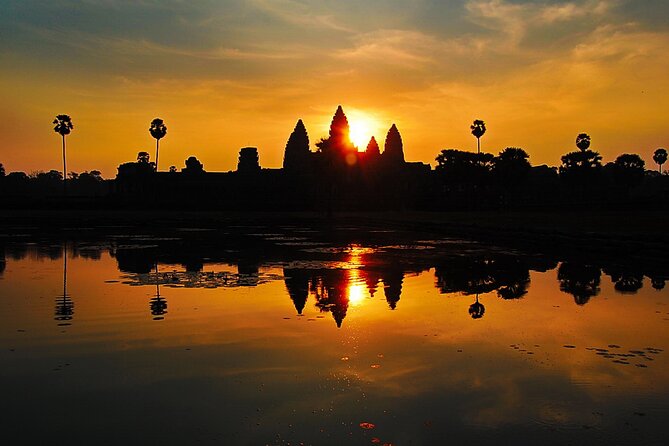
Your first temple stop is Angkor Wat, with about 3 hours on site. You’ll travel into the archaeological park area, and your group buys entrance tickets there (the ticket cost is not included in the tour price). That’s a common setup in Siem Reap tours, but it’s smart to know so you’re not surprised later.
Angkor Wat can feel overwhelming because it’s huge and highly symbolic. This is where a guide really earns their keep. A good guide will point out how the temple’s layout and carvings fit together, and why certain views matter from specific angles. Even if you’re a first-timer, guided time helps you not miss the “why” behind what you’re seeing.
You’re also in the right spot for morning photography. Morning light changes the look of stone surfaces and shadow lines on doorways and galleries. If you care about photos (and most people do here), arriving early and having a guide who knows the flow can help you spend less time wandering and more time framing.
What to watch for
- The day is long, so don’t treat the first stop like a quick photo sprint. Use the time to understand what you’re looking at.
- Wear shoes you trust. Angkor ground can be uneven, and you’ll keep walking for hours.
Banteay Kdei: the quieter temple stop you’ll be glad you included
After Angkor Wat, you move to Banteay Kdei, about 1 hour. This temple gets less attention than the headline names, and that’s the point. It means you can slow down a bit and focus on the building details rather than fighting the busiest foot traffic.
Banteay Kdei’s meaning is part of why it’s interesting. The temple name translates as Citadel of Chambers, and the stop gives you a calmer look at Buddhist monastery space and carvings. Even in a short visit, a guide can help you see how the temple’s design differs from Angkor Wat, and how the overall Angkor “family resemblance” still includes distinct styles.



Why this stop is good value in a day
This is one of the most “worth it” stops for first-timers because it gives variety. Without it, a lot of people end up seeing only the most famous facades. With Banteay Kdei, you get texture, carvings, and a more relaxed pace—useful when you’re mentally overloaded from Angkor Wat’s scale.
Ta Prohm: the jungle temple look, with context that makes it better
Next is Ta Prohm, about 2 hours. Ta Prohm is famous for massive tree roots growing over the temple structures, and it really does look like nature and architecture are sharing a single story. It’s one of the easiest places to photograph, but it can also become a chaotic blur if you’re trying to go it alone.
With a guide, you can connect the “jungle temple” look to what the site represents and why it’s remembered the way it is. A good guide helps you notice details beyond the most photographed root clusters—like how the carvings sit on walls and how the space is organized.
A practical downside
Ta Prohm can feel physically demanding because you’ll move through uneven areas and stand in spots for photos. Plan for a slower pace inside your 2 hours. If you’re chasing the perfect shot, you may burn time fast—so it helps to let the guide set the order you see things.
Bayon and Angkor Thom: faces, towers, and the center of the action
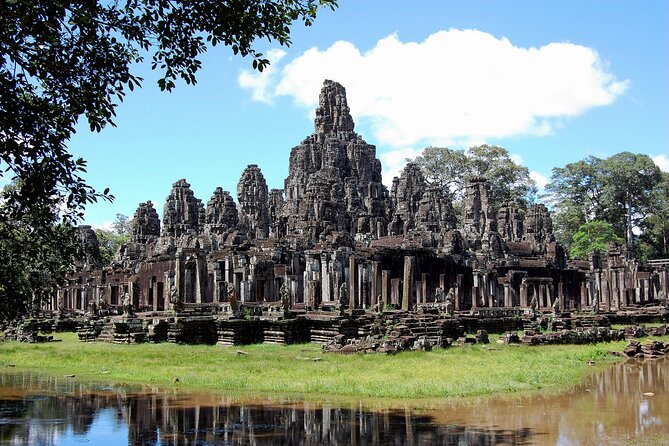
Then you reach Bayon Temple, about 1 hour, located at the center of Angkor Thom. Bayon is known for its 54 towers, each decorated with four large, serene faces of Avalokiteshvara. This is where Angkor goes from “impressive ruins” to “dramatic visual language.”
A guide can make Bayon far more than an easy photo spot. The carvings and layout have a message. You’ll learn how the temple is organized, why those faces matter, and how the setting in Angkor Thom gives the complex a central, ceremonial feel. If you like architecture, this is your moment.
The timing trick
One hour can sound short for a place this iconic, but Bayon’s design is easier to experience when you follow a logical route. A guided flow helps you see more of the key views without wasting time walking back and forth.
Tonle Om Gate: finishing with a big entrance moment
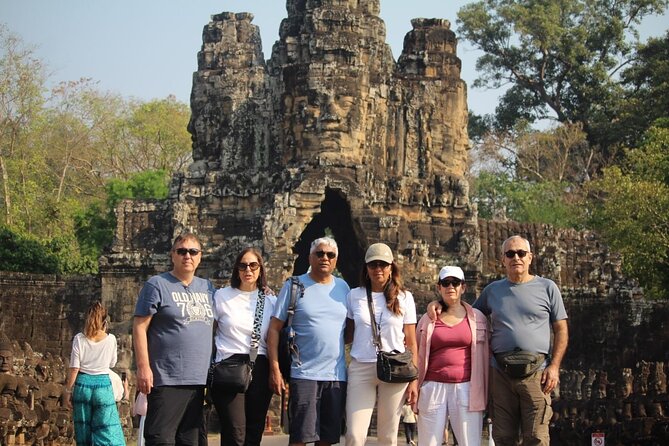
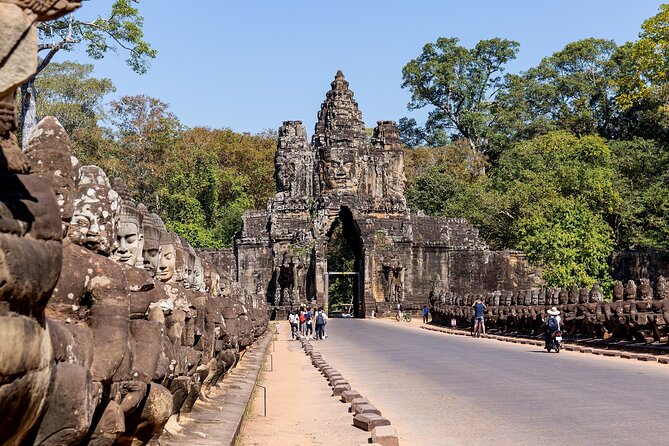
Your final main stop is at Tonle Om Gate, the South Gate of Angkor Thom, with about 30 minutes. This gate area is dramatic: a causeway lined with statues of gods and demons flanks the entrance, and the gate itself is crowned with four faces.
This stop works as a closing chapter. After the deeper temple interiors, you end with a powerful threshold scene—one that helps you understand Angkor Thom’s overall “walled city” approach. If you want a final set of pictures that feels cinematic, this is it.
Price and value: what $12.50 really means after the $37 entrance fee
The tour price is $12.50 per person, but the entrance fee is $37 per person. So your realistic all-in cost is about $49.50, assuming you’re paying the listed entrance fee and nothing else.
That still can be good value if you care about learning while you walk. Transportation is included (air-conditioned minibus), and you get an English speaking guide plus pickup and drop-off. You’re basically paying for logistics and interpretation, not just access to the site.
Where this matters for you:
- If you’d otherwise hire a private guide or build your own route, a guided shared format can feel like a budget-smart way to get explanation during your visit.
- If you’re the type who prefers to wander without structure, you might feel the day is “packed.” You’ll still see the key temples, but you may wish you had more flexible time.
What the shared-group format feels like on the ground
This is a shared tour with a maximum of 30 travelers. In practice, that usually means you’re not stuck in an enormous crowd, but you still have a group pace. Expect some waiting at entrances and transitions, especially at the most popular sites.
The pace is a key part of the experience. Angkor Wat plus three major temples plus Bayon plus Tonle Om Gate is a full schedule. Some people love that structure because it prevents “temple fatigue drift,” where you get lost in your own route planning. Others find it physically challenging—which matches the feedback about the day being tough but worth it.
If you’re traveling with friends, I’d suggest you coordinate your photo priorities. Let the guide lead, then step out briefly for your own shots. That keeps you from losing the group and saves energy.
Practical tips to make your day smoother
Here’s how I’d prep so the 8-hour day feels more enjoyable and less like a test of endurance:
- Wear shoes that handle uneven ground. Temple paths and steps can be slippery when shaded or damp.
- Use sun protection early. You’ll start in the morning, but you’ll still be outside for hours.
- Don’t skip water. Water is included, but make it last. Sip regularly.
- Keep your expectations realistic for the stop lengths. The tour gives you a set amount of time at each temple, so try to focus on quality moments rather than marathon wandering.
- Bring a light layer. Early morning air can feel cool, and the minibus ride can swing in temperature.
If you’re a photo person, think about timing. The early start is designed to help you catch Angkor Wat in better light, and having a guide who keeps you moving reduces the odds of missing key views.
Who this Angkor Wat tour suits best
This tour is a strong fit if you want:
- An English speaking guide to explain art, architecture, and what you’re looking at
- A straightforward, low-planning route across the key temple highlights
- Air-conditioned pickup/drop-off comfort and water included
It’s also a good option if you’re short on time in Siem Reap. You can’t see everything at Angkor Archaeological Park in one day, so this format makes the tradeoff for you: the “main temples” with guided context.
If you’re someone who hates group pacing, or you want deep time in just one temple complex, you might prefer a slower option. But for most first-timers, this kind of structured day gives you the biggest payoff for your effort.
Should you book this Angkor Wat tour with a guide?
I’d book it if your goal is to see the headline Angkor temples and understand what makes each one different. The combination of transport, pickup/drop-off, water, and an English speaking guide makes the day feel manageable, even though it’s a physical schedule.
You should think twice if you’re on a tight budget and hate the idea of paying a separate entrance fee, or if you want a slow, unstructured experience. The temples are unforgettable either way, but this tour is best for people who like clear direction and learning as they go.