REVIEW · SIEM REAP
Phnom Bakheng Sunset Tour, Pre Rup, Neak Pean, Preah Khan
Book on GetYourGuide →Operated by Siem Reap Private Tour. · Bookable on GetYourGuide
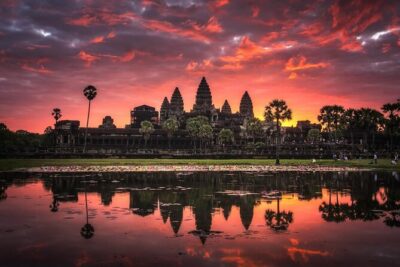
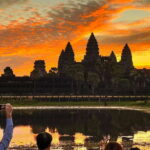
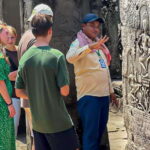
Sunset at Phnom Bakheng feels cinematic. This Phnom Bakheng sunset tour strings together three major temple stops plus the final hilltop view, and it makes sense of the Angkor area instead of just ticking boxes. I love the way the route mixes styles and settings, and I especially like having an English-speaking guide like Son who explains what you’re looking at, including ideas around Hinduism and Buddhism.
One big consideration: reaching Phnom Bakheng’s best viewpoint means climbing about 200 steps. If you can handle stairs and want a relaxed-but-full afternoon, the payoff at sunset is real—and the whole trip typically runs from a 12:30 hotel meet to about 7:30 return.
In This Review
- Key things I’d plan around
- Why this Phnom Bakheng sunset route works (and why timing matters)
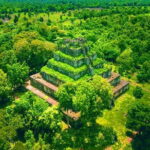
- Pre Rup: a temple mountain with royal intent
- Neak Pean and Jayatataka Baray: a temple on water’s edge
- Preah Khan: the biggest temple on the loop for a reason
- Phnom Bakheng sunset: the climb and the payoff
- English guide and safe transport: the value you feel in your day
- Price, tickets, and what to budget beyond the base cost
- Pace and physical reality: what fits best
- Small tips that make a big difference
- Should you book this Phnom Bakheng sunset tour?
- FAQ
- How long is the Phnom Bakheng sunset tour?
- What’s included in the price?
- How much are temple tickets?
- Is lunch included?
- What do I need to know about Phnom Bakheng?
- Is this tour suitable for everyone?
- What are my options if plans change?
Key things I’d plan around
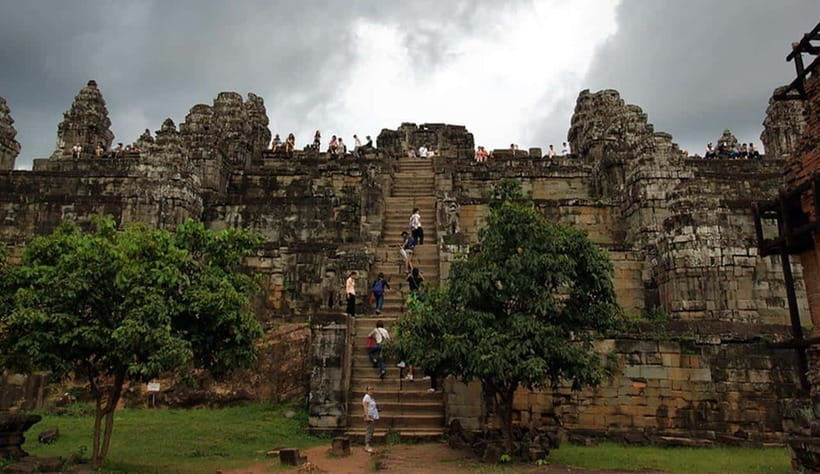
- Pre Rup’s temple-mountain design built with brick, laterite, and sandstone, tied to Khmer kings and a dedication to Hindu tradition
- Neak Pean’s artificial-island layout on Jayatataka Baray, with the temple sitting on a circular island
- Preah Khan’s scale and story as the biggest temple on this loop, built by King Jayavarman VII to honor his father
- Phnom Bakheng at sunset after a full circuit—your timing matters for the hilltop view
- The climb (around 200 steps) is the one physical factor that shapes everything about this tour
Why this Phnom Bakheng sunset route works (and why timing matters)
I like tours that feel like a plan, not a shuffle. This one works because it starts in the heat of the afternoon and uses the daylight to cover three temple stops before you earn the final sunset view from Phnom Bakheng.
You’ll meet your guide and driver at 12:30 pm at your hotel. From there, the day flows into Pre Rup, Neak Pean, Preah Khan, and then the hilltop finale. You should be back in Siem Reap city around 7:30 pm. That time window is long enough to feel like you did something meaningful, but not so long that it becomes a full-day slog.
Also, you’re not wandering alone. You get an English-speaking tour guide, pickup and drop-off, cold water, and local snacks. That matters more than it sounds—Angkor-region days can dry you out fast, and you don’t want to spend your energy figuring out logistics instead of looking at stone details.
You can also read our reviews of more evening experiences in Siem Reap
Pre Rup: a temple mountain with royal intent
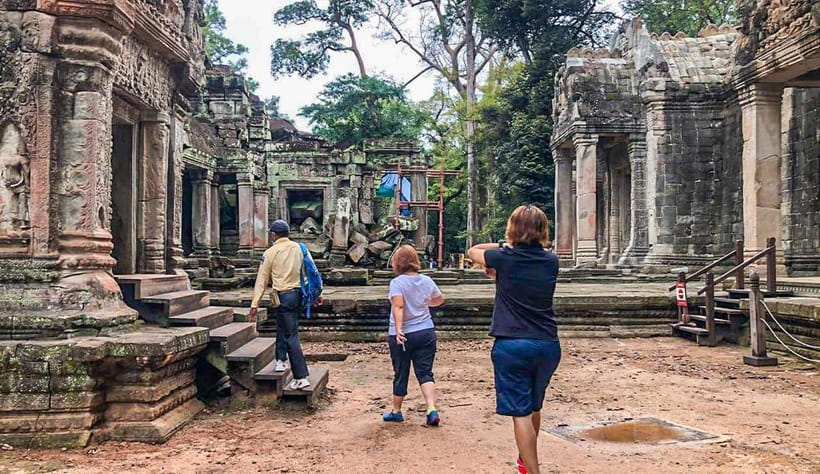
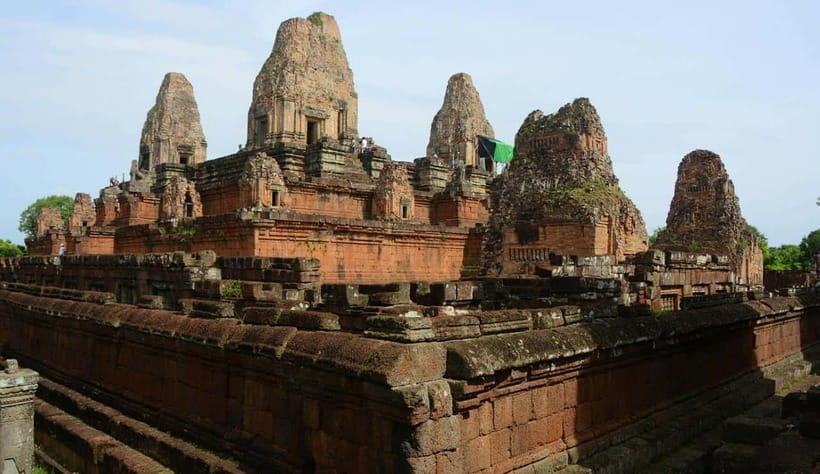
Pre Rup is often the kind of stop people rush through because it sits on the same “big Angkor” circuit. Don’t do that. This site is worth your attention because it’s a temple mountain built in a very specific Khmer royal context.
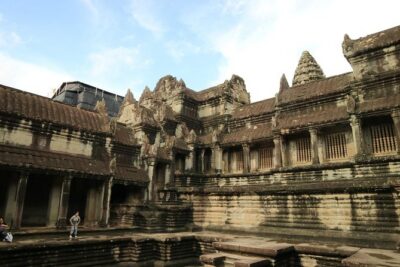
Pre Rup was dedicated to Hindu worship as the state temple of King Rajendravarman, with dedication dated to 961 or early 962. Architecturally, it’s built using brick, laterite, and sandstone—a mix that you can actually see as you move around. The result feels layered and practical, like each material is doing a job.
What I like most here is that you’re not just seeing a single structure—you’re seeing the idea of a “mountain temple,” with higher levels suggesting a path upward toward the sacred. Even without climbing the biggest spots, you still get a sense of how the layout pulls your eyes.
A small drawback: Pre Rup can feel more exposed than some temple ruins in shaded areas. If the sun is intense when you arrive, wear light layers, put on sunscreen early, and keep your water handy. The tour includes cold water, but your body still has to do the usual Cambodian humidity math.
Neak Pean and Jayatataka Baray: a temple on water’s edge
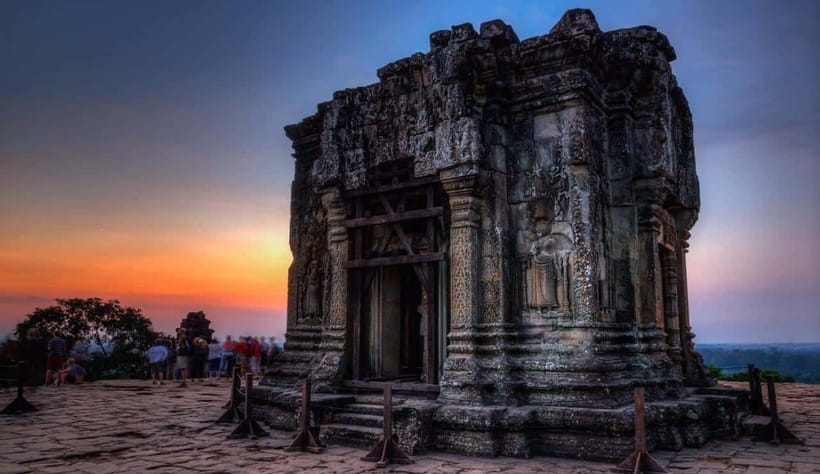
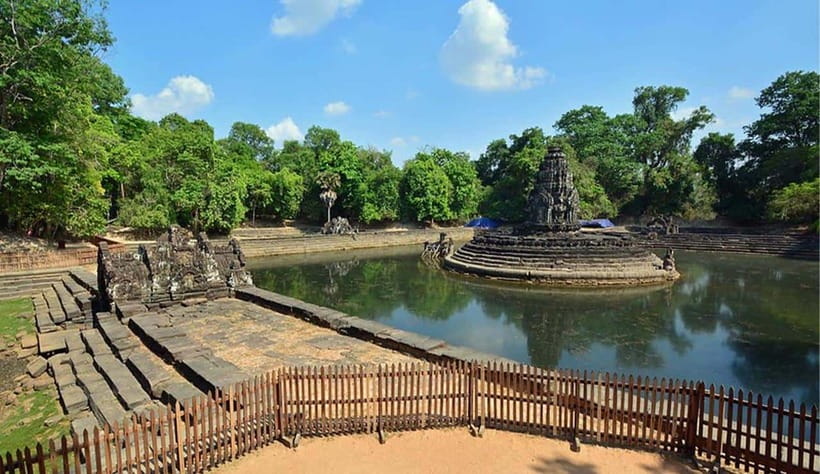
Neak Pean is the kind of stop that slows your brain down—in a good way. Instead of towering spires, it has a quieter, more intentional geometry: it’s an artificial island with a Hindu temple on a circular island inside Jayatataka Baray.
This baray system context is important. Jayatataka Baray is part of the water-management thinking behind many Khmer temple complexes. Neak Pean’s location inside that water space changes how you perceive the temple. From the right angles, the ruins feel less like isolated rubble and more like part of a designed landscape—water, island, and worship tied together.
The temple itself dates to the 12th century, which helps you place it chronologically as you move through the loop. I find that knowing the rough era makes you look longer. You start noticing what seems preserved versus what looks reworked over time.
Potential consideration: because this stop centers on an island-like setting, it can feel a little less “massive” than the largest temples on the circuit. If you’re expecting huge scale everywhere, you might need to adjust your mindset. Think of Neak Pean as the calm pause in the middle of a day—less size, more composition.
Preah Khan: the biggest temple on the loop for a reason
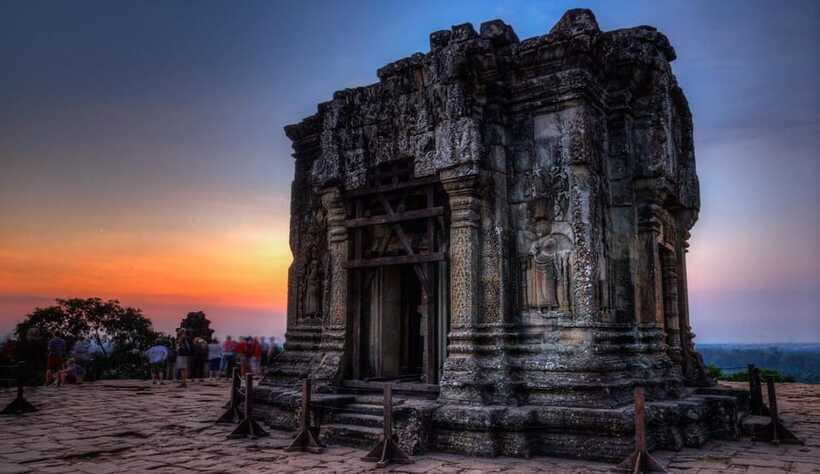
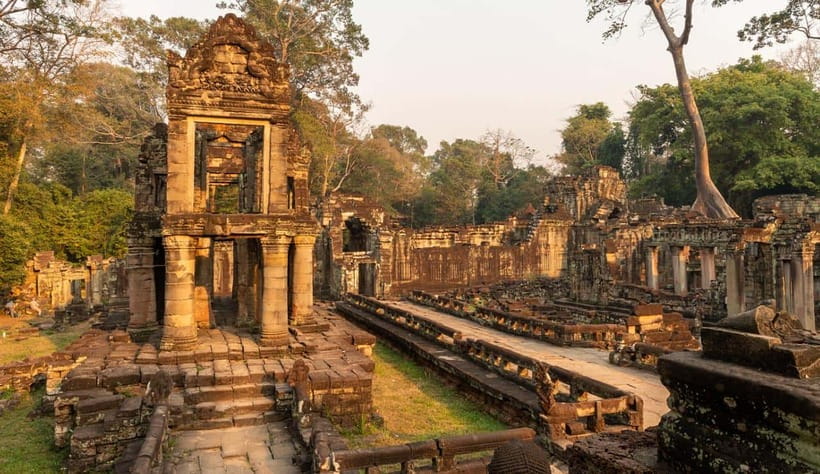
Preah Khan is where the tour usually gains momentum. It’s the biggest temple on this loop, and that size isn’t just a flex—it changes how you experience space, corridors, and views.
This site was built by King Jayavarman VII to honor his father, and it sits northeast of Angkor Thom. That “bigger-than-the-rest” feeling matters because you can spend time walking and looking instead of just snapping photos and moving on.
I love how Preah Khan gives you a sense of the Angkor region as a living, changing system. You see how temples functioned as more than shrines. Even when areas are crumbling, the layout still suggests purpose: movement through connected zones, and worship built into the flow of the architecture.
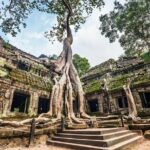
There’s also an emotional side that comes up when you’re facing tree roots and aging stone. This is one of those places where nature and ruin feel intertwined rather than purely destructive. The tour includes time to explore, so you’re not forced to sprint.
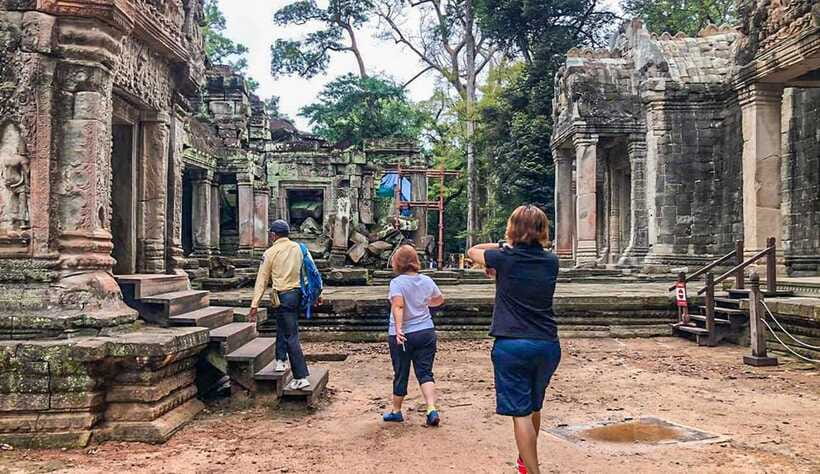
What to plan for: at larger sites like this, you’ll likely do more walking across uneven ground. I’d wear shoes with good grip and keep your pace steady. If you rush, you’ll miss details that are easiest to catch when you slow down.
Phnom Bakheng sunset: the climb and the payoff
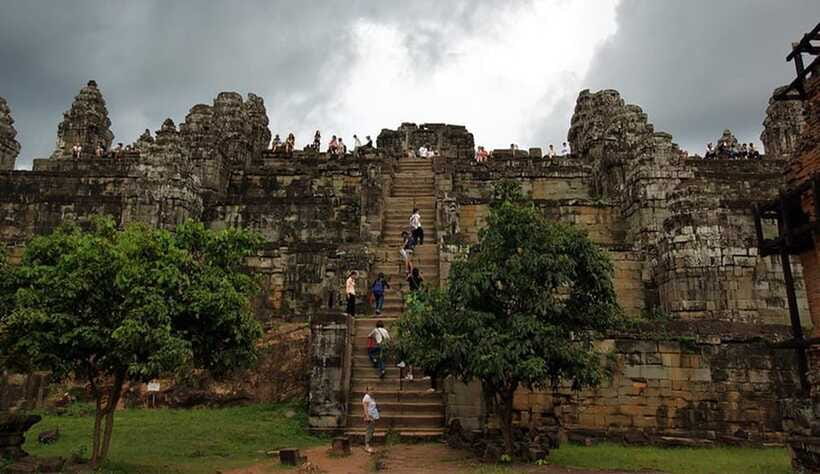
The last stop is the reason the tour exists. Phnom Bakheng is a Hindu temple in the form of a temple mountain, dedicated to Shiva, built at the end of the 9th century during the reign of King Yasovarman.
This is the stop you feel in your calves before you ever see it. The key practical detail: you will climb 200 steps to reach the top. For me, that changes how you should approach the day. Don’t treat it like a casual walk. Start the hill climb with a slower rhythm, take a breath when you need to, and use the steps to set your pace rather than trying to beat anyone else.
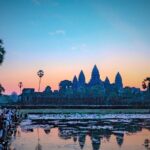
Once you’re up there, the view at sunset is the payoff. The tour is timed so you finish your temple circuit and can watch the light shift in a big, visible way. This is also where your guide’s explanations can help a lot. Knowing the Shiva connection and the “mountain temple” concept makes the structure feel less like a climb-for-a-photo and more like a meaningful design.
If you want a simple decision rule: if you’re okay with stairs and you want that one iconic golden-hour moment, Phnom Bakheng is worth it. If stairs are a problem for you, you’ll feel every step as a stressor instead of part of the experience.
English guide and safe transport: the value you feel in your day
At $55 per person for a 6-hour tour, the price lands in the middle of what most people pay for a focused Angkor-region day. What makes it feel like value is what’s included and what it saves you from doing yourself.
You’re not just buying tickets to temples. You’re buying:
- Hotel pickup and drop-off (so you’re not arranging transport on the fly)
- An English-speaking guide who keeps the stops meaningful
- Cold water and local snacks (so you don’t run on fumes)
- Transportation by shared tuk tuk for small groups (1 to 3 people) or an air-conditioned vehicle for larger groups (4 or more people)
The reviews you’ll read about this kind of tour often hinge on one person: the guide. Here, the guide name Son shows up as a standout. People describe him as professional, kind, and with strong English, plus someone who gives useful tips and shares insights around Hinduism and Buddhism. I’d treat that as a real differentiator. A good guide doesn’t just tell you what you’re looking at; they help you understand why it was built that way and how to read the remains.
You’ll also appreciate the driver side of things. A safe, helpful driver reduces the mental load of traffic and timing, especially when your day ends with a sunset schedule.
Price, tickets, and what to budget beyond the base cost
The $55 per person covers the tour itself. What’s not included is temple ticket cost: $37 per day.
So if you’re doing this as a separate add-on, plan for both the tour fee and the ticket fee. That’s important when you compare this experience to other options. A tour that looks cheaper on paper can end up costing more once you add entrance and transport separately.
Also note what’s included and what isn’t: lunch is not included. The tour provides local snacks, but if you have a big appetite—or you’re the type who needs a proper meal to keep energy up—you may want to eat before the 12:30 start or plan for food after you return.
Pace and physical reality: what fits best
This is a temple-hopping tour with a sunset finale. The pace is active but not frantic, and it’s built for people who want structure and explanations.
Best matches:
- You want a logical loop that covers Pre Rup, Neak Pean, Preah Khan, and Phnom Bakheng in one go
- You’d enjoy understanding the Hindu symbolism and how sites relate to each other
- You’re comfortable walking on uneven ground and climbing stairs
You should reconsider if:
- You’re not comfortable with about 200 steps at Phnom Bakheng (and the tour is explicitly not suitable for pregnant women)
- You dislike climbing during peak afternoon conditions earlier in the day
Small tips that make a big difference
These aren’t dramatic, but they help you enjoy the day instead of managing it.
- Use the included water and snacks early, not at the last minute.
- Dress for heat but plan for uneven stone surfaces: wear shoes with grip.
- Keep your stamina for the Phnom Bakheng climb; don’t burn it all during early stops.
- When you’re at each temple, pause and look around the edges, not just the central structure. That’s where ruin, restoration, and design clues show up.
And if you get the chance, ask your guide simple questions as you go. A good guide like Son can often connect what you see to why it was built, and that turns the walk into a story you can follow.
Should you book this Phnom Bakheng sunset tour?
If you want one of the most memorable temple-day formats in Siem Reap—temples first, sunset last—this is a strong pick. You’re getting a complete circuit: Pre Rup’s royal temple-mountain feel, Neak Pean’s island-in-a-water-world setting, Preah Khan’s larger, more complex atmosphere, and then the hilltop view at Phnom Bakheng.
The biggest reason to book is also the biggest reason to respect the tour: the sunset climb. If you can handle steps and you’re excited to finish with that late-day view, the experience makes sense and feels worth the effort. If stairs are a problem, skip this exact version and look for an alternative that reduces climbing.
FAQ
How long is the Phnom Bakheng sunset tour?
The tour lasts 6 hours, with pickup around 12:30 pm and return to Siem Reap city around 7:30 pm.
What’s included in the price?
Hotel pickup and drop-off, an English-speaking tour guide, local snacks, cold water, and transportation by shared tuk tuk or an air-conditioned vehicle (depending on group size).
How much are temple tickets?
Temple ticket cost is not included. It is listed as $37 per day.
Is lunch included?
No, lunch is not included.
What do I need to know about Phnom Bakheng?
You will climb about 200 steps to reach the top of Phnom Bakheng.
Is this tour suitable for everyone?
It’s not suitable for pregnant women. The main physical factor is the climb to Phnom Bakheng.
What are my options if plans change?
You can cancel up to 24 hours in advance for a full refund, and there is also a reserve now & pay later option.