REVIEW · SIEM REAP
4-Day Tour from Siem Reap to Phnom Penh
Book on Viator →Operated by Bravo Indochina Tours · Bookable on Viator
Four days, two capitals, one guided line. What makes this trip appealing is how much you fit in without wrestling transport: airport pickup in Siem Reap and a smooth push through to Phnom Penh with Mekong sunset cruising in the middle.
I like two things right away. First, you get English-speaking professional guides who help connect what you’re seeing, not just where it is. Second, the tour takes care of the big logistics—three nights of hotel plus an air-conditioned minivan—so your days stay simple.
One key consideration: the Angkor Temple Pass is not included, so you’ll want to budget for that in addition to the tour price. And day 4 includes visits to emotionally heavy sites, so pace your energy and be ready for the mood shift.
In This Review
- Quick take: what stands out on this Siem Reap to Phnom Penh tour
- Why this Siem Reap to Phnom Penh loop makes sense in four days
- Day 1 in Siem Reap: arrival, Tonlé Sap, and Artisans d’Angkor
- Day 2: Angkor Thom, Ta Prohm, Ta Keo, and Angkor Wat
- Angkor day reality check: tickets and a walking pace you should plan for
- Day 3: Transfer to Phnom Penh and a Mekong sunset cruise
- Day 4 in Phnom Penh: Tuol Sleng, the Killing Fields, then Royal Palace and Silver Pagoda
- The guides and small-group feel: coordination you can feel
- Value and what you’ll actually pay beyond $396.93
- Who should book this tour, and who might not love it
- FAQ
- Is airport pickup included?
- How many nights of accommodation are included?
- Where do I stay overnight?
- Does the tour include Angkor Wat?
- Are guides English-speaking?
- What meals are included?
- How do I get tickets?
- What’s the group size limit?
- Is free cancellation available?
- Should you book this 4-day Siem Reap to Phnom Penh tour?
Quick take: what stands out on this Siem Reap to Phnom Penh tour
- Airport pickup and transfers keep your start-to-finish travel stress low
- Small-group limits (listed up to 7 per booking, up to 9 max) make it easier to ask questions
- Major hits covered in order: Angkor Thom and Ta Prohm, then Phnom Penh’s Royal Palace area
- Mekong river sunset cruise gives you a slower, scenic break between city days
- Tuol Sleng (S-21) and the Killing Fields ensure you understand Cambodia’s modern trauma, not just monuments
- Bravo Indochina coordination shows up in feedback, with names like Mr Tien, Samnang, and Nhoek mentioned for strong local guidance
Why this Siem Reap to Phnom Penh loop makes sense in four days
If you only have a few days, you usually face a trade-off: either go super deep into one city, or sprint across two. This tour chooses the sprint—then tries to keep it readable. You’re not bouncing around on your own. You’re guided from Siem Reap to Phnom Penh with hotel stays, airport transfers, and a daily rhythm built around the region’s biggest draws.
For me, the value is in the combination. You get ancient Angkor highlights in structured blocks, then a shift to Phnom Penh’s royal and museum-side sights, and finally the genocide education stops. That sequence matters because it mirrors Cambodia’s timeline: empire, then collapse and suffering, then rebuilding and identity. It’s a lot, but the trip keeps the pieces connected.
The practical upside is that you’re not deciding what to do every morning. You show up, ride in an air-conditioned minivan, and spend your time at the places that are hard to replicate without planning. Just keep your expectations realistic: four days is short, and you’ll walk more than you might on a typical city break.
You can also read our reviews of more tours and experiences in Siem Reap
Day 1 in Siem Reap: arrival, Tonlé Sap, and Artisans d’Angkor
Your first day starts in a very straightforward way. After you arrive at Siem Reap Airport, you meet your guide and transfer to your hotel for check-in. Then the plan turns to two sides of Cambodia you can feel immediately: everyday life by the water, and craft traditions that keep Khmer skills alive.
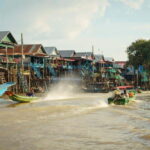
Tonlé Sap Lake is the anchor here. It’s described as a seasonally inundated freshwater lake, fed and reshaped by the river system. Even if you only spend a short stop there, you’re being introduced to how Cambodians understand water and seasons—pretty important context when you later hear about river trade, settlement patterns, and the role waterways played historically.
Then you stop at Les Artisan d’Angkor (Artisans D’Angkor). This is a chance to see Cambodian handicrafts in action and learn that the craft tradition is not only preserved—it’s also active and evolving. It’s not just shopping. It’s more like watching skills get turned into products, and thinking about how tourism can support local makers when it’s handled responsibly.
Practical note: the schedule gives you a lighter feel on day 1, so if you’re jet-lagged, you’re not thrown directly into a 10-hour temple day on arrival.
Day 2: Angkor Thom, Ta Prohm, Ta Keo, and Angkor Wat
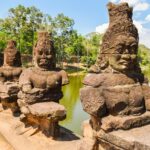
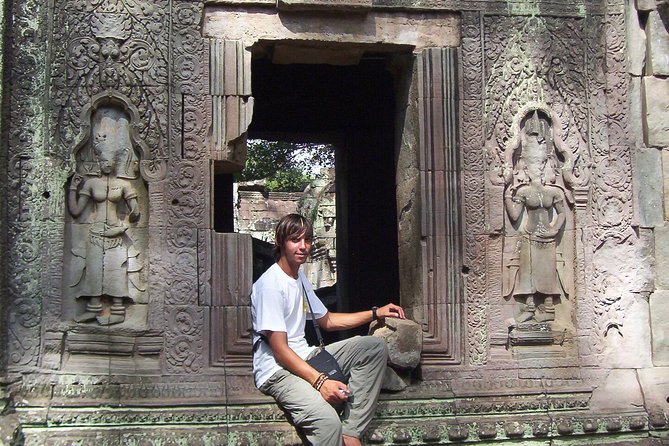
Day 2 is the big Angkor push. The center of gravity is Angkor Thom, starting with the south gate and the monuments that make it feel like a walled city rather than a cluster of ruins. The emphasis is on the main gate-area highlights: Bayon, Baphoun, and terraces like the Elephant Terrace and Leper King Terrace, plus Phimeanakas.
What I like about this structure is that it gives you orientation. Bayon is visually busy, and the other sites help you understand what kind of power and symbolism the Khmer Empire expressed. You’re not just taking photos—you’re moving through a system.
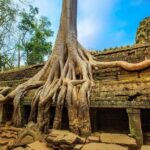
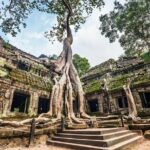
After that, you shift to Ta Prohm, one of the most famous temple sites in Cambodia. Expect long views, dense trees, and that familiar sense of ruins becoming part of the forest again. The stop is listed as a full day stretch on the schedule, which is the right call because Ta Prohm is the kind of place that rewards time. You’ll get more from it if you slow down rather than speed-walk.
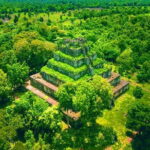
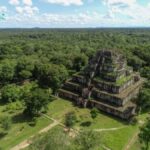
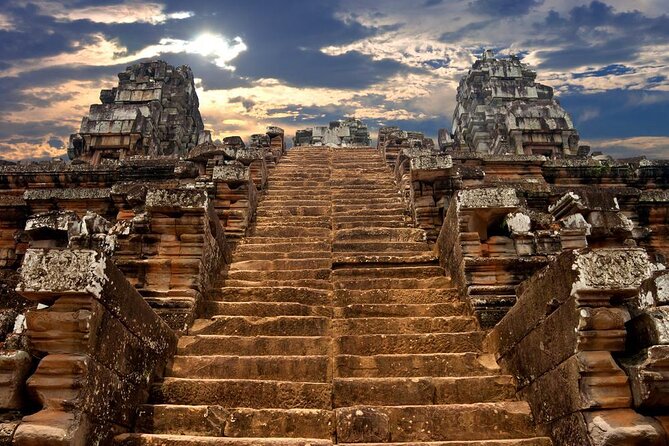
Next comes Ta Keo, a temple-mountain style site. The tour data lists admission for Ta Keo as included, which is handy because it reduces what you need to juggle that day.
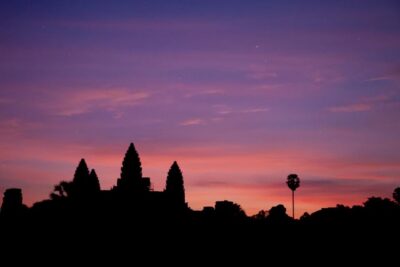
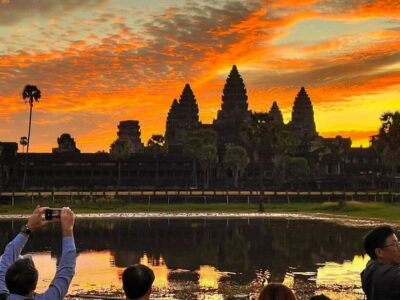
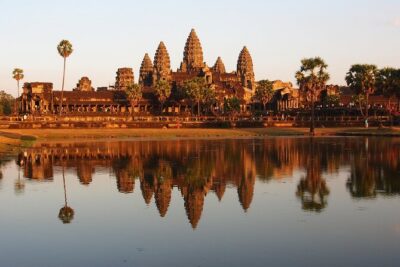
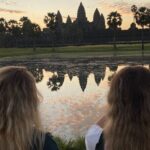
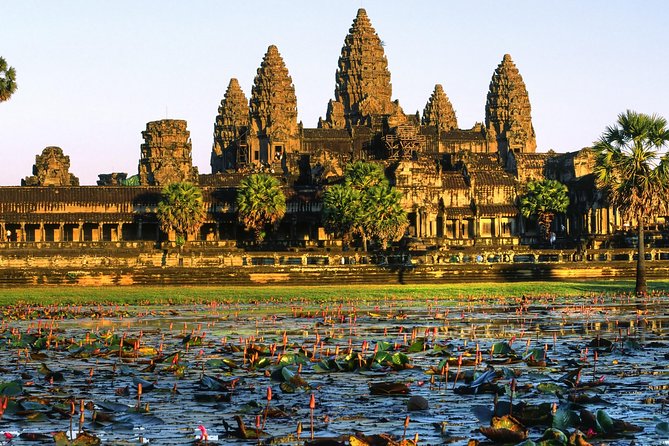
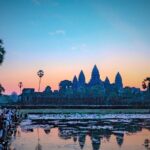
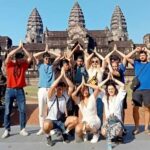
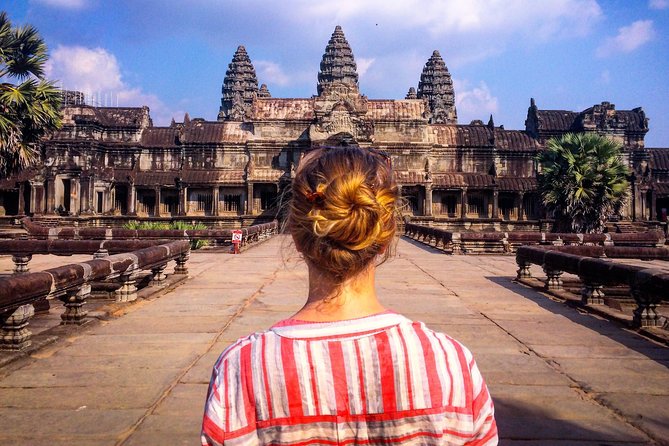
Finally, you end with Angkor Wat. This is the largest religious monument in the world and the signature “you had to come” stop. Your guide’s job here is crucial: Angkor Wat is huge, and without context it can blur into general magnificence. With guidance, you’ll usually understand what you’re looking at faster—direction, layout, and why it matters.
The one drawback: it’s a full day of major sights, and you’ll want to pace water breaks and shade. If you’re the kind of person who likes to linger, you’ll likely need a calm pace habit—otherwise the logistics can feel like a checklist.
Angkor day reality check: tickets and a walking pace you should plan for
The tour makes one thing clear: Angkor Temple Pass is not included. That’s the biggest potential surprise when you see the price. Even if the tour includes sightseeing fees for many stops, Angkor’s temple access still usually requires a separate pass. When you budget, treat the tour price as a base that covers most logistics and many site fees, then add the Angkor pass on top.
Also, note that some specific temples show up as admission included (like Ta Keo in the schedule), while others are listed as not included. That mixed approach is common on tours that cover multiple sites across different ticket rules. Your best move: confirm what’s covered versus what isn’t right after booking so you don’t waste time at the entrances trying to figure it out.
On the ground, you should assume you’ll walk more than you expected. Angkor is outdoors and sun-heavy. Even with a great guide, you’ll feel the combination of stone steps, uneven paths, and heat. If you’re prone to foot pain, bring comfortable shoes you’ve already broken in.
Day 3: Transfer to Phnom Penh and a Mekong sunset cruise
Day 3 is a travel-and-reset day. After breakfast, you transfer from Siem Reap to Phnom Penh, meet your local guide, and check in for your overnight stay. This is the moment where the trip shifts from temple rhythm to city rhythm.
In the afternoon, you head out for the Mekong River experience. You board a boat for a trip that pairs a sunset cruise on the Mekong and Tonlé Sap. The schedule lists this activity as included with admission fees, and it’s a smart contrast to temple days. You get a slower pace, open views, and a different way to “read” the region—through water and movement instead of stone and carvings.
This segment can be especially helpful for first-timers. By the time you reach Phnom Penh, you’ll be carrying Angkor in your head. The river cruise gives you room to exhale before the day 4 intensity.
Practical tip: plan to dress for an outdoor sunset. Even if the day feels warm, river air can change as light drops. You’ll enjoy the cruise more if you’re comfortable instead of shivering while you’re trying to take in the light.

Day 4 in Phnom Penh: Tuol Sleng, the Killing Fields, then Royal Palace and Silver Pagoda
Day 4 is where the trip turns serious. After breakfast, you visit the sites connected to Khmer Rouge persecution and imprisonment, then you move to major royal and religious landmarks.
First on the list is the Killing Fields (Wat Thmey). The tour framing is direct: these sites are where over a million people were killed and buried by the Khmer Rouge regime. It’s the kind of stop you don’t rush. Your guide’s role matters here because the site needs explanation, not guessing.
Next is Tuol Sleng Genocide Museum (S-21). The schedule describes it as a former secondary school used as a security prison. If you’re sensitive to graphic history, this is the day to go in with a steady mindset and a willingness to sit with what you’re learning.
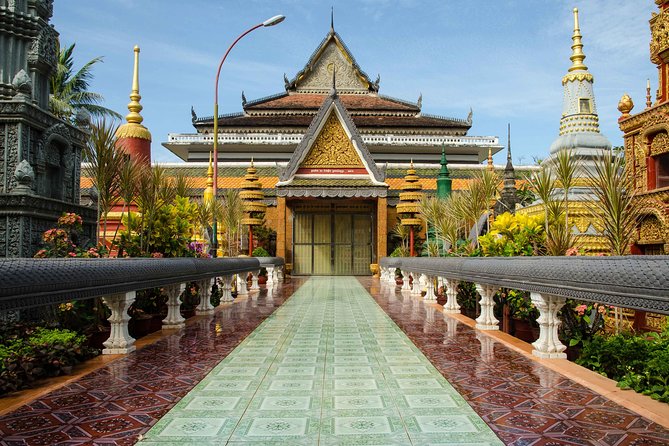
Then you shift to something visually stunning but still meaningful in context: Royal Palace and Silver Pagoda. The Royal Palace is Cambodia’s royal residence complex, and the Silver Pagoda sits on the south side of the palace grounds. Even if you think of these as “just sightseeing,” they land differently after Tuol Sleng and the Killing Fields. You start to see how places of rule, ceremony, and spirituality fit into national identity and recovery.
The schedule also includes Russian Market as a stop on the same day. This is a good counterbalance if you need something normal—snacks, souvenirs, and a chance to walk through daily Phnom Penh life.
The guides and small-group feel: coordination you can feel
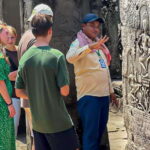
One of the most repeated strengths in feedback is that the human side of the tour matters. Names that come up include Mr Tien, plus guides Samnang and Nhoek. That’s a helpful detail because it signals continuity between planning and on-the-ground guidance.
In the best cases, you’ll feel taken care of: help navigating Phnom Penh and Siem Reap, clear explanations at each stop, and a driver that knows how to keep the day moving. A review also calls out enjoyment of the Hotel Steung Siemreap and notes its handy location, with places like spas, mini marts, a market, and restaurants within short walking distance.
A fair warning also shows up: one piece of feedback notes issues with the main company’s information sharing, even while regional guides were strong. Translation for you: if you have a question about timing, entrances, or what’s included, don’t assume it’s already answered. Ask on day 1. Get clarity early. Good guides will help you sort it fast.
Group size matters too. With caps listed as up to 7 per booking and up to 9 max, you’re less likely to feel like you’re in a cattle line. It’s still a structured tour, but it’s easier to hear the guide and manage your own pace.
Value and what you’ll actually pay beyond $396.93
The price listed is $396.93 per person for a four-day package with pickup, hotel for three nights (twin-sharing), guided sightseeing, transportation in an air-conditioned minivan, and meals including lunch plus breakfast (3).
Here’s how I’d think about value:
- You’re buying convenience: airport transfer, intercity transfer, and day-by-day transport.
- You’re buying guided access: English-speaking local guides and planned visits to major sites.
- You’re buying mostly-covered admissions: sightseeing fees are included for many stops, but not everything in Angkor.
What you should add in your mental budget:
- Single supplement if you’re traveling solo (not included)
- Angkor Temple Pass (not included)
- Food and drinks beyond included meals
- Optional extras like an Apsara Dinner if you decide to do it (listed as optional and not included)
The good news is that the tour avoids a common tourist trap: paying for transportation plus building your own daily plan. If you like having structure, this package style is a strong match.
If you’re the type who hates paying for guided time and prefers total independence, you might feel boxed in at Angkor. But if your priority is hitting the essentials without logistics stress, the price-to-effort ratio makes sense.
Who should book this tour, and who might not love it
This tour fits you best if:
- You want big-name Cambodia highlights in a tight schedule
- You’d rather rely on English-speaking guides than self-navigate the history and layout
- You’re okay with a day that blends sacred spaces, sun exposure, and lots of walking
- You want the contrast of old temples, river scenery, and then modern historical education
You might look elsewhere if:
- You’re traveling with very limited mobility or you can’t handle long temple walks
- You dislike emotionally heavy sites like Tuol Sleng and the Killing Fields
- You don’t want to think about the Angkor Temple Pass as an extra cost
It also helps if you can keep your expectations grounded. Four days can feel packed because it is packed. The tour’s strength is that it organizes that busyness into something you can follow.
FAQ
Is airport pickup included?
Yes. You get an airport pickup and transfer from Siem Reap as part of the tour.
How many nights of accommodation are included?
Three nights of accommodation are included, based on twin-sharing.
Where do I stay overnight?
You check in on arrival in Siem Reap, and then after transferring to Phnom Penh on day 3, you have an overnight stay in Phnom Penh.
Does the tour include Angkor Wat?
Yes. Angkor Wat is included in the sightseeing plan, but the Angkor Temple Pass is not included.
Are guides English-speaking?
The tour includes a local English-speaking tour guide. A surcharge may apply if you want a Spanish- or German-speaking guide.
What meals are included?
Lunch is included. Breakfast is included for 3 days, and other food and drinks aren’t included unless stated.
How do I get tickets?
You receive a mobile ticket, and the confirmation is provided at booking time unless you book within 1 day of travel.
What’s the group size limit?
The tour lists a maximum of 7 people per booking and a maximum of 9 travelers.
Is free cancellation available?
Yes. You can cancel up to 24 hours in advance for a full refund.
Should you book this 4-day Siem Reap to Phnom Penh tour?
I’d book it if you want a structured, guided route that covers Angkor Wat, major Angkor monuments, a Mekong sunset cruise, and Phnom Penh’s Royal Palace, Silver Pagoda, Tuol Sleng, and the Killing Fields—without you solving transport and ticket logistics day by day.
I’d pause if the extra cost of the Angkor Temple Pass would annoy you, or if you know you’re not ready for the emotional weight of genocide-related sites. If you’re in the okay-with-a-full-schedule category, this is a strong way to see the highlights and still make time for meaningful context.