REVIEW · SIEM REAP
Siem Reap: Angkor Wat: Small-Group Sunrise or Sunset Tour
Book on GetYourGuide →Operated by Angkor Wat Travel Tour · Bookable on GetYourGuide
One sunrise, four major temples, zero stress. This is the kind of Siem Reap day trip that starts in the dark and ends with your brain full of Khmer stories, usually guided by people like David or Sen. You get an English-speaking guide, air-conditioned comfort between monuments, and a smart route through several of Angkor’s most famous sights.
I especially like how the tour builds around Angkor Wat at first light and turns that iconic view into more than a photo stop. You’ll also get Bayon’s 54 towers and 216 faces explained in plain language, so you understand what you’re looking at instead of just walking and hoping. One consideration: it’s still a long day of walking in warm weather, so comfortable shoes matter.
In This Review
- Key takeaways before you book
- Angkor Wat at sunrise: why that timing changes everything
- The Air-Conditioned ride and the cold towel routine
- South Gate, Bayon, and Angkor Thom’s 216 faces
- Terrace of the Elephant and the Leper King: royal viewing platforms
- Ta Prohm: jungle trees and why it looks the way it does
- Banteay Kdei: Jayavarman VII’s late-12th-century stonework
- What $15 gets you (and what you’ll still need)
- Small group size: max 15 and why that feels better
- Sunrise vs sunset: picking what fits your body
- Who this tour fits best
- Should you book this Angkor Wat sunrise/sunset tour from Siem Reap?
- FAQ
- What’s included in the tour price?
- Are Angkor entrance tickets included?
- Is food included?
- How many people are in the group?
- Does the tour include sunrise or sunset options?
- Is a private tour available?
Key takeaways before you book
- Angkor Wat at first light (or sunset): early timing helps you catch the temples when the day is calmer.
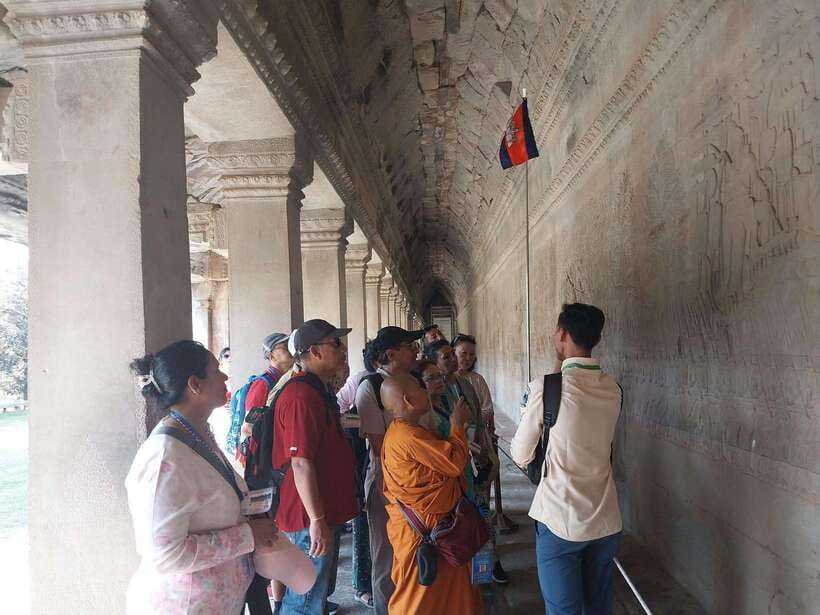
- Clear English guidance: you learn the Khmer context behind Bayon, Ta Prohm, and Angkor Thom areas.
- Big-stone stops, not just one temple: the route layers in multiple world-famous sites.
- Cold water and cold towels: repeatedly handed out to help you handle the heat.
- Small group (max 15) plus private option: easier pacing and more manageable crowds.
- Photo breaks built into the day: your guide aims you at the best viewpoints and angles.
Angkor Wat at sunrise: why that timing changes everything
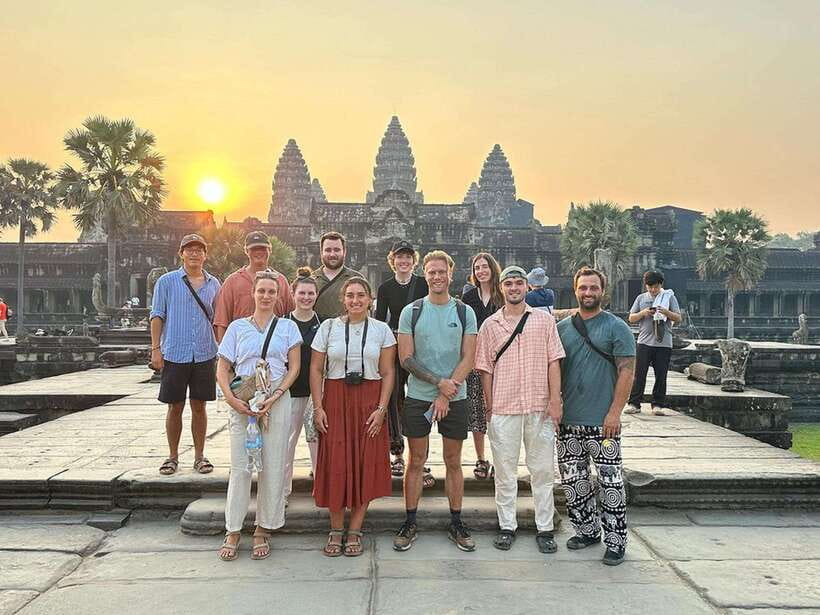
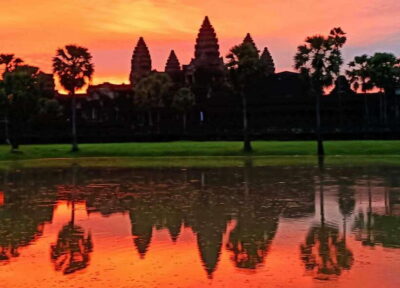
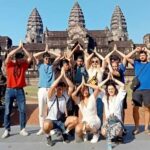
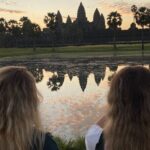
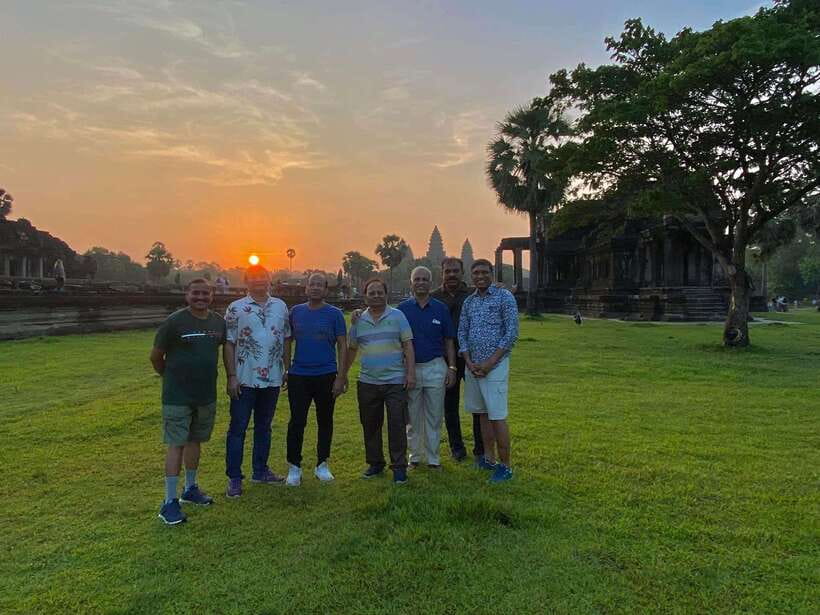
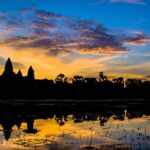
Angkor Wat is the headline in Angkor, but the real reason this tour is worth it is the timing. You start with an early hotel pickup in an air-conditioned vehicle and head to the main entrance area before the light gets strong, so the stones look different than they do later in the day. If you choose sunrise, you’re trading sleep for magic light and that hushed feeling the complex has before most of the world shows up.
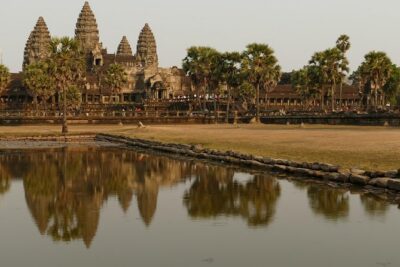
Once you’re there, you get time for the view plus a guided visit. That matters because Angkor Wat isn’t just one monument; it’s a whole design system, and a good guide helps you connect the layout to what the Khmer builders were trying to express. You’ll also have photo stops built into the experience, so you’re not stuck with only whatever angles you can grab while the group moves on.
This is also where you’ll feel the difference between doing Angkor solo and doing it with a plan. The tour keeps you from wandering in circles, and it helps you hit key viewpoints while you still have decent walking energy. If you’ve ever tried to “wing it” at sunrise, you know it’s easy to miss the best moment just from simple logistics.
You can also read our reviews of more evening experiences in Siem Reap
The Air-Conditioned ride and the cold towel routine
Between temple circuits, you’re not left to bake. The tour includes an air-conditioned vehicle, plus cold water and cold towels to freshen up after you’ve been out in the sun. That combination is not a small detail in Cambodia. It’s the difference between a day that feels tough and a day that feels like a long, good adventure.
You’ll also notice the pacing is designed for real-world comfort. The schedule moves you from one major stop to the next with travel time between them, so you’re not stuck waiting around for hours without a break. In the heat, that’s huge.
Transport quality is also a big part of the value here. The vehicle performance has been rated very highly, with 97% of ratings landing on perfect. I take that as a sign the operator pays attention to the basics that can ruin a day trip: cleanliness, comfort, and on-time movement.
South Gate, Bayon, and Angkor Thom’s 216 faces
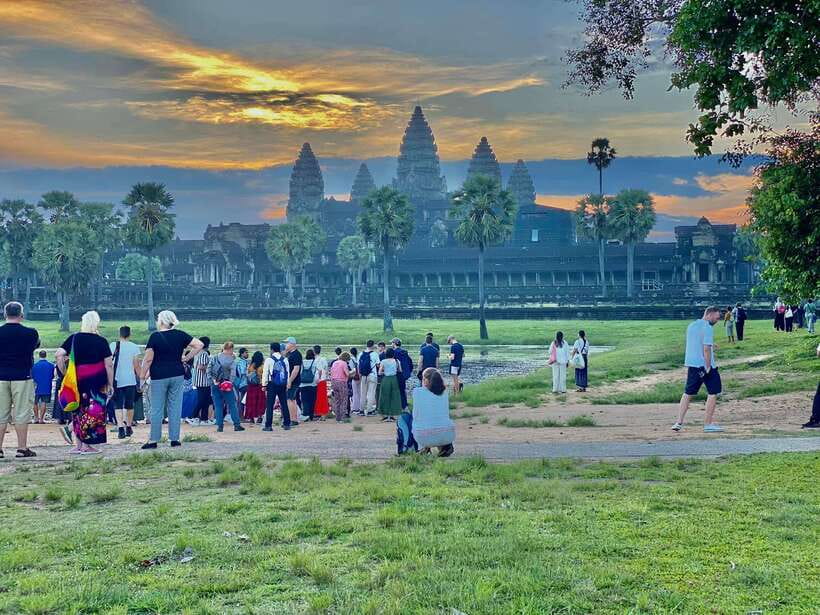
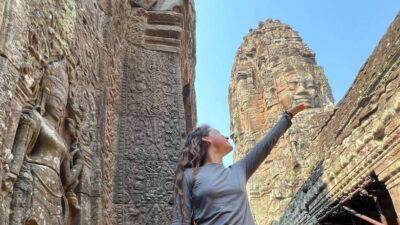
After Angkor Wat, the tour shifts into the more dramatic side of Angkor Thom. You go to the South Gate area, then work through sights that bring you close to the storytelling carved into the stone. Bayon is the star in this section, with its 54 towers and 216 faces of Avalokesvara (the tour uses that name), and seeing those faces in person is a different experience than seeing them in photos.
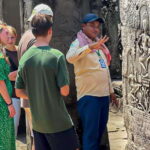
What I like about this part is that the guide doesn’t just point and name. You get historical context about the Khmer empire and how these temples fit into that world. Even if you only catch part of the explanation, the architecture starts to make more sense while you’re standing there.
There’s also practical value in guided navigation. Bayon and the wider Angkor Thom area can get crowded, and the tour’s structure helps you keep moving at a steady rhythm. You’ll have photo stops and guided time, which usually means less time lost to “where do we go next” stress.
Terrace of the Elephant and the Leper King: royal viewing platforms
Not all Angkor stops feel like a single famous “wow” moment. Some feel like you’re stepping into a stone-built stage. The tour includes the Terrace of the Elephant and the Terrace of the Leper King, described as royal viewing and audience areas.
This is the kind of stop that pays off when you have context. If you understand what these terraces were meant to do, you start noticing how the spaces guide movement, sightlines, and ceremony. Without that, terraces can look like impressive stone layers but not much else.
It’s also a good break in the day’s flow. By the time you reach the terraces, you’ve already had the big sunrise moment and the first temple circuit. The terraces give you space to slow down, take photos, and absorb the “how power was displayed” idea that runs through Khmer temple design.
Ta Prohm: jungle trees and why it looks the way it does
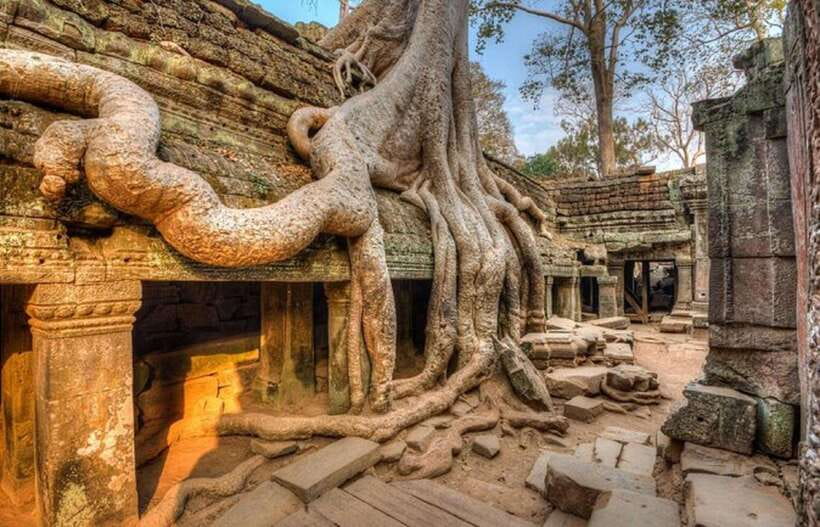
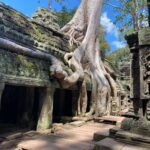
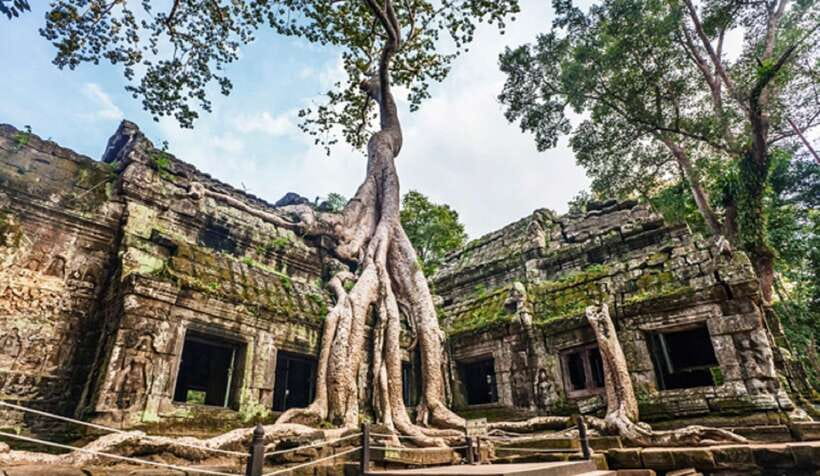
Then comes the famous jungle-temple chaos of Ta Prohm. You’ll reach it after another stretch of travel and get both a photo stop and guided time. The standout here is how the temple stones sit in a living forest, with roots and trees dramatically framing the architecture.
I like Ta Prohm because it has personality. It’s not polished and symmetrical in the same clean way as some other sites, and that’s part of why people remember it. The guide’s job is to connect the visual wow to the real story behind the temple’s survival and its role in Angkor.
Also, the timing and pacing help. You’re given time to look and wander, not just shuffle past. That’s important here because Ta Prohm is all about small details: root angles, worn stone edges, and the way the light hits the gaps between structures.
Practical note: this is the kind of temple where comfortable shoes matter most. Surfaces can be uneven, and you’ll want your footing so you can keep your camera steady.
You can also read our reviews of more tours and experiences in Siem Reap

Banteay Kdei: Jayavarman VII’s late-12th-century stonework
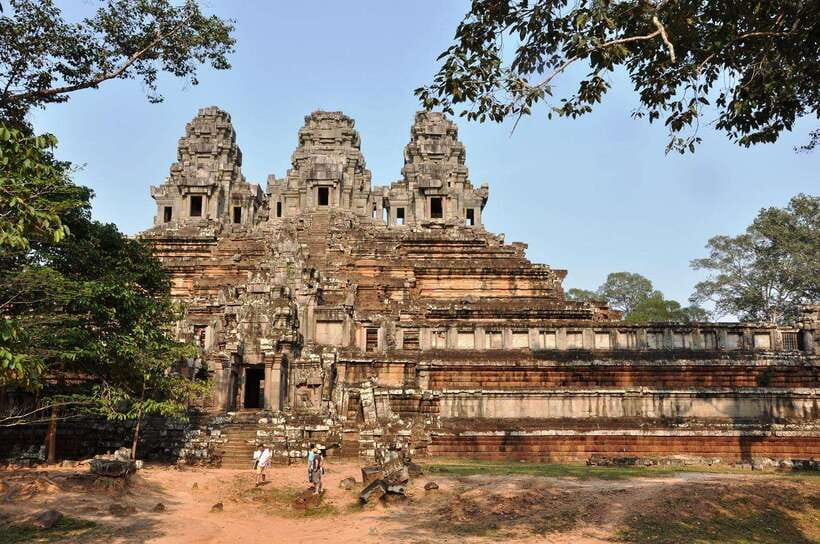
After Ta Prohm, the day shifts to Banteay Kdei, built by King Jayavarman VII in the late 12th century. This stop feels different from the louder monuments. It’s less about one big centerpiece face and more about layers of stone architecture and repeating forms.
The schedule also gives you a break here. You get time that includes coffee or breakfast opportunities, and then you return for additional photo and guided sightseeing time. Even though food isn’t included, the presence of a built-in break is still valuable because it prevents the day from turning into a nonstop sprint.
This temple is a good choice if you want contrast. Angkor can feel overwhelming when every stop is a peak moment back-to-back. Banteay Kdei slows the tempo and lets you appreciate the way Khmer builders created complexity through structure and pattern.
What $15 gets you (and what you’ll still need)
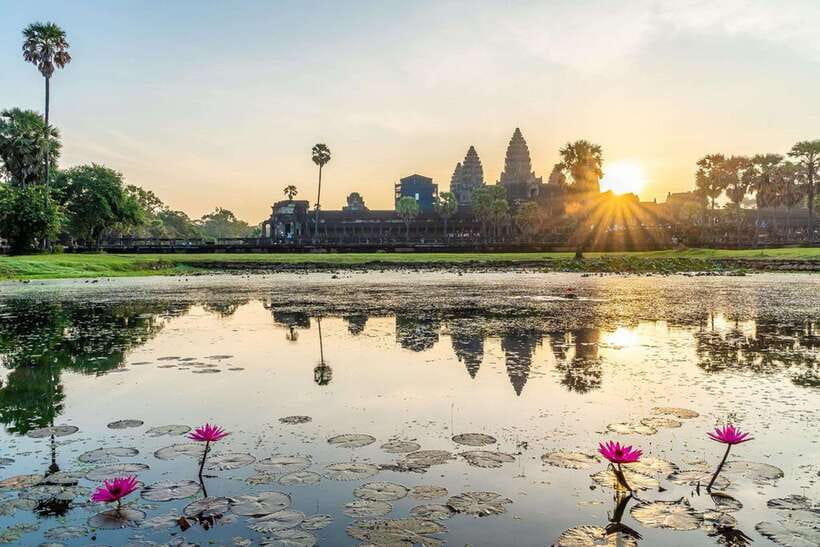
At about $15 per person for a full 8 to 9 hour day, this tour offers strong value if you care about being guided and not stuck managing the details yourself. You’re paying for the big moving pieces: hotel pickup and drop-off in the Siem Reap city area, air-conditioned transport, an English-speaking tour guide, plus cold water and cold towels.
What’s not included is just as important to know. Entrance tickets are not included, and food isn’t included. That means you’ll want to budget separately for tickets and meals. The tour’s breaks help you find options, but you’ll still pay at the stops.
The best value angle is simple: you’re not just buying entry to one famous temple. You’re getting a connected circuit through multiple major sites, including Angkor Wat, Ta Prohm, Bayon/Angkor Thom, and Banteay Kdei. If you tried to stitch that route together on your own, you’d probably spend a lot of mental energy figuring out timing, navigation, and guide-level context.
Small group size: max 15 and why that feels better
This is a small-group tour with a maximum of 15 travelers, and that size matters more at Angkor than you’d think. Smaller groups move with less delay, and you’re less likely to get separated in the wrong places. It also makes the guide’s job easier, which usually translates into better explanations and smoother pacing.
You can also choose a private group option. If you’re traveling with family, friends, or you just want quieter movement and more flexibility, private is often the way to go.
One quiet benefit you might feel on a small group day: the guide can handle the rhythm of stops and photo moments without constantly stopping the whole van-load. That reduces frustration, and it helps the day stay enjoyable even when the temples themselves are popular.
Sunrise vs sunset: picking what fits your body
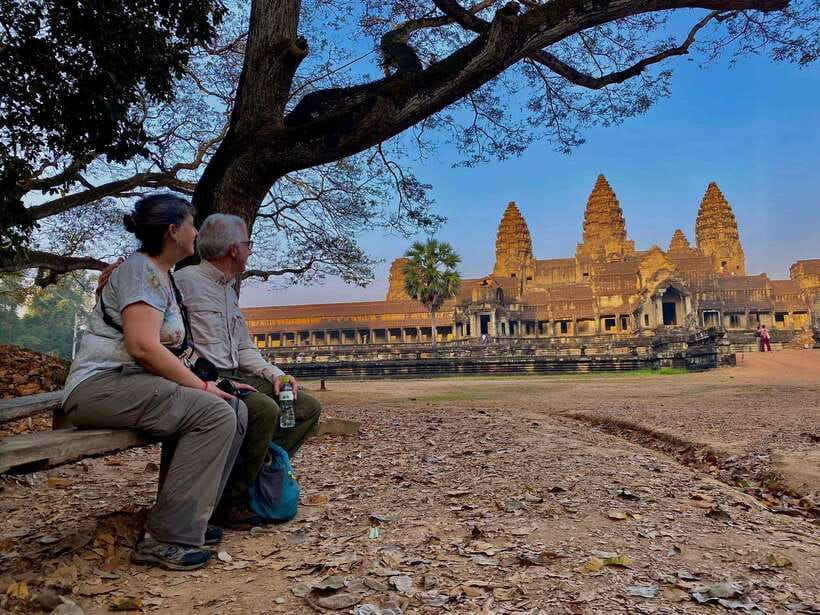
The tour is marketed as a Sunrise or Sunset option, and your choice should be about your comfort level. Sunrise means a very early start and likely feeling sleepy before you get to feel the payoff. Sunset means you’ll be out later, when the light can be gorgeous, but you still need to handle heat and walking time.
Here’s the practical way to decide. If you don’t handle early mornings well, sunset might suit you better. If you prefer calmer conditions and cooler temps for walking, sunrise is usually the easier win.
No matter which option you pick, you’ll be outdoors and moving between temples. Wear comfortable clothes and shoes you trust for long walking.
Who this tour fits best
This tour is a strong fit if you want a guided Angkor day without the hassle of planning every step. You’ll enjoy it most if you like explanations, not just sightseeing. The route is also a good match for photographers, because photo stops and viewpoint guidance are built into the day.
It’s not the best match for everyone. The tour isn’t suitable for people with back problems, and children under 4 must be accompanied by an adult.
If you’re traveling solo, the small group makes it feel social without turning into a stampede. If you’re traveling with friends, private option can give you the same sites with more breathing room.
Should you book this Angkor Wat sunrise/sunset tour from Siem Reap?
Book it if you want the essentials of Angkor in one organized day: Angkor Wat at the right light, Ta Prohm with its jungle drama, Bayon with those extraordinary faces, and Banteay Kdei for a change of pace. The value is strong because you’re not just paying for a ride. You’re paying for guided context and the comfort extras that keep the day pleasant—especially the cold water and cold towels.
Skip it or look for an alternative if you hate long walking days, have mobility or back issues, or you’re the type who really wants total freedom without a schedule. In that case, you might prefer a more flexible private set-up.
If your goal is a high-quality Angkor day with minimal stress and strong guide support, this one makes sense.
FAQ
What’s included in the tour price?
The tour includes an air-conditioned vehicle, an English-speaking tour guide, cold water and cold towels, and hotel pickup and drop-off in the Siem Reap city area.
Are Angkor entrance tickets included?
No. Entrance tickets are not included.
Is food included?
No. Food is not included, though the itinerary includes time for coffee or breakfast at a temple stop and a lunch break.
How many people are in the group?
The tour has a maximum group size of 15 travelers.
Does the tour include sunrise or sunset options?
Yes. It’s offered as a sunrise or sunset tour, and you can check starting times for availability.
Is a private tour available?
Yes. A private group option is available.