REVIEW · SIEM REAP
Traditional Khmer Water Blessing by Monk and Lotus Farm Visit
Book on Viator →Operated by CWE Travel · Bookable on Viator
Your wish gets said out loud. This 3 to 4 hour Siem Reap outing pairs a traditional Khmer water blessing with temple learning and a lotus farm visit, so you’re not just watching from the sidelines. I especially liked how the guide connects each stop to Cambodian Buddhist beliefs, and I liked the practical rhythm of the day: quick bites at Psar Chaa, countryside views on the way to the lotus fields, then the ritual at Wat Po Banteaychey. One thing to think about first: the blessing involves holy water being sprinkled or poured over you, so if you’re uncomfortable with getting wet or being active in the ritual, this may feel like a stretch.
A second thing I really enjoyed is the pace and size. You ride in a remork (tuk-tuk) with a maximum of 15 people, and you get cold water and local snacks included. In reviews, guides like Hong and Bo come up again and again for making the day feel personal, not scripted.
The other consideration is weather. The tour requires good weather, so if conditions are bad you may be offered another date or a refund. That’s not a deal-breaker, but it is something to plan around in Siem Reap when you’re juggling temple time and day trips.
In This Review
- Key highlights you’ll actually feel during the tour
- A Khmer water blessing and lotus farm ride in Siem Reap
- Meeting up and getting around in a remork (tuk-tuk)
- Royal Residence: the spiritual house stops at Phreah Ang Chek and Phreah Ang Chom
- Psar Chaa Old Market: fried banana and sweet potato, quick and real
- Lotus farm views toward Tonle Sap: farming and harvesting made clear
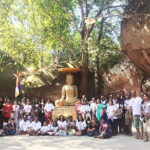
- Wat Po Banteaychey: the ritual, the monk’s chant, and your holy water moment
- What to do before you go so the blessing feels comfortable
- Price and value: is $70 worth it?
- Who this tour fits best (and who should rethink it)
- Should you book the Traditional Khmer Water Blessing with Lotus Farm visit?
- FAQ
- What is included in the Traditional Khmer Water Blessing and Lotus Farm tour?
- How long does the tour take?
- Is hotel pickup offered?
- How many people are in the group?
- Do I have to pay for admission tickets?
- What happens during the water blessing?
- What can I expect at the market stop?
- Can I participate in the blessing?
- Is the tour weather dependent?
- What happens after the blessing?
Key highlights you’ll actually feel during the tour
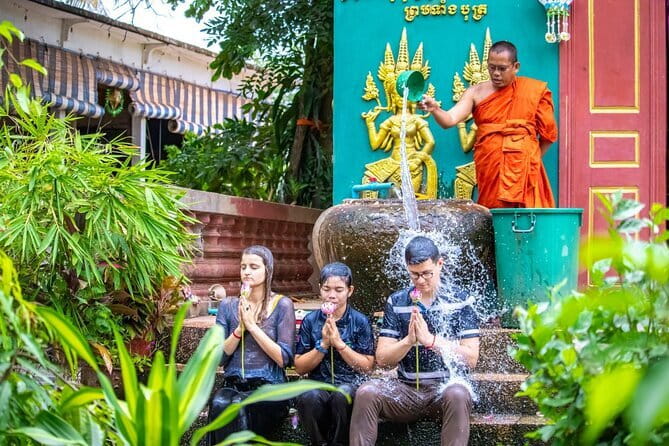
- A monk-led blessing with you in the middle, not a performance from the back row
- Lotus country views en route to the farm, plus a clear explanation of farming and harvesting
- Temple context at Wat Po Banteaychey, including how a local temple is organized and used
- Stop at Psar Chaa Old Market to try fried banana and sweet potato from a long-running business
- Small group remork ride (max 15), with cold water and local snacks included
- Guides with real local ties, including Hong’s connection to the lotus area (per reviews)
A Khmer water blessing and lotus farm ride in Siem Reap
This tour is built around one simple idea: understand the meaning, then take part. You’ll start with short cultural stops around Siem Reap, then move toward the countryside lotus fields, and finally spend the main time at a local temple for the traditional water blessing.
The ritual itself is the centerpiece. A monk chants and then sprinkles or pours holy water over you, and you can think about a wish for good fortune, pleasure, or health while it’s happening. Even if you’re not Buddhist, the guide’s explanations help it make sense in the Cambodian context.
You can also read our reviews of more tours and experiences in Siem Reap
Meeting up and getting around in a remork (tuk-tuk)
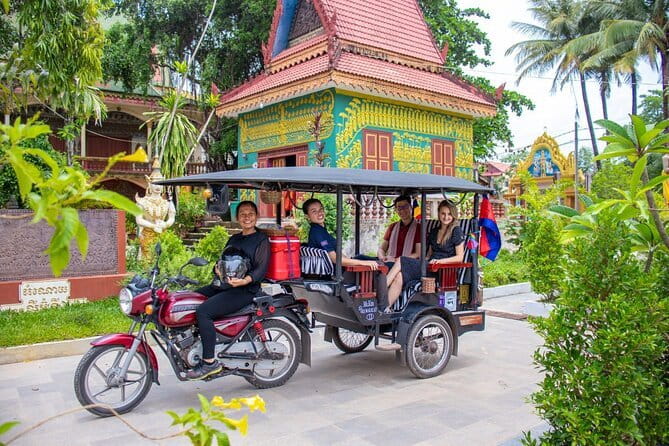
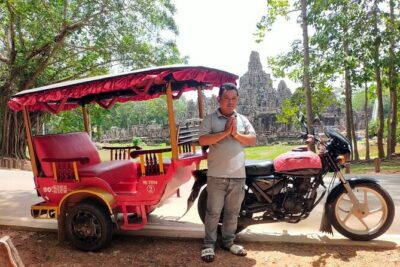
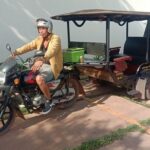
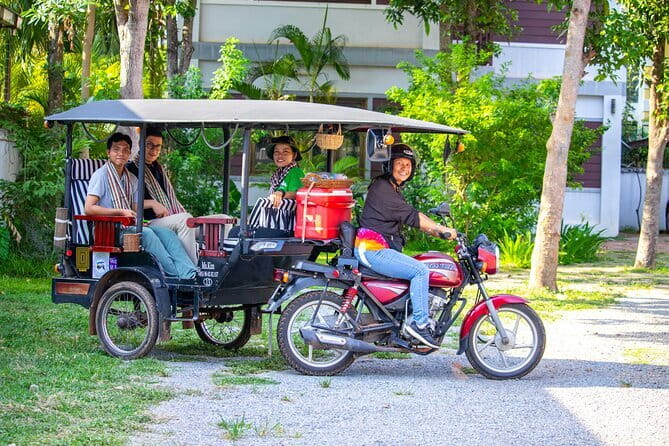
Pickup is offered from your hotel in Siem Reap, and the exact time depends on where you’re staying. You’ll travel by remork (tuk-tuk), which keeps the day from feeling like a bus tour and helps you move smoothly between town stops and temple areas.
The total time is about 3 to 4 hours, with multiple shorter segments. Stop 1 in central Siem Reap is brief, Stop 2 and Stop 5 take longer, and there’s a final winding-down period in town after the blessing.
With a maximum of 15 travelers, you’re more likely to get questions answered in real time. That matters because the tour isn’t just “see this, then leave”; it’s “see this, then understand what it means.”
Royal Residence: the spiritual house stops at Phreah Ang Chek and Phreah Ang Chom
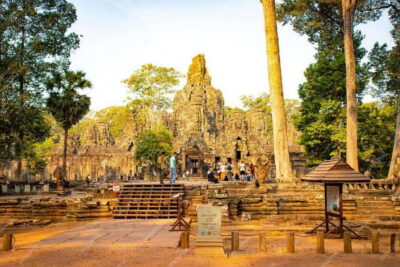
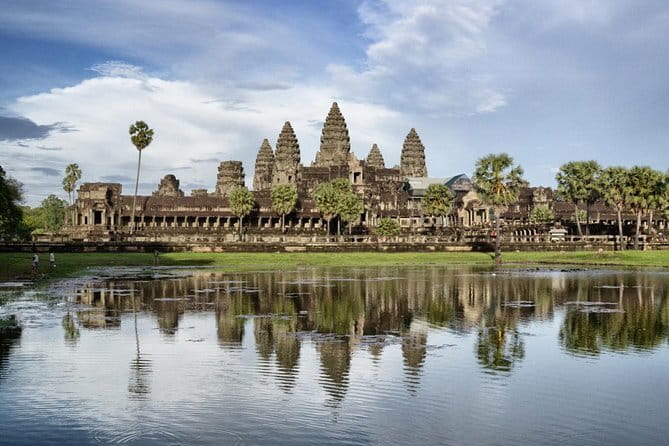
After pickup, you head to the Royal Residence area and its spiritual house named Phreah Ang Chek and Phreah Ang Chom. You’ll get a guided tour of the site, and the emphasis is on spiritual meaning rather than museum-style facts.
What I like about this stop is that it sets the tone early. Before you’re standing in the middle of a ritual, you learn the basics of what these kinds of places represent in Cambodian belief. That background helps the later water blessing feel less like a novelty and more like an event with purpose.
The main practical note here is time. This portion lasts about 30 minutes, so you won’t get stuck waiting. If you tend to drift off when people talk history, keep your phone away and listen like you’re learning a local story—because that’s what makes the day click.
Psar Chaa Old Market: fried banana and sweet potato, quick and real
Next up is Psar Chaa (Old Market), where you meet a fried banana business owner who has been operating for more than 20 years. This stop is short, but it’s a classic way to taste daily life instead of just temple life.
You’ll try fried banana and sweet potato as your first snack of the tour. It’s simple food, but it’s also a moment of normal street rhythm in Siem Reap, which balances out the more ceremonial parts of the day.
This is the one stop where you’ll want to plan around texture. Fried snacks are fun, but they’re also easy to overdo if you’re already hungry. I’d pace it—one snack is enough so you still enjoy the rest of the day without feeling heavy.
Lotus farm views toward Tonle Sap: farming and harvesting made clear
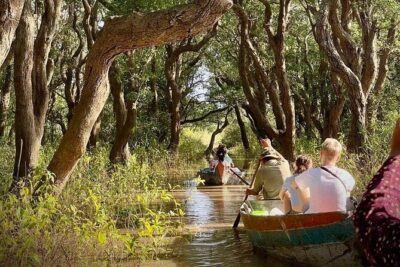
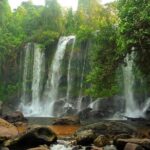
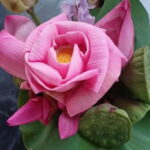
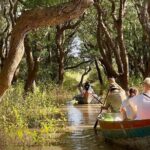
On the way to the lotus farm, you’ll see lotus fields along the road leading toward Tonle Sap Lake. This is one of those “switch your brain to countryside” moments. The guide explains how lotus farming works, including harvesting, and it turns what looks like a pretty field into something you can picture as a working landscape.
The lotus farm stop lasts about 30 minutes. Entrance to the lotus farm is included, and the timing is built so you still make it to the temple ritual without rushing.
In reviews, Hong is repeatedly praised for local storytelling—especially because she grew up near the lotus farm area. If you get her as your guide, expect questions to come back with answers tied to real day-to-day experience, not just generic tourist explanations.
Wat Po Banteaychey: the ritual, the monk’s chant, and your holy water moment
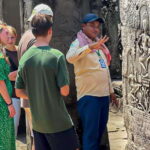
This is the heart of the experience. Before the water blessing happens, you learn more about Buddhist belief and the role and structure of a local temple, plus what goes on there.
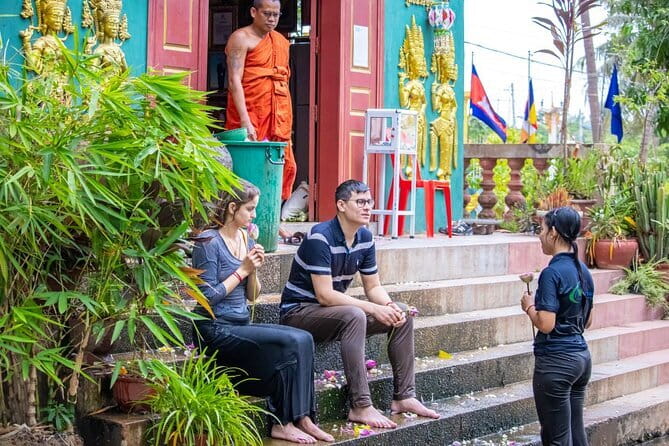
Then comes the main act. The monk chants and sprinkles or pours holy water over you. Your guide shares how the blessing works and what people typically wish for—good fortune, pleasure, or health are specifically part of the experience.
You’re there for about 1 hour at Wat Po Banteaychey, and it’s long enough to feel the ritual as a process rather than a quick photo op. And you’re not just standing there silently. The tour is designed so you can participate while still understanding what you’re participating in.
A practical heads-up: bring a mindset that this is public religious practice, not a staged show. The guide is there to help you follow along, but you’ll still want to act respectfully and listen. Also, since holy water is part of it, dress in a way that’s comfortable for getting a little wet.
After the blessing, you change your clothes and then get time to wander the pagoda area. That final stretch is your chance to absorb what you just participated in and connect it back to what you learned earlier in the day.
What to do before you go so the blessing feels comfortable
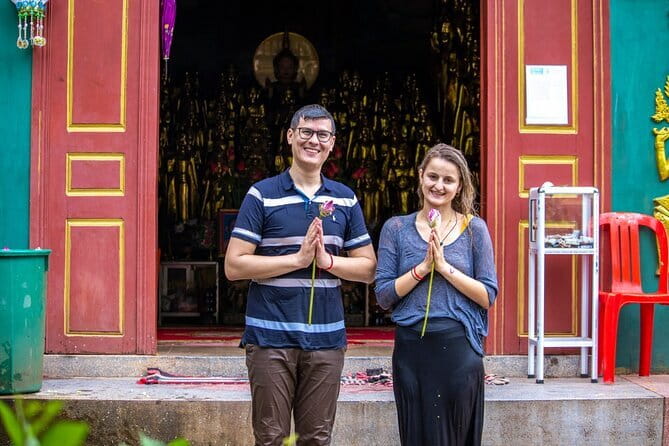
You can’t control how the monk performs the blessing, but you can control how prepared you feel.
- Wear practical clothes: something you can handle if you get sprinkled or poured on
- Plan to change after: you’ll be directed to change your clothes before wandering
- Ask questions right away: the guides make a point of being available, and it’s easiest to ask while the topic is fresh
- Use the moment intentionally: the tour is about wishes for things like health, pleasure, or good fortune, so pick what you want before you stand up for the chant
If you’re hoping for a calm, respectful experience, this is one of the better ways to get it in Siem Reap. Reviews also mention that people initially worried it might be a tourist trap—and then felt reassured it wasn’t. A big reason is the education component: you learn what’s going on before you’re involved.
Price and value: is $70 worth it?
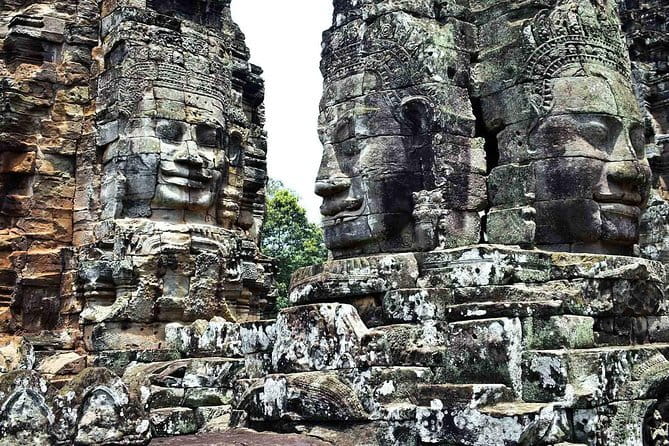
For $70, you’re paying for more than transportation. Your inclusions cover a local English-speaking guide, remork (tuk-tuk) transport, cold water, local snacks, monk offerings and donations, and the lotus farm entrance fee. You also get admissions included for the major paid stops.
Here’s why that matters. A lot of tours sell religious sites as quick hits. This one uses a structure—town stops for context and food, lotus fields for working-life perspective, and a full temple block for the ritual. The time is balanced rather than rushed.
Also, the group size cap of 15 helps. If you like small-group travel where your questions get answered, you’re more likely to feel like this is your experience, not a conveyor belt.
The best value, in my view, comes from the guide quality. Reviews spotlight Hong and Bo, both praised for friendliness and strong storytelling. When the guide is good, the same ritual feels totally different.
Who this tour fits best (and who should rethink it)
This works best for you if you want spirituality and culture, but in a hands-on way. You don’t just see a temple—you learn about how it works, then participate in the water blessing.
It also fits if you like gentle local food stops. The fried banana and sweet potato break adds normal life into the day’s schedule.
You may want to skip or choose something else if you dislike rituals involving water contact. Even with guidance, this isn’t a watch-only experience, because the monk sprinkles or pours holy water as part of the blessing.
And if you’re unlucky with weather, remember the tour needs good conditions to run. It’s not frequent chaos, but it can affect your calendar.
Should you book the Traditional Khmer Water Blessing with Lotus Farm visit?
If you’re trying to balance Siem Reap’s big temple names with something smaller and more personal, I’d book it. The combination of monk-led water blessing + temple context + lotus countryside + local snacks makes the day feel grounded, not just ceremonial or just scenic.
I’d especially lean toward this if you’re the type who likes asking why things are done a certain way. That’s where guides like Hong (praised in reviews for strong local ties to the lotus area) can really elevate your understanding.
If you go in expecting a dramatic show, you’ll miss the point. If you go in expecting a meaningful Cambodian religious practice explained in plain language, you’ll likely leave feeling like you experienced something uncommon and sincerely local.
FAQ
What is included in the Traditional Khmer Water Blessing and Lotus Farm tour?
The tour includes a local English-speaking guide, transportation by remork (tuk-tuk), cold water and local snacks, monk offering and donations, and the lotus farm entrance fee.
How long does the tour take?
It’s about 3 to 4 hours.
Is hotel pickup offered?
Yes, hotel pick-up is offered in Siem Reap. The exact pickup time depends on your location.
How many people are in the group?
The tour has a maximum of 15 travelers.
Do I have to pay for admission tickets?
Some admissions are included, including stops at the Royal Residence spiritual house and Wat Po Banteaychey, while other parts are marked as admission ticket free.
What happens during the water blessing?
A monk chants, and holy water is sprinkled or poured over you. You can wish for good fortune, pleasure, or health. Before the blessing you’ll also learn about Buddhist belief and temple roles.
What can I expect at the market stop?
You’ll visit Psar Chaa Old Market and meet a fried banana business owner. You’ll have a snack of fried banana and sweet potato.
Can I participate in the blessing?
Most travelers can participate.
Is the tour weather dependent?
Yes. The experience requires good weather. If it’s canceled due to poor weather, you’ll be offered a different date or a full refund.
What happens after the blessing?
You’ll change your clothes and then have time to wander the pagoda area before the tour ends.