REVIEW · SIEM REAP
Private Siem Reap 4 Days: Full Exploration of the Angkor Complex
Book on Viator →Operated by About Cambodia Travel & Tours · Bookable on Viator
There’s no way to do Angkor casually, so I like this plan’s structure. A private, licensed English guide plus an early Angkor Wat sunrise and a full sweep through the big temple zones makes the days feel efficient but not rushed. It’s also built for comfort, with an air-conditioned vehicle and hotel breakfast included.
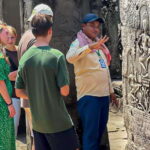
What I like most is the guide factor. In the feedback I saw attached to this operator, guides such as Mr Sara and Mr Sok are repeatedly described as friendly, professional, and able to answer questions with clear context rather than just pointing at stones. That matters at Angkor, because the temples make more sense when someone explains the symbolism and how each site fits into the larger Khmer world.
One drawback to keep in mind: the schedule is intense and early mornings are real. You’ll be up at 4:30 AM for sunrise day, and you’re on your feet for long stretches across multiple temple compounds.
In This Review
- Key highlights to look for
- Entering Angkor Wat at 4:30 AM: sunrise timing that actually pays off
- Angkor Thom and Bayon: walking the royal core, not just the highlights
- Terrace views and Ta Prohm: where the day turns cinematic
- Banteay Kdei, Ta Nei, and Srah Srang: the smoother pace that keeps you sane
- Day 3’s circuit: Banteay Srei and the temple contrasts that make Angkor feel real
- Neak Pean, Preah Khan, and a second Srah Srang sunset moment
- Tonlé Sap and Kampong Phluk: finishing Cambodia beyond the stone temples
- Comfort and logistics that matter: private AC, water, and hotel breakfast
- Price and value: what $375-ish really covers for a 4-day Angkor plan
- Who should book this private 4-day Angkor tour
- Should you book this private 4-day Angkor tour?
- FAQ
- Is this a private tour?
- Where do they pick you up?
- How early does Angkor Wat sunrise start?
- Are admission tickets included?
- Are hotel and breakfast included?
- What’s included for transportation during the tour?
- What is the tour cost per person?
- What’s included outside the temples?
- Are tips included?
Key highlights to look for
- Licensed English guide who can explain what you’re seeing at each stop
- 4:30 AM Angkor Wat sunrise pickup from your hotel for best light timing
- Full Angkor complex coverage across both main circuits, including Ta Prohm and Angkor Thom
- Private air-conditioned vehicle plus water and fresh tissue during temple days
- Hotel choice with daily breakfast (3 breakfasts included) for energy on the go
- Tonlé Sap and Kampong Phluk added to finish the trip beyond the temples
Entering Angkor Wat at 4:30 AM: sunrise timing that actually pays off
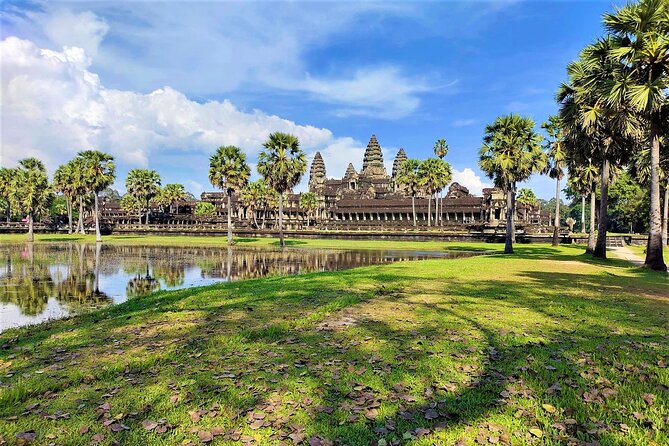
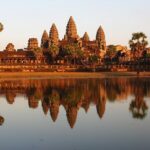
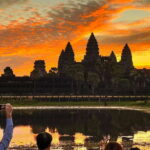
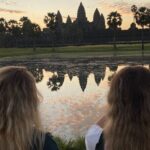
Angkor Wat is famous for sunrise for a reason: the temple changes fast with light, and your best photos depend on timing. This tour starts with an early hotel pickup at 4:30 AM to reach Angkor Wat while the atmosphere is still cool and the sky is doing its slow magic.
I like that you’re not just being dropped off. The flow is sunrise first, then you continue through the day’s major zones, which helps you mentally separate the most iconic moment from the rest of the exploration. Also, the entry cost for the sights is included, so you’re not scrambling for tickets when the day is already moving.
Practical note: early starts at Angkor are tough if you’re coming off a long travel day. If you land the day before, the Day 1 airport transfer and hotel stay help you reset so sunrise doesn’t feel like punishment.
You can also read our reviews of more private tours in Siem Reap
Angkor Thom and Bayon: walking the royal core, not just the highlights
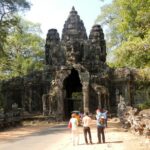
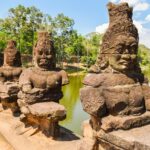
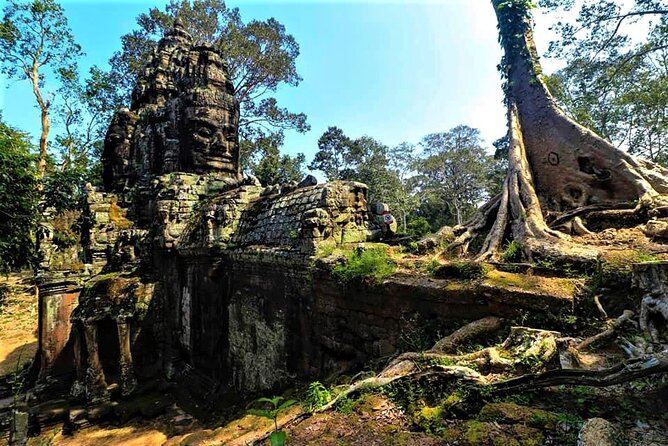
After sunrise, the itinerary switches from Angkor Wat’s spiritual centerpiece to Angkor Thom, the walled royal city. The route begins with the South Gate, a restored entry point where many faces remain in place, so you get an immediate sense of scale as you enter.
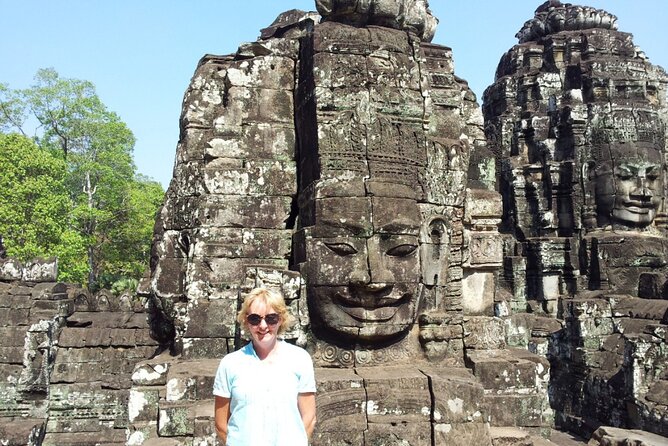
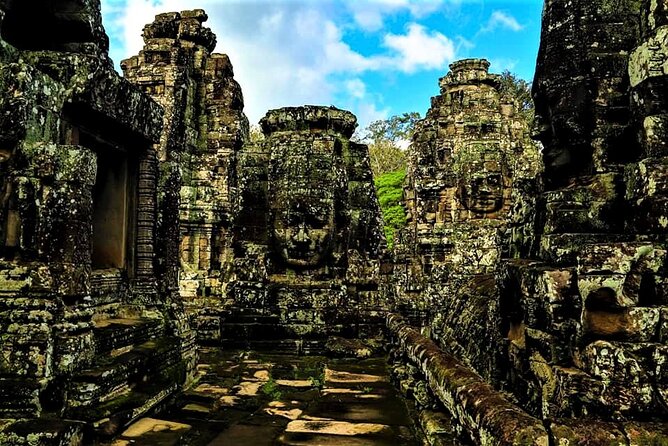
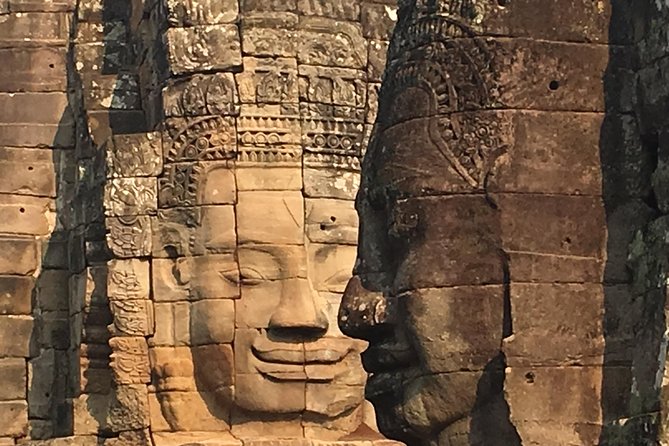
Then you step deeper into the city’s layout with stops like Angkor Thom itself and Bayon Temple. Bayon is where you notice the repeating stone faces most visitors photograph, but what makes it worth your time is how the guide can connect it to the city’s purpose and timeline. It’s one thing to see the faces; it’s another to understand why the temple was built when it was built and how it functioned in the royal landscape.
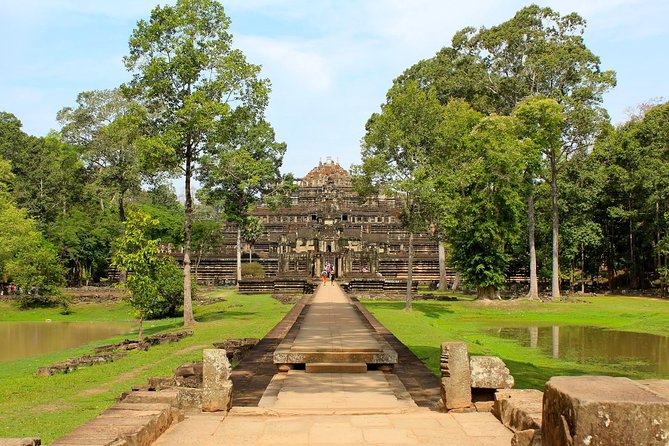
The plan also includes Baphuon and smaller, related structures like Phimeanakas. These are the kind of stops that can feel optional if you’re racing through, but with a strong guide they become the glue between the big names. Even if you only give them a little time, they help you connect Angkor Thom as a whole rather than as a collection of postcard stops.
Terrace views and Ta Prohm: where the day turns cinematic
From the royal core, the tour moves into the palace area details, including the Terrace of the Elephants and the Terrace of the Leper King. These terraces aren’t only about impressive carvings. They’re also about understanding how power was staged—how processions and symbolism played out across architecture designed for ceremonies.
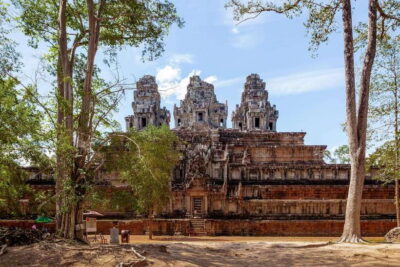
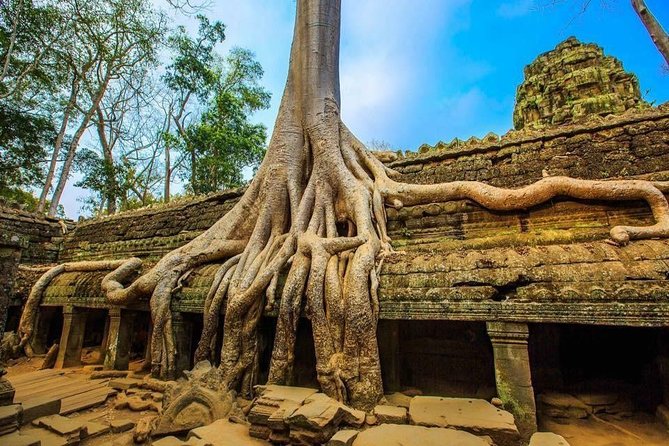
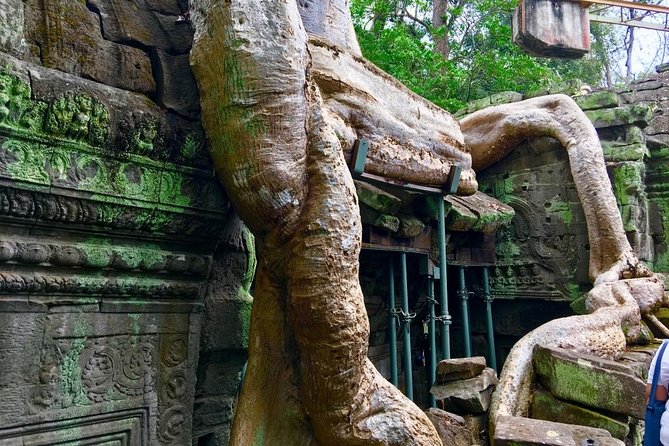
Then comes Ta Prohm, the famous temple associated with the kingdom of trees. This is where you’ll feel the shift from formal stone geometry into a more dramatic, overgrown atmosphere. Ta Prohm is also notable because it’s been left largely untouched by archaeologists except for clearing paths and structural strengthening, so you see more of that eerie in-between feeling of ruin and forest.
A quick tip for Ta Prohm day: go slow in the same places you want photos. If you only snap pictures, you miss the scale relationships—doorways, root patterns, and the way sightlines work from one corner to the next.
Banteay Kdei, Ta Nei, and Srah Srang: the smoother pace that keeps you sane
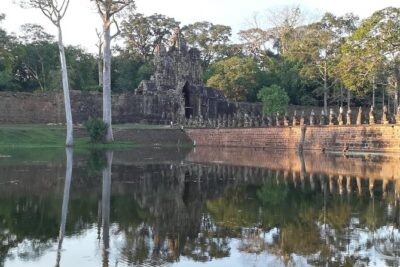
Not every stop at Angkor should be a sprint, and this itinerary does a good job of mixing heavyweights with calmer breaks. You pass through Ta Nei (a late 12th-century stone temple near the East Baray area), then continue to Banteay Kdei and Srah Srang, an Angkor reservoir.
I like that these stops aren’t random. They help you understand how the temple zones relate to water systems and how the sacred geography of Angkor wasn’t only about buildings. Also, a reservoir stop gives you a breather at the end of a long day, which matters when you’re planning a full 4 days.
By evening, the tour aims for a major viewpoint experience tied to sunset timing. The overall tour design highlights Phnom Bakheng sunset, and the route also includes time at Srah Srang for late-day photos. Either way, it gives you a reason to slow down and watch the light change over the structures.
Day 3’s circuit: Banteay Srei and the temple contrasts that make Angkor feel real
Day 3 shifts from the big royal zones into more detailed, often prettier temple craft. The schedule starts with Banteay Srei, which is frequently singled out as a standout for Khmer artistry. Even if you’re not a carving expert, you’ll feel the difference in how the site looks and how fine details show up when you’re paying attention.
Then you move to Banteay Samre, followed by Pre Rup. Pre Rup is worth it for its strong architectural balance and proportion, and the tour gives you time to actually look rather than just pass through. You’ll notice how each site uses elevation and symmetry in different ways, which helps you understand that Angkor wasn’t built by one style—it was built by changing priorities across reigns.
The itinerary also includes more atmospheric, less restored-feeling places like Ta Som, described as not restored. That kind of stop can be a relief because it breaks the pattern of perfectly cleared, perfectly bright temples. You get a quieter feel and more space to think, take photos, and just absorb.
You can also read our reviews of more tours and experiences in Siem Reap
Neak Pean, Preah Khan, and a second Srah Srang sunset moment
You continue with Neak Pean, a square man-made pond area bordered by steps and surrounded by smaller structures. This is the kind of stop that makes Angkor more than sightseeing. Even without a long lecture, the water-centered design pushes you to view the temples as part of a planned sacred system.
Then you reach Preah Khan, a major temple built in the second half of the 12th century, dedicated to the king’s father. This is another place where a guide’s context makes a difference: you’re not just walking through ruins; you’re reading a timeline with your feet.
The day ends with another sunset opportunity tied to Srah Srang and the Angkor area late light. After two full temple-heavy days, this timing is practical. It gives you a final visual reward before the next day’s journey outside the temple zone.
Tonlé Sap and Kampong Phluk: finishing Cambodia beyond the stone temples
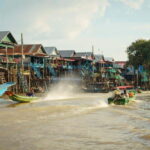
The final day leaves Angkor behind and shifts to life on the water. The tour includes Tonlé Sap Lake, described as Cambodia’s largest freshwater lake in Southeast Asia and one of the most diverse and productive ecosystems in the region. It’s a nice contrast after days of carved stone.
Next is Kampong Phluk Floating Village, which adds a more human scale to the landscape of water and housing. This stop is included as part of the Angkor-focused package, but it actually balances it. You see how Cambodia’s daily rhythms connect to water systems that keep the region alive.
The day ends with a transfer to Siem Reap Angkor International Airport after the lake experience. That timing works well if you plan a flight the same day, since the itinerary includes a dedicated airport transfer window.
Comfort and logistics that matter: private AC, water, and hotel breakfast
Even the best temples get tiring fast. I like that this tour is private and uses a private air-conditioned vehicle throughout the temple days. Temple circuits involve heat, dust, and lots of walking, so AC rides between stops help you keep your energy for the next site.
Small comforts are included too: the tour provides water and fresh tissue during the day. Those details might sound minor, but at Angkor they help you avoid the common pattern of feeling thirsty and cranky after too many hours outside.
Hotel choice is flexible, with options from 3-star to 5-star properties, and daily breakfast included (with 3 breakfasts included during the tour). In a 4-day schedule, this is a practical value point—breakfast isn’t an extra add-on, and it means you can start temple days fueled instead of hunting for food early in the morning.
Price and value: what $375-ish really covers for a 4-day Angkor plan
At $375.06 per person for about 4 days, this is priced like a true private package rather than a shared shuttle style tour. The big value here is that major costs are folded in: licensed English guide, admission fees for the tour sights, AC transfers, and your hotel with breakfast.
So the price isn’t only paying for transport. It’s paying for time planning: sunrise timing, organized circuits, and fewer moments where you’re stuck figuring out what comes next. If you’re someone who hates wasted hours, that planning is where the money tends to show up.
Two practical factors affect value:
- Your hotel category (3-star vs 4-star vs 5-star) changes the comfort level you’re paying for.
- The tour is private, so per-person cost usually makes more sense for couples, friends, or families who can share the vehicle and guide time.
Who should book this private 4-day Angkor tour
This tour is a strong match if you want a full sweep of the Angkor Archaeological Park without running your own logistics. It’s also a good fit for families and groups because the private format makes it easier to keep pace without leaving people behind.
If you love photography, the sunrise start at Angkor Wat plus the sunset viewpoints later in the schedule help you avoid the worst light timing. And if you care about context, the guide-led explanations are a consistent theme in feedback, with guide names like Mr Sara, Mr Paul, Mr Meng, Mr Sok, and Mr Dorn appearing in the operator’s reported experiences.
The main reason to hesitate is energy. You should be comfortable with early mornings and long walking days. If your ideal travel day is short and restful, you might prefer a lighter Angkor plan.
Should you book this private 4-day Angkor tour?
I’d book it if you want Angkor to feel organized: sunrise at Angkor Wat, a full Angkor Thom-to-Ta Prohm arc, a second circuit day with Banteay Srei and Preah Khan, and a final send-off through Tonlé Sap. The combination of private AC, included admissions, and a licensed English guide is exactly what turns a list of temples into a coherent experience.
I’d think twice if you struggle with early starts or you’re trying to pack Angkor into a very low-energy trip. This tour is designed to run.
If you do book, my best advice is simple: wear comfortable shoes, drink water whenever you stop, and give yourself permission to slow down at the quieter temples. That’s where Angkor starts to feel less like sightseeing and more like a place you understand.
FAQ
Is this a private tour?
Yes. It’s a private tour/activity, so only your group participates.
Where do they pick you up?
The tour includes pickup from Siem Reap hotels for early visits, and it also includes airport pickup at Siem Reap Angkor International Airport.
How early does Angkor Wat sunrise start?
You’re picked up at 4:30 AM from your hotel lobby for the Angkor Wat sunrise.
Are admission tickets included?
Yes. All admission fees for the tour sights are included.
Are hotel and breakfast included?
Yes. You choose from 3-star, 4-star, or 5-star hotel options, and breakfast is included (3 breakfasts are included in total).
What’s included for transportation during the tour?
You get transfer by an air-conditioned vehicle, plus water and fresh tissue during the tour.
What is the tour cost per person?
The price provided is $375.06 per person.
What’s included outside the temples?
On the final day, the itinerary includes Tonlé Sap Lake and Kampong Phluk Floating Village, then a transfer to the airport.
Are tips included?
Tips for the tour guide and driver are not included.