REVIEW · SIEM REAP
3-Day Tour(Unforgettable Angkor Temple Complex, Banteay Srei& Floating Village)
Book on Viator →Operated by Hidden Angkor Tour · Bookable on Viator
A great temple schedule starts before sunrise. This private 3-day plan in Siem Reap mixes big-name Angkor with quieter temple corners and a Tonle Sap floating village visit, so you see more than just the usual photo circuit. I especially like that sunrise at Angkor Wat is built in, and I also like the way the guide (like Mr Lion) focuses on smart photo spots and practical local food recommendations.
One thing to plan for: the Angkor Archaeological Site pass and the floating village boat ticket are not included, and lunch is also on your own during the day.
In This Review
- Key things to know before you go
- Price and what you’re really paying for
- Getting there in Siem Reap: pickup, comfort, and pacing
- Day 1 in Angkor Thom: Ta Prohm to the Bayon faces
- Ta Prohm: the “tree-in-temple” photo machine
- Ta Nei and Ta Keo: jungle mood and sandstone clarity
- Angkor Thom gates and the Bayon towers
- Preah Palilay: a shaded pause
- Day 2: 4:30am Angkor Wat sunrise plus Roluos temples
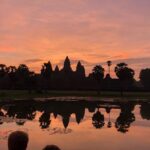
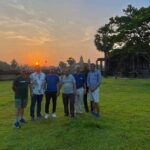
- Angkor Wat sunrise: why early time matters
- Roluos Group: Bakong, Lolei, Preah Ko
- Day 3: Banteay Srei’s pink sandstone and Kampong Phluk on Tonle Sap
- Banteay Srei: longer time for a temple worth slowing down
- Banteay Samre: the Angkor Wat style influence
- Kampong Phluk floating village: boat ride plus old market
- What’s included on the day: guide skills, comfort extras, and tickets
- Dress code and behavior rules you should follow
- Food breaks: how to handle lunch and what to look for
- Tips for making the schedule work for you
- Who this tour fits best
- Should you book this 3-Day Angkor + Floating Village tour?
- FAQ
- What is included in the $245 per person price?
- What entrance or activity tickets do I need to pay for separately?
- Does the tour include pickup from hotels in Siem Reap?
- Is the sunrise at Angkor Wat included?
- Is this a private tour?
- What temples and sites are visited across the three days?
- Does the floating village stop include a boat ride?
- Is lunch included?
- What dress code should I follow for the temples?
- When will I get confirmation, and how does weather affect the tour?
Key things to know before you go
- Private tour feel: Only your group participates, with an English-speaking guide and your schedule in mind
- Sunrise timing: Start is set for 4:30am at Angkor Wat, with a full morning session
- Real Angkor variety: You get both dramatic “tree-in-temple” views and face-filled Angkor Thom landmarks
- Banteay Srei focus: Pink sandstone temple time with a longer visit than many standard routes
- Tonle Sap perspective: A scenic boat ride to Kampong Phluk and a look at daily routines and an old market
Price and what you’re really paying for
At $245 per person for a ~3-day tour, the price is trying to buy you time and guidance, not just bus rides. You get a professional English-speaking guide, air-conditioned vehicle transport, and the small comfort extras that matter in humid Siem Reap—cool water and cool wet towels.
That said, the value only makes sense when you budget for the key add-ons. The Angkor Archaeological Site entrance pass is not included, and you’ll also need the boat ticket for the floating village. Lunch during the day is also excluded, so you’ll pay for meals directly.
If you’re traveling with a partner or a small group, a private format often becomes a better deal than it first looks. You’re paying for fewer compromises: less waiting around, more flexibility on the day, and a guide who can steer you toward what you care about most.
You can also read our reviews of more tours and experiences in Siem Reap
Getting there in Siem Reap: pickup, comfort, and pacing
This tour includes pickup offered, and return transfers are included only for guests staying in Siem Reap (inside the area). If your hotel is outside that zone, it’s worth checking so you aren’t surprised on the day.
The transport is an air-conditioned vehicle with a professional driver, which is not a luxury detail in this part of Cambodia. You’ll be moving between temples at very different times—early sunrise, midday heat, and later afternoon boat travel—so comfort in the car helps you stay fresh instead of melting into the day.
Pacing is another quiet strength here. The itinerary isn’t just a list of monuments; it’s broken into manageable temple chunks—often 30 to 90 minutes per stop—so you can actually absorb what you’re looking at.
Day 1 in Angkor Thom: Ta Prohm to the Bayon faces
Day 1 is built like a highlight reel, but it’s more satisfying than most because it includes both spectacle and texture.
Ta Prohm: the “tree-in-temple” photo machine
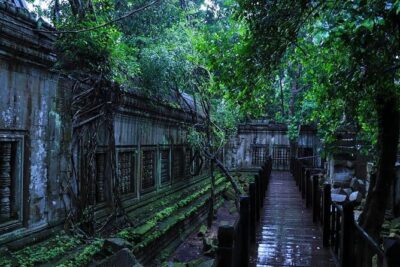
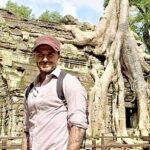
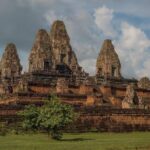
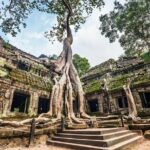
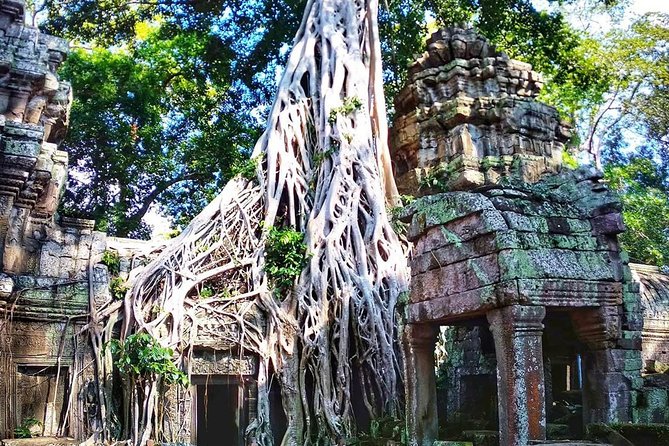
You start at Ta Prohm, a sprawling monastic complex where jungle growth is left in place. It’s partially cleared, which helps you see the structure while still keeping that tangled, dramatic feel. Plan for time here (about 1 hour 30 minutes) because this is one of the Angkor stops where photos really benefit from calm and angle changes.
A guide who knows where to stand can save you from spending your time fighting crowds for a single view. Mr Lion’s approach, based on review feedback, is exactly the sort of help that turns a famous temple into a personal set of images.
Ta Nei and Ta Keo: jungle mood and sandstone clarity
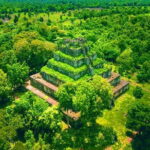
Next is Ta Nei (about 45 minutes), a jungle temple with classic Jayavaraman VII artistry—think of it as Angkor with a quieter rhythm. Then you move to Ta Keo, a towering temple-mountain dedicated to Shiva and noted as the first constructed wholly of sandstone.
Ta Keo is shorter on time (45 minutes), but it’s a great counterpoint to Ta Prohm. You go from dense, half-swallowed shapes to something more geometric and monumental.
Angkor Thom gates and the Bayon towers
After lunch on your own (you can eat near the temple area or head back), Day 1 continues deeper into Angkor Thom.
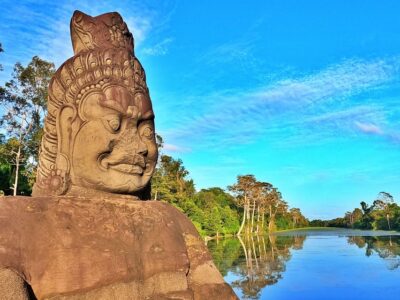
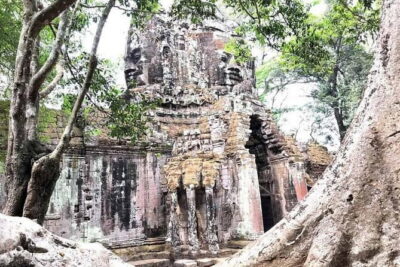
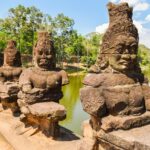
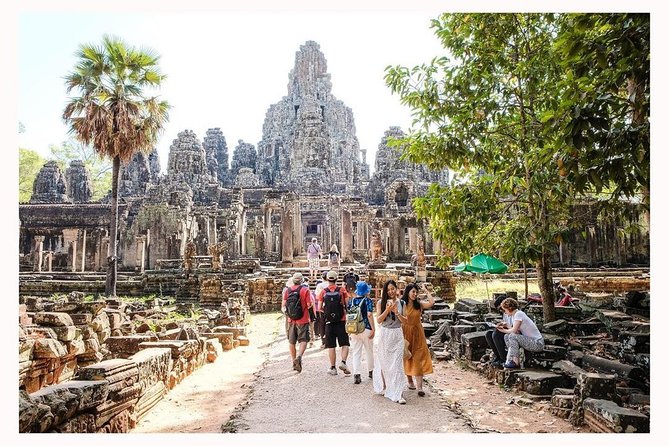
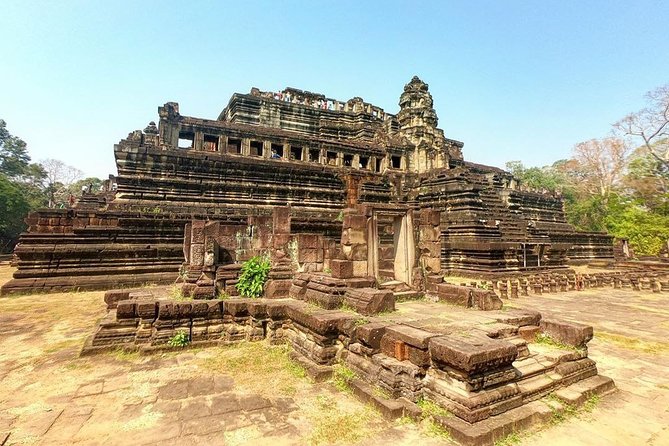
You visit the Victory Gate first, then the South Gate of Angkor Thom where the causeway is lined with 54 stone figures connected to Hindu story scenes. After that, you spend time at Bayon Temple—the giant stone faces are the main event—followed by Baphuon Temple and then two carved terrace stops.
The terrace sequence is where your brain starts reading Khmer symbolism faster. Terrace of the Elephants gives you the long wall story with carved elephants and garudas, and Terrace of the Leper King adds another layer with nagas and demons. Even with limited time (about 30 minutes each), it helps to have a guide who can explain what you’re looking at without turning it into a lecture.
Preah Palilay: a shaded pause
You finish at Preah Palilay, in a cool, shaded forest setting with Buddhist-themed carvings on the eastern gopura. It’s a gentler ending after face towers and long walls. The stop is about 30 minutes, which works well if you’re ready for a break before dinner.
Day 2: 4:30am Angkor Wat sunrise plus Roluos temples
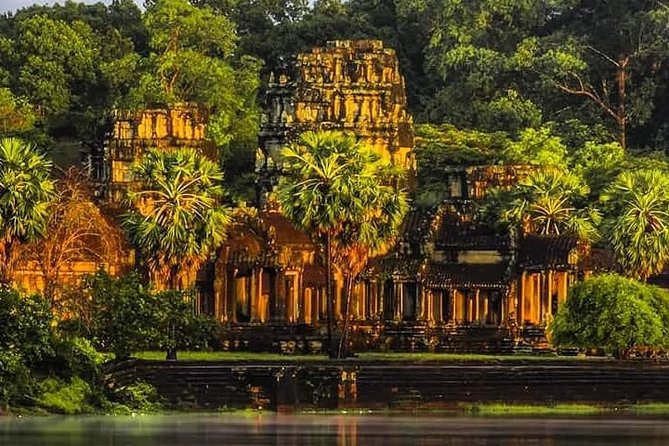
If Angkor feels like a blur later in the morning, that’s because the day already started too late. Here, it starts the right way: 4:30am for the sunrise at Angkor Wat, then you keep going through the morning.
Angkor Wat sunrise: why early time matters
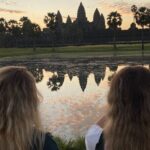
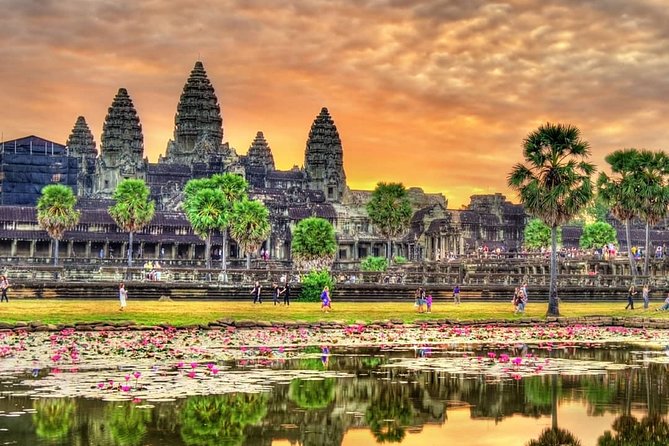
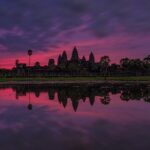
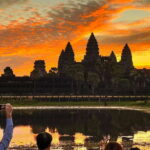
Angkor Wat is visually dramatic at any hour, but sunrise gives you softer light and a calmer atmosphere. The tour schedule includes about 4 hours here, which is important. You’re not rushing through key areas in 45 minutes and hoping you caught the best view.
This is also a great moment to rely on your guide for photo timing and positioning. The review feedback mentioning Mr Lion’s photo help and his ability to spot strong angles lines up with what you need at Angkor Wat—less guessing, more getting the shot.
Roluos Group: Bakong, Lolei, Preah Ko
After Angkor Wat, the route shifts to the Roluos Group. You visit Bakong (about 45 minutes), then Lolei (30 minutes), and Preah Ko (40 minutes).
This part is valuable because early Angkor can feel different from the icons you associate with the main complex. Preah Ko is one of the oldest monuments in Angkor and is dedicated to Shiva, named after the sacred bull Nandi. Even if your temple knowledge is casual, it helps to see how beliefs and temple design evolved across centuries.
You’ll likely feel the contrast most here: Angkor Wat is a star, and the Roluos temples are the supporting actors that make the whole story make sense.
Day 3: Banteay Srei’s pink sandstone and Kampong Phluk on Tonle Sap
Day 3 spreads the day beyond the main Angkor circuit, which is the right move. You get Banteay Srei first, then you head to the floating village region at Kampong Phluk for the afternoon boat ride.
Banteay Srei: longer time for a temple worth slowing down
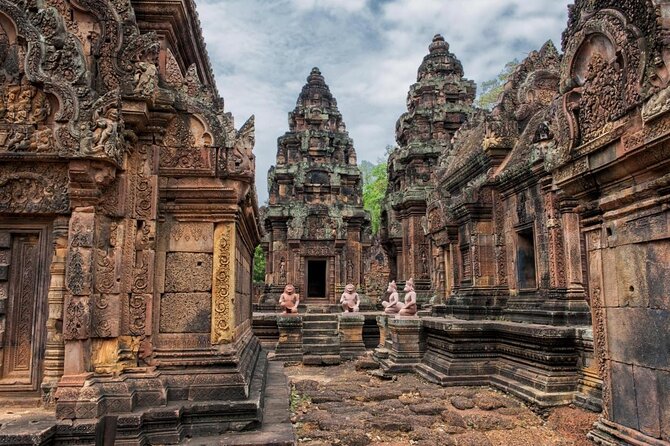
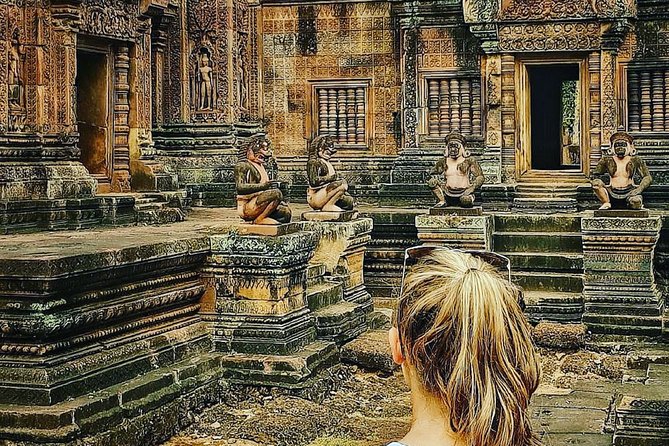
Banteay Srei is about 25 kilometers north of Angkor Wat, and it’s often called the pink temple because of its pink sandstone. This stop is scheduled for about 2 hours, which is a big deal.
A longer time slot means you can look up close without feeling like you’re being yanked along. You also get a chance to notice the details in the carvings and the temple setting rather than only chasing wide exterior photos.
Banteay Samre: the Angkor Wat style influence
Next is Banteay Samre (about 1 hour). It’s described as large, relatively low-rise, and built in a distinctive Angkor Wat style of construction and art, around the same time. This is another stop that works well after Banteay Srei: you’re still in “temple zone,” but the style changes your eye.
Kampong Phluk floating village: boat ride plus old market
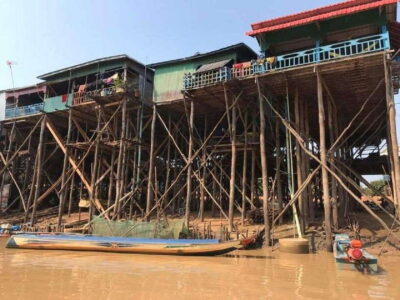
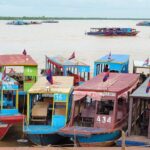
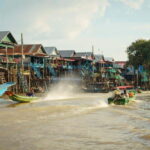
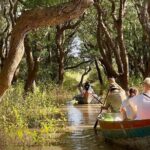
Then comes the Tonle Sap experience: Kampong Phluk, a floating village where people live around the lake. The schedule includes about 3 hours. You’ll do a scenic boat ride to see fishermen’s daily routine, plus time at the Old Market.
One practical thing: the boat ticket is not included, so treat that as a separate cost to plan for. Even if the boat ride is part of the experience, you’ll need to buy the ticket.
Also keep your expectations grounded. This is not a staged tourist attraction; it’s a working lakeside community. The value for you is the viewpoint—seeing everyday life on Tonle Sap rather than another temple wall.
What’s included on the day: guide skills, comfort extras, and tickets
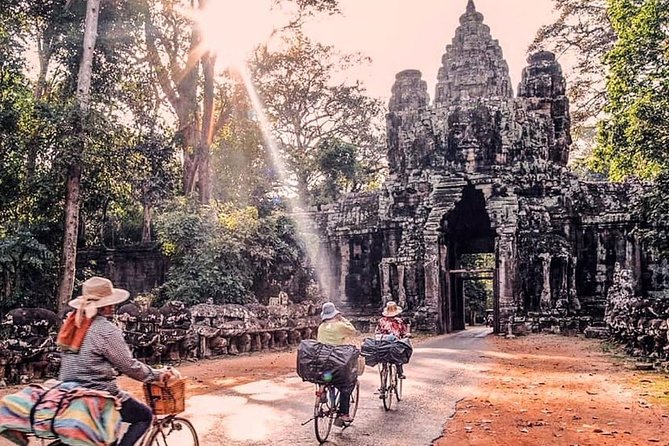
This tour gives you real support, not just a checklist.
Included items:
- Professional English-speaking guide
- Air-conditioned vehicle with a professional driver
- Cool waters and cool wet towels
- All applicable taxes and service charges
- Mobile ticket (handy for entry-related checks, where permitted)
Not included items that can affect your budget:
- Angkor Archaeological Site entrance pass
- Floating village boat ticket
- Lunch (excluded; you’ll pay on your own)
- Personal expenses like drinks, tips, and shopping
- Single supplement charges if applicable
- Travel insurance (highly recommended)
For Angkor, plan to keep your pass visible. The entry pass gives access to sights in and around Angkor. Fees are charged in US dollars, and children under 12 are free.
Dress code and behavior rules you should follow
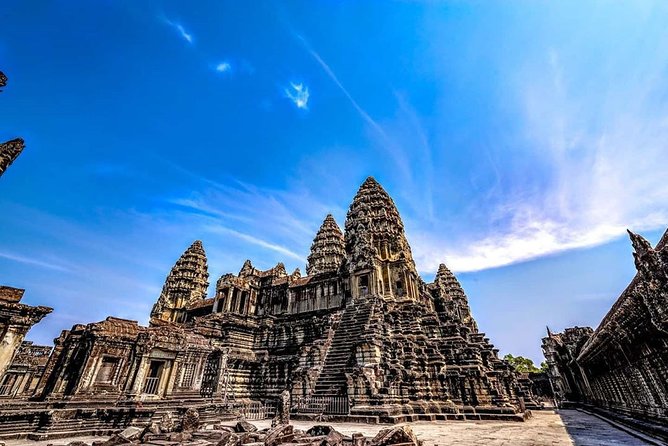
Temples can be strict, and it’s not the time to improvise. Some sights such as Baphuon have a strict dress code. You’ll want clothing that covers shoulders and falls below the knees.
The rules also mention that clothing with obscene or disrespectful prints may lead to refused entrance, and brightly-colored clothing may cause trouble. I recommend you pack a safe, simple option: a light long skirt or long pants plus a shirt that covers your shoulders.
If you’re wearing something borderline, you’ll feel stressed on the spot. If you come prepared, you can actually enjoy the temple details.
Food breaks: how to handle lunch and what to look for
Lunch is not included during the day, which means you’ll have choices. The route notes that Day 1 includes time to enjoy lunch at a local restaurant in the temple area or back to the hotel.
This is where having a guide who knows the local scene matters. Review feedback calls out Mr Lion helping guests find good places to try local cuisine. You’ll get better value when you let your guide suggest where to eat instead of picking the closest menu just to be done.
Keep an eye on timing. Angkor sites run on heat and daylight. If you take too long at lunch, you might feel rushed at the next stop.
Tips for making the schedule work for you
A good temple day is equal parts stamina and strategy. Here are practical moves that fit this exact tour rhythm.
- Start planning your entry pass before Day 1 so you’re not stuck at the gate. You’ll need it for the Angkor Archaeological Site.
- Wear temple-ready clothing from the beginning. You don’t want to swap outfits in a hurry between stops.
- Bring a phone or camera with protection. The tour notes that electronics can be damaged by natural elements, so wrap and protect your gear.
- Don’t treat every temple stop as equal. Some (like Ta Prohm and Bayon) are high spectacle; others (like Preah Palilay or Lolei) are calmer. Adjust your expectations so every stop feels worth it.
Who this tour fits best
This is a strong fit if you want:
- A private tour format with an English-speaking guide and your group only
- A structured Angkor plan that includes sunrise and both major and lesser-known stops
- A mix of temples plus a real-world visit to a community on Tonle Sap
It may feel less ideal if:
- You’re trying to keep costs ultra-low, because the biggest exclusions are the Angkor pass and the boat ticket
- You dislike early starts. Sunrise is scheduled for 4:30am on Day 2
- You want a lot of free time with no schedule. This tour is organized and hands-on with multiple sites each day
If you’re comfortable moving through temples at a steady pace, you’ll get the most from it.
Should you book this 3-Day Angkor + Floating Village tour?
I’d book it if you want a guided, efficient Angkor plan that doesn’t only chase the loudest monuments. The mix of sunrise at Angkor Wat, the face-and-gate sweep of Angkor Thom, and the Banteay Srei + Tonle Sap pairing makes the days feel like a full Siem Reap story instead of a temple checklist.
The decision comes down to one thing: are you willing to budget for the exclusions? If you factor in the Angkor pass and the floating village boat ticket, the $245 price becomes easier to justify—especially because you get a real guide-led experience and not just a driver with a map.
If early mornings and temple dress rules don’t scare you, this tour is a smart way to see more of Cambodia beyond the standard route.
FAQ
What is included in the $245 per person price?
The tour includes a three-day experience with a professional English-speaking guide, air-conditioned transportation with a professional driver, cool water and cool wet towels, and applicable taxes and service charges.
What entrance or activity tickets do I need to pay for separately?
You need to pay for the Angkor Archaeological Site entrance pass and the boat ticket for the floating village. Lunch is also excluded and you’ll pay for it yourself.
Does the tour include pickup from hotels in Siem Reap?
Pickup is offered. Return transfers are inclusive only for guests staying in and inside Siem Reap.
Is the sunrise at Angkor Wat included?
Yes. The schedule includes a sunrise tour at Angkor Wat, starting at about 4:30am, with around four hours allocated.
Is this a private tour?
Yes. It’s operated on a full private basis, meaning only your group will participate.
What temples and sites are visited across the three days?
You’ll visit Ta Prohm, Ta Nei, Ta Keo, Victory Gate, Angkor Thom South Gate, Bayon, Baphuon, Terrace of the Elephants, Terrace of the Leper King, and Preah Palilay on Day 1. Day 2 includes Angkor Wat, Bakong, Lolei, and Preah Ko. Day 3 includes Banteay Srei, Banteay Samre, and Kampong Phluk floating village (including Old Market).
Does the floating village stop include a boat ride?
The floating village visit includes a scenic boat ride, but the boat ticket itself is not included, so you’ll need to purchase it.
Is lunch included?
No. Lunch is excluded during this full-day period, so you’ll pay on your own. The schedule notes lunch options near the temple area or back to the hotel on Day 1.
What dress code should I follow for the temples?
Some temples have a strict dress code. You need clothing that covers shoulders and falls below the knees. You may also be refused entrance for obscene or disrespectful prints and for brightly-colored clothing.
When will I get confirmation, and how does weather affect the tour?
Confirmation is received at the time of booking. The experience requires good weather, and if it’s canceled due to poor weather, you’ll be offered a different date or a full refund.