REVIEW · SIEM REAP
Private Siem Reap 3 Day Tour Discover All Highlight Angkor Temple
Book on Viator →Operated by About Cambodia Travel & Tours · Bookable on Viator
Angkor feels massive, until someone plans it. This private 3-day route pairs big-name temples with less-visited stops, and I like the steady comfort: air-conditioned vehicle transfers plus iced towels and cold bottled water all day. The trade-off is the obvious one: Angkor Park entrance costs (the Angkor Pass) and your meals aren’t included.
This tour also makes sense if you want structure without feeling trapped. You get a licensed English-speaking guide, hotel pickup and drop-off in Siem Reap, and a flexible private group schedule that lets you slow down for photos or speed up when a site moves faster than you expected.
One more consideration: there are early starts for sunrise, and the days run long. If you’re the type who hates mornings or prefers a lighter pace, plan on building in some rest time back at your hotel.
In This Review
- Key things to know before you go
- Private Siem Reap timing: why 3 days works better than a rushed weekend
- Day 1: Roluos temples, Wat Bo wall paintings, and Tonle Sap by cruise
- Preah Ko and the Roluos setup
- Bakong and Lolei: prototype pyramids and smaller details
- Kampong Phluk floating village: generations on the water
- Wat Bo Temple: late 19th-century wall paintings
- Satcha handicrafts and learning the craft side
- Tonle Sap Lake: why this inland sea matters
- Day 2: Angkor Wat sunrise, Angkor Thom gates, and the long temple stretch
- Angkor Wat sunrise: the early start pays off
- Angkor Thom: South Gate and the Bayon’s stone faces
- The Royal Square temples: Baphuon, Phimeanakas, and terraces
- Ta Prohm: the jungle temple vibe
- Banteay Kdei and Ta Nei: Buddhist-era layer and a smaller stop
- Day 3: Banteay Srei artistry, Neak Pean’s odd layout, and countryside texture
- Banteay Srei: many people’s favorite
- Banteay Samre: Hindu temple at Angkor
- Palm sugar producer group: a real taste of local process
- Preah Khan: a very short but meaningful stop
- Neak Pean and the artificial island temple plan
- Pre Rup and East Mebon: the last leg of the Angkor circuit
- Comfort in the heat: the AC, towels, and ride quality you actually notice
- Price and value: what $253.65 covers, and what you still pay for
- Who this private Angkor tour fits best
- Should you book this private Siem Reap 3 day Angkor highlights tour?
- FAQ
- Is hotel pickup and drop-off included?
- Is the tour private?
- Do you provide air-conditioned transportation and bottled water?
- Are entrance fees included for all temples?
- Which parts include ticketed admission?
- Is the floating village visit done by cruise?
- Are meals included?
- Can I cancel and get a full refund?
Key things to know before you go
- Private, flexible route: you’re not locked into a large group pace.
- AC + iced towels + cold water during transfers, so temple-hopping stays tolerable.
- Angkor sunrise is built in with a morning start at Angkor Wat.
- Tonle Sap experience includes a private cruise to the floating village area.
- Meals and Angkor Pass are separate from the tour price, so budget those early.
Private Siem Reap timing: why 3 days works better than a rushed weekend
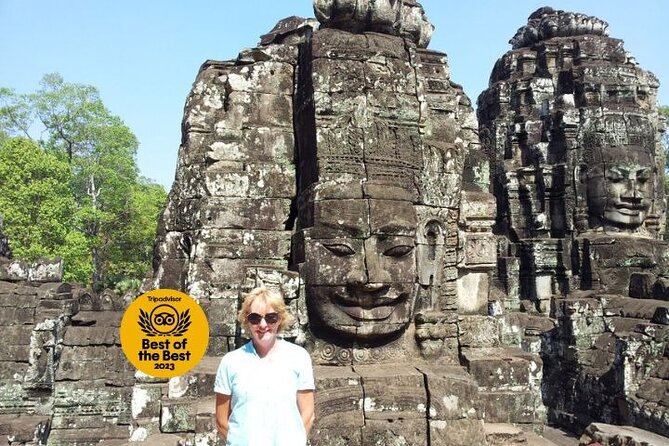
Angkor is the kind of place where a half-day plan can feel like sightseeing by checklist. With a full three days, you get enough time to actually move from one cluster of temples to another without constantly “catching up.” That matters, because Siem Reap isn’t just Angkor Wat—your itinerary spreads time across Roluos-era temples, Angkor Thom’s core, and a different side of the region around Tonle Sap.
I also like that this tour doesn’t treat culture as a side quest. Along with temple visits, you’re scheduled for local craft stops and life on the water—so you leave with more than just stones and photos.
The other big value: you’re riding from site to site in private air-con comfort. When you’re spending days in Cambodia heat, that small line item becomes a huge part of the experience.
You can also read our reviews of more private tours in Siem Reap
Day 1: Roluos temples, Wat Bo wall paintings, and Tonle Sap by cruise
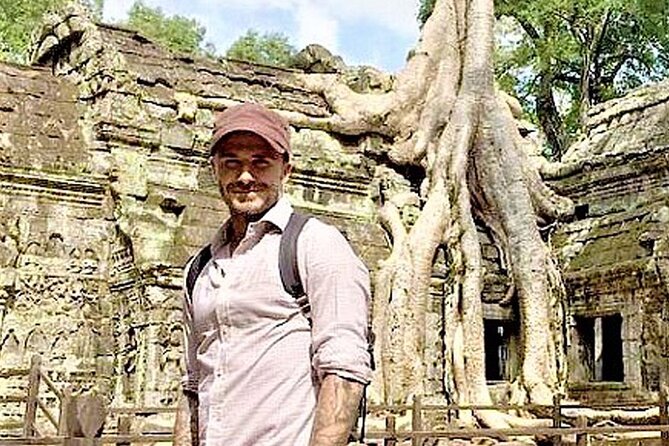
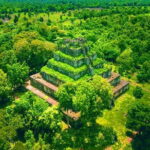
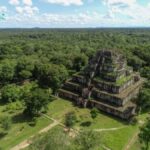
Day 1 reads like a gentle on-ramp to the Angkor region. Instead of going straight to the most famous monuments, you start with Preah Ko, Bakong, and Lolei—temples tied to Angkor’s predecessor capital, Hariharalaya (today called Roluos).
Preah Ko and the Roluos setup
You begin at Preah Ko, a Shiva temple in the Hariharalaya period. It’s positioned in the Roluos area between Lolei and Bakong, which makes it a good way to understand how these early Khmer temple zones were laid out. The stop is listed at about 30 minutes, so you’ll have time to see the structure and photos without spending the whole day on one point.
A practical note: since the Angkor Park entrance is not included, you’ll want to plan your Angkor Pass timing in a way that doesn’t cause stress later. Your guide can assist with purchasing it at the entrance of Angkor Park before the main temple touring begins.
Bakong and Lolei: prototype pyramids and smaller details
Next up is Bakong Temples, built at the request of Indravarman I and consecrated in 881. Bakong is highlighted as a historical prototype of the typical Khmer temple pyramid—so this is where you start spotting the “template” for later Angkor-style architecture.
Then you head to Lolei, described as the youngest and smallest of the three major Roluos temples. It’s less photogenic than its neighbors (based on the tour description), but it can still be a nice palate cleanser after the heavier-looking Bakong complex. This stop is about 30 minutes, which helps keep Day 1 from turning into an endurance test.
Kampong Phluk floating village: generations on the water
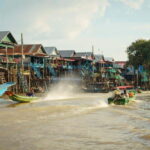
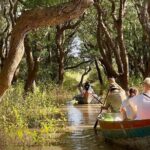
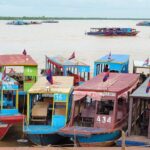
After temples, the itinerary shifts to real daily life on the water at Kampong Phluk Floating Village. The tour notes that people have lived in Cambodia’s floating village communities for 3–4 generations. That kind of continuity is exactly why this stop feels more grounded than another set of stone towers.
The visit runs about 3 hours, and it’s listed with an admission ticket included plus a private cruise component. Expect the time on the lake to be part sightseeing, part context: you’re seeing how communities function on the Tonle Sap system, not just passing by boats for a quick look.
You can also read our reviews of more tours and experiences in Siem Reap
Wat Bo Temple: late 19th-century wall paintings
Back in town, you visit Wat Bo Temple, one of the town’s oldest temples, with a collection of well-preserved wall paintings from the late 19th century. This is a different kind of visual storytelling than Angkor carving—more human-scale and easier to digest after the big temple days.
Satcha handicrafts and learning the craft side
Then there’s Satcha – Cambodian Handicraft Center. The tour describes it as an artisan incubation space that mixes traditional knowledge with contemporary ideas, and the visit lasts about 1 hour with admission ticket included.
Even if you’re not shopping, I find handicraft stops useful here. They help you see the region’s skills in a way that doesn’t feel like a detour from the main trip.
Tonle Sap Lake: why this inland sea matters
Finally on Day 1, you spend time at Tonle Sap Lake. The tour description calls it one of the world’s most productive fishing lakes, supporting over three million people and accounting for over 75% of Cambodia’s annual inland fish catch and a large share of Cambodians’ inland fishing reliance.
You only have about 30 minutes listed here, so treat it as orientation—something to connect what you saw at Kampong Phluk to what sustains the area.
Day 2: Angkor Wat sunrise, Angkor Thom gates, and the long temple stretch
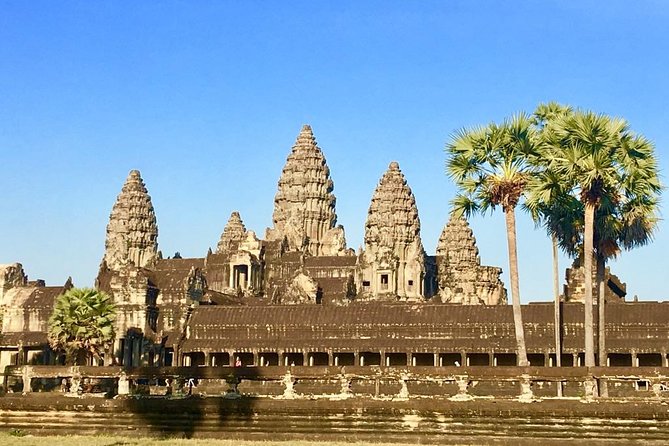
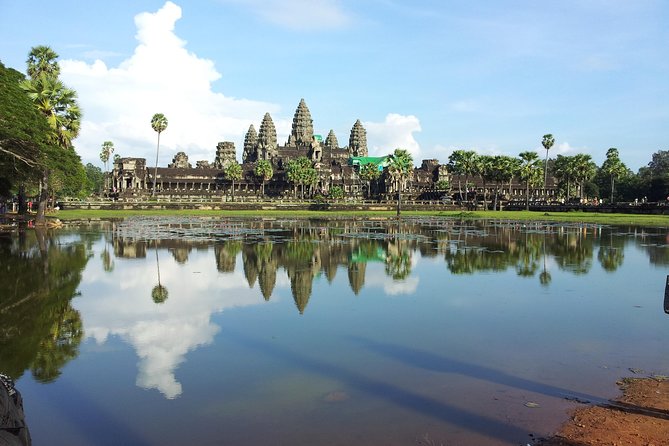
Day 2 is where people come for the name recognition. It starts early with Angkor Wat for sunrise, then moves into Angkor Thom’s core and keeps going to several additional temples.
Angkor Wat sunrise: the early start pays off
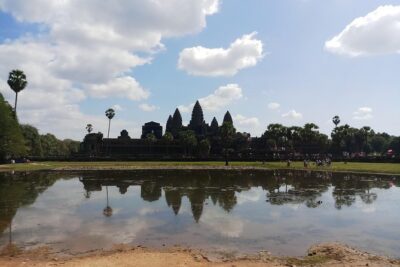
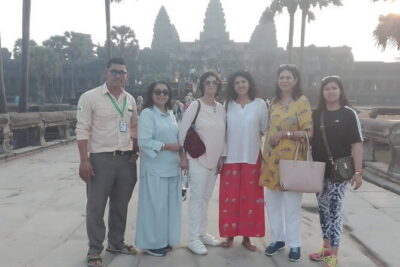
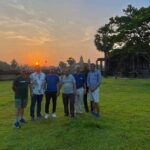
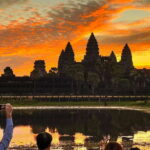
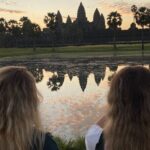
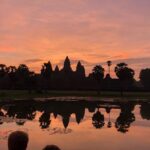
You’re scheduled to get up early for sunrise at Angkor Wat, then explore after sunrise before returning for breakfast at your hotel. Angkor Wat is described as Cambodia’s national emblem and the pride of the Khmer people, so this is more than just a photo mission.
The biggest practical advantage of this structure is that you’re not guessing timing. You’re set up to catch the sunrise and still have time for daytime exploration without feeling like the morning trip cut your temple time in half.
Angkor Thom: South Gate and the Bayon’s stone faces
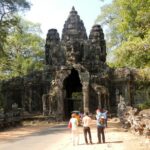
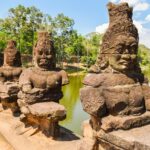
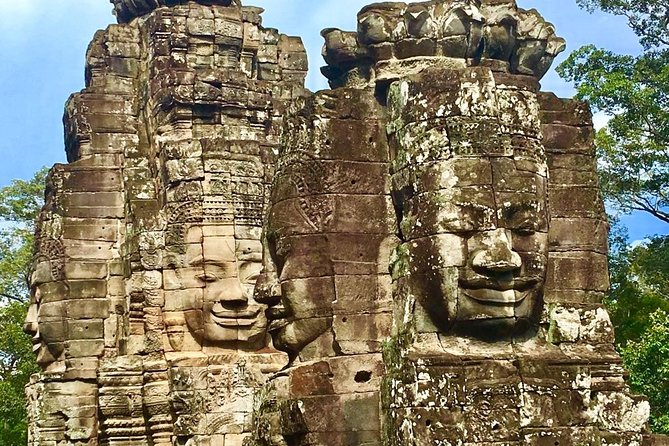
Next comes Angkor Thom South Gate, described as the most famous gate and the emblem-like entry route that visitors use when heading from Angkor Wat toward Bayon. You then visit Bayon Temple, built around 1200 A.D. and known for its enigmatic stone faces (that’s how the tour description frames it).
The stops are relatively short on paper—30 minutes at the South Gate and about 1 hour for Bayon—so you’ll want to focus on what you came for: the gate’s viewpoint logic, then Bayon’s faces and symbolism.
The Royal Square temples: Baphuon, Phimeanakas, and terraces
After Bayon, the schedule includes:
- Baphuon Temple (about 1 hour), completed around 1060 and described as near the Royal Palace area, dedicated to Shiva.
- Phimeanakas (about 30 minutes), started by King Rajendravarman II, with later additions including Suryavarman I. The description notes it’s predominantly a laterite structure.
- Terrace of the Elephants (about 45 minutes), forming much of the western edge of the Royal Square.
- Terrace of the Leper King (about 45 minutes), in the north-west corner of the Royal Square, noted as worth studying for its best reliefs.
These terrace stops can feel like a lot of information in a short time, but the time blocks are helpful. They let you move along the Royal Square edge while still taking breaks to look closely.
Ta Prohm: the jungle temple vibe
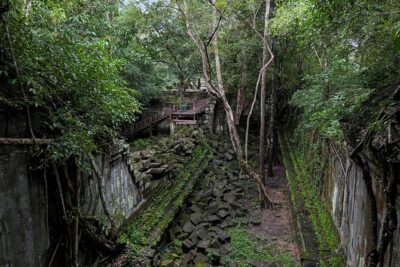
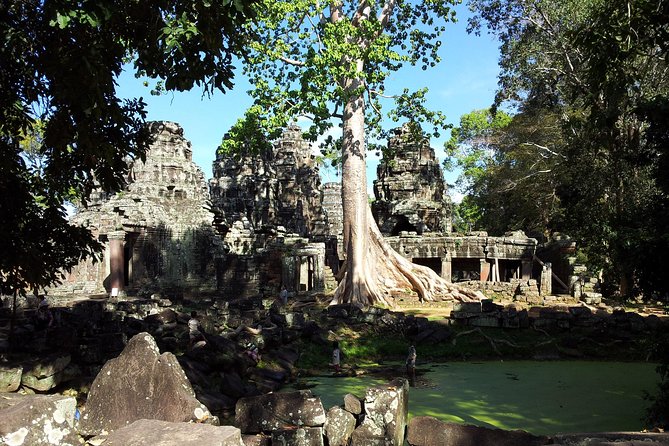
You then visit Ta Prohm, the tour calls it Angkor’s jungle temple. If you want a temple scene that feels different from perfectly cleared stone courtyards, this is the place on your route to get that contrast.
Banteay Kdei and Ta Nei: Buddhist-era layer and a smaller stop
The schedule pushes into Banteay Kdei (listed as about 7 hours 30 minutes). That’s a long window, so if you notice you’re dragging, ask your guide about pacing rather than forcing every minute.
You also stop at Ta Nei Temple for about 40 minutes. It’s described as a late 12th-century stone temple dedicated to the Buddha, near the northwest corner of the East Baray.
Day 2 is the day most likely to feel like a marathon. But the private format helps you manage it: if you need a breather, you can take it without waiting for a group.
Day 3: Banteay Srei artistry, Neak Pean’s odd layout, and countryside texture
Day 3 feels like the trip’s “final notes” section. You start with Banteay Srei, then you continue across additional temples and cultural stops like palm sugar.
Banteay Srei: many people’s favorite
Banteay Srei Temple is described as the temple many visitors say is the most beautiful they saw in Cambodia, even above Angkor Wat. That’s a bold claim in the tour description, and I get why it’s positioned on the final day: it’s a payoff site.
The stop is about 2 hours, which gives you room to see it slowly rather than sprinting through.
Banteay Samre: Hindu temple at Angkor
Next is Banteay Samre (about 1 hour), described as a Hindu temple built in the early 12th century during the reigns of Suryavarman II and Yasovarman II. This is a good stop if you like seeing the religious mix in Khmer architecture—at least as your route presents it.
Palm sugar producer group: a real taste of local process
A more hands-on break arrives with a Palm Sugar Producer Group and souvenir sellers segment. The tour description calls out brilliant local produce and specifically points to a burning stove where you can learn about the prices of making sugar in action.
This is about learning how value is made locally, not just buying things. Even if you pass on souvenirs, the process explanation can add context to what you’ve been seeing all week.
Preah Khan: a very short but meaningful stop
You then visit Preah Khan Temple. The tour description notes it was dedicated in 1191 to Jayavarman VII’s father, with a central statue called Jayavarmeshvara, meaning Jayavarman, Lord of the world. The scheduled visit is only listed at about 2 minutes, which suggests it’s a quick stop while moving between sites.
If you’re the type who loves stopping and reading, this is where you might ask your guide if you can extend your time on the spot.
Neak Pean and the artificial island temple plan
Next is Neak Pean, highlighted as exceptional because its layout differs from other Khmer architecture. It’s described as a temple on an artificial island in the huge Baray. The visit is about 1 hour, which is a sensible time block for a site like this, where the plan itself is part of the attraction.
Pre Rup and East Mebon: the last leg of the Angkor circuit
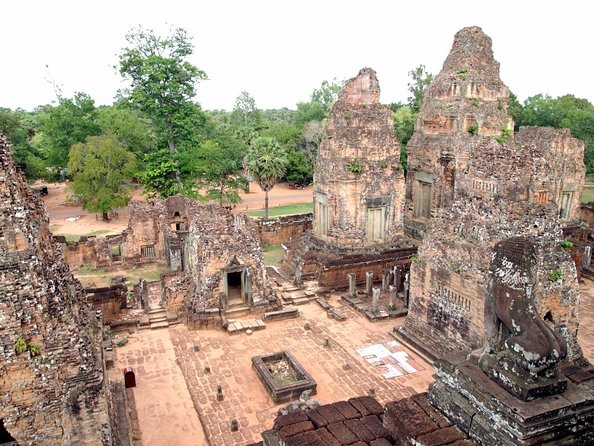
You end with Pre Rup (about 1 hour), founded in 961 and linked to Rajendravarman II. Then you visit East Mebon (about 50 minutes), described as a 10th-century temple built during Rajendravarman’s reign, standing on what was an artificial island in the center of the now dry East Baray reservoir.
Finally, the tour overview includes a sunset at Phnom Bakheng. If sunset is a priority for you, I’d treat Day 3 as your “keep your camera ready” evening—this is the moment designed to cap the whole temple circuit.
Comfort in the heat: the AC, towels, and ride quality you actually notice
The tour repeatedly signals comfort, and that’s not just marketing. It’s practical.
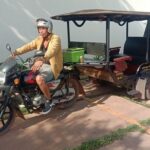
You’re provided cold bottled water and towels throughout the tour, plus air-conditioned vehicle transfers. In one 5-star experience, the private driver Ree was praised for driving a clean, safe Toyota Highlander with AC, iced towels, and cold water. That’s exactly the kind of detail that makes temple days feel human.
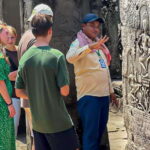
Also, you’re in the hands of a professional English-speaking guide with a license, which matters when you want context without having to translate on your own.
And since the tour includes a mobile ticket, you shouldn’t be stuck fumbling with paper at the wrong moment (within the limits of what each site requires).
Price and value: what $253.65 covers, and what you still pay for
The price is listed at $253.65 per person for approximately 3 days, and the tour notes it’s commonly booked about 100 days in advance. That tells me this is a popular, in-demand route, so budgeting early is smart.
Here’s what you get for your money:
- Private hotel pickup and drop-off
- Professional English-speaking guide
- All transfers by private air-con vehicle
- Private cruise tours to visit the floating village on Tonle Sap
- Drink water and cool fresh towels for the trip
What’s not included:
- Tips for your guide and driver
- Entrance fee: the Angkor Pass that covers all temples in the itinerary (your guide helps you purchase it at the entrance)
- Meals during the tour. Lunches are available at local restaurants with both vegetarian and non-vegetarian options, and the tour lists dish prices ranging from $3–$10 per dish.
To judge value, I’d compare this tour’s included private transport + guide + Tonle Sap cruise. If you were piecing those parts together yourself, you’d likely spend a similar amount on transport and logistics alone. The Angkor Pass and meals are the main “extra” costs, but they’re standard for this kind of trip.
Who this private Angkor tour fits best
This is a smart match if you want:
- A private plan where you can change pace without negotiating a group schedule
- Sunrise at Angkor Wat, plus major Angkor Thom sites and additional temples across multiple days
- A mix of temples and cultural stops like Wat Bo’s wall paintings and craft centers
- The Tonle Sap floating village experience with a private cruise
It might be less ideal if:
- You strongly dislike early mornings
- You want everything included down to each entrance fee and meal (because the Angkor Pass and meals are separate)
- You prefer a lighter itinerary with fewer temples per day
Should you book this private Siem Reap 3 day Angkor highlights tour?
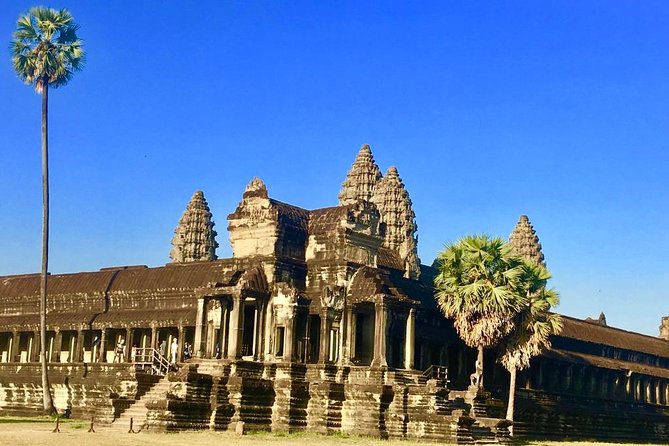
If your goal is to see a lot—without feeling like you’re managing the chaos yourself—this is a solid pick. The biggest wins are the private, flexible structure, the ongoing comfort (AC, iced towels, cold water), and the fact that you’re not only doing temple photos. The Tonle Sap cruise and the local craft/sugar stops help the week feel lived-in, not just monumental.
Book it if you’re okay with paying the Angkor Pass and covering meals on-site. If those add-on costs would make you hesitate, you might look for a different package that bundles more—but for this itinerary style, the value is well aligned.
FAQ
Is hotel pickup and drop-off included?
Yes. The tour includes private hotel pickup and drop-off in Siem Reap. You’ll need to provide your hotel name for pickup.
Is the tour private?
Yes. It’s a private tour/activity, so only your group participates.
Do you provide air-conditioned transportation and bottled water?
Yes. You travel by private air-conditioned vehicle, and cold bottled water plus towels are available throughout the tour.
Are entrance fees included for all temples?
No. The Angkor Pass entrance fee is not included, and your guide assists you with purchasing it at the entrance of Angkor Park before starting temple touring.
Which parts include ticketed admission?
From the tour details, admission ticket is included for certain stops such as Kampong Phluk Floating Village, Wat Bo Temple, Satcha handicraft center, and Tonle Sap Lake.
Is the floating village visit done by cruise?
Yes. The tour includes private cruise tours to visit the floating village area on Tonle Sap Lake.
Are meals included?
No. Meals are at your own expense. Lunches are available at local restaurants with vegetarian and non-vegetarian options, with dish prices listed from $3–$10.
Can I cancel and get a full refund?
Yes, you can cancel for a full refund up to 24 hours in advance of the experience start time.
If you want, tell me your travel month and your hotel area (Old Market, riverside, etc.). I can help you think through how early your sunrise day will likely feel and how to budget the Angkor Pass + meals.