REVIEW · SIEM REAP
Siem Reap: Angkor Sunrise 2 Days Guided Bike Tour
Book on GetYourGuide →Operated by Siem Reap Private Tour. · Bookable on GetYourGuide
You start the day in the dark, then ride into wonder. I like how this tour mixes Angkor sunrise with biking through quieter temple trails, and then turns the second day into countryside riding with stops at farms and village life. The only real catch: the cycling can include sandy, uneven ground and you’ll want a bike-friendly comfort level.
I also really appreciate that the experience is built around a local English-speaking guide (I’ve heard names like Thy, Bob, Mony, and Tida), with routes that use shaded tracks rather than just shuffling from monument to monument. And you get actual refueling built in—breakfast and lunch plus plenty of fruit and snacks along the way.
The possible drawback to plan for: the temple-time explanations are strong on history and culture, but if you’re hunting for heavy art-and-architecture detail, you might want to bring a book or extra questions. Also, lunch quality can be a mixed bag depending on the day and stop.
In This Review
- Key Highlights You’ll Feel on the Road
- Why This Two-Day Bike Format Works for Angkor
- Day 1: 5:00am Angkor Wat Sunrise and the First Temple Circuit
- Bayon, Preah Khan, and the Ta Prohm Area: More Than One “Must-See”
- Day 1 Lunch and the Midday Reset You’ll Appreciate
- Day 2: 7:30am Countryside Cycling Through Rice Fields and Farms
- Bicycles, Helmets, and the Real Skill Level Check
- Price and Value: What $95 Really Covers (and What’s Extra)
- What to Wear and Pack: Small Rules That Save Big Headaches
- Who This Bike Tour Fits Best (and Who Might Prefer Another Option)
- Should You Book This Siem Reap Angkor Sunrise 2-Day Guided Bike Tour?
- FAQ
- FAQ
- What time is pickup for the Angkor Wat sunrise day?
- What time is pickup for the countryside bike day?
- Is the $95 price for both days?
- Are temple entry tickets included?
- What’s included with the bike tour?
- Will the tour run in rain?
- What should I wear for temple visits?
- What should I bring?
Key Highlights You’ll Feel on the Road
- Angkor Wat at sunrise with early pickup and a guide leading you to the best viewing spots
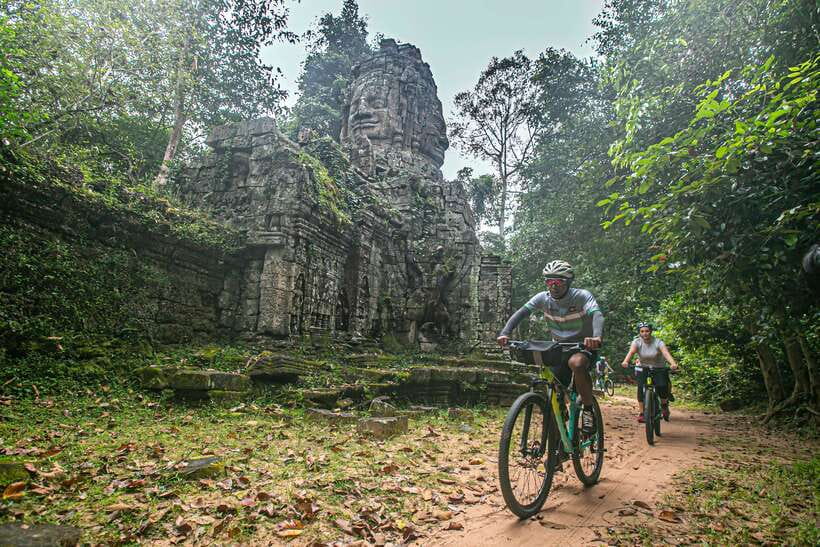
- Bike time through trails behind Angkor Wat and toward temples away from the main flow
- Angkor Thom stops like Bayon, plus other key sights such as Preah Khan and Ta Prohm area
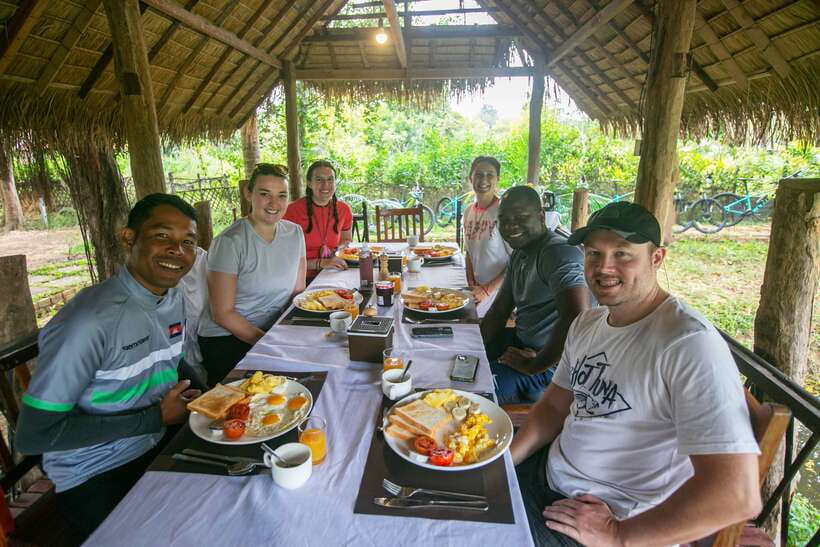
- A traditional Cambodian lunch (and the value of a sit-down meal after morning riding)
- Day 2 countryside culture: rice fields, local markets, mushroom and lotus farms, and rice-wine production areas
- Real village conversations—time spent in local communities and rice fields, not just quick photo stops
Why This Two-Day Bike Format Works for Angkor
Angkor is famous for a reason, but the usual way to see it can feel like standing in lines inside a heat bubble. This tour gives you a different rhythm: you ride early when the air is cooler, then you cover a lot more ground without the stop-and-start stress of a car-only day.
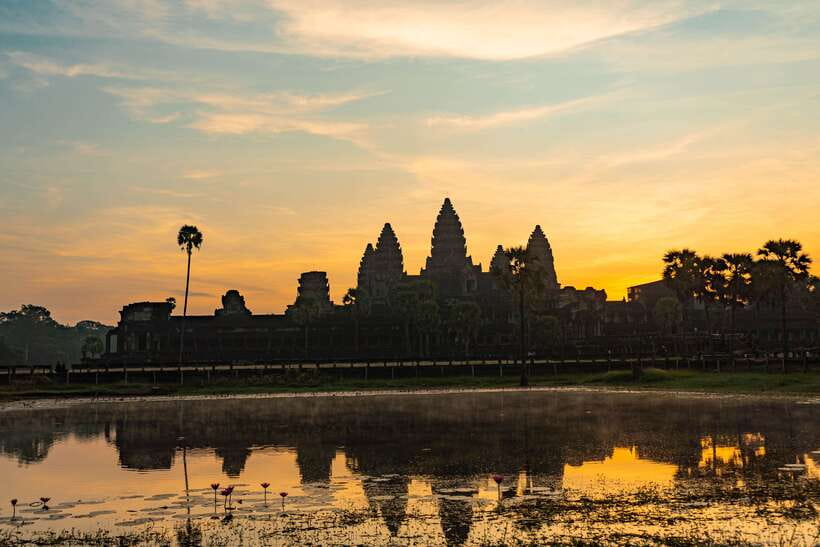
What I like most is the mix of big-name temples and smaller, everyday places. Day 1 has that “only in Angkor” feeling—sunlight catching stone, temples emerging from mist—then the bike routes slip into trails that feel more local. Day 2 shifts gears completely. You’re not just seeing temples; you’re seeing how people live: rice fields, farm production, snacks at a market, and Buddhist spots in the villages.
The other practical advantage: your guide controls the pacing. You’re not stuck guessing where to go next or when to break. That matters at Angkor, where one wrong turn or too-slow morning can quietly ruin your entire day.
You can also read our reviews of more cycling tours in Siem Reap
Day 1: 5:00am Angkor Wat Sunrise and the First Temple Circuit
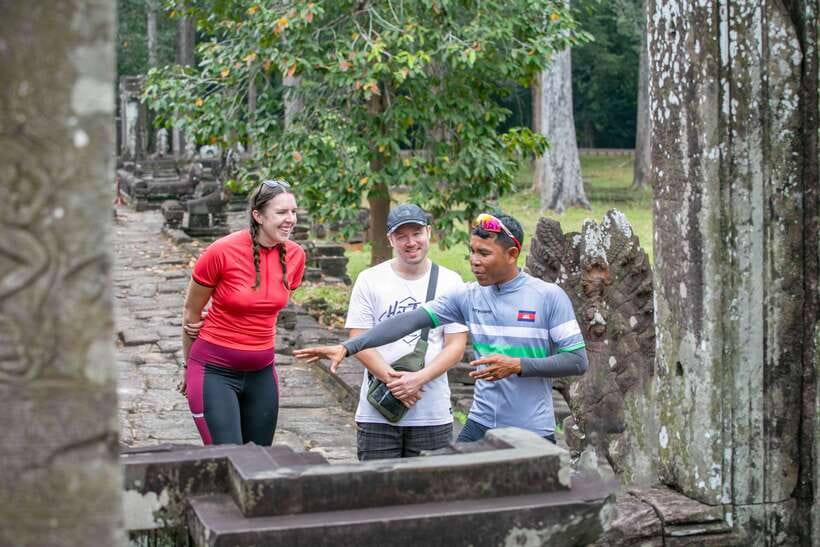
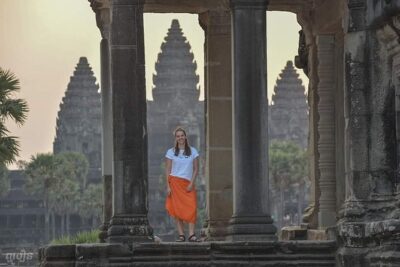
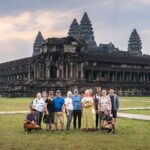
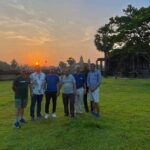
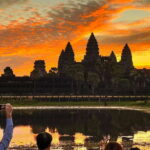
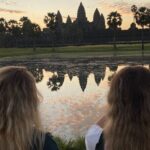
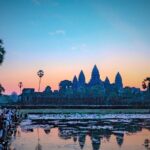
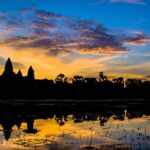
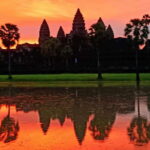
Pickup starts at 5:00am, so you’ll want to be ready before that call time. After pickup, your guide takes you to the best areas to watch the sunrise over Angkor Wat—timing here is everything, and the early start is what makes this tour feel special instead of just another temple visit.
Once you’ve taken in the morning views, you’ll move through the Angkor central complex and get explanations from your English-speaking guide. You can expect the focus to be on history and symbolism—how the temple connects to cultural meaning and how different parts fit together.
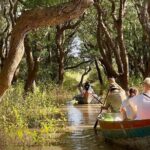
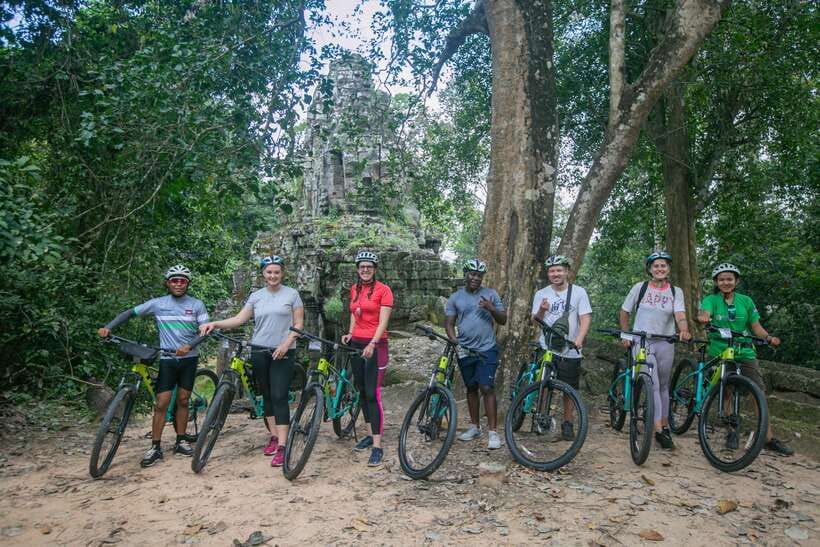
Then comes the part many people book for: you shift from temple-watching to riding. You’ll bike down trails behind Angkor Wat, which is a big part of why this tour feels different from the crowded “temple bus shuffle.” You’ll follow paths that go through smaller lanes and village areas within the Angkor region—so you’re not only looking at stone; you’re also seeing how the area works in daily life.
Important reality check on cycling: the route can include sandy, uneven terrain. One review noted it’s not a straightforward cruise. If you don’t cycle regularly or you don’t feel comfortable on a mountain bike over loose ground, this can be tiring. The good news: several riders found shaded trails and not-too-technical sections, but “not too technical” doesn’t cancel out sand.
After the morning touring, breakfast is included and then you’ll keep moving through additional sights.
Bayon, Preah Khan, and the Ta Prohm Area: More Than One “Must-See”
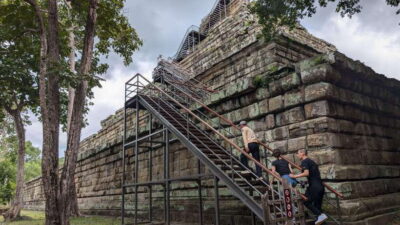
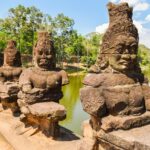
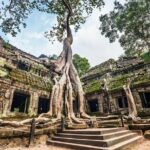
Day 1 continues with more major stops around Angkor. You can expect time at Ta Prohm Temple (the famous movie one people recognize instantly), plus Angkor Thom City and Bayon Temple, and also Preah Khan. That lineup is strong because it gives you different temple styles and layouts instead of repeating the same visual pattern.
Here’s how to think about these stops so you get more out of them:
- Bayon and Angkor Thom help you understand Angkor as a whole urban complex, not just one icon. Even if you don’t memorize details, you’ll feel the scale.
- Ta Prohm gives you that signature blend of stone and roots. The experience is visual first; explanations add context, but your eyes will do most of the work.
- Preah Khan tends to feel a bit more immersive—less like a single photo moment and more like walking through a living, layered space.
Your guide also helps with photo timing and routing. I like this because it saves you from wandering around looking for the “perfect” shot while trying to figure out where the rest of your group is heading.
A small drawback worth keeping in mind: a couple of riders felt the English explanation could be harder to follow at times, and a few wanted more artistic or architectural context. If you’re the type who studies carved details for long stretches, you might want to bring a guidebook and ask direct questions like what carving motifs mean or what dates a temple likely belongs to.
Day 1 Lunch and the Midday Reset You’ll Appreciate
After your temple ride-and-walk morning, you’ll have a traditional Cambodian lunch with a large spread of local dishes. This is a genuinely smart part of the day. Angkor mornings can be deceptively exhausting, and having food planned into the schedule means you’re not hunting for a quick meal in the hottest part of the day.
One rider described the lunch stop as authentic and tasty. Another said lunch quality wasn’t great. My practical takeaway: don’t treat lunch as the emotional highlight. Treat it as fuel. The bigger value is that you get a proper break, you sit down, and you reset before the next chunk of touring.
There’s also time for a quick siesta after lunch. That’s not just comfort—it’s how you keep energy for the rest of day 1 and avoid the common “temple fatigue spiral.”
Day 2: 7:30am Countryside Cycling Through Rice Fields and Farms
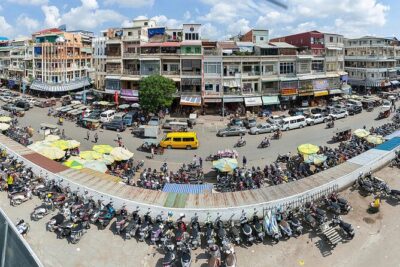
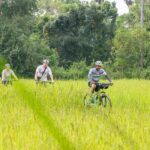
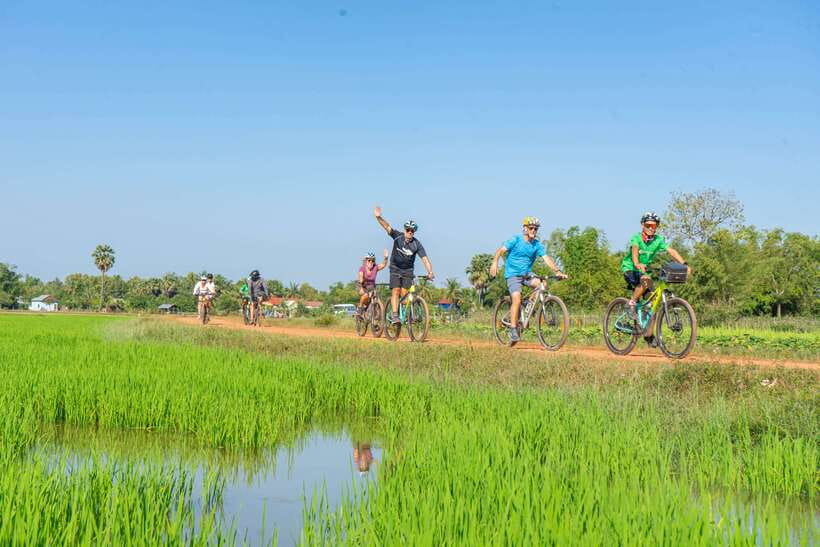
Day 2 pickup is 7:30am, and the vibe shifts from temple-focused to everyday Cambodia. Your route takes you by bike across backroads, through rice fields and farms, and into small villages—so you get that “this is where life happens” perspective.
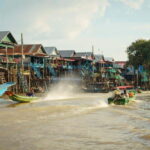
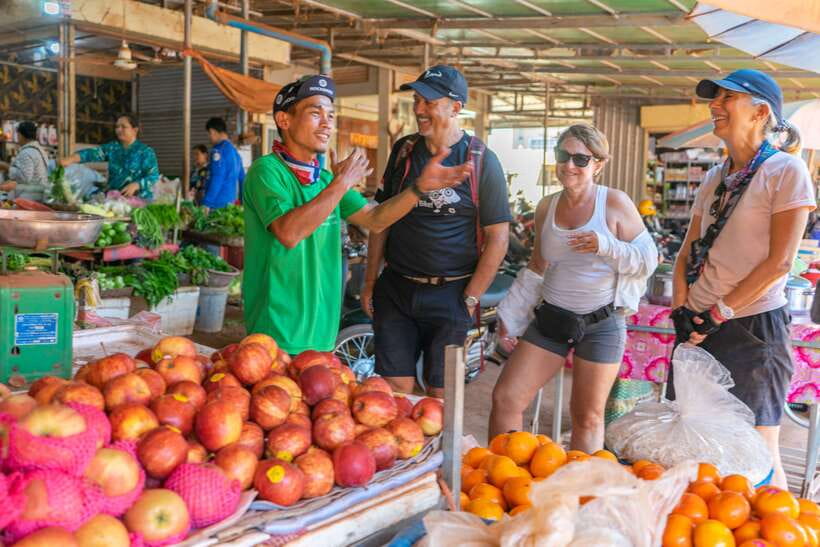
This is also the day with the most frequent stopping points, which helps you slow down and look around: you’ll taste local fruit and snacks, and you’ll stop at a local market plus mushroom and lotus farms. You can also visit places where rice wine is distilled, which is fascinating if you like learning how food and drink actually get made.
You’ll also spend time with village handicrafts and Buddhist temples. That mix matters: you’re not just consuming sights, you’re seeing skills (handicrafts) and belief spaces (temples) that shape daily routines.
A lot of riders found day 2 more relaxed. It’s mostly dirt or rural roads, and if you’re comfortable after day 1, you’ll likely enjoy the slower pace. The reward is the people-and-production angle—watching, asking, and seeing the connections between land, water, work, and community.
You can also read our reviews of more guided tours in Siem Reap
Bicycles, Helmets, and the Real Skill Level Check
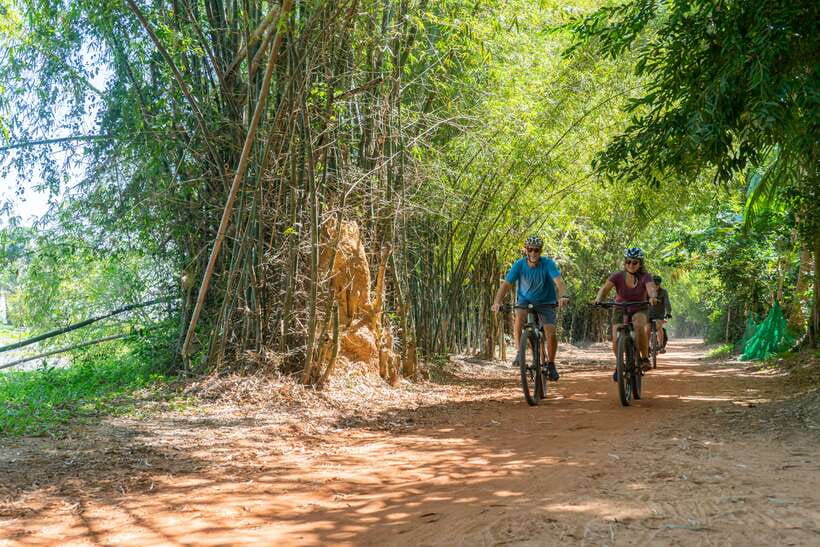
This tour includes a bicycle and helmet, plus daily water support. That’s not flashy, but it’s the difference between feeling safe and feeling stressed.
The skill level is the only piece where expectations can drift. The tour is marketed in a way that can sound friendly to occasional cyclists, but at Angkor you may hit sand, loose edges, and uneven tracks—especially around temple areas and trail segments. One review warned that the sunrise-day route isn’t simple and may not suit people who aren’t used to mountain biking or don’t ride regularly.
So here’s my practical rule of thumb: if you can handle a couple of hours of cycling, you’re fine. If you hate loose gravel, if you’re uncomfortable with uneven footing, or if your biking routine is mostly flat-city streets, you should prepare for a tougher day than you might expect.
You can reduce stress by:
- wearing good cycling shorts (you’ll feel it after day 1)
- keeping your grip relaxed so sand doesn’t tire your hands
- going into day 1 with the mindset of “adventure cycling,” not “easy sightseeing”
Price and Value: What $95 Really Covers (and What’s Extra)
The price is $95 per person for two days, and that includes hotel pickup and drop-off, an English-speaking guide, the bike and helmet, breakfast on day 1, lunch on day 1, plus local snacks and fruits and daily water support.
That’s solid value if you want a guided flow and you don’t want to spend your vacation stitching together transportation, tickets, and routing. At Angkor, guidance matters because it’s easy to waste time on the wrong paths or miss the best sunrise angles.
What’s not included is the temple entry ticket: $37/day. Your total temple ticket cost can add up depending on which temple zones you enter on each day. Plan on adding that on top of $95 if you’re budgeting tightly.
If you’re deciding whether to book, ask yourself: do you want to ride across Angkor with guidance and food planned, or do you prefer DIY navigation with your own tickets and timing? For most people, this tour’s structured approach is what makes the price feel fair.
What to Wear and Pack: Small Rules That Save Big Headaches
Bring sunglasses, a camera, and sunscreen. And be ready for sun—even at sunrise, the day heats up.
Temple clothing is also non-negotiable: you’ll need clothing that covers shoulders and knees when visiting temples, including Angkor Wat. It’s an easy thing to miss while you’re excited, so check your outfit before you leave the hotel.
The tour runs rain or shine, so you should be ready for wet paths and slippery patches. Not only is it weather-proofing—rain can also make riding more tiring because sand and dust behave differently.
One more simple note: smoking indoors isn’t allowed.
Who This Bike Tour Fits Best (and Who Might Prefer Another Option)
This experience is a great match if you:
- want Angkor Wat sunrise without the hassle of figuring out timing and entry logistics on your own
- like guided biking that uses quieter routes and doesn’t feel like a constant bus stop
- enjoy countryside life—rice fields, markets, farms, rice wine production, and village craft
It’s also a good choice if you want day 1 to feel like temples and day 2 to feel like the real region beyond the main monuments.
It may not be the best fit if:
- you’re pregnant (the tour notes it’s not suitable)
- you dislike uneven cycling surfaces or you don’t ride regularly
- you want deep, academic architectural analysis at every site (some riders felt the emphasis was more on history and culture than on art-and-architecture detail)
Should You Book This Siem Reap Angkor Sunrise 2-Day Guided Bike Tour?
If your goal is to see Angkor in a way that feels less crowded and more hands-on, I think this booking makes sense. You’re paying for early access to the sunrise moment, guided temple routing, and the added value of biking through areas that don’t feel like just another checklist.
If you’re an experienced cyclist and enjoy sandy trail conditions, you’ll likely feel confident. If you’re not, you can still do it—but go in with realistic expectations for terrain and bring the right mindset (and kit) so you don’t spend the day fighting the bike.
For most people, the best argument is simple: two days that connect temples to village life, with food and breaks included, and with guides like Thy, Bob, Mony, or Tida helping you get more meaning from what you’re seeing.
FAQ
FAQ
What time is pickup for the Angkor Wat sunrise day?
Pickup is at 5:00am for the first day’s Angkor Wat sunrise tour.
What time is pickup for the countryside bike day?
Pickup is at 7:30am on the second day.
Is the $95 price for both days?
Yes. The tour is priced at $95 per person for a two-day experience.
Are temple entry tickets included?
No. Temple entry tickets are not included, and they cost $37/day.
What’s included with the bike tour?
Hotel pickup and drop-off, an English-speaking tour guide, bicycle and helmet, daily water support, breakfast on day one, lunch on day one, and local snacks and fruits are included.
Will the tour run in rain?
Yes. The tour takes place rain or shine.
What should I wear for temple visits?
You’ll need clothing that covers the shoulders and knees when visiting temples, especially Angkor Wat.
What should I bring?
Bring sunglasses, a camera, and sunscreen. Also follow the clothing rule for temples.