REVIEW · SIEM REAP
3-Day Angkor Wat & All Interesting Major Temples & Kulen Mount Waterfall
Book on Viator →Operated by Happy Angkor Tour · Bookable on Viator
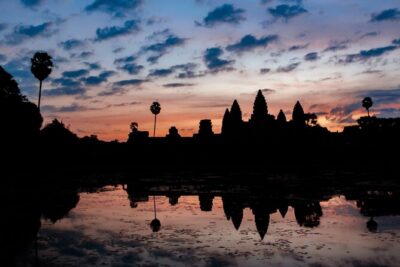
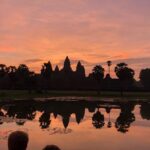
Angkor at dawn feels like you found the secret entrance. This 3-day private tour strings together the big emotional hitters: Angkor Wat, tree-choked Ta Prohm, and the wide, story-filled walkways of Angkor Thom. I especially like that you get a true mix of temples and context, from royal-era Hindu structures like Phimeanakas to later Buddhist sites such as Preah Khan.
The second thing I like is the pacing choices that keep it fun, not just busy. You can plan around the heat with a sunrise start on day 3, and you even have the option to skip waiting for sunset at Phnom Bakheng. One thing to consider: this is a packed route with long drives (Phnom Kulen is over 60 km away), and temple entry fees are separate from the tour price.
In This Review
- Key takeaways before you go
- The big idea: temples plus story, not just photo stops
- Price and logistics: what $248.50 really covers
- Day 1 in Angkor Thom: a guided walk through power and belief
- Angkor Wat first: get your bearings fast
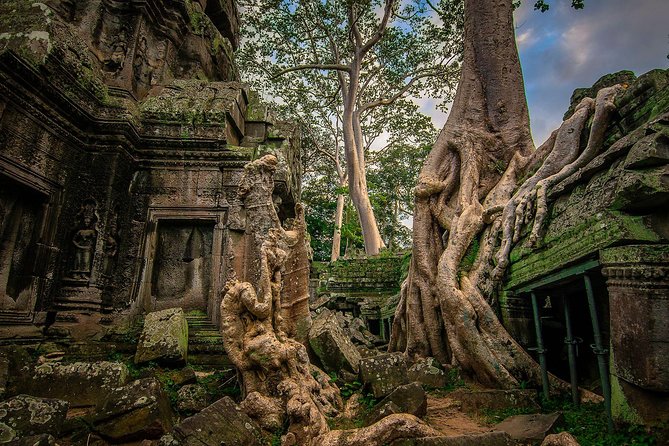
- Ta Prohm: roots, ruins, and cinematic vibes
- Ta Nei: a quieter temple break from the crowd flow
- Victory Gate and Bayon: the east side of Angkor Thom
- Baphuon, Phimeanakas, and the terraces: royal life in stone
- Phnom Bakheng: sunset climb, with a skip option
- Day 2 at Phnom Kulen: the waterfall day and the sacred riverbed
- Phnom Kulen’s sacred riverbed: 1,000 Lingas
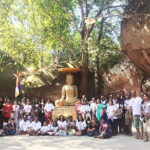
- Reclining Buddha: the rock landmark
- Swimming at the waterfall: the best break from heat
- Banteay Srei and Banteay Samre: pink sandstone and a smaller feel
- Pre Rup: the Hindu temple with funeral-era meaning
- Day 3: sunrise at Angkor Wat, then Preah Khan to Rolous
- Angkor Wat sunrise: why early beats late
- Preah Khan: Jayavarman VII’s Buddhist monster temple
- Neak Pean and Ta Som: small island temples with quiet charm
- Eastern Mebon to Rolous: a whole cluster day
- Artisans Angkor and Psar Chaa: Cambodia beyond temple stone
- How the best guides shape your experience
- What might feel tiring (and how to handle it)
- Who this tour fits best
- Should you book this 3-Day Angkor Wat & Kulen tour?
- FAQ
- What time is pickup on day 1?
- Is sunrise at Angkor Wat included?
- What’s included in the tour price?
- Are meals included?
- Are temple admission fees included?
- Is Kulen mountain entrance included?
- Can you swim at the waterfall in Phnom Kulen?
- Can I skip waiting for sunset at Phnom Bakheng?
- Is there free cancellation?
Key takeaways before you go
- Early sunrise at Angkor Wat with a 5:00am pickup, so you beat the worst crowds and get better light.
- Phnom Kulen National Park isn’t just views: you see 1,000 Lingas and the rock Reclining Buddha, plus time to swim at the waterfall.
- Angkor Thom deep walk includes Victory Gate, Bayon’s faces, Baphuon, and the elephant and Leper King terraces.
- Small-temple detours like Ta Nei and Banteay Samre help you escape the biggest bottlenecks.
- Artisans Angkor and Psar Chaa Old Market give you a Cambodian texture beyond ruins (and you can skip either).
- Private group + licensed English guide in an A/C vehicle means less hassle, especially on long travel days.
The big idea: temples plus story, not just photo stops
This tour works because it balances spectacle with explanation. Yes, you’ll see the famous stuff, but the best part is how the day-to-day temples connect to rulers, religious shifts, and Khmer design choices. When a guide can point out why one pyramid temple sits inside an old royal precinct or why a later monastery looks different, the ruins start to feel less like a checklist and more like a place that evolved.
You’ll also feel the “value” in the logistics. A private A/C vehicle with pickup and drop-off means you’re not coordinating tuk-tuks, paying extra for every change, or losing time to “where do we go next?” confusion. The included water and wet towels are simple, but on an Angkor day they matter.
One more note: the tour is timed like Cambodia weather matters. Long outdoor stretches call for an early start and breaks that keep you functional. If you’re the type who wants one temple and then a slow café hour, this route may feel full. If you’re the type who wants to see a lot while still understanding what you’re seeing, it fits nicely.
You can also read our reviews of more tours and experiences in Siem Reap
Price and logistics: what $248.50 really covers
The tour price is $248.50 per person for 3 days. What you get is a private setup: an English-speaking licensed guide, a private A/C vehicle with driver, and practical extras like cool drinking water and wet towels, plus parking fees and road tolls. Pickup is from your hotel (or guest house) and drop-off ends back at your place.
What you do not get is the temple money. The Angkor Wat + all temples admission is listed as $62 per person, and the Kulen mountain entrance is $20 per person. Meals are also separate—lunch is noted as about $5 per person, depending on the menu.
Here’s the value math in plain terms: you’re paying for the driving time and guide time, not just the tickets. That’s a smart trade when you’re covering Angkor’s spread plus Phnom Kulen’s extra distance, because you’re buying efficiency. You can save money only if you’re comfortable DIYing routes, admissions, and sunrise timing without a guide.
Day 1 in Angkor Thom: a guided walk through power and belief
Day 1 starts at 8:00am with pickup from your accommodation, then a run toward the temples after buying your pass along the way. The morning is the time to do Angkor Thom before the heat turns every stone into a griddle.
Angkor Wat first: get your bearings fast
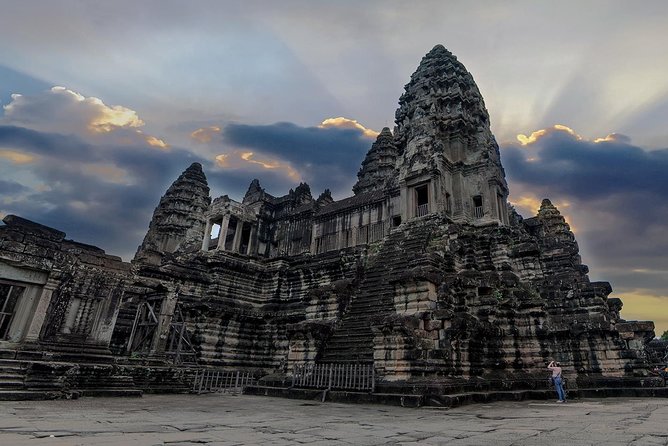
You’ll begin at Angkor Wat, and the tour structure makes sense: start with the grand icon, then zoom into the surrounding royal city’s story. Even if you’ve seen pictures, walking through the spaces helps you understand how later temples echo the same Khmer planning language.
The entry ticket is not included in the base price, but it’s required here anyway. The guide’s job is to help you see more than angles—expect explanations tied to design and religious meaning.
Ta Prohm: roots, ruins, and cinematic vibes
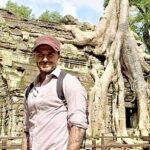
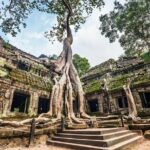
Next comes Ta Prohm, famous for the giant tree roots swallowing parts of the stonework. The tour keeps you moving after this stop, but it also gives you real time here (about 2 hours). This is one of the best “feel it” temples for understanding how nature and Khmer architecture coexist, and it’s where many people come for that movie association.
Ta Nei: a quieter temple break from the crowd flow
Then you drop to Ta Nei, described as smaller and less restored, with big surrounding trees. The point of this stop is not just photos—it’s breathing room. If you’re temple-fatigued, Ta Nei’s lower profile helps you reset your eyes.
Victory Gate and Bayon: the east side of Angkor Thom
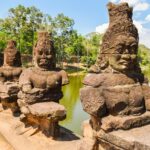
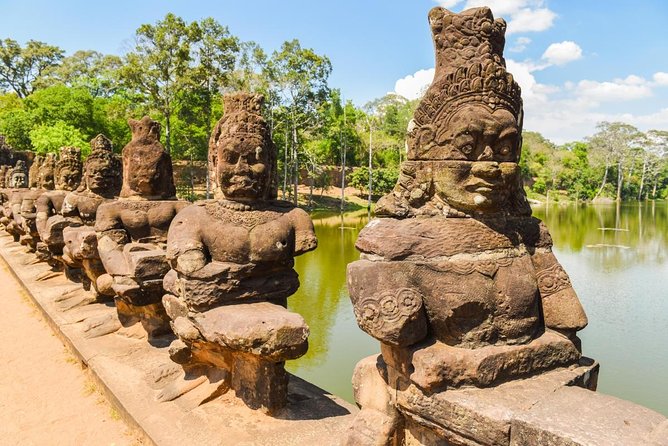
You stop at the Victory Gate on Angkor Thom’s east side, mainly for photos and a quick moment to orient yourself. Then you walk to Bayon Temple, centered in Angkor Thom with its many towers and faces. This part of the day is great for anyone who likes religious art detail, because the face imagery repeats and shifts depending on which angle you take.
Baphuon, Phimeanakas, and the terraces: royal life in stone
After Bayon, you visit Baphuon and then the deeper “royal precinct” stops. Phimeanakas is a Hindu pyramid temple built in the 10th century, located in the center of the old royal palace area. This is a short stop, but it carries a lot of meaning because it’s tied to the royal zone’s spiritual authority.
You also see the Terrace of the Elephants, a platform connected with kings watching victorious armies return, with elephant carvings. Nearby is the Terrace of the Leper King, another platform in the same area. Even if you don’t catch every carved detail, the terraces help explain how public ceremony and power were staged.
Phnom Bakheng: sunset climb, with a skip option
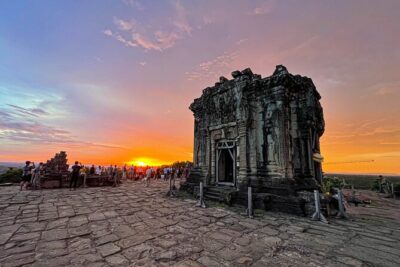
Day 1 ends at Phnom Bakheng for views, ideally sunset. The tour notes that you can skip waiting for sunset if you don’t want to spend that time. It also mentions limited number of tourists allowed, which is exactly what you’d expect for a climb like this.
Practical tip: wear shoes you trust on uneven steps, and don’t plan on lingering long if entry is time-restricted. Let your guide time the move; that’s one of the ways guides like Mr Chhay and others named in feedback earned strong marks—guiding you toward good viewpoints without turning the day into a panic scramble.
Day 2 at Phnom Kulen: the waterfall day and the sacred riverbed
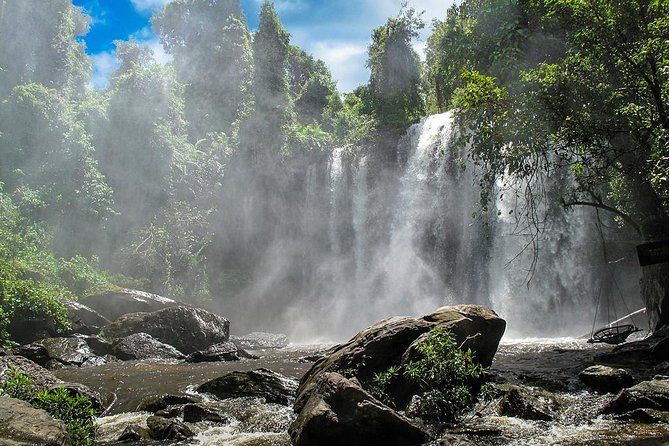
Day 2 is your nature day, and it’s a long one. The tour heads to Phnom Kulen National Park, which is more than 60 km from Angkor Park, with about 5 hours set aside for this part of the day.
Phnom Kulen’s sacred riverbed: 1,000 Lingas
You’ll visit the riverbed covered with sculptures of Lingas, described as 1000 Lingas, linked to Shiva’s symbolism. This is a very different kind of temple experience than Angkor’s carved mega-structures, and that contrast is worth it. It’s intimate, tactile, and spiritual in a different way—more about repeated sacred marks than one monumental façade.
Reclining Buddha: the rock landmark
The day also includes the rock Reclining Buddha site. Expect another “different texture” stop: fewer grand pathways, more natural stone context. If you like when temples look like they grew out of their environment, this is the day for that.
Swimming at the waterfall: the best break from heat
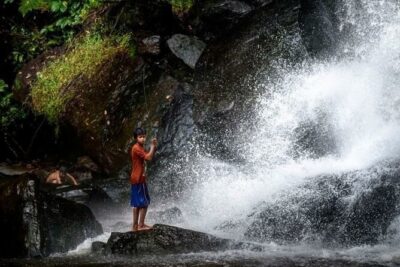
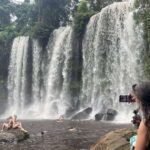
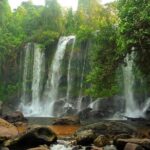
The tour highlights include a chance to swim in the waterfall in Phnom Kulen. That’s a big deal in a 3-day ruins trip because it breaks the pattern of walking up and down stone again and again. Bring swim-ready clothes if you’re comfortable doing so, and follow your guide’s lead for timing and safe areas.
Banteay Srei and Banteay Samre: pink sandstone and a smaller feel
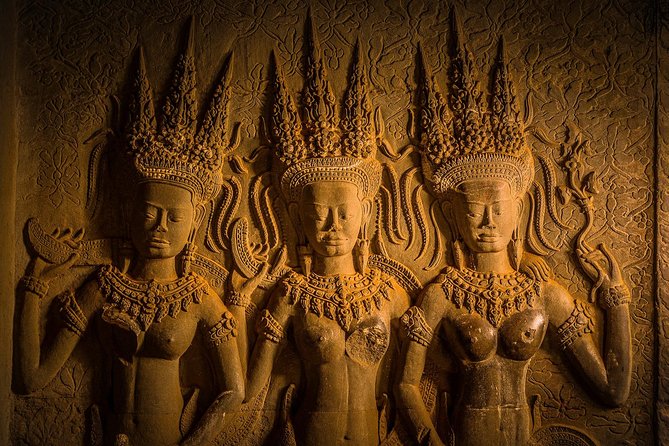
After Kulen, you head back toward more temple focus with Banteay Srei, also called the Ladies temple, built from pink sandstone in the 10th century by King Rajendravarman II for the Hindu trinity gods. This stop tends to feel more delicate than the giant stone blocks of larger complexes, and it’s a satisfying shift.
Then comes Banteay Samre, a Hindu temple from the 12th century. The description notes that the architecture doesn’t show much obvious evidence compared to some other sites, but it’s believed to follow a similar model to Angkor Wat. That means your guide’s storytelling matters here—without context, it can be easy to treat it as just another set of ruins.
Pre Rup: the Hindu temple with funeral-era meaning
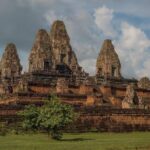
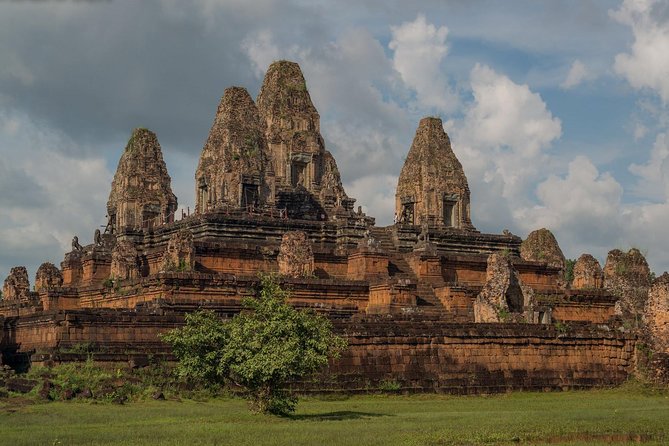
You finish this day at Pre Rup, built in the late 10th century and dedicated to Hindu gods. The guide portion here is important: Cambodians are described as believing funerals were conducted at the temple on distant points of junction. Even if you don’t remember the exact terms, you’ll feel the way temples served as more than tourist architecture—they were tied to rituals and life cycles.
Day 3: sunrise at Angkor Wat, then Preah Khan to Rolous
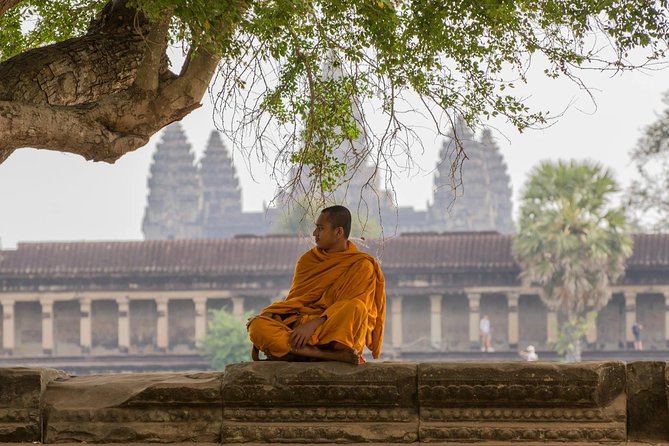
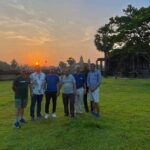
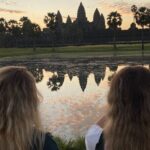
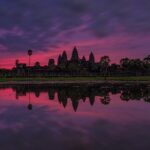
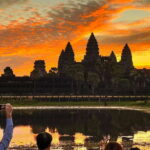
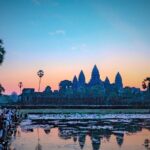
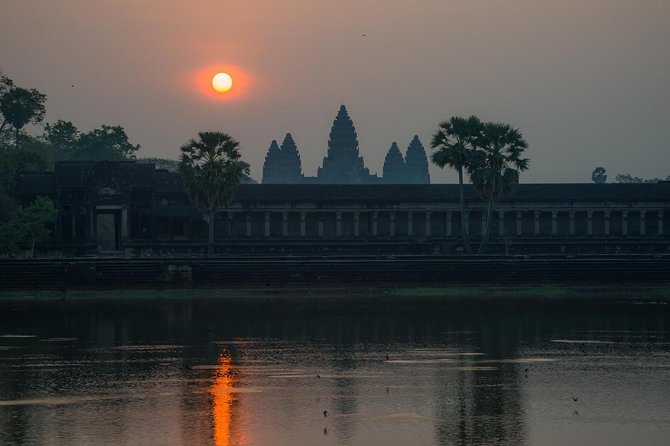
Day 3 starts even earlier. You’ll get pickup at 5:00am to watch sunrise at Angkor Wat. If you’ve ever been to Angkor midmorning, you know why an early start is worth it—light and crowds make a big difference, and the stone looks different when the sky is still waking up.
Angkor Wat sunrise: why early beats late
Sunrise at Angkor Wat is a classic for a reason. You get better conditions for photography and a calmer feeling when you arrive while the world is still quiet. The tour allows about 1 hour 45 minutes, which is long enough to enjoy the moment without turning it into an all-day headache.
Preah Khan: Jayavarman VII’s Buddhist monster temple
After breakfast, you visit Preah Khan, a Buddhist temple built by King Jayavarman VII dedicated to his father. It’s described as huge and highly extensive, so this is one of those “let your guide steer you” stops. When a guide knows how to point out the temple’s role in the change from older Hindu contexts into Buddhist ones, the visit becomes more than walking from tower to tower.
Neak Pean and Ta Som: small island temples with quiet charm
Next are Neak Pean and Ta Som. Neak Pean is described as a small island temple in the middle of the last Barray, built by a Khmer king in the Angkor area. Ta Som is a small Buddhist temple on the east side of Neak Pean.
These two stops are perfect if you like “pause” moments. They’re not as dramatic as Angkor Wat, but they feel peaceful, and they break up the day before the Rolous group.
Eastern Mebon to Rolous: a whole cluster day
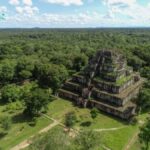
You then move to Eastern Mebon, a temple-mountain ruin rising three levels and crowned by five towers, with elephant statues at corners. After that, lunch happens at a good restaurant along the way (the tour leaves the exact choice flexible).
Then you visit more Rolous-group temples: Lolei, Preah Ko, and Bakong. Bakong is described as the first temple mountain of sandstone and the biggest temple in the Rolous group. If you like seeing how Khmer temple styles evolve across different sites, this cluster helps you spot patterns, like the way tower layouts and platform heights repeat.
Artisans Angkor and Psar Chaa: Cambodia beyond temple stone
Late in the day you add Artisans Angkor, a craft workshop shop known for traditional craft skills like stone carving, wood carving, lacquering, gilding, and silk processing. The tour gives you the option to skip if you don’t want the shop-style stops, which is smart.
After that, you can also skip Psar Chaa – Old Market, a local market in the center of Siem Reap. This is useful if you want one last slice of daily life, not just souvenirs. Even a short walk through a market helps you reset your brain after hours of ruins.
If you do visit both, manage your time. Thirty minutes each sounds brief because it is brief, and it’s usually enough to see the craft process and get a feel for the market without turning the end of your trip into shopping duty.
How the best guides shape your experience
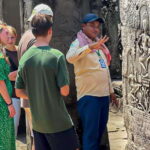
A lot of the strong ratings in feedback talk about the same thing: guides who connect the dots. Names that show up include Mr Chhay, Pal Saruon, Em Somuch, Small Mony, and Chandri. These guides are described as passionate and devoted, and the practical wins are clear: they lead you to better picture spots, keep you on time, and explain what you’re seeing in a way that makes the stones less mysterious.
The day plan already covers the major temples, but the guide turns it into understanding. If you care about Khmer religion, royal history, or just why each site looks the way it does, choose a tour style where your guide actually speaks and answers questions during the walk.
What might feel tiring (and how to handle it)
This tour is built for people who want a lot of ground covered in three days. That means:
- heat and sun exposure during temple hours
- long drives on the day that includes Phnom Kulen
- early morning starts, including 5:00am for sunrise
If you’re sensitive to early mornings or you hate long car days, you may want a lighter version of Angkor only. If you’re okay with a full itinerary and you want the trip to be “worth it” in terms of number of sites seen, this works.
One more practical note: Phnom Bakheng has limited tourist access for sunset viewing. If you go for the view, don’t plan to wander slowly. If you don’t want stress, the tour explicitly gives you a way to skip the sunset wait.
Who this tour fits best
This tour is a strong match for:
- people who want Angkor Wat + Angkor Thom + Kulen in one organized plan
- history-curious travelers who like guided explanations, not just wandering
- anyone who values private logistics (pickup, drop-off, A/C vehicle, wet towels)
It may be less ideal if you:
- want a slow, minimalist day with fewer stops
- dislike early starts
- don’t want to pay extra for entrance fees and meals
Should you book this 3-Day Angkor Wat & Kulen tour?
If your priority is seeing major temples in a guided, efficient format, I’d say yes. The tour’s biggest strengths are the early sunrise timing, the mix of Angkor Thom’s core monuments with smaller offshoot temples, and the fact that Phnom Kulen adds nature and a waterfall swim instead of just more ruins.
The only reason not to book is if you know you’ll be miserable with long days, early starts, and multiple paid entrances. If that sounds like you, consider a shorter temple-only plan.
If you do book, pack for heat, wear good shoes for steps, and treat the guide’s timing as part of the experience. With guides like Mr Chhay and the others named for their patience and expertise, the difference is less about tickets and more about how the day flows.
FAQ
What time is pickup on day 1?
Day 1 pickup is at 8:00am from your accommodation (hotel or guest house).
Is sunrise at Angkor Wat included?
Yes. Day 3 includes a 5:00am pickup to watch sunrise at Angkor Wat.
What’s included in the tour price?
The tour includes a private A/C vehicle with driver, an English-speaking licensed guide, cool drinking waters and wet towels, parking fees and road tolls, and pickup and drop-off to your hotel.
Are meals included?
No. Meals are not included. Lunch is described as about USD 5.00 per person, depending on the menu, and you’ll have to pay for what you choose.
Are temple admission fees included?
No. Angkor Wat + all temples admission is listed as USD 62.00 per person.
Is Kulen mountain entrance included?
No. The Kulen mountain entrance is listed as USD 20.00 per person.
Can you swim at the waterfall in Phnom Kulen?
Yes. The tour description includes time to swim at the waterfall in Phnom Kulen National Park.
Can I skip waiting for sunset at Phnom Bakheng?
Yes. The plan notes that you can skip the sunset wait if you don’t want to spend time waiting.
Is there free cancellation?
Yes. The policy says you can cancel for a full refund and it allows free cancellation if you cancel at least 24 hours in advance.