REVIEW · SIEM REAP
3-Days Private Angkor Wat Sunrise/Sunset Tours & Floating Village
Book on Viator →Operated by Siem Reap Guide · Bookable on Viator
Angkor without the cattle-car chaos. This private 3-day tour gives you a thoughtful pace around the big UNESCO sites, guided by a professional historian and photographer, with hotel pickup and AC transport. I love the slower rhythm across three days instead of cramming everything into one long blur. I also like getting sunrise and sunset moments at two different spots, with sunrise at Angkor Wat on Day 3 and sunset views from Phnom Bakheng on Day 1. One watch-out: the core temple admissions and a couple of extra entry fees are not included in the base price, and you will do plenty of walking (including a climb).
On top of the temples, you swap stone for water at Kampong Phluk on Tonle Sap Lake, where you can see schools, a pagoda, rice fields, cattle areas, and mangrove scenery tied to village life. It’s a nice change of pace after sandstone, heat, and steps.
Because it’s private (up to 12 people), your guide can adjust the timing to your group instead of herding you with strangers. Still, you’re planning for early starts and proper temple attire, so pack like you actually mean it.
In This Review
- Key highlights worth caring about
- Why a 3-day Angkor plan feels smarter than the 1-day sprint
- Day 1: Angkor Wat to Ta Prohm to Angkor Thom, then sunset at Phnom Bakheng
- Angkor Wat (about 3 hours)
- Ta Prohm (about 1 hour)
- Angkor Thom circuit (about 1 hour total for the city entry piece, then focused stops)
- Phnom Bakheng (about 1 hour): the sunset viewpoint
- Day 2: Preah Khan, Neak Pean, Ta Som, Pre Rup, and the pink glow of Banteay Srei
- Preah Khan (about 1 hour)
- Neak Pean (about 50 minutes)
- Ta Som (about 40 minutes)
- Eastern Mebon (about 45 minutes)
- Pre Rup (about 50 minutes)
- Banteay Srei (about 2 hours including travel and exploring)
- Day 3: Angkor Wat sunrise, Beng Mealea’s jungle ruins, and Kampong Phluk on Tonle Sap
- Angkor Wat at sunrise (about 2 hours)
- Prasat Beng Mealea (about 3 hours)
- Kampong Phluk floating village (about 3 hours, entrance fee included)
- The real value: historian + photographer support (not just a driver)
- Price and value math for a group up to 12
- What to expect: timing, walking, and the temple dress rules
- Should you book this private sunrise/sunset Angkor tour?
- FAQ
- What time does the tour pickup start in Siem Reap?
- How long is the tour?
- Is this a private tour or shared group?
- What is included in the price?
- What admission fees are not included?
- Is Angkor Wat sunrise included?
- Is sunset included?
- Do I need a special dress code?
- What fitness level do I need?
- What happens if weather is poor?
- How flexible is cancellation?
Key highlights worth caring about
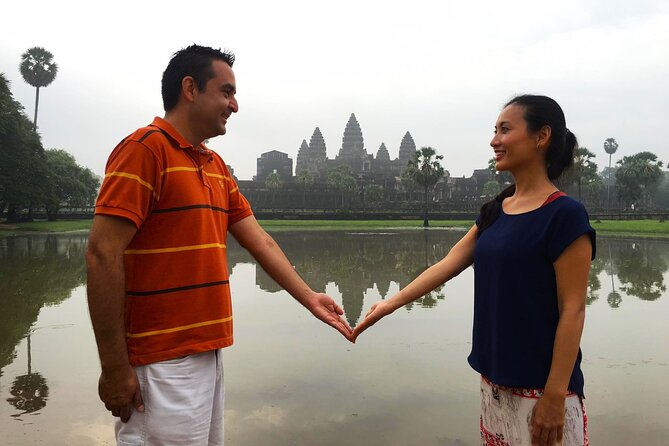
- Private guide built for both photos and facts, with cold water and wipes to keep you functional
- Sunrise at Angkor Wat + sunset from Phnom Bakheng, spread across the trip for better timing
- A three-day Angkor route, so you’re not racing between the same “must-sees”
- Jungle temple vibes at Ta Prohm and the more untamed Beng Mealea
- Kampong Phluk floating village with entrance handled, plus a look at working community life
- Cost is per group (up to 12), so value improves a lot if you travel with friends
Why a 3-day Angkor plan feels smarter than the 1-day sprint
Angkor is huge, and the stress comes from time, not distance. When you try to do it all in one day, you end up rushing through the very details that make the place unforgettable. Here, you get multiple “slow passes” through the complex ideas behind the temples, plus breathing room for photos.
The other practical win: you’re not always arriving at the busiest moments in a single day cycle. You’ll see Angkor Wat at a sunrise that’s meant for golden light, then return to other areas on different days. By the time you reach smaller temple corners—terraces with carvings, quiet viewpoints, and less-visited stone structures—you’re already oriented. You don’t just see buildings; you start to understand how the whole city layout fits together.
You also avoid the all-too-common problem of feeling like you’re only there for selfies. A historian-photographer guide helps you slow down in the right places, so you can frame carvings, faces, doorways, and reflections without losing the story.
You can also read our reviews of more private tours in Siem Reap
Day 1: Angkor Wat to Ta Prohm to Angkor Thom, then sunset at Phnom Bakheng
Day 1 starts with hotel pickup at 8:30 am. You’ll head to buy the 3-day Angkor temple pass before you enter the big sites. From a value standpoint, this is convenient because you’re not trying to figure out the pass logistics while you’re already in travel mode.
Angkor Wat (about 3 hours)
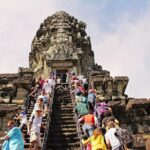
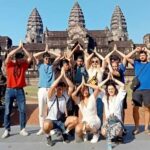
Angkor Wat is the early-12th-century showstopper, and it lives up to the reputation as the world’s largest monument. What I appreciate on this kind of schedule is that you can see it as more than a postcard. The guide can point out what you’re looking at—axis, layout, and the layers of temple meaning—so you don’t just wander around wide stone courtyards with a blank expression and a camera full of near-duplicates.
Admission isn’t included here, so you’ll rely on that 3-day pass.
Ta Prohm (about 1 hour)
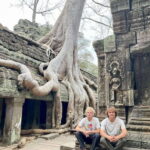
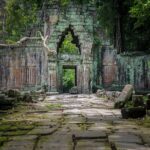
Ta Prohm is the jungle-overgrown temple that many people associate with Lara Croft Tomb Raider. That “ruin as nature took it back” feeling is real here, with thick roots and vines shaping the ruins. It’s an excellent contrast after the structured geometry of Angkor Wat.
Keep expectations realistic: you’ll be walking on uneven areas, and the best photo angles often require patience and a few steps back and forth. Dress for comfort under the rules—shoulders and knees covered.
Angkor Thom circuit (about 1 hour total for the city entry piece, then focused stops)
After lunch break, you move into the massive late-12th-century walled city of Angkor Thom. You don’t just do one temple. You hit a cluster, which matters because the carvings and architecture “answer” each other across the day.
Key stops include:
- Bayon Temple (45 minutes): famous for its 200+ smiling Buddha faces looking in multiple directions. The trick here is pacing—look up, then step back for symmetry.
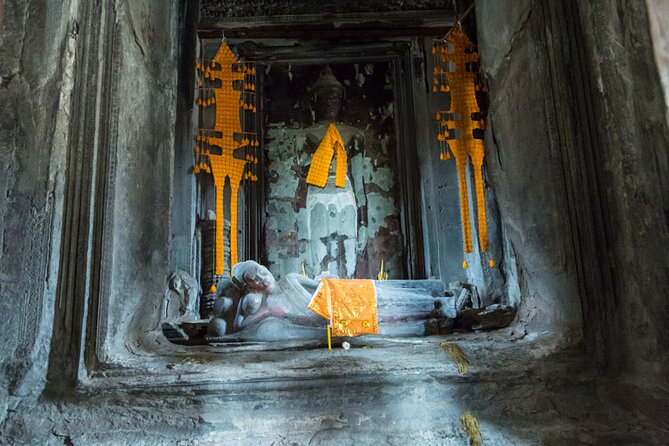
- Baphuon Temple (45 minutes): you can climb up toward the top for a serene feel and a huge reclining Buddha carving at the rear. This climb is one of the physical moments of the itinerary, so take your time.
- Terrace of the Elephants (30 minutes): a stone arena with bas-reliefs showing elephants and action scenes—more narrative than “just decoration.”
- Terrace of the Leper King (20 minutes): bas-reliefs tied to a 9-headed serpent theme, plus a statue locals associate with a figure who missed fingers and toes. It’s the kind of place where a guide’s explanations turn confusion into curiosity.
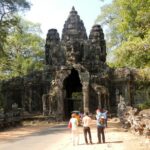
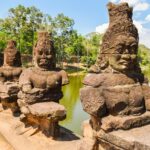
You also pass the Angkor Thom South Gate (15 minutes), with the tug-of-war stone imagery using a 7-headed serpent and massive faces at the entrance. Even as a quick stop, it helps you connect the city layout to what you’re seeing inside.
You can also read our reviews of more evening experiences in Siem Reap
Phnom Bakheng (about 1 hour): the sunset viewpoint
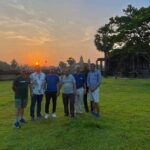
Day 1 ends at Phnom Bakheng, described as the oldest Hindu temple here from the late-9th century. It’s built for viewpoints, and you’ll use it for stunning sunset watching with views toward Angkor Wat and surrounding attractions.
This is one of those “timing matters” moments. You’ll want to be ready to move at the viewpoint area rather than treating sunset like a slow stroll. If you’re the type who always takes photos a minute too late, ask your guide where to stand early and stick to that plan.
Day 2: Preah Khan, Neak Pean, Ta Som, Pre Rup, and the pink glow of Banteay Srei
Day 2 is about variety: larger temple complexes, symbolic spaces, and a standout outskirt temple known for its intricate pink sandstone. You’re still in the core Angkor zone, but the mood changes from “major icon” to “a place where you slow down and look closer.”
Preah Khan (about 1 hour)
Preah Khan is a massive Buddhist temple dedicated to the king father, with vegetation still wrapped into the structures. It feels more lived-in than the most famous tourist-heavy angles, and that makes it a good day-2 reset if Day 1 feels intense.
Neak Pean (about 50 minutes)
Neak Pean is unique because it’s tied to an ancient hospital concept. The holy water symbolism and the “island people” setting matter here, especially since you access it by a long wooden bridge over the Jaya Tataka reservoir. This stop rewards calm walking and attention to the setting, not just the stonework.
Ta Som (about 40 minutes)
Ta Som is a 13th-century Buddhist temple built by King Jayavarman VII for Mahayana Buddhism. The 4 Buddha faces and the tree overgrown at the east gate create a very specific look—one that’s easier to appreciate when you’re not rushing.
Eastern Mebon (about 45 minutes)
Eastern Mebon is built from clay brick mixed with lava and sandstone, with eight standing elephant statues. It’s also linked to water management history: it used to be an island temple of Eastern Baray, but now that reservoir has dried and the area is villages and rice fields. This stop feels like a reminder that Angkor isn’t only about monuments; it’s about how people lived around them.
Pre Rup (about 50 minutes)
Pre Rup is a mid-10th-century Shiva temple made of clay brick and known for five spires. There’s a viewpoint from the top, which makes it a natural place to pause and orient yourself again—almost like a breathing moment before the final big art stop of the day.
Banteay Srei (about 2 hours including travel and exploring)
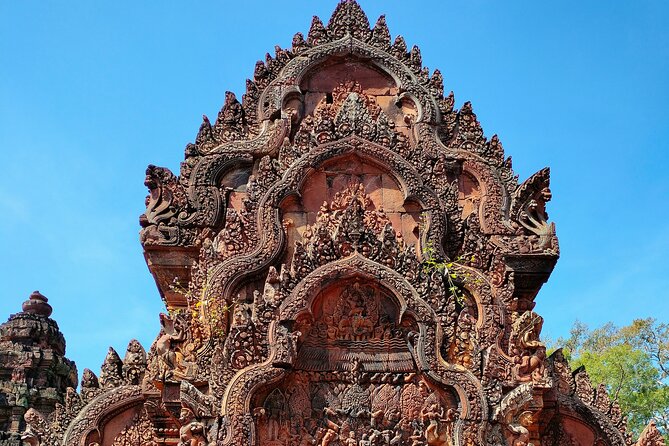
Banteay Srei is the pink sandstone temple with intricate carvings, and it’s outskirt enough to build in travel time. Plan for about 40 minutes each way to get there, plus around 50 minutes exploring.
If you like detail work—small faces, patterns, ornamental stone—this is a great match. It’s also a good “finish strong” temple when your feet are getting tired.
Day 3: Angkor Wat sunrise, Beng Mealea’s jungle ruins, and Kampong Phluk on Tonle Sap
Day 3 has the sunrise energy people come for. It also adds two very different experiences: Beng Mealea’s more untamed jungle ruins (68 km away) and then a floating village on water.
Angkor Wat at sunrise (about 2 hours)
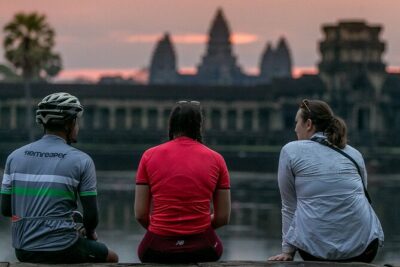
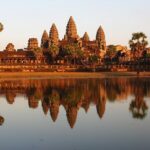
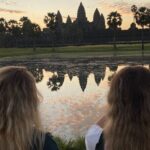
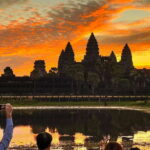
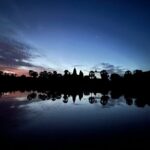
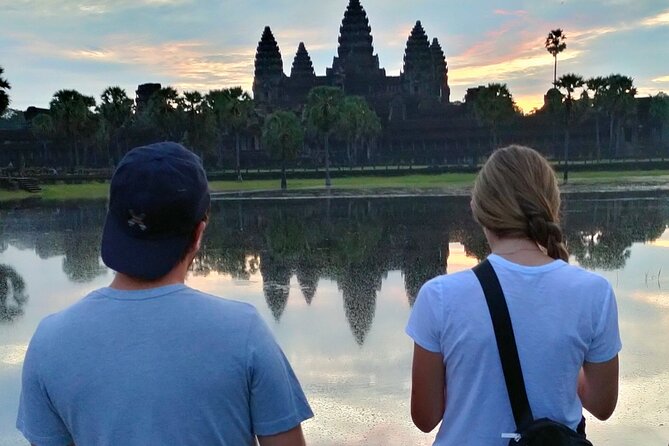
You’ll come early to catch Angkor Wat bathed in golden light and reflection. This is the trip’s big visual moment, and it’s structured so you’re not wandering while the best light runs off.
If you’re into photography, sunrise is the time to work on composition—symmetry, reflections, and the way faces and doorways catch light. The guide’s photographer background is most useful here, because they can help you choose angles without you wasting time on dead ends.
Prasat Beng Mealea (about 3 hours)
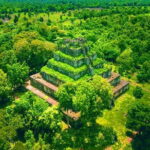
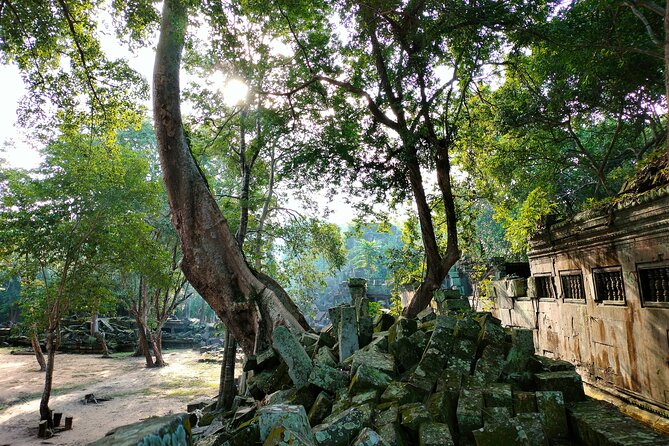
Beng Mealea is an Indiana Jones-style jungle temple that remains more untouched. You’ll roam among rubbles and vines, and the point isn’t polished comfort—it’s movement and discovery.
Because it’s described as easy to roam around, you’ll still want to watch your footing. This is the day where sturdy shoes matter more than fancy ones.
Entrance for Beng Mealea is separate, so you’ll budget for the $12 per person fee.
Kampong Phluk floating village (about 3 hours, entrance fee included)
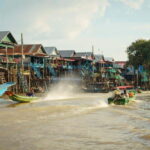
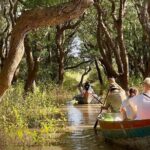
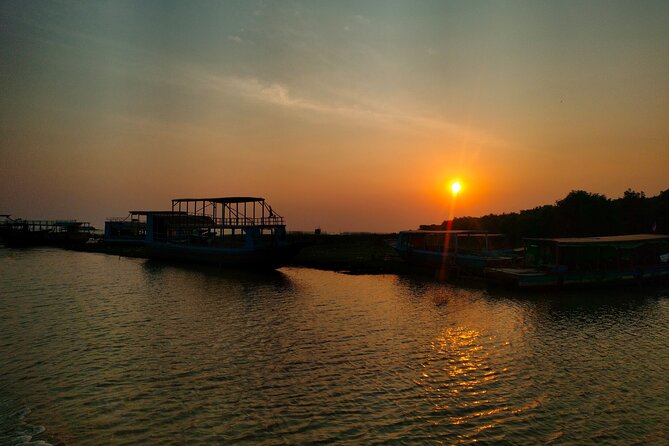
Kampong Phluk is on the bank of the Great Tonle Sap Lake and is a working fishing/floating village. The tour describes a large community living there with a pagoda, schools, rice fields, cattle, mangrove forests, and more linked to seasonal water rhythms.
This stop adds context. You’re not only touring old temples; you’re seeing how people live now in the same broader region. It also makes a good final day because it shifts your body from stone stairs to softer pacing by the water.
Entrance fee is included here, which helps with budgeting and reduces last-minute ticket scrambling.
The real value: historian + photographer support (not just a driver)
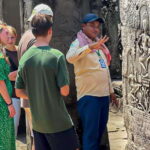
A private guide can mean “quietly follow you around.” This tour’s setup is different because the guide is described as both historian and photographer, which changes how your time feels.
In practice, this means you’ll get:
- Story threads that connect Bayon faces, terraces, and temple layouts to Angkor’s bigger picture.
- Photo guidance for where to stand and how to frame iconic views (especially around sunrise and sunset).
- Better pacing, since the guide can steer you through the temple flow without making you guess.
I also appreciate that the transport is in a private air-conditioned SUV/minivan, not a crowded van. Angkor days are long. Cooling breaks, cold waters, and wipes don’t sound dramatic, but they make the difference between finishing the tour fresh and finishing it grumpy.
Price and value math for a group up to 12
The tour price is $370 per group for up to 12 people, which is why this can work out very well if you travel with friends or family. The admissions are separate, so you have to add those in to get the real total.
Here are the key extra fees you should plan for:
- 3-day Angkor temple pass: $50 per person
- Beng Mealea entrance: $12 per person
- Kampong Phluk entrance: $20 per person (noted as included for this stop)
So, admissions not covered by the base fee can total $82 per person ($50 + $12 + $20). Then you add the tour price split across your group size.
To make it simple:
- If you fill the group with 12 people, the tour portion is about $30.83 per person.
- If you only have 6 people, it’s about $61.67 per person.
That puts your rough total (tour share + admissions) in the ballpark of $113 to $144 per person, depending on group size. For a private 3-day program with a historian-photographer guide and hotel pickup/drop-off, that’s the kind of value that makes sense.
What to expect: timing, walking, and the temple dress rules
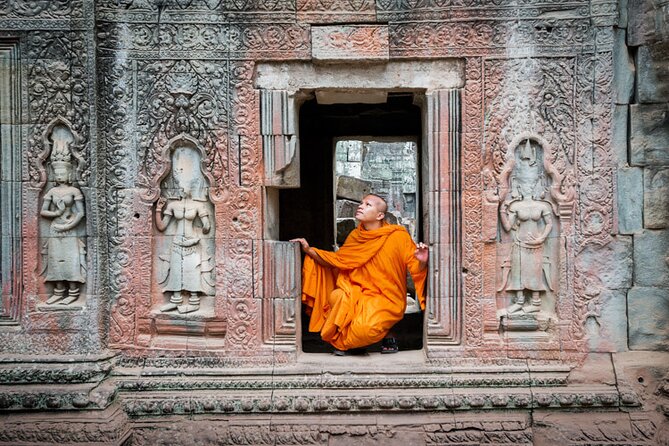
This tour starts at 8:30 am with hotel pickup and runs for about 3 days. You should expect a moderate physical level of walking and stairs. The Baphuon climb is one of the more physical segments, and Beng Mealea involves roaming on rubbles and uneven ground.
Dress code is strict for worship sites and selected museums:
- No shorts or sleeveless tops
- Knees and shoulders must be covered for men and women
Plan for heat and sweat, but still follow the rules. Lightweight long pants and a breathable layer for your shoulders are your friends here.
Finally, the experience uses a mobile ticket, and you’ll get the pass for the 3-day temple coverage during Day 1. That’s helpful because you’re dealing with enough moving parts already.
Should you book this private sunrise/sunset Angkor tour?
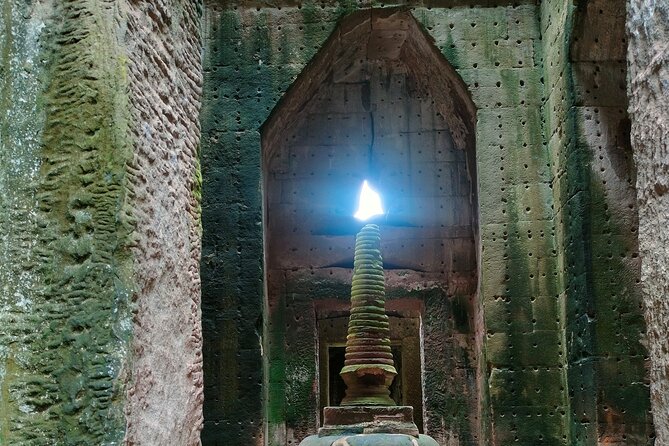
Book it if you want Angkor at a human pace, with a guide who can explain what you’re seeing and help you get better photos. The 3-day structure matters here. You’ll spread the highlights out—Angkor Wat, Ta Prohm, Angkor Thom’s faces and terraces, then Pre Rup and the pink-carving detail of Banteay Srei, plus the very different finale at Kampong Phluk.
Skip it or rethink your fit if you’re trying to travel ultra-light or you hate early starts. You’ll also want to budget for admissions on top of the $370 group price, and you should expect real walking.
If you’re traveling with 4+ people, this becomes even more appealing because the cost is per group up to 12.
FAQ
What time does the tour pickup start in Siem Reap?
Pickup starts at 8:30 am.
How long is the tour?
It runs for about 3 days.
Is this a private tour or shared group?
This is a private tour. Only your group participates.
What is included in the price?
Hotel pickup and drop-off are included, along with a professional historian and photographer guide in a private air-conditioned SUV or minivan, cold waters and wipes, and costs for gasoline, parking lots, and toll roads.
What admission fees are not included?
The 3-day Angkor park admission is $50 per person. Beng Mealea entrance is $12 per person. Kampong Phluk entrance is listed as $20 per person.
Is Angkor Wat sunrise included?
Yes. Day 3 includes Angkor Wat at sunrise.
Is sunset included?
Yes. Day 1 includes sunset watching from Phnom Bakheng.
Do I need a special dress code?
Yes. Knees and shoulders must be covered for both men and women, and you should not wear shorts or sleeveless tops to enter places of worship and selected museums.
What fitness level do I need?
The tour notes a moderate physical fitness level.
What happens if weather is poor?
The experience requires good weather. If it is canceled due to poor weather, you’ll be offered a different date or a full refund.
How flexible is cancellation?
You can cancel for a full refund if you cancel at least 24 hours in advance of the experience’s start time, and changes made less than 24 hours before the start time aren’t accepted.