REVIEW · SIEM REAP
From Siem Reap: Banteay Srei Temple & Grand 5 Temple Tour
Book on GetYourGuide →Operated by Siem Reap Shuttle · Bookable on GetYourGuide
Banteay Srei is small, but it packs a punch. This one-day tour from Siem Reap strings together the Grand Circuit classics with the showstopper Banteay Srei, plus quiet temples like Neak Poan and the tree-choked mood of Ta Som.
I really like two things: the visit is guided with clear explanations of Khmer beliefs and temple design (some guides are praised for going site by site, like Ry-Cheng and Narath), and the comfort details are practical for heat—cold towels and bottled water show up right when you need them.
One drawback: it’s a long, hot walking day, and it’s not recommended if you have walking disabilities or use a wheelchair. The temple dress code can also be strict, so plan your outfit early.
In This Review
- Quick highlights (what you’ll remember)
- How $20 works out (value vs. what you must pay extra)
- Morning timing: pickup at 7:50 and the pass stop
- Pre Rup: your first ruins stop and a good warm-up
- Banteay Srei: why the Citadel of Women steals the show
- Lunch break: plan for food, not included meals
- East Mebon and the temple-island idea
- Neak Poan: calm gardens and the meaning of healing waters
- Ta Som: the stone gate and giant tree roots
- Preah Khan: the bigger monastic complex with lots to read
- Preah Dak Village: seeing life beyond the ticket lines
- Comfort and pacing: cold towels, bottled water, and a driver who pays attention
- Dress code, walking shoes, and other must-knows
- Who should book this one-day Grand Circuit tour
- Should you book this Banteay Srei and Grand Circuit tour?
- FAQ
- What temples are included in the Banteay Srei and Grand Circuit tour?
- Is the Angkor Temple Pass included in the tour price?
- What does the $20 per person price include?
- Is lunch included?
- What time should I be ready for pickup in Siem Reap?
- What should I wear for temple visits?
- Is this tour suitable for children?
- Is it suitable for wheelchair users or people with mobility impairments?
- Does the tour run in bad weather?
- What should I bring, and what’s not allowed?
Quick highlights (what you’ll remember)
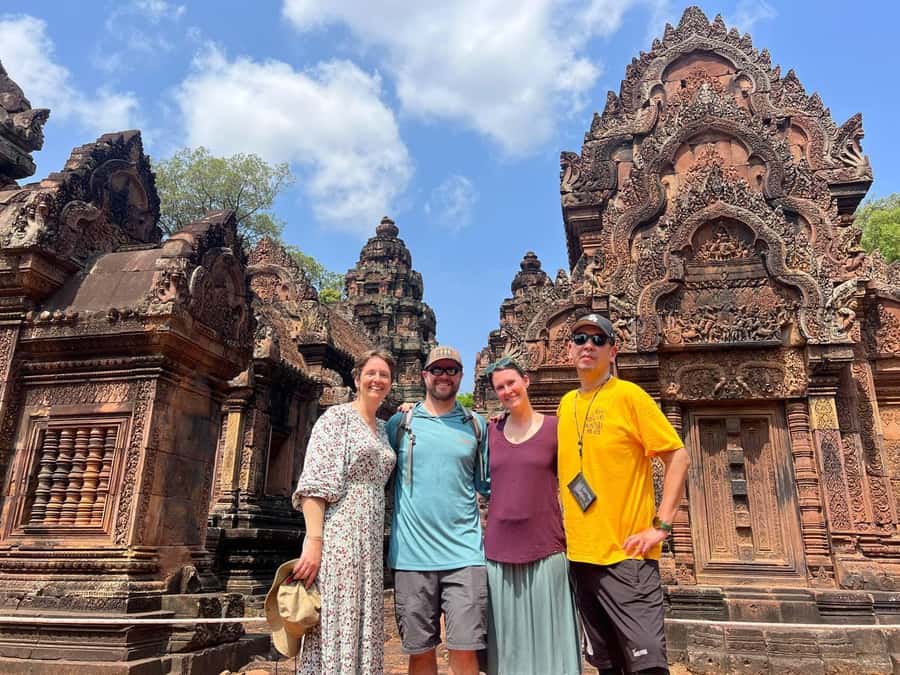
- Banteay Srei, the Citadel of Women: pink sandstone and tight carvings that reward slow looking
- Five Grand Circuit temples in one day: Pre Rup, East Mebon, Neak Poan, Ta Som, Preah Khan
- Khmer rituals made tangible: Hindu and Buddhist symbolism explained through what you see
- A real-life village stop: Preah Dak Village for a glimpse beyond the ruins
- Heat-friendly touring: cold towels, bottled water, and an air-conditioned vehicle
How $20 works out (value vs. what you must pay extra)
For $20 per person, the big value is that the day is built around logistics: hotel pickup and drop-off, transport by a high-quality vehicle, and an English-speaking guide. You’re also not stuck trying to figure out routes and timing between multiple sites on your own.
But you do have two add-ons you should budget for up front:
- The Angkor Temple Pass entrance fee (you purchase it at the Apsara Authority Ticket Office stop)
- Lunch (at your own expense)
In other words, the headline price is a deal, but the true cost is the pass plus a meal. If you already plan to visit Banteay Srei and at least a couple of Grand Circuit temples, paying for a guided day is usually smarter than piecing together taxis and entrance checks—especially in Siem Reap traffic.
You can also read our reviews of more tours and experiences in Siem Reap.
Morning timing: pickup at 7:50 and the pass stop
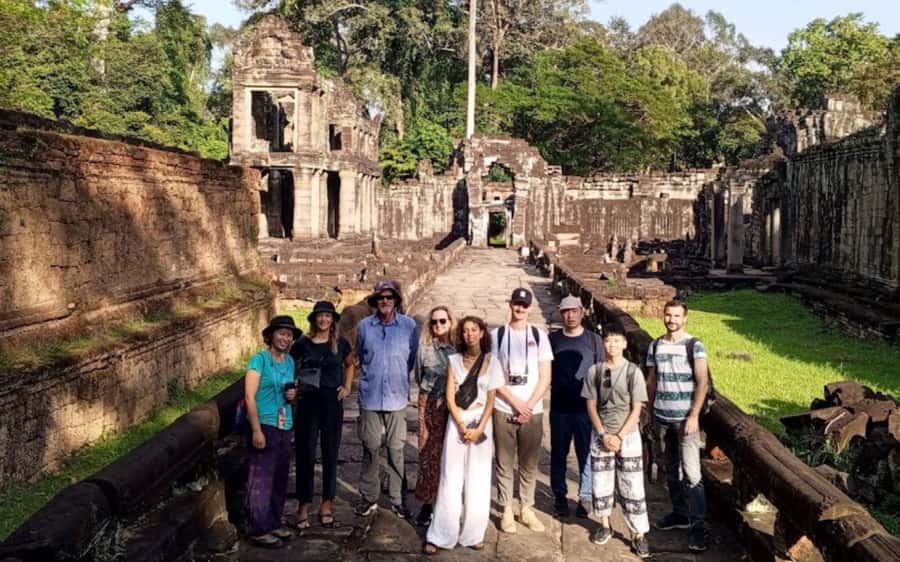
Start your day early. Be ready in your hotel lobby at 7:50 AM for pickup. Most days run as a shared tour, and you may move from a shuttle pickup to a meeting point before boarding your day bus—one reason the schedule feels orderly.
Before you even begin temple time, you’ll stop at the Apsara Authority Ticket Office to purchase your Angkor entrance pass. This matters because it prevents that classic Angkor scramble of hunting for tickets right when you’d rather be photographing stone details.
Also note the tour operates in all weather conditions. You’re not getting a dry-day guarantee, so bring what you need for rain or heat. The sites don’t care if it’s sunny.
Pre Rup: your first ruins stop and a good warm-up
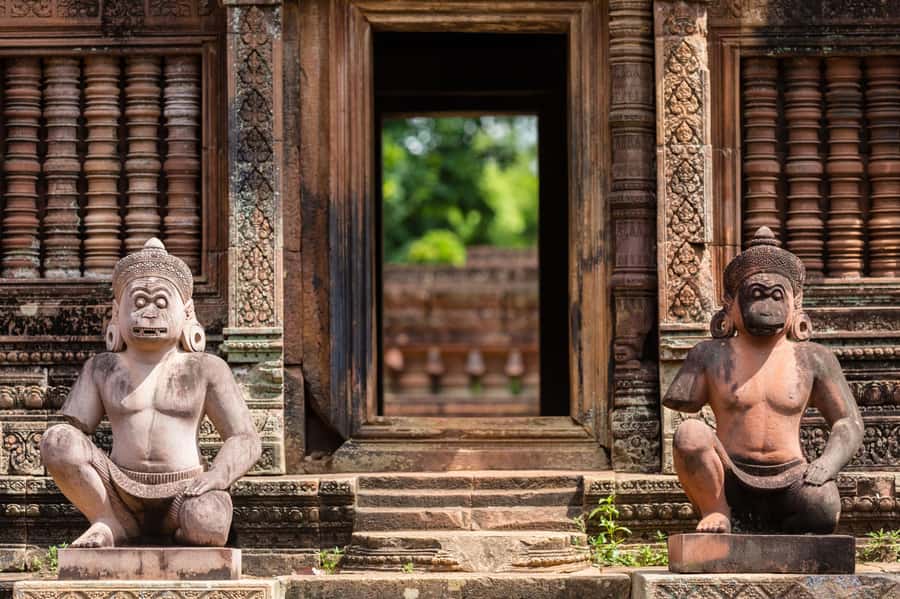
You begin at Pre Rup Temple, a smaller but meaningful starter inside the Angkor temple complex area. The route is designed so you get your bearings without immediately jumping into the most intricate carving.
This temple is described as one of the few remaining complete structures in the complex, which makes it useful for first-time visitors. You can start recognizing common Khmer temple features—levels, layout ideas, and how the builders shaped sacred space with stone and symmetry.
Practical tip: Pre Rup is a check-your-ankles stop. Paths can be uneven, and the day only gets longer after this.
Banteay Srei: why the Citadel of Women steals the show
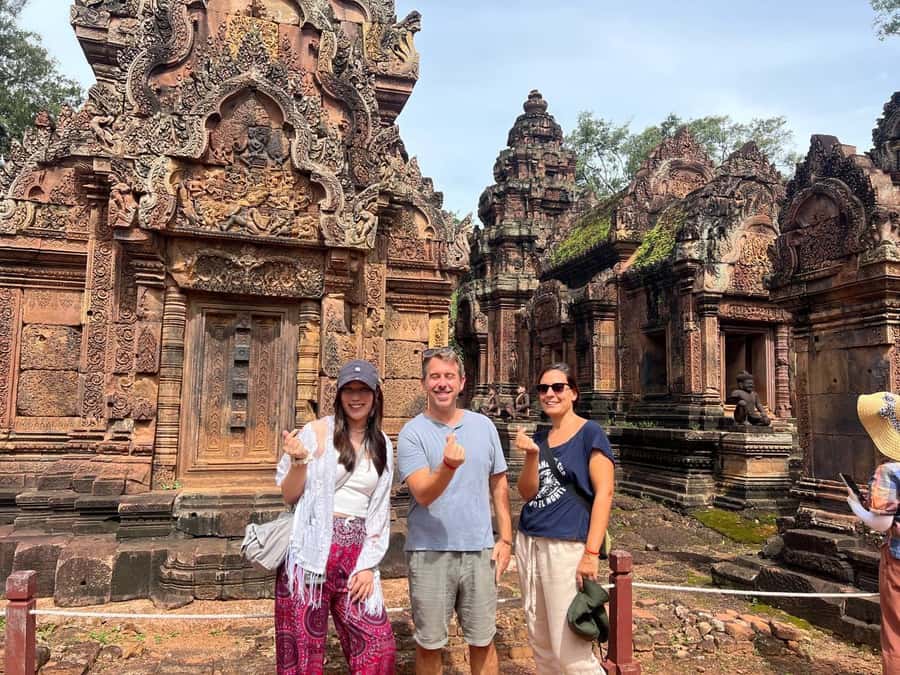
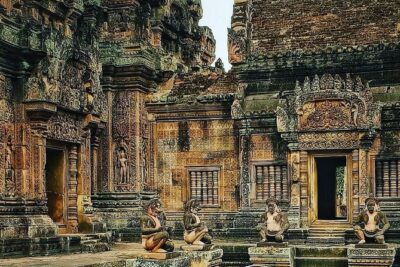
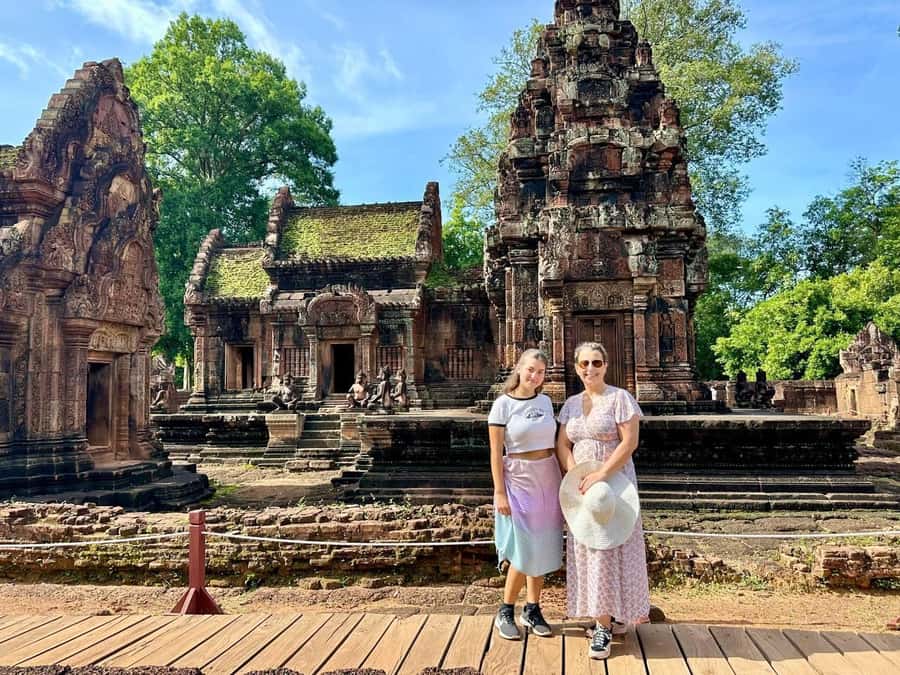
Then comes the main event: Banteay Srei, often called the Citadel of Women. It’s famous for pink sandstone and extremely detailed carvings, and you’ll see why people treat it as one of Angkor’s finest gems.
What I like about this temple visit is the contrast with some of the larger, more monumental sites. At Banteay Srei, the experience is slower. You’re encouraged to look at proportions, motifs, and the way the stonework tells stories through Hindu ritual themes and everyday craftsmanship.
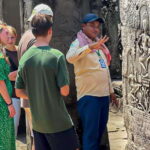
You’ll likely hear temple symbolism explained in a way that helps you spot connections between sites—like how Khmer builders and patrons mixed spiritual ideas into temple architecture. In past groups, guides such as Ry-Cheng and Narath have been praised for site-by-site clarity, including how the designs relate to Khmer belief systems.
Photo reality check: the most interesting details are small, and you may find yourself standing at angles to see carvings well. Wear shoes you trust.
Lunch break: plan for food, not included meals
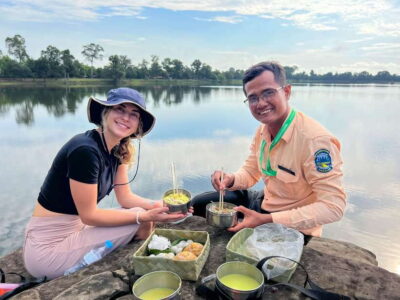
Around midday, you’ll take a break at a nearby restaurant. Lunch is not included, but this is a straightforward stop—curries, soups, and stir-fries are typical options.
I recommend this approach: go for something filling but easy to eat. You’ll still walk after lunch, so you don’t want a stomach experiment while you’re climbing stone steps in the heat.
East Mebon and the temple-island idea
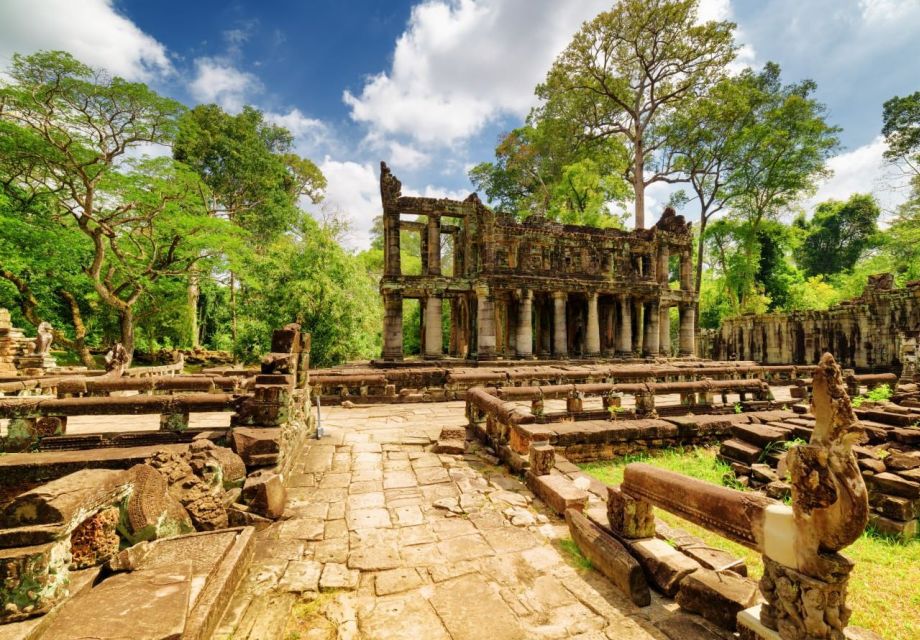
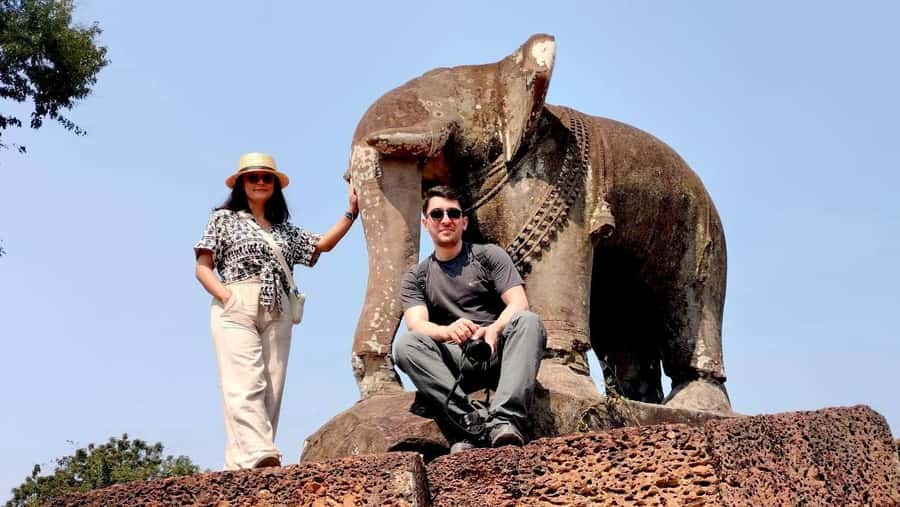
After lunch, you shift from intricate carving to atmosphere. First up is East Mebon, once positioned on an island in a large reservoir. Even if you’re seeing it today as ruins, the original island concept helps you imagine why Khmer builders cared about reflections, water, and separation from daily life.
If your guide explains it well (many do), the value here is understanding how water and sacred geometry worked together. It turns a single temple into a piece of a larger spiritual landscape—without needing you to be an architecture scholar.
Practical note: keep an eye on your pace. East Mebon helps you recharge visually, but the day keeps moving.
Neak Poan: calm gardens and the meaning of healing waters
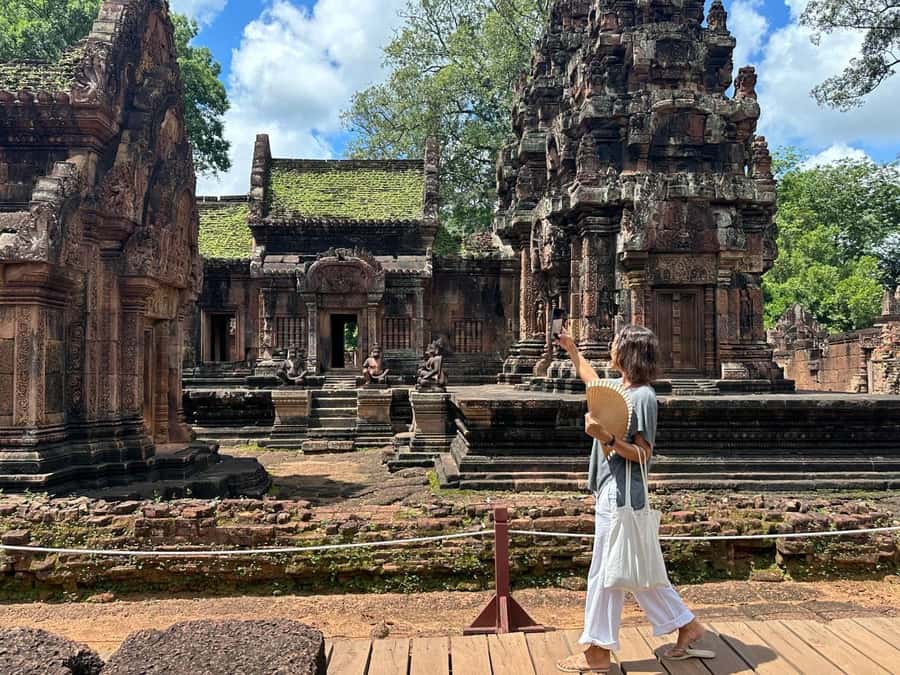
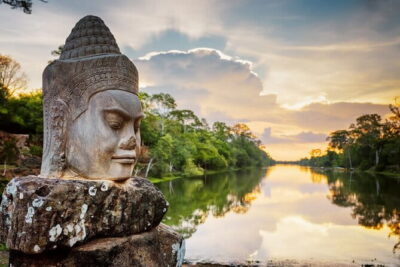
Next is Neak Poan, a smaller temple on an island in Jayatataka Baray. The big idea is mythical: it’s believed to represent a Himalayan lake with healing waters.
Even if you don’t know the myths going in, you can feel the intention. Neak Poan feels quieter and more reflective than some of the bigger, busier complexes. It’s a strong midpoint stop when you need a mental breather from the bigger stone walls and gates.
If you’re the kind of person who likes to connect symbolism to what you see, this is where your guide’s explanations matter most. The best guides don’t just point—they link the stories to the statues, layout, and ritual meaning.
Ta Som: the stone gate and giant tree roots
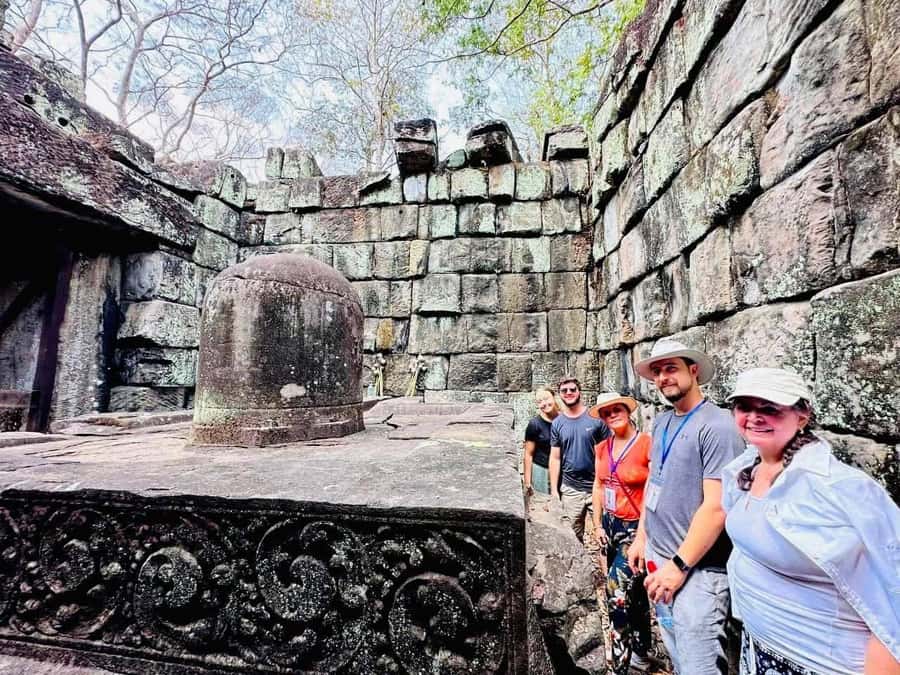
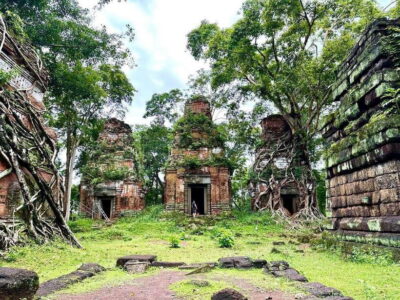
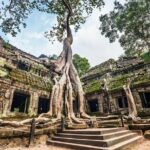
Then you hit Ta Som, known for the dramatic stone gate that’s partly embraced by huge tree roots. This is one of those places where photos can’t fully capture the feeling of time and tension between stone and living growth.
Here’s the practical reason this stop matters: the gate gives you a natural “frame” for looking—walk the angles, pause, then step back. The roots also create shaded pockets, which can be welcome in hot weather.
If you’re traveling with a group, this is a good location for stopping for quick breaks. If you’re solo, it’s an easy place to slow down without getting lost.
Preah Khan: the bigger monastic complex with lots to read
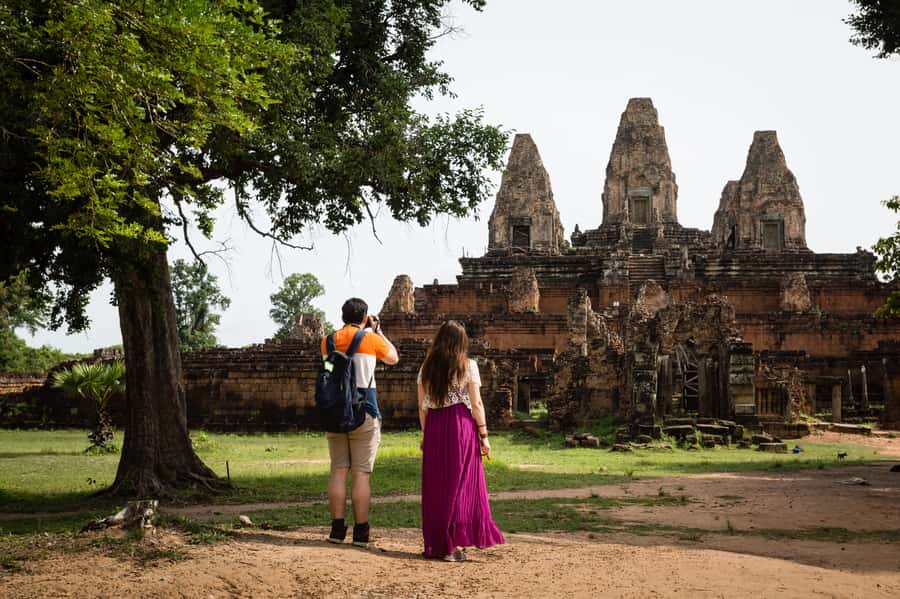
Finally, the day ends with Preah Khan, a large monastic complex packed with carvings and history. Compared to the earlier temples, this one gives you more to scan: walls, devotional areas, and a sense of how complex daily religious life could be in Khmer times.
Preah Khan is also a great “bring it together” stop. If earlier temples were about origins, myths, and signature carving styles, Preah Khan can feel like the place where those pieces start to connect into a bigger view of the Khmer spiritual world.
Practical tip: bring your patience. Preah Khan is broad, and the best use of your time is short stops, slow looking, and asking your guide what to notice before you move on.
Preah Dak Village: seeing life beyond the ticket lines
Outside the temples, there’s a stop at Preah Dak Village, where you can observe local life. This is valuable because it keeps the day from becoming only a stone museum.
You’ll likely see everyday rhythms—how people live, work, and move—separate from the tourist gaze. It’s not about rushing through it; it’s about grounding the trip in the place that still supports Cambodian culture.
If you like responsible travel, treat it as a viewpoint stop: be respectful, keep your distance, and focus on watching rather than photographing people up close.
Comfort and pacing: cold towels, bottled water, and a driver who pays attention
One of the most consistently praised parts is simple comfort. Many guides and drivers are credited with making the heat manageable with cold towels and chilled bottled water. That’s not a small perk in Siem Reap temperatures—it’s the difference between enjoying the day and feeling wrecked by afternoon.
The vehicle also matters. Reviews mention comfortable, air-conditioned transport, plus careful driving. On a long day with multiple stops, that kind of reliability helps you stay mentally present for the temples.
Pacing is another theme. Guides like Ry-Cheng, Narath, and Phyrom are praised for not rushing and for adjusting the day so you have time to absorb what you’re seeing—especially at places like Banteay Srei where slow looking pays off.
Dress code, walking shoes, and other must-knows
This tour runs in all weather, but temples don’t run on excuses. The dress code is required:
- No shorts
- No sleeveless tops
- Knees and shoulders must be covered for both men and women
Entry may be refused if you don’t comply.
For what to bring, stick to the practical list:
- Hiking shoes (temple paths and stone steps aren’t made for flip-flops)
- Sunscreen
- Insect repellent
- Cash
Not allowed:
- Pets
- Smoking
- Luggage or large bags
Also, the tour isn’t recommended for people with walking disabilities or those using a wheelchair. And the shared option is not suitable for infants or children under 12. If you’re traveling with family, plan for a different format.
Who should book this one-day Grand Circuit tour
I’d book this if:
- You want Banteay Srei plus several Grand Circuit temples without complicated planning
- You care about meaning, not just photos—especially Hindu and Buddhist rituals explained alongside what you’re seeing
- You’d rather spend your time listening to a guide than calculating routes and ticket timing
I’d think twice if:
- You hate long walks in hot weather
- You need full mobility support (the route isn’t set up for wheelchairs)
- You’re hoping lunch and entrance are fully included (they aren’t)
Should you book this Banteay Srei and Grand Circuit tour?
If your ideal Siem Reap day is one guided loop—Banteay Srei, the quieter water-related temples, the tree-root gate, and a big monastic finale—this is a strong choice for the money. The $20 price works because you’re buying organization, transport, and an English-speaking guide, plus comfort basics that actually matter on a hot day.
Just be honest with yourself about walking and dress code. If you can handle temple steps, bring covered clothing and good shoes, and budget for the pass and lunch, you’ll likely get a day that feels both educational and genuinely memorable—without the stress of figuring it all out on your own.
FAQ
What temples are included in the Banteay Srei and Grand Circuit tour?
You’ll visit Pre Rup, Banteay Srei, East Mebon, Neak Poan, Ta Som, and Preah Khan.
Is the Angkor Temple Pass included in the tour price?
No. Entrance fees are not included, and you’ll buy your Angkor entrance pass at the Apsara Authority Ticket Office stop during the day.
What does the $20 per person price include?
The tour includes hotel pickup and drop-off, transportation by a high-quality vehicle, local taxes, cold towels, bottled water, and an English-speaking guide.
Is lunch included?
Lunch isn’t included. There’s a stop at a nearby restaurant where you can purchase food.
What time should I be ready for pickup in Siem Reap?
You should be ready in your hotel lobby at 7:50 AM for pickup.
What should I wear for temple visits?
You need a proper temple dress code: no shorts or sleeveless tops. Knees and shoulders must be covered for both men and women.
Is this tour suitable for children?
The shared tour option is not suitable for infants or children under 12 years old.
Is it suitable for wheelchair users or people with mobility impairments?
It’s not recommended for people with walking disabilities or those in a wheelchair.
Does the tour run in bad weather?
Yes. The tour operates in all weather conditions, so dress appropriately.
What should I bring, and what’s not allowed?
Bring hiking shoes, sunscreen, insect repellent, and cash. Pets, smoking, and luggage or large bags are not allowed.