REVIEW · SIEM REAP
3-Day ‘Temples & Tonle Sap’ Tour
Book on Viator →Operated by Asia Voyage Tour · Bookable on Viator
Angkor in three days feels impossible—this tour makes it manageable. You get a tight circuit that mixes the headline temples with quieter corners like the Roluos group, plus a motorized boat ride on Tonle Sap. I especially like that hotel transfers and an English-speaking guide remove the usual Siem Reap stress. The main thing to consider: temple passes and meals aren’t included, so you’ll need a bit of extra cash and patience for walking.
You’ll start at 8:30 am and spend the days moving, not lounging. I like the structure—full temple days on Day 1 and Day 2, then Tonle Sap villages on Day 3—so you aren’t guessing what to do each morning. The downside is physical pace: this isn’t the best match if you can’t walk normally for extended periods.
In This Review
- Key things I’d notice right away
- Why this 3-day Temples & Tonle Sap route works
- Getting your Angkor passes right (and planning for the real total)
- Day 1: Angkor Archaeological Park, the big three, and a sunset-hill finish
- Bayon Temple (inside Angkor Thom)
- Baphuon Temple (temple mountain energy)
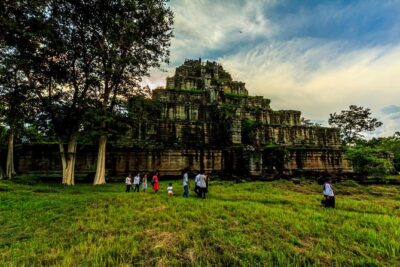
- Ta Prohm (the jungle temple people remember)
- Terrace of the Elephants (easy stop, good context)
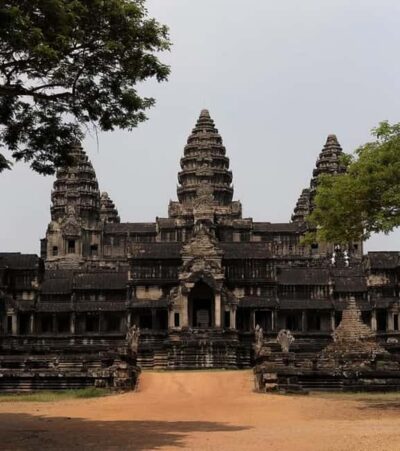
- Angkor Wat (the headline, done properly)
- Phnom Bakheng (a hilltop capstone)
- Day 2: Sunrise at Angkor Wat and the temple cluster circuit
- Sunrise return to Angkor Wat
- Preah Khan, Neak Poan, Ta Som, East Mebon (the clustered lesson)
- Banteay Srei (the ladies temple nickname)
- Banteay Samre and Banteay Kdei (style variations without burnout)
- Day 3: Tonle Sap at Kompong Phluk and the Roluos temples
- Kompong Phluk floating villages (on stilts)
- Motorized boat ride (why it matters)
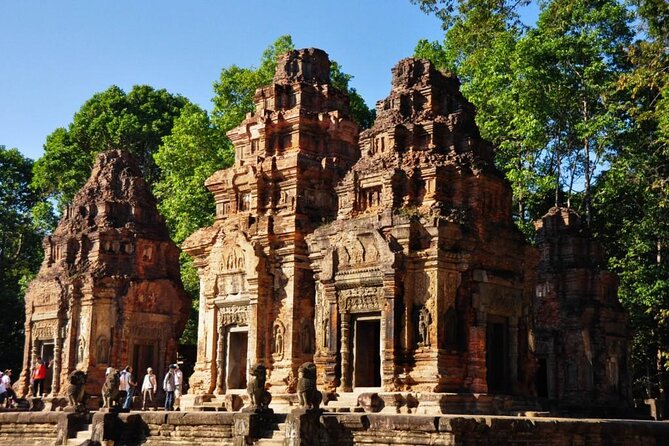
- Roluos temples (an early Khmer starting point)
- Markets and Artisans d Angkor (simple cultural wrap-up)
- Guide and comfort: what the included transport really changes
- Price and value: is $250 fair for three days of this much?
- Who this tour suits best (and who should skip it)
- Should you book the Temples & Tonle Sap tour?
- FAQ
- FAQ
- What time does the tour start?
- Are hotel pickup and drop-off included?
- Is the motorized boat ride included?
- Do I need to buy temple passes?
- Are meals included?
- How long is the tour?
- Is this tour private?
- Do you need a good fitness level to join?
- Is bottled water provided?
- What is the cancellation cutoff?
Key things I’d notice right away
- Angkor Wat twice: once during the day and once for sunrise
- Tonle Sap by boat: included motorized ride for a real floating-village feel
- Lesser-known temple focus: like the Roluos temples instead of only the busiest stops
- Transfers + guide included: you spend more time looking, less time figuring
- Private group setup: only your group participates (logistics feel smoother)
Why this 3-day Temples & Tonle Sap route works
Siem Reap is one of those places where “I’ll figure it out when I arrive” can turn into long waits, rushed decisions, and surprise costs. This tour is built for the opposite: you get a schedule, a guide, and transport so you can hit a lot of ground without micromanaging every turn.
What I like most is the mix. You’re not only chasing the big three—Angkor Wat, Angkor Thom, and sunrise views. You also get time for clusters that many people skip or squeeze into a half-day: the Roluos group on Day 3 and the Khmer temple sequence around Preah Khan on Day 2. That makes the whole story of the Angkor era feel less like a checklist and more like a progression.
The trade-off is simple: you’re on the move. This is ideal if you want maximum sight time in a short visit. It’s less ideal if you want a slow, flexible day with long breaks between stops.
You can also read our reviews of more tours and experiences in Siem Reap
Getting your Angkor passes right (and planning for the real total)
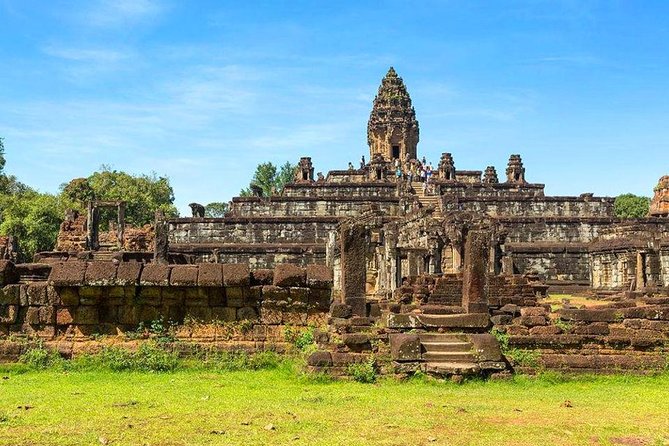
Temple entry is where your budget can wobble, so I treat it like part of the itinerary. This tour does not include the Angkor temple passes. You buy them separately at the Angkor Enterprise ticket office.
Here are the pass facts to plan around:
- 3-day pass: USD 62 per person
- 7-day pass: USD 72 per person
For a 3-day schedule, the 3-day pass matches your dates. Add that to the tour price—$250—and you’re looking at roughly $312 before meals (plus any personal extras). That’s not “cheap,” but it can still be good value if you’re saving yourself the hassle of organizing transport, guide time, and the included boat ride.
Meals aren’t included either. In practice, you’ll want a plan for lunch and snacks so you’re not stuck choosing the most convenient option every day.
Day 1: Angkor Archaeological Park, the big three, and a sunset-hill finish
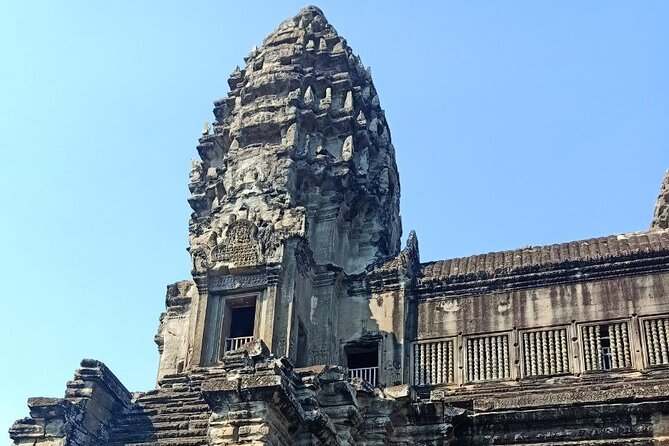
Day 1 is a full Angkor loop, built to give you variety quickly. You’ll start at the Angkor Archaeological Park and then move through a sequence that shows different temple styles and eras. One practical point: you’ll need to have your pass sorted so you don’t lose time at the start.
Bayon Temple (inside Angkor Thom)
Bayon is famous for its dense decoration and the feeling that you’re inside a living Khmer world. Built in the late 12th or early 13th century as the state temple of King Jayavarman VII, Bayon sits right at the heart of his capital of Angkor Thom. It’s not just eye candy—standing here helps you understand why Jayavarman VII’s reign is a hinge point in Angkor’s story.
The time on this stop is about an hour. That’s enough to see the major views, but you won’t have unlimited wandering time, so keep your eyes up and don’t get stuck staring at one corner too long.
Baphuon Temple (temple mountain energy)
Next is Baphuon, northwest of Bayon in Angkor Thom. It’s a temple mountain from the mid-11th century, tied to the Hindu god Shiva and the reign of Udayadityavarman. If Bayon feels busy and crowded, Baphuon gives you more of that classic “temple as a carved mountain” feeling.
Again, about an hour. Use it to take in the structure and notice the differences in how sections are layered and built.
Ta Prohm (the jungle temple people remember)
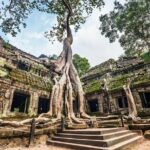
Then comes Ta Prohm—the famous one with trees growing through ruins. It was originally called Rajavihara and is connected to the Bayon style in the late 12th and early 13th centuries. This stop is popular for a reason: it’s dramatic, atmospheric, and visually different from the more “formal” temple layouts.
The time here is also around an hour. If you want less crowd stress, aim to keep moving through the main areas rather than stopping for long pauses in bottleneck spots.
Terrace of the Elephants (easy stop, good context)
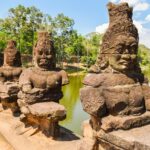
You’ll also hit the Terrace of the Elephants, part of the Royal Terraces on the eastern boundary of the royal palace grounds. It faces the parade grounds—so even if you’re not thinking about ceremonies, it helps you place the temples in their original social setting.
This is a shorter stop (around 30 minutes). Treat it as a “context breather” before the day’s big finish.
Angkor Wat (the headline, done properly)
After lunch, you reach Angkor Wat, the largest religious monument in the world and the big star of the Angkor complex. You’ll have about three hours here. This matters because Angkor Wat rewards you for time—there’s a lot to read into the layout, the symmetry, and the way different sections pull your gaze along axes and causeways.
Admission isn’t included in the tour price, so make sure your pass covers you. The guide helps make sense of what you’re seeing beyond just names on stones.
Phnom Bakheng (a hilltop capstone)
To wrap Day 1, the itinerary includes Phnom Bakheng, a Hindu and Buddhist temple mountain dedicated to Shiva, built at the end of the 9th century. Today it’s known as a popular viewpoint. The climb to a hilltop temple adds effort, but it also gives you a change of perspective on the Angkor landscape.
This is the day’s long finish, so wear shoes you trust and plan to take breaks if your legs start to feel heavy.
Day 2: Sunrise at Angkor Wat and the temple cluster circuit
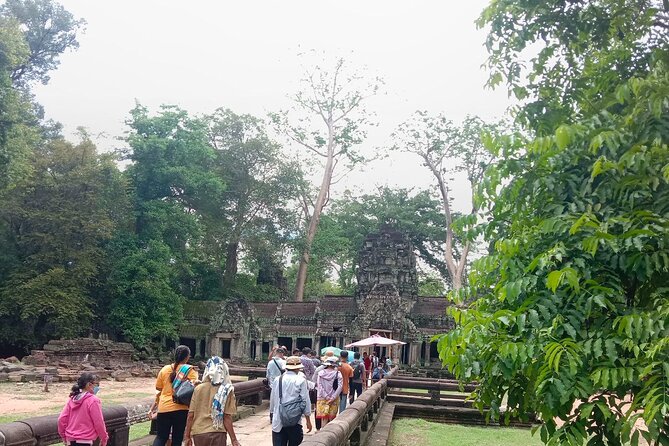
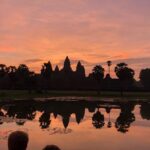
Day 2 starts with a big payoff: you revisit Angkor Wat for sunrise. This is one of the best reasons to choose a guided, organized tour—sunrise logistics can be a headache if you’re trying to do everything independently.
Sunrise return to Angkor Wat
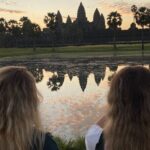
The schedule gives you about three hours at Angkor Wat for sunrise, then you return to your guest hotel for breakfast. That structure is smart. It keeps the effort tied to the view you came for, then gets you back to eat instead of turning the morning into “stand around and hope breakfast is nearby.”
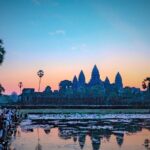
Sunrise at Angkor Wat is about light, atmosphere, and that sense of scale when the day is still quiet. Even if you’ve seen photos, being there in person is a different kind of impact.
Preah Khan, Neak Poan, Ta Som, East Mebon (the clustered lesson)
After breakfast, you visit a tight cluster: Preah Khan, Neak Poan, Ta Som, and East Mebon. These are grouped together, which is a practical gift on a tour like this. Instead of spending the morning crisscrossing the park, you get to stay in one area and absorb the details of how Khmer temple compounds relate to each other.
Preah Khan is included as the anchor stop. The rest of the time is designed so you can see multiple temple forms without losing the thread.
A key value here is interpretation. With a guide who can explain why each site is where it is—rather than just stating the facts—you start connecting patterns across the complex. You’ll also notice how the carvings and overall layout shift from place to place.
Banteay Srei (the ladies temple nickname)
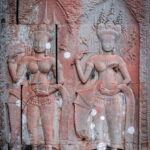
After lunch, the tour heads to Banteay Srei, sometimes called the ladies temple. It’s a 10th-century temple dedicated to Shiva, near Phnom Dei, about 25 km northeast of the main Angkor area. The distance is part of the point: it lets you leave the most crowded zones and see temple craftsmanship in a calmer setting.
You get around two hours here. For many people, this is the “wow” stop that feels more delicate and detailed than the larger, busier structures.
Banteay Samre and Banteay Kdei (style variations without burnout)
Then you keep going with Banteay Samre (about 1 hour) and Banteay Kdei (also about 1 hour). Banteay Samre is built in the early 12th century and is in the Angkor Wat style. Banteay Kdei is Buddhist and is known as a citadel of monks’ cells.
These are great if you enjoy temple variation—different religious focus, different layouts, and different scale—without having to hike a ton between unrelated locations. It’s also a good fit for travelers who want more than the “top 5” crowd favorite hits.
Day 3: Tonle Sap at Kompong Phluk and the Roluos temples
Day 3 shifts from temples to water—and from carved stone to life on the Tonle Sap. It’s a strong contrast, and it helps you remember that Angkor wasn’t the only part of Khmer life. The region’s communities were tied to water, fishing cycles, and seasonal rhythms.
Kompong Phluk floating villages (on stilts)
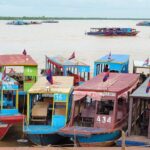
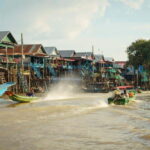
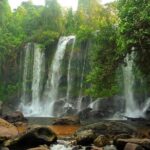
You visit Kompong Phluk, a collection of villages built largely on stilts along the Tonle Sap. The name is often translated as Harbor of the Tusks. The itinerary highlights that the community depends heavily on fishing, especially during the wet season (May to October).
You’ll spend about three hours here. The biggest practical point: come prepared for the ride and the uneven surfaces you might encounter around waterside areas. Even if you’re not constantly walking, it’s still an “out in the world” day, not a museum day.
Motorized boat ride (why it matters)
This tour includes a motorized boat ride. That’s the difference between just hearing about floating villages and actually seeing them from the water. It’s also one of the included costs that helps the tour feel more complete for the price—boat tours in this region can add up fast if you book separately.
Roluos temples (an early Khmer starting point)
After Kompong Phluk, you head to the Roluos temples. These are among the earliest permanent Khmer structures, dating to the late 9th century. They mark the beginning of the classical period of Khmer civilization, which is a useful framing when you’ve already spent two days in the later Angkor height.
You get about three hours here. If you’re the type who likes to understand where greatness begins, Roluos can be one of the most satisfying parts of the whole trip. It also tends to feel less frantic than the busiest Angkor hotspots.
Markets and Artisans d Angkor (simple cultural wrap-up)
On the way back, you stop at Phsar Leu (top market), Phsar Chas (old market), and Artisans d Angkor. This is your chance to pick up small gifts, snack, and see daily life beyond the temple circuit.
This segment is about two hours, so think of it as a flexible window rather than a full shopping day.
Guide and comfort: what the included transport really changes
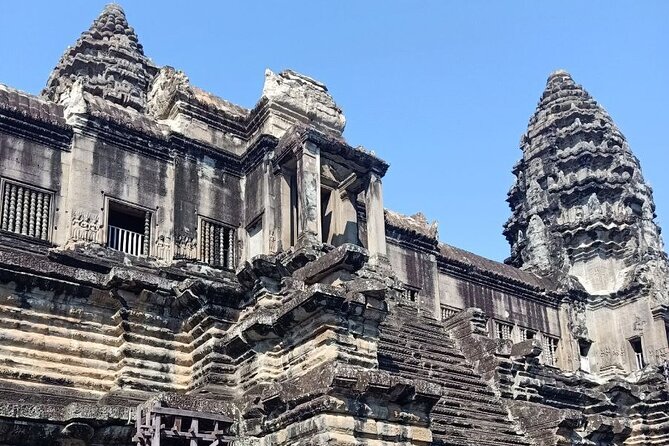
Transport and timing matter a lot in Siem Reap. This tour includes air-conditioned vehicle for pickups, drop-offs, and tours, plus bottled water and cold towels. Those small items add up when you’re walking temple compounds under heat and sun.
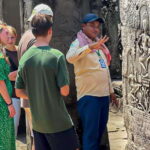
You’ll also have a professional English-speaking guide, which is a big deal for Angkor. Many people think they’ll enjoy the temples by themselves just by following signs. A guide helps you understand what you’re looking at—temple purpose, era, religious shift, and why certain compounds were built the way they were.
The tour offers hotel pickup and drop-off, and the vehicle departs your hotel at the tour start time. That reduces the chance you lose time hunting for meeting points.
One note from the tour info: it’s not suitable for people who have less than average fitness or can’t walk normally. If you have mobility limits, treat this as a serious planning factor, not an afterthought.
Price and value: is $250 fair for three days of this much?
At $250 for an approximately 3-day experience, the headline value is what’s included:
- hotel pickups and drop-offs
- air-conditioned vehicle
- professional English-speaking guide
- motorized boat fee
- bottled water and cold towels
The big items not included:
- temple passes (you’ll likely buy the 3-day pass for USD 62)
- meals, soft drinks, and alcohol
If you add the most relevant temple cost, your effective total is around $312 before meals. For a schedule that includes two major Angkor Wat visits (one for sunrise), multiple temple clusters, and a boat ride on Tonle Sap, that’s a reasonable deal—especially if you’d otherwise have to hire your own driver and guide for the same length of time.
Where you might feel the price more: if you’re expecting all meals and temple costs to be wrapped in. They aren’t. Plan meals, and you’ll feel the value more clearly.
Who this tour suits best (and who should skip it)
This tour is a strong match if you:
- have a short time in Siem Reap and want the most important temples plus Tonle Sap in one package
- like structured days with a guide explaining what you’re seeing
- prefer not to coordinate multiple separate bookings (temples, sunrise timing, boat ride, transport)
You might want to skip it if you:
- hate early mornings or dislike a packed schedule
- need long rest breaks between sites
- can’t walk normally for extended periods
It’s also a good option if you’re traveling with your own group and want private participation rather than a big scramble.
Should you book the Temples & Tonle Sap tour?
I’d book this if you’re aiming for high impact, low logistics. The combo of Angkor Wat at sunrise, major Angkor sights, Roluos temples, and a motorized Tonle Sap boat ride is exactly the kind of “see a lot without wasting time” itinerary that works when you’re not sure you’ll be back in the same month—or the same year.
If you’re comfortable budgeting for temple passes and meals, and you’re okay with a walk-heavy, heat-exposed schedule, this tour looks like a smart way to spend three days in Siem Reap.
If, instead, you want slow mornings, lots of free time, and minimal walking, you’ll likely enjoy a more flexible plan more.
FAQ
FAQ
What time does the tour start?
It starts at 8:30 am, and the vehicle departs from your hotel at that start time.
Are hotel pickup and drop-off included?
Yes. Hotel pickups and drop-offs are included.
Is the motorized boat ride included?
Yes. A motorized boat ride (and its fee) is included on the itinerary.
Do I need to buy temple passes?
Yes. Temple passes are not included. You buy your Angkor pass at the Angkor Enterprise ticket office, with options including a 3-day pass for USD 62.
Are meals included?
No. Meals, soft drinks, and alcohol are not included.
How long is the tour?
It’s listed as a 3-day experience (approx.).
Is this tour private?
Yes. It’s described as a private activity, meaning only your group will participate.
Do you need a good fitness level to join?
Yes. It’s not suitable for those who have less than average fitness or cannot walk normally.
Is bottled water provided?
Yes. Bottled water is included, along with cold towels.
What is the cancellation cutoff?
Free cancellation is offered up to 24 hours before the experience start time for a full refund.