REVIEW · SIEM REAP
From Siem Reap: Guided Kulen Waterfall Tour
Book on GetYourGuide →Operated by Siem Reap Experiences · Bookable on GetYourGuide
A waterfall swim plus ancient shrines in one day. What makes this Phnom Kulen outing special is that you move from spiritual ruins to water fun without wasting the day: you’ll see the 1000 Lingas riverside site, then head up to a reclining Buddha and temple ruins, and finally cool off at Kulen Waterfall.
I also really like that the tour leans hard into the human side of the day. Guides such as Chout and Makara are repeatedly praised for making the history make sense, keeping a good pace, and even helping with photos, not just rushing you through stops. The one drawback to clock now: it’s a long, full day (about 10 hours), and you’ll be buying your own meals at the lunch stop.
In This Review
- What you’ll feel in practice
- Key points worth planning around
- Why Phnom Kulen feels different from other Siem Reap day trips
- Drive day realities: pickup timing and how the day starts
- Quarry stop: the hidden link between stone and temples
- The 1000 Lingas: what you’re looking for at the riverside site
- Hilltop temples and the reclining Buddha: the part that makes the mountain feel alive
- Kulen Waterfall swim: how to make your 30–40 minutes count
- Palm sugar village: a short cultural stop that doesn’t feel like a trap
- Landmine Museum option: emotional weight, and why it’s offered at all
- Price and value: is $45 a fair deal for 10 hours?
- Timing, pacing, and what the group format means for your comfort
- Safety note you should take seriously on Kulen Mountain
- Who should book this tour, and who should skip it
- Should you book this Kulen Waterfall tour?
- FAQ
- How long is the guided Kulen Waterfall tour from Siem Reap?
- What is the price for this experience?
- What’s included in the tour price?
- Is lunch included?
- Is the Cambodia Landmine Museum included?
- What’s the cancellation policy?
- Is the guide English-speaking?
- What should I bring for the waterfall?
- Is this tour suitable for wheelchair users or older guests?
What you’ll feel in practice
Expect a smooth rhythm: pickup, a few key cultural hits along the way, then a jungle-and-stairs feeling once you’re on Kulen. The swimming time at the falls is short enough that you’ll want to be ready the moment you arrive, and there’s an optional Cambodia Landmine Museum add-on that’s powerful (not everybody wants it on the schedule).
Key points worth planning around
- 1000 Lingas: the riverside archaeological park is a major highlight and a top photo stop.
- Reclining Buddha + temple ruins: the hilltop sacred zone gives you the best “why Phnom Kulen matters” feeling.
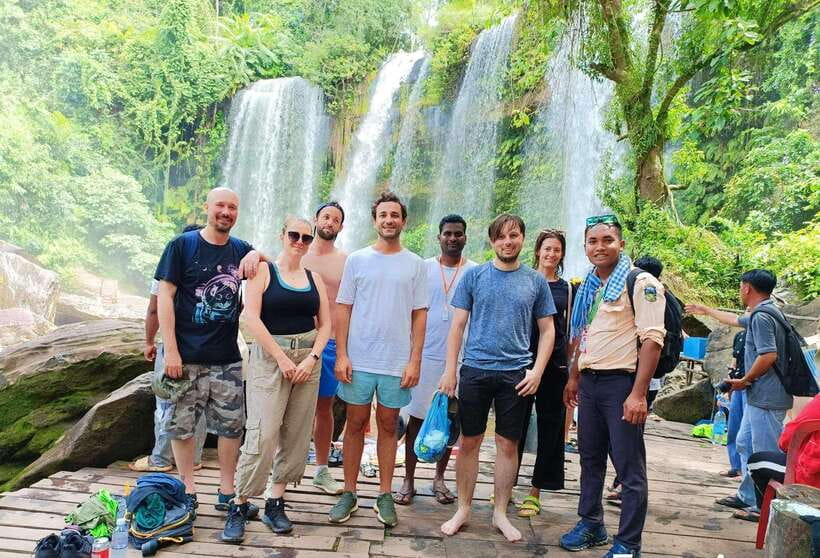
- Kulen Waterfall swim: you’re not just watching. You can actually get in the water.
- Cold water and comfort: many guests call out air-conditioned transport and water during the day.
- Palm sugar village stop: a practical cultural break on the way back.
- Optional landmine museum: skip it if you want a lighter day, but it’s available if you want context.
You can also read our reviews of more guided tours in Siem Reap
Why Phnom Kulen feels different from other Siem Reap day trips
Siem Reap is famous for Angkor, so it’s easy to treat everything else like a warm-up. This tour doesn’t. Phnom Kulen sits in the Phnom Kulen National Park area and has religious significance for both Hindus and Buddhists, which changes the mood of the day. You’ll spend real time at sacred sites—temples, a reclining Buddha, and the 1000 Lingas—then switch gears to nature and a swim.
The combo is what you’re paying for: archaeology and religion first, then a refresh that doesn’t require a long hike day after day. If you like the idea of one trip that scratches both your culture itch and your “I need to cool down” itch, this works.
Drive day realities: pickup timing and how the day starts
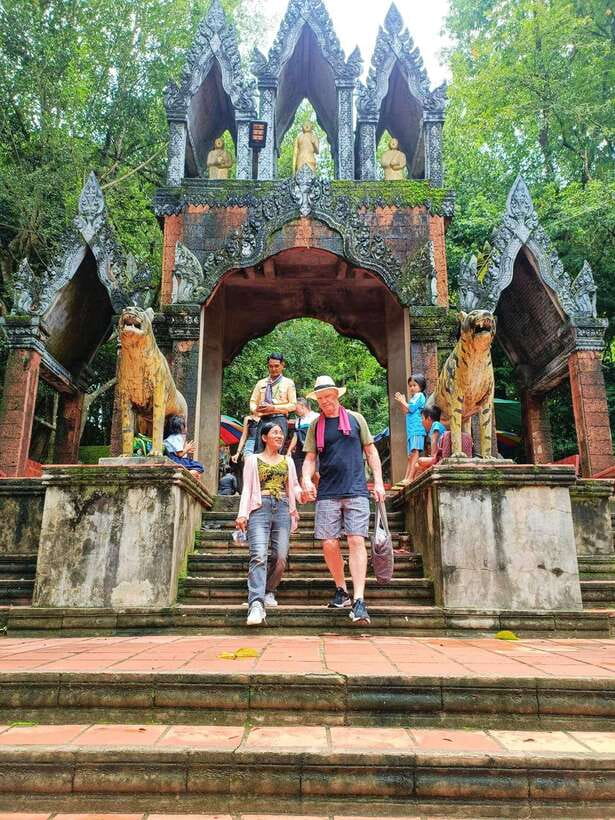
You’ll get hotel pickup in Siem Reap, and you’ll want to be ready about 30 minutes before departure. The tour is about 10 hours, so you’re basically trading a full day of free exploring for a guided loop that hits the big Kulen points.
Transport is a big deal for this region because roads can be uneven. Many guests mention comfortable air-conditioned vans and even a 4WD setup geared for park roads. That matters because your energy is what makes the waterfall and hilltop stops enjoyable instead of exhausting.
Quarry stop: the hidden link between stone and temples
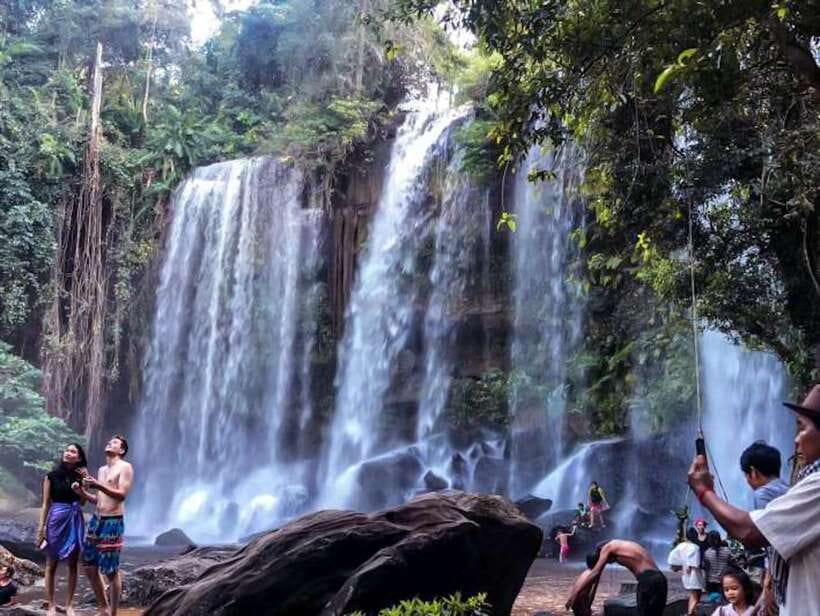
Before you go into the core sacred areas, the itinerary includes a quarry stop—basically, a look at where the stones were cut to build temples in the area. It’s not the flashiest stop, but it’s a smart one.
Why I think it’s worth it: when you later stand near carved stones and temple ruins, it helps your brain connect the scale of the work. You’re not just looking at an ancient site—you’re learning what went into it.
The 1000 Lingas: what you’re looking for at the riverside site
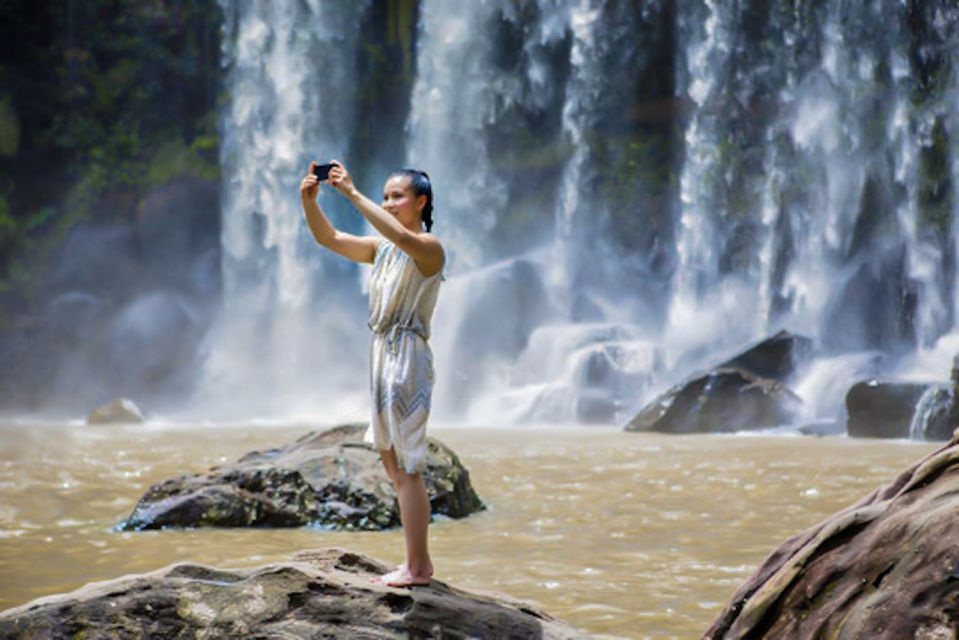
The riverside stop for the 1000 Lingas is one of the most praised parts of the day. This is an archaeological park area tied to religious practice, and it can feel surprisingly intimate compared with the huge Angkor complexes. You’re closer to the structures, and your guide can explain what the stone shapes represent and why the site became a meaningful stop on the mountain.
Practical tip: go in with your camera ready, but also slow down. The best photos usually come from pausing and taking your time at the angles the guide points out—guests specifically call out guides who know good photo spots, and they’ll help you get positioned.

Hilltop temples and the reclining Buddha: the part that makes the mountain feel alive
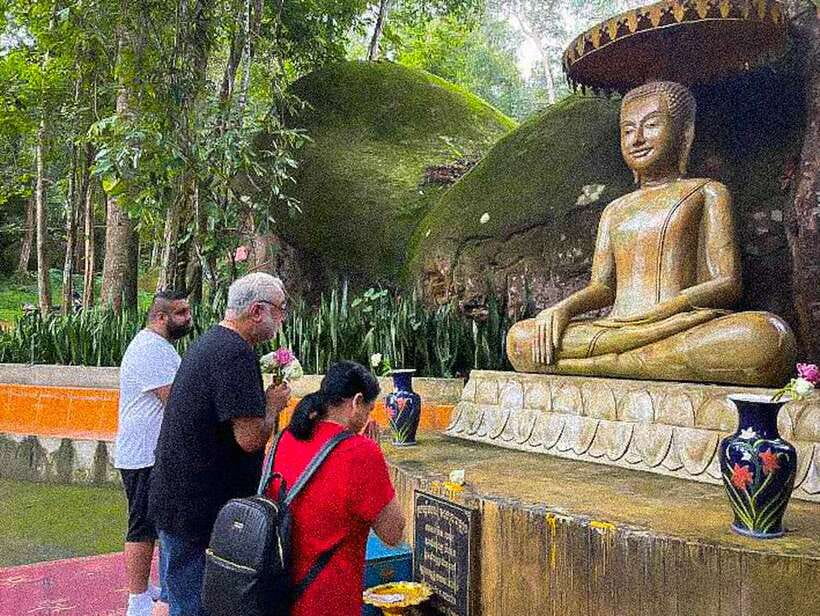
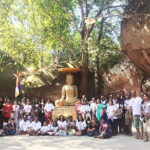
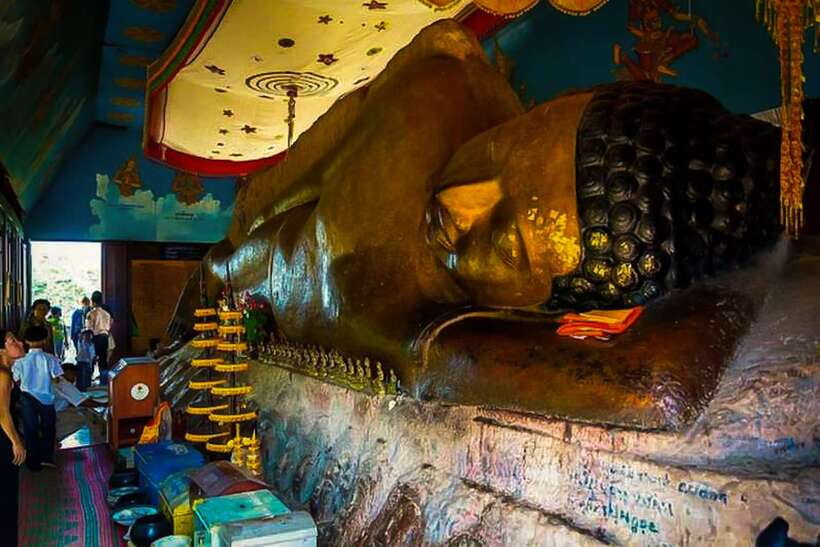
Next comes the sacred hilltop zone, with over 30 temple ruins and a large reclining Buddha. This is where the day starts to feel like “Phnom Kulen, not just Siem Reap by car.”
Here’s what you should expect:
- Temple ruins you can walk among (and photograph)
- The reclining Buddha as the key focal moment
- A more “spiritual stop” feel than a standard sightseeing stop
The guides—names like Caout, Chout, Makara, Sayon, Sary, and Sari show up across bookings—are repeatedly praised for explaining the context clearly and keeping the day at a pace that doesn’t feel panicky. If you’re the type who likes your history with a human voice instead of a pamphlet, this stop is the payoff.
Kulen Waterfall swim: how to make your 30–40 minutes count
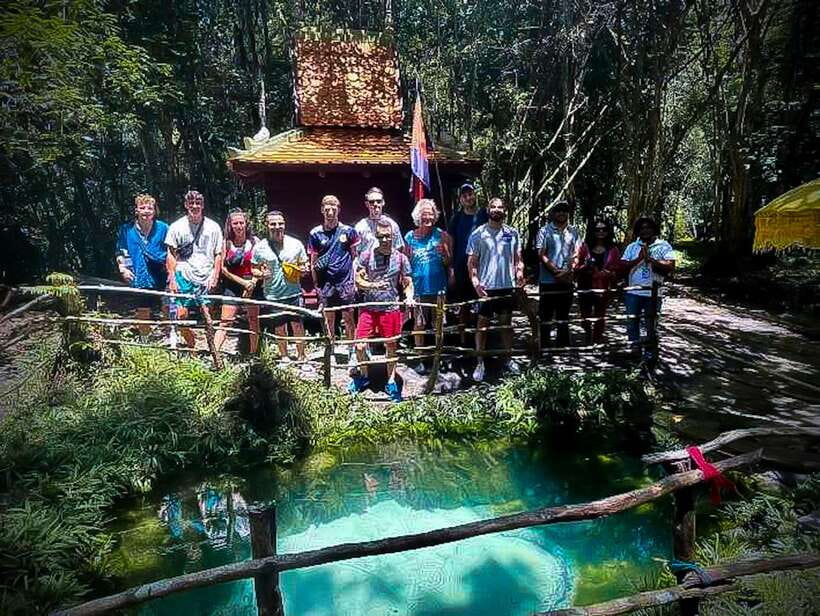
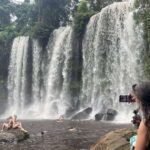
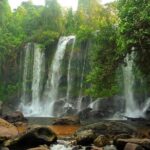
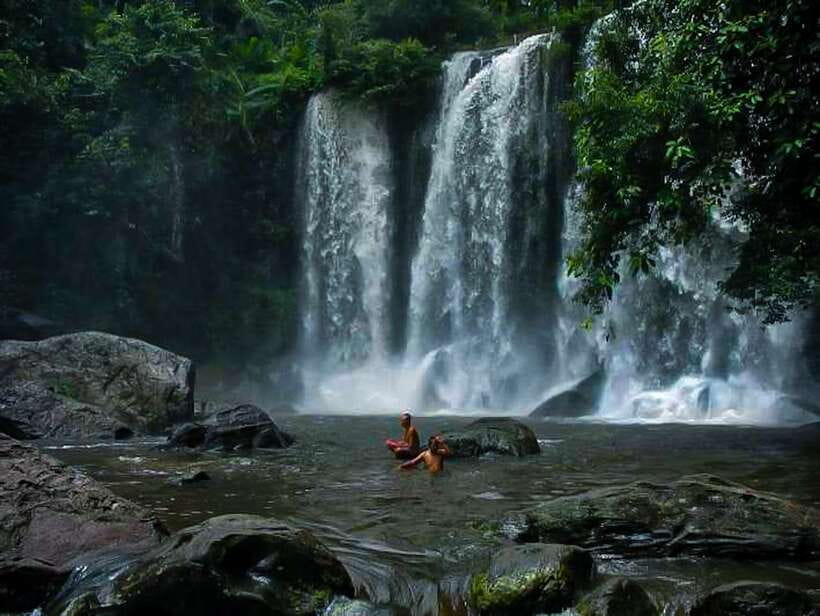
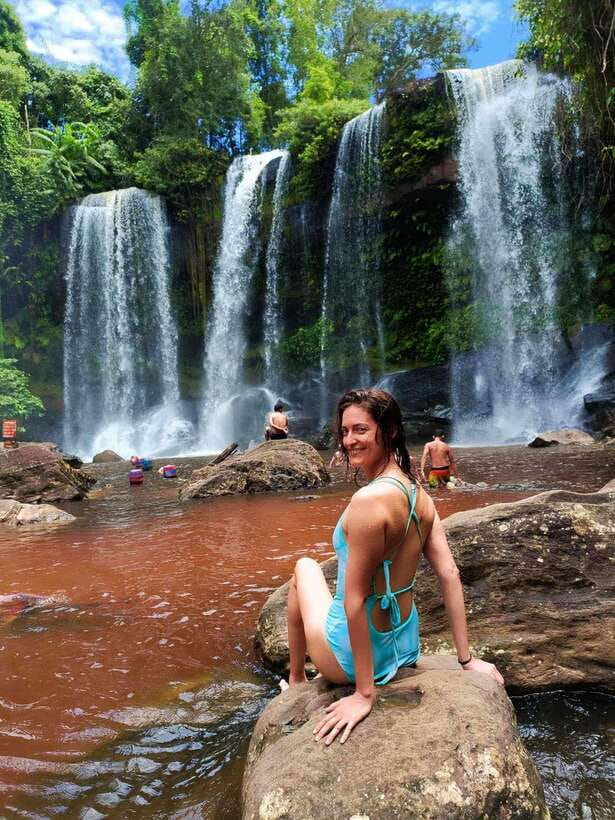
Then you head to Kulen Waterfall, and this is the part many people remember most. Unlike many “look from the bridge” waterfall trips, you get to swim. You’ll trek to the waterfall area, and the water is described as refreshing.
A couple things to plan around:
- Bring the right clothes. Swimwear and a change of clothes are essential.
- Wear sports shoes you’re comfortable getting a bit wet (the route can be uneven).
- Be ready to move when you arrive. Some guests note that your waterfall time is limited, so your goal is to get in, enjoy the swim, and take a few photos without stressing.
Also: the tour provides water, and guests often mention being kept hydrated. Still, heat is real, so treat the waterfall swim as both fun and cooling down.
Palm sugar village: a short cultural stop that doesn’t feel like a trap
On the way back, you stop at a palm sugar village and learn about palm sugar production. This isn’t a long museum-style lesson. It’s more of a practical look at how something everyday becomes a craft.
Why I like this part: it adds a Cambodiana layer to the day that doesn’t require you to leave the road-trip loop. You’re not only seeing monuments; you’re seeing how people make and use products in daily life. Guests mention it as interesting, especially paired with the mountain’s spiritual sites.
If you’re curious, ask questions. Even a 10-minute cultural stop can turn into a great story about work, family routines, and local food culture.
Landmine Museum option: emotional weight, and why it’s offered at all
The Cambodia Landmine Museum is an optional final stop. Entry isn’t included, so you’d pay separately if you choose it. Some guests report a specific price (one mentions around $6), but the key point is that you control whether it’s on your day.
Should you add it? If you want context for Cambodia’s modern history—especially the scars left by the Khmer Rouge-era landmine situation—it can be very moving and memorable. If you prefer a lighter day that stays mostly outdoors and spiritual, you can skip it and keep the mood easy.
Either way, I’d think of this decision in terms of your energy level. A day that already includes temples plus a waterfall swim can be enough for some people emotionally.
Price and value: is $45 a fair deal for 10 hours?
At $45 per person for roughly 10 hours, this tour is priced as an all-day guided circuit with transportation, park entry fees, and water included. That matters because many separate components—park access, a guide, hotel pickup, and time on the road—add up fast when you piece it together yourself.
What makes it feel like value in practice:
- You’re not just doing one site. You’re stacking multiple major Phnom Kulen highlights.
- Hotel pickup and drop-off removes planning friction.
- Park entry fees and water are included, so you’re not guessing at hidden costs beyond lunch and optional add-ons.
The main “cost you’ll still have” is meals. Food and drinks besides water aren’t included, so you’ll need lunch money. Some guests describe the lunch stop as pricey or touristy, but generally tasty, with options including dishes like amok. Translation: expect a real restaurant break, but don’t assume it’s fine-dining.
Timing, pacing, and what the group format means for your comfort
This tour can run as a private group option, but it’s also available in standard small-group formats depending on booking. Either way, it’s guided and scheduled—so you won’t choose your own route or linger as long as independent hikers might.
Here’s the balance I think you should know:
- A guided format helps you hit the right sites fast and understand what you’re seeing.
- The tradeoff is that it can sometimes feel a bit “move along” at certain stops, especially during busy periods like holidays.
- The waterfall time can be short, so plan your expectations around a quick swim, not a long hangout at the falls.
If you want the slowest possible pace at the waterfall, you may prefer a private driver. But for most people, this guided loop hits the right highlights without turning the day into exhausting logistics.
Safety note you should take seriously on Kulen Mountain
There’s an important warning: the area visited has not been de-mined, and it is not recommended to visit without a guide. That’s not just a legal note—it’s a safety boundary that affects how you experience the mountain.
This is also why the guided aspect matters for more than convenience. You’re walking within a route and access approach managed by the tour.
Who should book this tour, and who should skip it
This is a strong match if you want:
- A single full-day plan that covers the main Kulen highlights
- A guided explanation for sacred sites, like the 1000 Lingas and reclining Buddha
- Time to swim at Kulen Waterfall
- A cultural add-on via the palm sugar village
It’s not a good fit for:
- Wheelchair users
- People over 70 years
Also, if you don’t enjoy religious or historical context and would rather do purely nature time, consider whether the temple stops match your interests. This tour is built around meaning as much as scenery.
Should you book this Kulen Waterfall tour?
I’d book it if you want the best one-day shape of Phnom Kulen: the sacred sites first, the waterfall swim second, and a palm sugar cultural stop on the way back. The guide quality seems to be the main strength—people repeatedly highlight guides like Chout and Makara for keeping the day fun, organized, and story-rich, with help getting good photos.
I’d reconsider if you’re very picky about the length of time at the waterfall or you hate restaurant-style lunch stops where you pay out of pocket. You’ll also want to be emotionally ready if you add the Landmine Museum.
If that all sounds like your kind of day, this $45, 10-hour guided trip is a solid value. You’ll leave with temple memories, stone-and-spirit context, and at least one moment you’ll actually feel in your body—the cool water at the falls.
FAQ
How long is the guided Kulen Waterfall tour from Siem Reap?
The tour lasts about 10 hours.
What is the price for this experience?
It costs $45 per person.
What’s included in the tour price?
The tour includes a guided tour of Phnom Kulen National Park, park entry fees, hotel pickup and drop-off from Siem Reap, and water.
Is lunch included?
No. Foods and drinks besides water are not included.
Is the Cambodia Landmine Museum included?
No. The Landmine Museum entry is not included, though it can be an optional final stop.
What’s the cancellation policy?
Free cancellation is available up to 24 hours in advance for a full refund.
Is the guide English-speaking?
Yes, the live tour guide is available in English.
What should I bring for the waterfall?
Bring swimwear, a change of clothes, and sports shoes.
Is this tour suitable for wheelchair users or older guests?
No. It is not suitable for wheelchair users, and it’s also not recommended for people over 70 years.