REVIEW · SIEM REAP
5-Day ‘All The Sights’ Tour
Book on Viator →Operated by Asia Voyage Tour · Bookable on Viator
Temple days start early in Siem Reap. This 5-day private tour stacks the biggest Khmer sights with a professional English-speaking guide, plus door-to-door comfort so you spend less time figuring logistics and more time looking closely at carvings and views. What I like most is the way the tour mixes well-known hits like Angkor Wat with quieter temples and scenery beyond the main park.
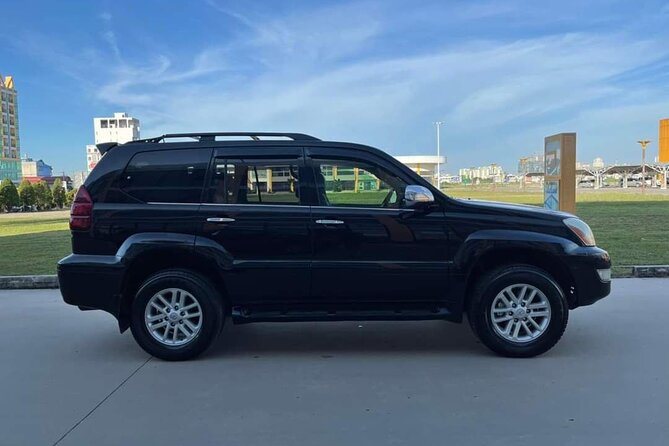
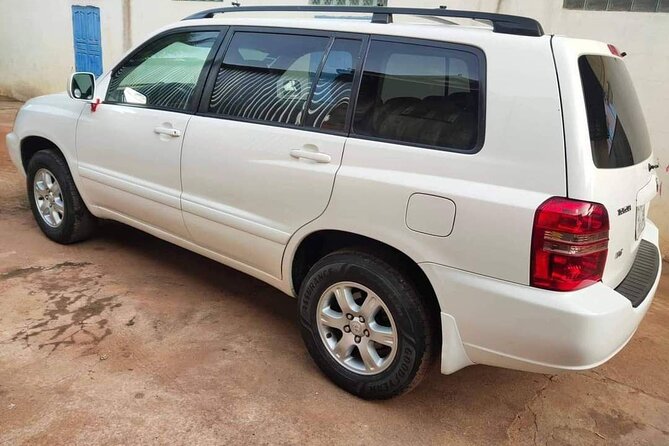
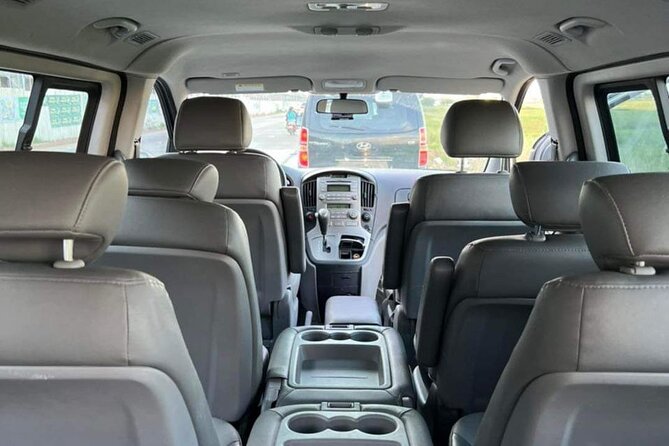
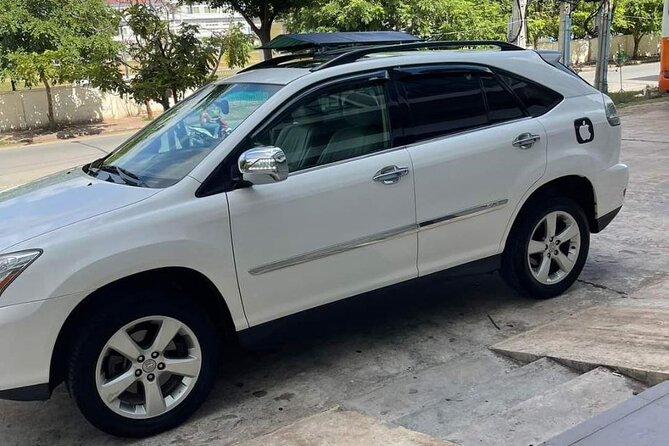
I also really value the hands-on rhythm of private transfers. The vehicle leaves your hotel at 8:30am, and you get hotel pickup and drop-off included, along with bottled water and cold towels that actually help in Cambodia’s heat.
One consideration: it is not a sit-everywhere tour. The pace includes long drives (Koh Ker is about 120km) and walking, so it’s not ideal if your group has less than average fitness or can’t walk normally.
In This Review
- Key highlights to know before you go
- What You’re Really Paying $309 For
- Day 1: Angkor Archaeological Park to Angkor Wat, Then Phnom Bakheng
- Day 2: Phnom Kulen Waterfalls, Banteay Srei, and Pre Rup at Human Speed
- Day 3: Sunrise Angkor Wat and the Temple Cluster Day
- Day 4: The Long Drive to Koh Ker, Then Beng Mealea and Preah Vihear
- Day 5: Kompong Phluk Stilt Houses by Boat, Plus Markets
- Entrance Fees and What to Budget So You’re Not Guessing
- The Guide and Driver Touch: Why It Feels Smooth
- Who This 5-Day Private Tour Fits (and Who Should Skip It)
- Should You Book This Tour?
- FAQ
- What time does the tour start and how does pickup work?
- Is this tour private?
- Are entrance fees included for Angkor and the other temples?
- What’s included in the price?
- Is it suitable for children or limited mobility?
- Can I cancel for free?
Key highlights to know before you go
- Door-to-door private transfers from your hotel at 8:30am
- Sunrise Angkor Wat with a return to breakfast right after
- Kompong Phluk stilt houses by boat, with the motorised boat fee included
- Big temple variety across Angkor, Phnom Kulen, Koh Ker, Beng Mealea, and Preah Vihear
- Entrance fees not included, so budget for Angkor passes plus Koh Ker and Beng Mealea tickets
- Bottled water and cold towels during the day to keep things realistic
What You’re Really Paying $309 For
On paper, $309 for roughly five days sounds straightforward. In practice, the value is in what’s wrapped into that price: you get a private guide (just your group), hotel pickup and drop-off, a vehicle with you during the day, plus bottled water and cold towels. You also get the boat portion of Kompong Phluk handled, which saves you from messy ticket timing later.
The tradeoff is that the major temple entrance fees aren’t included. You’ll pay for Angkor Temple passes (a 3-day pass is $62 per person or 7-day pass is $72 per person), and there are extra fees for Koh Ker ($10) and Beng Mealea ($5). If you hate budgeting surprises, add these costs up early and you’ll feel a lot calmer.
The tour also excludes meals and drinks, so you’ll want a cash or card plan for lunches and snacks. That’s normal for Cambodia day tours, but it matters because this schedule is packed.
You can also read our reviews of more tours and experiences in Siem Reap
Day 1: Angkor Archaeological Park to Angkor Wat, Then Phnom Bakheng
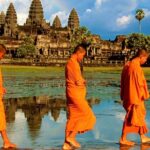
Your first day is the classic Angkor foundation day—big structures, big symbolism, and lots of time for photos and close-up details. It starts with the Angkor Enterprise ticket office where you buy your temple pass for at least three days (one pass per person). This is where planning pays off: if you know you’ll want multiple days in the park, grab the pass you actually need, not the minimum you can get away with.
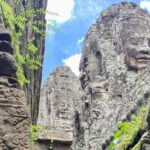
Then you’ll move into the heart of Angkor Thom: Bayon Temple first. Bayon is known for its famous faces, and it works best when you take your time—don’t just walk past. After that comes Baphuon Temple, a three-tiered temple mountain linked to Shiva and the Khmer court tradition.
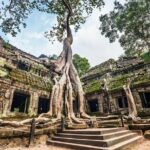
Next is Ta Prohm, the temple people recognize from its roots and dramatic framing. It’s photogenic, yes, but it’s also a good temple to slow down in: you can see how later nature growth and stone restoration change the look and feel of a site.
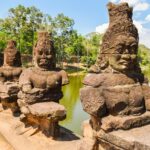
You’ll also visit the Terrace of the Elephants, part of the royal palace grounds. Even if you’re not a “palace nerd,” this stop helps you understand how processions and ceremonies were staged in the Khmer world.
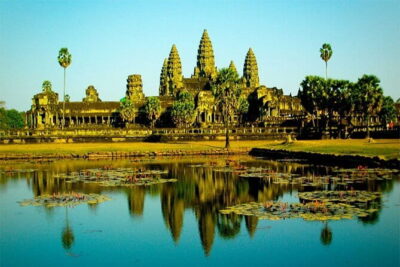
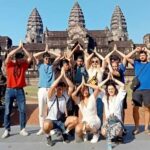
After lunch, you hit the heavy hitter: Angkor Wat. This stop is long (it’s listed as a day-long block), so it’s not a quick glance. You’ll have time to understand the layout instead of sprinting. If you want the most satisfying experience here, wear shoes you can stand in for hours and bring sun protection—this is open-air temple time.
The day closes with Phnom Bakheng, a hilltop temple. It’s a popular sunset spot, and it’s also a great way to see how temple complexes look from above. Just keep expectations realistic: depending on crowds and the exact timing, you might not get a perfect empty view.
Day 2: Phnom Kulen Waterfalls, Banteay Srei, and Pre Rup at Human Speed
Day two turns the dial from temple-only to nature plus temples. You start with a stop at the river of 1000 lingas, a small but meaningful detour on the way to Phnom Kulen. It’s the kind of place where you feel the Khmer tradition connecting sacred objects to landscape.
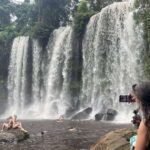
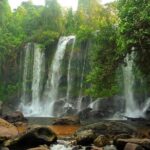
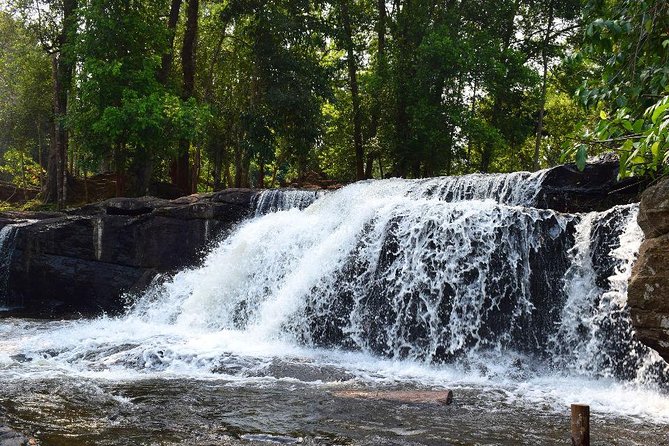
Then comes Phnom Kulen National Park. You’ll have time to swim at the waterfalls (the schedule lists a couple hours here), and it’s a nice break from stone and dust. If you go in the water, keep your essentials minimal and plan to dry off afterward.
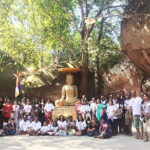
After the swim, you walk up a short way to see the pagoda and reclining Buddha. The tour notes that guests can sometimes get a water blessing before moving on. Even if you don’t get a blessing, you’ll feel the significance of how people use this spot beyond sightseeing.
You also get local lunch time. This matters because it keeps you from making the second-day mistake: skipping food and then power-walking through temples on empty energy.
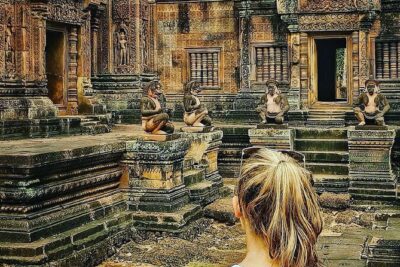
Next is Banteay Srei, often called the ladies temple. It’s dedicated to Shiva and known for its carved details. It’s a strong change of pace from Angkor Thom’s massive scale—here, the charm is in the finesse.
You then visit Banteay Samré and Pre Rup. Pre Rup is another temple mountain type, and this is a good day to compare how each site uses elevation, stone layout, and symmetry for religious effect. If you’ve already seen a few temples, you’ll start noticing patterns—gateways, terraces, and sightlines—without needing a lecture.
Day 3: Sunrise Angkor Wat and the Temple Cluster Day
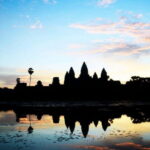
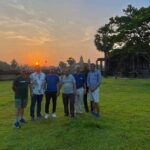
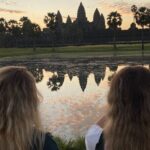
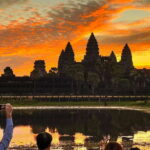
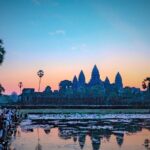
Day three is a morning-first kind of day. You revisit Angkor Wat for sunrise, then return to the hotel so you can have breakfast. That alone is a value point: early morning can ruin a vacation if you try to manage it alone, and here it’s built into the plan.
When you do sunrise at Angkor Wat, the light changes how the stone looks. Faces, columns, and stair edges read differently at dawn than at midday. You’ll also avoid some of the worst midday heat, which is a big deal on long temple days.
After breakfast, you shift to a tight cluster of temples: Preah Khan, Neak Poan, Ta Som, and East Mebon. The tour keeps them grouped together so you’re not burning the day in transit. This cluster approach also gives you a better sense of how the Khmer empire built sacred places with walking routes between them.
You’ll come back for Ta Prohm again, plus Ta Nei afterward. Repeating Ta Prohm might sound repetitive, but it’s usually a win when the timing is different or when your first pass didn’t let you slow down. Think of it as a second chance to see what you missed.
Then you finish with Banteay Kdei, described as a Buddhist temple, sometimes associated with monks’ cell areas. This stop is a reminder that Angkor wasn’t only one religion or one style forever. You’ll feel that layered timeline just by moving from site to site.
Day 4: The Long Drive to Koh Ker, Then Beng Mealea and Preah Vihear

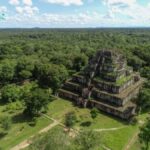
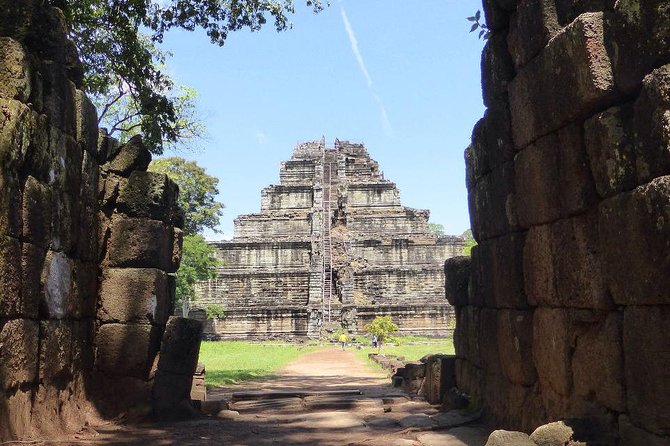
Day four is the day most people either love or struggle with, depending on stamina. You start with a very long drive to Koh Ker—about 120km from Siem Reap—and the schedule lists a large block of time. Koh Ker is remote and jungle-filled, and the point isn’t comfort. The point is the feeling: fewer crowds, more distance, and a different mood than the main Angkor circuit.
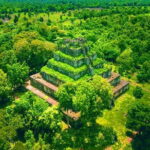
You’ll then head to Beng Mealea after lunch. This is a ruin from the Angkor Wat period located on the old royal highway toward Preah Khan Kompong something in the region. The best way to enjoy Beng Mealea is to treat it like you’re exploring rather than checking boxes. It’s less about perfect symmetry and more about the sense of what time and nature did to the stone.
Entrance fee for Beng Mealea is $5 per person, and Koh Ker is $10 (per person). You’ll want those numbers in your head before you start the day so there’s no last-minute scramble.
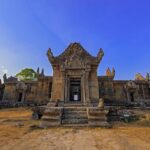
Finally, you visit Preah Vihear, sitting on a 525-metre cliff in the Dângrêk Mountains. The tour lists about 1.5 hours here, which is just right for the view and the temple experience without turning it into a half-day trek. If you like big vistas and dramatic geography, this is a highlight.
Because day four is the hardest day on paper, it’s also the day to hydrate early, wear supportive shoes, and don’t overpack. You’ll thank yourself later.
Day 5: Kompong Phluk Stilt Houses by Boat, Plus Markets
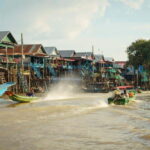
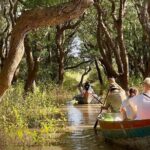
Day five swaps stone for water and daily life. You head to Kompong Phluk, where villages sit on stilts on the Tonle Sap. The name means Harbor of the Tusks, and the community depends heavily on fishing. The tour notes the wet season runs roughly May to October, and that timing affects how life looks and how the water level shapes the village.
This is where your included motorised boat fee matters. The tour is designed as a cruise among the stilt houses, so you’re not just standing and looking. You’ll likely see how the village works from the water line, which is the only way to make this place feel real.
After Kompong Phluk, you return and stop in Phsar Leu Thom Thmey, plus Phsar Chas and Artisans d Angkor. This gives you a chance to browse while your legs are tired from the boat and walking earlier. It’s also a practical end to the tour: you can pick up small gifts without turning shopping into a separate outing.
Entrance Fees and What to Budget So You’re Not Guessing
Here’s the clean budgeting math you can actually plan around:
- Angkor temple pass: a 3-day pass is $62 per person, or a 7-day pass is $72 per person
- Koh Ker entry: $10 per person
- Beng Mealea entry: $5 per person
- Meals and soft drinks: not included
- Beng Mealea and Koh Ker passes: the tour lists these as extra temple passes
Since the itinerary spans multiple days and includes sunrise plus several Angkor park temples, you’ll likely want that 3-day Angkor pass at minimum. If you’re already thinking about extending your stay, a 7-day pass can be smart because it covers more temple time without forcing you to decide last minute.
Also remember: the tour explicitly excludes entrance fees for temple stops besides the boat portion. So even though the guide is taking care of the route, you’ll still pay at the gate or ticket office for sites.
The Guide and Driver Touch: Why It Feels Smooth
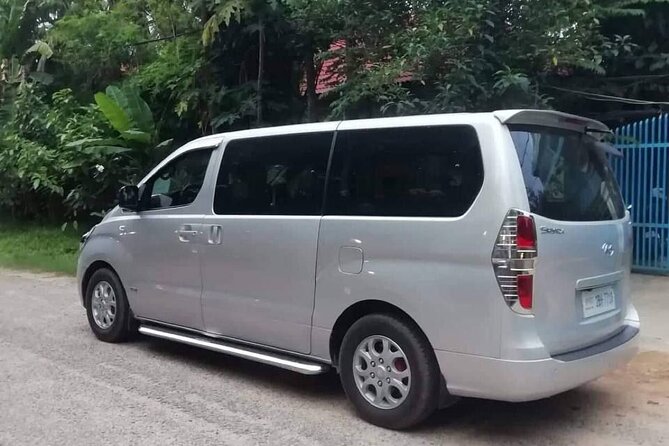
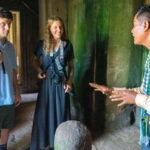
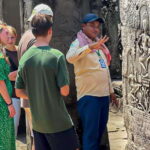
A big part of the trip quality is the human factor. In real-world use, the guide Choup stands out for being friendly and full of the kind of info that helps temples make sense. You don’t just get names; you get context that makes looking at carvings and layout feel worth the time.
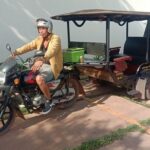
The driver Mr bean is also mentioned for safe, careful driving and being consistently prepared with water during the day. Those little details matter on long days with long drives and heat. They keep the experience calm, not chaotic.
Private tours can sometimes feel like you’re paying for transportation. Here, you’re paying for pace control and story control: the guide sets the flow, and you follow without wasting energy making decisions.
Who This 5-Day Private Tour Fits (and Who Should Skip It)
You’ll probably love this tour if you want:
- One guide, one group, your own pace (no mixing with strangers)
- A full Angkor circuit plus nature and outlying sites like Koh Ker and Beng Mealea
- Early start structure for sunrise at Angkor Wat
- A day-by-day plan so you’re not piecing together tuk-tuk routes and ticket queues
You should think twice if:
- You can’t walk normally or you don’t meet less-than-average fitness needs, since the schedule is active and includes long travel days
- You hate paying separate entrance fees and would rather have everything bundled
If you’re traveling as a couple, small family, or a small group of friends who want comfort and clarity, this format is a good fit. If you’re alone and happy to manage every stop yourself, it might feel pricier than necessary—but the time saved is real.
Should You Book This Tour?
Yes, if you want a stress-reducing, private way to see the big Angkor hits plus the more distant temples and Kompong Phluk in only five days. The combination of door-to-door transfers, an English-speaking guide, and included bottled water and cold towels makes it feel practical rather than just romantic.
I’d book it especially if you value the sunrise plan and hate the idea of timing Angkor Wat yourself. Day three solves a common headache.
I’d skip or modify if your group struggles with walking or dislikes long drives. Day four in particular is a commitment. If you’re unsure, you can still enjoy Siem Reap with shorter temple days, but this one is clearly built for people who want to move.
FAQ
What time does the tour start and how does pickup work?
The tour start time is 8:30am, and the vehicle departs from your hotel. Complimentary hotel pickup and drop-off are included.
Is this tour private?
Yes. It is a private tour/activity, so only your group participates.
Are entrance fees included for Angkor and the other temples?
No. The tour excludes Angkor temple passes, and it also excludes Koh Ker and Beng Mealea temple passes. Entrance fees for meals are also not included.
What’s included in the price?
Included items are hotel pickups and drop-offs, a professional English-speaking guide, the fee for motorised boat (Kompong Phluk), bottled water, and cold towels.
Is it suitable for children or limited mobility?
Children under 3 years old are not available for this tour. It is also not suitable for those who have less than average fitness or cannot walk normally.
Can I cancel for free?
Free cancellation is available. You can cancel up to 24 hours in advance of the experience start time for a full refund.