REVIEW · SIEM REAP
Angkor Wat: Sunrise 2.5 Days Temples & Tonle Sap-Small Group
Book on GetYourGuide →Operated by Journey Cambodia · Bookable on GetYourGuide
First light at Angkor changes everything. This 2.5-day, small-group run is built around Angkor Wat sunrise and a smart mix of big hits and calmer ruins, with an English-speaking local guide who explains what you’re seeing instead of rushing you through it. In the guide lineup I saw, people like Saruon Pal and Pireak (plus other names such as Pi, Sam, AJ, and Usa) are the kind of people who can turn stone faces and carved walls into real stories.
Two things I especially like: the way you get help reading the temples, and the comfort touches that keep the day sane in heat. I’ve seen guides like Pi and Sam focus on the bas-relief scenes and Khmer-era context, while drivers such as Keal and Mao regularly hand out cold water and fresh towels after temple walking. One practical drawback: the tour price does not include the big temple pass, so you’ll want to budget for that up front.
In This Review
- Key Highlights You Actually Feel on the Ground
- Why This 2.5-Day Angkor Plan Feels Balanced
- Day 1: Pre Rup, Banteay Srei, Neak Pean, and Preah Khan
- Day 2: Pre-Dawn Angkor Wat Sunrise and the Best Follow-Through
- Day 3: Tonle Sap at Kampong Phluk (or Phare Circus in Dry Season)
- Guides, Small-Group Size, and the Comfort Stuff That Adds Up
- Price and Logistics: What $69 Really Buys You
- What This Tour Is Best For (and Who Should Reconsider)
- Should You Book It? My Practical Take
- FAQ
- How many people are in the small group?
- Is hotel pickup included, and what kind of transport do you use?
- Do I need to pay for Angkor temple tickets separately?
- Is breakfast included during the tour?
- How does the Angkor Wat sunrise visit work?
- Which temples are covered on the first day?
- What do you do on the third day: Tonle Sap or Phare Circus?
- What should I bring, and is there a dress code?
- Is there free cancellation?
Key Highlights You Actually Feel on the Ground
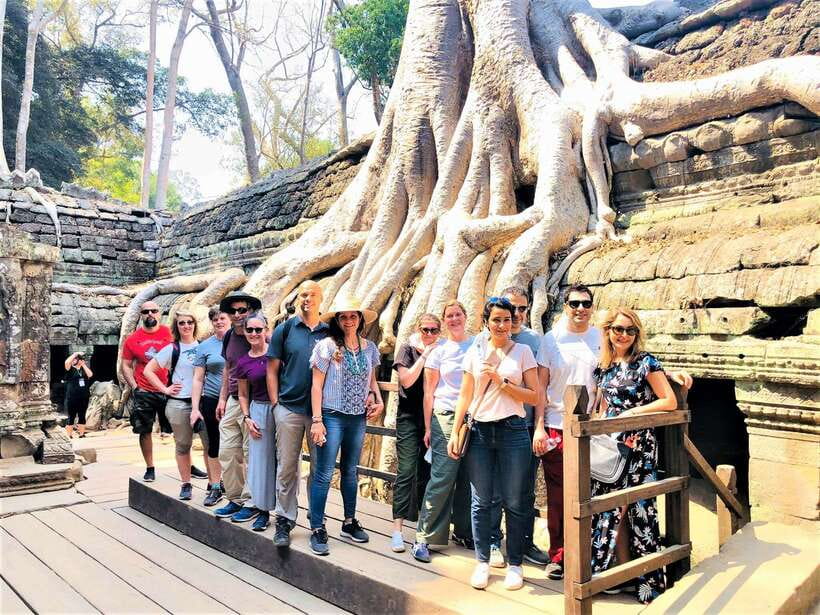
- Angkor Wat sunrise with a pre-dawn start and an emphasis on rarely visited angles of the temple
- Day 1 temples beyond Angkor Thom, including Banteay Srei with its famous carvings
- Story-first guiding for bas-reliefs, face towers, and the Khmer Empire context
- Tonle Sap boat time at Kampong Phluk (or Phare Circus in the dry season)
- Small group up to 15 people, which helps you move at a human pace
Why This 2.5-Day Angkor Plan Feels Balanced
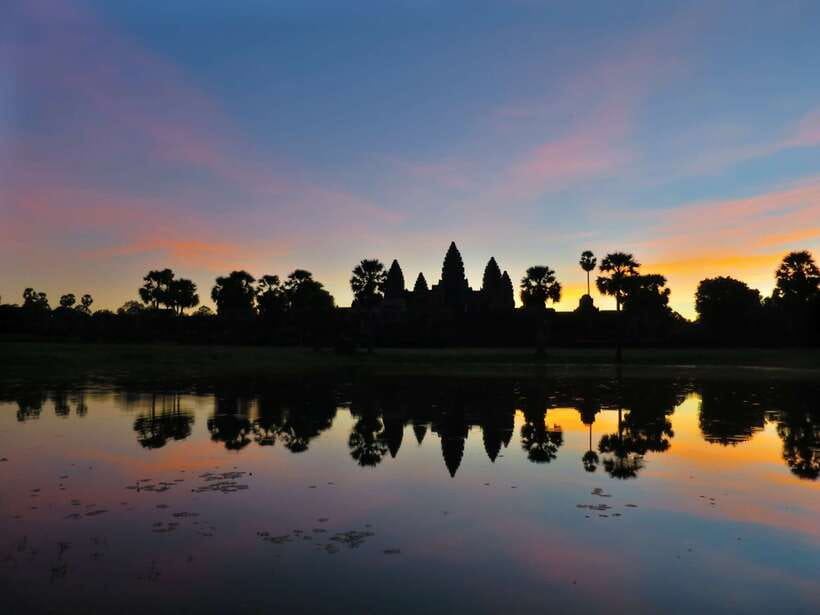
I like this format because it doesn’t just chase Instagram icons. You get the sunrise moment, yes, but you also spend meaningful time on temples outside the Angkor Thom crush, like Pre Rup and Banteay Srei, where the vibe is quieter and the details are easier to take in.
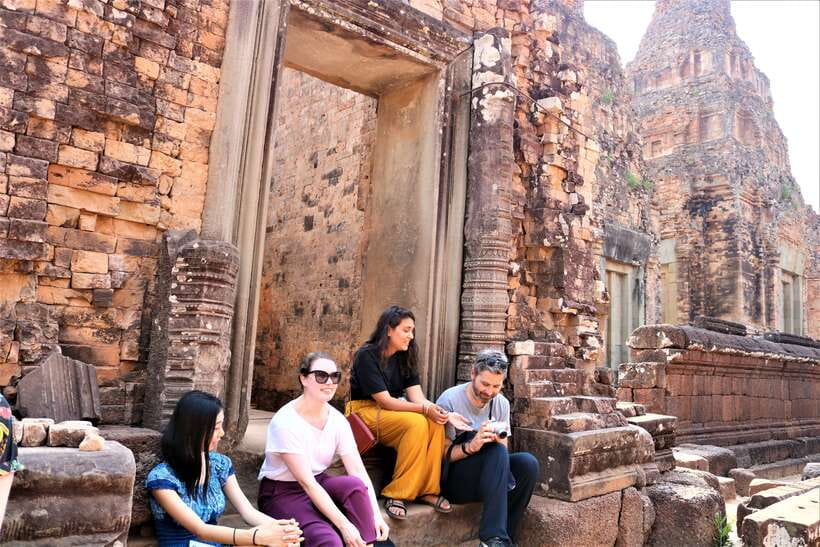
The small-group size is the other big reason it works. With a group limited to 15, your guide can actually manage questions, pace, and where you stand for photos—especially useful when you’re walking in the early dark and then later in the sun.
If you’re on a tight schedule in Siem Reap, this is a strong value shape: two heavy temple days plus one day on Tonle Sap’s flooded-world scale. You’ll come away with both the ceremonial Angkor side and the everyday life side.
You can also read our reviews of more tours and experiences in Siem Reap
Day 1: Pre Rup, Banteay Srei, Neak Pean, and Preah Khan
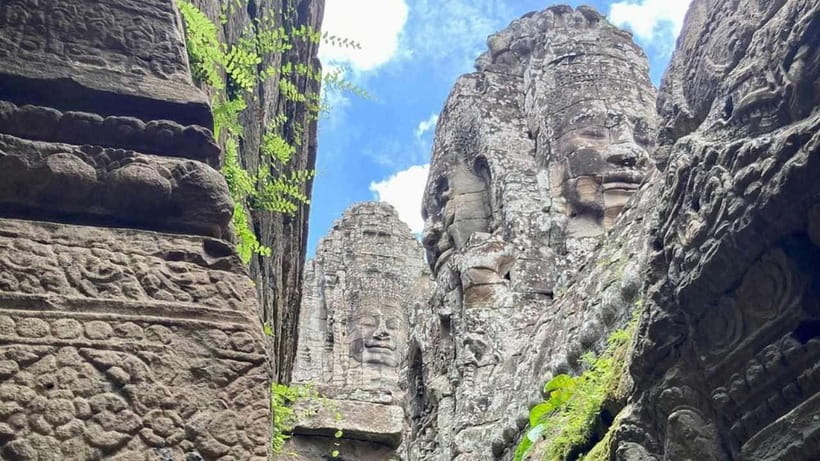
Day 1 is designed for temples outside Angkor Thom city, and that matters. Angkor can feel like a single long line if you only do the “main loop.” Here, you start with ruins that give you variety in style, materials, and mood.
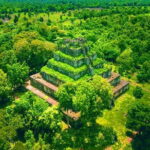
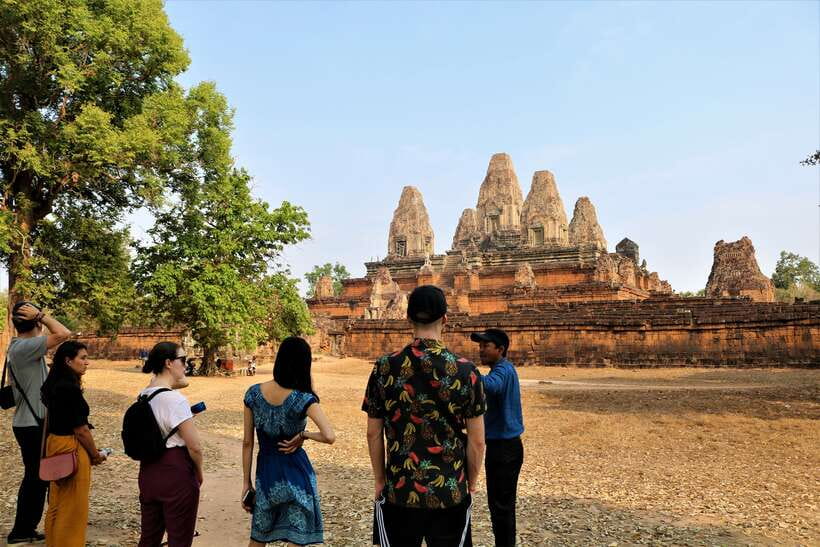
Your first stop is Pre Rup, a Hindu mountain temple built with brick, laterite, and sandstone. It’s a good temple to start on because you can see how the Khmer builders created “mountain” temples on flat ground—layers of meaning built into the structure. From there you head toward smaller, high-craft sites.
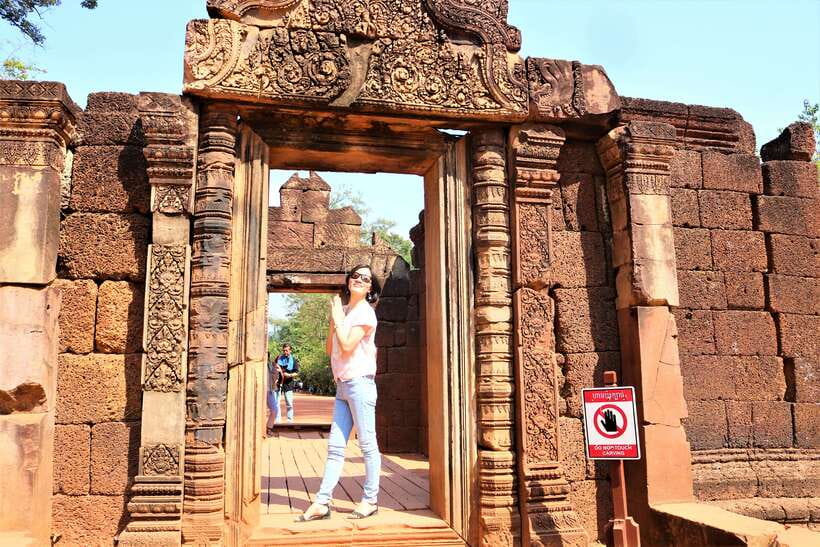
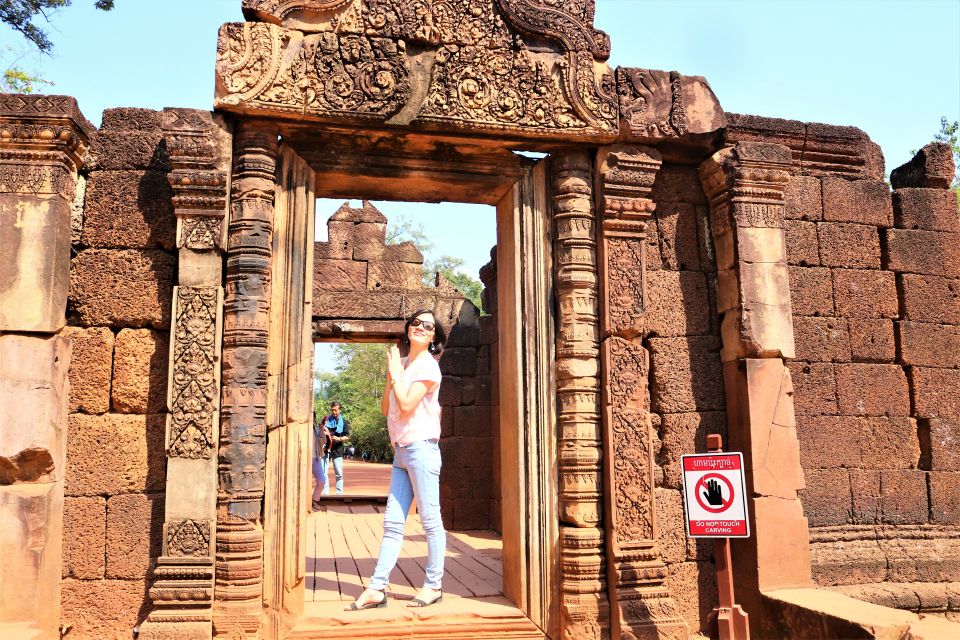
Next comes Banteay Srei, one of Cambodia’s best-known carving showcases. It’s a smaller sandstone temple, and the reliefs are regarded as some of the finest craftsmanship in the country. You’ll also hear why it’s special historically: it was not widely accessible until the late 1990s after the Khmer Rouge left the area.
Then you shift gears to Neak Pean, an artificial island temple concept. It’s built as a Buddhist temple on a circular island, and the setting makes you slow down and notice the way the water-and-island idea shapes the architecture.
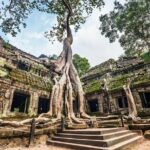
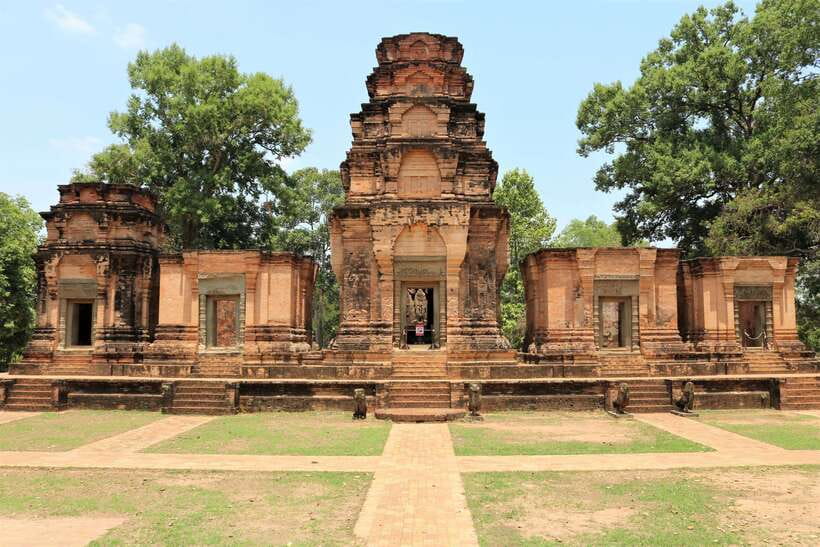
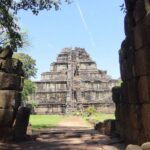
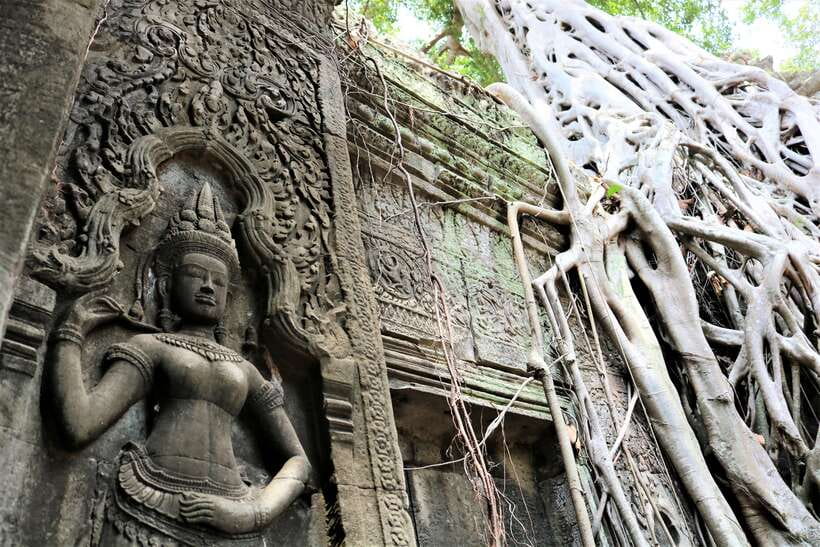
You finish with Preah Khan, which is ruined—but in a way that feels alive. Think crumbling stone, tree roots, and an atmospheric mix of structure and nature taking turns. It’s the kind of end to the day that makes you feel like you’re seeing the “afterlife” of Angkor, not just a preserved museum.
Practical note: you’re outside walking for chunks of time, so comfortable shoes are not optional. The day is also a reminder that you’re in a humid climate—carry water seriously, and take shade breaks when your guide suggests them.
Day 2: Pre-Dawn Angkor Wat Sunrise and the Best Follow-Through
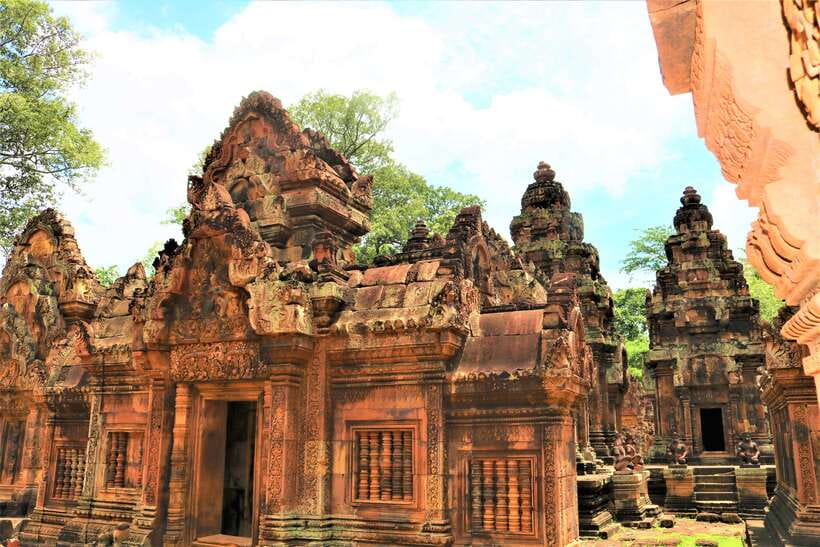
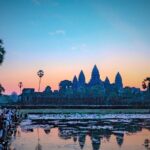
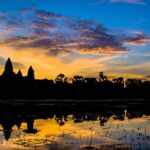
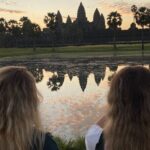
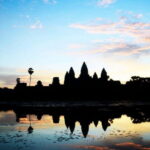
This is the headline day: pre-dawn departure from your hotel, then entering Angkor Wat while it’s still dark. The plan includes walking with torchlight early on, so you’re not stumbling around blindly. You’ll also get access to the eastern side, which is described as rarely visited, and that’s one way to make sunrise feel more than just a crowd event.
As morning progresses, the route focuses on the carved storytelling. You’ll move through cloistered corridors and pass along a long stretch of bas-relief carvings described as the longest in the world. The big payoff is that your local guide explains the scenes—who people were, what they believed, and how Khmer rulers used temple art as public meaning.
After the sunrise section, the tour ends with a break for breakfast outside the temple area. Breakfast itself is listed as not included, so treat this as a scheduled stop where you can buy something rather than a guarantee of a free meal.
Then you pivot to Angkor Thom, starting at the southern gate lined with 54 stone figures of gods and demons. It’s a striking image to walk into, and the gate symbolism gives you a framework before you step into the fortified city.
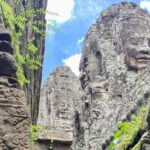
You’ll see Bayon, famous for its central towers covered with more than 200 enormous faces. This is one of those temples where the guide matters a lot, because the faces aren’t just decoration—they’re tied to how the Khmer Empire communicated power and belief in stone.
After lunch and a rest break, you head to Ta Prohm, the temple wrapped in jungle energy. The tree roots and broken stones create that iconic “temple reclaimed by nature” look, but it’s also a good place to sit for a minute and take in scale—how massive the architecture is compared to the living growth around it.
Day 3: Tonle Sap at Kampong Phluk (or Phare Circus in Dry Season)
The third day turns from stone to water. You travel through the countryside to Tonle Sap Lake, which is described as the world’s second-largest freshwater lake. The idea here is to shift your brain from temple time to river-and-weather time.
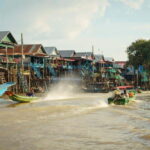
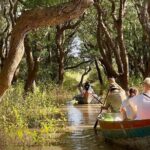
At Kampong Phluk, you take a boat trip through a flooded-forest setting and visit three small fishing villages. The key visual is how homes work on stilts when the water rises, and how daily life runs on that seasonal rhythm. You’ll cruise through the village and see locals at work in the floating forest setting.
Your tour also includes a seasonal option: Cambodia Phare Circus can replace the Tonle Sap visit during the dry season, listed as March 1 to June 31. The circus alternative includes seat C, so you’re not guessing about where you’ll sit. If you care about choosing between nature and performance, ask your operator which option you’ll get based on your dates.
What I like about including either lake or circus: both are human-focused. Tonle Sap shows local adaptation to water; Phare is a different kind of cultural storytelling. Either way, you’re not locked into temples for the entire trip.
Guides, Small-Group Size, and the Comfort Stuff That Adds Up
Angkor is tiring in a way that surprises people. It’s not just steps; it’s heat, crowds in the busiest spots, and the constant need to re-orient yourself. This is where the guide and the group size matter more than people expect.
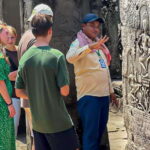
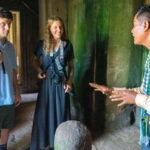
The tour limits the group to 15 participants, which shows up in practical ways: you’re more likely to hear explanations clearly, and you can move as a unit without constant “wait, where are you?” moments. From the guide names shared in real experiences, it’s clear the guiding style leans explanatory and question-friendly—Saruon Pal and Pireak are two examples, and Pi and Sam show up as names tied to deep temple reading.
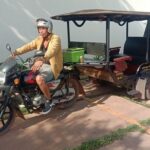
Then there’s the small comfort routine that keeps the day from feeling rough. Multiple accounts mention drivers handing out cool water and fresh towels after temple stops. That’s not luxury—it’s basic survival in humid heat.
If you’re picky about photos, this is also a good sign. Some guide experiences mention being attentive with photography, which matters at sunrise and at the face towers where timing is everything.
You can also read our reviews of more tours and experiences in Siem Reap
Price and Logistics: What $69 Really Buys You
The listed tour price is $69 per person for the 2.5 days, and that covers a lot of the “moving parts” that cost time and stress when you plan solo. You get hotel pickup and drop-off in an air-conditioned vehicle, an English-speaking licensed guide, and at least one of the two third-day activities (Tonle Sap entrance and boat cruise, or Phare Circus seat C). You also get mineral water.
The big extra is the temples. The 3-day Angkor pass costs $62 per person and is not included. So for a realistic budget, think of the tour as $69 plus the pass at $62, before meals and personal spending. Also note: breakfast is not included, even though there’s a breakfast stop built into the day’s schedule.
In other words, this tour is good value when you price it against what it would cost in time, guide quality, and transport. Paying for the temple pass yourself still doesn’t change the fact that you’re buying access, structure, and expert orientation.
What This Tour Is Best For (and Who Should Reconsider)
This tour is a strong fit if you want a guided Angkor experience without trying to control every detail yourself. I’d especially recommend it for first-timers who want the sunrise at Angkor Wat and a mix of major temples plus some less dominant picks like Banteay Srei and Neak Pean.
It also suits anyone who likes learning while walking, because you’re not just looking—you’re getting stories attached to the carvings, gates, and faces. The fact that guides are repeatedly praised for explanations in English is a big signal.
Who might reconsider? The tour is not suitable for people with mobility impairments, and you should assume you’ll do a fair amount of walking on uneven temple ground. If you need lots of accessibility flexibility, this probably won’t match your needs.
Should You Book It? My Practical Take
If you’re going to Angkor, sunrise at Angkor Wat is non-negotiable for many people—and this itinerary is built around doing it with a guide and a route that keeps the experience from becoming just standing in a line. Add in Day 1’s mix of Pre Rup and Banteay Srei, plus a less temple-heavy Day 3 on Tonle Sap (or Phare Circus), and you get a trip shape that feels efficient without feeling rushed.
Book it if you value small-group pacing, English guide interpretation, and the comfort routine that helps you keep moving. Consider another option if you don’t want the extra planning of buying the $62 temple pass, or if mobility limits make temple walking a problem for you.
FAQ
How many people are in the small group?
The group is limited to 15 participants.
Is hotel pickup included, and what kind of transport do you use?
Yes. You get hotel pickup and drop-off in an air-conditioned vehicle.
Do I need to pay for Angkor temple tickets separately?
Yes. The entrance fee for the temples is a 3-day pass for $62 per person, and it is not included.
Is breakfast included during the tour?
No. Breakfast is not included, even though there is a breakfast break outside Angkor after the sunrise section.
How does the Angkor Wat sunrise visit work?
You depart pre-dawn from your hotel, enter Angkor Wat in darkness, and walk with the help of torchlight. The plan also includes visiting the temple’s eastern side.
Which temples are covered on the first day?
Day 1 focuses on temples outside Angkor Thom city, including Pre Rup, Banteay Srei, Neak Pean, and Preah Khan.
What do you do on the third day: Tonle Sap or Phare Circus?
On Day 3, you go to Tonle Sap Lake for a boat trip to Kampong Phluk, or you visit Phare Circus instead during the dry season (listed as March 1 to June 31). The included option includes Tonle Sap entrance and boat cruise, or Phare Circus seat C.
What should I bring, and is there a dress code?
Bring comfortable shoes. Short skirts are not allowed.
Is there free cancellation?
Yes. You can cancel up to 24 hours in advance for a full refund.