REVIEW · SIEM REAP
Private Tour: Siem Reap Full Day Tour With Angkor Wat Banteay Srei Bayon Temple and Ta Prohm
Book on Viator →Operated by Mam Holidays · Bookable on Viator
Four temples in one day keeps you moving. This private Angkor day trip from Siem Reap strings together Angkor Wat, Banteay Srei, Bayon, and Ta Prohm so you get the big picture without planning a full routing.
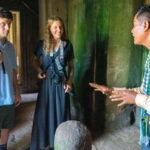
I especially like the combo of hotel pickup and drop-off with an air-conditioned vehicle—meaning less time figuring out transport and more time looking closely. I also appreciate how guides like Mr Thou and Mr Sophorn focus on what you’re actually seeing, including help with wall carvings and practical photo guidance for solo visitors.
One consideration: the day is efficient and sometimes feels fast. With Ta Prohm scheduled after lunch at your own cost, you’ll want to handle heat, hydration, and timing so the temples stay fun, not exhausting.
In This Review
- Key things that make this tour work
- Private Angkor tour in 8 hours: what you’re really buying
- The 9:00am start: easy logistics that protect your temple time
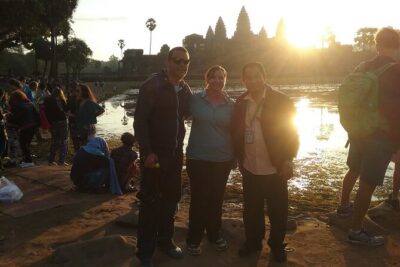
- Angkor Wat first: why it sets the tone
- Banteay Srei: the small temple with the most detail
- Bayon Temple: faces of the Khmer state
- Ta Prohm after lunch: the best-known “tree temple”
- Tickets, lunch, and the real cost of a day like this
- Photo and comfort tips that actually help
- Who this tour is best for
- Should you book this private Angkor full-day tour?
- FAQ
- What’s the duration of the Siem Reap full-day Angkor tour?
- Does the tour include hotel pickup and drop-off?
- Which temples are included in the day trip?
- Are entrance tickets included?
- Is lunch included in the price?
- What language is the guide?
- Can I cancel for a full refund?
Key things that make this tour work
- Hotel pickup + private air-conditioned car keeps the day comfortable in Siem Reap heat.
- English-speaking local guides help you understand carvings, layouts, and Khmer temple purpose.
- Admission tickets are included for each main site, so you’re not stopping for extras.
- Big-hitters in one loop: Angkor Wat, Banteay Srei, Bayon, and Ta Prohm.
- About an hour at each temple gives you time to look without turning it into an all-day slog.
Private Angkor tour in 8 hours: what you’re really buying
This is the kind of full-day Angkor tour that makes sense if you know you want the highlights but don’t want to spend your vacation building a temple schedule from scratch. You’re not just getting transported; you’re getting a guided run-through of the most visited sites in the Angkor complex—enough to understand the overall story and the visual differences between temples.
At a high level, you’re buying three things:
- Time-saving logistics (pickup, drop-off, and vehicle).
- Context (a guide explaining what you’re looking at).
- Coverage (four famous temples in a single day, each with included entry).
The “value” part is the tradeoff. Angkor Wat alone can take hours when you’re reading details and wandering. This itinerary is more like a smart highlight reel—still meaningful, just intentionally not leisurely. If you prefer slower temple strolling, you may want more time in specific sites later. If you want to nail the must-sees efficiently, this style fits well.
You can also read our reviews of more private tours in Siem Reap
The 9:00am start: easy logistics that protect your temple time
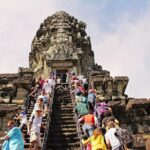
The day begins around 9:00am, with pickup from hotels in the Siem Reap city area. Your first major stop is Angkor Wat, and the tour uses a private vehicle with air-conditioning—important because outside the temple walls, the heat can hit fast.
You’re also not wasting time paying for tickets on the spot. Entrance fees are included for the major sites you visit, which means your guide can keep the flow moving and you can concentrate on the temples rather than admin.
One practical note for your comfort: since the itinerary has a tight sequence, plan your day like a marathon with breaks. Wear something breathable, bring water, and be ready for dusty paths and stairs. You’ll be glad you did when the day shifts from one temple zone to the next.
Angkor Wat first: why it sets the tone
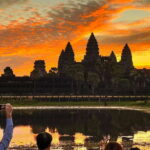
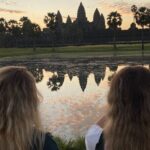
Angkor Wat is scheduled as your first stop after pickup. It’s the biggest and most famous temple in the complex for a reason: it feels designed for both grand scale and precise viewing.
What makes it especially interesting in this itinerary is the way the layout forces you to “read” the temple. You start with a broad impression, then move inward through layers:
- A moat and an outer wall that stretches about 3.6 kilometers.
- A large inner zone that can feel oddly spacious at first, with a long path guiding you toward the main temple.
- Detailed bas-reliefs along the sides that reward time and close attention.
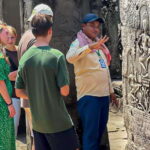
A good guide matters here. Instead of you guessing what the carvings mean, you’ll get explanations for what you’re seeing and why it matters culturally and historically. One of the best parts of this tour style is that you can ask questions right on the spot—so if something catches your eye, you don’t have to wait until later to understand it.
Time note: you’ll typically have about an hour at Angkor Wat on this itinerary. That’s enough to see the main structure and key viewpoints, but if you love reliefs and want to linger on smaller scenes, you may feel a little rushed. Still, as a first Angkor stop, it gives you the right mental framework for the temples that follow.
Banteay Srei: the small temple with the most detail
Banteay Srei is next, and it’s a smart choice because it shifts the day from massive scale to delicate craftsmanship. This temple is widely loved for its beauty, and it’s closely tied to the region around it—so much so that it gives its name to the surrounding district.
What I’d expect you to enjoy most at Banteay Srei is the way the details pull you in. The temple feels like someone cared about fine work: carvings and visual rhythms that reward slower looking, even if the clock is still ticking.
A typical drawback of highlight itineraries is that they can treat temples like photo stops. Here, the guide-led angle helps. When you have someone explaining carvings as you move, you’re less likely to just snap pictures and move on. You’re more likely to notice the pattern work and symbolism that make Banteay Srei different from the bulkier “stone mountain” temples.
The time is again about an hour, so your best move is to pick one or two areas to focus on for close viewing. If you try to see everything in passing, you’ll lose the advantage that makes Banteay Srei special.
Bayon Temple: faces of the Khmer state
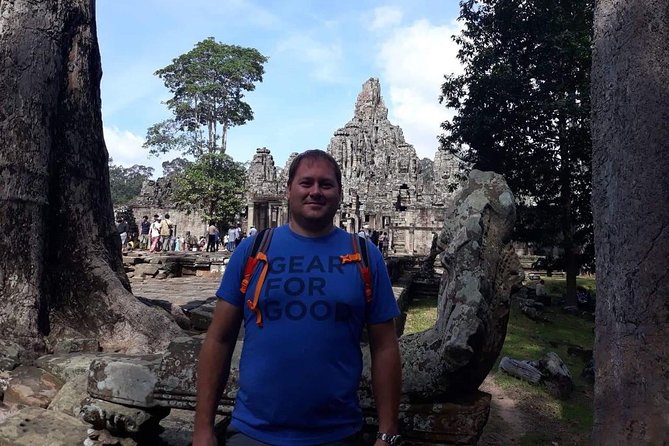
From Banteay Srei, you continue to Bayon Temple. Bayon is known for its richly decorated Khmer temple character and—most famously—the face towers that dominate the scene.
This stop has real historical weight. Bayon was built in the late 12th or early 13th century as the official state temple associated with the Mahayana tradition of Khmer rulers. In plain terms: this wasn’t just a random temple. It was tied to how the state expressed power, belief, and identity through architecture.
What I like about having Bayon in the middle of the day is that it connects the dots. After the huge, structured feel of Angkor Wat and the detail-heavy vibe of Banteay Srei, Bayon delivers something visually dramatic and immediately readable. Even if you don’t know Khmer history yet, the scale and ornamentation make it hard to miss.
You’ll have roughly an hour here as well. If you’re the type who likes climbing and viewpoints, aim for those sooner rather than later, because heat tends to rise as the morning stretches into midday.
You can also read our reviews of more tours and experiences in Siem Reap

Ta Prohm after lunch: the best-known “tree temple”
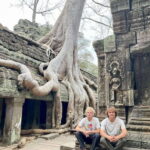
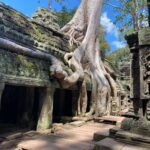
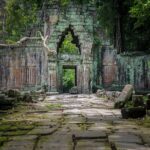
After lunch (you’ll pay for food at your own cost), the tour heads to Ta Prohm. This is the temple most people picture when they think of Angkor in pop culture terms—because it’s famously tied to nature taking over stone.
Ta Prohm is a Buddhist temple built by King Jayavarman VII in 1186, and it’s dedicated to the king’s mother. That context matters, because it makes the ruins feel less random. You’re not just seeing weathered walls and roots; you’re seeing a temple with a purpose and a specific royal dedication.
Why this stop works well at the end of the main run: by this point, you’ve already seen how different temples communicate through design. Ta Prohm then flips the script. It’s more about atmosphere—how stone and growth meet—while still reflecting the Khmer approach to sacred space.
Time note: you’ll also have about an hour. The key consideration is energy. After lunch, the sun can feel heavier and your legs may be done. Bring a small towel, stay shaded when you can, and don’t feel guilty about taking breaks. Part of enjoying Ta Prohm is letting the scene breathe.
Tickets, lunch, and the real cost of a day like this
Let’s talk value, because $178 per person can sound high until you break down what’s included.
This tour includes:
- Hotel pickup and drop-off in Siem Reap city area
- An English-speaking local guide
- Private air-conditioned vehicle
- All entrance fees
- A mobile ticket
It does not include lunch or personal expenses.
So the price is mostly buying three things: transportation, guide time, and tickets. Entrance fees add up fast when you’re bouncing between major sites, and they’re not just a number—they also affect whether you can keep moving smoothly. With tickets included, you spend less time at counters and more time in temples.
Is it “worth it” for you? If you’re traveling solo, the private structure can feel like a smart trade. If you’re comfortable negotiating transport and buying tickets yourself, a cheaper DIY plan may work. But if you want a clean day where you can ask questions, get direction, and focus on what you’re seeing, this price starts to look fair.
Photo and comfort tips that actually help
Angkor day trips can be beautiful and sweaty. Here are practical moves that fit this exact style of itinerary:
- Wear shoes that handle stairs and uneven stone. You’ll be climbing and descending across all four sites.
- Aim to capture the big views early in each stop. With about one hour per temple, you don’t want to start your “photo phase” after you’ve already missed your best angles.
- Use your guide for orientation. Guides like Mr Thou have a habit of pointing out carvings you might completely miss on your own—so ask questions when something catches your eye.
- Plan for the lunch gap. Ta Prohm comes after lunch at your own cost, so don’t schedule a late lunch elsewhere before the tour. Eat something practical and keep moving.
Also: this tour runs in a private format, meaning it’s only your group, not a big bus crowd. That usually makes it easier to ask questions and to adjust your pace a bit.
Who this tour is best for
This private full-day Angkor tour is a strong fit if you:
- Want the major Angkor hits without spending multiple days just for logistics.
- Like having a guide explain what you’re seeing, especially carvings and temple purpose.
- Prefer a structured day that still leaves you time to look and take photos.
It may be less ideal if you:
- Want deep, slow temple exploration where you spend long hours on one site.
- Get overwhelmed by a fast schedule between multiple major attractions.
If you’re the type who likes to “get your bearings fast,” this tour does that well.
Should you book this private Angkor full-day tour?
If your goal is to see Angkor Wat, Banteay Srei, Bayon, and Ta Prohm in one day with an English-speaking guide, air-conditioned private transport, and tickets handled, I’d say booking makes sense. The price feels more reasonable when you factor in how much time and hassle it removes, plus how much context you get while standing right in front of the carvings and architecture.
Book it if you want a smart, guided highlights circuit and you’re okay with a tight pace. Pass or pair it with extra time in Siem Reap if you know you want to linger for hours at a single temple. Either way, having this day set up for you lets you focus on what matters: stone, stories, and those unmistakable Angkor views.
FAQ
What’s the duration of the Siem Reap full-day Angkor tour?
The tour runs for approximately 8 hours.
Does the tour include hotel pickup and drop-off?
Yes. Pickup and drop-off are included for hotels in the Siem Reap city area.
Which temples are included in the day trip?
You’ll visit Angkor Wat, Banteay Srei, Bayon, and Ta Prohm.
Are entrance tickets included?
Yes. Admission tickets and entrance fees are included for the temples on the itinerary.
Is lunch included in the price?
No. Lunch is not included. You’ll proceed to Ta Prohm after lunch at your own cost.
What language is the guide?
The tour includes an English-speaking local guide at the time of sightseeing.
Can I cancel for a full refund?
Yes. You can cancel up to 24 hours in advance for a full refund. If you cancel less than 24 hours before the start time, the amount you paid will not be refunded.