REVIEW · SIEM REAP
Angkor Wat: Sunrise 2.5 Days with Tonle Sap Lake Tour
Book on GetYourGuide →Operated by Journey Cambodia · Bookable on GetYourGuide
Sunrise at Angkor hits different. This Angkor Wat and Tonle Sap combo gives you temples at atmospheric hours, then village life on a floating-world lake.
What I like most is the mix of big-name highlights with detailed Khmer storytelling, especially around Banteay Srei and the tree-root mood of Preah Khan. I also appreciate the practical touches: hotel pickup in Siem Reap, an air-conditioned vehicle, bottled water, cool towels, and a guide who helps you time your visits.
One consideration: the tour price is only part of the budget. Temple entrance tickets cost extra (listed as $62 per person for 2–3 days), and meals are not included.
In This Review
- Key things to know before you go
- Why this 2.5-day format feels efficient in Siem Reap
- Day 1: Re Rub to Preah Khan, then sunset at Bakheng
- Day 2: Pre-dawn Angkor Wat, then Ta Prohm and Ta Nei
- Day 3: Kampong Phluk on Tonle Sap, plus a seasonal reality check
- The guide makes the difference, especially for photography and pacing
- Price and logistics: what $69 buys, and what costs extra
- What to bring, and how to dress for Angkor sites
- Who this tour fits best (and who should skip it)
- Should you book this Angkor Wat sunrise + Tonle Sap tour?
- FAQ
- What is the price and duration of this tour?
- Are temple entrance tickets included?
- Are meals included?
- What is included in the tour package besides the guide?
- Is Tonle Sap part of the experience?
- What time is the pickup for the Tonle Sap day?
- What should I wear and bring?
- Is there a sunrise and sunset included?
- Is the tour wheelchair accessible?
- Can I cancel and get a full refund?
- What happens in the dry season for Tonle Sap?
Key things to know before you go
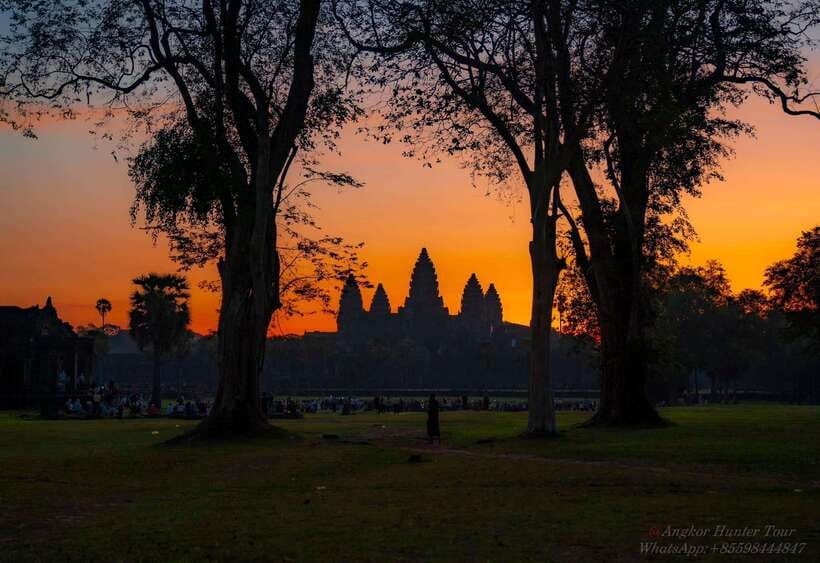
- Sunrise outside Angkor Wat plus a guided visit of the main temple interior
- Sunset at Bakheng for that classic golden-hour viewpoint
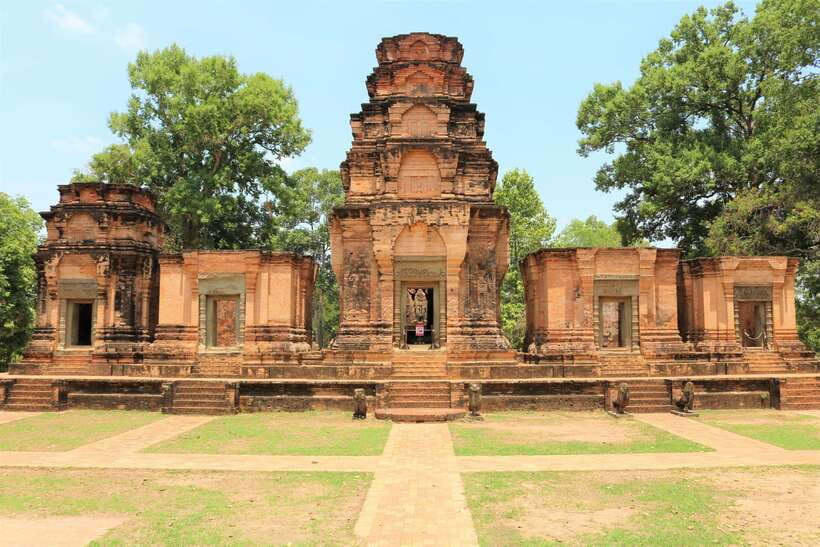
- Banteay Srei reliefs and Preah Khan’s root-choked ruins for variety
- Ta Prohm and Ta Nei to balance the famous and the less crowded
- Kampong Phluk boat trip on Tonle Sap’s flooded forest setting
- Dry-season swap: Tonle Sap may be replaced by Cambodia Phare Circus (Seat C)
Why this 2.5-day format feels efficient in Siem Reap
Angkor rewards early starts. This tour is built around that reality, with sunrise time at Angkor Wat and a sunset finish at Bakheng rather than trying to cram every sight into daylight hours.
The schedule also gives you a sensible rhythm. Day 1 is about getting oriented and building context through a mini-circuit of key temples. Day 2 focuses on the headliner sunrise and then follows with other “must-see” sites you’ll still feel excited about after the early alarm. Then Day 3 shifts the mood away from Angkor stone to water, homes, and everyday work on Tonle Sap.
You can also read our reviews of more tours and experiences in Siem Reap
Day 1: Re Rub to Preah Khan, then sunset at Bakheng
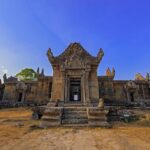
Day 1 starts with Re Rub, a Hindu temple with a strong backstory. You’ll be looking at a temple mountain combining brick, laterite, and sandstone, tied to Khmer king Rajendravarman and dated to 961 or early 962. That early context matters because Angkor doesn’t feel like a single style—it changes over time, and day 1 helps you notice that shift.
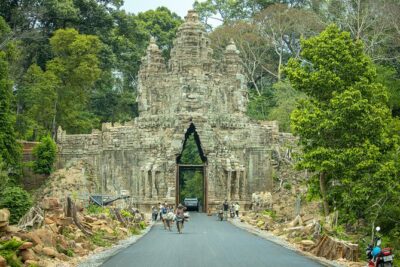
From there, the tour brings you to Banteay Srei, often remembered for its finely crafted sandstone reliefs. Even if you only know the basics, this stop is where the architecture turns into storytelling: you can see how much effort went into ornamentation, not just scale. It’s also a nice change from the larger, more worn-down complexes elsewhere.
Next comes Neak Pean, an artificial island temple in Jayatataka Baray. It sounds niche, and that’s the point. You get a quieter moment that helps you understand how Khmer planners used water as part of sacred design.
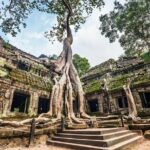
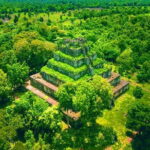
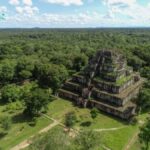
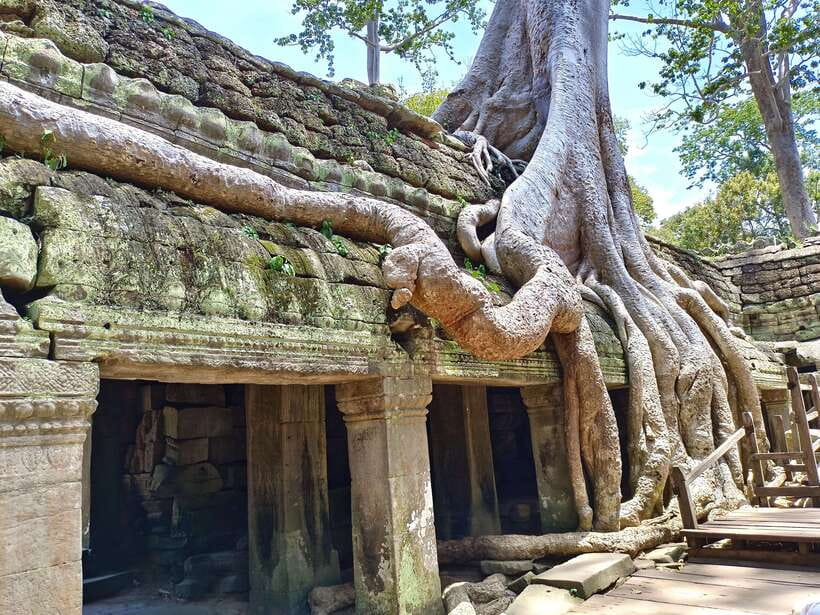
Then you move to Preah Khan, a ruined temple that still feels alive because of the visuals: crumbling stone, plus the dramatic look of roots taking over structures. This is the kind of place where a good guide makes a difference. You’ll spend time connecting what you’re seeing to what it likely meant in its original setting.
You end the day with sunset at Bakheng. This is one of those “yes, it’s popular” moments, but it’s popular for a reason. The light changes how the stone reads, and the viewpoint energy feels different when you’re not rushed.
Day 2: Pre-dawn Angkor Wat, then Ta Prohm and Ta Nei
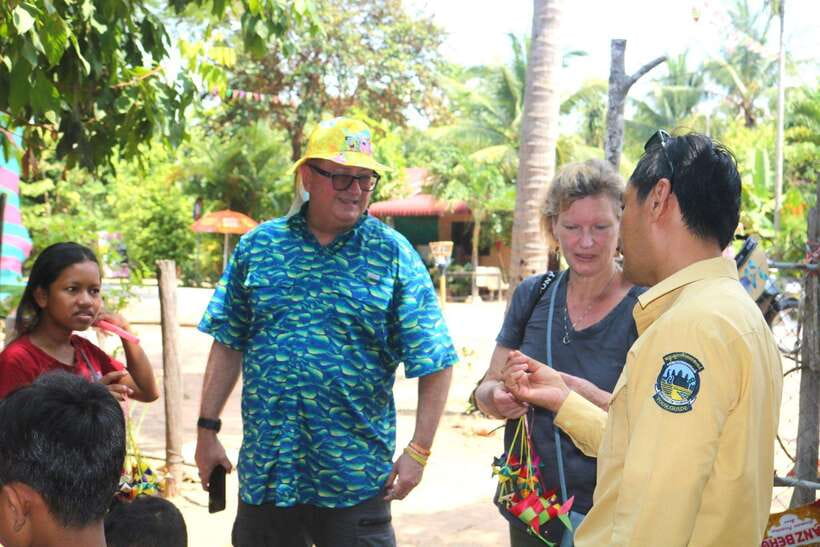
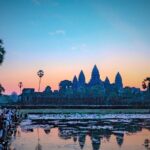
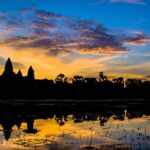
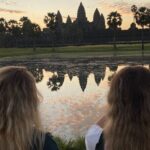
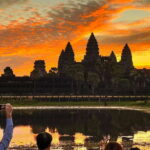
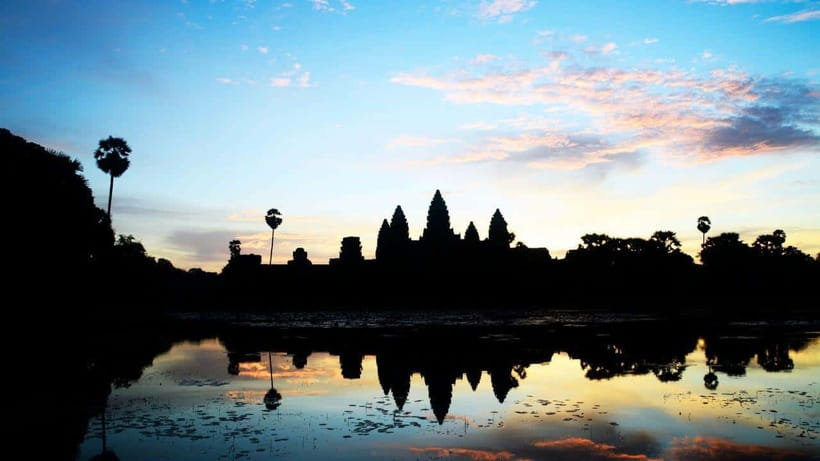
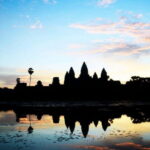
The next morning starts before dawn for Angkor Wat sunrise—positioned outside Angkor Wat. You’ll have time to soak up the atmosphere from near one of the ancient library pools, then you’ll shift into the temple itself.
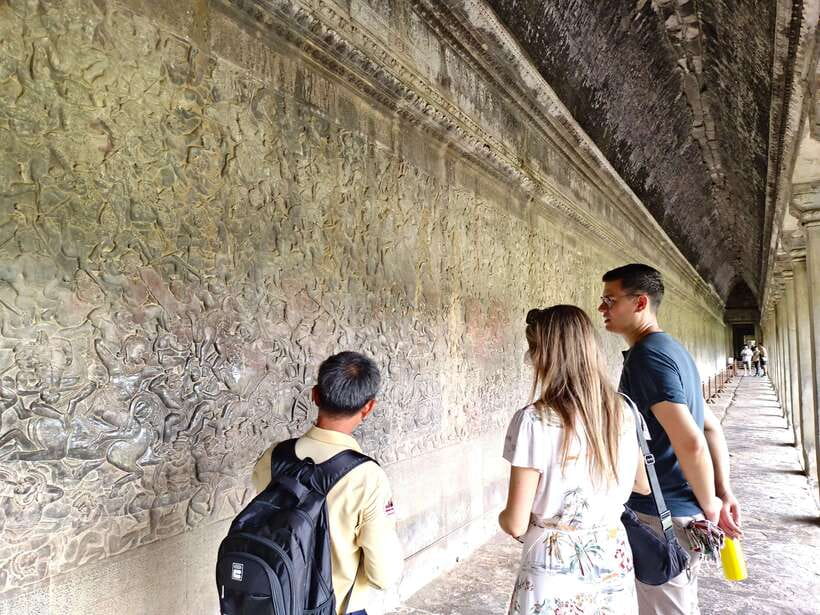
What makes this day satisfying is the pacing once you’re inside. You’re scheduled to spend around two hours exploring the corridors, central chambers, and upper terraces. That’s the difference between “seeing Angkor” and actually understanding what you’re looking at. Without context, you can feel lost in the scale. With a guide, you start to recognize patterns and how the layout funnels your eye.
After that, you get breakfast at a local restaurant near the temple area. Meals aren’t included on the tour overall, but this stop is a helpful built-in option because it keeps you from scrambling for food right after sunrise. It also lets you refuel before another big block of temple walking.
Then you drive to Ta Prohm, the famous Tomb Raider temple. Yes, it’s iconic, but it works best when you treat it like a living ruin: trees framing doorways, stones holding on, and the “caught in time” mood that makes photographers and art nerds happy.
You finish the main circuit day with Ta Nei, a long but rewarding stop dedicated to the Buddha. The value here is contrast. Ta Prohm is instantly recognizable; Ta Nei helps you see that Angkor’s religious world changed over time, and the stones reflect those shifts.
Day 3: Kampong Phluk on Tonle Sap, plus a seasonal reality check
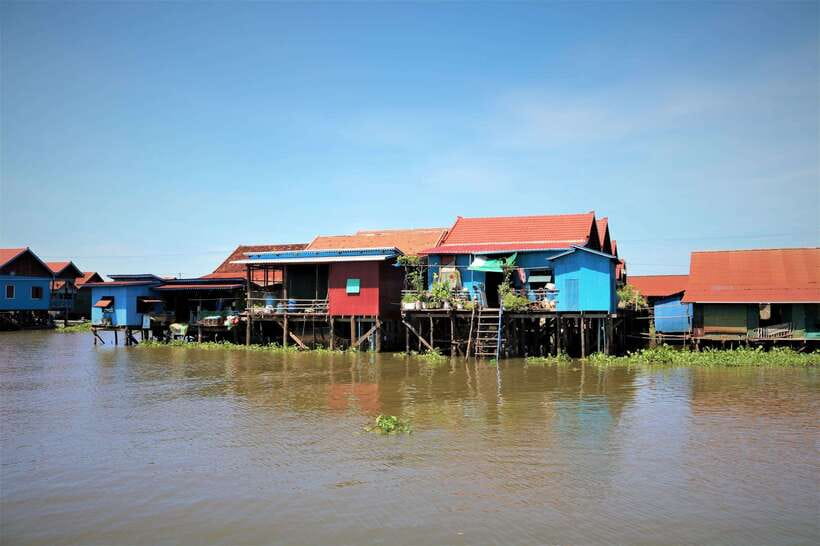
On the final day, you’re picked up around 8:00 AM and driven through the countryside to Tonle Sap Lake, described as the world’s second-largest freshwater lake. The big teaching moment here is how dramatically it changes: during the wet season the lake swells to about 12,000 square kilometers, and in the dry half it shrinks to around 2,500 square kilometers, draining into the Tonle Sap River.
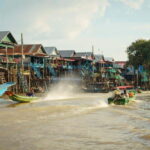
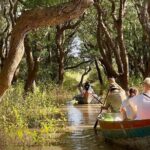
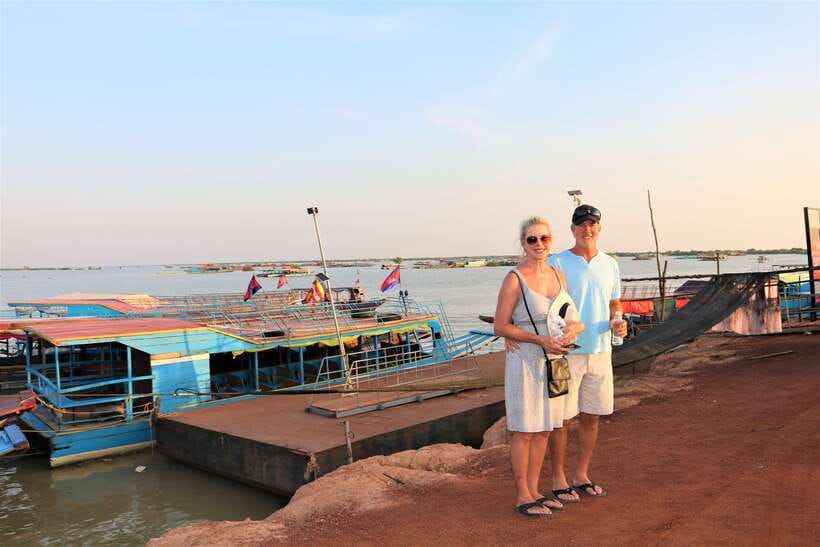
Then you board a boat for Kampong Phluk, a set of three small fishing villages in a flooded forest setting. The practical win of the lake portion is that it breaks the Angkor-only rhythm. One day you’re decoding temple geometry; the next you’re watching how people live with the water’s calendar.
Lunch is at your own expense, and there’s time for a short rest after the boat trip, which is important. Boat mornings can make you a bit stir-crazy, and you’ll want energy back for whatever you do next in Siem Reap.
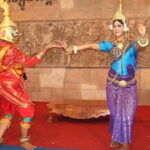
One more key thing: the tour notes a seasonal switch. In the dry season (listed as March–July), Tonle Sap can be less accessible due to water levels, and the alternative may be Cambodia Phare Circus (Seat C). If you’re traveling in those months, it’s worth planning your expectations around that possibility.
The guide makes the difference, especially for photography and pacing
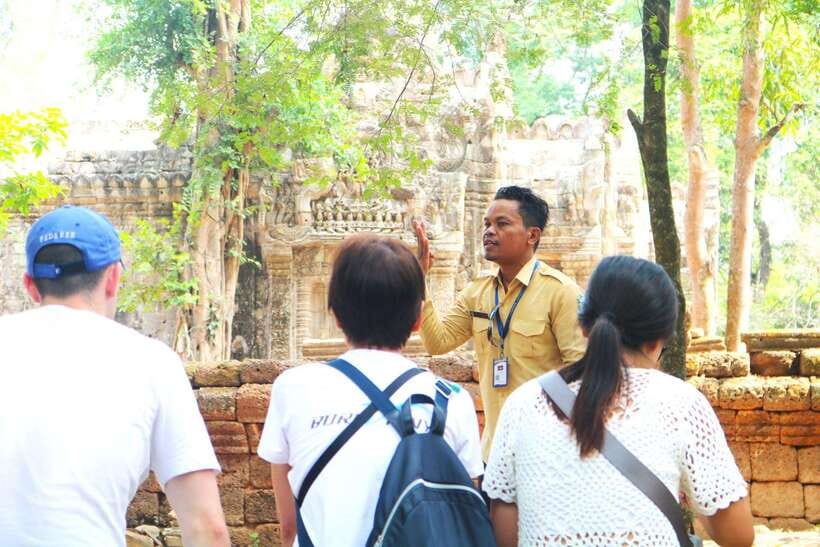
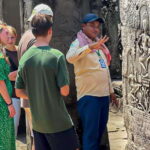
This is one of those experiences where a guide can turn stone into something you can explain to your travel partner later. English-speaking guides on this tour are known for breaking down temple periods and construction in a way that doesn’t overwhelm you. You can ask questions, and you’ll usually get straight answers without a lecture vibe.
You might even be with names that have come up in past bookings, such as Sopheap Rath, Pal Saruon, Sokpee, Chhay, Rom/Ruem, or Sam. A few guides are also noted for helping you find good photo stops. That matters because Angkor is full of “great angles” that are hard to spot quickly in the early light.
The other practical benefit: pacing. Angkor sites can drag if you’re wandering alone, and they can feel exhausting if you’re rushed. This tour’s structure keeps you moving with intention—especially on the sunrise-to-interior segment at Angkor Wat.
You can also read our reviews of more tours and experiences in Siem Reap
Price and logistics: what $69 buys, and what costs extra
The price is listed as $69 per person for about 2.5 days, with pickup and drop-off, an English-speaking guide, sunrise at Angkor Wat and sunset at Bakheng, plus key temple visits (including Ta Prohm and Angkor Thom with Bayon, and Banteay Srei on the circuit).
Here’s the honest math: temple entrance tickets are listed separately as $62 per person for 2–3 days, covering temple access. Meals aren’t included, either. So your realistic “all-in” budget tends to look more like tour price + ticket price + meals.
Is that value? For most people, yes—because you’re not just buying transport. You’re paying for:
- skip-the-ticket-line time
- sunrise and sunset planning
- interpreting what you’re seeing
- air-conditioned driving between sites
- small-group pacing at your own speed (private tour availability is part of the pitch)
If you already have tickets and you’re comfortable navigating the sites without a guide, you could do it cheaper on your own. But if you want the experience to feel coherent and not like a puzzle you have to solve at every turn, the structure makes the $69 more reasonable.
What to bring, and how to dress for Angkor sites
This one is straightforward. Bring comfortable shoes and insect repellent. And dress respectfully: the tour notes that you should cover shoulders and knees, and shorts are not allowed.
Also plan for a lot of time on foot. You’re going to sunrise, temple interiors, and outer areas, then you’ll shift to a boat day on Tonle Sap. Good footwear is the easiest way to keep that experience enjoyable instead of annoying.
Who this tour fits best (and who should skip it)
This tour is a strong match if you want:
- temple highlights without getting lost in logistics
- a structured day for sunrise and sunset
- guided context for both the major sites and the “supporting cast” temples
- a change of pace with Tonle Sap village life afterward
It’s not a match if you need wheelchair accessibility. The tour states it is not wheelchair accessible.
Should you book this Angkor Wat sunrise + Tonle Sap tour?
I’d book it if sunrise and sunset are non-negotiable for you, and you want a guide to help you understand what you’re seeing instead of just collecting photos. The Tonle Sap add-on is also a smart counterbalance to temple overload, especially when the schedule is timed well and you get real time at Kampong Phluk.
I would hesitate if you’re trying to squeeze every dollar and you’re fine touring Angkor on your own. With tickets ($62) and meals on top, your total budget matters. Also, if you’re traveling during the March–July dry-season window, remember Tonle Sap may be replaced with Cambodia Phare Circus, so check your dates against that.
If you want an organized, photo-friendly, story-rich Angkor experience with a genuine day trip that goes beyond stone, this one earns its place.
FAQ
What is the price and duration of this tour?
The tour is priced at $69 per person and lasts about 2.5 days.
Are temple entrance tickets included?
No. Temple entrance tickets are not included and are listed as $62 per person for 2–3 days covering all the temples.
Are meals included?
Meals are not included.
What is included in the tour package besides the guide?
You get hotel pickup and drop-off, an English-speaking guide, sunrise at Angkor Wat and sunset at Bakheng Temple, temple visits including Ta Prohm and Angkor Thom with Bayon, an air-conditioned vehicle, bottled water, and a cool towel. The tour also includes skip-the-ticket line.
Is Tonle Sap part of the experience?
Yes. You’ll visit Tonle Sap Lake and take a boat trip to Kampong Phluk Fishing Village.
What time is the pickup for the Tonle Sap day?
Pickup is listed around 8:00 AM from your accommodation in Siem Reap.
What should I wear and bring?
Bring comfortable shoes and insect repellent. Dress respectfully by covering shoulders and knees; shorts are not allowed.
Is there a sunrise and sunset included?
Yes. You’ll have sunrise at Angkor Wat and sunset at Bakheng Temple.
Is the tour wheelchair accessible?
No. The tour is not wheelchair accessible.
Can I cancel and get a full refund?
Yes. You can cancel up to 24 hours in advance for a full refund.
What happens in the dry season for Tonle Sap?
In the dry season (March–July), due to water level, the Tonle Sap alternative listed is Cambodia Phare Circus (Seat C).