REVIEW · SIEM REAP
3-Day Tour of Siem Reap, Angkor Temples & Phnom Kulen Waterfall
Book on Viator →Operated by Hok Cambodia Journeys · Bookable on Viator
Sunrise and sunset at Angkor makes this trip feel cinematic. This 3-day route strings together major Khmer temples and quieter, off-the-beaten-path stops, guided end to end by Hok Cambodia Journeys. I like the way the schedule balances big wow moments with meaningful context, and you get hotel pickup plus an English-speaking guide who keeps things moving without rushing.
Two things I especially like: you see the Angkor story in layers, not just the postcard hits, and the guide approach is practical. In the reviews, Mr Hok is described as passionate, funny when it fits, and clear when explaining what you’re looking at, which helps a site like Bayon or Ta Prohm make sense fast. One thing to consider: temple admission tickets and the Phnom Kulen ticket are not included, so you’ll need to budget for entry fees in addition to the $250 tour price.
In This Review
- Key things to know before you go
- Why Angkor Wat sunrise + sunset is worth planning around
- Day 1: Angkor Wat, Angkor Thom, Bayon, Ta Prohm, and Pre Rup
- Stop 1: Angkor Wat (plus village and forest time)
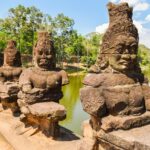
- Stop 2: Angkor Thom
- Stop 3: Bayon Temple
- Stop 4: Baphuon Temple + Stop 5: Terrace of the Elephants
- Stop 6: Ta Prohm
- Stop 7: Pre Rup
- Stop 8: Phnom Bakheng (sunset focus)
- Day 2: 4:30am sunrise Angkor Wat plus Banteay Srei and more
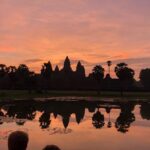
- Stop 1: Angkor Wat at sunrise
- Stop 2: Banteay Srei (pink stone and delicate detail)
- Stop 3: Preah Khan
- Stop 4: Ta Som + Stop 5: Neak Pean
- Stop 6: Banteay Samre
- Day 3: Phnom Kulen sacred mountain, Beng Mealea jungle ruins, Tonle Sap life
- Stop 1: Phnom Kulen National Park
- Stop 2: Prasat Beng Mealea
- Stop 3: Tonle Sap Lake and the floating village area
- What you’re paying for: the $250 value and what to budget extra for
- Comfort, timing, and how to handle the long temple days
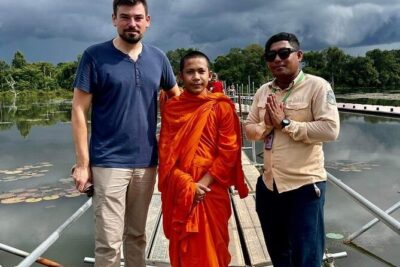
- The Hok Cambodia Journeys factor: guide style that actually helps
- Who this tour suits best
- Should you book it: the simple decision guide
- FAQ
- How long is the tour?
- Where does the tour take place?
- What time do I get picked up on the Angkor Wat sunrise day?
- What does the tour price include?
- Are temple admission tickets included?
- Is accommodation included?
- Is this a private tour?
- Does the tour include meals?
- Can I cancel and get a refund?
Key things to know before you go
- Private, hotel-to-hotel style timing: you’re picked up and kept together as one group, not folded into a big cattle lineup.
- Two Angkor Wat moments: a standard day visit plus an early start for sunrise, which dramatically changes the feel.
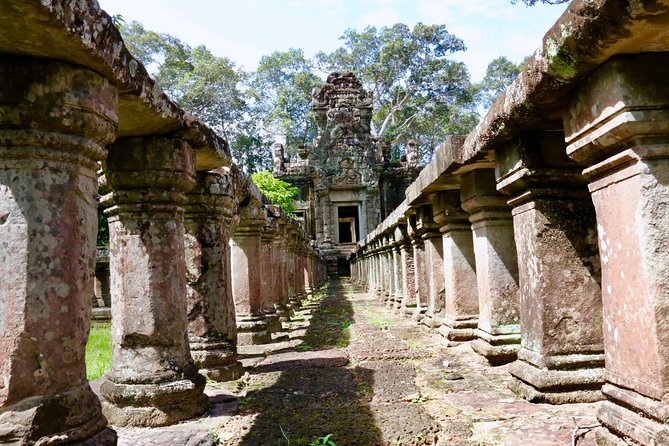
- A lot of ground covered: Angkor Wat, Angkor Thom, Ta Prohm, plus Banteay Srei and more of the “small circuit” temples.
- Phnom Kulen adds the sacred-nature contrast: waterfalls, a reclining Buddha, and a sacred river area (with thousand Lingas).
- Beng Mealea is for the adventure-minded: a remote jungle temple that feels different from the main complexes.
- Cooling included: air-conditioning in the car plus cool water and towels makes long driving days easier.
Why Angkor Wat sunrise + sunset is worth planning around
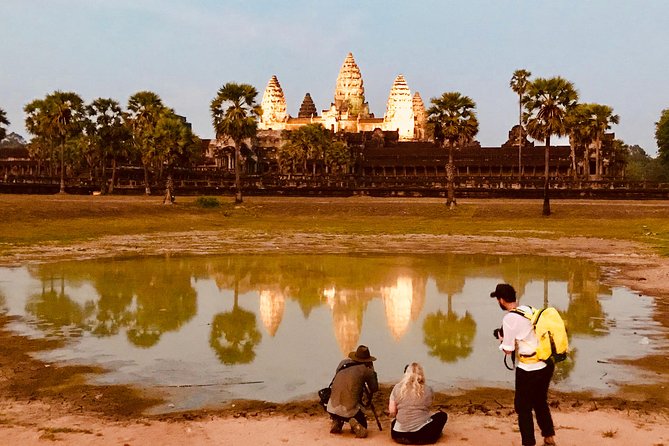
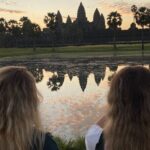
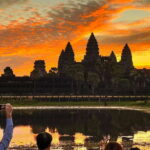
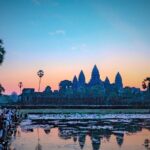
Angkor Wat is the headline, but the trick is that it hits differently depending on time of day. This tour is built for that. You get one daytime round of Angkor Wat on Day 1 and then an extremely early pickup for the sunrise on Day 2. The result is not just better photos. It’s also a calmer rhythm: you arrive before crowds fully swell and you learn the site with less noise in the air.
What makes this route work is the sequencing. Day 1 focuses on the big Angkor cluster, then Day 2 returns to Angkor Wat at sunrise and continues outward into temples many people skip. Day 3 breaks away from temples into Phnom Kulen National Park and Beng Mealea, then finishes with Tonle Sap lake life. You end up with a complete “Cambodia in three days” feeling rather than a temple-only checklist.
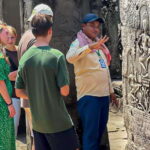
The tour style also helps. Mr Hok is repeatedly praised for explaining with clarity and sincerity, and for switching gears between humor on the road and seriousness when it matters at the monuments. That matters at Angkor, where carvings, symbols, and layout can feel confusing unless someone points out what you’re actually seeing.
You can also read our reviews of more tours and experiences in Siem Reap
Day 1: Angkor Wat, Angkor Thom, Bayon, Ta Prohm, and Pre Rup
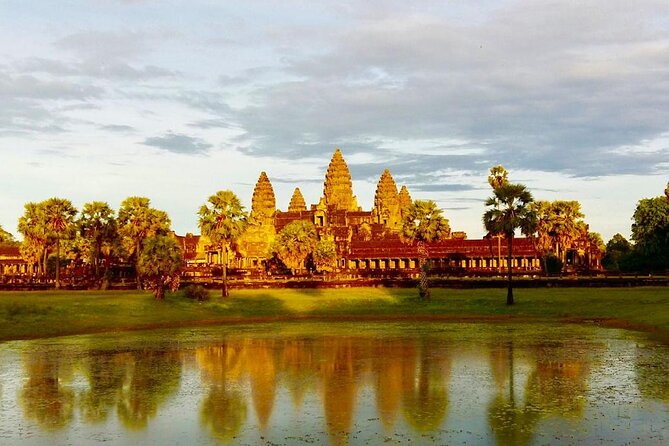
Day 1 starts at 8:00am with hotel pickup and a drive toward Angkor Wat. Before you even reach the main temple grounds, you’re set up for an easier day: the air-conditioned vehicle keeps the heat down, and the included cool water and towels help you stay comfortable while you walk.
Stop 1: Angkor Wat (plus village and forest time)
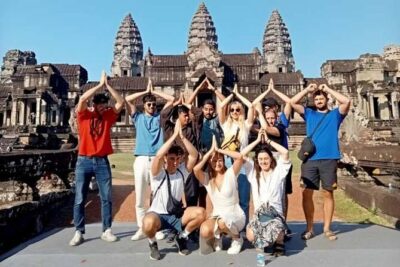
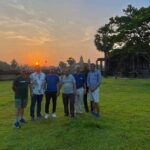
You’ll have about 2 hours at Angkor Wat. The tour also includes time to explore nearby local villages and the forest around Angkor Wat. That’s a smart add-on because it reminds you Angkor isn’t an isolated museum piece. It sits inside a living region, shaped by daily life and surrounding nature.
A practical note: since admission to temples isn’t included, you’ll want your entry plan sorted before you arrive so you don’t lose time at ticket points.
Stop 2: Angkor Thom
Next comes Angkor Thom, described as a stronghold capital city from the Khmer Empire era. You get a shorter stop here, about 30 minutes, which is ideal for the layout and key landmarks without turning Day 1 into an all-day slog.
Stop 3: Bayon Temple
Bayon sits in the center of Angkor Thom and is associated with King Jayavarman VII and Lord Lokesvara. The visit is about 1 hour. This is a good length for Bayon because you can actually notice the faces and understand how the temple’s placement fits the royal city design, instead of treating it like a quick photo stop.
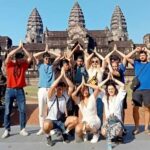
Stop 4: Baphuon Temple + Stop 5: Terrace of the Elephants
You’ll spend 45 minutes at Baphuon and 30 minutes at the Terrace of the Elephants. Together, these stops are useful because they connect the religious purpose of temples with the royal power story of the Khmer court. The Terrace of the Elephants, sitting in front of the royal palace area, is especially memorable because it hints at how organized and ceremonial the empire’s leadership was.
Stop 6: Ta Prohm
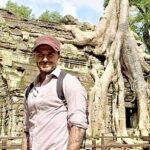
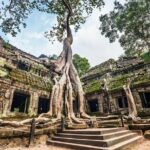
Ta Prohm is the jungle temple tied to the movie The Tomb Raiders, and it’s one of those places where the setting does half the storytelling. You’ll get about 1 hour here. What makes Ta Prohm so compelling is the contrast: carved stone is wrapped in tree roots, giving you a visual reminder of time passing even when the original structure was built to last.
Stop 7: Pre Rup
Pre Rup takes about 30 minutes. It’s presented as a state temple built under King Rajendravarman II, dedicated to Lord Shiva, with symbolic ties to Mount Meru. Even in a short visit, this stop helps tie the iconography together: you start seeing repeating themes across the empire’s temple design.
Stop 8: Phnom Bakheng (sunset focus)
Finally, the day includes Phnom Bakheng, about 1 hour. The tour description notes it’s a major sunset spot with thousands of people arriving for that view. Even if your group doesn’t chase the highest platform angle all day, Phnom Bakheng gives you the sense that Angkor isn’t only about standing still. It’s about viewing, waiting, and watching light change over the structures.
Day 2: 4:30am sunrise Angkor Wat plus Banteay Srei and more
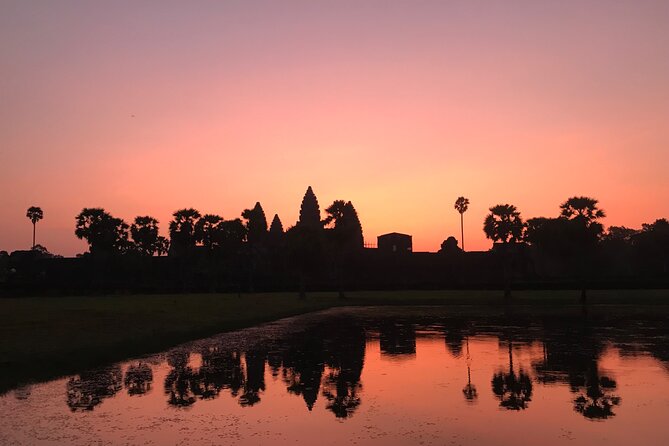
Day 2 starts early. Pickup is 4:30am, with the goal of catching sunrise at Angkor Wat. This is the type of early that’s absolutely worth it for first-timers, because sunrise light brings out details in stone and reduces the usual chaos. Also, the timing gives you a more focused walk-through before the day crowds fully build.
Stop 1: Angkor Wat at sunrise
You’ll spend around 1 hour 30 minutes at Angkor Wat. The key here is to treat it like a changing scene, not a single photo moment. With the guide pointing out religious symbolism and architectural layout, sunrise becomes less about rushing from spot to spot and more about understanding why the temple is arranged the way it is.
Stop 2: Banteay Srei (pink stone and delicate detail)
Then you head to Banteay Srei for about 1 hour. It’s described as the pink stone temple, located around 37km north of Angkor Wat. This stop is a nice change from the heavier, larger monuments because it’s known for its refined carvings and graceful form. If you’re the type who likes to slow down and look closely at craftsmanship, this is your reward.
Stop 3: Preah Khan
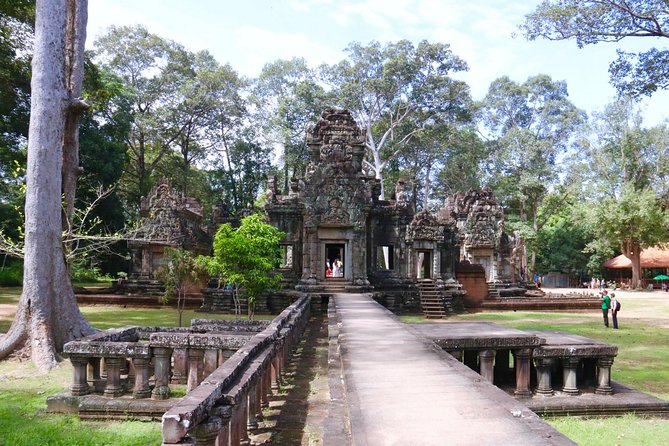
Preah Khan, also known as Holy Sword Temple, gets about 1 hour. It’s noted as one of the larger complexes in the Siem Reap area, and much of it is in good condition, with fine Khmer carvings. The value of this stop is that it feels like you’re walking through the past, not just looking at isolated highlights.
Stop 4: Ta Som + Stop 5: Neak Pean
Ta Som is about 30 minutes, followed by Neak Pean for about 30 minutes. Neak Pean is especially interesting because it’s described as being surrounded by water and connected to ancient medical beliefs. The name Neak Poan meaning entwined serpents adds a myth layer that makes it more than just a scenic break.
These are the stops that help you avoid the “temple blur” problem. By spacing them out, you get variety in shapes, stories, and setting.
Stop 6: Banteay Samre
Day 2 ends at Banteay Samre for about 30 minutes. It’s described as well preserved, built under King Suriyavarman II and dedicated to family and friends. Even as a shorter stop, it gives you another example of how the Khmer empire used temple space for more than one purpose: worship, social order, and commemoration all overlap.
Day 3: Phnom Kulen sacred mountain, Beng Mealea jungle ruins, Tonle Sap life
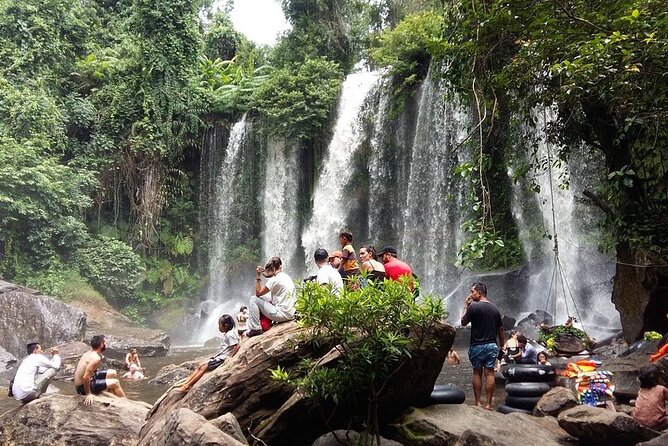
Day 3 shifts away from the main Angkor circuits and into a more spiritual and natural setting. You’ll be on the road early enough to make the day feel full, but the structure stays balanced: a main nature-sacred visit first, then a remote temple, then the lake.
Stop 1: Phnom Kulen National Park
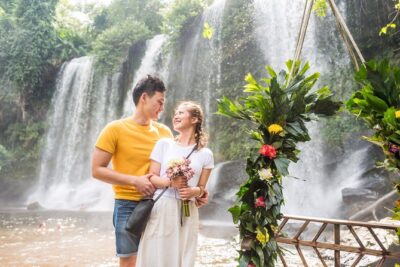
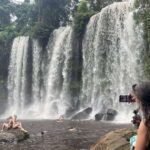
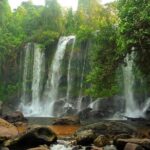
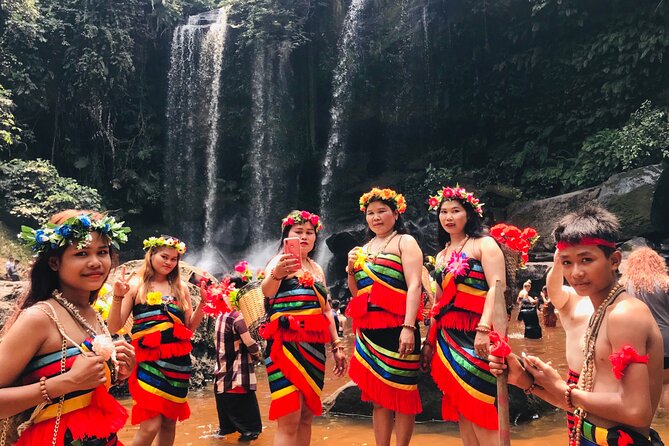
Phnom Kulen takes about 2 hours. The tour description highlights multiple features: holy waterfalls, a reclining Buddha, a sacred river with thousand Lingas, plus Srash Damrei and Bat Cave. Even if you only get a partial look at everything in the time, it’s still a big shift from stone towers and courtyards. This is more about sacred geography and the feeling of place.
If you’re sensitive to heat, plan for walking comfort. National parks tend to mean uneven surfaces and sun, and the included water helps.
Stop 2: Prasat Beng Mealea
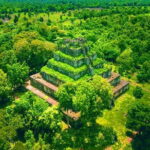
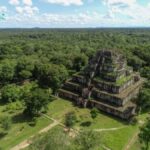
Next is Prasat Beng Mealea, about 1 hour. It’s called a remote jungle temple and is around 66km from Siem Reap (by road, as noted). Beng Mealea is different from the restored main temples. You get a more rugged sense of how ruins might have looked before they were cleaned up for mass tourism.
Stop 3: Tonle Sap Lake and the floating village area
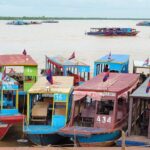
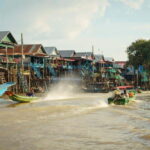
The day ends at Tonle Sap Lake for about 1 hour. The tour describes it as Southeast Asia’s largest freshwater lake and a central part of Cambodia’s ecosystem. The overview also mentions a floating village at Tonle Sap as part of the experience, so this stop is about human life and the way communities adapt to the lake’s rhythms.
This ending is a smart choice. You finish with everyday Cambodia rather than one more temple silhouette.
What you’re paying for: the $250 value and what to budget extra for
At $250 per person for roughly three days, the cost works best for people who want guided efficiency without giving up control over their pace. Here’s what you actually get:
Included features:
- Air-conditioned vehicle
- English-speaking guide
- Cool water and towels
- Meals: 2 lunches and drinks
Not included:
- Angkor temple tickets
- Phnom Kulen ticket
That ticket detail is the big budgeting point. Since admissions are separate, you’ll want to plan your overall spend early. Still, the tour price covers the guided route, transportation, and the day structure that makes hitting sunrise, jungle temples, and lake life possible in just three days.
Also, the tour is described as private. That’s not just about comfort. It usually means less waiting around and more chances to ask questions without feeling rushed.
Comfort, timing, and how to handle the long temple days
Three days in Siem Reap with lots of walking can feel like a lot, so I look at the small practicals first:
- The schedule includes long drives and early mornings, but the air-conditioned vehicle plus included water keeps you from feeling wiped out by heat.
- The stops are mostly timed in sensible chunks, often 30 to 60 minutes, so you don’t spend the whole day only watching guide explanations.
- You have a day 2 sunrise start at 4:30am. That’s the one timing stress point. If you’re not a morning person, bring patience and expect that your energy shifts.
One more practical point: sunrise and sunset at major temple areas can mean lots of people nearby. Even when your time on-site is timed as part of the tour, you may still feel crowd energy at the viewing spots. That’s normal here. Your guide’s job is to help you get the best view and make sense of what you’re seeing even when you’re shoulder-to-shoulder.
The Hok Cambodia Journeys factor: guide style that actually helps
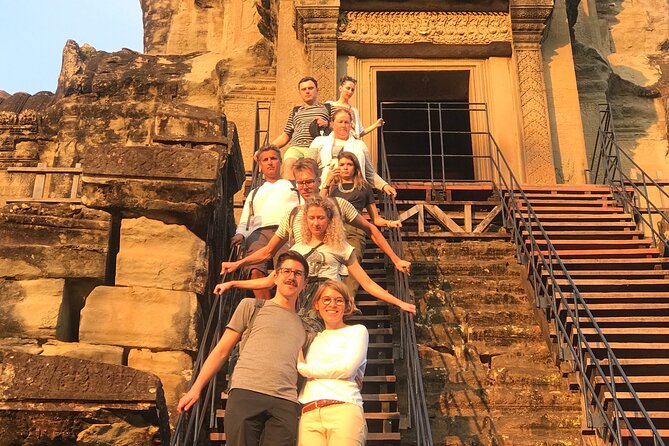
In the reviews, the guide is a consistent theme. Mr Hok gets praise for being dedicated and passionate, for telling attraction stories instead of reciting facts, and for speaking with clarity. He’s also described as humorous on the road but serious when explaining temple meaning.
That combo matters at Angkor because the sites are visually overwhelming. When someone helps you connect carvings, symbols, and layouts to Khmer culture and religion, you leave with more than memories. You also get a clearer mental map of what each temple is doing in the larger story.
If you’re traveling solo, with a partner, or with a first-time group in Cambodia, the guide support also adds a safety and confidence layer. One review specifically mentions the sense of comfort and security first-time visitors felt when choosing him for the itinerary.
Who this tour suits best
This 3-day plan is a strong match if you:
- Want Angkor Wat at sunrise and sunset timing
- Prefer a guided day over solo logistics
- Like variety: big temples, jungle ruins, sacred nature, then lake life
- Want a private group setup rather than a crowded tour bus experience
It may not be the best fit if you:
- Have zero interest in early mornings (Day 2 is very early)
- Don’t want to budget extra for temple admissions
- Want a totally slow travel pace with lots of free time unstructured
Should you book it: the simple decision guide
I’d book this tour if you want a smart, organized Angkor circuit plus Phnom Kulen and Beng Mealea without spending your vacation piecing it all together. The value isn’t just the number of stops. It’s the way the schedule is shaped around the two biggest Angkor experiences—sunrise and the later-day viewing atmosphere—and then balanced with calmer, story-rich sites.
I’d pause before booking if you’re trying to keep costs as low as possible, since temple tickets and the Phnom Kulen ticket are separate. Also, if you hate early starts, consider whether you can handle the 4:30am pickup without feeling miserable.
If you do book, do yourself a favor: plan your total budget early, wear shoes you can walk in all day, and let the guide lead the narrative. Angkor is much more rewarding when you understand what you’re looking at, not just where to stand for the shot.
FAQ
How long is the tour?
It runs for 3 days (approx.).
Where does the tour take place?
It’s based in Siem Reap, covering Angkor temples and Phnom Kulen National Park, plus Tonle Sap Lake.
What time do I get picked up on the Angkor Wat sunrise day?
Pickup is at 4:30am for the sunrise visit to Angkor Wat.
What does the tour price include?
The tour includes an air-conditioned vehicle, an English-speaking guide, cool water and towels, and 2 lunches with drinks.
Are temple admission tickets included?
No. Angkor temple tickets are not included, and you’ll also need the Phnom Kulen ticket separately.
Is accommodation included?
No. Accommodation is not included, so you choose your own place to stay.
Is this a private tour?
Yes. It’s private, meaning only your group participates.
Does the tour include meals?
Yes. You get 2 lunches and drinks during the 3 days.
Can I cancel and get a refund?
You can cancel up to 3 days in advance of the experience for a full refund. If you cancel less than 3 days before the start time, the amount paid is not refunded.