REVIEW · SIEM REAP
The Ultimate Angkor Wat Temple Private Day Trip
Book on Viator →Operated by Withlocals · Bookable on Viator
Angkor can feel like a stampede. This private day trip helps you slow down and see Angkor Wat up close, with a guide who explains what you’re looking at instead of drowning you in facts. I like the focus on carving details and temple symbolism, plus the way the day is set up to feel more personal than the big-bus circuit.
You’ll also get pickup and drop-off with local tuk-tuk transport, so the day runs smoother for you. The one thing to watch: entrance fees and lunch aren’t included, so you’ll want to budget for temples and plan what you’ll eat during the day.
In This Review
- Key highlights you’ll feel right away
- A tuk-tuk private day is the real comfort upgrade at Angkor
- Price and value: what $64.03 buys (and what you still need)
- How the day actually runs: pickup, tuk-tuk time, and pacing
- Angkor Wat: bas-reliefs, symbols, and why the first stop sets the tone
- Bayon Temple and the south gate: 54 stone figures worth your attention
- Ta Prohm jungle temple: what makes it so atmospheric (and tricky)
- What the small-group approach changes (besides comfort)
- Guides make or break Angkor: Long and Leap as the example
- Who this private day trip is best for
- Practical tips to keep your day smooth
- Should you book this private Angkor Wat Temple day trip?
- FAQ
- How long is the Ultimate Angkor Wat Temple private day trip?
- Is this tour private?
- Do they pick me up from my hotel in Siem Reap?
- What transport do you use during the day?
- Are temple entrance tickets included?
- Is lunch included?
- What do I visit during the day?
- Can I cancel for a full refund?
Key highlights you’ll feel right away
- Private guide, small-group approach: Only your group, with less crowd stress than standard tours.
- Tuk-tuk transportation: Easy, local, and practical for hopping between major sights.
- Angkor Wat’s bas-reliefs explained clearly: You’ll learn what the carvings and symbols mean as you look.
- Bayon’s south gate and causeway details: The 54 stone figures are a specific wow moment.
- Ta Prohm’s jungle feel: Expect an atmospheric stop where trees and stones share the frame.
- Mobile ticket included: A small convenience that can help your timing.
A tuk-tuk private day is the real comfort upgrade at Angkor
Angkor is famous, but that fame brings crowds. What I like about this style of trip is that it’s built for a calmer pace. Instead of arriving as a group that gets herded from photo point to photo point, you’re guided through the temples with time to actually look.
And that looking matters. Angkor isn’t just “big buildings.” It’s a whole visual language: stone carvings, repeating motifs, and layouts that guide your eyes and your route. A good guide helps you notice patterns you’d otherwise miss—especially at Angkor Wat, where the surface details can be overwhelming if you don’t know where to look first.
You can also read our reviews of more private tours in Siem Reap

Price and value: what $64.03 buys (and what you still need)
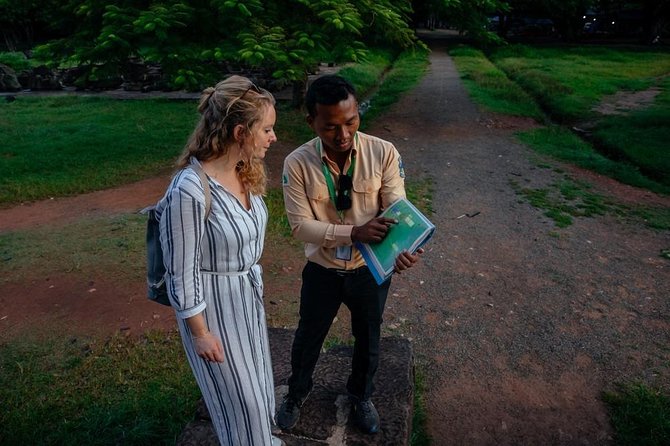
At $64.03 per person for a roughly 7-hour private experience, you’re paying mainly for three things: a private guide, transport by local tuk-tuk, and hotel pickup and drop-off. That’s a solid value setup in Siem Reap because it removes the friction of planning transport, navigating between sites, and figuring out what to prioritize once you arrive.
Two items to plan for:
- Lunch isn’t included. You’ll need to handle food on your own.
- Entrance to attractions isn’t included (even if the trip outline talks about tickets elsewhere). So assume you’ll buy temple entry fees separately.
Also, if you’re traveling with more people, the listing notes group discounts, which can make the per-person value even better. This is the kind of tour where the guide quality can make the difference between a “saw temples” day and a “I get what I’m seeing” day.
How the day actually runs: pickup, tuk-tuk time, and pacing
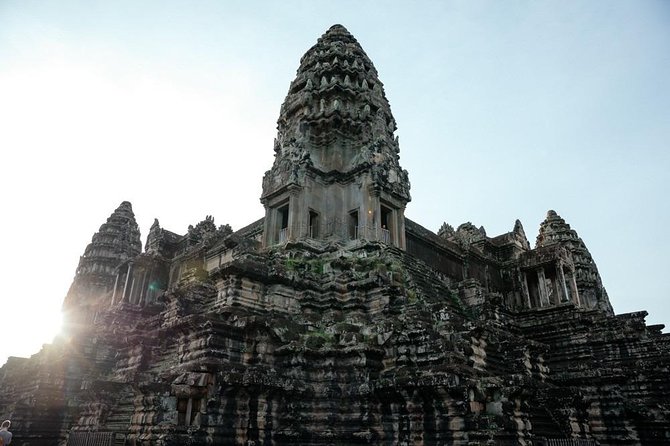
This is a private tour, meaning only your group participates. For many people, that alone is worth something: you’re not waiting for strangers or adjusting your pace to someone else’s photo plan.
The transport is a local tuk-tuk, which is practical for two reasons. First, you get flexibility in how you move between big temple zones. Second, it keeps the day feeling local rather than like you’re inside a sealed tourist bubble.
One more practical note: the trip requests moderate physical fitness. That usually means you should be comfortable walking, standing for periods, and moving across uneven temple grounds. If you know you get worn down quickly in hot weather or on lots of steps and pathways, consider that before booking.
Angkor Wat: bas-reliefs, symbols, and why the first stop sets the tone
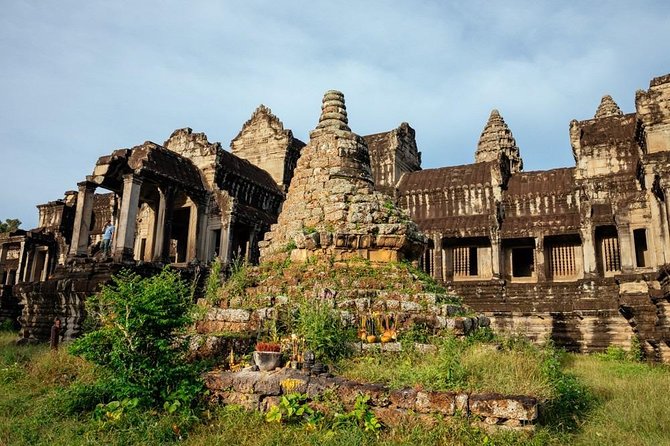
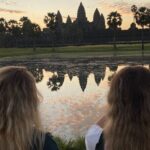
Angkor Wat is the headline, but the smart move here is how the visit is framed. The guide helps you understand the significance of the intricate bas-relief carvings and the symbols used in the temple. That turns the place from a photo opportunity into a story you can follow.
Here’s what this usually feels like on the ground: you look at a panel or figure, the guide points out what you’re seeing, then you start spotting repetition and meaning across different sections. Bas-relief carving isn’t random decoration. It’s narrative and visual theology in stone—meaning once you grasp a few key symbols, the whole complex starts clicking into place.
The timing for this stop is about 2 hours. That’s long enough to take in major areas without making the day feel rushed, especially when you’re learning rather than just walking past.
A practical drawback to keep in mind: Angkor Wat can be visually intense. If you’re sensitive to heat or glare, you’ll want to move at a comfortable pace and accept that your day won’t be one endless sprint of pictures.
Bayon Temple and the south gate: 54 stone figures worth your attention
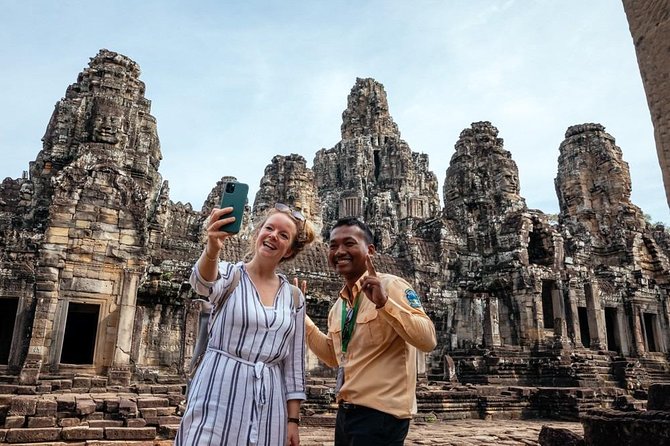
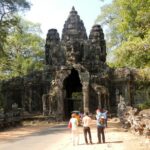
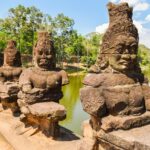
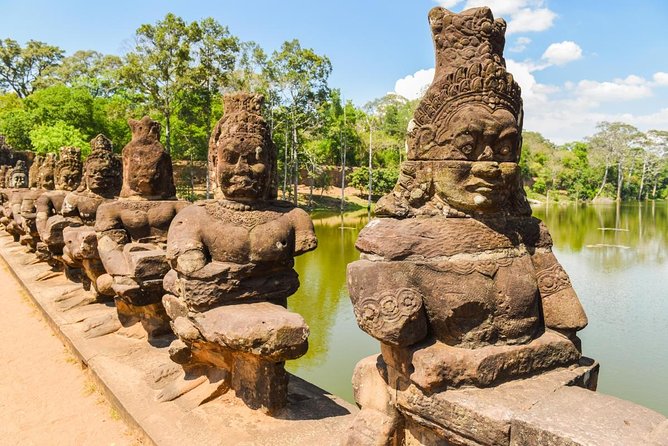
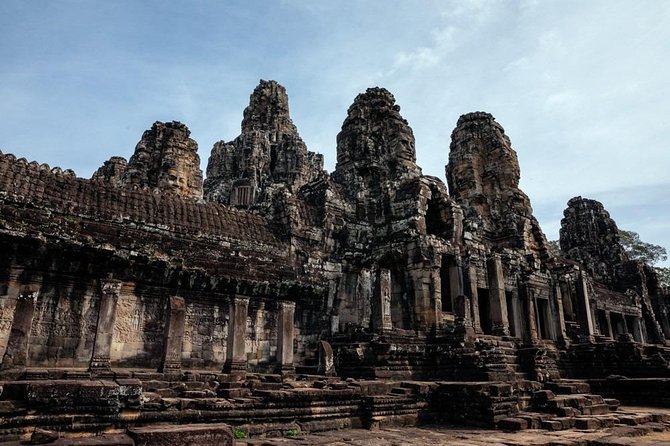
Next comes Bayon Temple, and this is where the experience gets more character. You’ll head to the south gate of Angkor Thom city and see the huge statue and the approach.
The standout detail is the long causeway leading to each entry tower, flanked by a row of 54 stone figures on each side. This is exactly the kind of detail that’s easy to miss when you arrive with a bus group. With a guide, you’re more likely to pause at the right moments and notice how the figures frame the pathway and create a sense of procession.
The visit runs about 3 hours, which is a good amount of time for Bayon because it rewards slow attention. You’ll often need a bit of time to re-orient yourself—Bayon’s visual rhythm can be disorienting at first, then suddenly it feels clear once you understand what to track.
One consideration: this is also the part of the day where fatigue can creep in. A 3-hour stop isn’t “too long,” but it’s enough time for your feet and focus to take a hit if you don’t pace yourself.
You can also read our reviews of more tours and experiences in Siem Reap



Ta Prohm jungle temple: what makes it so atmospheric (and tricky)
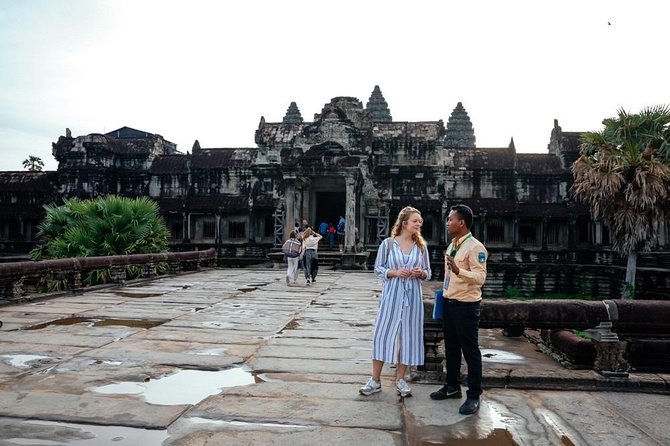
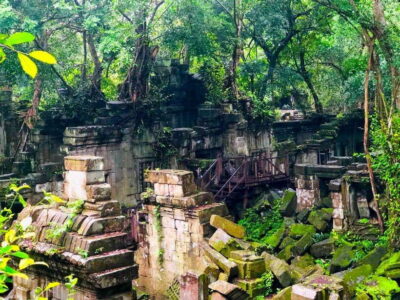
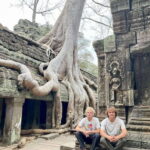
Then you reach Ta Prohm, often called the jungle or tree temple, because of the lush trees that surround and grow into the stonework. This stop tends to be the most cinematic, but it’s also the one where you need good rhythm.
Ta Prohm is about atmosphere. You’re not just looking at architecture; you’re looking at a scene where nature and masonry share the frame. If you’ve seen Angkor in photos, this is the one place where the real textures can feel different. The stone and tree roots create natural “layers” for your eyes, which helps you slow down.
This stop runs about 2 hours. That’s enough for photos, walking the key areas, and taking in the visual tension between carved forms and living growth. It’s also long enough that you’ll want to plan around heat and shade—some areas have less relief than others.
Practical tip: take a moment before you start shooting. I’d rather spend 60 seconds getting oriented and then move with purpose than burn time bouncing between the most obvious photo spots.
What the small-group approach changes (besides comfort)
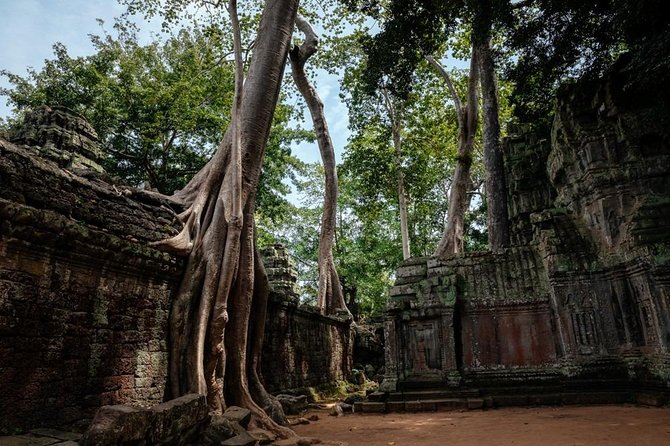
This is branded as a signature tour style that aims to avoid the standard tourist routes and keep groups small and non-intrusive. In plain terms, that means you’re less likely to feel like you’re fighting the flow.
When crowds are heavy, your experience usually breaks into two modes: quick look, fast photo, hurry onward. Here, the goal is more about pacing and noticing. That shift is huge at Angkor, because the carvings and layouts reward attention.
There’s also a values angle. The tour is listed as carbon neutral, and it supports local economies by working with local guides and local products. I treat those as a bonus, not the main reason to book—but they do matter if you care where your tourism money goes.
Guides make or break Angkor: Long and Leap as the example
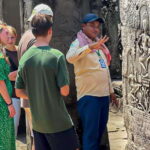
The most praised part of this experience in the feedback I saw is the guide. Names like Long and Leap come up with a consistent pattern: strong communication, a friendly approach, and real depth about what you’re seeing.
Here’s why that matters for you: temple sites can feel repetitive if you don’t have context. The guide’s job is to keep you from glazing over. When someone can explain what a bas-relief represents or why a gate and causeway are important, you stop collecting random images and start building understanding. That’s when a 7-hour day feels worth it.
It also helps with different group moods. One common theme from the feedback is that guides handle patience well, even when the group includes teenagers who might be less interested in history lectures. If you want the day to work for mixed ages, choose a tour like this that leans on guide skill, not just logistics.
Who this private day trip is best for
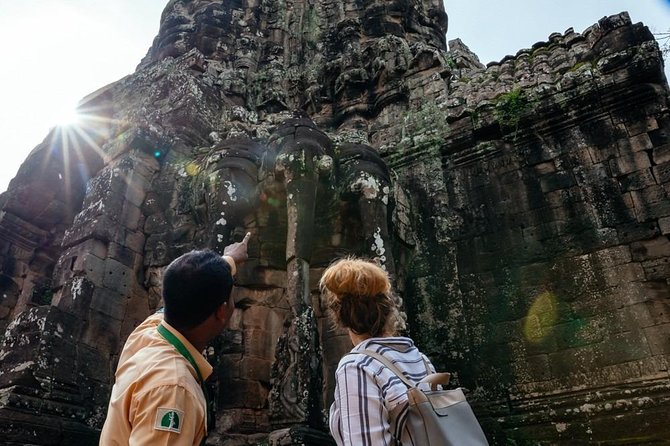
This fits you if:
- You want a guided, not crowded Angkor day
- You like explanations—especially around carvings and symbolism
- You prefer transport that keeps things simple (pickup, tuk-tuk, drop-off)
- You’re traveling as a pair or small group and want a more flexible pace
It may be less ideal if:
- You’re dead set on minimizing walking and steps. The tour expects moderate physical fitness.
- You want a fully packaged meal plan. Lunch isn’t included, so you’ll need to plan your food.
Practical tips to keep your day smooth
Even with a great guide, Angkor is still Angkor. Here’s how to stay comfortable and get more out of the day:
- Wear shoes you can trust on uneven ground. Temple surfaces can be slick or gritty.
- Bring a hat and something for sun protection. Even if the day isn’t a marathon, exposure adds up.
- Keep water with you if your guide allows it during stops.
- Plan your expectations: the goal is understanding and seeing key highlights, not ticking every single corner in one day.
If you’re the type who gets mentally tired after hours of ruins, pace yourself mentally too. Let the guide explain. Let the details land. Then take your photos.
Should you book this private Angkor Wat Temple day trip?
If you want Angkor Wat, Bayon, and Ta Prohm in one day without feeling like you’re trapped in a crowd machine, I think this is a strong booking. The private guide and tuk-tuk with pickup/drop-off are practical wins, and the best part is that the experience is designed to help you understand what you’re looking at, not just where to stand for a picture.
Book it if:
- You value a calm pace and clear temple explanations
- You’re okay budgeting for entrance fees and planning your own lunch
Skip it (or consider a different option) if:
- You need everything fully bundled including meals
- You have very limited mobility and want fewer walking demands
If you’re choosing your one “big Angkor day,” this is the kind of trip that makes that day feel thoughtful.
FAQ
How long is the Ultimate Angkor Wat Temple private day trip?
It runs about 7 hours.
Is this tour private?
Yes. It’s a private tour, and only your group participates.
Do they pick me up from my hotel in Siem Reap?
Yes, the tour includes guest pick up and drop off.
What transport do you use during the day?
You travel by local tuk tuk with your private guide.
Are temple entrance tickets included?
Entrance to attractions isn’t included, so you should plan to pay temple entry fees separately.
Is lunch included?
No, lunch isn’t included.
What do I visit during the day?
You’ll visit Angkor Wat, Bayon Temple (including the south gate), and Ta Prohm.
Can I cancel for a full refund?
Yes. Free cancellation is available up to 24 hours in advance for a full refund.