REVIEW · SIEM REAP
2 Day Cambodia Private Guided Tour in Angkor Temples
Book on Viator →Operated by About Cambodia Travel & Tours · Bookable on Viator
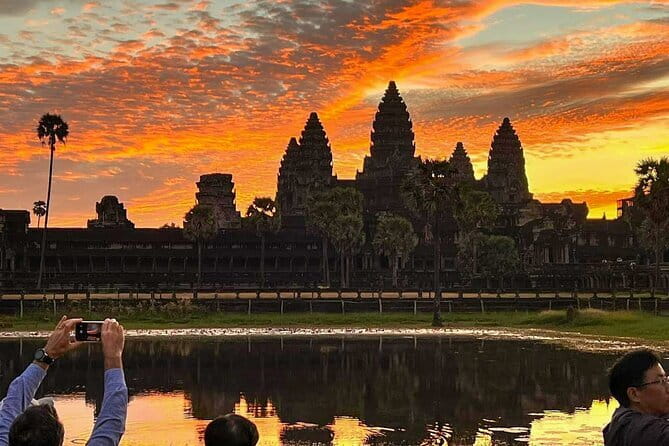
Angkor hits different when it’s guided, not rushed. This private 2-day plan lets you pair iconic Angkor Wat with a serious run of temples inside Angkor’s ancient city, then top it off with sunset at Phnom Bakheng. I also like that the tour uses a private air-conditioned car and keeps you comfortable with water and tissues. The one drawback to plan around is that entrance fees (the Angkor Pass) and meals are not included, so you’ll budget extra once you’re in the park.
You’ll get a licensed, English-speaking guide and hotel pickup in Siem Reap, with transport done by a private AC vehicle. That matters here because Angkor is spread out and the heat can be real, so having your own driver and guide saves time and stress. Just remember you’re visiting multiple temple sites, so you’ll want solid walking shoes and a realistic pace.
In This Review
- Key things I’d watch for
- A private English guide makes Angkor feel real
- Getting there smoothly: pickup, private AC vehicle, and comfort stops
- Day 1 through Angkor Thom: gates, towers, terraces, and Ta Prohm
- Phnom Bakheng sunset: the payoff viewpoint
- Day 2: Banteay Srei’s pink carvings and the quieter temple circuit
- Price and value: what your $113.05 really covers
- Heat-proofing your day (and getting good photos without stress)
- Who should book this 2-day private Angkor tour?
- Should you book it?
- FAQ
- Where does the tour pick me up in Siem Reap?
- Is this tour private or shared?
- What’s included in the tour price?
- What’s not included?
- Does the Angkor Pass cover the temples on the tour?
- How long is the tour?
- Is sunset included?
- Are meals provided?
- Can I cancel and get a full refund?
Key things I’d watch for
- Private hotel pickup so you’re not hunting for meeting points in Siem Reap
- Licensed English guide who explains what you’re looking at, not just where to stand
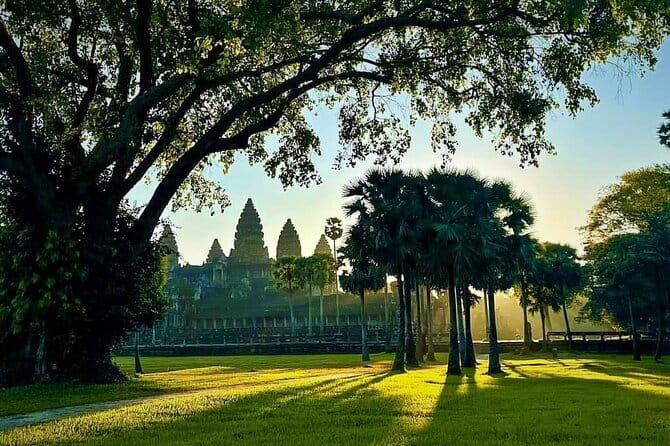
- A full Day 1 circuit through Angkor Thom’s major monuments
- Ta Prohm with the “trees and stones” mood that people come for
- Phnom Bakheng sunset for big panoramic views over the ruins
- Banteay Srei’s pink sandstone carvings on Day 2, when you may be ready for details
A private English guide makes Angkor feel real
Angkor isn’t one temple. It’s a whole world of kings, religions, and styles built over generations. A good guide helps you spot patterns fast—why Bayon is different from Angkor Wat, why some areas feel more Buddhist, and how Jayavarman VII’s influence shows up across the city.
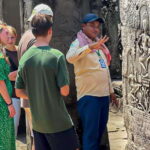
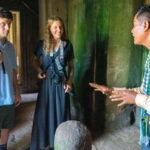
This tour is built around that kind of explanation. The guide is a licensed professional with excellent English, and the route is arranged so you’re not only ticking off names—you’re learning what you’re seeing as you go. In past bookings, guides like Mr. Lorn Leap and Mr. Sara have been singled out for friendly, story-driven explanations, and drivers like Sophal and Ry have been praised for staying on top of comfort needs (water, breaks, and keeping things moving).
Also, private doesn’t just mean quieter. It usually means you can slow down at a carving wall, step back for photos, or spend a few extra minutes watching how the light hits stone—without negotiating with a larger group.
You can also read our reviews of more guided tours in Siem Reap
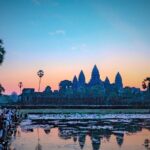
Getting there smoothly: pickup, private AC vehicle, and comfort stops
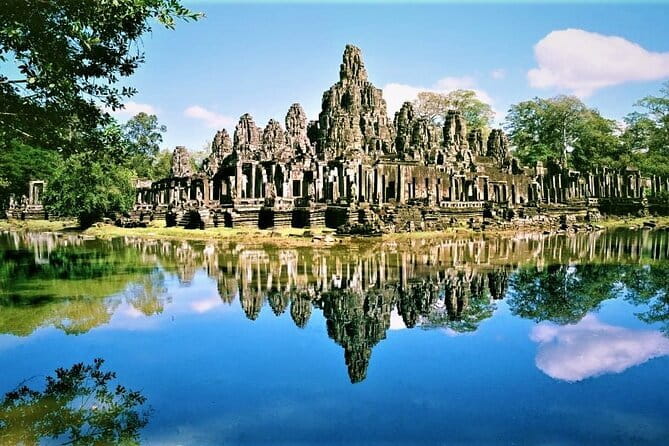
You start with hotel pickup from your Siem Reap address, meeting your driver and guide in the lobby. That reduces the usual “how do we find each other?” hassle, especially if you’re arriving the same day or coming from a busy market street.
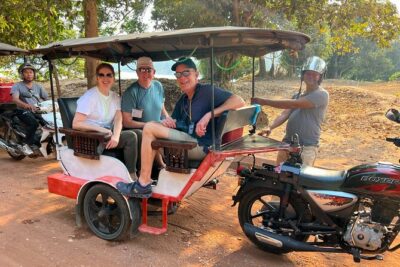
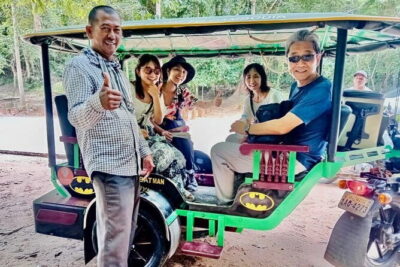
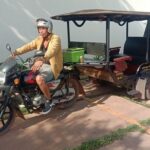
Transport is handled in a private air-conditioned vehicle, which is a big quality-of-life upgrade. Angkor days involve a lot of sun exposure, then moving between sites. Having AC for the travel segments helps you stay alert instead of melting into your hat.
Included comfort items are simple but useful: cool drink water and fresh tissue during the tour. On very hot days (like April), you’ll appreciate any extra care you get at breaks, but don’t rely on miracles. Bring your own basics too: a hat, sunscreen, and a reusable water bottle for when you run low between stops.
Day 1 through Angkor Thom: gates, towers, terraces, and Ta Prohm
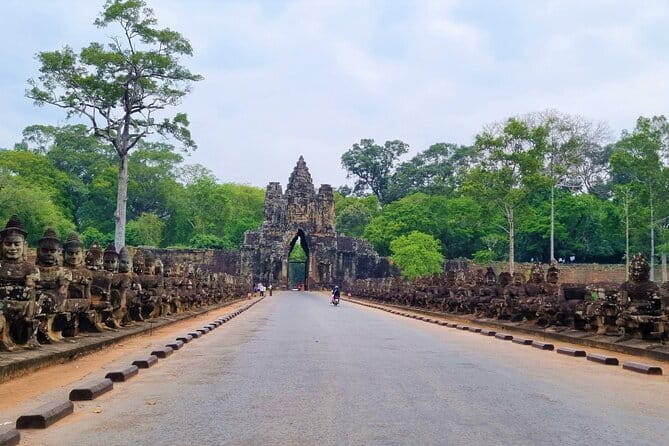
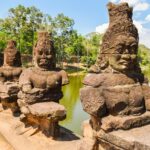
Day 1 focuses on the grand inner-city feeling of Angkor’s ancient capital. You’ll begin at the South Gate of Angkor Thom, a restored entry with many stone faces still in place. This is a great warm-up. You get oriented fast: this is the main road into the city, and it sets the mood for everything that follows.
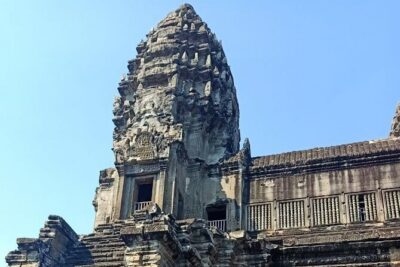
Next is Bayon Temple, famous for its stone faces. The standout detail here is that Bayon was constructed during Jayavarman VII’s reign, and it’s unique as the only Buddhist state temple and the last one built in the Angkor Empire. That context matters because it changes how you read the architecture—this isn’t just a scenic ruin, it’s a political-religious statement carved in stone.
From there you’ll move through key sights inside Angkor Thom, including Angkor Thom areas that reflect Buddhist cosmology on a huge scale. Then you’ll hit Baphuon Temple, which sits on a rectangular sandstone base with multiple levels, using a shape that’s a bit different from the more typical step-temple style. It’s one of those stops where the guide’s explanation helps you see the geometry behind the drama.
After that comes the royal-palace zone with Phimeanakas, originally described as having a golden pinnacle. You’ll also visit Terrace of the Elephants—a place that feels almost architectural-polished, with stories and carvings about elephants and processions. Then comes Terrace of the Leper King, known for powerful bas-reliefs and the grand tone of Jayavarman VII’s reign. This is a strong “read the stone” stop: carvings are dense, and you’ll either love that level of detail or wish you’d planned extra time.
You then shift a bit toward the quieter side of Angkor with Ta Nei Temple, a late 12th-century temple dedicated to the Buddha, near the East Baray area. It’s a nice change from the biggest showpieces—less of a stampede, more of a stone-and-shadow walk.
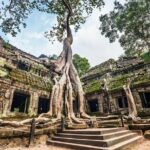
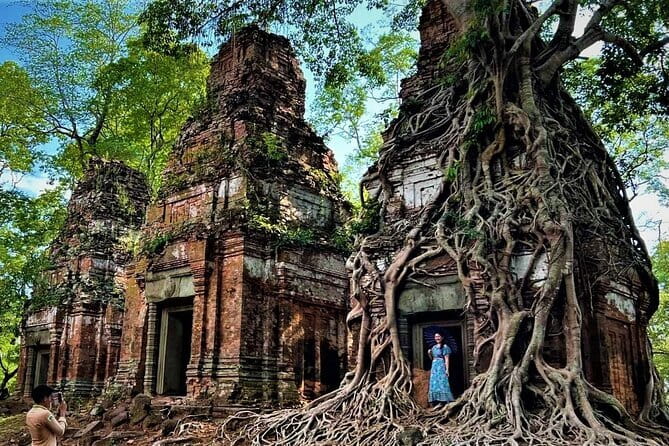
Then comes Ta Prohm, the temple many people associate with the jungle vibe. The key thing here is how the site has been handled: it’s been left largely untouched except for clearing visitor paths and structural strengthening. That balance creates the feeling people want—roots, trees, and stone living side by side—without turning it into a totally finished, sanitized set.
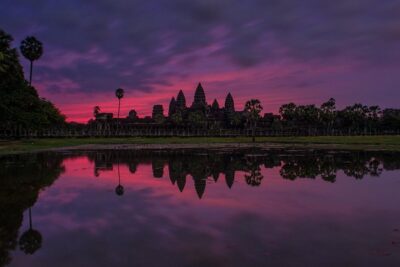
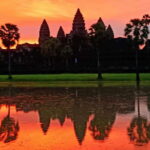
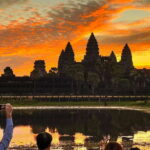
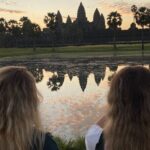
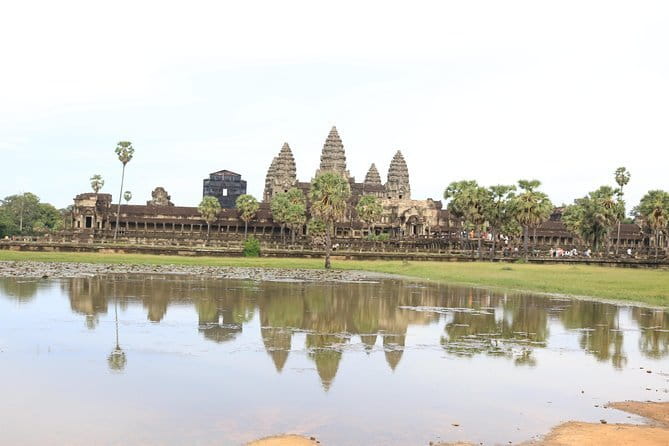
Finally on Day 1 you’ll reach Angkor Wat, the best-preserved and the largest monument in the Angkor group. It’s also the cleanest place to see Angkor’s design discipline: composition, balance, and relief work. You’ll likely feel a little “wow, again?” moment here—because even when you’ve seen photos, the real scale and the way reliefs wrap the structure hits different.
Phnom Bakheng sunset: the payoff viewpoint
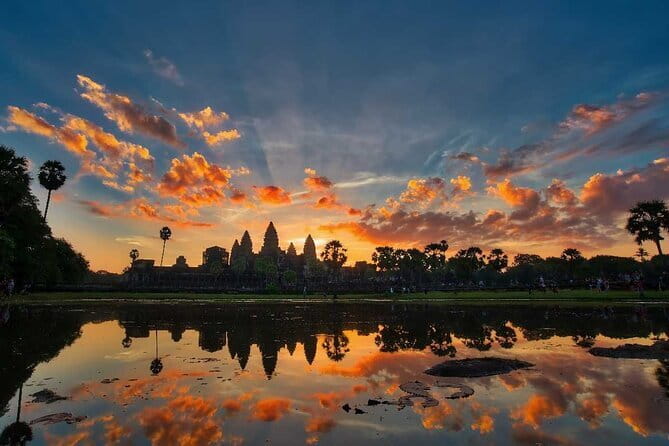
Phnom Bakheng is the last stop on Day 1, and it’s specifically included for sunset. It’s the highest temple in the Angkor Archaeological Park and known for panoramic views over the whole area.
This is where your day either feels perfect or feels exhausting—because you’ll be tired by then. Still, it’s a smart choice to end with the view. After hours of carvings, towers, and courtyards, your brain wants a wide-angle reset.
Practical tip: keep your timing flexible. Sun shifts fast, and you’ll want time to walk around and find your angle before the colors change. Comfortable shoes and a water refill plan matter here more than you think.
Day 2: Banteay Srei’s pink carvings and the quieter temple circuit
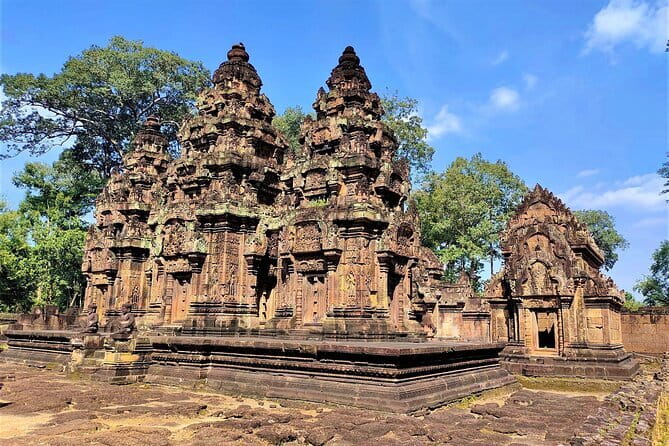
Day 2 starts with Banteay Srei, often treated like the jewel of Khmer art thanks to its pink sandstone carvings. This is the best day-start temple if you like fine detail. It’s not just about big structures; it’s about patterns, craftsmanship, and how the carvings feel almost delicate compared to the heavier stonework elsewhere.
Next is Banteay Samre, known for restoration using anastylosis. That matters because it tells you the complex has been rebuilt with attention to original parts. At the same time, the lack of maintenance over time shows, so don’t expect everything to look brand-new.
Then you’ll visit Pre Rup, a temple praised for bold architectural design and strong balance in scale and proportion. It’s a good “structure reader” stop. If you like architecture that makes sense even when you’re not close enough to read every carving, this fits.
After that comes Ta Som, a smaller, quieter temple that has not been restored. It’s often the type of place you enjoy more once you’ve done the big names, because the mood turns calmer. One detail that helps set the scene: historic fig-tree growth and faces at entrance towers have been part of its identity.
You’ll then reach Neak Pean, centered on a large man-made pond bordered by steps, with a square layout around 70 meters on each side. It’s temple-meets-water geometry, and it offers a break from walls covered in dense carvings.
Next is Preah Khan, located 2 kilometers northeast of Angkor Thom and built in the second half of the 12th century under Jaya-varman VII, dedicated to his father (the source note cuts off the exact name, so I’ll keep it general). Preah Khan can feel like a deep, sprawling complex, so having a guide’s pacing here is especially helpful.
Then you’ll go to Banteay Prei, a rarely visited temple near Prasat Prei. This is ideal if you like the “less famous” vibe and don’t mind being less wowed by sheer scale. It’s more about quiet discovery and contrast.
The day wraps with a stop connected to Preah Dak Market / Prashdak Village, where you can find popular souvenirs. There’s also mention of Om Pich steamed toddy palm cake, which is a fun food souvenir angle if you want something edible to take home.
You can also read our reviews of more private tours in Siem Reap
Price and value: what your $113.05 really covers
The price listed is $113.05 per person for a private, 2-day guided experience, and that’s where the value story is mostly found.
Included:
- Hotel pickup and drop-off
- Licensed English-speaking guide
- Private air-conditioned vehicle
- Cool drink water and fresh tissue
Not included:
- Tip for guide and driver
- Entrance fee: Angkor Pass (the guide helps you purchase it at the entrance)
- Meals, which are available at local restaurants with vegetarian and non-vegetarian options, typically $3–$10 per dish
So the “real cost” is a combination of the tour price plus the Angkor Pass plus meals plus tipping. If you want maximum value, this tour works best when you actually use the private guide for interpretation. If you just want photos with zero explanation, you’d likely get a cheaper approach elsewhere. But if you like understanding why places look the way they do, the guide fee starts to make sense quickly.
One more value angle: this is often booked about 32 days in advance, so if you’re traveling in a busy season, earlier booking helps avoid schedule gaps.
Heat-proofing your day (and getting good photos without stress)
Angkor can wear you down. Even if you love temples, walking between sites plus sun plus humidity adds up. This tour’s private transport and included water help a lot, but your personal prep still matters.
Here’s what I’d do to make it smoother:
- Wear shoes that don’t hate you by hour three.
- Use sunscreen early, not after you’re already red.
- Build time for photos at places like Bayon and Ta Prohm, where the best angles take a few minutes of patience.
- Expect that the last part of Day 1 at Phnom Bakheng will feel harder than the first stop. That’s normal. Plan snacks or a meal break on your Day 2 pacing.
And if your guide is the friendly, story-focused type—people like Mr. Lorn Leap have been praised for making the history feel fun—that can reduce fatigue. You still walk, but you’re walking with purpose.
Who should book this 2-day private Angkor tour?
This is a strong match if you want:
- A private setup where you can move at your own pace
- A licensed English guide who connects architecture to history
- A route that balances the big names (Angkor Wat, Bayon) with more detailed stops like Banteay Srei
- A sunset component, because Phnom Bakheng gives you the view payoff
It may be less ideal if you:
- Hate walking between many sites in one trip
- Only care about one or two must-see temples
- Don’t want to manage additional budgeting for the Angkor Pass and meals
Should you book it?
If your goal is to understand Angkor—not just see it—this tour is a solid buy. The combination of private AC transport, hotel pickup, a licensed English guide, and a smart mix of major and detailed temples gives you more than a checklist day.
If you’re trying to keep costs ultra-low, you’ll need to compare against cheaper group options because the Angkor Pass and meals are extra. But for most people who want the temples explained and timed well, this private approach is the comfortable way to do it.
FAQ
Where does the tour pick me up in Siem Reap?
The tour offers pickup at your hotel in Siem Reap. You provide your hotel name and hotel address so the guide and driver can meet you in the lobby.
Is this tour private or shared?
This is a private tour/activity, so only your group participates.
What’s included in the tour price?
Included are hotel pickup and drop-off, a professional official licensed tour guide with excellent English, private air-conditioned vehicle transfers, and cool drink water plus fresh tissue during the tour.
What’s not included?
Tips for the guide and driver are not included. Also not included are entrance fees via the Angkor Pass, and meals during the tour.
Does the Angkor Pass cover the temples on the tour?
Yes. The Angkor Pass covers all temples in the itinerary, and your tour guide assists you in purchasing it at the entrance of Angkor Park before starting.
How long is the tour?
It’s listed as 2 days (approx.).
Is sunset included?
Yes. The tour includes sunset at Phnom Bakheng, where you get panoramic views over the Angkor area.
Are meals provided?
Meals are not included. Lunches are available at local restaurants with vegetarian and non-vegetarian options, and you pay on your own.
Can I cancel and get a full refund?
Yes. You can cancel up to 24 hours in advance for a full refund.