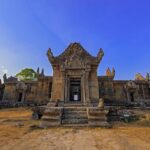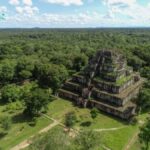
Early light over Angkor changes everything. This private two-day circuit pairs the headline temples with quieter Angkor Park stops, in a route that can be tailored to your timing and crowd comfort. You start with a sunrise plan and then keep momentum through the best-known stone faces and carvings.
I especially like the focus on the full Angkor story, not just the postcard moments. Your English-speaking guide is there to connect sites like Angkor Thom and Ta Prohm to the Khmer kingdom’s religious and political life.
The one thing to think through is logistics and stamina: it’s a lot of walking over uneven ground, and the big temple pass is separate. Angkor Wat entry is priced as an Angkor 3-day ticket ($62 per person), not included in the tour total.
In This Review
- Key things I’d plan around
- Price and what this private format really buys you
- The Day 1 route: sunrise, Angkor Thom, then Ta Prohm and Angkor Wat again
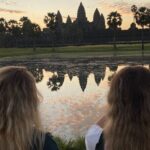
- Angkor Wat sunrise: front-row without the chaos
- Angkor Thom South Gate and Bayon: the king’s portal and his face
- Elephant Terrace and Leper King Terrace: Khmer art at eye level
- Phimeanakas: a short climb with a big view
- Ta Nei and Ta Prohm: the switch from royal layout to jungle drama
- How Day 1 stays efficient
- Day 2: calmer remote temples, Kbal Spean river carvings, and a sunset finale
- Banteay Samre: a more distant temple stop
- Banteay Srei: rice fields and the art show
- Kbal Spean: the river in the jungle and a walk into meaning
- Srah Srang and Pre Rup: end the day with light on water or stone
- What’s included (and what you’ll handle yourself)
- Food planning: easy choices near the sites
- The guides and timing factor that shows up in real-world experience
- Who this private two-day tour is best for
- Should you book this tour?
- FAQ
- Do I need the Angkor Wat ticket, and how much is it?
- Is pickup from my hotel included?
- Is this a private tour or shared group?
- What’s included in the tour price?
- What’s not included?
- How early is the start on day 1?
- Can I cancel for a full refund?
Key things I’d plan around
- Sunrise at Angkor Wat gives you the easiest entry to the most famous sight, before it turns into a full-day crowd
- A private vehicle and driver means you’re not stuck waiting on a bus schedule while you’re trying to see more temples
- Classic Angkor Thom stops plus the famous terraces (Elephant and Leper King) help you understand Khmer art beyond the main gates
- Remote-day temple picks like Banteay Srei and Kbal Spean can feel calmer and more local than the core complex
- A flexible route option (including least-crowded planning and timing tweaks) fits couples, families, and photographers
Price and what this private format really buys you
At $375 per group (up to 3) for about two days, this tour can be a very good value if you care about comfort and timing. You’re not paying a per-person premium for a private day—your group size is capped, and you get an air-conditioned vehicle, pickup and drop-off, and a dedicated driver and guide.
Here’s the practical math to run in your head. If you travel as two people, the price per person is higher than a group tour, but you also gain control: you can pace yourself, spend extra minutes at the spots you love, and ask questions while you’re walking between temples. If you’re a family of three, this is often cheaper than paying separate taxis plus hiring a guide for only one day.
One more cost to budget: the Angkor Wat 3-day ticket is not included and is listed at $62 per person. Your tour fee covers the guide and driver, vehicle, and the guide/driver related costs; it does not include that required entry ticket. For most visitors, it’s still worth it—this pass unlocks multiple sites across the park over those days, and you’re packing a lot into the two-day tour window.
You can also read our reviews of more private tours in Siem Reap
The Day 1 route: sunrise, Angkor Thom, then Ta Prohm and Angkor Wat again
Day 1 is built like a story arc: morning wow, big gate-to-temple exploration, then a classic late-afternoon flow. It starts early, with pickup from your hotel, aimed at the sunrise viewing at Angkor Wat.
Angkor Wat sunrise: front-row without the chaos
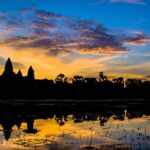
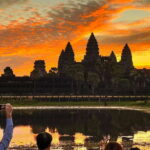
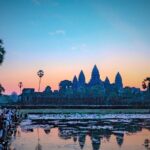
This is the stop to take seriously, because it sets your entire Angkor day. You’ll leave early and reach Angkor Wat in time to admire the sunrise over the main temple complex. Even if you’ve seen photos, the scale is still a shock in person: the geometry, the causeways, and the way the light hits the stone surfaces.
This is also where a private setup pays off. You’re not trying to “figure out the crowd pattern” while everyone else is doing the same scramble. With a dedicated driver and guide, you’re simply following a plan—then you can slow down and actually look.
Practical note: the Angkor Wat entry is not included, so you’ll want your 3-day pass ready before you go in.
Angkor Thom South Gate and Bayon: the king’s portal and his face
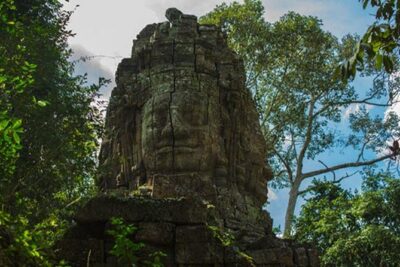
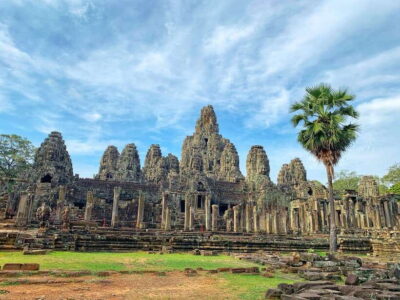
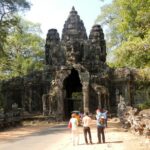
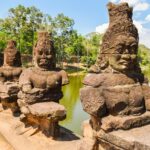
After breakfast, you head to Angkor Thom South Gate, then move to Bayon Temple. South Gate first is smart because it’s a dramatic entry. From there, Bayon is the emotional center: 37 towers topped with sculptural faces, often described as watching over the whole complex.
Bayon is where you get the payoff from a guide. The temple isn’t just beautiful; it’s a visual summary of Jayavarman VII’s reign. The stone faces are recognizable, but the meaning behind the iconography lands better when it’s explained while you’re standing there.
Elephant Terrace and Leper King Terrace: Khmer art at eye level
These two stops are quick but packed. The Terrace of the Elephants is known for its three platforms surrounded by stone elephants tied to an elephant hunt theme. It sounds niche, but it’s one of those “wait, that’s amazing” sites once you’re close enough to see the detail.
Then comes Terrace of the Leper King, famous for its carved relief work and its unusually well-preserved state. The name relates to King Yasovarman I, whose story is tied to the site. Even if you don’t care about the legend, you’ll likely care about the craft—this is detailed carving that doesn’t feel like decoration. It feels like narrative.
Drawback to keep in mind: these relief-rich terraces reward patient looking, but the heat and crowds can make that harder. Build in a little patience here. If you rush, you’ll miss why people remember them.
Phimeanakas: a short climb with a big view
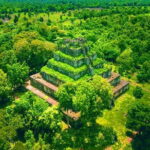
Next is Phimeanakas, a smaller royal temple with a pyramid form. The key moment is the view—there’s a good outlook from above across the Angkor Thom area. It’s one of those stops where the value is not the length; it’s that quick elevated perspective that helps you mentally map what you’ve already seen.
Ta Nei and Ta Prohm: the switch from royal layout to jungle drama
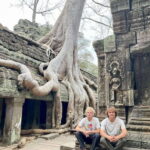
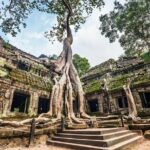
After lunch, you visit Ta Nei and then go to Ta Prohm, the well-known jungle temple. Ta Prohm is built to be read through contrast: stone architecture and tree roots that look like they’re taking over the place.
Ta Nei is the palate cleanser. It’s located about 4.5 km from Angkor Wat, and it feels like a quieter pause between major icons. If you like seeing how Angkor isn’t just about the biggest, most famous names, this kind of stop matters.
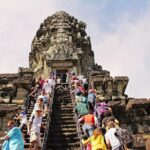
Finally, you return to Angkor Wat for another look. Doing Angkor Wat twice in two days is a classic move: sunrise sets the tone, then later you can experience different lighting and more calm time to appreciate carvings and layout.
How Day 1 stays efficient
Day 1 includes Angkor Wat twice, but the route doesn’t feel repetitive because the mood changes. Sunrise is atmosphere. Late-day Angkor Wat is details. And the Angkor Thom run in the middle gives you the political and religious backbone—Bayon and the terraces explain what you’re seeing, not just how it looks.
Day 2: calmer remote temples, Kbal Spean river carvings, and a sunset finale
Day 2 is where this tour feels more “Angkor Park, not just the headlines.” You sleep a bit longer compared to day 1—breakfast is available back at the hotel before pickup.
Banteay Samre: a more distant temple stop
You start with Banteay Samre. The big advantage here is location: it’s described as more distant from the main area. That usually means fewer people, and it gives you a breather between the most over-visited spots.
Even when it’s not the flashiest name on everyone’s list, this kind of temple is useful. It helps you understand that Angkor wasn’t one cluster—it was a whole system of sacred centers.
Banteay Srei: rice fields and the art show
Next is Banteay Srei, about 20 km from the main complex. The drive through villages and rice fields is part of the experience here. It’s not just transit; it’s a chance to feel the surrounding Cambodian countryside rather than staying trapped inside the temple bubble.
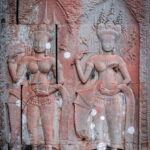
The temple itself is known for its beauty and for the visual delicacy you often miss when you’re rushing between only the largest monuments. This is a good choice if you like fine stone carving and you want a temple that feels more intimate than the big complexes.
Kbal Spean: the river in the jungle and a walk into meaning
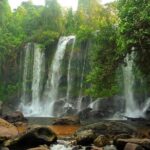
Kbal Spean is where you trade “temple walls” for “nature + symbolism.” It’s reached by driving about 60 km from the main complex, and it’s referred to as the river of a thousand linga (a Hindu symbol). The setting is described as being in the jungle, and the point is that the story shifts from temple architecture to sacred geography.
Lunch is your decision on the way, and the tour notes you can choose where you want to eat. That gives you control—either you stop for something simple or you plan for something more filling if you know you’ll walk more once you arrive.
Srah Srang and Pre Rup: end the day with light on water or stone
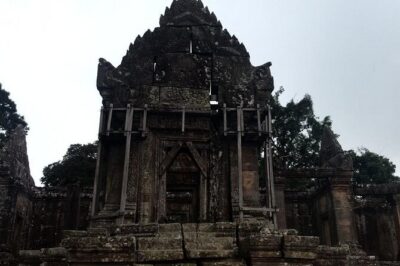
The last part is about sunset. You visit Srah Srang, the Royal Bath reservoir, described as located south of the East Baray and close to Pre Rup’s pyramid temple area. It’s a short stop, but it matters because it adds a watery counterpoint to stone-heavy temple time.
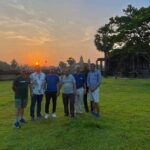
Then you’re back near Pre Rup for sunset. You have a choice of viewing the setting sun in the reservoir of Srah Srang or watching it at Pre Rup, depending on what you prefer that evening. This is smart because sunset isn’t just about the sky; it’s about how the light lands on stone and water.
If you’re the kind of person who loves golden-hour photos but also hates being uncomfortable for a long time, ask your guide to time your sunset position based on your pace. Private tours are built for that.
What’s included (and what you’ll handle yourself)
The included essentials are the things that make a private two-day plan work: an air-conditioned vehicle, private transportation, an experienced driver, and a certified English-speaking guide. Pickup and drop-off from your hotel are included, plus guide and driver costs.
What’s not included is also straightforward: food and beverages, insurance, and the Angkor Wat 3-day ticket at $62 per person.
Food planning: easy choices near the sites
The tour includes lunch time on day 1 with options in the Angkor Park area, and on day 2 it gives you flexibility on where to eat on the way to Kbal Spean. You won’t be stuck waiting at one restaurant. The practical win is that you can choose based on your appetite and the heat level, and not feel like lunch is a separate, stressful mission.
The guides and timing factor that shows up in real-world experience
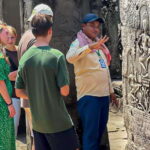
This is the kind of tour where the guide makes a real difference. You’ll be getting an English-speaking guide with a history-and-symbols approach. You’ll see that especially at stops like Bayon and the terraces, where knowing what you’re looking at turns carved stone into a message rather than just decoration.
In the feedback I reviewed when choosing tours, certain guide and driver names came up repeatedly, including Mr. Sokky, Mr. Ram, Mr. Raksmey (guides), with Mr. T and Mr. Long (drivers). I can’t promise exact pairings, but it’s a useful sign: this operator tends to use guides and drivers people remember for clarity, timing, and flexibility.
Timing is another quiet strength here. Day 1’s early start, the lunch placement, and the sunset choice on day 2 are all designed around the light and crowd patterns you’re likely to face at Angkor.
Who this private two-day tour is best for
I’d point you toward this tour if:
- you want private pacing with a dedicated guide and driver
- you care about more than the biggest temple names and want remote stops like Banteay Srei and Kbal Spean
- you like sunrise and sunset experiences, but you also want the rest of the day planned well
- you’re traveling in a group of up to 3 and want the best mix of comfort and value
You might think twice if you have limited stamina. The tour asks for moderate physical fitness, with walking on temple grounds and uneven surfaces. If you want Angkor but prefer very light movement, you’ll need to manage expectations and plan extra breaks with your guide.
Should you book this tour?
Yes—if you’re aiming for the best blend of famous Angkor moments and lesser-visited sites in only two days, this is a strong fit. The sunrise at Angkor Wat, the Angkor Thom anchor stops, and the remote day options (Banteay Srei, Kbal Spean, Banteay Samre) help you avoid the “see 3 temples, rush back” feeling that some short tours create.
The main reason to book is simple: this is a private, guided plan with enough structure that you spend your energy looking at temples, not solving logistics. Just budget for the separate $62 per person Angkor 3-day ticket, and you’ll be set.
FAQ
Do I need the Angkor Wat ticket, and how much is it?
Yes. The Angkor Wat 3-day ticket costs $62 per person and is not included in the tour price.
Is pickup from my hotel included?
Yes. The tour includes pickup and drop-off from/to your hotel (or a meeting point, if that’s what you arrange).
Is this a private tour or shared group?
It’s private. Only your group participates, up to 3 people in a single tour group.
What’s included in the tour price?
You get an air-conditioned vehicle, private transportation, an experienced driver, a certified English-speaking guide, pickup/drop-off, and costs for the guide and driver (entrance related to their work is included).
What’s not included?
Food and beverages are not included, and you also pay for the Angkor Wat 3-day ticket separately. Insurance is not included as well.
How early is the start on day 1?
Day 1 starts with an early departure for sunrise viewing at Angkor Wat. The exact time isn’t listed, but the plan is designed specifically for sunrise.
Can I cancel for a full refund?
Yes. Free cancellation is available, and you can cancel up to 24 hours in advance for a full refund.
If you tell me your group size and your hotel area, I can suggest a simple packing checklist (heat, footwear, and what to carry into temples) tailored to this exact two-day rhythm.