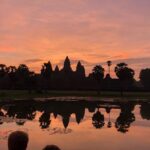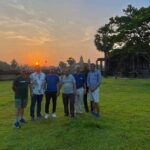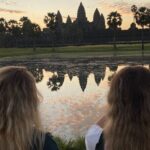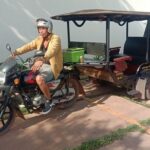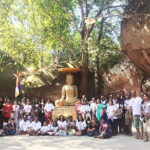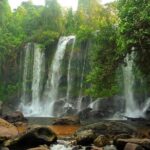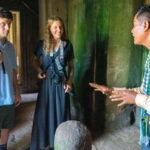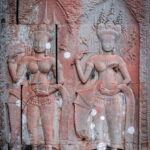
Sunrise at Angkor Wat sets the tone fast. What makes this tour appealing is the private tuk-tuk pickup from your hotel each day and the small comforts that make the heat easier—like free cold water and cold towels while you’re out temple-hopping. You also get a mobile ticket, which helps when you’re moving quickly between sites.
One thing to plan for: the tour price is $144, but temple tickets and boat entrance fees aren’t included, so your final day budget depends on what you pay at the gates and at Kampong Phluk.
In This Review
- Key Points Worth Booking for Angkor
- How the 3-Day Route Works From Siem Reap
- Day 1: Angkor Wat Sunrise and the Temples Around Angkor Thom
- Day 2: Rolous Group Temples and Kampong Phluk Floating Village
- Day 3: Preah Khan, Neak Pean, Pre Rup, and Kbal Spean
- Tuk-Tuk Comfort, Cold Towels, and Mobile Tickets That Actually Help
- Price and Logistics: Is $144 Good Value?
- Guide and Driver Reality: Vutha and Ly, Plus Punctual Starts
- Who This Tour Fits Best (and Who Might Want a Different Plan)
- Should You Book This 3-Day Angkor Wat Temple Tour?
- FAQ
- Is pickup included for this Angkor Wat 3-day tour?
- What is the starting time for the tour?
- What does the $144 price include?
- Are Angkor temple tickets included?
- Do I need to pay boat entrance fees at Kampong Phluk?
- Is an English tour guide included?
- What are the dress code requirements?
Key Points Worth Booking for Angkor
- Angkor Wat sunrise timing for great photo light without wasting half your day later
- Private tuk-tuk so you’re not stuck waiting on a group bus schedule
- Kampong Phluk on Tonle Sap Lake with details about life on stilts
- Rolous Group temples tied to early Khmer capital stories (Hariharalaya and beyond)
- Day 3 temple sweep that keeps you busy with multiple major sites in one go
- Heat help included: cold water and cold towels when the sun is doing its thing
How the 3-Day Route Works From Siem Reap
This is a straightforward “get it done” tour. You don’t have to stitch together buses, drivers, or a temple order on your own. Instead, you’re placed on a tight circuit of major Angkor-area sites across three days, with a private tuk-tuk doing the running.
The daily pickup makes a big difference in real life. If you’ve ever tried to coordinate transport in Siem Reap while you’re tired and sweaty, you already know why this matters. Here, the plan is simply: you start early, you move between clusters, and you’re back on schedule.
Start time is listed as 8:00am, but Day 1 is structured around sunrise photos at Angkor Wat. So even if your listed start says 8:00am, expect that the experience is built for early mornings when the air is still cooler and the light is best.
You can also read our reviews of more tours and experiences in Siem Reap
Day 1: Angkor Wat Sunrise and the Temples Around Angkor Thom
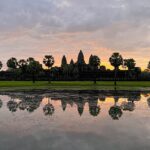
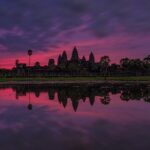
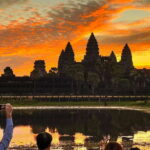
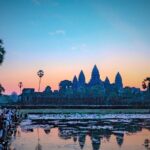
Day 1 is the “big wow” start. You begin at the Angkor complex before peak crowds and head straight into Angkor Wat as the sun rises. That early timing helps your photos and makes the morning less brutal than going later in the day.
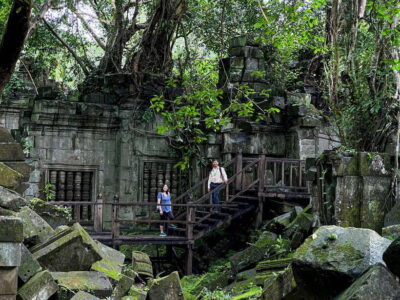
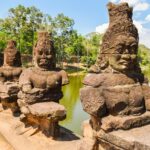
From there, the route focuses on the classic Angkor Thom area and the smaller-circuit temples nearby. You’ll go through several recognizable highlights, including South Gate, Bayon Temple, and Baphuon Temple. Each stop is close enough to keep momentum, but different enough that you don’t feel like you’re repeating the same view over and over.
Then you work in two famous photo-and-details moments: the Terrace of Elephant and the Terrace of Liper King. Expect that these terraces are busy with visitors at various times, and you’ll want to watch your footing. Stone walkways can be uneven, and you’ll be on and off short paths as you shift between viewpoint angles.
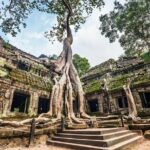
The itinerary continues with Ta Promh and Banteay Kdei, which fit well after you’ve already seen several major structures. By this point, you can start noticing how the Khmer temple style changes from one site to another—tower shapes, layout choices, and decorative elements that don’t all look the same when you slow down for a few minutes.
The day wraps up with Sras Srang, a site that’s a good change of pace after dense clusters of towers and doorways. It gives your legs and your brain a bit of breathing room before you move to Day 2.
What to watch for on Day 1: It’s a long day built around early light. Even with tuk-tuk support, you’ll still do real walking. If you’re sensitive to heat or long stone stretches, bring sun protection and plan for breaks, not just photos.
Day 2: Rolous Group Temples and Kampong Phluk Floating Village
Day 2 has a nice contrast: temples in the morning area, then Tonle Sap lake life in the afternoon. You’ll first drive out toward the Rolous Group, located about 13km from Siem Reap’s Pub Street, and that distance helps you feel like you’re getting out of the city rhythm.
This part matters because the Rolous temples connect to Khmer political shifts. The route frames Hariharalaya as an early capital story, linked with King Jayavarman II, who later established his capital on Mount Kulen and then moved it back to Hariharalaya in 802. The tour also places these temples as part of the beginning of the classical period of Khmer civilization, dating to the late 9th century.
You’ll visit temple names including Bakong, Lolei, and Preah Ko, plus smaller surrounding structures. The details provided with these sites focus on how the architecture was built, including brick towers and carved decorative areas using sandstone—so you’re not just looking at temples, you’re also getting cues for what to notice.
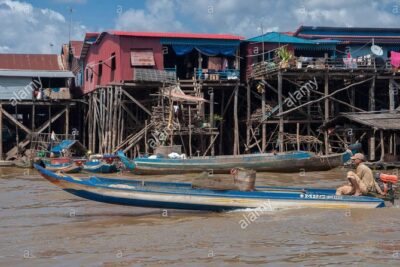
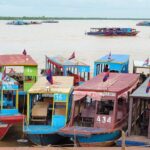
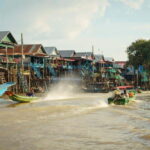
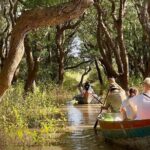
After Rolous, you head toward Kampong Phluk, about 37km from Angkor Wat. This is the emotional change in the itinerary. Instead of another stone-temple circuit, you shift to a floating village on Tonle Sap Lake, where daily life happens over and around the water.
The tour gives you a direct explanation of the housing system: handmade houses sit on 6-meter stilts to reduce flood damage during the rainy season. In the dry season between December to April, motorbikes can travel through the village, and that detail helps you picture how the place changes with the seasons rather than staying the same year-round.
You’ll also see that Kampong Phluk isn’t only houses. The village includes community spaces like clinics, pagodas, schools, restaurants, and churches. On top of that, there’s time to observe the floating forest and wildlife—another reason this day works even if you’re temple-weary by then.
What to watch for on Day 2: Some expenses here may show up at the lake. The tour data lists boat entrance fees as not included, so budget extra if you want any boat-side access. Also, you may be outside for longer stretches than Day 1, depending on how your visit is timed.
Day 3: Preah Khan, Neak Pean, Pre Rup, and Kbal Spean
Day 3 is another heavy-hitter temple circuit, and it’s the kind of day that helps you finish strong. You start by going out of Angkor Thom to Preah Khan, described as the “Holy Sword” temple. The focus here is the temple’s Khmer Empire architecture style, which pairs well after the earlier Bayon/Baphuon/terrace visuals.
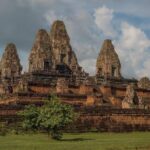
Next on your list is Neak Pean and Ta Som, followed by East Mebon and Pre Rup. This sequence keeps you moving across different temple types, rather than doing only one style or one cluster. It’s also a good day to practice your own pace: spend longer when something catches your eye, and shorten stops when you’re tired.
You then continue with Banteay Samre and Banteay Srei, two more stops that help round out your Angkor-area coverage. By now, you’ve also built a baseline for how “Cambodia temple day” feels—how stone changes the air temperature, how walking slows you down, and how timing affects crowd levels.
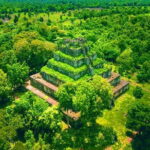
The final listed stop is Kbal Spean. The itinerary doesn’t add extra details in the data you provided, so the best expectation is simple: you’re visiting it as part of the Angkor temple sweep and you should plan for the usual walking and photo time at each stop.
What to watch for on Day 3: This is the day you’ll feel the accumulation. If you want the best experience, save energy by doing fewer long photo marathons and more short targeted stops. You’ll still see a lot, but you’ll enjoy it more.
Tuk-Tuk Comfort, Cold Towels, and Mobile Tickets That Actually Help
The included transportation is the backbone of this tour. You’re in a private tuk-tuk each day, and that reduces a ton of stress. There’s no hunting for a driver on a busy street, no guessing how long a round trip will take, and no scrambling when you want to adjust your order.
The practical inclusions are small but smart: cold water and cold towels. In Siem Reap, you don’t need luxury to feel good—you need heat management. Those items help you push through the morning and keep you from turning the whole day into a survival mode.
You also get mobile ticketing. When you’re bouncing between sites, the less time you spend with paperwork, the better. It’s not the headline of the tour, but it helps the experience run smoothly.
The tour notes temple dress code rules apply. Since the exact requirements aren’t spelled out in your data, the safest move is to bring clothing that you know will meet the rules for shoulders and legs, and don’t plan to rely on last-minute fixes at the gate.
Finally, pay attention to language support. The tour data lists an English tour guide as not included. If you want deep commentary at each temple, you might need to arrange that separately. The driver can help with logistics and timing, but you should expect information depth to vary.
Price and Logistics: Is $144 Good Value?
At $144 for 3 days, the price is attractive on paper for a private schedule. The biggest value driver here is the private tuk-tuk with daily hotel pickup plus day-long heat comfort. That’s the core service you’re buying: transport, sequencing, and the friction-free flow between major Angkor sites.
The flip side is equally important. Temples tickets and boat entrance fees are not included. Lunch near temples and personal expenses are also not included. So think of $144 as the base cost for movement and comfort, not as the all-in total.
So how do you judge value? If you were to hire transport day-by-day and spend time solving logistics yourself, you’d likely spend similar money in the end—plus you’d lose time, because early starts and temple spacing are hard to DIY when you’re new to the area.
Also note that the tour is private, meaning it’s only your group. That tends to feel better than group shuttles because you can keep a consistent pace across three long temple days.
Guide and Driver Reality: Vutha and Ly, Plus Punctual Starts
From the feedback shared in your details, the standout theme is how smoothly the days run thanks to punctual, friendly driving. Vutha is named as a key driver in multiple experiences, with comments about communication and promptness. One review notes fast WhatsApp communication and punctual timing, and another points out that if Vutha couldn’t do a day, his colleague filled in without breaking the plan.
Ly is also named as a driver who brought a professional, adaptive style. There’s specific praise around being prompt and courteous, and one note highlights how the route helped avoid major crowd surges.
That matters because on temple tours, the guide’s skill is less about talking and more about timing. If you want the best photos and calmer moments, having someone who can steer you away from peak flows is worth a lot.
Who This Tour Fits Best (and Who Might Want a Different Plan)
I think this tour fits best if you want a lot of Angkor coverage without turning your trip into a logistics project. You’ll like it if you:
- Want three packed days that hit sunrise and major temple clusters
- Prefer private tuk-tuk transport over public shuttles
- Appreciate built-in heat support like cold water and cold towels
- Plan to pay entry fees separately and don’t mind walking a fair amount
You might want a different style of tour if you’re hoping for a fully guided, English-led explanation at every stop. Since an English tour guide isn’t included, you’ll want either your own guide strategy or the willingness to keep your learning mostly self-guided.
It also helps if you’re okay with early mornings. Day 1 is built around sunrise photography, and by Day 3 you’ll feel the pace.
Should You Book This 3-Day Angkor Wat Temple Tour?
Book it if you want a practical, efficient Angkor plan: hotel pickup, private tuk-tuk rides, and a tight sequence that covers Angkor Wat sunrise, Angkor Thom landmarks, Rolous Group, and Kampong Phluk, then closes with more temples on Day 3. For the $144 base cost, the heat-friendly inclusions and private transport feel like the right trade.
Hold off if you need deep English commentary included in the price, or if you don’t want to add separate temple and boat fees. Also consider your energy level. This isn’t a slow stroll-and-café tour. It’s a “see a lot, see it efficiently” plan.
If you do book, do two things before you go: double-check the dress code expectations for temple visits, and budget extra for the ticket and boat-related costs so you aren’t surprised mid-trip.
FAQ
Is pickup included for this Angkor Wat 3-day tour?
Yes. Pickup is offered from your hotel lobby each day by your private tuk-tuk.
What is the starting time for the tour?
The start time is listed as 8:00am, and Day 1 is organized around arriving early for Angkor Wat sunrise photos.
What does the $144 price include?
It includes tuk-tuk transport, cold water, and cold towels.
Are Angkor temple tickets included?
No. Temple tickets are not included.
Do I need to pay boat entrance fees at Kampong Phluk?
Boat entrance fees are not included, so you should expect an additional charge if boat access is part of your visit.
Is an English tour guide included?
No. An English tour guide is listed as not included.
What are the dress code requirements?
You need to follow the temple dress code rules when visiting the temples.