REVIEW · SIEM REAP
Sunrise at Angkor Wat and Small Tour with Tours Guide
Book on GetYourGuide →Operated by Etrip Asia · Bookable on GetYourGuide
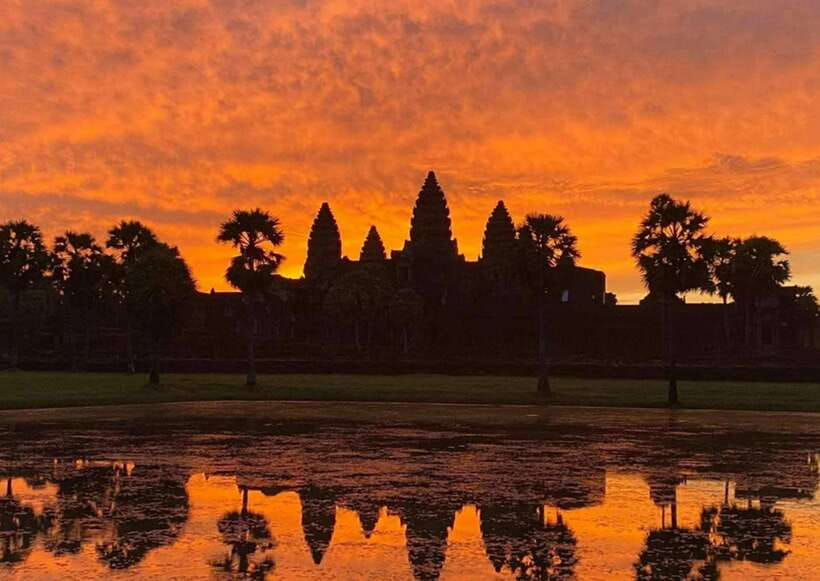
Sunrise at Angkor Wat changes your pace of travel. This small tour is built around an early run to the main entrance for the first light, then a guided temple circuit through the best-known sights in Angkor. You get the context, not just the photos, with an English-speaking guide who explains what you’re seeing in Cambodian art and Khmer history.
I especially like the way the day is structured: sunrise, then the big symbols. The route flows from Angkor Wat into South Gate and Bayon (those 54 towers and 216 Avalokesvara faces), then moves to the royal terraces and Ta Prohm, where trees wrap the stones. In at least one recent booking, the guide (Ounra) was praised for finding smart viewing spots and helping with photos, which matters when you’re chasing dawn light.
The main drawback is the start time. Pickup happens at 4:30 AM, and it’s a full 8-hour temple day, so it’s not a great fit if you’re over 70 or you don’t handle early mornings and walking well.
In This Review
- Key things to know before you go
- The 4:30 AM plan: Sunrise at Angkor Wat without wasting the night
- South Gate to Bayon: Seeing Khmer symbolism up close
- Terrace of the Elephant and Terrace of the Leper King: Royal viewpoints that feel real
- Ta Prohm: Why the jungle temple hits differently
- Banteay Kdei: A calmer, late-12th-century finish
- Angkor Passes and the real value of this $6 tour
- Comfort, crowd control, and what to bring at dawn
- Who this small tour fits best (and who should skip it)
- Should you book Sunrise at Angkor Wat and this small circuit?
- FAQ
- How long is the tour?
- What time is hotel pickup?
- Is Angkor Wat entry included in the price?
- What Angkor pass options are available?
- Are meals included?
- Is the tour shared or can I book privately?
- What’s included in the tour?
- Is the tour suitable for older travelers?
Key things to know before you go
- 4:30 AM pickup in an air-conditioned vehicle, heading straight to the Angkor Wat entrance for sunrise.
- A guide who explains meaning, not just names, including Bayon’s faces and Khmer-era temple ideas.
- Classic Angkor circuit with South Gate, Bayon, Terrace viewpoints, Ta Prohm, and Banteay Kdei.
- Photo-friendly guidance (including help with angles and timing) so you’re not just guessing at dawn.
- Value math: the tour is low-cost at $6, but you still need an Angkor pass for temple entry.
The 4:30 AM plan: Sunrise at Angkor Wat without wasting the night
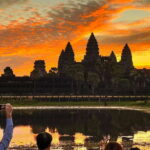
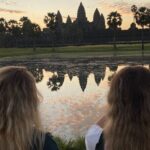
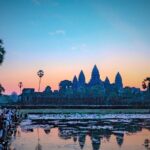
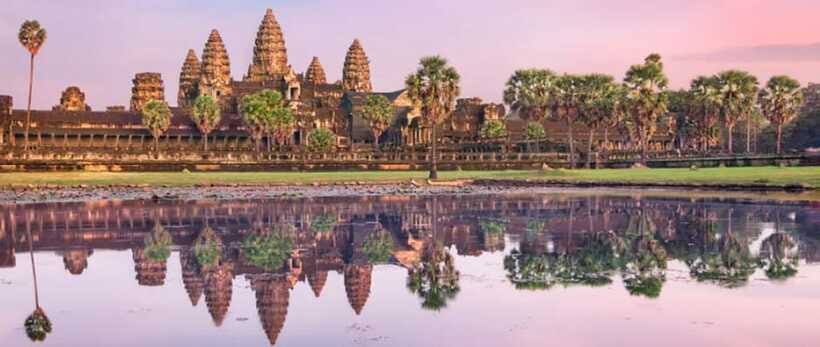
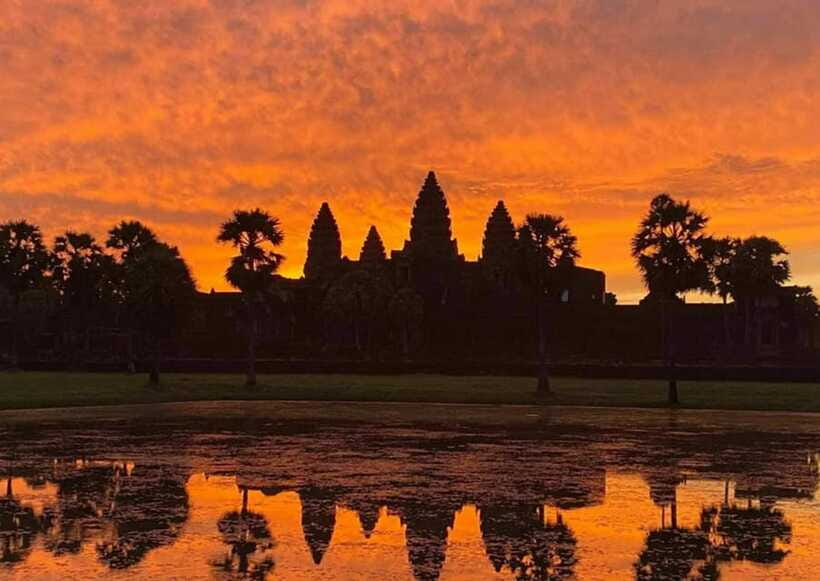
This is the kind of tour where the schedule feels like it has one job: get you to Angkor Wat before the crowd wave. You’ll be picked up from your hotel around 4:30 AM in an air-conditioned vehicle, then driven to the main entrance. From there, you’re in position for sunrise over the temple complex, which is the reason most people book this day in the first place.
What I like about this setup is that it’s not just sunrise-as-a-checkmark. The experience is paced so you can actually look at the architecture and the play of light across stone instead of being herded and rushed. And if you’re the type who wants photos, this is where having a guide who knows good viewpoints helps. One recent guest specifically highlighted Ounra for spotting the best places to see the sunrise and for being helpful with photography.
After sunrise, you stay in the Angkor Wat area for additional guided walking and sightseeing. There’s also a break built in, including a break for breakfast (about 30 minutes) and another short pause later. Meals aren’t included, so you’ll likely buy food at the spots available during that break, but at least you get time to sit, recover, and refuel.
You can also read our reviews of more guided tours in Siem Reap
South Gate to Bayon: Seeing Khmer symbolism up close
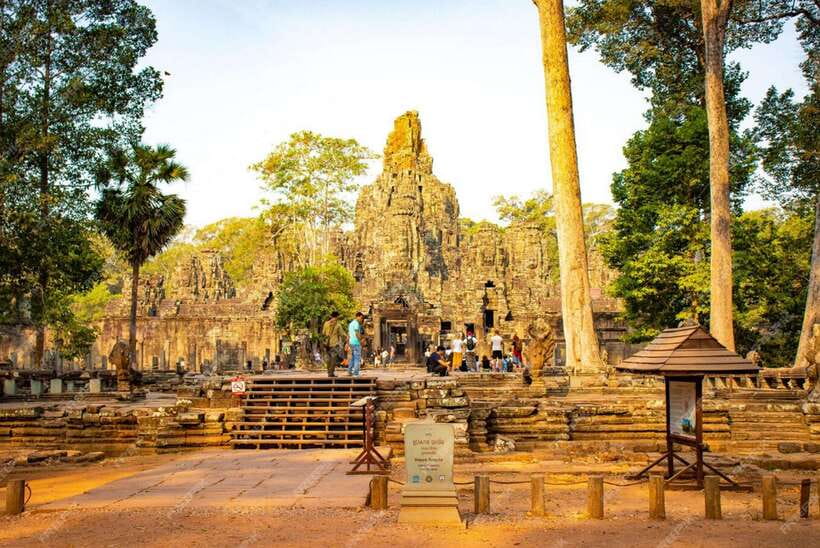
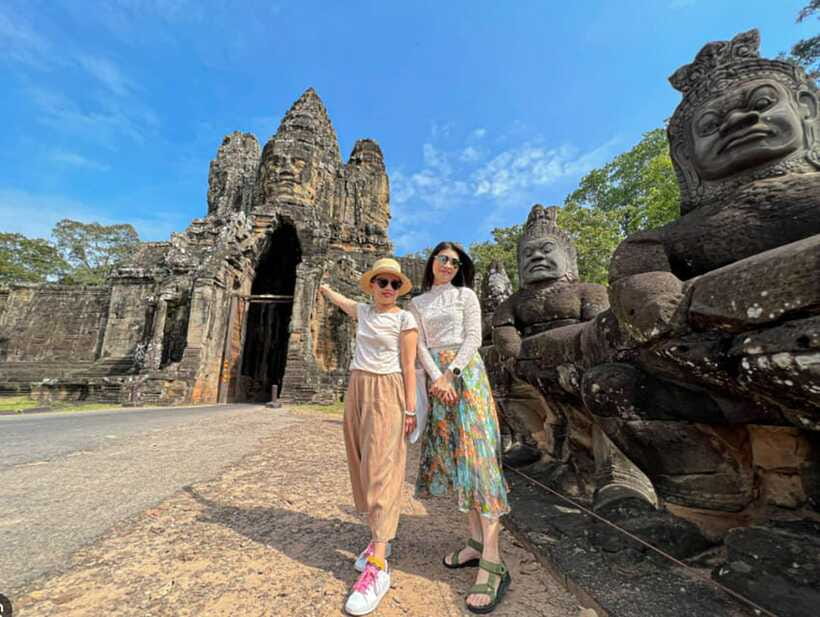
Once the early light part of the day is done, you shift into the heart of Angkor Thom. The first major stop is the South Gate, the entry point that leads into the grounds where Bayon and other iconic temples sit.
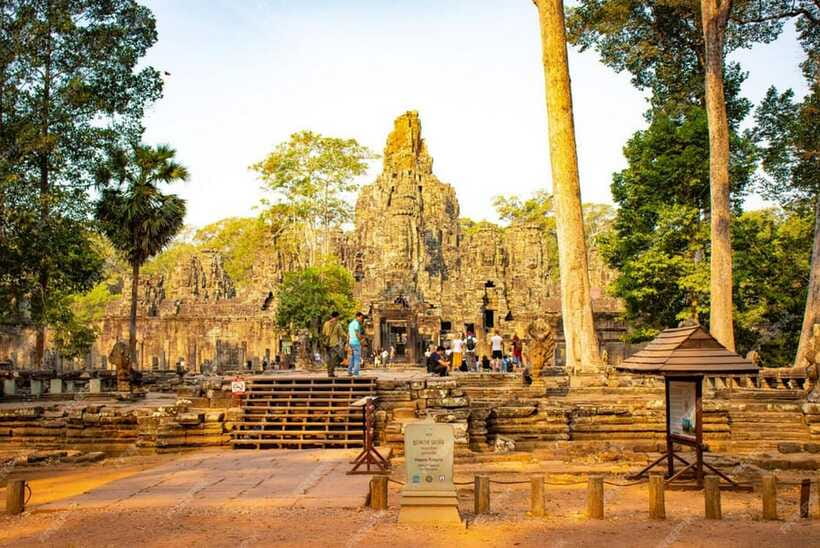
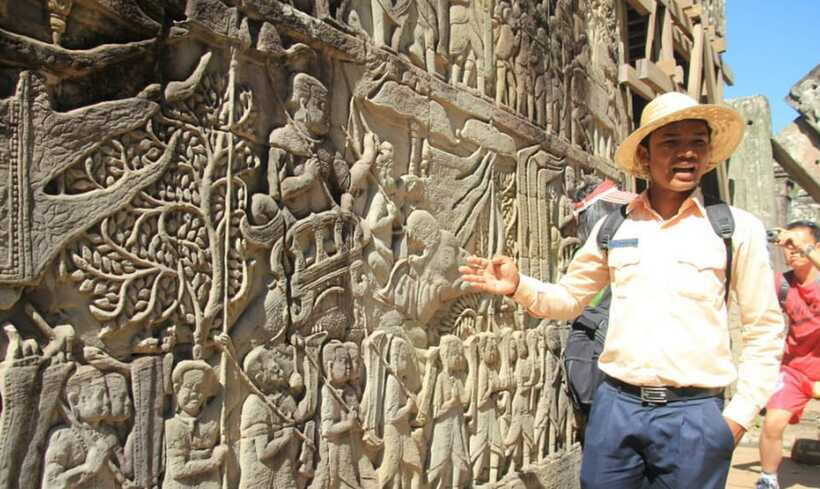
From here, you’ll see Bayon and Baphoun with their famous imagery. The highlight details matter: 54 towers topped by faces, and 216 faces of Buddhisatva Avalokesvara. Standing in that space, it’s easy to think of the faces as decoration. A good guide changes that. In this tour format, your guide explains historical facts and the Khmer empire’s temple ideas as you move between structures, so the visit becomes more than a sightseeing stamp.
There’s also a practical benefit to having the guide manage the flow. Angkor is huge and easy to second-guess. When someone explains what you’re looking at—like why these faces appear where they do—you start moving smarter, not just faster.
Terrace of the Elephant and Terrace of the Leper King: Royal viewpoints that feel real
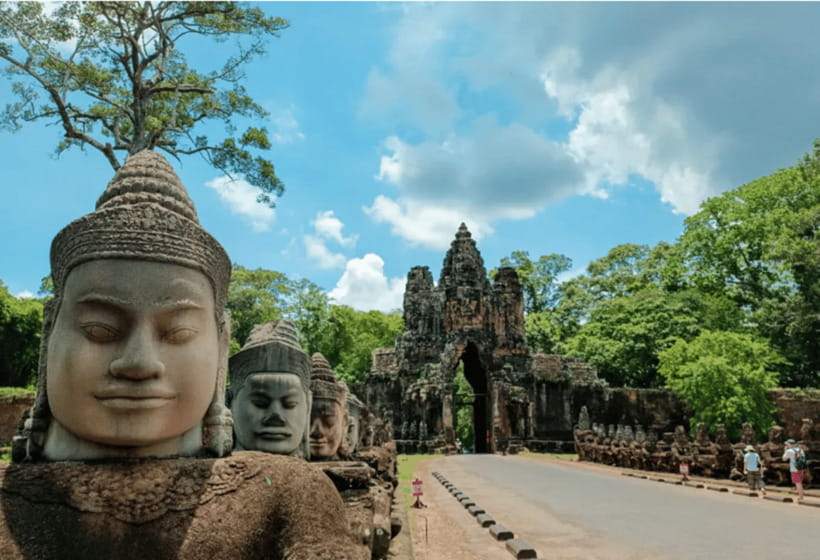
After lunch, the tour moves into the palace-area energy. Two stops anchor this part of the day: the Terrace of the Elephant and the Terrace of the Leper King.
Even if you’re not a “temple scholar,” these terraces are worth your time because they’re built for viewing and gathering. They were used as royal viewing platforms and as part of the king’s audience hall staging. That’s the key takeaway: you’re walking through places designed for people to look outward and for audiences to assemble.
The tour also gives you a sense of the storytelling behind the architecture. You’ll hear the explanations as you walk, which helps you connect the stone carvings and layout to the way power and ceremony worked in the Khmer period. If you tend to glaze over when you hear dates, try to focus on the physical layout: where people stood, where the sightlines were, and why these terraces functioned as stages for public life.
Ta Prohm: Why the jungle temple hits differently
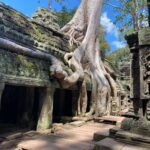
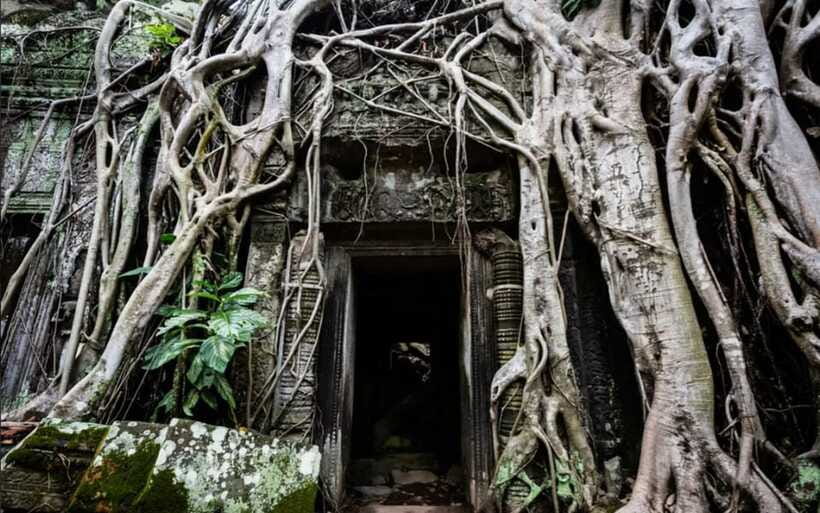
Then comes Ta Prohm, one of Angkor’s most photogenic places and one of the most atmospheric. Ta Prohm is known for the way lush trees grow around and through the stone structures, leaving that classic tangled look that people associate with Angkor on screen and in travel photos.
The tour time here includes guided walking and plenty of time to look around. What makes Ta Prohm work—beyond visuals—is the contrast. You go from carefully arranged royal terraces into a space where nature has taken over the edges. That shift makes the whole day feel like a story, not just a checklist.
A small caution: this is where you’ll want comfortable shoes and a steady pace. Even if you’re in good shape, the mix of standing, uneven ground, and looking up/down while reading details wears you out. It’s totally doable, but it’s smart to keep your energy for the moments you care about: the big angles for photos, and the calmer spots where you can actually notice the stonework.
Banteay Kdei: A calmer, late-12th-century finish
To close the day, you’ll visit Banteay Kdei, built by King Jayavarman VII in the late 12th century. This last stop is a nice way to end because it feels slightly less “tour-peak” than the headline names, while still giving you a sense of the Khmer empire’s temple building style.
You’ll be guided through the site, then you’ll head back to Siem Reap in time to rest after the long morning. At this point in the tour, the value is in continuity: sunrise, entry gates, faces and towers, royal viewing, jungle nature, and then a Khmer-era capstone that helps the day feel cohesive.
You can also read our reviews of more tours and experiences in Siem Reap

Angkor Passes and the real value of this $6 tour
Let’s talk money in a way that helps you plan. The tour price is listed at $6 per person, but temple entry is separate. You need an Angkor pass to enter the temples, and you can choose one day (USD 37), three days (USD 62), or seven days (USD 72). The pass also has to be used on consecutive days.
Here’s how I’d think about value:
- The $6 covers the core tour setup: English-speaking guide, bottled water, cold towel (as listed), and round-trip transfers from your hotel.
- The Angkor pass is the big unavoidable cost if you want to enter the temples.
So the real question isn’t just whether the tour feels cheap. It’s whether it matches how you’re planning your Angkor days. If you’re in Siem Reap for only a day or two, you might still need the one-day pass even though this specific tour is low cost. If you’re staying longer, a longer pass can make more sense because you’ll get more temple days out of it.
Either way, this tour feels like a good deal if you want the guided route and transfers without spending a lot more on the same “classic Angkor” circuit.
Comfort, crowd control, and what to bring at dawn
You’ll travel in an air-conditioned vehicle, and the tour includes bottled drinking water plus a cold towel. In most cases, that’s enough to help you handle the heat after sunrise.
Still, I’d plan like the day could run hot and dry. One booking mentioned that water and cold towels weren’t received as expected, so keeping a small personal backup bottle is a smart habit. It costs very little and gives you peace of mind.
Also, pay attention to group format. The tour offers shared group or private tour options. A recent booking noted a bigger group (around 22 people), which can make the pace feel less intimate. If you prefer quieter mornings and more room for questions, the private option is the cleaner fit.
Packing-wise, the tour data doesn’t list dress code or specific gear, but for a sunrise-to-temple day you’ll want the usual sense stuff: comfortable shoes for walking, sun protection, and something warm-ish for early mornings (dawn can feel cool before the day heats up).
And one more reality check: alcohol and drugs are not allowed on this tour. Keep that in mind if you’re used to day-drinking on vacations.
Who this small tour fits best (and who should skip it)
This tour is a strong match if you:
- Want a structured sunrise plan instead of wandering to Angkor Wat on your own at dawn.
- Like learning while you walk, especially for the “why” behind Bayon’s faces and the terraces’ purpose.
- Prefer a small-group feel or a private group option over a huge bus takeover.
- Care about seeing multiple major sites in one day without spending hours piecing together logistics.
It’s not the best choice if:
- You’re over 70 (it’s marked as not suitable).
- You get miserable with very early mornings and a full day of moving around.
Should you book Sunrise at Angkor Wat and this small circuit?
If you’re trying to do Angkor efficiently and you want the sunrise moment to be intentional, I think this is a smart booking. The route hits the big visual anchors—Angkor Wat sunrise, South Gate/Bayon, the royal terraces, Ta Prohm, and Banteay Kdei—while the guide support adds context so you don’t just look at stone and move on.
Choose it especially if you’re the type who wants someone to help with timing and viewpoints—one guide (Ounra) was praised for doing exactly that—and if you value hotel pickup and a smooth day plan.
If you’re sensitive to early starts, consider whether you’d enjoy the 4:30 AM pickup and how much walking you can handle. For everyone else, it’s a solid way to get a full Angkor day that feels guided, not chaotic.
FAQ
How long is the tour?
The total duration is 8 hours.
What time is hotel pickup?
Pickup starts at 4.30 AM from your hotel.
Is Angkor Wat entry included in the price?
No. Angkor pass tickets are required to enter temples, and admission is not included.
What Angkor pass options are available?
You can choose a one-day pass (USD 37), a three-day pass (USD 62), or a seven-day pass (USD 72). The pass must be used on consecutive days.
Are meals included?
No. Meals and beverages are not included, though there are breaks during the day.
Is the tour shared or can I book privately?
You can choose between a shared group or a private tour.
What’s included in the tour?
The tour includes an English-speaking guide, bottled drinking water, round-trip transfers to and from your hotel, and a cold towel.
Is the tour suitable for older travelers?
It is not suitable for people over 70 years.