REVIEW · SIEM REAP
Khmer Cooking Class in Cambodia
Book on Viator →Operated by Sambo cooking class · Bookable on Viator
Cooking class that feels like friends. This Khmer cooking session in Siem Reap turns Khmer cuisine into a practical, step-by-step experience—guided by the friendly team and led by chef Sokha. I love how you cook with your own setup, not just watch. I also love that the lessons focus on why ingredients work, then you taste right away. One consideration: transport isn’t included, so you’ll want to already be near Wat Damnak or plan how to get there for the 1:00 pm start.
You’ll begin with a warm meet-and-greet, get clear safety basics, and then move into hands-on cooking at a personal work station. You’ll discuss flavors and techniques after each dish, so it’s not just chopping and hoping. The good news: if you need dietary adjustments like vegetarian, vegan, or gluten-free, you can request them at booking.
In This Review
- Quick hits on this Khmer cooking class
- Why this Khmer Cooking Class works so well in Siem Reap
- Where you start: Sambo Khmer & Thai Restaurant and the Wat Damnak area
- From meet-and-greet to safety basics: your first 30 minutes matter
- Your own station, your own burner: how the hands-on setup pays off
- Cooking Khmer dishes step-by-step (and why the simplicity helps)
- Lunch included: what you’re really paying for
- Dietary needs: how to make the class fit your body
- Timing and flow: what the 2.5 hours feels like in real life
- What to bring, what to wear, and how to enjoy it
- Who should book this, and who might skip it
- Should you book this Khmer Cooking Class in Siem Reap?
- FAQ
- FAQ
- What is the duration of the Khmer cooking class?
- How much does the class cost?
- Where does the class meet, and when does it start?
- Is lunch included?
- Is alcohol included?
- Is transport included?
- Is this a private tour or shared group?
- Can they accommodate vegetarian, vegan, or gluten-free diets?
- Is there a mobile ticket?
- What is the cancellation policy?
- Are service animals allowed?
Quick hits on this Khmer cooking class
- Chef-led, step-by-step teaching so you’re not guessing in the kitchen
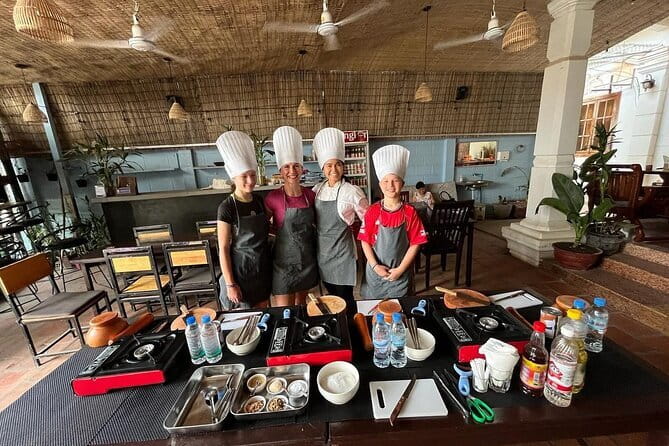
- Your own work station with ingredients and your own burner and pot
- Lunch is included, and it’s the food you help make
- Ingredient explanations tied to Khmer cooking habits
- Private group format, so you don’t get lost in a big crowd
- Dietary needs accommodated when you notify the provider at booking
Why this Khmer Cooking Class works so well in Siem Reap
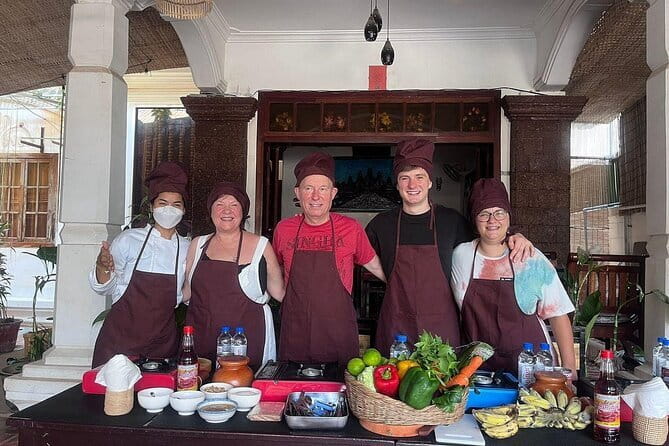
If you’ve eaten Khmer food in Siem Reap and wondered how the flavors get built, this class gives you an answer you can actually use later. Khmer cooking can sound like a mystery when you only ever see the final dish. Here, you learn the building blocks: how ingredients are treated, how heat affects texture, and how flavors come together dish by dish.
The biggest win is that you’re not stuck in a spectator role. You get hands-on time at your own station, which changes everything. Watching someone cook is entertaining. Cooking yourself is how you remember what to do next time.
The other thing I really like is the pace and structure. The class is interactive and fun, but it’s still organized: meet up, chef intro, ingredient talk, safety basics, station setup, cooking, then tasting and discussion. That flow helps you relax and focus on what’s in front of you instead of worrying you’re doing it wrong.
You can also read our reviews of more cooking classes in Siem Reap
Where you start: Sambo Khmer & Thai Restaurant and the Wat Damnak area
The class starts at Sambo Khmer & Thai Restaurant, located at Wat Damnak, Krong Siem Reap, Cambodia. The start time is 1:00 pm, and it ends back at the same meeting point. Since it finishes where it begins, you won’t have to figure out a second transfer later.
This area is also described as near public transportation, which matters if you don’t want to build your day around a taxi. I’d still plan to arrive a few minutes early. Not for “tourist ceremony,” but because once cooking starts, your hands are going to be busy and you’ll appreciate being settled.
Also, you’ll receive a mobile ticket, so have your confirmation ready on your phone when you arrive.
From meet-and-greet to safety basics: your first 30 minutes matter
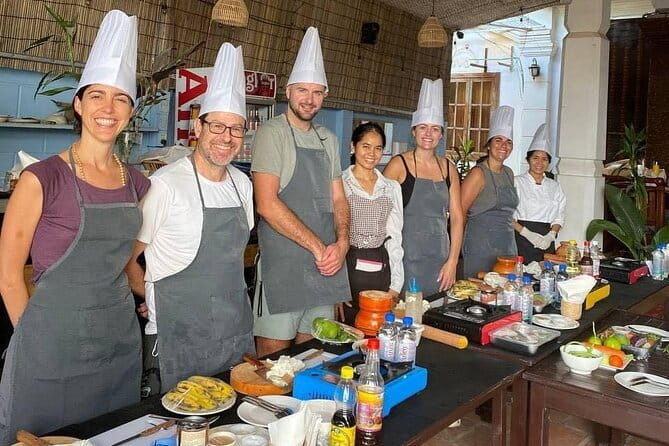
Classes like this can feel chaotic when the first step is just jumping into ingredients. This one starts with a warm welcome and meet and greet, which is more useful than it sounds. When you’re in a private group, it helps the chef understand how comfortable you are with cooking, and it helps you feel at ease.
Next comes an introduction by the working chef, followed by health and safety procedures. That might sound like formality, but it’s practical in a real kitchen setting. It helps you handle burners and hot tools with confidence and keeps the workflow smooth.
Then you get something that sets the stage for everything that follows: ingredients explained. Instead of being told only what to do, you learn what you’re working with and why it shows up in Khmer cooking. Even if you’re a total beginner, that context makes the steps easier to remember later.
One more practical detail I appreciate: because the staff provide personal work stations, you don’t have to fight for tools or share counter space while you’re learning. That reduces stress and lets you focus on technique.
Your own station, your own burner: how the hands-on setup pays off
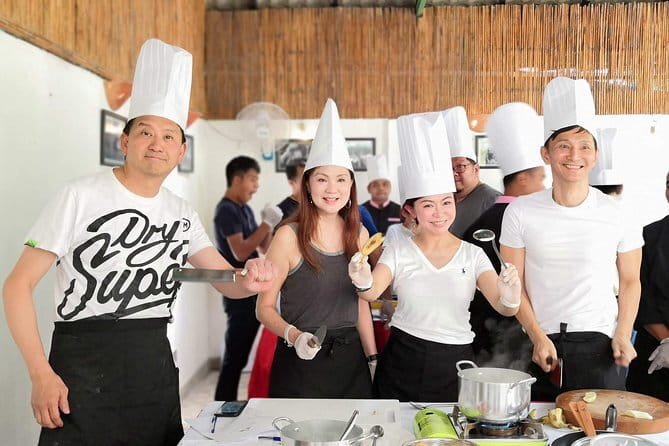
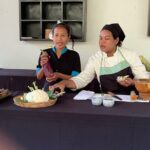
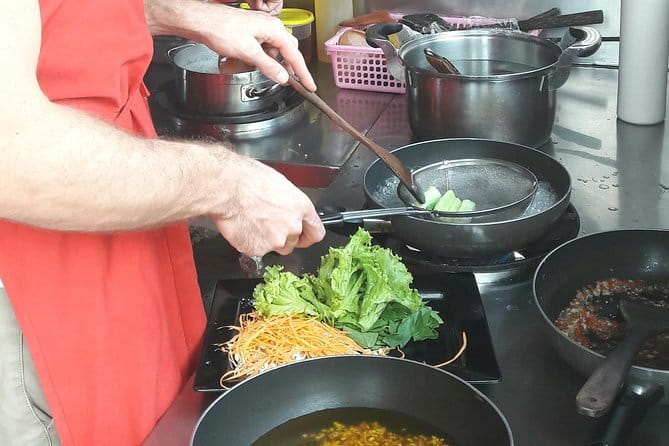
A lot of cooking classes claim to be hands-on. This one is, because each student has their own setup. You’ll have a personal work station with the necessary tools and ingredients, plus your own burner and pot. That’s a big deal.
Why? Because Khmer cooking relies on heat management and timing. When you control the pan and stove yourself, you notice what happens when ingredients hit hot surfaces, when things need a longer simmer, and how texture changes as the dish develops. You also avoid the common problem where the most interesting parts happen off to the side while you’re still waiting.
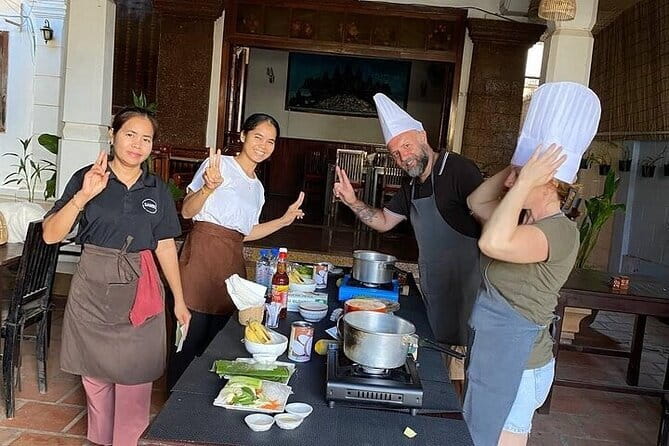
In reviews, the teaching style stands out. Chef Sokha is specifically mentioned as working with each person to make sure you understand what you’re doing. That “step-by-step plus attention” combination is what turns a fun class into a useful one.
You’ll also get practical tips and hints during cooking. Those are the tiny instructions that make recipes repeatable. When you’re learning, you don’t need a lecture. You need the one detail that fixes the problem in front of you.
Cooking Khmer dishes step-by-step (and why the simplicity helps)
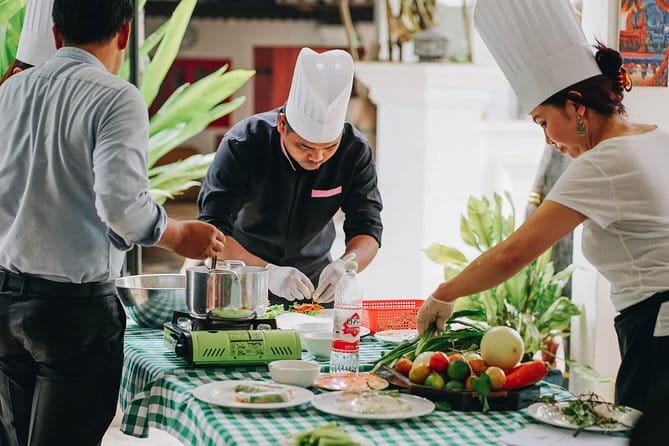
The class is built around step-by-step instructions that are easy to follow. That matters in a foreign country, where language can be a barrier and cooking terms might not match what you know at home.
Here’s what I found most valuable about that teaching approach: you’re guided through the process, and after each dish, you regroup to talk about what you made. That discussion and tasting phase isn’t just for fun. It reinforces the technique. You get to connect the flavors you taste with the steps you just completed.
In other words, you’re not only learning recipes. You’re learning cause and effect:
- What you did changes what you taste.
- The flavor balance has a pattern.
- Technique shows up in texture and aroma.
One review point that I think you’ll feel quickly is that the dishes can be surprisingly simple to prepare. That doesn’t mean they’re plain. It means the instructions are clear enough that you can follow them without advanced cooking skills. That’s also why people say they remember the recipes later.
During the hands-on portion, expect to prepare traditional Khmer dishes with guidance, then taste everything you made together at the end of the class.
You can also read our reviews of more tours and experiences in Siem Reap
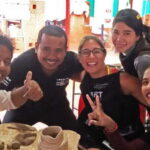
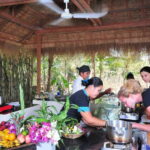
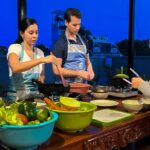
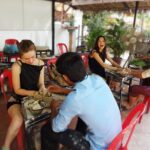
Lunch included: what you’re really paying for
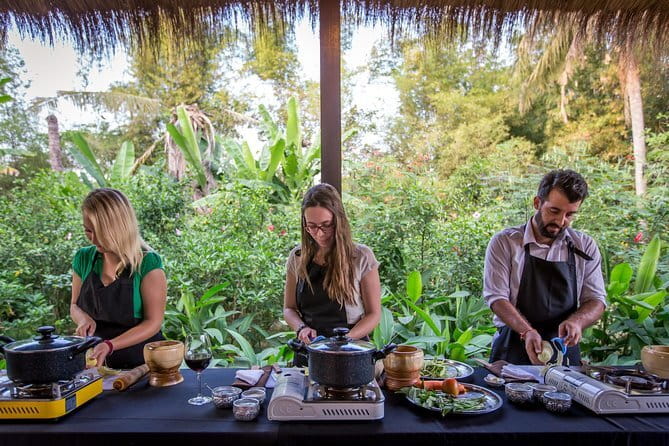
Price-wise, this class is listed at $35 and includes lunch plus a guide. You’ll also be led by an experienced chef and staff who stay with you through the process.
That inclusion changes the value equation. If you were paying for a cooking demo with no meal attached, $35 might feel like a “tour experience tax.” But here, lunch is part of what you create. You’re paying for:
1) cooking time with instruction,
2) ingredients and tools for each station, and
3) the meal at the end.
Also, the duration is about 2 hours 30 minutes. That’s long enough to learn real steps, not just skim the basics. You’re not buying a quick 30-minute stunt. You’re buying a structured, practical session where you can actually walk away with skills.
Not included: alcohol and transport. Plan to keep meals simple and handle any drink arrangements yourself.
Dietary needs: how to make the class fit your body
If you need dietary accommodations, this class can handle a range of options, including vegetarian, vegan, and gluten-free. The key is simple: notify at booking.
I like that the provider explicitly states they can accommodate dietary needs. Cooking classes often get vague on this point, and vague usually means the result is limited. Here, the expectation is clear enough that you can plan your request in advance.
Practical tip from experience: when you request a dietary need, be specific about what you avoid and what’s okay. That helps the kitchen staff prepare without last-minute scrambling.
Timing and flow: what the 2.5 hours feels like in real life
The class begins at 1:00 pm. Since it ends back at the meeting point, you can fit it into a Siem Reap day without a complicated schedule.
In terms of flow, here’s what you can expect:
- Meet and greet your group
- Chef introduction and kitchen safety procedures
- Ingredient explanations
- Personal work station setup with tools and ingredients
- Step-by-step hands-on cooking
- Discussion and tasting after dishes
- Completion of the class with a shared tasting and sense of accomplishment
- Practical tips and hints to help you repeat what you learned
That back-and-forth between cooking and short discussion keeps the experience from dragging. You also get a mental “reset” after each dish, which helps if you’re learning on the fly.
What to bring, what to wear, and how to enjoy it
You don’t need fancy prep gear. But you’ll enjoy it more if you show up ready for cooking work.
Wear comfortable clothes you don’t mind getting warm or slightly splashed. Kitchen time usually means heat and steam, plus the smell of spices. Bring a light water plan too. Even if the meal is included, you’ll likely appreciate hydration during the cooking.
If you’re sensitive to spice levels, say something early. The class focuses on guidance and discussion, so it’s the right moment to ask about flavor balance.
And since alcohol isn’t included, don’t count on drinks to make the experience feel like a party. Think of it as a food lesson with a meal, not a bar night.
Who should book this, and who might skip it
Book it if you:
- want a practical way to learn Khmer cooking, not just watch someone else cook
- like hands-on classes where you get your own tools and space
- enjoy food enough to care about ingredients, flavor balance, and technique
- want to take something home in your head, not just on your phone
You might skip it if you:
- truly hate cooking or standing at a stove
- are only interested in seeing sights and don’t want a structured activity
- don’t have an easy way to reach Wat Damnak area for the 1:00 pm start (since transport isn’t included)
The private group setup is also a plus if you dislike being lost in a crowd. It’s designed so your questions and pace can be part of the class.
Should you book this Khmer Cooking Class in Siem Reap?
I think you should book it if you want an authentic Siem Reap experience you can repeat later. Chef-led instruction, your own station with burner and pot, and a meal that you help make are a strong combo for $35. Add in accommodations for dietary needs and a team that clearly teaches with care—especially with chef Sokha stepping in to make sure you understand—and it becomes one of those activities that pays off even after the trip ends.
If you’re on the fence, ask yourself one question: do you want to learn how Khmer flavors are built, or do you just want to eat? This class is for learning.
FAQ
FAQ
What is the duration of the Khmer cooking class?
It’s about 2 hours 30 minutes.
How much does the class cost?
The price is $35.
Where does the class meet, and when does it start?
It starts at Sambo Khmer & Thai Restaurant at Wat Damnak, Krong Siem Reap, and the start time is 1:00 pm.
Is lunch included?
Yes. Lunch is included.
Is alcohol included?
No. Alcohol isn’t included.
Is transport included?
No. Transport isn’t included.
Is this a private tour or shared group?
It’s private. Only your group participates.
Can they accommodate vegetarian, vegan, or gluten-free diets?
Yes. Dietary needs such as vegetarian, vegan, and gluten-free can be accommodated if you notify at booking.
Is there a mobile ticket?
Yes. The class uses a mobile ticket.
What is the cancellation policy?
Free cancellation is available. You can cancel up to 24 hours in advance for a full refund.
Are service animals allowed?
Yes, service animals are allowed.