REVIEW · SIEM REAP
Siem Reap: Cambodian Pottery Class
Book on GetYourGuide →Operated by Khmer Ceramics & Fine Arts Centre · Bookable on GetYourGuide
A manual pottery wheel and real Khmer designs make this class fun even if you’re a total beginner. I especially liked the hands-on wheel time and the chance to decorate with Khmer carving-style patterns. The only real catch: your clay needs time to dry and fire, so you won’t leave with a finished piece immediately.
You start with hotel pickup and a short tuk-tuk ride into Siem Reap’s ceramics world, then spend about two hours shaping, refining, and decorating your work. Overnight firing handles the hard part for you, and you pick up your pottery at 6pm the following day—or choose a small item from the shop if timing matters.
In This Review
- Key things to love about Siem Reap pottery class
- Why Siem Reap pottery feels more than a souvenir
- Getting there: tuk-tuk pickup and your first look at the workshop
- The lesson flow: from demo to your own bowl on the wheel
- You may make more than one piece during the session
- Decorating with Khmer-style carving: where your personality shows
- Firing overnight and pickup at 6pm: plan your day accordingly
- Included extras that make the $27 feel fair
- What about food and timing for temple days?
- Who should book this pottery class
- A quick, honest drawback to consider
- Should you book the Siem Reap Cambodian Pottery Class?
- FAQ
- How long is the Siem Reap Cambodian pottery class?
- How much does the class cost?
- What do I make during the class?
- Do I get picked up from my hotel?
- How do I get my finished pottery?
- Is food included?
- Can I get something from the shop instead of waiting for pickup?
- What language is the instruction in?
- Is the workshop wheelchair accessible?
- Is pottery delivery to my hotel included?
Key things to love about Siem Reap pottery class
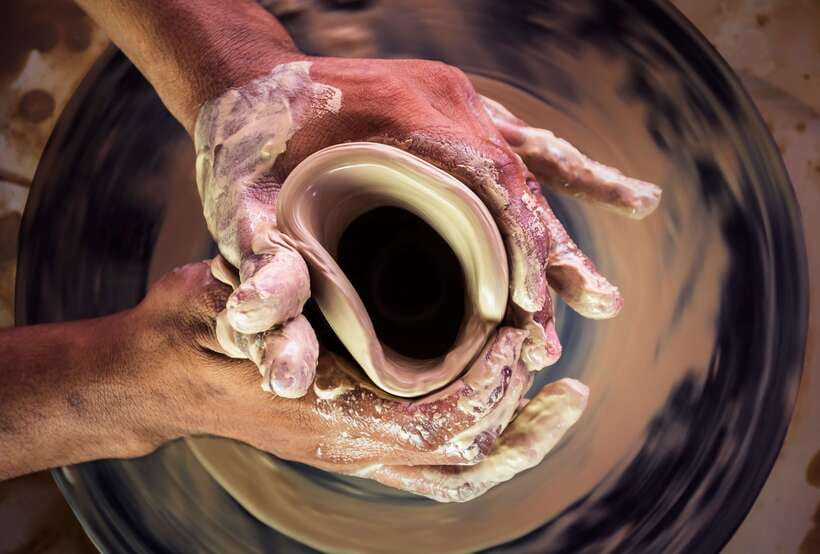
- Manual wheel practice with an expert local artist guiding your hands
- Khmer carving-inspired decoration that turns a plain bowl into something personal
- You can take your work home after firing, with a next-day pickup at 6pm
- Made for different skill levels, including people trying pottery for the first time
- Value at $27, because transport, materials, firing, and instruction are included
Why Siem Reap pottery feels more than a souvenir
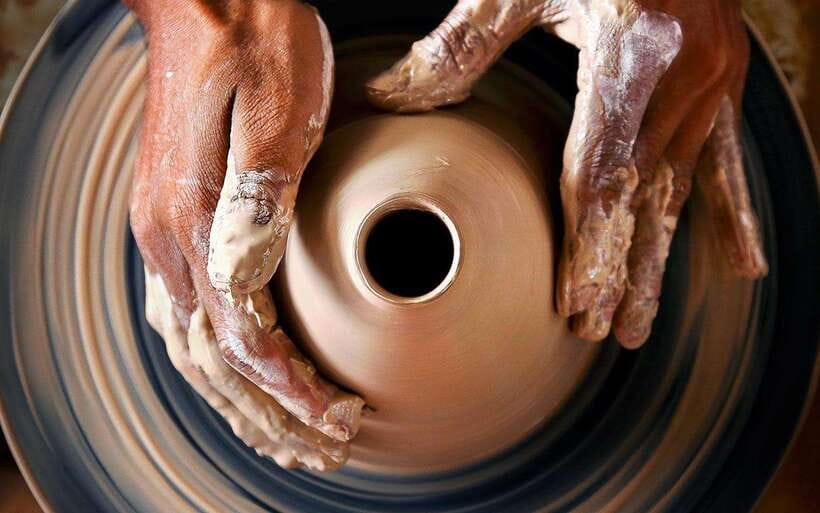
Siem Reap has long been a center for traditional Cambodian ceramics, and this class keeps that connection close to the craft. Instead of a quick demo where you watch and copy, you’re actually working the clay—hands-on, from the first shaping to the final decorative touches.
What makes it feel worthwhile is the way the workshop teaches you how to think like a potter. You learn how the clay wants to move, how pressure changes the shape, and how to fix small mistakes while there’s still time to correct them.
You can also read our reviews of more tours and experiences in Siem Reap


Getting there: tuk-tuk pickup and your first look at the workshop
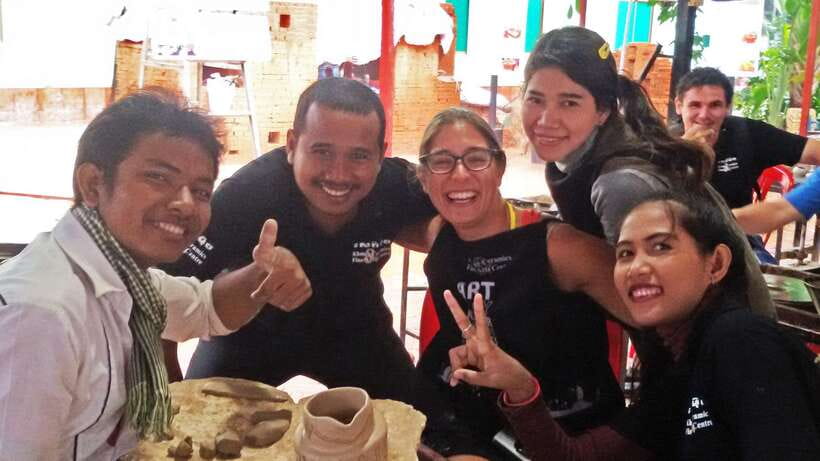
This experience starts with hotel pickup and drop-off in Siem Reap Province. You hop into a tuk-tuk for the ride to the center of town, then head out to the ceramics studio.
That short transport piece matters more than you’d think. It gives you a clean break from temple touring (which can be intense in the heat), and it also helps you arrive ready to focus. Once you’re at the workshop, the atmosphere is calm and set up for making—tools out, clay ready, and the space organized so you’re not scrambling to figure out what’s going on.
The lesson flow: from demo to your own bowl on the wheel
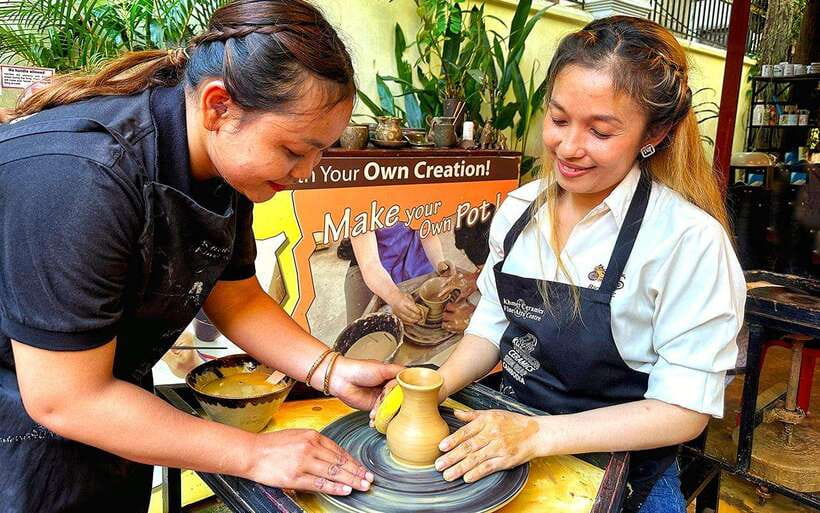
The class runs about 2 hours, and the rhythm is simple: explanation, demonstration, then practice.
An expert local instructor shows you the process of making ceramics and the key techniques you need on the wheel. Then you get your turn. The wheel work is manual—meaning you control it (including with foot movement) as you shape your clay. It’s a great detail because it forces real coordination: hands steadying the form while you keep the wheel moving smoothly.
You’ll shape a bowl using local Cambodian clay. The teacher doesn’t just point at what to do; they coach your grip, your pressure, and your speed so your shape doesn’t collapse or warp. If you’ve never used a wheel before, don’t worry. This isn’t the kind of class where you’re expected to magically make something perfect on the first try.
A small reality check: pottery is harder than it looks on video. Clay can wobble, and it can feel like you’re chasing the shape. The upside is that you’ll learn fast, and the instruction is designed to get you to a solid result rather than a stress test.
You may make more than one piece during the session
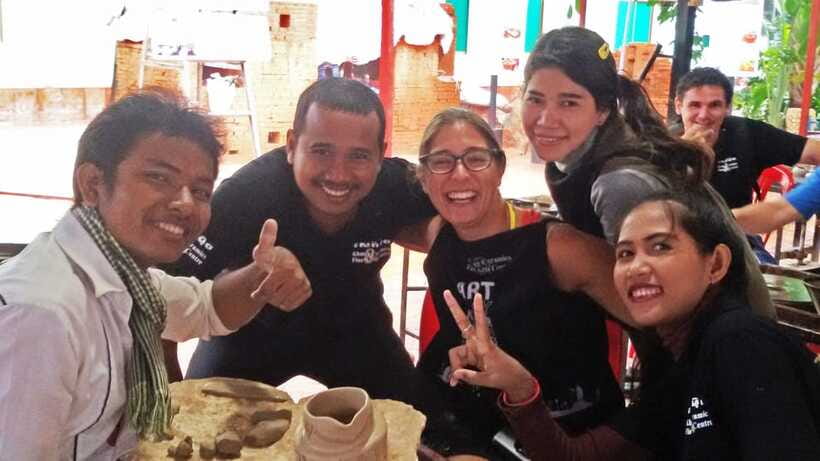
The experience is built around making at least one bowl you’ll take home, but many classes in this workshop include extra hands-on time. Several participants describe creating multiple items (often up to five pieces) during the session, then choosing which one to keep for firing.
You may also see options to add pieces if you want more than the included item. One practical note from the workshop style: if you make extra pieces, there can be a small additional charge for those beyond what’s included in your class price.
This matters because it changes how you should plan emotionally. If you want just one keepsake, you can relax. If you like experimenting, you’ll likely have time to try more shapes and designs before you decide what to keep.
Decorating with Khmer-style carving: where your personality shows
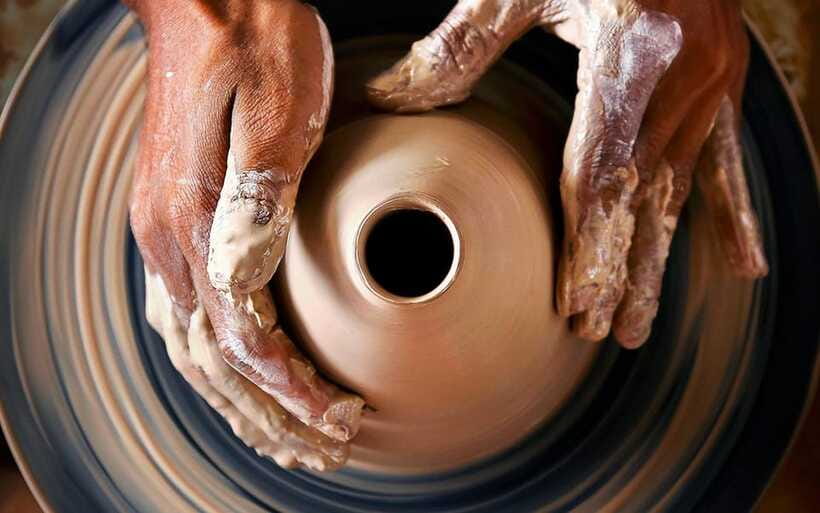
After shaping comes the part that turns a useful ceramic into something meaningfully yours: decoration.
You’ll add Khmer ornamentation to your bowl using carving-inspired decoration. The emphasis isn’t on making a perfect museum copy of something old. Instead, it’s about learning how Khmer-style designs are transferred onto clay surfaces and how to create patterns that actually look intentional once fired.
This section is where beginners often feel the most confident. Wheel work can be technical. Decorating is more about steady hands and choosing a motif you like. If you like detail work, you’ll probably enjoy this portion a lot more than you expected.
Tip that comes from real classroom experience: if you’re planning to carve or engrave, cut your nails ahead of time. It makes the detailing easier and reduces that itchy feeling of your nails getting in the way.






Firing overnight and pickup at 6pm: plan your day accordingly
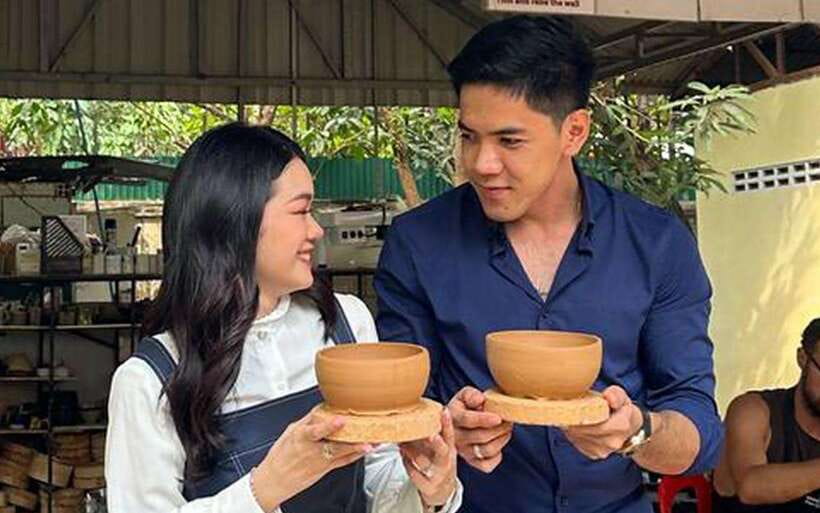
Here’s the one scheduling detail that really affects your travel flow: your pottery is fired overnight. That means your finished piece isn’t ready at the end of the class.
Instead, you pick it up the day after at 6pm. If you’re already flying out early or leaving Siem Reap immediately, build your schedule around that pickup time.
If you can’t wait for the full firing timeline, there’s a workaround. You can choose a product for less than $5 from the shop on your class day. It’s a nice safety valve for travelers who don’t have the extra day buffer.
Also note: the firing process includes the chance for clay to shrink slightly. Your teacher will guide you toward shapes that handle that shrinkage, but it helps to know that the final fired size can be a bit smaller than what you shape at the wheel.
Included extras that make the $27 feel fair
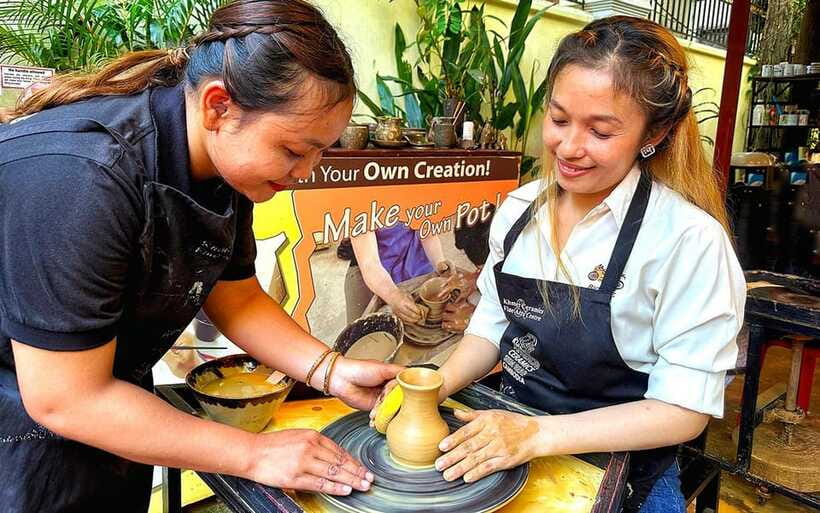
At $27 per person for a 2-hour, instructor-led workshop, the value is mostly in what’s wrapped into the price.
You get:
- Hotel pickup and drop-off
- Workshop visit and class fee
- A local English-speaking guide and teacher
- All art materials
- Pottery demonstration
- Your handmade pottery bowl (the kept, fired piece)
- A Cambodian potter’s diploma
- Bottle of water
- Taxes and handling charges
That’s a lot of “hidden” costs you’d normally pay separately if you booked a craft workshop on your own. The firing step is also a major part of the value—because kiln work is exactly the kind of thing you can’t DIY in a hotel room.
One more thing: the studio includes time to learn, not just time to make. Several people highlight how patient and practical the instruction feels, including quick fixes when shapes go off track. That kind of coaching turns the class from a souvenir factory into an actual skill-building session.
What about food and timing for temple days?
Food isn’t included unless specified. So if you’re stacking this class alongside Angkor temple time, I’d treat it like a focused half-day activity, not a full day.
The practical rhythm I’d plan for: do pottery when the heat is highest or when you want a break from walking temples. Then enjoy the evening afterward—either picking up dinner nearby or winding down at your hotel, knowing the hard work is already done through firing.
Who should book this pottery class
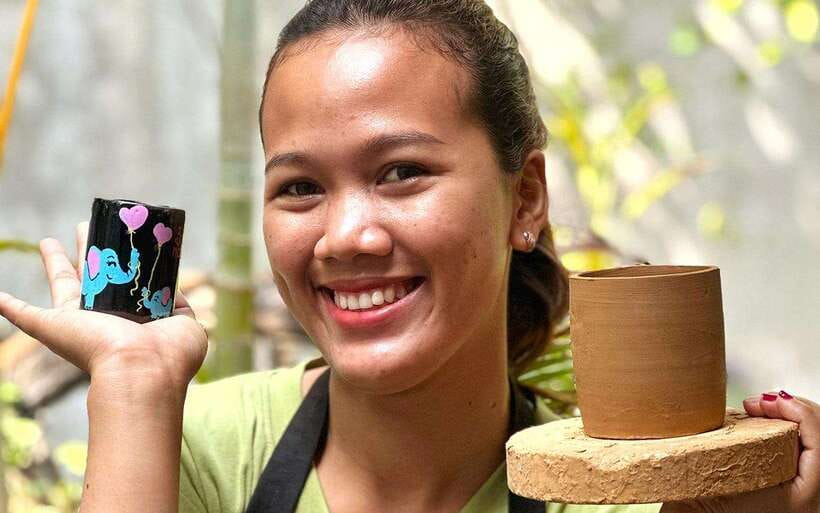
This is a strong fit if you want:
- A hands-on creative activity that isn’t physically extreme
- A real skill (wheel work and basic ceramic technique) rather than a one-step craft
- A Cambodian-made souvenir that you can say you actually made yourself
- A calm break in Siem Reap from sightseeing crowds
It’s also a nice choice for people who think they’re bad at crafts. The class structure supports beginners. The pace is manageable, and the teacher guidance helps you get to something you’ll be proud to pack.
A quick, honest drawback to consider
The biggest drawback is timing. You’re committing to a next-day pickup at 6pm, and you’re not getting the finished bowl immediately.
If your schedule in Siem Reap is tight—like you’re leaving the next morning—choose carefully. The $5 shop option helps, but it won’t replace a fully fired keepsake if you’re counting on taking your piece with you right after class.
Should you book the Siem Reap Cambodian Pottery Class?
If you want a hands-on activity with real technique, I’d book it. For $27, the combination of wheel instruction, guided Khmer-style decoration, and overnight firing is hard to beat. The fact that you also receive a Cambodian potter’s diploma makes it feel like something connected to local practice, not just a tourist craft stop.
I’d skip it only if you already know you can’t handle the next-day 6pm pickup window. Otherwise, it’s a smart way to add a creative, locally rooted experience to your Siem Reap days—one you’ll remember the next time you use that bowl at home.
FAQ
How long is the Siem Reap Cambodian pottery class?
It lasts about 2 hours.
How much does the class cost?
The price is $27 per person.
What do I make during the class?
You’ll create a Cambodian ceramic bowl and decorate it with Khmer ornamentation.
Do I get picked up from my hotel?
Yes. Hotel pickup and drop-off are included.
How do I get my finished pottery?
Your pieces are fired overnight, and you pick them up the next day at 6pm.
Is food included?
Food and drinks are not included unless specified.
Can I get something from the shop instead of waiting for pickup?
Yes. You can choose a product for less than $5 from the shop on your class day.
What language is the instruction in?
The workshop uses Cambodian and English.
Is the workshop wheelchair accessible?
Yes, it is listed as wheelchair accessible.
Is pottery delivery to my hotel included?
Delivery is not included. You’ll need to pick up your fired piece at 6pm the day after.