REVIEW · SIEM REAP
Siem Reap: Khmer Cooking Class at a Local’s Home
Book on GetYourGuide →Operated by Angkor Wat Travel Tour · Bookable on GetYourGuide
That smoky sauce smell means you’re doing the real thing. This Siem Reap cooking class takes you into a local home kitchen, where you cook classic Khmer flavors instead of just watching from the sidelines. I especially like the way you start with a market stop, so the ingredients make sense right away, not later in a memory haze.
My second favorite part: you cook four dishes in one session and actually sit down to eat them as a proper four-course meal. Expect popular standouts like Fish Amok and Tom Yum, plus other Khmer dishes depending on the menu choices. One thing to consider: it’s a hands-on, time-pressured cooking experience, so comfy shoes matter and you’ll want to show up ready to chop and stir.
If you want a mellow, slow-paced class, this may feel a bit brisk. If you’re okay with a lively pace and clear instructions, you’ll likely find it one of the best value ways to understand Khmer food beyond Angkor-day logistics.
In This Review
- Key highlights worth your attention
- Tuk-tuk pickup and the real ingredient hunt in Siem Reap
- A Khmer home kitchen cooking class built around small groups
- Cooking 4 Khmer dishes: Fish Amok, Tom Yum, and your menu choices
- The four-course sit-down meal (and why you’ll remember it)
- English hosts, real instruction, and how to get the most out of 3 hours
- Price and value: $29 for a market-to-meal cooking day
- Who should book this Khmer cooking class, and who should skip it
- Should you book this Siem Reap cooking class?
- FAQ
- How long is the Khmer cooking class in Siem Reap?
- How much does it cost?
- What’s included in the price?
- Is the class offered in English?
- How big is the group?
- Can you accommodate vegetarian or vegan diets?
- Do they include alcoholic drinks?
- Are there cancellation rules?
Key highlights worth your attention
- Tuk-tuk hotel pickup puts you in the right mood from minute one
- Local market walk gives you a practical sense of what Cambodians actually buy and why
- Small group of up to 6 means you get attention while you cook
- Four-course Khmer meal with dishes like Fish Amok and Tom Yum
- English-speaking hosts guide you through both the market and the cooking steps
Tuk-tuk pickup and the real ingredient hunt in Siem Reap
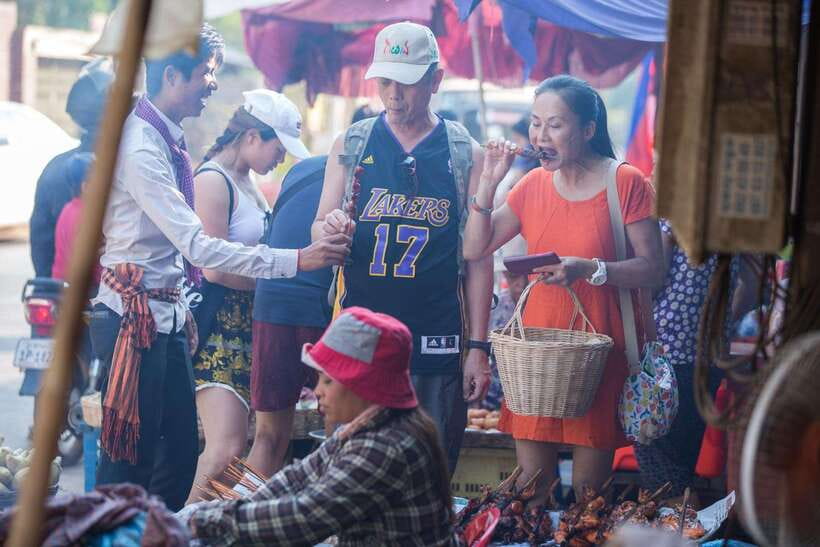
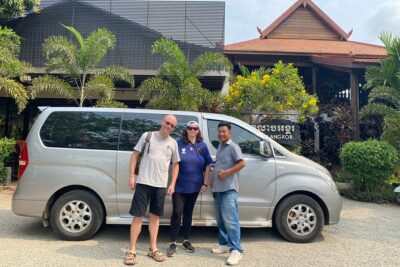
The experience starts with a classic Siem Reap touch: a tuk-tuk pickup from your hotel. It’s not just cute for photos. The ride gets you out of the tourist rhythm fast, and you’re usually moving within minutes of meeting your driver and guide.
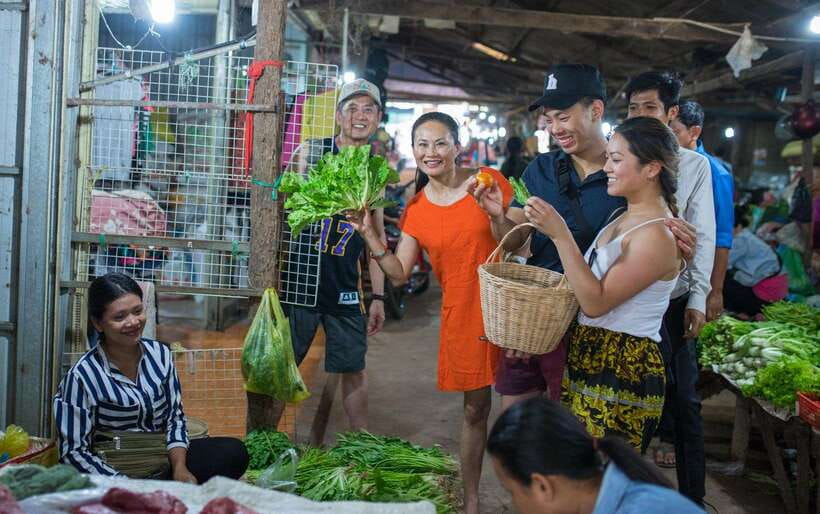
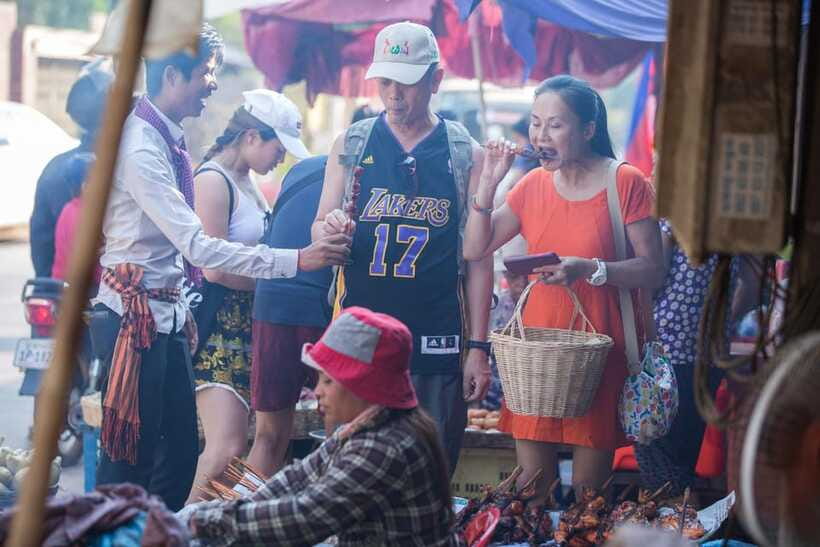
Your first meaningful stop is the local market, where you meet the ingredients at their source. This matters more than you might think. Cambodian cooking leans hard on aromatics and fish-based flavors, and the market is where you learn what ingredients look like before they hit your cutting board. You’ll also get a chance to ask questions about what’s common in Khmer kitchens and how vendors pick and sell produce.
A big plus here is that you’re not limited to a pre-made shopping list. You’ll be able to buy fresh ingredients needed for the dishes you’ll cook. That gives you control over taste, and it also makes the class easier to repeat later at home. If you’ve ever struggled recreating a dish because you only knew the English name from a menu, this step helps you avoid that problem.
One practical note: markets can be warm and busy. Wear comfortable shoes, keep your camera handy, and don’t plan to dress like you’re going to dinner afterward. This is hands-on travel, with a little walking and plenty to look at.
You can also read our reviews of more cooking classes in Siem Reap
A Khmer home kitchen cooking class built around small groups
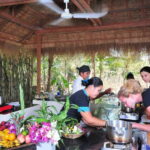
After the market, you head to your host’s home and kitchen space. The setting feels personal, which changes everything. Cooking classes in big studio kitchens can feel generic. Here, you’re working in a space that mirrors how people cook in everyday Khmer life.
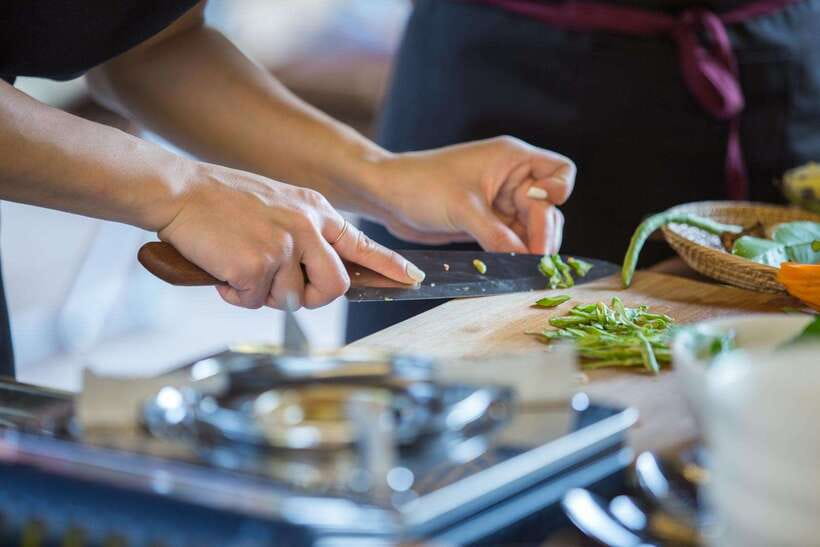
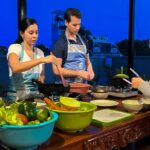
The class runs for about 3 hours, and the schedule is structured so you’re not standing around waiting. You’ll be guided step by step, but you’ll also be doing real prep: chopping, mixing, rolling, frying or steaming—whatever your specific dishes require. Because the group is limited to 6 participants, the instructor can keep an eye on your pan, your seasoning, and your timing.
Language is English, and the hosts tend to be friendly and humorous. In practice, English can vary slightly by guide. If you’re someone who gets nervous when you don’t catch every word, don’t worry. The process is visual and hands-on, so you’ll still get it even if a sentence comes through fast.
What I like about this format is the balance between structure and flexibility. You cook a set of four dishes, but you also choose from a small menu for what you’ll make. That means you can steer your meal toward your preferences—spice level, seafood vs. other options, and the kinds of flavors you want to learn.
Also, it’s not just cooking for one “hero dish.” You’ll learn multiple parts of the Khmer meal rhythm: a lighter starter or salad, a soup-style or savory course, a main dish, and a dessert. That variety makes your skills more useful after you leave.
Cooking 4 Khmer dishes: Fish Amok, Tom Yum, and your menu choices
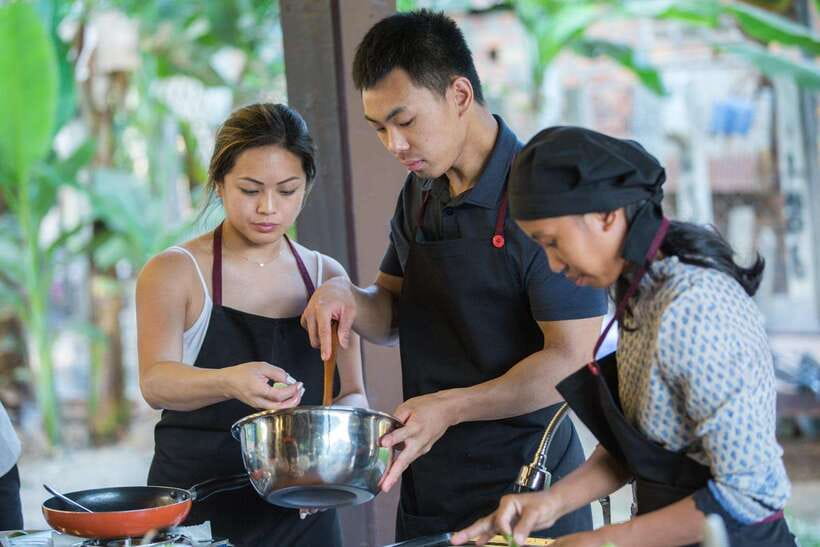
The centerpiece of the cooking is four authentic Khmer dishes. Some highlights are baked in—especially Fish Amok and Tom Yum—but the rest of the menu comes from options, so your final plates can differ based on what’s available and what you pick.
Here’s how these dishes teach you real technique:
- Fish Amok is where you learn Khmer-style richness and aromatic balance. It’s not just flavor; it’s texture and method—so you’ll pay attention to how the fish is prepared and how the sauce develops.
- Tom Yum is where you get the “pop” of Thai-inspired, Khmer-adapted sour-spice freshness. You’ll practice building flavor from aromatics and broth, and then adjusting for the right tang.
Beyond those two, you’ll likely cook other Khmer staples that fit the four-course structure—often including a salad, a savory course, and a dessert option. In several versions of the experience, people mention cooking an entree/side plus a soup or starter, then a main and dessert. The key point for you: this class is designed so you learn how a Khmer meal is assembled, not just how one dish is made.
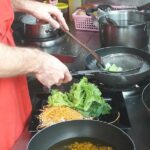
Another small detail that makes it work: the cooking is usually split across stations, so different participants work at different steps and multiple dishes can progress at once. That can feel intense at first, but it’s also why everyone eats warm food at the end. If you like organized chaos—this fits.
Taste-testing is part of the process. You’ll adjust along the way instead of hoping the final dish saves the day. And if you’ve ever had a cooking class where you get one recipe at the end and no coaching, this is different. Clear instructions plus active guidance means you’ll understand what you did, not only that it worked.
The four-course sit-down meal (and why you’ll remember it)
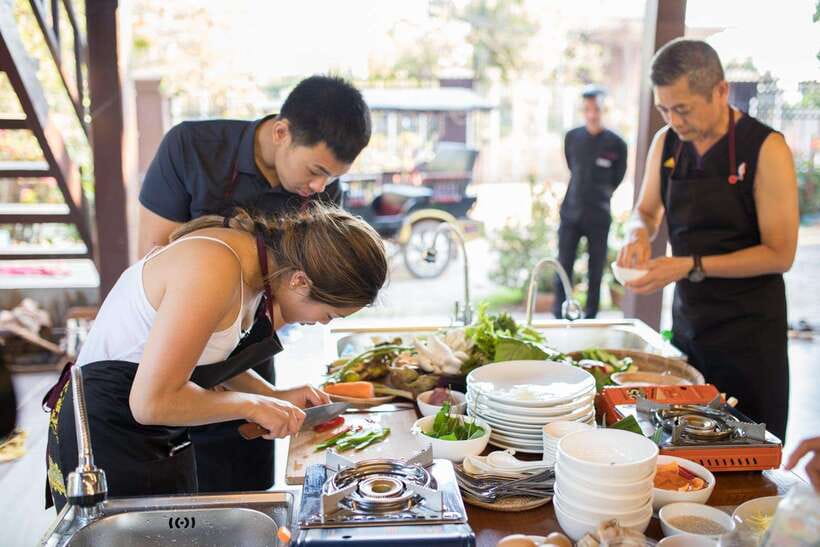
After cooking, you eat what you made: a true four-course meal. This is not a token snack. It’s the payoff that turns the class into something you can emotionally connect with—because you’ll taste your own versions of Khmer comfort food, not someone else’s plated masterpiece.
The social part matters too. You’re part of a small group of 6, and the meal becomes a shared moment. People tend to enjoy swapping what they cooked and how it compares between menu choices. Even if you’re traveling solo, it rarely feels awkward.
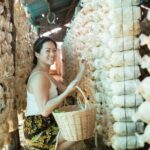
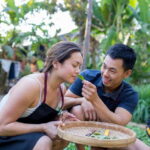
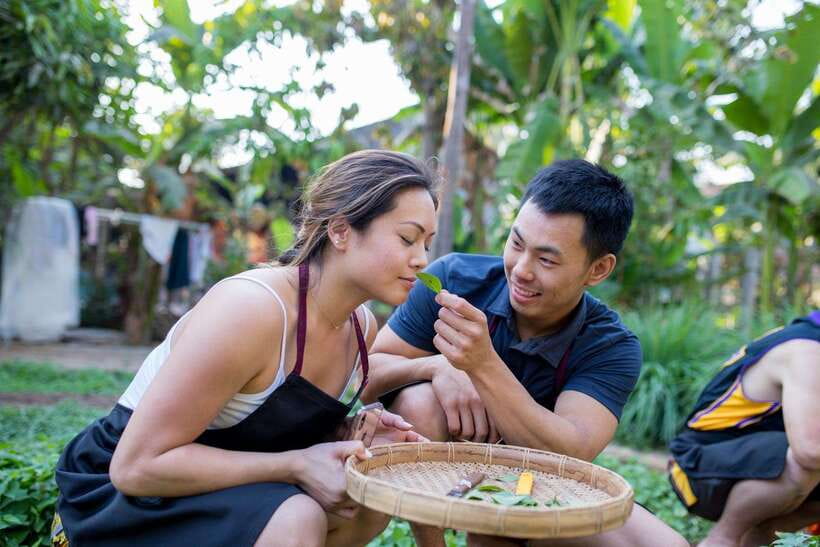
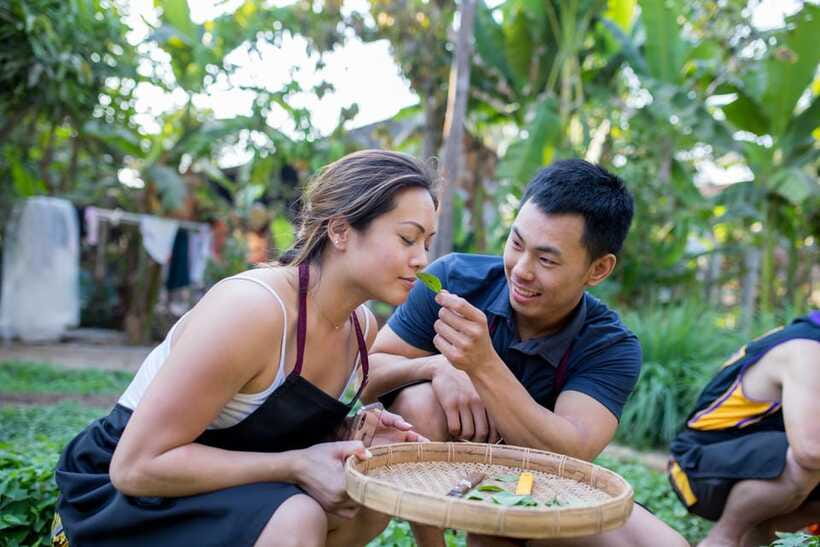
One more thing I’d tell you to watch for: many versions of this experience include a garden or on-site grow area before cooking. Hosts and instructors explain what’s growing and how ingredients are used, which makes the cooking lessons click. In particular, I’ve seen mentions of garden tours featuring herbs and vegetables, with extra interest in mushrooms they grow onsite. Even if you don’t notice every ingredient name, you’ll get the big picture: Khmer cooking isn’t built on imported shortcuts. It’s built on fresh aromatics.
You also leave with practical take-home value. Many guests report receiving recipes and sometimes photos taken during the cooking. For you, that means you can recreate the dishes without reinventing the process from scratch.
English hosts, real instruction, and how to get the most out of 3 hours
What makes this class consistently worth it is the human factor. Hosts and cooking instructors—names you might meet include Kong (and King Kong) for the market guidance and Sivorn or Sorya for cooking instruction—tend to be upbeat, patient, and funny. That energy isn’t just for entertainment. It keeps you on track when the cooking gets fast.
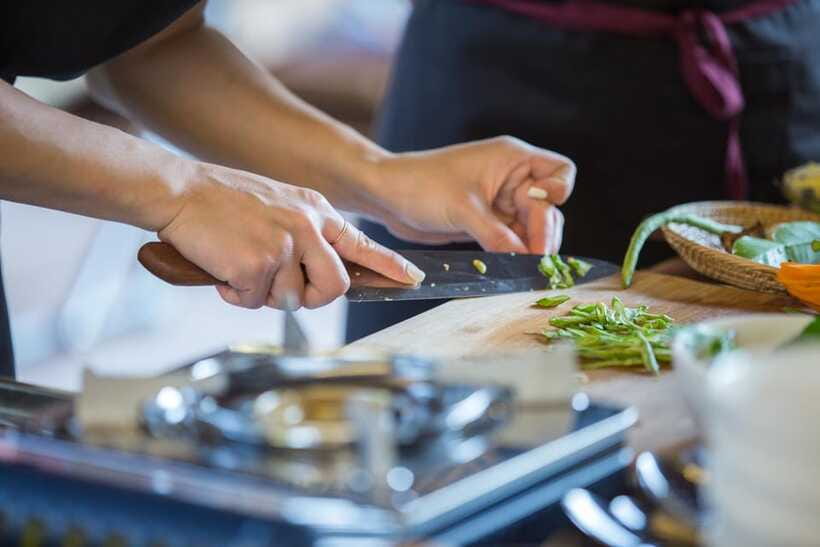
Small group size also helps with learning. When your sauce needs time or your knife work needs a reset, you can get help quickly. And because the class is structured around four dishes, you’re not stuck doing repetitive prep the whole time. You switch tasks enough to stay engaged.
For you, the best way to maximize the value is simple:
- Arrive on time so you don’t miss the market ingredient context.
- Don’t be shy about questions. If you want to know ingredient substitutions, ask.
- Taste as you go. Don’t wait until the final plate.
A consideration: the class can be fast-paced. That’s not a flaw; it’s how they keep food from cooling and burning. If you’re someone who needs slow, step-by-step cooking with lots of breathing room, this might feel demanding.
Also confirm dietary needs upfront if you have restrictions. The experience can accommodate vegetarian and vegan options, and you’re asked to inform the team when booking if you have allergies or dietary restrictions. That’s important for you because Khmer dishes often use fish sauce and similar flavor bases, and your choices need to match what you can safely eat.
You can also read our reviews of more tours and experiences in Siem Reap
Price and value: $29 for a market-to-meal cooking day
At $29 per person for about 3 hours, the price can look almost too good—until you break down what’s included. You’re getting hotel pickup and drop-off, an English-speaking local host, the ingredients, a four-course meal, and bottled water. That’s the core value, and it’s rare to get all of that together for this kind of money.
The biggest value driver is the market + cooking combination. Many classes jump straight to the kitchen and you leave with a plate that tastes good but feels disconnected from where ingredients come from. Here, you start by shopping, so your learning sticks.
You’re also not paying for a large tour bus. The group is limited to 6, which keeps your experience more personal and makes it easier for the instructor to manage timing while you cook.
One thing that isn’t included: alcoholic drinks. If you want a beer or a cocktail with your meal, plan to pay separately. That’s normal for many food experiences, but it’s good to know so you don’t get surprised at the end.
If you’re doing Siem Reap on a tight schedule (or if you’re planning around temple days), this class is also conveniently close to the city experience. You’re not spending half your day in transit, and you’re still getting a cultural activity you can taste and repeat.
Who should book this Khmer cooking class, and who should skip it
This is a great fit if you want real immersion through food, a hands-on lesson, and a meal you’ll actually look forward to. It also works well if you like structure. You’ll cook four dishes with clear steps, and you’ll have choices from the menu so it doesn’t feel generic.
You’ll likely enjoy it most if:
- you want to learn how to cook classics like Fish Amok and Tom Yum
- you’re comfortable cooking in a lively, time-efficient setting
- you appreciate market culture and want to understand ingredient choices
It’s not a fit for everyone. It’s listed as not suitable for children under 8, wheelchair users, and people over 80. Also, unaccompanied minors aren’t allowed, so if you’re bringing a child, make sure your situation matches the rules.
For practical planning, bring comfortable shoes and a camera. If you need an infant seat, it’s available on request, but you should arrange that at booking. If you have allergies or follow a diet, tell the team up front so they can adjust your menu and cooking steps.
Should you book this Siem Reap cooking class?
Yes, if you want one of the most direct ways to understand Khmer cooking without getting stuck in tourist-trap dinners. The market stop makes your lesson meaningful, the small group keeps it personal, and the four-course outcome gives you skills you can actually use again at home.
Skip it only if you need a super slow, relaxed cooking session or if your mobility or age range makes the class unsuitable. If that’s not you, $29 for market-to-meal instruction in a local home is strong value—and you’ll leave with recipes, photos, and the kind of food memory you can recreate.
FAQ
How long is the Khmer cooking class in Siem Reap?
The experience lasts about 3 hours.
How much does it cost?
It’s $29 per person.
What’s included in the price?
Hotel pickup and drop-off, an experienced local host/guide, ingredients, a 4-course meal, and bottled water are included.
Is the class offered in English?
Yes, the instructor is English-speaking.
How big is the group?
It’s a small group limited to 6 participants.
Can you accommodate vegetarian or vegan diets?
Yes. The cooking class can accommodate vegetarian and vegan options.
Do they include alcoholic drinks?
No. Alcoholic drinks are not included.
Are there cancellation rules?
There is free cancellation up to 24 hours in advance for a full refund.