REVIEW · SIEM REAP
Cambodian Cooking Class from Siem Reap
Book on GetYourGuide →Operated by Beyond. Unique Escapes · Bookable on GetYourGuide
Cambodian cooking class, done the local way. You’ll cook Khmer favorites hands-on, then eat your creations in a pond-side pavilion with the slow calm of village life around you. I like that the day isn’t just recipes on a screen; it’s learning what goes into Khmer cooking and why.
You’ll also spend real time with local food—starting with herbs and produce tied to what Khmer households grow and use. One thing to watch: much of this experience happens outdoors, so bring comfortable footwear and a hat for the walk.
In This Review
- Key Highlights Worth Planning Around
- From Siem Reap City Heat to Village Calm, in a Tuk-Tuk
- The Market Stop That Makes the Recipes Make Sense
- Meeting a Khmer Family: Home Kitchen, Herbs, and Daily Food Prep
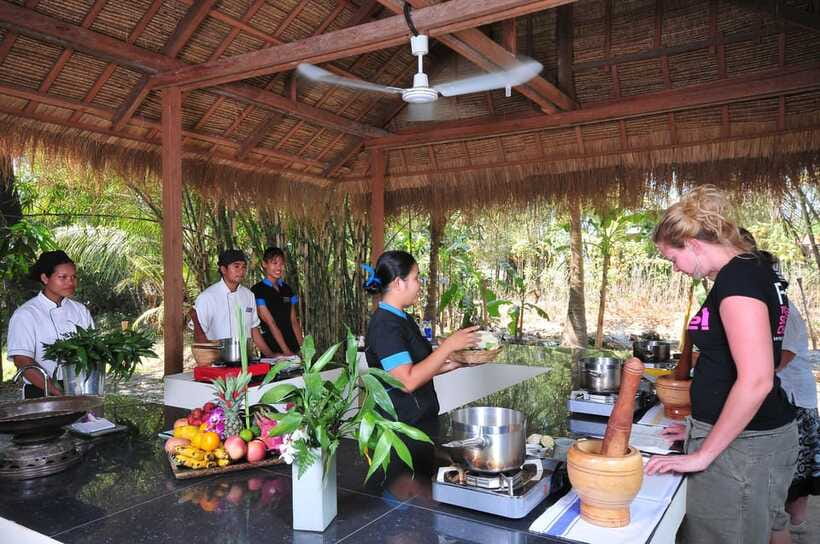
- The Cooking Pavilion by the Pond: Your Hands-On Station
- What You Cook: Morning vs Afternoon Khmer Menu
- Morning Class Dishes
- Afternoon Class Dishes
- Eating What You Cook: Pond Views and One-by-One Service
- Price and Value: Why $32 Feels Fair in Siem Reap
- Logistics That Matter: Duration, Group Size, and What to Bring
- Responsible Tourism Angle You Can Feel in the Day
- Should You Book This Siem Reap Cooking Class?
- FAQ
- How long is the Cambodian Cooking Class from Siem Reap?
- What is the price per person?
- Is transportation included?
- Do I cook the food or just watch?
- What dishes are included?
- Is the class suitable for children?
- Is Cambodian food very spicy?
Key Highlights Worth Planning Around
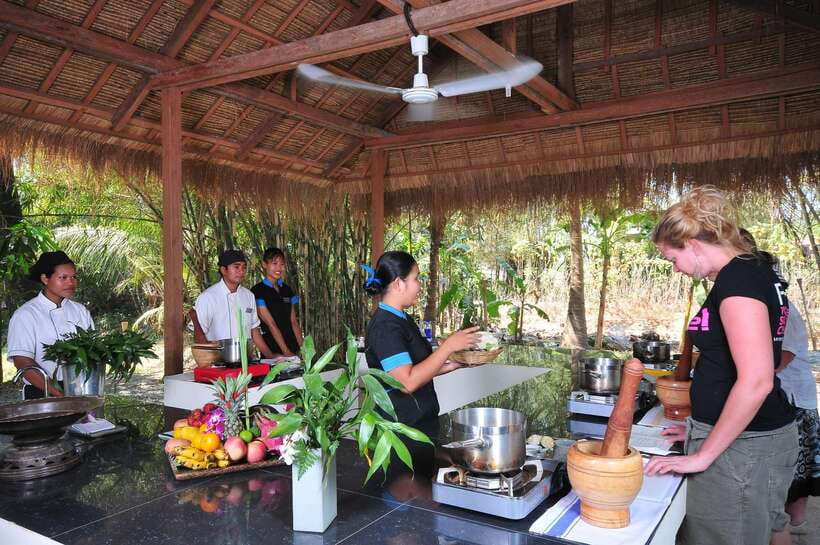
- 100% hands-on cooking at your own station so you’re not just watching
- Small group size (max 6) for more personal help from the English-speaking chef and guide
- Market-and-ingredients approach that explains what you’ll need and what you can substitute at home
- Village walk plus a family visit to see the home kitchen and the vegetable garden
- Outdoor cooking over a pond—dishes served one by one for a relaxed meal
- A take-home recipe book so you can repeat the Khmer flavors later
From Siem Reap City Heat to Village Calm, in a Tuk-Tuk
This class starts with a tuk-tuk pickup from your hotel and a short ride out of Siem Reap. The point is simple: get you out of the tourist lanes and into the everyday rhythm of Cambodian food. On the way, you’re building context for what you’re about to cook. Khmer cuisine isn’t separated into “ingredients” and “technique.” It’s connected—herbs, vegetables, fish, coconut, and spices all show up together.
What I like most is how direct the experience feels. You’re not guessing. You’re learning what the ingredients smell like, how fresh produce behaves in cooking, and how local chefs guide you step-by-step at your own station.
Because it’s a short village drive plus walking, do yourself a favor: wear shoes you can get a little dusty, and pack a hat. Even when the schedule is well run, the sun is still the sun.
You can also read our reviews of more cooking classes in Siem Reap
The Market Stop That Makes the Recipes Make Sense
Many sessions begin with a local market walk to pick ingredients with your chef and guide. This matters more than it sounds. When you know what you’re buying—leaves for aroma, citrus-like notes, and how fish or coconut products are used—the final dish becomes easier to reproduce at home later.
Here’s the practical benefit: your guide can point out what you might not find in your home country and suggest alternatives. In other words, you’re learning a method, not just copying a recipe. And you’ll likely taste a few local treats along the way, which helps you connect flavor to ingredients before you start cooking.
If you’re used to cooking classes that feel like a scripted show, this one is more grounded. You’re gathering the raw material first, so the cooking stage feels like continuation—not a separate performance.
Meeting a Khmer Family: Home Kitchen, Herbs, and Daily Food Prep
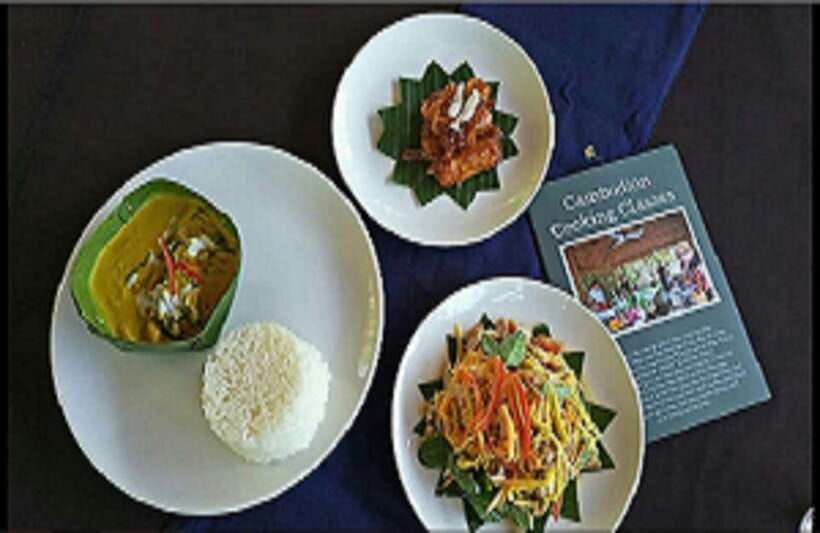
After the market and short village time, the experience typically shifts to a visit with a local family. You’ll learn about herbs and vegetables grown in many Khmer homes and used in everyday cooking. Then you’ll get a look inside the family’s home and kitchen setup.
This isn’t just photo time. Your guide explains what the household grows and how it gets turned into meals. In the real world, food prep isn’t a special event—it’s routine. You’ll see that routine in how kitchens are set up and how ingredients are prepared.
One detail that makes this part feel authentic is the focus on garden ingredients. You’re not only told what to cook; you’re shown where the ingredients come from and why they matter. It also helps you understand why certain flavors are common in Cambodian dishes: freshness, herbs, and the way coconut and fish get treated as core building blocks.
And yes, it’s also a cultural moment. You’ll meet people, ask questions through your English-speaking guide, and get a sense of the day-to-day. That’s usually the part that lingers after you’ve finished the meal.
The Cooking Pavilion by the Pond: Your Hands-On Station
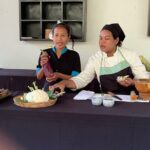
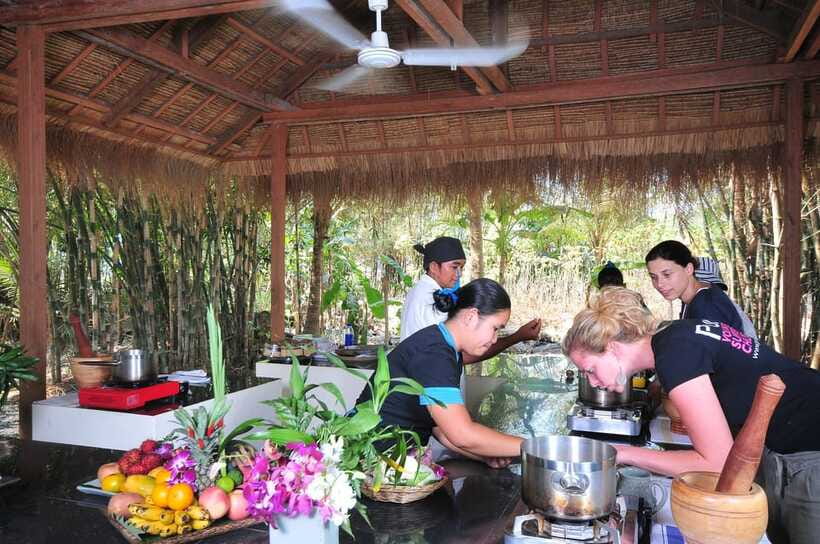
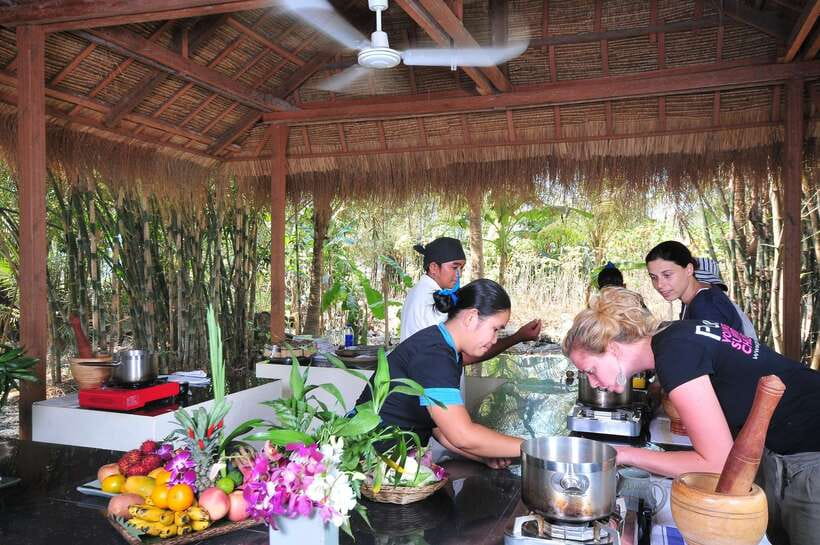
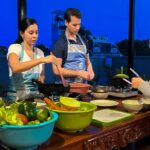
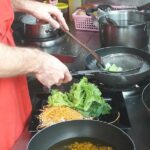
Once you’re done with the village and family visit, you head to a nearby pavilion to cook. The setting is outdoors, but it’s organized—made for groups and cooking stations. You won’t be standing around watching. Everyone gets a cooking station and equipment.
Expect a relaxed but guided pace. Your chef and guide walk you through tasks like:
- chopping and mixing fresh ingredients
- building flavor bases (often with pounding and crushing techniques)
- learning how sauces and curries come together
The group size stays small, with a maximum of 6 participants. That helps because the chef can correct your technique when you need it and answer questions without rushing.
A lot of classes you see in popular areas end up feeling like “one dish, many steps, then done.” This one is built around getting you confident with multiple dishes, so you can actually repeat the results at home.
What You Cook: Morning vs Afternoon Khmer Menu
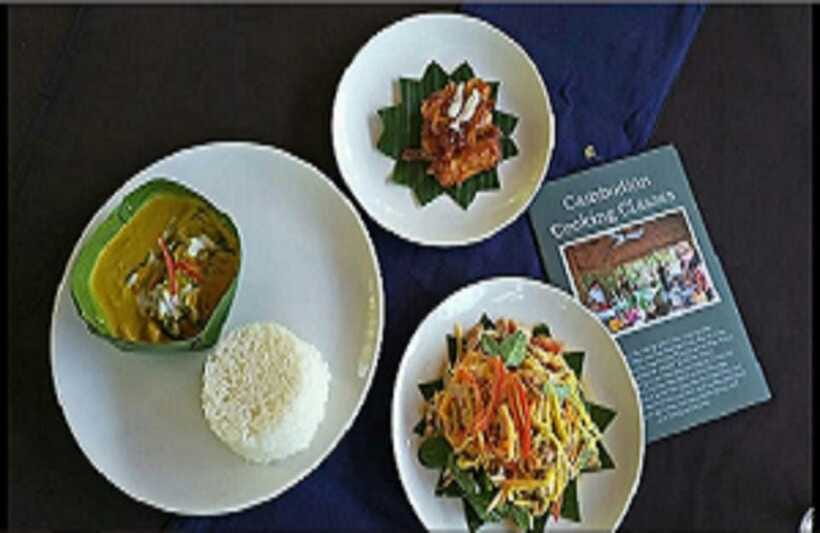
This class runs in both morning and afternoon versions, and the dish list changes. Either way, you should expect a three-dish, multi-course meal that you cook and then eat.
You can also read our reviews of more tours and experiences in Siem Reap
Morning Class Dishes
- Cambodian Mango Salad
Light, fresh, and built on tropical flavors. It’s a great introduction because it teaches balance and freshness—what Khmer “light” tastes like.
- Fish Amok
Amok is the signature dish many people come for. It’s cooked in young coconut, creating a smooth curry with fish (and sometimes alternatives like chicken or tofu depending on the class needs).
- Sticky Rice Balls with Palm Sugar and Grated Young Coconut
The dessert brings sweetness and coconut flavor together in a way that feels very Khmer, not just generic “sticky rice.”
Afternoon Class Dishes
- Prahet Chien
Minced fish with sugar cane flavoring. This teaches you how Khmer dishes blend savory seafood with sweetness in the background.
- Cambodian Curry
A key difference with neighbors: Cambodian curries typically aren’t aiming for the extreme heat you may expect from Thai-style spice levels. The focus is on layered fragrant spices rather than “burn first.”
- Nom Tong Noun
Khmer brandy snaps—slightly sweet, crispy, and hard to resist once you start snacking.
Important note for planning your comfort: Cambodian food can be full of spice aromatics, but it’s often not as hot as regional cuisines that lean heavily on chili heat. If you’re spice-sensitive, you’ll still want to tell your chef so they can guide you on what to adjust.
Eating What You Cook: Pond Views and One-by-One Service
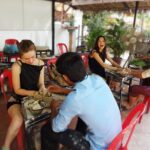
After the cooking, you sit back in the wooden pavilion perched over a pond. Dishes get served to you one by one, so you can compare flavors as they arrive. It’s not a chaos buffet line. It’s paced.
You’ll also get a complimentary drink—soft drink, beer, or bottled water. This turns the meal into a proper sit-down experience instead of just a “thanks for cooking, bye.”
Some classes are set in grounds where you can see wildlife around the pond area, and turtles have been mentioned in the pond setting. Even if you don’t spot them, the atmosphere is calm, and that matters after chopping, pounding, and stirring for a few hours.
If you end up with leftovers, you may receive to-go containers so you can keep enjoying your work later.
Price and Value: Why $32 Feels Fair in Siem Reap
At $32 per person for about 3.5 hours, this class is good value if you care about real food skills, not just a one-off meal. Here’s what you’re getting for that price:
- Tuk-tuk pickup and return from the hotel and back to the office area
- An English-speaking chef and guide guiding you through multiple dishes
- Village walk and a family visit that adds meaning to the cooking
- Your lunch: you eat what you cook
- A recipe book to take home
- Complimentary drinks during the meal
Many paid experiences in Siem Reap give you a nice story but not much skill. This one does the opposite. You leave with a repeatable framework for Khmer cooking—ingredients, technique, and flavor balance.
If you’re short on time, it’s also a “high payoff” half-day. Three and a half hours won’t fix your whole trip, but it can give you a stronger connection to Cambodian cuisine than a full day of random food stops.
Logistics That Matter: Duration, Group Size, and What to Bring
The class runs for 3.5 hours, and it’s capped at a maximum of 6 participants. That small group size is a big quality lever. It makes it easier to ask questions mid-cook and get feedback.
You’ll want:
- comfortable footwear for the short village walk
- a hat for sun
- closed-toe shoes you don’t mind getting a little dusty
Language is English, and the team includes an experienced English-speaking chef and guide. If you’re traveling with kids, note that only children above 12 can join the cooking class (private classes may be arranged for families upon request).
Also, you’ll be tasting and cooking with spice aromatics and fresh ingredients. Plan to hydrate and take your time during the market portion if you’re easily tired in heat.
Responsible Tourism Angle You Can Feel in the Day
One quiet reason to choose this class: it’s tied to local community support. You’ll be interacting with a family in their real home setting and with a cooking operation connected to local skills and opportunities. That doesn’t mean you should treat the visit like charity tourism. It means your money supports local people and local food knowledge in a tangible way—skills, income, and community continuity.
If you care about where your tourism dollars go, this is one of those “you can feel it in the structure” experiences rather than a marketing slogan.
Should You Book This Siem Reap Cooking Class?
Book it if you want Khmer cooking you can actually repeat. You’ll get hands-on instruction, multiple dishes, and a recipe book—plus the context of herbs, vegetables, and a family kitchen visit that explains what you’re tasting.
Skip it or choose a different activity if you hate outdoor walking in heat, or if you’re looking for a high-speed, clockwork “see everything” tour. This is calmer. It’s about food understanding and technique, not rushing from stop to stop.
If you’re the kind of person who loves markets, likes learning why flavors work, and wants your lunch to be the result of your own work, this is an easy yes.
FAQ
How long is the Cambodian Cooking Class from Siem Reap?
It lasts about 3.5 hours.
What is the price per person?
The price is $32 per person.
Is transportation included?
Yes. You get tuk-tuk pickup from your hotel to the cooking class venue and return to the tour office afterward.
Do I cook the food or just watch?
It’s completely hands-on. You’ll have your own cooking station and equipment, and you’ll cook multiple Cambodian dishes.
What dishes are included?
There’s a morning menu and an afternoon menu. Morning includes Cambodian Mango Salad, Fish Amok, and Sticky Rice Balls with palm sugar and grated young coconut. Afternoon includes Prahet Chien, Cambodian Curry, and Nom Tong Noun.
Is the class suitable for children?
Only children above 12 can join the cooking class. Private classes can be arranged for families upon request.
Is Cambodian food very spicy?
Cambodian cuisine has spices, but it is not as spicy as food from neighboring countries.