REVIEW · SIEM REAP
Day in a Life Authentic Village Experience in Siem Reap
Book on Viator →Operated by beyond. unique escapes · Bookable on Viator
A real village day, not a show. This 7-hour experience puts you with a host family in a working Cambodian farming community about 16 km from Siem Reap, so the day feels lived-in, not staged. I love how the pace stays respectful and flexible, meaning the village actually runs on its own schedule as ceremonies and events pop up.
Two things really won me over: the fresh Khmer lunch served after you work, and the fact that your time is tied to real support for a Type 1 poor family through HUSK Cambodia. The guide handles the balance well, from farm tasks to village life, with professional English support and comfortable transport.
One possible drawback: because this is a real village, the flow can change. You may arrive expecting one set of tasks, then switch to what the family needs that day, and sometimes village life means you just go with the moment.
In This Review
- Key highlights worth your attention
- A real village day, about 16 km from Siem Reap
- Your host family: how your day stays tied to real support
- Rice work, thatch repair, and hands-on tasks you can actually do
- Ox cart time and what tree planting means for your host family
- Village life, pagoda visits, and how to behave when plans shift
- Khmer lunch: included, freshly made, and not from the village
- Timing, transport, and the small-group comfort factor
- Tips to keep the day respectful and easy on your body
- Who this tour fits best
- Should you book this Day in a Life village experience?
- FAQ
- FAQ
- How long is the Siem Reap Day in a Life village experience?
- What time does the tour start?
- Is pickup from Siem Reap included?
- Is this a private tour or a group tour?
- Do I get an ox cart ride?
- What’s included in lunch?
- Is the lunch food sourced directly from the village?
- Are gifts or handouts allowed in the village?
- What should I wear?
- Can children join?
Key highlights worth your attention
- Real host family contact: you work alongside one Type 1 poor family all day
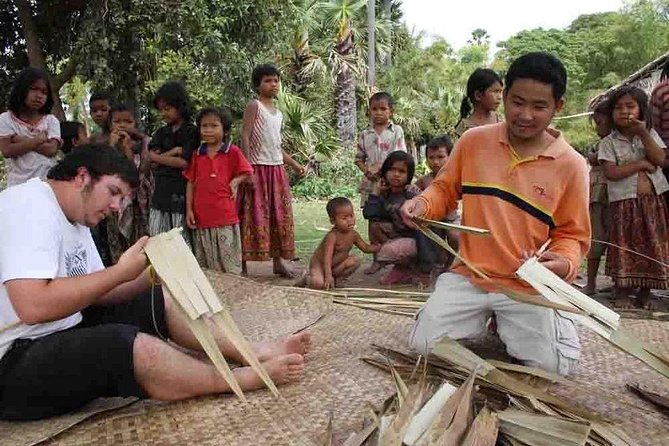
- Rice and home repair work: planting, harvesting/transplanting, and thatch palm-leaf tasks may be part of your day
- Ox cart ride included: get time on the cart as part of village life
- Khmer lunch with starter, main, and fresh fruit: freshly prepared using ingredients from Siem Reap
- Responsible tourism built in: your tour includes donation support plus village-set-aside funding
- Small group size: up to 8 people, so you are not lost in a crowd
A real village day, about 16 km from Siem Reap
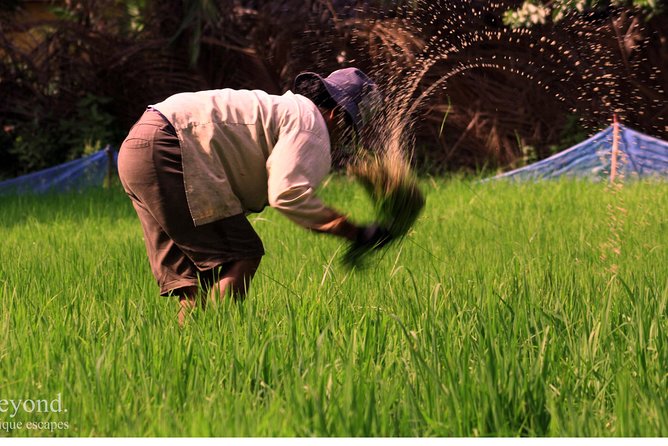
Siem Reap is famous for temples, but this day focuses on something closer to everyday life. You leave the city in the morning and head to a village community where farming families live year-round. It’s about 16 km away, close enough to feel like a day trip, but far enough that you genuinely switch gears.
What makes it feel authentic is the built-in expectation that this is not a replica. The tour describes it plainly: the village is a real place with its own routines. If there’s a ceremony or event happening, the schedule can adapt. That matters because it shapes your behavior. You are not being marched through set photo stops. You are joining a normal day, with all the small shifts that real life brings.
The tour also leans into respect. It explicitly says they want to avoid impacting traditions or practices, so they’ll adjust activities as needed. For you, that’s a good thing. You get a more honest window into village life without the awkward feeling of intruding on something staged for visitors.
You can also read our reviews of more tours and experiences in Siem Reap.
Your host family: how your day stays tied to real support
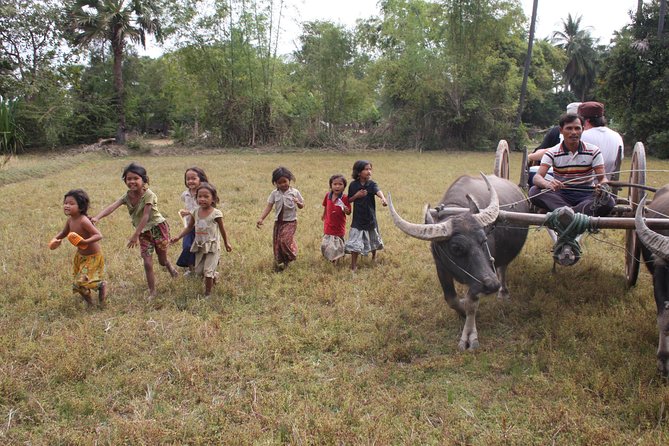
This experience runs through one host family during your visit. The family is described as Type 1 Poor, meaning they don’t have regular income and often have little or no savings. The tour also notes these families can miss meals and can be vulnerable to illness, which is why the day is built around more than just sightseeing.
When I look at village experiences, I care about one question: does my money actually help the people I’m meeting? Here, the answer is yes in two ways. First, the tour includes donation support to HUSK Cambodia. Second, participation sets aside funding for projects in the village. Even if the exact daily activities shift, your visit is still connected to income support for the host family.
Another detail I appreciate: the tour team discourages gifts or handouts in the village. That’s not just a rule for show. The tour explains it can lead to jealousy and create a begging cycle. Instead, if you want to help, the right move is to talk with staff about the best meaningful way to do it. It keeps the day fair and reduces pressure on people who already have so little.
Rice work, thatch repair, and hands-on tasks you can actually do
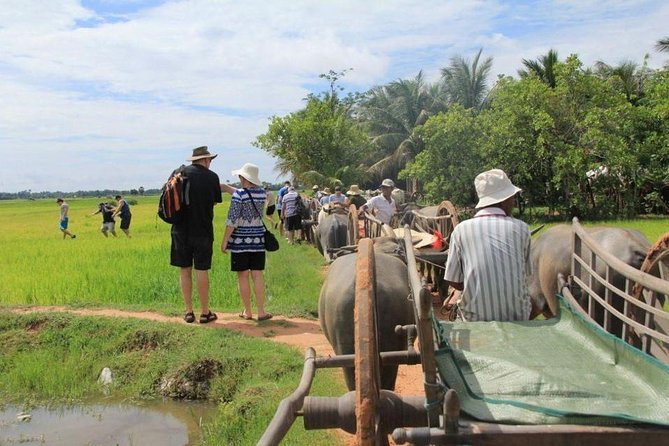
The activities are designed around what a farming family might do. The exact tasks depend on the time of year, the family’s needs, and what’s happening in the village that day. So rather than promising one fixed script, the tour tells you the day can include a mix of farm and home work.
Here are examples of activities that can show up:
- rice planting, harvesting, or transplanting (depending on season)
- weaving thatch for roof repairs and weaving wall panels
- planting vegetable crops
- tree planting
- making prahoc or rice wine
Even if you don’t have a farming background, the day is structured to be learnable. You’re not thrown into a hard task without guidance. You’re working alongside the host family, which means you can copy how they do it and ask questions through the guide. That’s the real value here: you learn through doing, not through watching someone else do everything.
One more specific inclusion you should expect: palm leaf work. The overview notes stitching palm leaf to help repair homes. In plain terms, it’s a chance to see and try the kind of practical building repair that matters in a rural setting.
And yes, the day can feel physical in a normal human way. Expect sun, some walking on uneven ground, and hands-on work that may involve getting a little dirty.
Ox cart time and what tree planting means for your host family
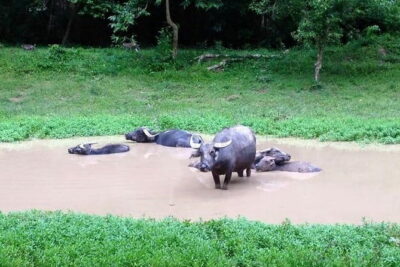
You don’t just hear about village skills. The tour includes an ox cart ride and plenty of time around everyday routines. It’s one of those activities that helps you picture how people move goods and how the work environment is built for the land, not for tourists.
Then there’s the tree-planting piece. On each tour, you have the chance to plant a fruit tree for your host family. That turns your visit into something with a longer time horizon. You’re not only witnessing hardship or routine. You’re also contributing to a future food source and potential income. It’s a small act, but it’s designed for continuity, not for a one-day performance.
If you’re the kind of traveler who likes seeing practical impact, this part usually lands well. A fruit tree isn’t instant payoff, but it fits the logic of responsible tourism: help the family today while supporting something that can still matter later.
Village life, pagoda visits, and how to behave when plans shift
A key part of the day is understanding village life beyond the farm tasks. The tour describes time to learn customs and culture, and it mentions visiting the local pagoda and the school if possible.
That “if possible” wording is important. In a real village, access depends on timing and community needs. So don’t treat those stops as guarantees. The bigger point is that you’re meant to learn how the community works, not just how it looks.
The tour also prepares you for flexibility. Ceremonies or events may be running. Instead of feeling thrown off, use it as context. This is why the day is framed as adaptable from the start. It’s not a flaw in planning; it’s a feature of authenticity.
When you arrive, set your expectations like this:
- be ready for changes
- keep a calm attitude if the day pivots
- follow your guide’s cues on how to interact respectfully
Dress also matters. The tour lists a simple dress code: covered knees, covered shoulders, and chest. Pair that with sturdy footwear. You’ll likely want shoes you don’t mind getting scuffed. It’s a working day, not a temple-only outfit.




Khmer lunch: included, freshly made, and not from the village
Lunch is one of the best parts of the day because it gives you a proper reset after hands-on work. The tour describes a Khmer hot lunch freshly prepared in the village, with ingredients prepared by their catering partner in Siem Reap.
Your meal includes a starter, main, and fresh fruit for dessert. That’s more substantial than the typical snack lunch you get on some group tours, and it matters because you’ve likely worked up an appetite.
There’s also a detail worth knowing: lunch is normally enjoyed together with the host family, but sometimes they prefer to eat alone. The tour asks you not to be offended if that happens. I agree with that guidance. In rural life, privacy and comfort are real. If you take it personally, it can ruin your mood. If you accept it as normal, it becomes part of how you learn what the day feels like for them.
One more practical note: the tour explains they cannot source food from the village due to lack of electricity and proper sanitation. That’s not a critique of the village. It’s a safety and logistics reality. The tour tries to balance village connection with responsible food handling.
Timing, transport, and the small-group comfort factor
This is designed as a morning start with a full day of activities. It starts at 8:00 am from Siem Reap and runs about 7 hours total. Hotel pickup is included from Siem Reap, and the tour notes transport by air-conditioned minivan. Your pickup and drop-off are handled via a centrally located office.
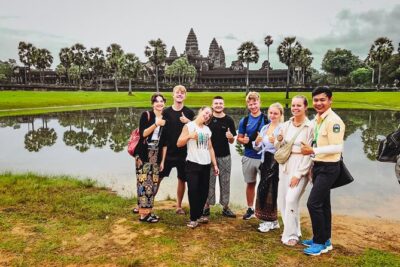
It’s also limited to a maximum of 8 travelers, which changes the feel of the day. You get more space to move, ask questions, and interact without feeling like you’re part of a large bus tour. The tour also describes a maximum group size, which usually means less crowd noise during sensitive moments.
On comfort, you’ll also get bottled water and cold towels. Those tiny extras matter more in a rural setting than they do in the city.
Now the price: $68.72 per person. On its face, that’s not a bargain like a basic museum ticket. But you’re not just paying for a guide and transport. You’re paying for:
- a professional English-speaking guide
- round-trip transport via minivan/private vehicle
- ox cart and included activities
- a hot Khmer lunch
- the donation component to HUSK Cambodia
For me, the value comes from the combination of hand-on work plus responsible funding. If you want temples only, this won’t compete. If you want a day where your money ties to a vulnerable family’s support, this can feel like a solid use of your time.
Tips to keep the day respectful and easy on your body
This kind of experience can go smoothly if you pack smart and keep your expectations simple.
Plan for physical work
Even when tasks are taught step-by-step, you’re doing real farm and home-related activities. Wear sturdy shoes, and expect warm weather.
Stick to the dress code
Covered knees and covered shoulders matter here. It also helps you feel comfortable during village activities where you’ll likely move around.
Skip gifts and handouts
The tour strictly forbids donations and handouts in the village, and it asks you to discuss meaningful ways to help with staff. This is one of the biggest “be a good guest” rules you can follow.
Bring dietary questions up front
The tour asks you to advise dietary requirements or allergies before arrival. Do it early so the lunch team can plan.
Arrive with a flexible mindset
Because it’s a real village, plans can shift. Ceremonies, events, and family needs can change what you do that day. Go with calm curiosity.
Who this tour fits best
I’d point this tour toward travelers who:
- want a real village experience more than another temple day
- like hands-on learning and don’t mind getting practical with farm tasks
- care about responsible tourism that supports families facing real financial pressure
- prefer smaller groups and guided cultural context
It may be less ideal if you want a highly predictable schedule with no adaptation. It’s also not a good match if you’re looking for a comfort-first day that avoids physical work and outdoor time.
Should you book this Day in a Life village experience?
If you’re visiting Siem Reap for temples and you also want one day that shows how people live when they’re not performing for tourists, this is a strong choice. The biggest “yes” factors for me are the host-family setup, the donation support through HUSK Cambodia, and the hands-on structure of farm and home tasks. You also get a meaningful, filling Khmer lunch afterward, not just a token snack.
Book it if you’re ready to be flexible and treat the village as a real place with real routines. Skip it if you need a perfectly fixed itinerary, or if you don’t want to participate in physical work, even light farm tasks.
FAQ
FAQ
How long is the Siem Reap Day in a Life village experience?
It’s about 7 hours.
What time does the tour start?
The start time is 8:00 am.
Is pickup from Siem Reap included?
Yes. Transport includes hotel pickup and drop-off, with pickup/drop-off handled at a centrally located office.
Is this a private tour or a group tour?
It’s described as a private tour, and it has a maximum of 8 travelers.
Do I get an ox cart ride?
Yes. The ox cart ride is included.
What’s included in lunch?
Lunch includes a Khmer hot meal with a starter, a main, and fresh fruit for dessert.
Is the lunch food sourced directly from the village?
No. Due to lack of electricity and proper sanitation, they cannot source food from the village. Ingredients are prepared by a catering partner in Siem Reap.
Are gifts or handouts allowed in the village?
No. Donations and handouts in the village are strictly forbidden. If you want to help, discuss it with tour staff.
What should I wear?
The dress code is covered knees, covered shoulders, and chest, plus sturdy footwear.
Can children join?
Children ages 12 to 18 must be accompanied by an adult.