REVIEW · SIEM REAP
Cambodian Cooking Class
Book on GetYourGuide →Operated by Angkor Wat Merge Tour · Bookable on GetYourGuide
Cooking in Cambodia starts with the smell of spices. This Cambodian cooking class pairs a market visit with hands-on Khmer lessons in a real local’s home. I like that you’re not just watching—you’re actively making Fish Amok and other favorites with fresh ingredients you buy yourself. The main thing to consider: alcoholic drinks aren’t included, so plan accordingly if that matters to you.
A traditional tuk-tuk ride sets the tone right away, and you’ll finish by eating the meal you cooked. You get a true taste of Siem Reap’s food culture in about 3 hours, without turning it into a half-day production.
In This Review
- Key Things That Make This Class Worth Your Time
- From Tuk-Tuk Pickup to a Market Mission
- Market Shopping: How to Choose Ingredients Without Guesswork
- Cooking in a Local’s Home: Your Kitchen, Their Rules
- The Four Dishes: Fish Amok and Friends
- Eating the Results: A Four-Course Meal You Can Actually Compare
- Price and Value: Is $35 Fair in Siem Reap?
- Who This Class Fits Best (And Who Might Want Another Plan)
- Should You Book the Cambodian Cooking Class?
- FAQ
- How long is the Cambodian cooking class?
- Is hotel pickup and drop-off included?
- Where do you go first?
- What dishes will you learn to cook?
- Do you eat the meal you cook?
- What language is the instructor?
- Is the $35 price inclusive of ingredients and the meal?
- Are alcoholic drinks included?
- Can I cancel for a refund?
Key Things That Make This Class Worth Your Time
- Tuk-tuk pickup from your hotel before you even start cooking
- Local market shopping where you haggle for fresh ingredients
- A home-kitchen setup that feels daily-life real, not staged
- 4-course Khmer cooking lesson including Fish Amok
- English-speaking instruction focused on practical technique
- You eat what you make right after cooking
From Tuk-Tuk Pickup to a Market Mission
The experience starts with pickup from your hotel in a traditional tuk-tuk. That matters more than you’d think: it’s a quick way to shift from “tour mode” to “local day” mode before you touch a single ingredient. Just keep in mind the note to wait for the driver—30 minutes is the stated buffer—so don’t count on being instantly fetched the moment you step outside.
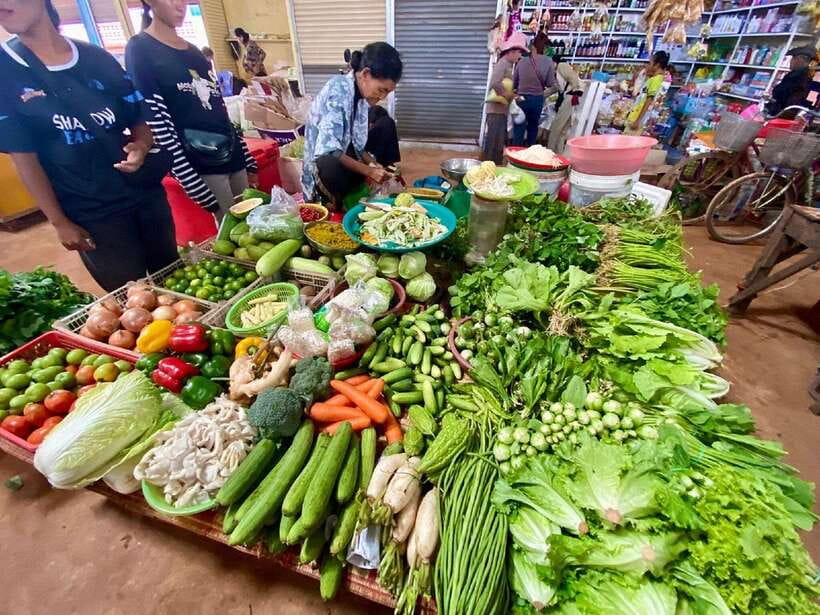
Your first stop is a local market, and this is where the class starts teaching you how Khmer cooking actually works. You’ll meet locals, see the ingredients in their natural setting, and get a chance to negotiate for what you need. Even if you’re not a confident haggler, the act of shopping with a guide turns cooking from abstract to real. Suddenly you understand why certain flavors matter and how freshness shows up in the finished dish.
This early part is also a good reality check. If you’re hoping to learn cooking by memorizing recipes, a market stop can make that tougher—but it’s also where technique and ingredient choice come alive. For me, that’s the difference between a cooking class you forget later and one you can recreate at home.
You can also read our reviews of more cooking classes in Siem Reap
Market Shopping: How to Choose Ingredients Without Guesswork
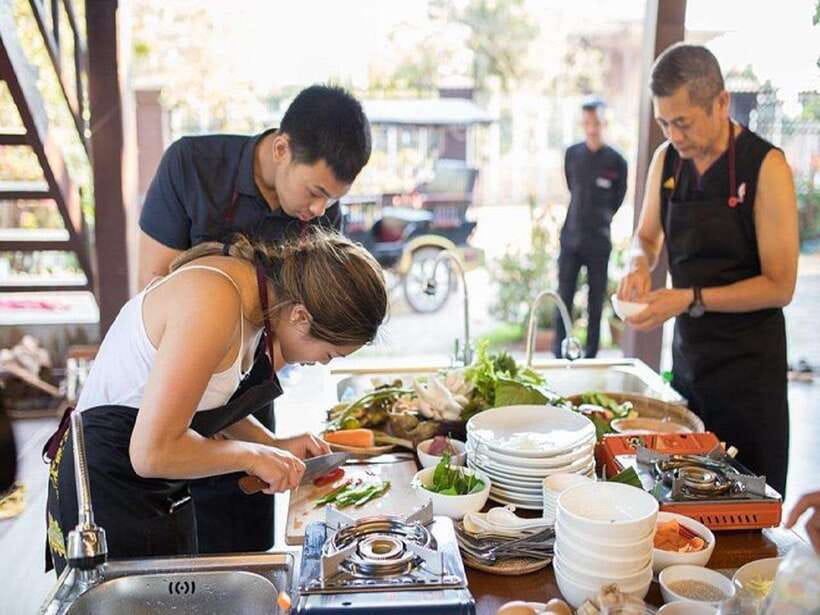
At the market, you’re not just sightseeing. You’re buying ingredients for the Khmer dishes you’ll cook in the home kitchen. Your guide helps you select what you need, which saves you from the classic problem of cooking something later with the wrong substitutions.
You’ll likely notice a few patterns that show up in Khmer food:
- Herbs and aromatics aren’t an afterthought; they drive the flavor
- Freshness matters because many dishes depend on strong, clean taste rather than heavy sauces
- You’re learning ingredient names and uses, not just steps
If you want to get the most out of this portion, come with curiosity and a willingness to ask short questions. What looks similar might behave differently in cooking. And when you buy the ingredients yourself, you’re more likely to remember what made the dish taste right.
Also, haggling is part of the fun here. The goal isn’t to win; it’s to practice the process and keep things moving. Your guide is there to steer you, and that balance keeps the experience friendly rather than stressful.
Cooking in a Local’s Home: Your Kitchen, Their Rules
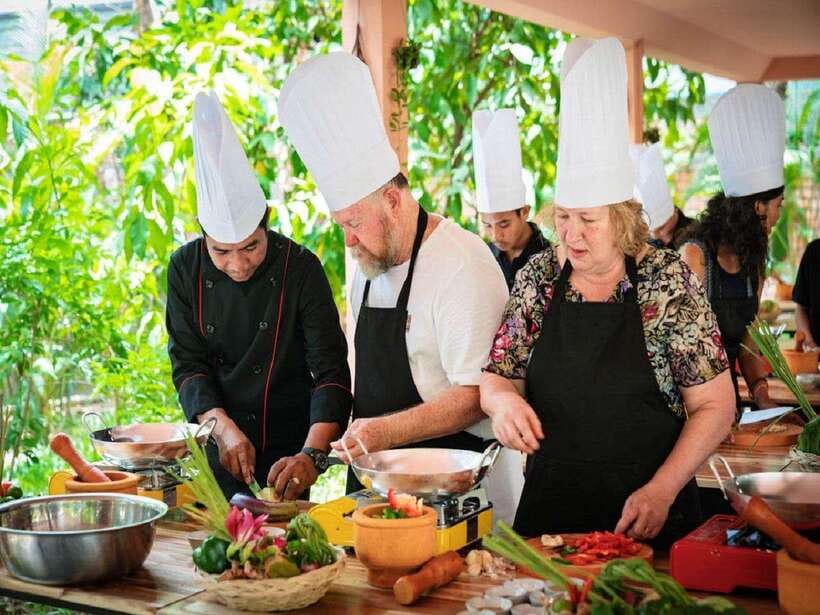
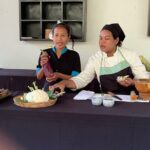
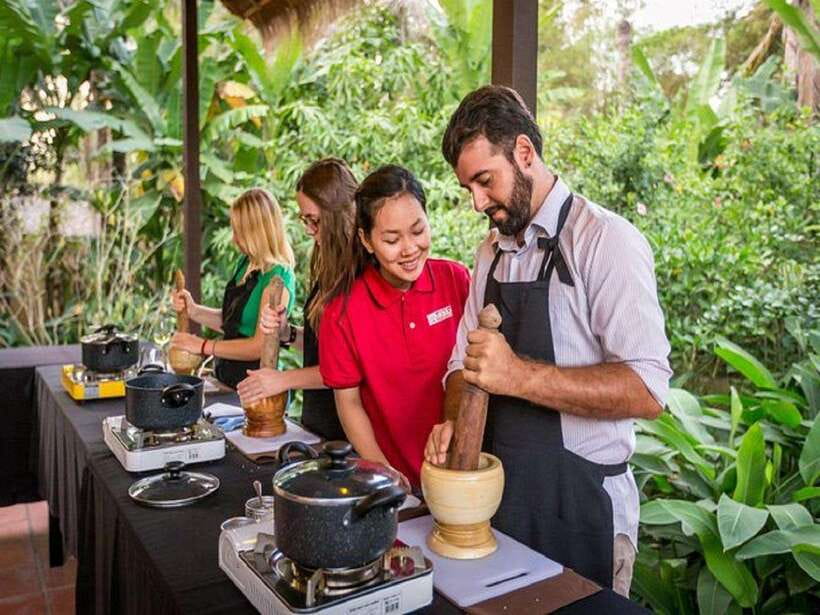
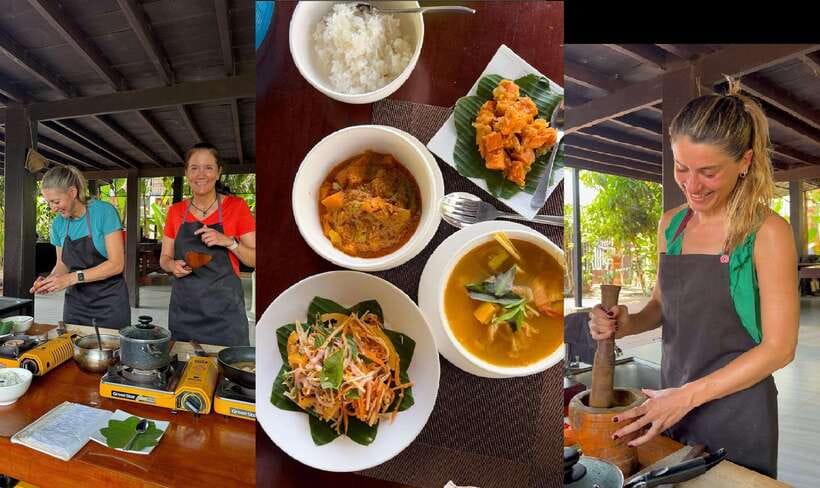
After the market, you head to your guide’s home for the cooking lesson. This is one of the biggest draws: cooking inside a local home changes your expectations instantly. There’s no theater. You’re working in the space where people likely cook everyday food, so the lesson feels practical from the first minute.
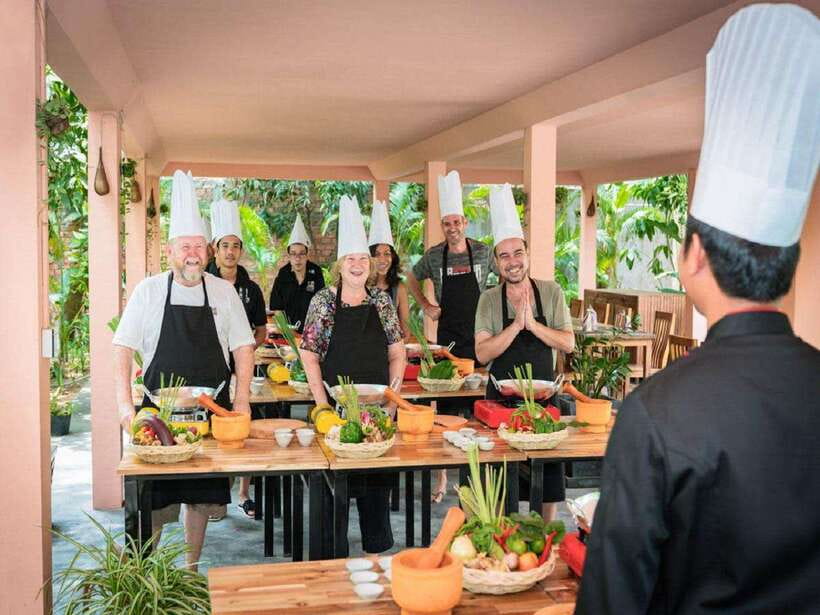
You’ll roll up your sleeves and learn how to prepare 4 traditional Khmer dishes. Your instructor is English-speaking, and the teaching style is focused on getting you to the finish line—skills you can actually repeat later.
Here’s what you should expect from a class like this:
- Clear steps for each dish, with guidance while you cook
- Tips and tricks that simplify Khmer technique (so you don’t have to guess)
- A supportive pace that still gets you producing real food
From the feedback, the guides also tend to pay attention to the cooking outcome. For example, one guest described how their instructor took photos of them and the dishes and later sent recipe information. That kind of follow-up is a real bonus, especially if you want to rebuild the meal later when you’re back in your own kitchen.
One small consideration: since this is a home setting, you’re cooking in a lived-in environment. That’s part of the authenticity, but it also means you’ll want to be comfortable with a casual, everyday setup.
The Four Dishes: Fish Amok and Friends
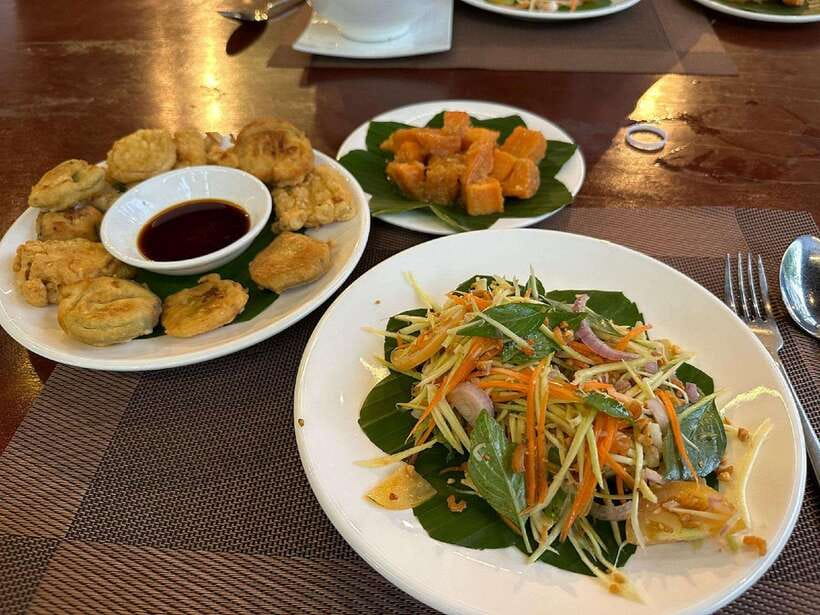
The menu is built around signature Khmer flavors, and you’ll cook 4 authentic dishes as a 4-course meal. Two items are specifically named:
- Fish Amok
- Tom Yum
Fish Amok is the headline dish for many people because it’s unmistakably Khmer. Even if you’ve eaten similar curry-style meals elsewhere, Amok has its own identity, tied to local aromatics and the way it’s prepared. Making it yourself is the shortcut to understanding why it tastes the way it does.
Tom Yum is also a smart inclusion because it teaches balance. You’ll see how sour, salty, and aromatic elements work together. When you cook both Amok and Tom Yum, you get a broader view of Khmer cooking than you would from a single dish class.
One detail worth knowing: some classes include choice. In at least one reported experience, participants were able to select from a couple options for each course. If that’s available when you go, take it seriously—your choices affect what you’ll learn most. If you care about learning technique, choose dishes that feel different from each other.
Eating the Results: A Four-Course Meal You Can Actually Compare
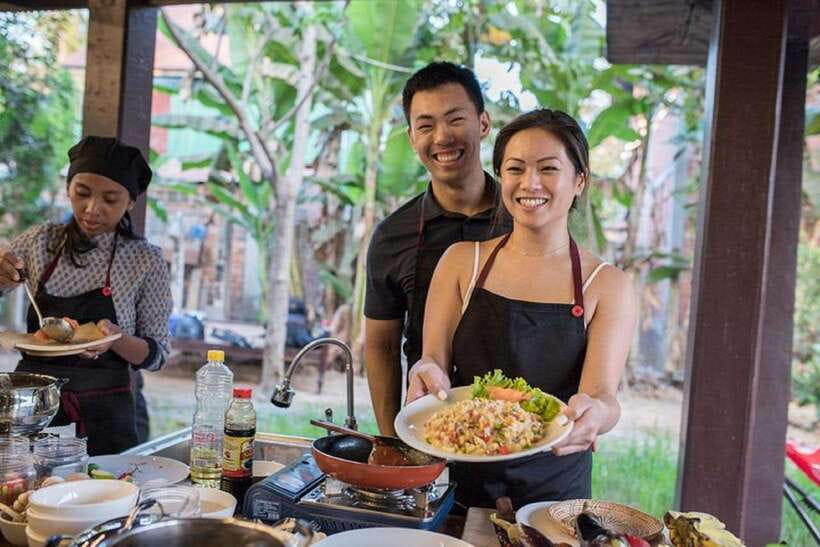
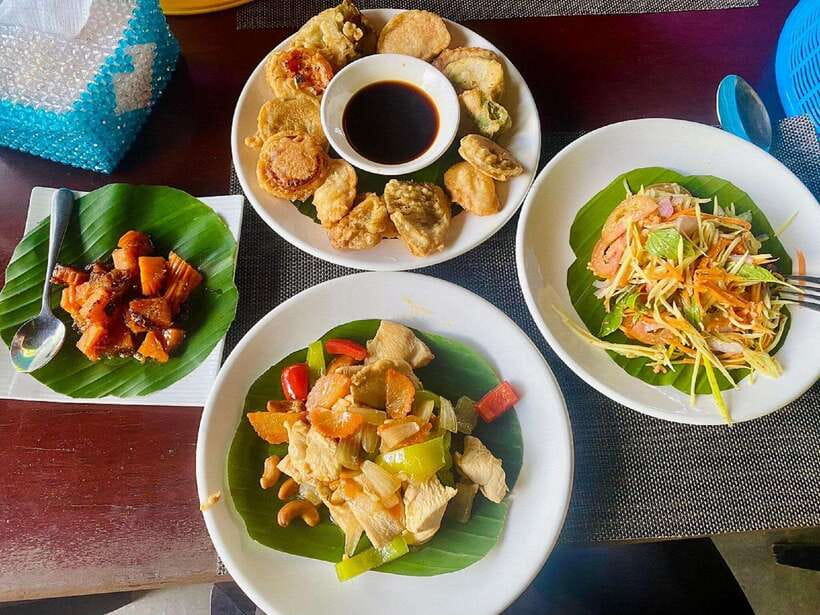
After cooking, you sit down and enjoy your meal—all 4 courses. That’s not just included convenience. It’s how you learn. You can taste what you just made and connect the flavors to the steps you followed.
This is also where Khmer food tends to make the biggest impression. The dishes aren’t just about being spicy or filling. They’re about aromatic layers, fresh herbs, and sauces that taste like they were built with care, not dumped on at the end.
A helpful expectation-setting point: you’ll eat what you made, so your guide will help you land the final result rather than sending you off to fend for yourself. It’s a “chef for a day” style experience, but with real support behind you.
If you’re someone who likes to take notes, do it. Taste first, then ask the guide what to remember for next time. And if your host sends recipe notes afterward (as some do), keep them. That makes the class more valuable than a one-time meal.
You can also read our reviews of more tours and experiences in Siem Reap
Price and Value: Is $35 Fair in Siem Reap?
$35 per person for a 3-hour, hands-on class is a strong value when you look at what’s included. You’re getting:
- Hotel pickup and drop-off
- An experienced local host/guide
- Ingredients
- A 4-course meal
- Bottled water
The big cost drivers here are ingredient prep and the fact that you eat the results. Many cheaper food activities give you taste samples, not a full cooked meal tied directly to instruction.
The main trade-off is what’s not included: alcoholic drinks. If you like pairing your meal with beer or wine, budget extra. If you don’t drink, the price feels even more straightforward.
Also, this kind of class is usually at its best in the slower hours, when you have time to absorb what you’re doing. If you’re visiting in a busy season and want a break from crowds, a 3-hour home-cooking block is a good reset.
Who This Class Fits Best (And Who Might Want Another Plan)
This cooking class works especially well if you want to:
- Learn actual technique, not just watch someone cook
- Eat a full Khmer meal made by you
- Shop for ingredients and understand what makes dishes taste right
- Spend time in a local home setting rather than a restaurant demo
It’s also a good fit for food-first travelers. If you care about flavors, spices, and how ingredients behave, you’ll get a lot from the market stop and the hands-on steps.
If you hate markets, or you’re short on time and want strictly one dish, you might find the market shopping part less appealing. And if your priority is partying with drinks, remember alcohol isn’t included.
Should You Book the Cambodian Cooking Class?
Yes, I’d book it if you’re in Siem Reap and want a practical, memorable food experience. The market-to-home format is the value engine here: you shop, you cook, you eat, and you leave with skills you can use again.
Choose it if Fish Amok and Khmer cooking are on your list. The class structure is built around learning, and the guide-led support makes it doable even if you’re a beginner.
Skip it only if you’d rather spend your time on sights and would rather not handle ingredients and cooking steps. For everyone else—especially if you want something more personal than a restaurant meal—this is a solid, good-value choice.
FAQ
How long is the Cambodian cooking class?
It lasts 3 hours.
Is hotel pickup and drop-off included?
Yes. Hotel pickup and drop-off are included.
Where do you go first?
You start with pickup and then head to a local market to purchase fresh ingredients.
What dishes will you learn to cook?
You’ll learn 4 traditional Khmer dishes, including Fish Amok and Tom Yum.
Do you eat the meal you cook?
Yes. After the lesson, you sit down for a 4-course meal.
What language is the instructor?
The instruction is in English.
Is the $35 price inclusive of ingredients and the meal?
Yes. The price includes ingredients, the 4-course meal, bottled water, and the guide.
Are alcoholic drinks included?
No. Alcoholic drinks are not included.
Can I cancel for a refund?
Yes. You can cancel up to 24 hours in advance for a full refund.