REVIEW · SIEM REAP
1-Day private Angkor Temple Tour with Sun Rise by Tuk Tuk from Siem Reap
Book on Viator →Operated by Journey2 Angkor · Bookable on Viator
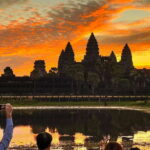
Sunrise at Angkor feels like a reboot. This 1-day private tuk tuk tour is built around seeing Angkor Wat at first light from the East Gate, then rolling right into Angkor Thom’s main hits with an English-speaking guide who helps you make sense of what you’re looking at. I like the balance here: big-ticket temples in the morning, then a more relaxed afternoon that still hits the iconic spots.
I also like the flexibility of a private setup. Your hotel pickup and drop-off mean you’re not juggling rides, and you get a little time built in to move at a pace that works for your group. Plus, the day includes bottled water and photo stops, and there’s a local meal break in the Ta Prohm area.
One thing to think about: it’s a long day with an early start. Even with a private tuk tuk, you’re stacking several major monuments, and one past guest noted the guide’s English could be hard to catch at times. If you’re sensitive to “morning means early,” plan to go to bed on time.
In This Review
- Key points worth knowing before you go
- Why the East Gate Sunrise Shapes the Whole Day
- Hotel Pickup and the Private Tuk Tuk Advantage in Siem Reap
- Angkor Wat: Make Your 2 Hours Count at First Light
- Angkor Thom South Gate to Baphuon: The Route That Keeps Flowing
- The Short Stops Inside Angkor Thom: Where the Day Gets Interesting
- Phimeanakas and Ta Prohm: Finishing with the Most Atmosphere
- The Lunch Break Near Ta Prohm: A Smart Way to Refuel
- Tickets, Dress Code, and the Small Rules That Matter
- What you pay for separately
- Dress code
- Shoes and walking
- Guide Quality: What You’ll Gain (and the One Possible Headache)
- Price and Value: $38 Base Plus the Angkor Wat Fee
- Who This Tour Suits Best (and Who Might Want Another Plan)
- Should You Book This Private Sunrise Tuk Tuk Tour?
- FAQ
- How long is the 1-Day private Angkor Temple Tour with Sun Rise by Tuk Tuk?
- What is the price, and what costs extra?
- Does the tour include hotel pickup and drop-off?
- Is this tour private?
- Which temples are included during the day?
- What should I wear for the temples?
Key points worth knowing before you go
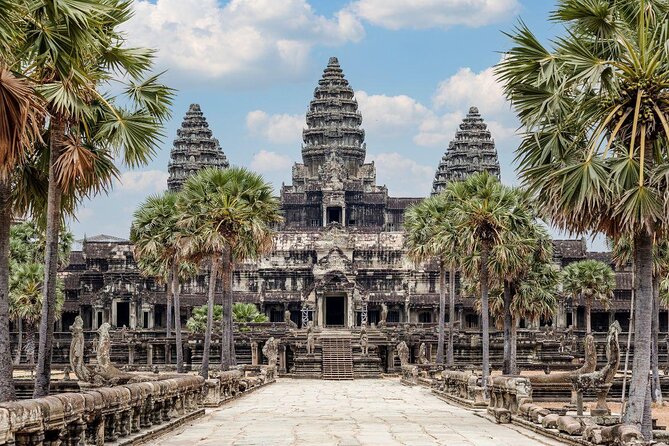
- East Gate sunrise: start early for that first-light view of Angkor Wat
- Private tuk tuk convenience: hotel pickup and drop-off, just your group in the vehicle
- A guide who stays with you: explanations all day, with photo opportunities built in
- Focused Angkor Thom route: South Gate, Bayon, Baphuon, plus shorter stops inside the complex
- Ta Prohm after lunch: jungle atmosphere without rushing through everything
- Dress code matters: bring clothes that cover knees and shoulders for certain temples
Why the East Gate Sunrise Shapes the Whole Day
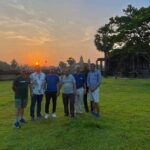
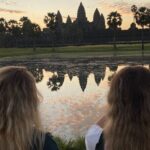
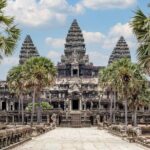
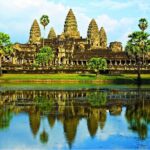
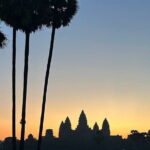
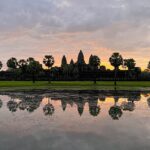
Seeing Angkor Wat at sunrise isn’t just a nice photo moment. Starting from the East Gate sets the day’s rhythm: you arrive when the light is softer, the crowds are usually thinner, and the carvings look clearer as the temple wakes up. The tour also gives you a solid block of time at Angkor Wat—about 2 hours—so you’re not just sprinting to a viewpoint and back.
This sunrise start also changes how you understand the place. With a guide talking you through what you’re seeing, you’re not relying on guesswork. You get context for why Angkor Wat is the standout religious monument of the Angkor world and why it has remained such an important site over centuries.
And because this is a private tour, you can also adjust slightly. If someone in your group needs a short break, has a question, or wants an extra minute for a photo, the day doesn’t fall apart.
You can also read our reviews of more private tours in Siem Reap
Hotel Pickup and the Private Tuk Tuk Advantage in Siem Reap
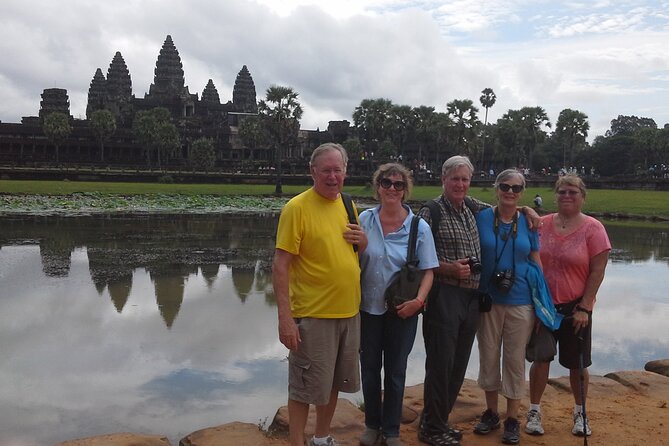
In Siem Reap, getting to Angkor efficiently can make or break your day. This experience handles the basic logistics well: hotel pickup and drop-off are included, and you ride in a private vehicle (tuk tuk) with only your group.
That matters more than it sounds. When you’re trying to catch sunrise, the margin for error is small. Having pickup arranged ahead of time helps you avoid the classic last-minute scramble—because you’d rather be standing by the temple than negotiating with transport in the dark.
You also get bottled water included. On an Angkor day, small comfort items count. Heat builds fast, and even when you’re moving between short stops, you’ll be glad you don’t have to buy water during the busiest moments.
Angkor Wat: Make Your 2 Hours Count at First Light
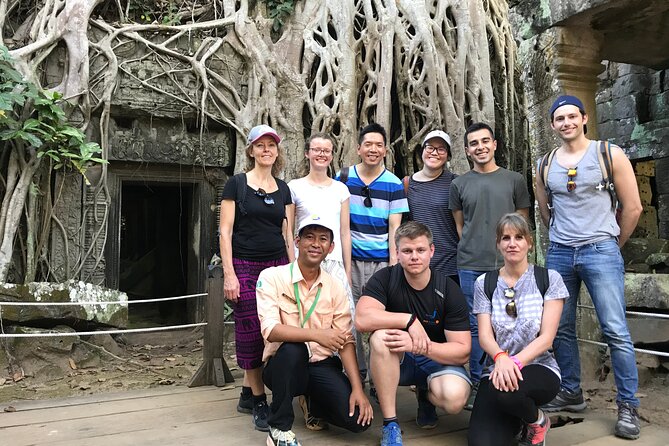
Angkor Wat is the big one. It’s the largest religious monument in the world, built in the 12th century, and it’s the best-preserved temple at Angkor. That “best-preserved” detail matters because it helps your eye read the structure: you can still appreciate layout and details instead of only seeing ruins.
With about 2 hours on-site, you can do more than snap a single sunrise shot. I’d use the time for three things:
- First: orient yourself early (where to stand, where paths lead, how the main axes line up)
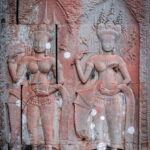
- Second: slow down for carvings and architectural details
- Third: take a few photos without constantly checking your watch
The tour is built so you arrive at sunrise from the East Gate. That’s the kind of planning that saves you from wasting energy later. If you try to DIY sunrise at Angkor, you’ll spend time figuring out timing and entry rules. Here, the schedule is already organized around that moment.
Angkor Thom South Gate to Baphuon: The Route That Keeps Flowing
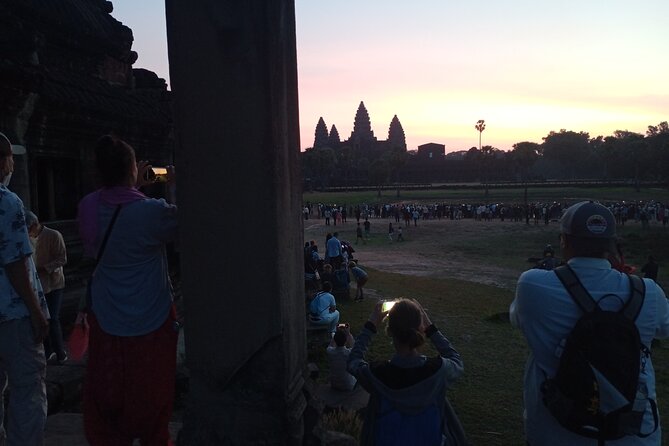
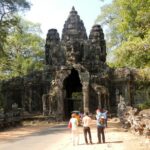
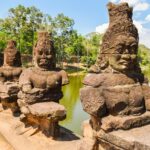
After Angkor Wat, the tour moves into Angkor Thom, starting at the South Gate. This is one of five gates, and it’s famous for the rows of stone figures flanking the entrance—54 on each side. Those figures aren’t just decorative. They set the tone for entering the fortified city of the Khmer Empire, so you get an immediate sense that you’re crossing into something curated, not random.
From there, you go deeper into Angkor Thom with:
- Bayon Temple (about 1 hour)
- Baphuon (about 40 minutes), which sits northwest of Bayon
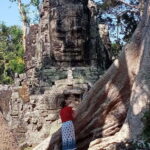
Bayon is the richly decorated Khmer temple associated with King Jayavarman VII and built in the 13th century as the state temple. It’s a centerpiece, and your guide’s explanations help you understand why it’s so visually intense—because it’s not only about the size, it’s about what the temple communicates through structure and design.
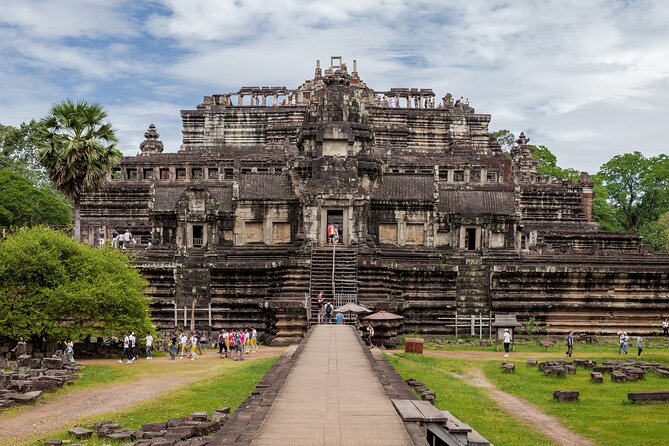
Then Baphuon adds a different feel. It’s a three-tiered temple mountain built in the mid-11th century, connected with royal enclosure areas. When you’re moving from Bayon to Baphuon, the change in building style helps you see that Angkor Thom isn’t one uniform “look.” It’s a layered city of different eras.
A practical point: these are “main stops,” but the time blocks are realistic. You’re not getting stuck in one place for so long that the rest of the day becomes a blur.
The Short Stops Inside Angkor Thom: Where the Day Gets Interesting
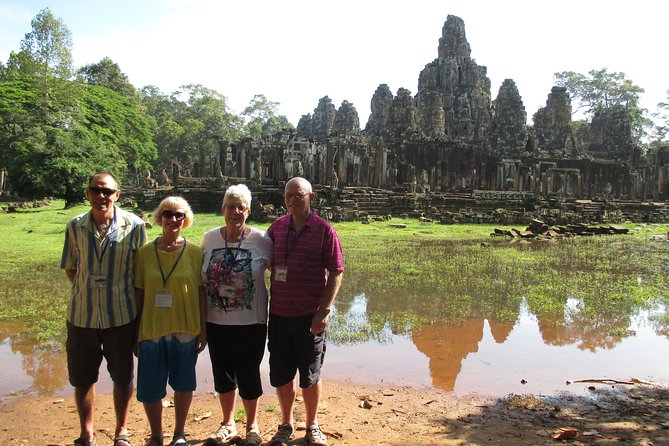
Not everything in this day is a long museum-style linger. There are a few shorter stops that can actually make the experience feel more personal.
You’ll stop at Angkor Thum, described as a hidden spot where most tourists don’t go. The time is brief—about 10 minutes—but that kind of stop is useful when you want variety. It’s also a reminder that the Angkor complex isn’t only “famous icons.” There are calmer corners that help you breathe.
There’s also an extra “secret stop” within Angkor Thom, another short visit of about 10 minutes. I can’t pretend what it looks like will match everyone’s taste. But I do like this approach: instead of repeating the same viewpoint angles everyone posts online, you add at least one surprise element to your route.
Then you’ll hit two terraces that are easy to overlook if you’re only thinking about Angkor Wat and Bayon:
- Terrace of the Elephants (about 30 minutes)
- Terrace of the Leper King (about 30 minutes)
The Terrace of Elephants is about 350 meters long and served as a giant reviewing stand for public ceremonies, with a king’s grand audience base role. If you like imagining how crowds moved, this one helps. It’s a reminder that these sites weren’t built for quiet sightseeing—they were built for ceremonies.
The Terrace of the Leper King is famous for its name and for its U-shaped structure. It’s thought by some to have been used as a royal cremation site, built in the 13th century under King Jayavarman VII. Even if you don’t remember every theory, it’s still a standout visual stop, and it’s a good reset before the final stretch.
You can also read our reviews of more tours and experiences in Siem Reap
Phimeanakas and Ta Prohm: Finishing with the Most Atmosphere
Phimeanakas (also called Vimeanakas) comes next, and it’s a temple with serious historical framing. It dates to the end of the 10th century, during Rajendravarman’s reign (941–968), and was completed by Suryavarman I. The tour gives you about 1 hour here, and the guide time is key—you’ll get more from Phimeanakas when someone explains its place in royal temple tradition.
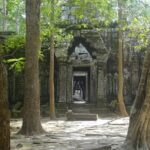
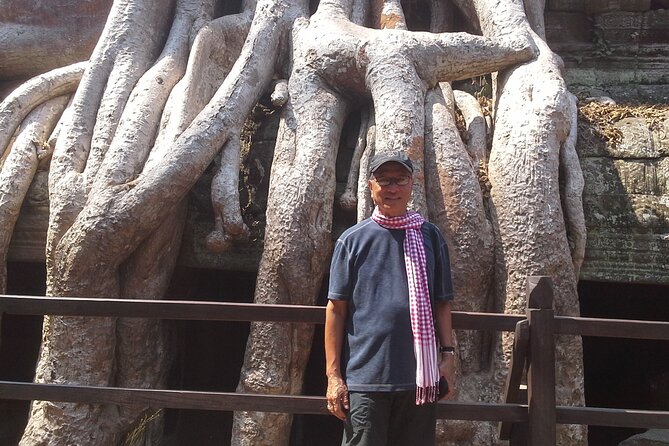
Then comes Ta Prohm, the temple known for its jungle setting—the famous Tomb Raider temple look. The idea here is simple: after hours of stone and structure, you get a scene where roots and greenery feel like part of the architecture. The tour allots about 1 hour.
This timing also helps. Ta Prohm is often busy, and the afternoon meal break gives you a chance to regroup before you go back into walking and camera mode.
The Lunch Break Near Ta Prohm: A Smart Way to Refuel
You don’t spend this day skipping food. There’s a meal at a local restaurant in the Ta Prohm temple complex area in the afternoon.
Here’s how to make the most of it:
- Eat with purpose—don’t fill up so much that you feel heavy on your next walk.
- Stay hydrated. The day includes bottled water, but it’s still hot and you’ll be on foot.
Also, there’s a practical tip included with this tour style: it’s recommended that you take boxed breakfast from your hotel so you can have the option to eat at a local cafe near Angkor Wat. That matters if you arrive early and want something easy before you start moving.
Tickets, Dress Code, and the Small Rules That Matter
The Angkor system has rules, and this tour respects them by setting you up with the right advance steps.
What you pay for separately
Angkor Wat admission is not included in the base price. The fee is $37.00 per person. Your guide sends a link to purchase the temple entrance e-ticket days in advance, which is exactly what you want for planning sanity.
Several other stops are listed as admission ticket free, including the South Gate, Bayon, Baphuon, Terrace of the Elephants, Terrace of the Leper King, Phimeanakas, and Ta Prohm in the schedule. Still, Angkor Wat is the one that’s explicitly called out with a cost.
Dress code
You may need to cover your knees and shoulders to enter some temples. That’s not a “nice to have.” Bring something light and breathable that still covers you. Most people get stuck because they show up in typical vacation outfits and then scramble near the entrance.
Shoes and walking
Flat shoes are recommended for comfort. Angkor involves plenty of uneven surfaces, and if your feet aren’t happy, the photos and explanations will feel like chores.
Guide Quality: What You’ll Gain (and the One Possible Headache)
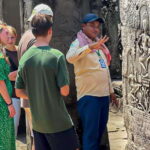
This tour includes an English-speaking guide who stays with you for the whole day. That matters because Angkor can be hard to decode quickly. You’re surrounded by stone scenes, but the meaning isn’t always obvious unless someone explains it in plain terms.
I also see a theme from the overall feedback: guide knowledge is a strong point. The one caution is that English can be hard to understand at times. If you’re someone who needs every word, you might want to use a simple strategy: ask clarifying questions when you catch something interesting. That way, even if certain phrases blur, the key ideas land.
Photo opportunities are built into the day too. That’s handy if you’re traveling with a partner or friends and want more than random phone selfies.
Price and Value: $38 Base Plus the Angkor Wat Fee
Let’s talk money in a way that helps you decide.
The tour price is $38.00 per person for a private 1-day experience of about 8 hours. Included features are meaningful: hotel pickup and drop-off, a private tuk tuk, an English-speaking guide, bottled water, and a mobile ticket. The only extra temple cost called out is Angkor Wat at $37.00 per person.
So the “all-in” cost is basically the tour fee plus the Angkor Wat ticket. If you were trying to DIY this route, you’d still pay for entry and you’d likely spend money and time on transport, plus you’d lose the smooth sunrise timing.
Where you get value most:
- Sunrise scheduling from the East Gate
- Private transport with pickup and drop-off
- A structured route through Angkor Thom stops, so you don’t waste time choosing what’s next
- A guide who helps you understand what you’re seeing
Where the math might not feel as strong:
- If you’re only interested in one or two monuments and don’t want a full day of movement
- If you already have your own reliable transport and you’re comfortable building your own sunrise plan
But for first-timers, or for anyone who wants to see a lot without stress, this price can feel fair for what’s included.
Who This Tour Suits Best (and Who Might Want Another Plan)
This tour fits you if:
- You want sunrise at Angkor Wat without navigating logistics early in the morning
- You like a private pace and don’t want to join a big group
- You enjoy learning why temples look the way they do, not just taking pictures
- You want a practical, timed route through Angkor Thom and then Ta Prohm
It might not be ideal if:
- You hate early starts and long days
- You prefer self-guided wandering with lots of free time
- You’re very sensitive to guide language clarity and need perfect audio every minute
Should You Book This Private Sunrise Tuk Tuk Tour?
I think this is a strong choice when your priority is sunrise + a full Angkor day done efficiently. The East Gate start is the headliner, and the private tuk tuk setup keeps you from wasting energy on transport headaches. Add in a guide who stays with you and points out what matters, and you get a day that feels structured without being rigid.
Book it if you’re ready for an 8-hour, temple-focused schedule and you’ll wear the right clothes and shoes. Skip or look for an alternative if your ideal day is slower, later, and less packed.
If you do book, my advice is simple: plan for an early night, bring knee-and-shoulder covering clothes, and treat those first 2 hours at Angkor Wat as the heart of the day.
FAQ
How long is the 1-Day private Angkor Temple Tour with Sun Rise by Tuk Tuk?
It runs for about 8 hours (approx.), including hotel pickup and drop-off.
What is the price, and what costs extra?
The tour price is $38.00 per person. Angkor Wat admission is not included and costs $37.00 per person.
Does the tour include hotel pickup and drop-off?
Yes. Hotel pickup and drop-off are included.
Is this tour private?
Yes. It’s a private tour/activity, and only your group participates.
Which temples are included during the day?
You’ll visit Angkor Wat (sunrise), Angkor Thom South Gate, Bayon, Baphuon, Angkor Thum, the Terrace of the Elephants, the Terrace of the Leper King, a stop in Angkor Thom, Phimeanakas, and Ta Prohm.
What should I wear for the temples?
You may need to cover your knees and shoulders for some temple entrances. Wear flat shoes that are comfortable for walking.