REVIEW · SIEM REAP
One day normal Angkor tour
Book on Viator →Operated by Happy Angkor Wat Tour · Bookable on Viator
Angkor in one day can work.
This 7–8 hour loop hits the big names with an early start, so Angkor Wat feels quieter and more peaceful, and your art historian guide Bun Leat keeps the temples human-scale with stories, restoration context, and practical photo pointers. The one watch-out is that you’ll still be on your feet for a full morning-to-afternoon temple run, and the site ticket plus lunch cost extra.
You meet near the Royal Angkor Resort area and get picked up by air-conditioned private transport, with bottled water included. The day is built around comfort and clarity: you get a fast route between major stops, and you’re not stuck decoding the place alone—just make sure you plan for the dress code (covered knees and shoulders) before you go.
In This Review
- Key points that make this one-day Angkor run worth it
- Early 7:30 AM start: you’re aiming for serene Angkor Wat
- Your guide Bun Leat: stories that make the carvings make sense
- Angkor Wat first, then Basei ChamKrong: big icon plus a clever curveball
- Angkor Thom: Bayon’s faces, then Baphuon, Phimeanakas, and the Royal Palace area
- Ta Prohm and the photo-time reality: prepare for roots, steps, and heat
- Transport, timing, and the flow of a 7–8 hour Angkor day
- Price and value: $45 tour fee plus the ticket you still need
- Who should book this one-day loop (and who should consider a different plan)
- Should you book this one-day Angkor tour?
- FAQ
- Do I need an Angkor ticket before I go?
- Is lunch included in the tour?
- What time does the tour start?
- How long is the day trip?
- Is hotel pickup and drop-off included?
- Is this tour private or shared?
- What should I wear to enter the temples?
- Can you accommodate a vegetarian meal?
- Is bottled water included?
Key points that make this one-day Angkor run worth it
- Early start for a calmer Angkor Wat: you’re there when crowds are at a minimum.
- Bun Leat’s storytelling style: he explains what you’re seeing before you walk into the next section.
- Comfort between stops: air-conditioned private vehicle, plus bottled water (and cold touches like towels show up in real-world trips).
- You cover both “big icon” and “lesser-known” temple forms: Angkor Wat, then Basei ChamKrong, then Angkor Thom highlights.
- A full UNESCO-hit day without guesswork: Ta Prohm, Bayon, and the Royal Palace area are part of the route.
Early 7:30 AM start: you’re aiming for serene Angkor Wat
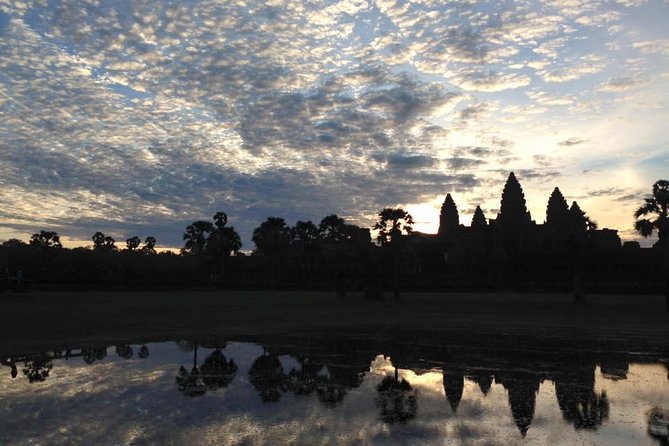
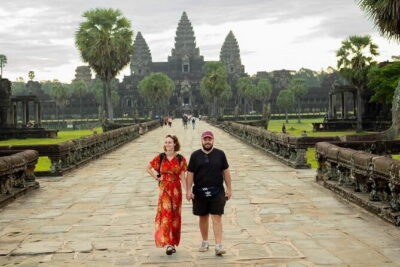
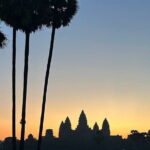
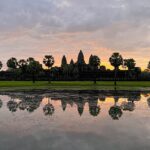
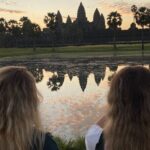
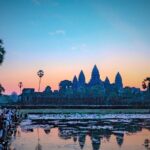
The best move in Angkor is getting there early, and this tour is designed around that. You roll out around 7:30 AM, which matters because Angkor Wat gets swarmed later in the morning. Going early doesn’t just mean fewer people—it also changes the mood. The stones look different in soft morning light, and you get a better chance to take in the scale without constantly stepping around tour groups.
You’ll also appreciate the pacing. Even though the day is “one day normal,” it doesn’t feel like a sprint if you keep a steady rhythm: look, pause, listen, then move on. The route is planned to reduce dead time, and with hotel pickup you’re not wasting your first hour figuring out how to get to the park.
One practical consideration: the early start means you’ll want sleep the night before and come ready to walk. If you’re expecting a relaxed afternoon picnic, this isn’t that. It’s more like a curated temple day where you trade a little comfort and repetition for big highlights, fast orientation, and cooler conditions.
You can also read our reviews of more tours and experiences in Siem Reap
Your guide Bun Leat: stories that make the carvings make sense
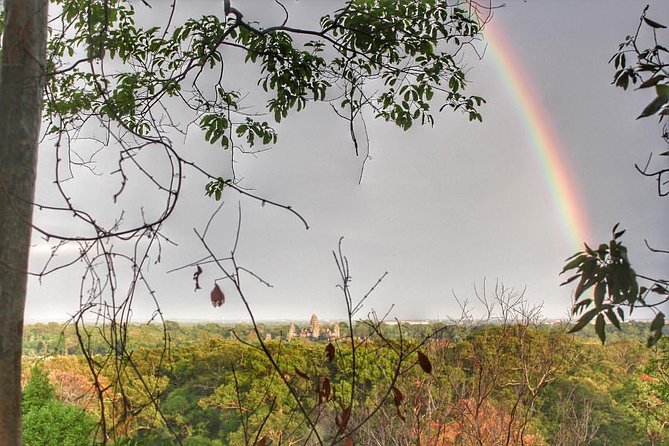
A huge part of why this tour scores so well is the guide. Many people highlight Bun Leat specifically, and for good reason: he doesn’t just point out what’s in front of you. He sets context first—background on Angkor Wat, why key features look the way they do, and what the rebuilding and restoration mean for what you see today.
He also helps with the practical side of sightseeing. You’re not left wandering with a phone and a map app. People mention that he’ll show you good angles for photos, plus how to position yourself so you get a cleaner composition instead of random “I was there” shots. If you care about photos, that guidance pays off fast.
Then there’s the patience. Temple visits can be slow by nature—stairs, shaded areas, crowds shifting minute by minute. Reviews consistently note that Bun Leat stays calm, works at your pace, and doesn’t treat the tour like a checklist. That’s a real value add, especially when you’re paying for a one-day hit and want to make every stop count.
The only drawback worth mentioning: the better the guide, the more you’ll want to linger. Some temples invite a second look, but your day is set to cover multiple sites. If you hate feeling time-boxed, you might wish you had a second day in the park. If you want the highlights in a single loop, the structure works.
Angkor Wat first, then Basei ChamKrong: big icon plus a clever curveball
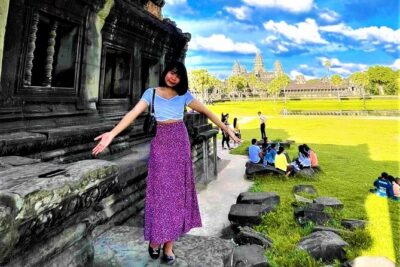
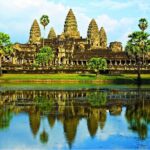
Your day starts at Angkor Wat, and the timing is intentional. Angkor Wat is the headline for a reason—scale, symmetry, and that calm, iconic presence. Early hours give you a better shot at seeing the temple without the visual noise of peak crowds. You’re also not just doing the “main view” and moving on. With a guide, you understand what you’re looking at: why certain parts dominate your view, how the layout functions, and what restoration has changed.
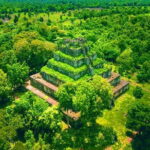
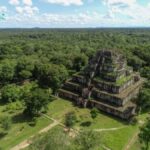
After Angkor Wat, the route swings north toward Basei ChamKrong, a pyramid temple tied to the Hindu god Shiva. The temple is described as being built in 947 AD by Harshavarman I and completed by Rajendravarman II. That kind of detail matters because it changes the way you see the structure. You start noticing the plan and design choices as deliberate—not just decorative.
Then comes one of the most interesting facts shared during the visit: Basei ChamKrong’s plan is compared to a pyramid temple design similar to one in the ancient Maya city of Tikal (dated around 741 AD). You don’t have to go down a rabbit hole to enjoy this—just think of it as a reminder that different civilizations sometimes solve similar architectural problems in similar ways.
Why this stop is a smart choice for a one-day tour: it breaks the pattern. Angkor can start to blur if you only see “one big temple after another.” A site like Basei ChamKrong adds variety and gives your brain something new to anchor on, even in a tight schedule.
Angkor Thom: Bayon’s faces, then Baphuon, Phimeanakas, and the Royal Palace area
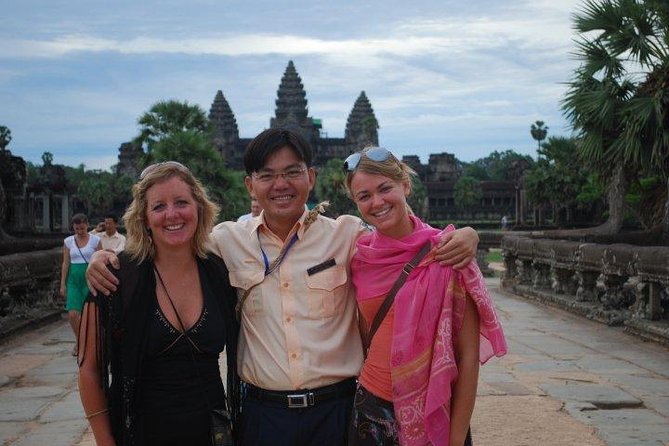
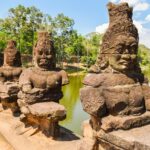
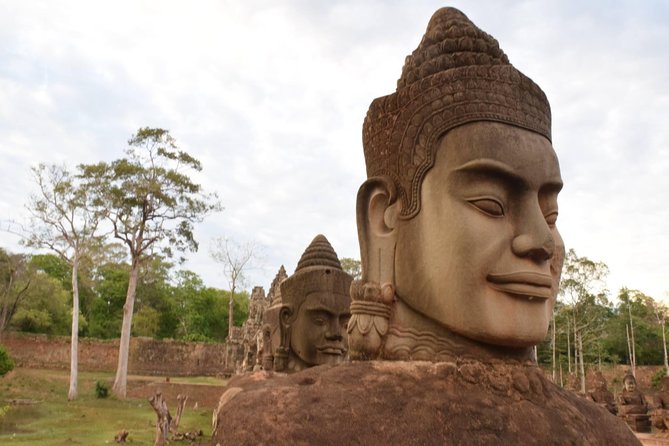
Next you move into Angkor Thom, the ancient city core. This is where Bayon takes over the visual story. The “smiling faces” theme isn’t just a fun marketing line—it’s the most memorable feature of the complex. With an art historian guide, you’ll likely get more than a quick look at the faces. You’ll understand how Bayon sits in the city layout and why the surrounding spaces feel like they’re guiding you through a bigger idea.
From there, you keep moving through major elements tied to leadership and temple power, including Baphuon and Phimeanakas, plus the Royal palace area. This portion of the day works because it groups temples that feel connected. Even if you’re not an archaeology nerd, the architecture and placement tell you when you’re in the “central authority” zone versus a more devotional or transitional space.
A realistic consideration: Angkor Thom can feel busy. Even in a well-planned day, you’re dealing with foot traffic and weather. Your advantage here is having the guide explain what to look for before you arrive, so you’re not spending your limited time trying to figure out what matters.
Also, wear footwear you trust. This day includes stairs and uneven stone steps. Moderate physical fitness is recommended, and if you pace yourself—pause when you need to, sit where shade exists—you’ll get through it comfortably.
Ta Prohm and the photo-time reality: prepare for roots, steps, and heat
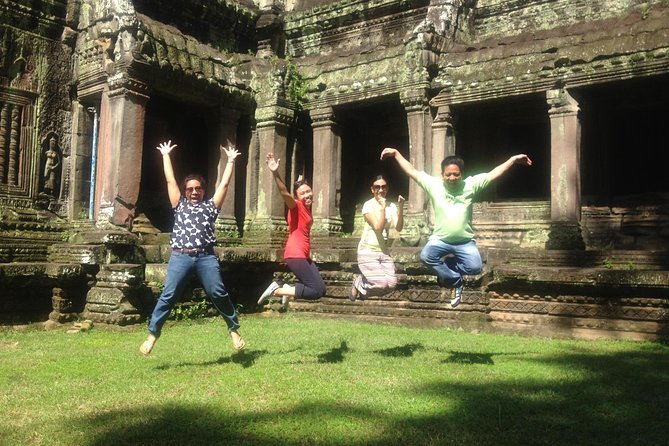
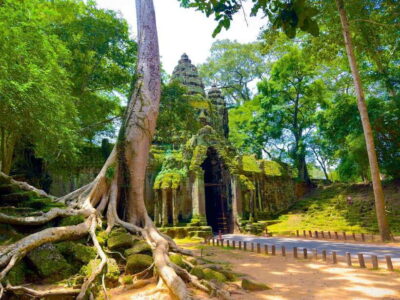
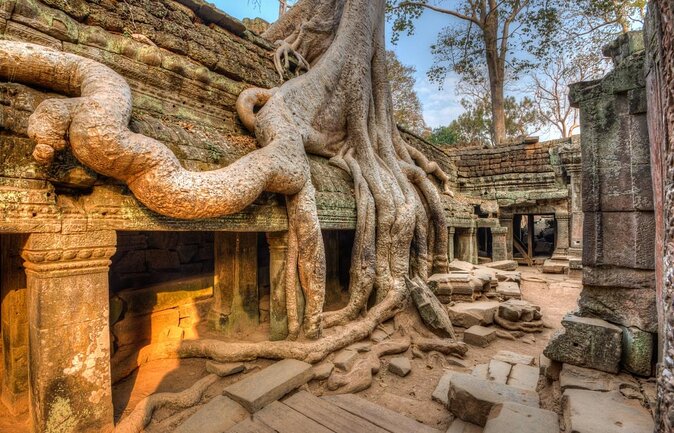
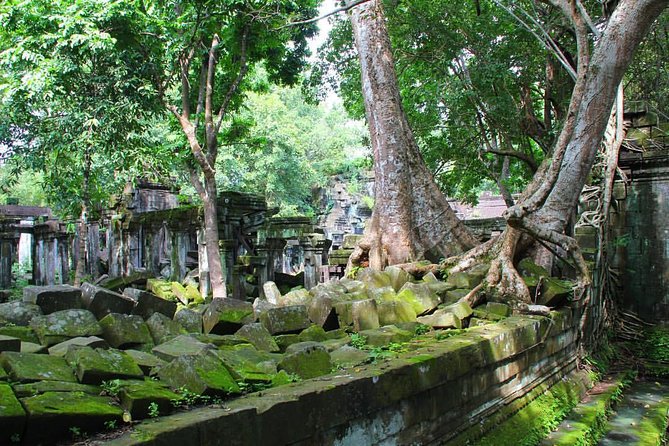
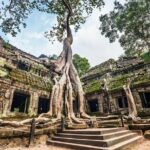
Ta Prohm is one of the most recognizable temple stops on the Angkor circuit, and it plays beautifully in a one-day itinerary. It’s the temple many people picture when they think of Angkor: dramatic stonework, and nature’s takeover feeling visible in every direction. That scene is part of the attraction, but it also means you’ll spend more time looking up and around.
Here’s the practical truth: this kind of temple is visually complex. If you try to rush, you’ll miss the details. Your best strategy is to use the guide for orientation—so you know where to stand, what angles make the scene work, and what parts of the temple to focus on first. That approach matches what people praise most: photo tips and calm guidance that help you get good shots without turning the visit into a frantic sprint.
Comfort details are also part of why this tour feels smoother. Bottled water is included, and real experiences mention cold water and even chilled towels during the day. Those extras sound small until you’re under sun and moving temple to temple. They keep your energy steady so you don’t waste the last hour feeling wiped out.
Dress code is strict here, so it’s worth highlighting again: you must cover knees and shoulders. No shorts or sleeveless tops. If you show up dressed wrong, you can risk being refused entry. Plan your outfit for walking first, then for temple rules second.


Transport, timing, and the flow of a 7–8 hour Angkor day
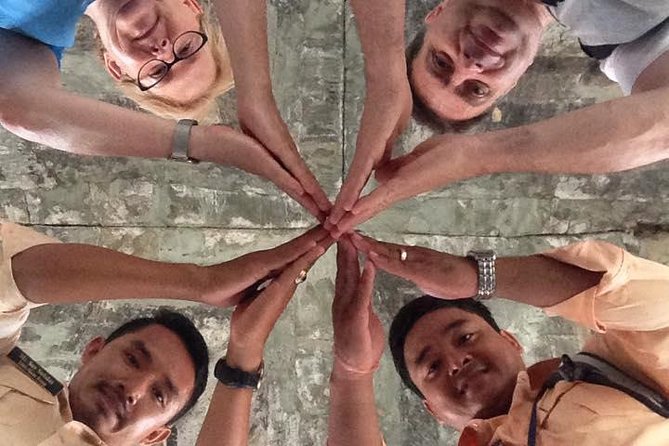
This is a private tour/activity, so only your group participates. That matters more than it sounds. In a place like Angkor, group size affects how long you wait at photo spots and how often you’re trying to match other people’s walking speeds. Private transport also means fewer stops for pickups and better control over departure timing.
You’re traveling by air-conditioned private vehicle, which is a real comfort win. Angkor days are hot and the distances between major temples add up. Having AC between stops keeps you from arriving at each site feeling drained.
The tour is set for roughly 7–8 hours, which is just enough time to see the highlights without needing an extra overnight. The trade-off is that you won’t have the leisurely, museum-like experience at each temple. Instead, you get structured seeing: arrive, understand quickly, notice key details, move on.
A small real-world comfort note: one set of experiences mentions riding in a Toyota Highlander that was clean and had cold A/C. Even if your exact vehicle differs, the theme is consistent—comfortable, cooled transport and smooth transitions.
If you’re sensitive to schedule pressure, aim to stay flexible mentally. You might want to slow down at one or two temples that feel special to you, but you’ll also need to keep moving to hit the full route.
Price and value: $45 tour fee plus the ticket you still need

The headline price is $45 per person, and it covers a lot of the “hard parts” of a day trip. You get hotel pickup and drop-off, an art historian guide (including professional commentary), bottled water, local taxes, and air-conditioned transport.
But the day isn’t “all-in” because the one day Angkor ticket is $37 per person, and lunch isn’t included. So the real planning number is closer to $45 + $37, then lunch, then the tip if you choose to give one.
How this becomes good value: you’re paying for a guided route that hits major sites in a short window and saves you from the stress of figuring out what to see and in what order. The guide component is often where the day justifies itself—especially with Bun Leat if you care about understanding the temples instead of only snapping photos.
How it might not be value for you: if you already have a strong plan, want to self-guide, and don’t care about interpretive context, you could spend less on transport and do it on your own. Still, for many people doing Angkor for the first time, the guide reduces wasted time and turns the trip from browsing into actually “getting” the place.
A simple way to decide: If you want the highlights in one day and you like being told what matters while you’re standing there, this pricing structure is fair. If you want unstructured time and don’t want to pay for interpretation, consider other options.
Who should book this one-day loop (and who should consider a different plan)
This tour fits best if you:
- Want a single-day Angkor plan that covers Angkor Wat, Ta Prohm, Bayon, and Angkor Thom highlights.
- Enjoy history and want explanations while you’re in front of the stones.
- Care about photos and like receiving guidance on where to stand and what angles work.
- Prefer comfort: pickup, AC transport, bottled water.
It may be less ideal if you:
- Want lots of quiet, slow wandering with long stops at just one temple.
- Have strong accessibility needs or struggle with uneven walking and stairs (the tour asks for moderate physical fitness).
- Are planning to wear clothing that doesn’t meet the covered knees and shoulders dress code.
One day works best as a “first contact” day. If you fall in love with Angkor (it happens), a longer stay is where you can go back and linger. But as a first sweep, this route gives you the visual and interpretive anchors you need.
Should you book this one-day Angkor tour?
If you’re coming to Siem Reap with limited time and you want the big Angkor hits done in a structured, comfortable way, I’d book it. The early start helps, the AC transport helps, and the real differentiator is the guide—people repeatedly praise Bun Leat’s patience, clear explanations, and photo help.
The decision hinges on your expectations. If you want a quick but meaningful circuit, this delivers. If you want a relaxed day with no schedule pressure, you might feel rushed across multiple temples.
FAQ
Do I need an Angkor ticket before I go?
Yes. The one-day ticket is not included in the $45 tour price, and it’s listed as $37 per person.
Is lunch included in the tour?
No. Lunch is not included, though you stop at a restaurant where you can purchase it.
What time does the tour start?
The tour starts at about 7:30 AM for transport into the temple complex.
How long is the day trip?
It runs about 7–8 hours.
Is hotel pickup and drop-off included?
Yes. Hotel pickup and hotel drop-off are included, and the activity ends back at the meeting point.
Is this tour private or shared?
This is private for your group only, not shared with other travelers.
What should I wear to enter the temples?
You need to follow the dress code: no shorts or sleeveless tops. Knees and shoulders must be covered for both men and women.
Can you accommodate a vegetarian meal?
A vegetarian option is available if you advise at booking.
Is bottled water included?
Yes. Bottled water is included, and the tour uses air-conditioned transport between stops.