REVIEW · SIEM REAP
2-Day Eight Temple Tour with Optional Sunrise
Book on Viator →Operated by Angkor Pura Tours · Bookable on Viator
Eight temples in two calm days. The big win here is pacing: you move through the Angkor area with a private guide and you get your own pace instead of getting stuck in a crowd shuffle. I love how the guide turns each stop into something you can actually follow, not just a photo stop. I also like that private transport and pickup from your Siem Reap hotel makes the whole plan feel low-stress.
One thing to plan for: the ticket for the Angkor temples is not included. You’ll need the 3-Day Temple Pass (listed as $62 per person), and you also need to follow the temple dress code (shoulders and knees covered).
In This Review
- Key things I’d zero in on
- Why this eight-temple tour feels calmer than day trips
- Price and logistics: what’s included in the $98 and what costs extra
- Day 1 itinerary: Pre Rup towers, Banteay Samre’s Angkor-like design, and pink Banteay Srei
- Pre Rup temple: the climb that pays off
- Banteay Samre: Khmer architecture in the Angkor Wat style
- Banteay Srei: pink sandstone and carvings with legend-level drama
- Day 1 continues: Ta Prohm’s jungle feel and Banteay Kdei’s quieter strength
- Ta Prohm: the Tomb Raider temple left to the elements
- Banteay Kdei: Citadel of Chambers and Monks’ cells
- Day 2 itinerary: Angkor Wat at first, Preah Khan’s unfinished feel, and Bayon’s face temple
- Optional sunrise: when it’s worth the early start
- Preah Khan: left to the elements and tied to Jayavarman VII
- Bayon: Hindu inscriptions and both Buddhist traditions
- What to pack and how to get the most out of each temple
- Dress code and comfort
- Heat and pacing
- Photo help that doesn’t feel forced
- Who should book this eight-temple package
- Should you book this tour
- FAQ
- What location is this tour based in?
- How long is the eight temple tour?
- What temples are included on the route?
- Is the tour private?
- Is a temple pass included in the price?
- What’s included in the $98 price?
- Are meals included?
- What dress code do I need for the temples?
- Is there free cancellation?
Key things I’d zero in on
- Private guide storytelling that helps each temple make sense, not just look good on Instagram
- Private transport with hotel pickup so you spend less time figuring out logistics
- Eight temples across two days that hit the classics plus quieter stops nearby
- Flexible timing at each site so you can slow down for views and details
- Cold water included, a small thing that matters in Siem Reap heat
Why this eight-temple tour feels calmer than day trips
Siem Reap is full of temples, but “full” can also mean chaos. You’ll see that quickly if you try to stitch together multiple sites on your own. This tour’s value is that it bundles a smart set of stops and handles transport, so your day doesn’t turn into constant moving, waiting, and re-planning.
The other calm factor is the private format. You’re not fighting for space with tour buses every five minutes. Instead, you can actually walk at a human speed. Want to linger on carvings? Great. Want to stop for shade or step back when the sun gets punishing? That’s part of the point. The tour description even highlights that no crowds are meant to hold you up, which is exactly what you want on an itinerary this packed.
And because the tour is guided, you’re not just staring at stone and hoping it clicks. You get the history and the stories behind each site, including why certain temples look the way they do and what makes them famous. That matters at Angkor, where the details can be easy to miss when you’re rushing.
Finally, the inclusion of cold water plus pickup from your hotel means less friction before you even reach the temples. You start the day ready to walk, not scrambling for basics.
You can also read our reviews of more tours and experiences in Siem Reap
Price and logistics: what’s included in the $98 and what costs extra
The listed price is $98 for the tour over about two days. For this area, that’s not just about the temples. You’re also paying for a guide, cold water, and transport suited to your group size—plus the practical benefit of a mobile ticket.
Here’s the part you must budget for: the 3-Day Temple Pass is not included and is listed at $62 per person. That means your true day-to-day cost is really the tour price plus the entry pass. If you already know you’ll visit multiple temples in a short window, this usually still makes sense. If you’re the type who only wants the headline sites and then to relax, the extra pass cost might sting.
Also not included: food and drinks and accommodation. The itinerary runs over two days, and temple time is walking time. I recommend assuming you’ll want breaks for water and meals, even if cold water is provided during the tour.
One more logistics note: the dress code is clear—cover shoulders and knees for temple entry. If you forget, you’ll end up solving it at the worst possible time. Pack something light that still covers, like a scarf or lightweight layer that you can pull on fast.
Day 1 itinerary: Pre Rup towers, Banteay Samre’s Angkor-like design, and pink Banteay Srei
Day 1 is structured like a storyline: climb for big views, then shift into architecture, then into temples that feel tangled with nature.
Pre Rup temple: the climb that pays off
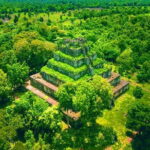
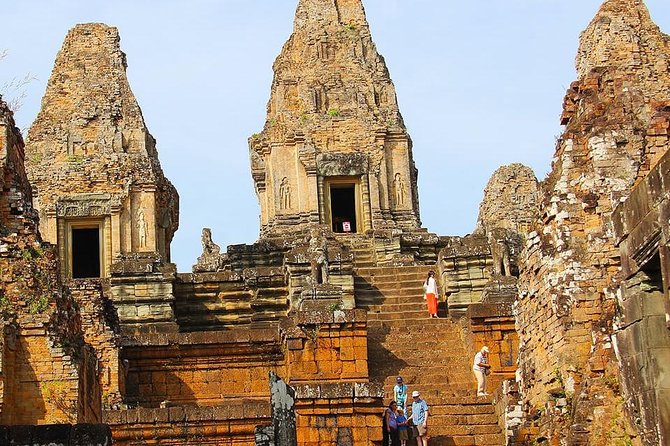
Pre Rup is described as a mountain temple because of the steep climb up to the towers. That sounds like a chore until you realize why it’s popular: at the top, you get a unique view of the countryside around Siem Reap. This is also one of the earlier temples built by the Khmer kings, so you’re not only getting scenery—you’re stepping into an earlier phase of the Khmer story.
If you’re someone who likes panoramic photo moments, this is a strong first anchor for the day. If you’re less into climbs, just plan your pace. Take it slow and use the climb as a warm-up before the other sites.
Banteay Samre: Khmer architecture in the Angkor Wat style
Next comes Banteay Samre, which the tour notes is a stunning example of Khmer architecture built in a similar style to Angkor Wat. The practical reason this stop works on day one is that it gives you a different angle on the same design language—so when you later hit Angkor Wat, you’ll recognize patterns instead of starting from zero.
You can usually spend about an hour exploring the towers and those intricate carvings, especially if your guide gives you the story behind what you’re seeing. It’s a good “slow down” temple before the day gets more visually intense.
You can also read our reviews of more tours and experiences in Siem Reap



Banteay Srei: pink sandstone and carvings with legend-level drama
Then the tour hits one of the standout stops: Banteay Srei. This temple is known for its pink sandstone, sourced from quarries in the Kulen Mountain range. That material alone changes the vibe of the place. It looks different from the darker stone temples, and that makes it easier to spot and appreciate.
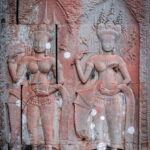
The tour also mentions a legend about the carvings—said to have been carved by women. Whether or not the legend is literal, it’s a memorable hook that helps you pay attention to detail when you’re standing in front of the artwork.
This is the type of temple where a guide can make a huge difference. The carvings are intricate, and having someone explain what you’re looking at can turn a “pretty temple” into a “how on earth did they do that” moment.
Day 1 continues: Ta Prohm’s jungle feel and Banteay Kdei’s quieter strength
Day 1 finishes with two temples that contrast hard: cinematic jungle energy, then a more contemplative Buddhist site.
Ta Prohm: the Tomb Raider temple left to the elements
Ta Prohm is also known as the Tomb Raider temple. The tour notes it was used as a set for the Tomb Raider movie starring Angelina Jolie, which is exactly the kind of pop-culture detail that makes people feel instantly oriented.
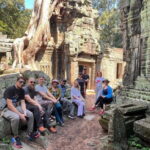
But the real draw is that the temple has been left to the elements, with the jungle growing through the middle of the building. That mix of stone and roots is one of the most photogenic styles in the whole Angkor region. And because the tour is private, you’re less likely to feel rushed when the light shifts or when you want to walk slowly around a structure.
Practical note: this is one of the places where you’ll want to watch your footing. Roots and uneven ground can be slick when conditions are humid.
Banteay Kdei: Citadel of Chambers and Monks’ cells
Banteay Kdei is described as the Citadel of Chambers or the Citadel of Monks’ Cells. It’s located nearby Ta Prohm, and it’s another popular temple on the trail—though it tends to feel calmer because it’s not the same cinematic jungle magnet.
This is a smart pairing after Ta Prohm. You’ve just been hit with one extreme visual experience, and now you get a different kind of atmosphere, including Buddhist connections. If you like architecture but also want variety in mood, this stop helps keep the day from turning into one long “same-feel” sequence.
Day 2 itinerary: Angkor Wat at first, Preah Khan’s unfinished feel, and Bayon’s face temple
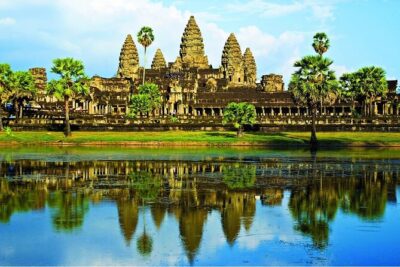
Day 2 is focused on the Angkor Archaeological Park highlights. The tour starts with Angkor Wat, which the description calls the reason most people come to Siem Reap. It notes Angkor Wat attracts over 2 million visitors per year and is the largest temple built during the Khmer empire.
Even if you’ve seen photos, Angkor Wat has a way of changing scale when you’re standing in front of it. It’s not just a pretty temple. It’s a massive statement in stone, and being at the center of that layout makes the whole area feel bigger and older than you expected.
Optional sunrise: when it’s worth the early start
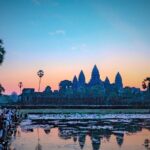
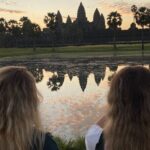
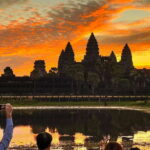
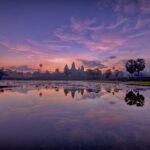
The tour title includes optional sunrise. If you choose it, you’re paying with time—an early start—but you’re gaining a better shot at softer light and a calmer start to the day. Just be realistic: you’ll be tired if you don’t sleep well the night before. For many people, sunrise at Angkor Wat is the best use of that early energy.
If you’d rather prioritize comfort, you can still enjoy Angkor Wat later in the day; the temple is impressive no matter the hour. The main trade-off is light and crowds, and the sunrise option is basically a choice about which trade-off you want.
Preah Khan: left to the elements and tied to Jayavarman VII
After Angkor Wat, the tour heads to Preah Khan, a 12th-century temple built by King Jayavarman VII. A key detail here is that Preah Khan has been left to the elements, and the description notes very little restoration work has taken place. It’s been made safe for visitors, but it feels more “real” in its wear and tear.
This stop is a good reminder that Angkor isn’t one consistent look. Some temples are restored and polished. Others feel like history is still actively unfolding. Preah Khan can be a powerful visit if you like that sense of age and complexity.
Bayon: Hindu inscriptions and both Buddhist traditions
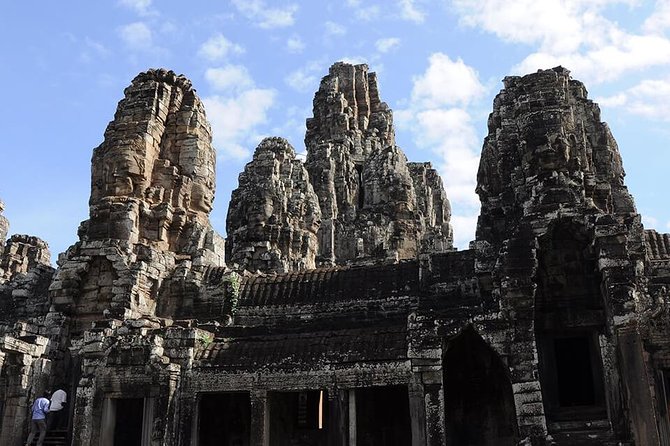
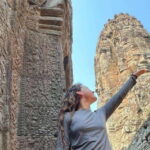
To wrap day two, you’ll see Bayon, which the tour description calls majestic and a favorite for many visitors. Bayon is notable for having remnants of Hindu inscriptions and references to both Mahayana and Theravada Buddhist inscriptions.
This is where the guide’s story matters again. If you just walk through, you might miss how layered the meaning is. With guidance, you’re more likely to spot the transitions in what’s carved and how the religious themes are expressed.
The time in Bayon can feel like a slow wander through corners and details. It’s also a good capstone because it ties together the mix of influences that make Angkor so fascinating.
What to pack and how to get the most out of each temple
This tour includes cold water and uses suitable group-size transport, which helps. But you’ll still want to show up ready to walk and to follow the temple dress code.
Dress code and comfort
You must cover shoulders and knees to enter temples. I’d plan for that every morning, not as an emergency fix. Lightweight layers work best because Siem Reap weather can swing from hot to sticky fast.
For footwear, go for comfortable walking shoes. You’ll be on uneven surfaces, and several temples involve stairs or climbs—especially Pre Rup.
Heat and pacing
Even on a private tour, two days in temples can wear you down. This itinerary is busy, but it’s busy in a structured way. The benefit of the private format is that you can control your pace. Take breaks when you need them. If you’re dragging, you’ll miss details, and details are the point here.
Photo help that doesn’t feel forced
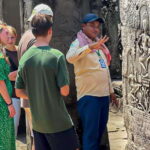
One highlight from a guide named Sam is how he pairs storytelling with strong photography skills. If you care about pictures, a guide who thinks in angles and timing can help you get better shots without turning the trip into a constant photoshoot.
Who should book this eight-temple package
This tour is best for you if:
- You want a private guide and hotel pickup instead of managing multiple hires and schedules
- You like a mix of famous sites and temples that feel quieter or more distinctive
- You want to cover major stops in two days without feeling rushed by other groups
- You’re ready to pay for the temple pass separately and you’re okay with no included meals
It’s also a good fit if you enjoy context. Angkor becomes more meaningful when someone helps you connect the architectural style, the stories, and the changes across time.
If you’re mostly here for one or two iconic temples and then you want downtime, this might feel like a lot. With eight stops, you’ll be doing a fair amount of walking and time on your feet.
Should you book this tour
I’d book it if you’re the type who wants your Angkor days to feel organized, paced, and guided. The big value is that you’re not only ticking temples—you’re learning what you’re looking at, and you’re doing it without the usual head-bumping crowd chaos.
I’d hesitate only if paying for the 3-Day Temple Pass ($62 per person) plus meals out of pocket feels like a deal-breaker. Also, if you hate stairs or climbs, Pre Rup’s steep ascent may be a deal friction.
If you can handle a temple-focused couple of days, this eight-temple route is a smart way to see a lot while still keeping the day human.
FAQ
What location is this tour based in?
The tour is in Siem Reap, Cambodia.
How long is the eight temple tour?
It runs for 2 days (about two days).
What temples are included on the route?
The itinerary includes Pre Rup, Banteay Samre, Banteay Srei, Ta Prohm, Banteay Kdei, Angkor Wat, Preah Khan, and Bayon.
Is the tour private?
Yes. It’s listed as a private tour/activity, meaning only your group participates.
Is a temple pass included in the price?
No. You need the 3-Day Temple Pass, listed at $62 per person.
What’s included in the $98 price?
It includes a tour guide, cold water, and suitable transport for group size.
Are meals included?
No. Food and drinks are not included.
What dress code do I need for the temples?
You must cover your shoulders and knees to enter the temples.
Is there free cancellation?
Yes, free cancellation is available up to 24 hours before the experience start time for a full refund.