REVIEW · SIEM REAP
Angkor 2-Day Sunset & Sunrise Small-Group Tour
Book on Viator →Operated by Journey Cambodia · Bookable on Viator
Angkor in two days is a time-saver, not a rush-job. The big draw here is light capture: a sunrise session at Angkor Wat plus a sunset finish on day one, both handled with tight, pre-planned timing. You also get pick-up and drop-off from Siem Reap hotels and a climate-controlled vehicle to keep you sane between sites.
I like how the route blends the obvious must-sees with temples that feel quieter, like Banteay Srei in the countryside. You’ll also get a guide who can explain what you’re seeing in plain English, and people have specifically praised guides such as Pal, Sokpee, and Sak, along with drivers like Naro and Mao who keep the comfort going.
One thing to consider: the days are long, and the sunrise schedule is early enough to test your willpower. If you’re sensitive to heat, air quality, or steep climbs, the sunset viewpoint and the midday temple pacing can be tough—smog affected one sunset experience, and the hill can be steep.
In This Review
- Key things I think you should know before you go
- Angkor’s best photos, without the scramble: sunrise + sunset planning
- Day 1 temple circuit: Preah Khan, Neak Pean, Banteay Srei, Pre Rup, then sunset
- Preah Khan: a ruined temple that still feels alive
- Neak Pean: the circular-island temple moment
- Banteay Srei: the countryside temple with top-tier carvings
- Pre Rup: a temple mountain with layered building materials
- Sunset viewpoint: hill climb + weather roulette
- Day 2 at dawn: Angkor Wat from the eastern approach, then the Angkor Thom zone
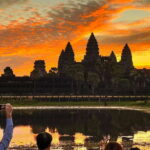
- Angkor Wat at sunrise: the must-do, handled thoughtfully
- Angkor Thom + South Gate: capital-city energy
- Terrace stops: Leper King and Elephant areas
- Ta Prohm: the temple that looks like it’s moving
- Comfort that actually matters in Siem Reap heat
- Guides and drivers: the difference between seeing temples and understanding them
- Pace, walking, and what to pack
- Price and value: $49 plus the temple pass, and what that buys
- Who this tour fits best
- Should you book this Angkor 2-Day Sunset & Sunrise tour?
- FAQ
- Is the $49 tour price all-inclusive?
- How much is the temple pass?
- What time does the sunrise day start?
- What days are covered?
- What’s included for comfort during the tour?
- What’s the maximum group size?
Key things I think you should know before you go
- Sunrise timing is pre-arranged with an early hotel departure window (around 4:10–4:30am depending on the season).
- Air-conditioned transport plus bottled water and cool towels between temples makes a noticeable difference in the Angkor heat.
- Small-group feel (up to 15 people) keeps the schedule smoother and makes photo stops easier.
- Day 1 runs long and ends with a sunset viewpoint, so plan a relaxed evening after.
- Temple pass is extra: the tour price doesn’t include the Angkor site entrance fee (payable on the day of activity).
Angkor’s best photos, without the scramble: sunrise + sunset planning
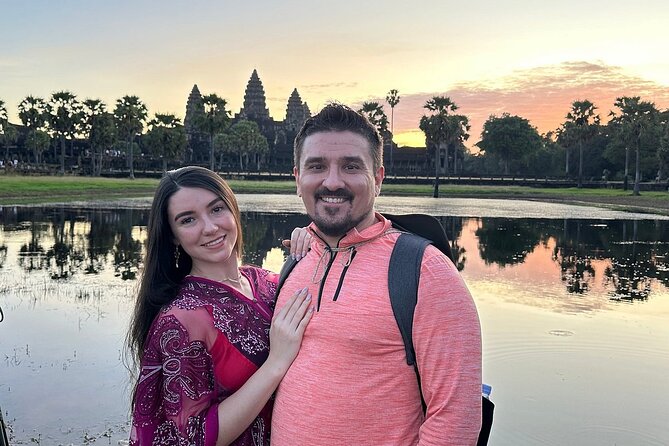
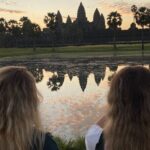
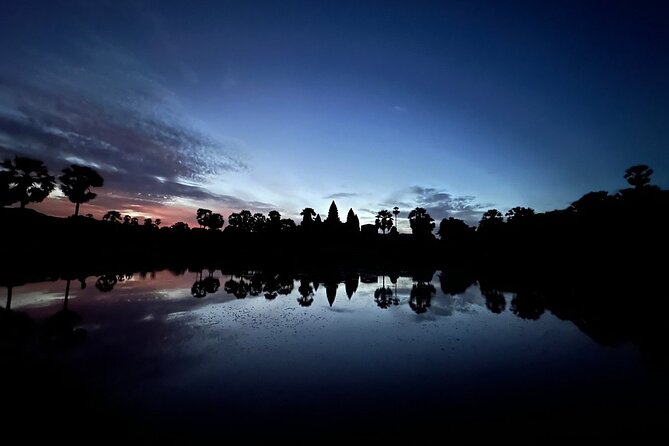
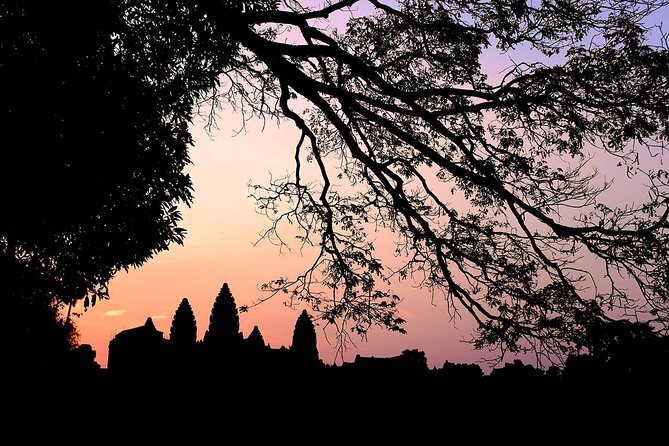
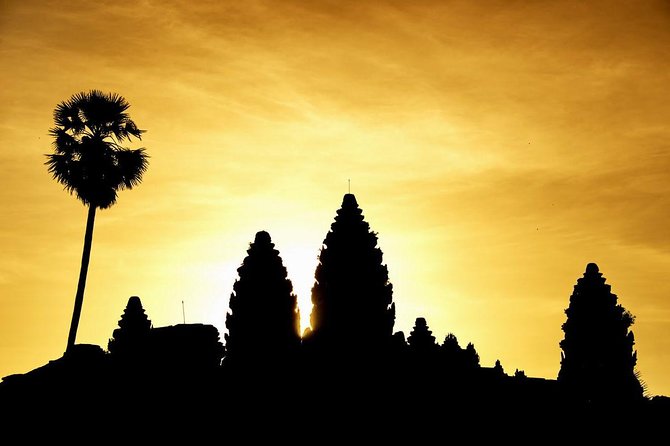
The whole structure of this tour is built around light. You’re not just visiting temples—you’re catching Angkor Wat at dawn and then getting a sunset moment on the first day, so your day has two anchors instead of feeling like a string of stops.
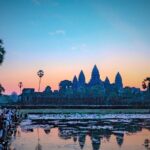
The sunrise part matters because the temple area is different in darkness: fewer people are awake, the air can be cooler, and photos come out more dramatic. You’ll leave your hotel pre-dawn and arrive in time to enter Angkor Wat from a less-busy eastern side before daylight fully hits, which helps you get your bearings fast and avoid the worst of the crowd surge.
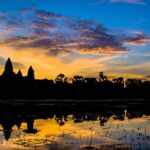
The sunset piece is more weather-dependent. In one experience, heavy smog made the view less satisfying, and the viewpoint requires a climb that can be hard if you have breathing issues or asthma. If you want the best chance at a clean horizon, keep your expectations flexible and bring a way to manage heat.
You can also read our reviews of more evening experiences in Siem Reap

Day 1 temple circuit: Preah Khan, Neak Pean, Banteay Srei, Pre Rup, then sunset
Day one starts with a classic Angkor warm-up: you’re dropped into temple ruins surrounded by trees and stone that look like they’ve been holding their breath for centuries. The atmosphere comes from the contrast—Khmer carvings and structural remnants beside roots and crumbling surfaces.
Preah Khan: a ruined temple that still feels alive
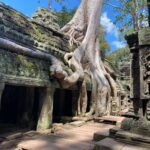
Preah Khan is a strong first stop because it’s ruined but atmospheric. You’ll spend about an hour here, and the highlights are the crisscross of stone shapes and the way tree roots have taken over sections of the complex.
If you like temples that feel more textured and less polished, this one sets the tone for the rest of the day. It’s also a good way to “learn how to look” at Angkor—details in carvings, layout, and symbolism become easier once you’ve started.
Neak Pean: the circular-island temple moment
Neak Pean is short and sweet, around 40 minutes. It’s an artificial island temple with a Buddhist feel, sitting in the Jayatataka Baray water setting.
This stop gives you a breather from the longest walking sections and adds variety: it’s not all towering stone, and the layout helps you slow down just enough to notice the structure and surroundings. Bring water and take a few minutes here even if your group is moving fast.
Banteay Srei: the countryside temple with top-tier carvings
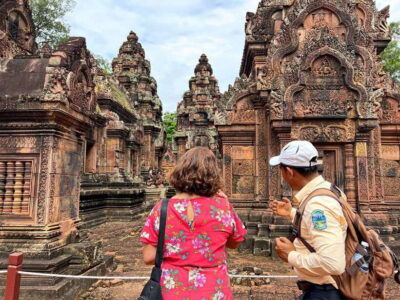
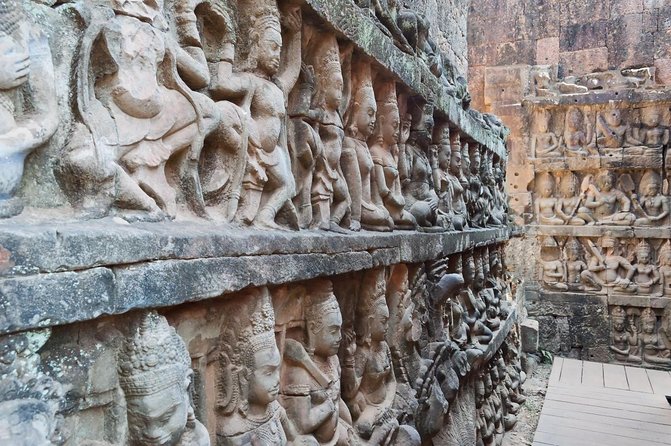
Then comes the day’s big craftsmanship payoff: Banteay Srei, about 1.5 hours. This is a smaller sandstone temple, and the carvings are considered among the finest in Cambodia—fine relief work that stands up well to up-close viewing.
What makes this stop valuable is scale. You’re not dealing with the sheer size of Angkor Wat; you’re dealing with details. If you like ornamentation, myths told through stone, and places that feel less packed, Banteay Srei is a huge reason people say this tour gives more than the standard itinerary.
You can also read our reviews of more tours and experiences in Siem Reap

Pre Rup: a temple mountain with layered building materials
Pre Rup runs about 1.5 hours, and it’s a temple mountain dedicated to a Khmer king (Rajendravarman) and tied to the year 961 or early 962. Architecturally, it’s built with a combination of brick, laterite, and sandstone, which gives the structure a different look from pure stone complexes.
This stop is where you’ll start to feel the day’s heat and footwork. If you’re slower on steep stone steps, pace yourself here, because the rest of day one is still moving toward sunset.
Sunset viewpoint: hill climb + weather roulette
The tour ends day one with a sunset experience on a hill. People report it as pretty, but it can be marred by air quality—smog can flatten the colors and reduce contrast.
You should also mentally prepare for the climb to the viewpoint. One concern raised was the angle and heat being difficult for anyone with breathing issues or asthma. If that’s you, consider bringing a medical plan, and if you’re not comfortable on slopes, communicate with your guide early so they can help with pacing.
Day 2 at dawn: Angkor Wat from the eastern approach, then the Angkor Thom zone
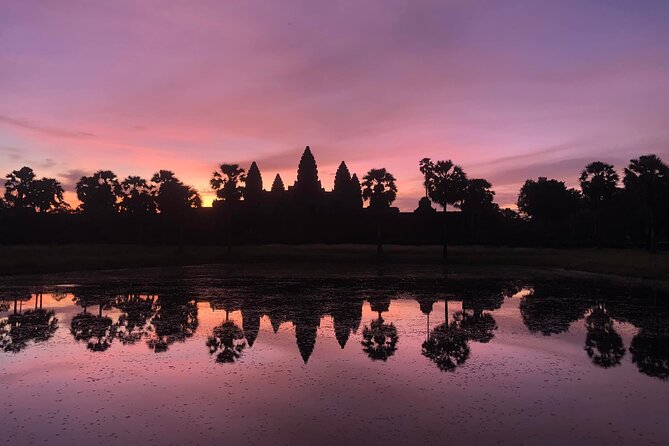
Day two is the one that most people talk about, mainly because it starts ridiculously early. The hotel departure window is typically 4:10 to 4:30am, depending on the time of year, so you’re awake for dawn whether you feel ready or not.
In exchange, you get a quieter arrival and the chance to enter Angkor Wat in low light. The tour’s approach lets you experience the temple in shadow before the sun lifts everything into full brightness.
Angkor Wat at sunrise: the must-do, handled thoughtfully
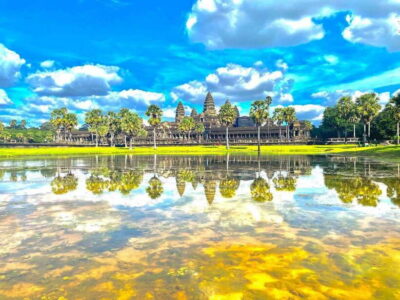
Angkor Wat is about a 3-hour block. You’ll enter from a less-visited eastern side and then explore inside as the light changes.
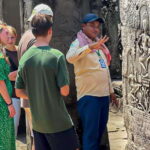
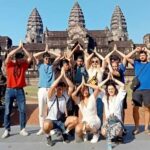
This is where good guiding pays off. In group experiences, guides like Sak, Pal, Pi, and Saro(k) (names vary by guide) were praised for doing two things well: explaining what you’re looking at and setting up photo moments. If you’re solo or you’re the type who forgets to take pictures, this is one of the best places to rely on a guide’s timing.
If sunrise is cloudy, you still get serenity and atmosphere. One review noted a cloudy sunrise that still felt peaceful. You may not get the exact sky you dreamed of, but you’ll still get the temple’s scale and the morning quiet that day tours can’t replicate.
Angkor Thom + South Gate: capital-city energy
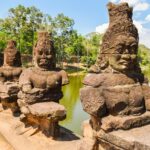
After Angkor Wat, the tour shifts into the Angkor Thom area. You’ll have around 1.5 hours here, plus a brief visit at the South Gate (about 30 minutes).
This part is different from Angkor Wat because it feels more like a city grid and less like a single sacred centerpiece. It’s also where you’ll appreciate how Khmer rulers organized space and movement—gates, courtyards, and the layout around Bayon.
If you like history-but-not-textbook history, this is the zone where your guide’s storytelling helps you connect symbols to the physical space.
Terrace stops: Leper King and Elephant areas
Next comes the Terrace of the Elephants area, with passing stops that include the Terrace of the Leper King and the elephant terrace itself. You’ll have about 1.5 hours across this segment (including time to move and look).
These terraces are iconic, but the tour keeps it practical: you’ll see them without the “blink and miss it” problem that happens when people travel on their own. If you’re photographing, this is also the point where you’ll want to slow down and ask your guide for the easiest angles.
Ta Prohm: the temple that looks like it’s moving
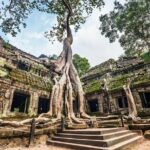
Finally, you’ll reach Ta Prohm, around 1 hour. Ta Prohm is one of the most atmospheric temples in the whole region, known for trees and stone holding together in an uncanny way. It was once home to thousands of monks, and today it carries that famous “rediscovered ruin” feeling from the 1800s.
This is a high-emotion stop, especially in morning light. It’s also where you’ll feel the benefit of a guide who can point out patterns—why certain parts look the way they do, and what the layout suggests about past uses.
Comfort that actually matters in Siem Reap heat
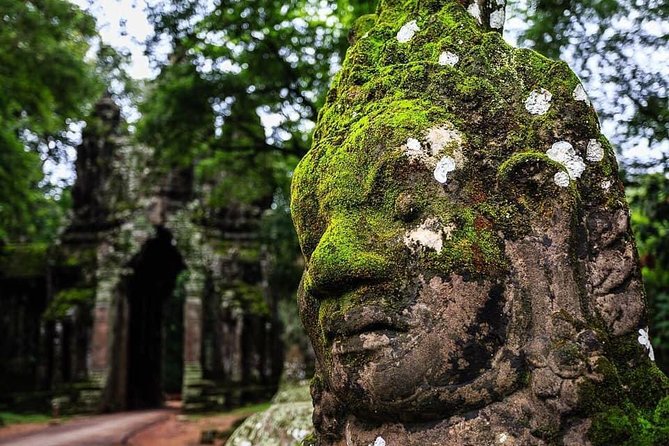
This tour isn’t about suffering. It’s about getting through a lot of walking without cooking.
You ride in an air-conditioned vehicle, and you get bottled water and cool towels. Multiple reviews singled out this exact rhythm: stop, walk, return to the bus, cool towel and water, then back out again. That’s not fluff—it’s how you avoid the mid-day crash that can make temple days feel miserable.
Comfort also helps you enjoy slow moments. If you’re not exhausted, you can spend a few extra seconds noticing carvings at Banteay Srei or taking the time to frame photos inside Angkor Wat. You also won’t feel as rushed when the schedule stretches.
Guides and drivers: the difference between seeing temples and understanding them
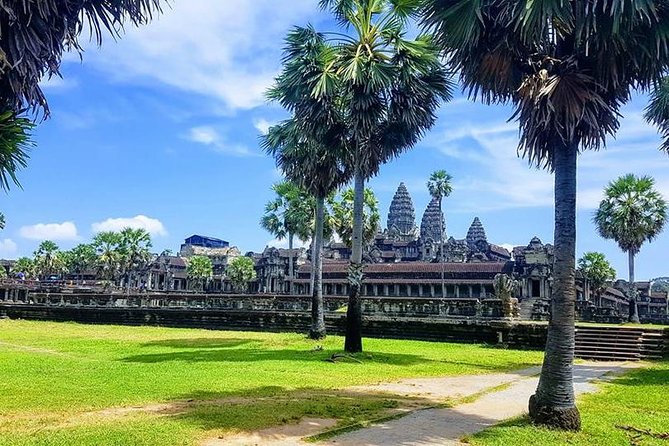
The best part of any Angkor tour isn’t the temples—it’s what you do with the temples while you’re there. This experience leans hard into that through licensed, English-speaking guidance and a team that supports photos and explanations.
People gave strong praise to guides including Sopheap Rath, Sokpee, Pal, Sak, Pi, Chhay, Bun, and Sarak. Common praise themes were:
- clear explanations tied to what you’re seeing
- help with photo angles and group pictures
- staying upbeat while managing a packed schedule
Drivers like Naro, Mao, and Keal also showed up repeatedly in positive feedback. The consistent detail: safe, on-time transport plus water and towels right when you get back to the vehicle.
If you’re the kind of person who wants to understand Hindu and Buddhist elements without reading for hours, this is where the tour becomes worth it fast. A good guide helps you decode what you’re standing in front of.
Pace, walking, and what to pack
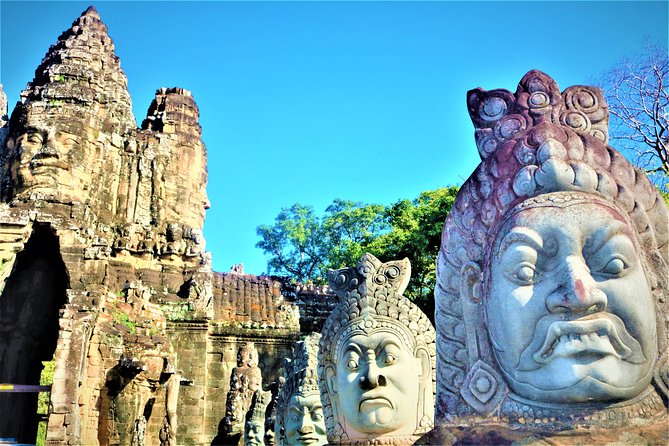
This is a lot of temple time in two days, and you should expect walking plus stairs. Comfortable shoes are recommended, and it’s smart to plan for dust.
Temple interiors require a simple dress code: shoulders and knees covered. That’s easy to handle with a light layer or long skirt/pants, but don’t wait until the last minute.
Weather matters. In hot conditions, the heat can feel intense even when you have AC between stops. Bring water even if it’s provided, because you’ll drink more than you think. If you’re sensitive to air quality, be ready for a sunset that might not look perfect.
Price and value: $49 plus the temple pass, and what that buys
At $49 per person, this tour price is the base cost for guide, transport, and the structured sunrise/sunset experience. The temple pass is separate: an additional $62 per person is payable directly for the required entrance fee.
So the real cost you’re budgeting is closer to $111 per person all-in for the experience. The value question becomes: do you want your time managed for you, with AC between stops and expert guidance during the high-stakes moments (sunrise at Angkor Wat and the sunset finish)?
If you’re trying to self-plan, you’d need timing, transport, and a way to make sense of what you’re seeing. If you want fewer decisions and a smoother flow, this setup is a strong fit—especially with a small group size (up to 15).
Who this tour fits best
This tour is a good match if you:
- have limited time in Siem Reap and want a full Angkor overview in two days
- care about sunrise photos but don’t want to wrestle with timing logistics on your own
- prefer air-conditioned travel and hands-on help for photo stops
- want a mix of major monuments and countryside temples like Banteay Srei
It may feel like a stretch if you:
- struggle with early mornings or long, hot walking days
- have asthma or breathing sensitivity and are uncomfortable with the sunset hill climb
- need a very slow, low-walking itinerary
Should you book this Angkor 2-Day Sunset & Sunrise tour?
I’d book it if you want the classic Angkor moments handled correctly: Angkor Wat sunrise with pre-dawn timing, a full day that includes Banteay Srei, and a day-two route through Angkor Thom and Ta Prohm. The air-conditioned vehicle, cool towels, and water make the schedule survivable, and the guides’ emphasis on explanation plus photo help can turn a checklist trip into something more satisfying.
If you’re worried about smog, steep viewpoints, or extreme heat, plan smart. Bring the right clothing for temple entry, pack for walking, and stay flexible about how the sunset looks. If that stuff concerns you a lot, you might choose a different style of visit, but if you can handle a couple long days, this one offers strong value for the time you’re spending in Angkor.
FAQ
Is the $49 tour price all-inclusive?
No. The $49 covers the tour experience, but temple entrance is not included. You must pay the Angkor temple pass separately on the day of activity.
How much is the temple pass?
The entrance fee for the temple pass is listed as $62 per person and is payable directly on the day of your activity.
What time does the sunrise day start?
You’ll have a pre-dawn departure from your hotel, typically around 4:10 to 4:30am depending on the season.
What days are covered?
The experience runs for 2 days, with a sunset on day one and sunrise on day two.
What’s included for comfort during the tour?
You get an air-conditioned vehicle, plus bottled water and cool towels throughout the day.
What’s the maximum group size?
This tour has a maximum of 15 travelers.