REVIEW · SIEM REAP
2-Day Angkor Wat With Small, Big Circuit and Banteay Srei Tour
Book on Viator →Operated by Happy Angkor Tour · Bookable on Viator
Two days can change how you see Angkor. This private plan spreads the Small Circuit, the Big Circuit, and a special finish at Banteay Srei across two days, so you’re not just rushing temple-to-temple.
What I like most is the combo of a licensed English-speaking guide and the “don’t keep interrupting the story” pacing of a private tour. You’ll also appreciate the practical setup: hotel pickup and drop-off, air-conditioned transport, plus cold water and cool wet towels between stops.
The main thing to consider is the effort. There’s a very early 5:00am start for sunrise, and the itinerary includes lots of walking and stair climbing, with one viewpoint stop that has limited daily access.
In This Review
- Key highlights
- Why this two-circuit plan works (instead of forcing a blur)
- Price and tickets: what $158.50 covers (and what you’ll still pay)
- Getting from Siem Reap: private transport that actually helps
- Day 1: Small Circuit temples, Angkor Thom highlights, and Phnom Bakheng sunset
- Day 2: sunrise at Angkor Wat, then the Big Circuit ruins
- Banteay Srei: the pink sandstone finale (and why it’s worth the trip)
- What the guide does for you (beyond reading a sign)
- Timing, heat, and practical tips that make the day better
- Who should book this tour (and who should think twice)
- Should you book this 2-Day Angkor Wat + Banteay Srei private tour?
- FAQ
- What’s the duration of the tour?
- Is this tour private?
- Are hotel transfers included?
- What time is pickup for the Angkor Wat sunrise on Day 2?
- What time does pickup start on Day 1?
- What’s included in the tour price?
- Is the Angkor temple admission fee included?
- Are meals included?
- What temples are included across the two days?
- What if I want to cancel?
- Is there any mobile ticket involved?
Key highlights
- Two circuits, split across two days so you actually get time to look
- Angkor Wat sunrise with an early hotel pickup
- Private, licensed guide who explains what you’re seeing as you go
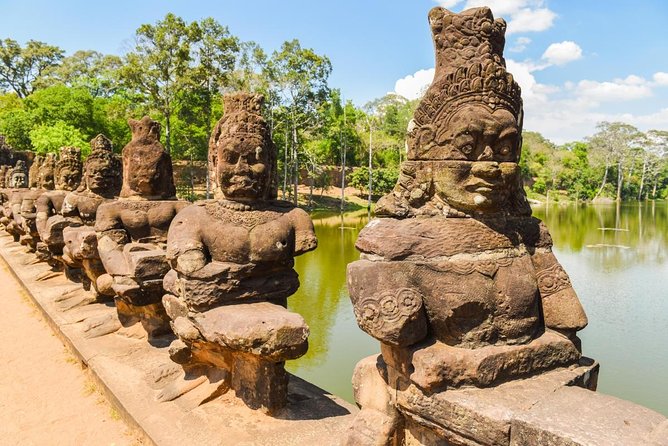
- Angkor Thom core stops like Victory Gate, Bayon, and terraces included
- Banteay Srei pink sandstone finale after lunch on Day 2
- AC van + cold water and towels that keep the long hot day manageable
Why this two-circuit plan works (instead of forcing a blur)
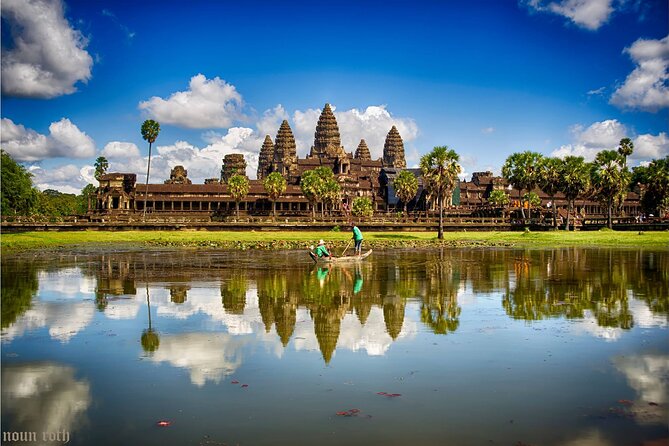
Angkor is famous for two things: scale and detail. If you do everything in one day, you mostly learn how to survive the heat and crowds. This itinerary is built around the reality that temples need time for viewing—especially when your guide is pointing out symbolism, layout, and carvings as you walk.
The big win is that it’s not just “more stops.” It’s the order and the pacing. Day 1 focuses on the Small Circuit temples and then loops through the Angkor Thom area. Day 2 starts with sunrise at Angkor Wat and then continues with the Big Circuit ruins before ending with Banteay Srei.
You’re also getting the kind of context that helps the place click. With a private guide, you can pause, ask questions, and understand why a temple was built, how it was used, and what the major carvings are trying to show.
You can also read our reviews of more tours and experiences in Siem Reap


Price and tickets: what $158.50 covers (and what you’ll still pay)
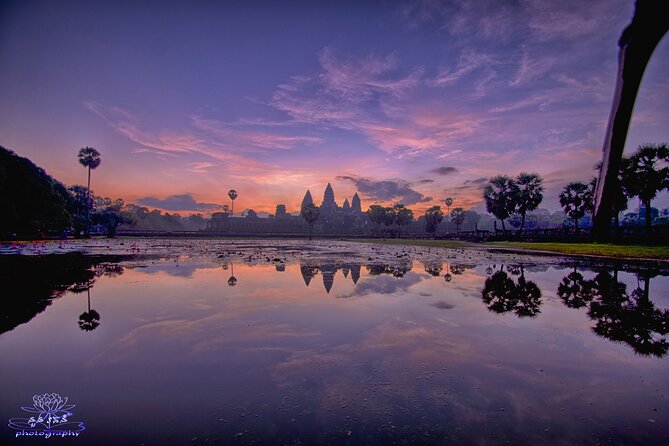
The tour price is $158.50 per person for the 2-day private experience, including hotel pickup and drop-off, an air-conditioned vehicle, and an English-speaking licensed guide. You’ll also get cold water and cool wet towels during the day, which matters a lot in Siem Reap’s heat.
You do still need to plan for the temple pass. Entrance isn’t included, and the Angkor + All Temples pass is $62.00 per person. Meals aren’t included either, though the lunch cost is listed as around $5.00 per person depending on the menu.
In value terms, the math works best if you care about more than “seeing famous names.” If your goal is to understand the stories, learn the religious background behind different temple types, and move at a human pace, this tour is likely a solid use of your time.
Getting from Siem Reap: private transport that actually helps
This is a private tour, meaning only your group participates. That makes a difference at Angkor. You’re not waiting around to sync with a bigger group, and your guide can adjust to your walking pace and comfort.
Hotel transfers are included, with pickup starting at 8:00am on Day 1 and 5:00am on Day 2 for sunrise. The transport is air-conditioned, and you’ll get cold water plus cool wet towels during the visits—exactly the kind of practical comfort that keeps you focused on the temples instead of counting minutes until the next shade break.
One more small but helpful detail: there’s a mobile ticket feature. That usually makes check-in smoother, but keep in mind the entrance pass fee is still separate.
Day 1: Small Circuit temples, Angkor Thom highlights, and Phnom Bakheng sunset
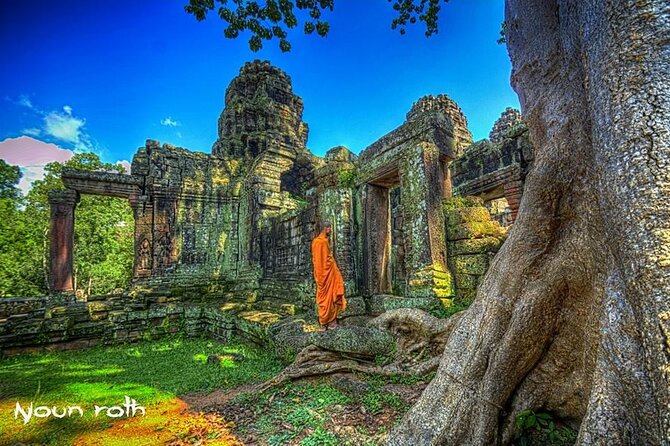
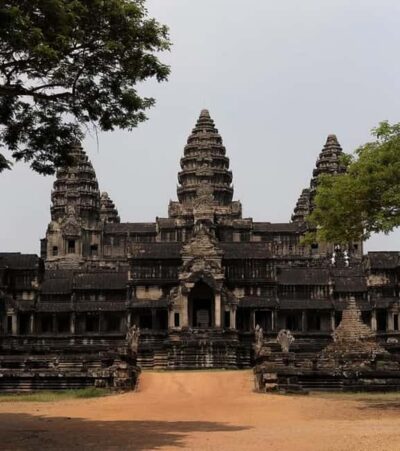
Day 1 starts with Angkor Wat at 8:00am. The guide meets you at your hotel lobby, and you’ll be taken along the way to buy the temple pass. From there, you’ll explore Angkor Wat first—an important choice because it sets the baseline for everything else you’ll see later.
Angkor Wat stop (about 2 hours)
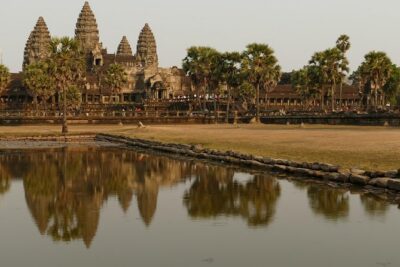
Angkor Wat is the big headline, but doing it early means you can actually read the architecture: the symmetry, the causeways, and the way the site is laid out for procession. If you want to make the experience feel richer, arrive ready to slow down and look for the details your guide points out rather than treating it like a photo checklist.
Ta Prohm (about 2 hours)
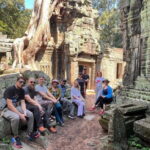
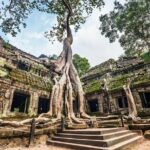
Next comes Ta Prohm, where the famous giant tree roots make the ruins feel alive. This is one of those places where the guide’s storytelling matters, because the history of how the temple was used and how the jungle grew back into it changes what you notice as you walk.
Ta Nei (about 45 minutes)
Then you’ll shift to Ta Nei, described as smaller and quieter, with less restoration. This is a smart contrast stop. It lets you reset your brain after the spectacle of Ta Prohm and get a sense of how smaller temples can feel calmer even when you’re surrounded by old stone.
Victory Gate, Bayon, and the Angkor Thom core
After Ta Nei, your day turns toward Angkor Thom.
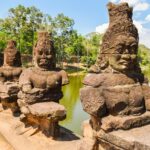
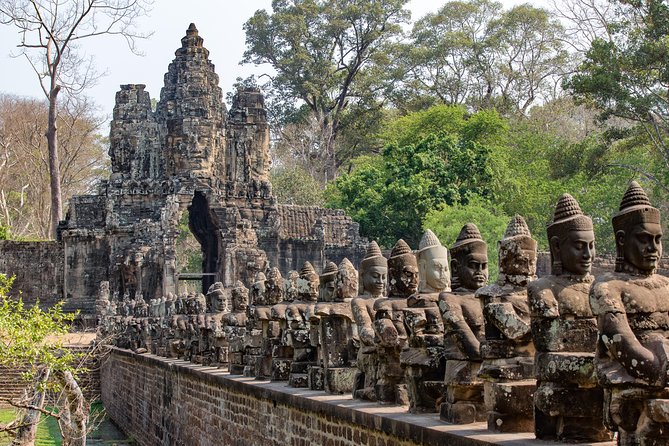
- Victory Gate (quick photos, ~10 minutes): The east-side gateway sets the tone for Angkor Thom’s center.
- Bayon (~30 minutes): You’ll see the famous 49 towers with faces on each tower. Your guide can help you understand what you’re looking at beyond the visual wow.
- Baphuon (~30 minutes): A Hindu temple that helps show the religious overlap across Angkor’s timeline.
- Phimeanakas (~15 minutes): A pyramid-like Hindu temple inside the former royal palace zone.
- Terrace of the Elephants (~10 minutes): A platform tied to royal processions and watching returning forces.
- Terrace of the Leper King (~10 minutes): Another platform nearby, known for its carvings.
These Angkor Thom stops are short on paper, but they build something in your mind. You start to see patterns: gateway → center → terraces and royal spaces → temples. With a private guide, you also get help navigating the flow so you spend less energy wondering where to look next.
Phnom Bakheng for sunset (~2 hours)
Day 1 ends with Phnom Bakheng, where you go up the hill for sunset views. There’s a key consideration here: access is limited to a certain number of tourists. If you’re aiming for sunset photos, it’s worth treating this stop as serious timing, not a casual finish.
Also plan for stairs and uneven ground. Even if you’re comfortable walking, this final climb can feel like the day’s “last level” in a video game.
Day 2: sunrise at Angkor Wat, then the Big Circuit ruins
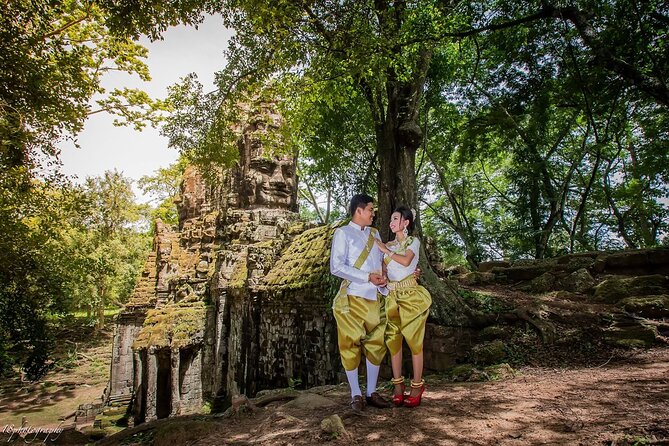
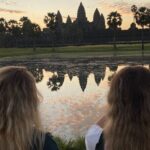
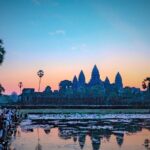
Day 2 starts with an early pickup at 5:00am so you can watch sunrise at Angkor Wat. If you’ve never done Angkor at dawn, this is one of the biggest reasons to do a two-day trip. Even when the sky isn’t perfect, the atmosphere shifts—fewer people, softer light, and a different mood to the stones.
Angkor Wat sunrise stop (~1 hour 45 minutes)
After sunrise, you return for breakfast and continue exploring. This keeps the rhythm sensible: you get the early highlight, then you’re not trapped in a long stretch of temples immediately after the hardest wake-up.
Preah Khan (~1 hour)
You’ll then visit Preah Khan, built by King Jayavarman VII and dedicated to his father. This is a great stop for understanding how Angkor’s rulers adapted temple space for worship and monastic life.
Neak Pean (~30 minutes)
Next is Neak Pean, a smaller island temple built in the Angkor area. It’s the kind of place where you can actually pause and notice how the setting supports the temple’s purpose.
Ta Som (~15 minutes)
Ta Som is a smaller stop, but it’s a classic temple shape. Sometimes shorter visits are a blessing, and this one helps break up the day.
Eastern Mebon (~15 minutes)
Then comes Eastern Mebon, described as a large temple-mountain ruin with three levels and crowned by towers. It’s another example of Angkor’s “temple as mountain” idea—useful context after the more heavily visited areas.
Pre Rup (~1 hour)
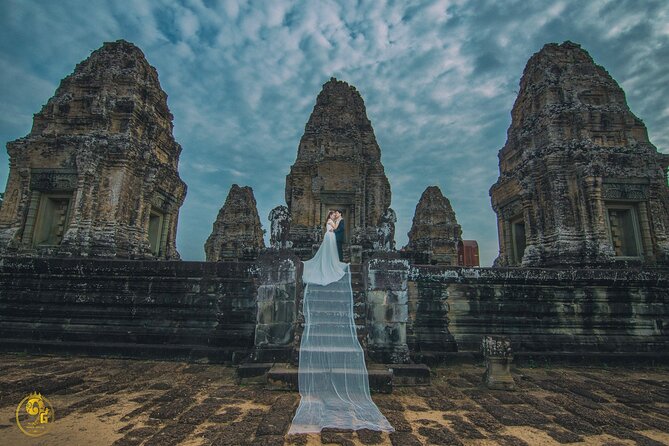
Pre Rup is a Hindu temple from the late 10th century, and it’s linked to Hindu beliefs about funerals. Your guide’s explanation here can really help you connect the architectural form to the cultural meaning.
Banteay Srei begins after lunch
After lunch, the tour shifts to one of the most memorable parts of the whole experience.
Banteay Srei: the pink sandstone finale (and why it’s worth the trip)
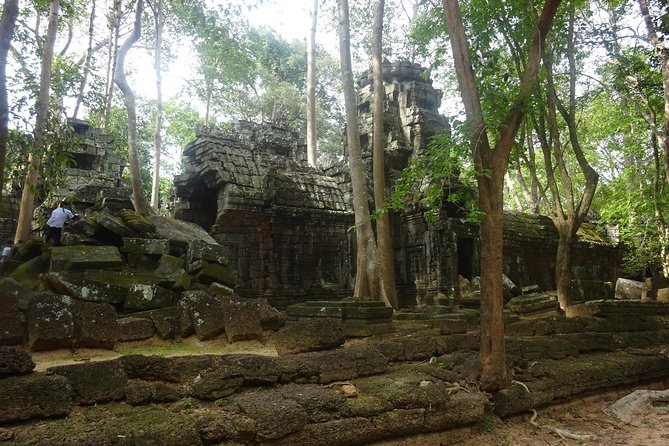
Banteay Srei, often called the Ladies Temple, is built from pink sandstone and dates to the half of the 10th century, dedicated to the Hindu trinity by King Rajendravarman II. This stop is a strong payoff after two days of big-name Angkor giants.
Why it hits differently
Banteay Srei tends to feel more delicate and detailed compared to the massive core temples. When you’ve spent the day seeing monumental gateways and wide courtyards, this change of scale helps your eyes re-focus on carvings and fine stonework.
What you’ll do there
You’ll spend about 1 hour at Banteay Srei, then the tour continues with more temples nearby (so it’s not a total finish, but it is a clear highlight).
Banteay Samre (~45 minutes) and Banteay Kdei (~45 minutes)
After Banteay Srei, the itinerary includes:
- Banteay Samre (about 45 minutes): A Hindu temple from the 12th century, believed to share a model with Angkor Wat.
- Banteay Kdei (about 45 minutes): A Buddhist temple from the 12th century, with a style similar to Ta Prohm and Bayon.
These late stops are a smart ending sequence. They show how the Angkor landscape wasn’t locked into one religious era. Instead, it evolved—sometimes layer by layer, sometimes as whole sections shifted function.
What the guide does for you (beyond reading a sign)
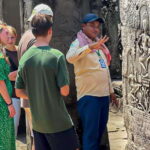
The highest praise across guides here is the way they turn stone into stories. A licensed English-speaking guide doesn’t just recite facts. In practice, they help you understand what you’re seeing: why a temple looks the way it does, how rulers used these spaces, and what specific carvings relate to.
You’ll also benefit from help navigating the physical side. Several guides in the guide community are specifically praised for being attentive around steps and uneven ground. That matters at Angkor, where the difference between a calm walk and a stressful day can be as simple as knowing where the safest footing is or where the best viewpoint is.
Photography also becomes easier with a real guide. Many people love having help with photo spots and family shots. Even if you’re just using a phone, the guidance on where to stand and when to shift angle can make a big difference.
Timing, heat, and practical tips that make the day better
This itinerary is intense by design. It’s also built with breaks and comfort: air-conditioned rides, cold water, and cool wet towels. Still, plan for the basics.
Wear grippy shoes
Expect a lot of walking and some climbing stairs. If you wear shoes with decent traction, you’ll feel more confident at climbs and steps.
Bring sun protection
Even with shade breaks between temples, you’ll be outdoors for long stretches. Hat, sunscreen, and a light layer can help your body stay in “temple mode” instead of “survive mode.”
Use the private setup to your advantage
If something feels too crowded or too hot, your guide can usually adjust the pace. This is one of the reasons a private tour works better than a fixed group schedule.
Plan your photo expectations
Sunrise and sunset are special, but skies can vary. If your priority is photos, focus on the overall experience first, and use your guide’s advice on best viewing spots rather than banking everything on perfect weather.
Who should book this tour (and who should think twice)
This tour fits best if you want more than the postcard version of Angkor.
You’ll likely love it if you:
- want both circuits covered with time to look
- care about history and meaning, not just the main icons
- value private comfort: AC vehicle, hotel transfers, cool water, and towels
- enjoy a sunrise start, even if it means a very early morning
You might want to think twice if you:
- have limited mobility or find stair climbing difficult
- dislike early pickups and long outdoor days
- prefer a slower “fewer stops” day over a full two-day temple agenda
Should you book this 2-Day Angkor Wat + Banteay Srei private tour?
If your ideal Angkor trip includes sunrise, a real walkthrough across the Small and Big Circuits, and a rewarding finish at pink sandstone Banteay Srei, this is a strong pick. The price makes more sense when you factor in the temple pass you’ll still buy, plus the value of having a guide manage the flow, timing, and storytelling.
Book it if you want structure without feeling rushed. Pass on it (or swap to a shorter itinerary) if your top priority is resting, or if early mornings and lots of steps sound like your personal stress trigger.
Either way, one thing is clear: this is an Angkor plan built for people who want the sites to make sense, not just look impressive.
FAQ
What’s the duration of the tour?
The tour runs for about 2 days (approx.).
Is this tour private?
Yes. It’s described as a private tour/activity, and only your group participates.
Are hotel transfers included?
Yes. The guide picks you up from your hotel and drops you back at the end of the tour.
What time is pickup for the Angkor Wat sunrise on Day 2?
Pickup starts at 5:00am for the sunrise at Angkor Wat.
What time does pickup start on Day 1?
Pickup starts at 8:00am at your hotel lobby.
What’s included in the tour price?
Included are an English-speaking licensed guide, hotel pickup and drop-off, an air-conditioned vehicle, and cool water and cool wet towels.
Is the Angkor temple admission fee included?
No. Admission fee (Angkor + All Temples pass) is $62.00 per person and is not included.
Are meals included?
Meals are not included. Lunch is listed as about $5.00 per person, depending on the menu.
What temples are included across the two days?
The itinerary includes Angkor Wat, Ta Prohm, Ta Nei, Victory Gate, Bayon, Baphuon, Phimeanakas, Terrace of the Elephants, Terrace of the Leper King, Phnom Bakheng, Preah Khan, Neak Pean, Ta Som, Eastern Mebon, Pre Rup, Banteay Srei, Banteay Samre, and Banteay Kdei.
What if I want to cancel?
Free cancellation is offered if you cancel up to 24 hours in advance of the experience’s start time.
Is there any mobile ticket involved?
Yes. The tour includes a mobile ticket feature.