REVIEW · SIEM REAP
2 Days Exclusive Temple Highlights with Sunset and Sunrise Tour
Book on Viator →Operated by Journey Cambodia · Bookable on Viator
Two days, zero temple stress. This tour is built around sunrise and sunset lighting, so you’re not just ticking off names—you’re seeing the Angkor area at its most atmospheric, with an English-speaking guide who puts the stones into context.
I especially like the air-conditioned vehicle for the long drives between sites, and the practical comfort touches like bottled water and cool towels that help when the heat ramps up. I also like that the pacing is set up for first-timers, not sprinting.
The main thing to plan for is cost on top of the headline price: the temple pass isn’t included (USD $62 per person), and you’ll also need to follow a strict shoulders-and-knees dress code to avoid entry problems.
In This Review
- Key highlights to know before you go
- Why this 2-day Angkor intro works so well
- Price and what it really adds up to
- The comfort upgrades that matter at Angkor
- Day 1: Pre Rup, Banteay Srei, Neak Pean, and Preah Khan
- Pre Rup Temple: the opening act with big views
- Banteay Srei: the best carvings on a smaller stage
- Neak Pean: a Buddhist island temple stop
- Preah Khan: atmospheric ruins and tree-root drama
- Sunset slot: rice fields or Bakheng Mountain (option-based)
- Day 2: Angkor Wat sunrise you cannot sleep through
- Ta Prohm, Ta Nei, and Angkor Thom: the classic circuit with good flow
- Ta Prohm: jungle-enveloped and iconic
- Ta Nei: smaller and calmer stone
- Angkor Thom and Bayon: city-scale awe
- The guide makes or breaks the two days
- What to pack and how to dress (so you don’t get turned away)
- Timing, pacing, and how not to feel rushed
- Who this tour is best for (and who might want a different style)
- Should you book this 2-day Angkor highlight tour?
- FAQ
- Do I need to pay for the temple pass separately?
- Is the sunrise at Angkor Wat definitely included?
- What’s the dress code for the temples?
- Are meals included during the tour?
- Does pickup and drop-off happen?
- What is the difference between private and small-group options?
Key highlights to know before you go
- Pre-dawn sunrise at Angkor Wat with an eastern-side entrance approach and a torch tip
- Small-group or private option, which changes how intimate and how flexible your day feels
- A full “major + smart add-ons” circuit that balances famous sites with lesser-expected stops
- Comfort support all day: bottled water, cool towels, and planned breaks
- Sunset finale depends on your option: rice fields (private) or Bakheng Mountain (small group)
- Guides often go the extra mile for photos, not just explanations (names like Chhay, Sokpee, Pal Saruon show up in reviews)
Why this 2-day Angkor intro works so well
Angkor can feel like a blur if you arrive with a vague plan and a tote bag full of hope. What I like about this tour format is that it turns the chaos into rhythm. Day 1 sets up the story with smaller but stunning temples, then pushes toward sunset. Day 2 starts before dawn, then keeps going through the core Angkor sites while the light and crowds are still manageable.
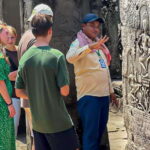
You’re also paying for organization, not just transportation. An English-speaking guide handles the why behind each temple—who built it, what it meant, and what you should notice when you’re standing there. That makes a huge difference when you’re staring at carved lintels and don’t know what you’re looking for.
You can also read our reviews of more evening experiences in Siem Reap
Price and what it really adds up to
At USD $49 per person, the headline price is tempting. But in Angkor, your biggest extra is usually the temple pass. Here, the temple pass is USD $62 per person, paid directly on the day of your activity (for the 2–3 day pass).
So in real terms, you should budget roughly:
- $49 tour cost
- + $62 temple pass
- + food you choose
Is it still good value? For a two-day, sunrise-included circuit, it often is—because you’re not doing ticket lines alone, you’re not figuring out timing on your own, and you have transport plus guide time stretched over multiple sites. Where you’ll feel the cost most is not the ticket, but the food. Meals aren’t included, so you’ll want to plan to eat when the schedule gives you breaks.
The comfort upgrades that matter at Angkor
This tour doesn’t pretend Angkor is comfortable. It’s still walking, stairs, and humidity. But it does a solid job managing the parts you can control.
You can expect:
- Hotel pickup and drop-off if you choose that option
- An air-conditioned vehicle for the drives between temples
- Bottled water and cool towels to reset during hot stretches
- Stops that give you a chance to breathe, not just hop back on the van
In reviews, people repeatedly call out the driver-and-guide teamwork on these details. Names like driver Seyha, Mao, Vichet, So, and Ro come up with the same pattern: water on hand, towels timed to the heat, and steady handling of the roads. That may sound small, but it’s what makes a packed two days feel doable instead of exhausting.
Day 1: Pre Rup, Banteay Srei, Neak Pean, and Preah Khan
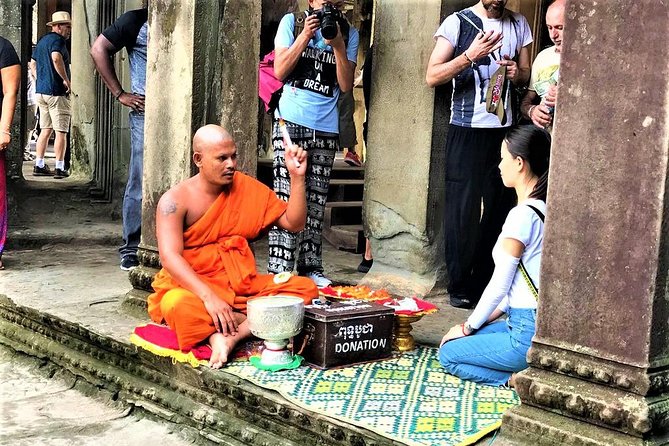
Day 1 is where the tour earns its “don’t cram too much” promise. You’re moving through a sequence of temples that feel different from one another, even when they’re close on the map.
Pre Rup Temple: the opening act with big views
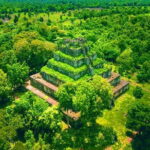
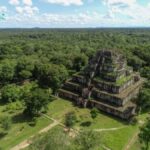
Pre Rup starts things off with a temple mountain style and a clear date story tied to Khmer king Rajendravarman (dedicated around 961 or early 962). It’s built with brick, laterite, and sandstone, and that mix matters because it affects how the structure weathers and how the stone textures show in the light.
What makes this stop worth your time is the setting and the climb. Even if you skip every “technical” detail, you’ll still feel the purpose of the layout: it’s a temple designed to be approached and then read from above.
You can also read our reviews of more tours and experiences in Siem Reap
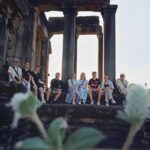

Banteay Srei: the best carvings on a smaller stage
Then comes Banteay Srei, famous for intricate carving and excellent preservation. It’s smaller than the mega-temples, which helps. You get the feeling of craftsmanship without having to wander for hours just to find the details.
If you like to slow down and study—faces, patterns, myth scenes—this is the kind of stop that rewards patience. Your guide should point out what to look for, and that makes your photos come out better too, because you’re aiming at the good parts.
Neak Pean: a Buddhist island temple stop
Next is Neak Pean, an artificial island temple with Buddhist connections. This is one of those sites that often gets overlooked on rushed schedules, but it works as a break in tone. The environment feels different, and the change of pace helps you keep energy for the late day.
Preah Khan: atmospheric ruins and tree-root drama
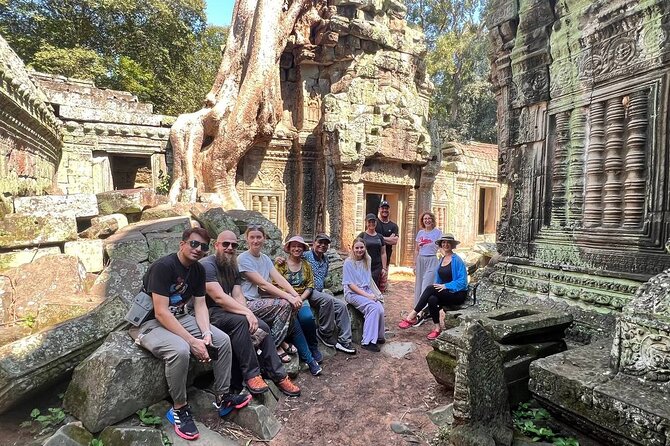
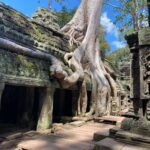
Preah Khan brings the mood back up. It’s a ruined temple with crumbling stone and tree roots, so the scene feels alive even when everything is broken down. This stop is great for photos at any time of day because the texture and shadows do half the work.
You’ll likely have enough time to walk around and absorb it. In this tour style, the goal isn’t to just pass through; it’s to give you time to look, ask questions, and then move on.
Sunset slot: rice fields or Bakheng Mountain (option-based)
Day 1 ends with a sunset experience, and this part depends on your tour option:
- Private option: a calm, local countryside feel around rice fields for sunset
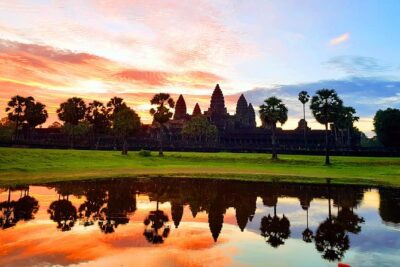
- Small-group option: sunset at Bakheng Mountain, the classic viewpoint idea
Both can be good. The rice-field finish is gentler and more personal. The Bakheng finish is more about iconic sunset views and the big Angkor silhouette energy. Either way, you’ll want water in your day bag and something light to cover your shoulders and knees for temple-to-viewpoint transitions.
Day 2: Angkor Wat sunrise you cannot sleep through
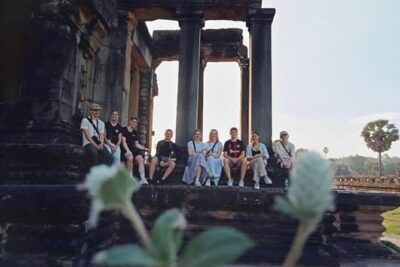
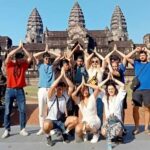
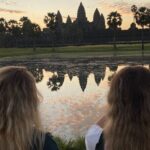
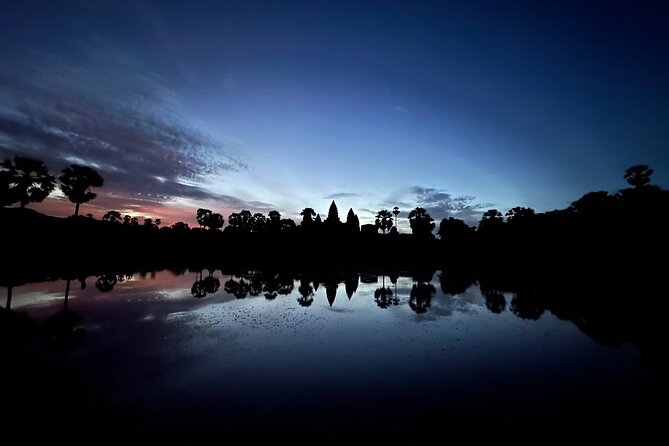
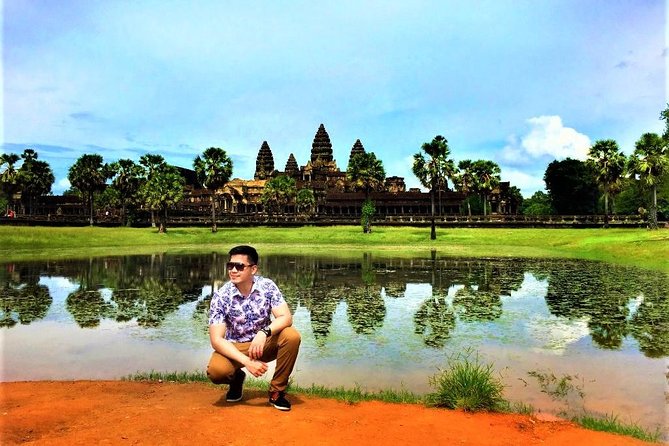
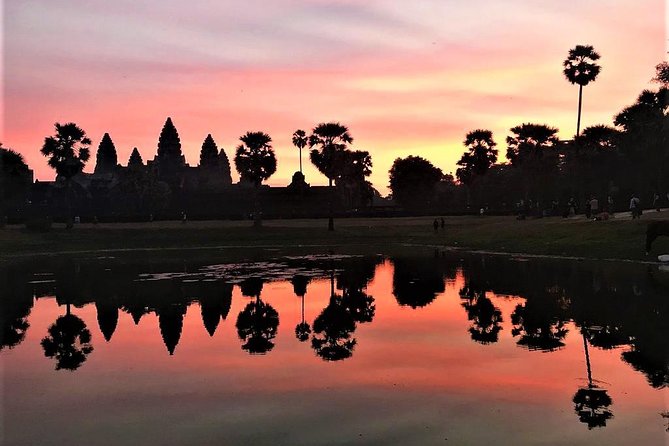
Day 2 starts in pre-dawn darkness with sunrise at Angkor Wat. This is the don’t-miss moment. The tour is set up so you’re inside while it’s still quiet, not arriving after the best light has already happened elsewhere.
A crucial detail: you’ll enter from a little-visited eastern side, and you’re asked to bring a torch. The reason this matters is practical: you don’t want to fumble while others are walking, and you don’t want to lose time looking for your footing in the dark.
When it works, the experience hits three notes at once:
- dramatic morning light on stone
- fewer crowds than later arrivals
- a guide who can tell you what you’re looking at in real time
In reviews, sunrise is repeatedly called the highlight, with people appreciating both the timing and the help finding the best views. Names like Vantha and Pal Saruon are mentioned in particular for putting people in the right spot and for photo help.
Ta Prohm, Ta Nei, and Angkor Thom: the classic circuit with good flow
After sunrise, you’re back on the road for the rest of the Angkor giants—plus a couple of smart stops that keep the day from feeling like one long line of the same thing.
Ta Prohm: jungle-enveloped and iconic
Ta Prohm is one of Angkor’s most atmospheric temples, once home to thousands of monks (the tour description cites 2,740). The jungle feel isn’t just a vibe; it changes how you experience the architecture. Roots, openings, and shadows create natural frames for the scene.
Expect a couple of hours here. That’s important because Ta Prohm needs time to explore properly, and you’ll want a slow route through the best angles rather than a hurried loop.
Ta Nei: smaller and calmer stone
Ta Nei is a late 12th-century temple with a more compact feel. It’s a good counterbalance: after Ta Prohm’s intensity, you get a quieter stop where the stone shape and layout can come through more clearly.
Even if it’s not as famous, your guide can help you notice why it matters, and the shorter time slot still keeps the day on pace.
Angkor Thom and Bayon: city-scale awe
Then you enter Angkor Thom, the Khmer Empire’s capital complex. When people talk about Angkor, they often talk about temples. But here you’re stepping into something more like an entire ceremonial city.
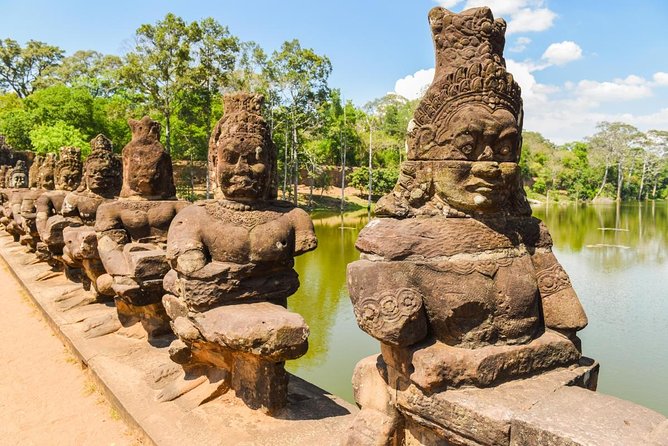
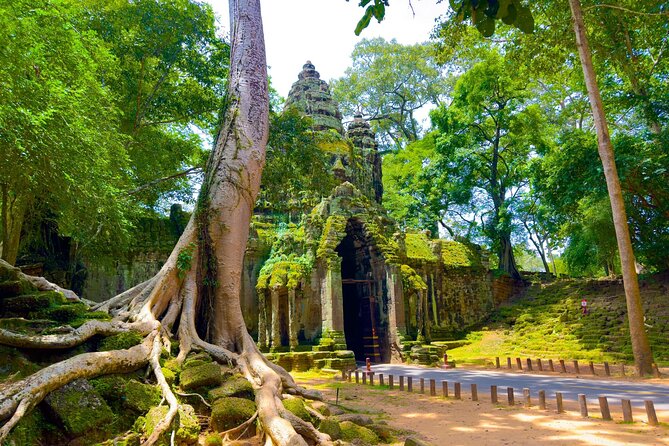
Your highlight inside is Bayon, plus key city gate area time such as Angkor Thom South Gate. The tour also includes passing by major terraces such as the Terrace of the Elephant and Terrace of the Leper King.
Two practical tips for this portion:
- wear shoes that handle uneven stone
- plan to pause. If you skip pauses, Angkor Thom starts to feel like photos stacked on photos.
The guide makes or breaks the two days
This is where reviews give you real insight. This tour heavily depends on the guide’s ability to turn stones into stories—and to manage time so you don’t feel rushed.
People mention guides like:
- Chhay for clear explanations and patience
- Sokpee for making the sites feel connected and meaningful
- Pal Saruon and Vantha for timing sunrise and sunset spots, plus photo help
- Bun and drivers like Seyha for attentive water/towel routines and a steady, safe pace
- Nang and Saruon Pal for both history and day-to-day context
The best part is not just facts. It’s the way the guide helps you look: where to stand, what carving style to focus on, and what a temple’s layout suggests about belief and power. If you’re the type who likes to understand what you’re seeing, this tour format gives you that.
What to pack and how to dress (so you don’t get turned away)
Angkor temples can be strict about clothing. Here the rule is clear:
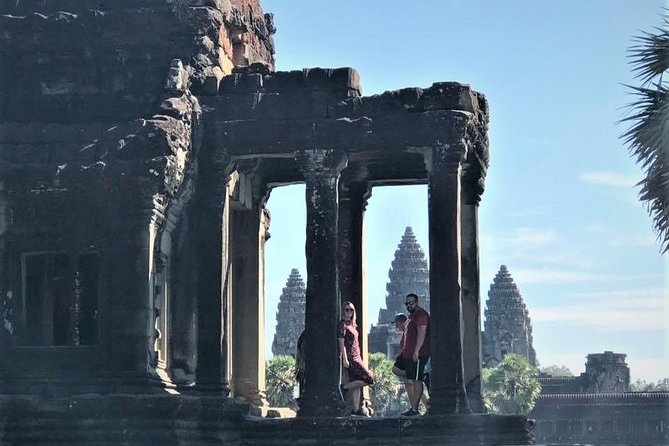
- shoulders and knees must be covered for both men and women
- you can’t rely on uncovered shoulders; a scarf should cover
- if you fail the dress code, you risk refused entry
This is not a suggestion. Plan your outfit like you’re going to a church or a sacred site, not just sightseeing.
What I’d bring:
- comfortable walking shoes (temple stone is not gentle)
- a light scarf you can pull on quickly
- a small day bag so you aren’t digging through a backpack all day
- your torch for the Angkor Wat sunrise portion
Also, because this schedule is energetic, pack for heat. Even with AC rides, temple time is outside.
Timing, pacing, and how not to feel rushed
Two days is short. So this tour tries to reduce the main complaint you often get with Angkor schedules: feeling like you arrive, hear a lecture, and then immediately move again.
What helps here is the structure:
- early starts for the sunrise advantage
- fewer high-stress stops than you’d get with a one-day plan
- guided photo timing so you’re not constantly chasing the right angle
- planned rest breaks and restaurant stops where provided in the day’s rhythm
In reviews, people repeatedly mention that the schedule feels timed correctly and allows enough personal exploring. That’s what you want from a tour like this: organized, but not controlling.
Who this tour is best for (and who might want a different style)
This tour is a great fit if:
- you’re first-time in Siem Reap and want the major temples done without sorting logistics
- you want sunrise at Angkor Wat but don’t want to figure out the timing alone
- you like guided context while still having some freedom to wander
It may not be ideal if:
- you hate early wake-ups (pre-dawn means no sleeping in)
- you want a slow, minimalist pace with long stays at only one or two temples
- you expect meals to be included (water is provided; food is on you)
Should you book this 2-day Angkor highlight tour?
If you want a clean, well-run introduction to Angkor with strong lighting timing and guide-led context, I think this is a smart book. The value is strongest when you factor in what you gain: transport comfort, sunrise access planning, and an English-speaking guide who helps you see more than random carvings.
Before you say yes, do two quick checks:
- budget for the USD $62 temple pass on top of the $49 price
- plan clothing that covers shoulders and knees every day, not just the day you think will be strict
If you handle those two items, this itinerary style is one of the most practical ways to experience Angkor’s big moments in just two days.
FAQ
Do I need to pay for the temple pass separately?
Yes. Temple pass payment is not included and you must pay USD $62 per person directly to the site (the 2–3 day pass). An additional surcharge is payable on the day of your activity.
Is the sunrise at Angkor Wat definitely included?
Yes. The tour includes pre-dawn departure and sunrise outside Angkor Wat. You’ll enter the temple in darkness and you’re asked to bring a torch.
What’s the dress code for the temples?
You need respectful clothing with shoulders and knees covered. Shoulders must be covered (a scarf can help), and knees must be covered for both men and women. Failure to meet the dress code can lead to refused entry.
Are meals included during the tour?
No. Food and drinks are available at your own choice. Bottled water and cool towels are provided, and the itinerary includes breaks and recommended spots, but meals are not included.
Does pickup and drop-off happen?
Hotel pickup and drop-off are included if you select the option. Bottled water and cool towels are provided during the tour.
What is the difference between private and small-group options?
The tour includes different sunset experiences depending on the option: rice fields sunset for the private option, and sunset at Bakheng Mountain for the small group option. The private option is also described as only your group participating.