REVIEW · SIEM REAP
Tonle Sap Lake-Floating Villages-Mangrove Forest
Book on Viator →Operated by Green Era Travel · Bookable on Viator
Freshwater living looks different on Tonlé Sap. I love the close-up feel of village life on the water, especially around Chong Khneas and Kampong Phluk, and I also like that lunch and snacks keep the day easy. The one thing to weigh is the optional mangrove canoe paddle, which is seasonal (and not included in the base price).
This is built around the Tonlé Sap floodplains, where the lake’s rhythm shapes everything. If you’re into nature plus everyday culture, this tour gives you both—biodiversity in the landscape, and real people living with it every day.
You’ll start with a convenient hotel pickup at 8:00 AM and move as a small group (up to 15), so the day stays calm rather than chaotic. Tonlé Sap is a big place, but the pace feels manageable.
In This Review
- Key points I’d plan around
- Tonlé Sap Floating Villages: The real reason this tour works
- Price and what makes the $219 feel fair
- 8:00 AM pickup, then straight to Chong Kneas docks
- Boat ride on Tonlé Sap: Chong Khneas to deeper lake life
- What to watch for (practical)
- Kampong Phluk floating village: stilt houses and Khmer community rhythms
- Why this stop is valuable
- Possible drawback to plan for
- Optional flooded mangrove paddle (Aug to Jan): when you should add it
- When this is worth it
- When you might skip it
- Lunch, snacks, cold water, and local beers: the comfort factor
- How the route adapts if weather turns
- Group size and boat comfort: what it means for your day
- Who should book this Tonlé Sap tour?
- A useful way to decide
- Tips I’d use before you go
- Should you book this Tonlé Sap Floating Villages and Mangrove tour?
- FAQ
- What is the duration of the Tonlé Sap floating villages and mangrove tour?
- Where does the tour start and what time is pickup?
- How much does the tour cost?
- Is hotel pickup and drop-off included?
- Is the boat ride included?
- Are meals included?
- Are drinks included?
- Is there a vegetarian option?
- Is the mangrove canoe ride included?
- What happens if the weather is poor?
- Can I cancel for a refund?
Key points I’d plan around
- Small-group feel (max 15): easier conversations and less time waiting around.
- Floating villages first, then deeper up-lake: you get more than the usual photo stops.
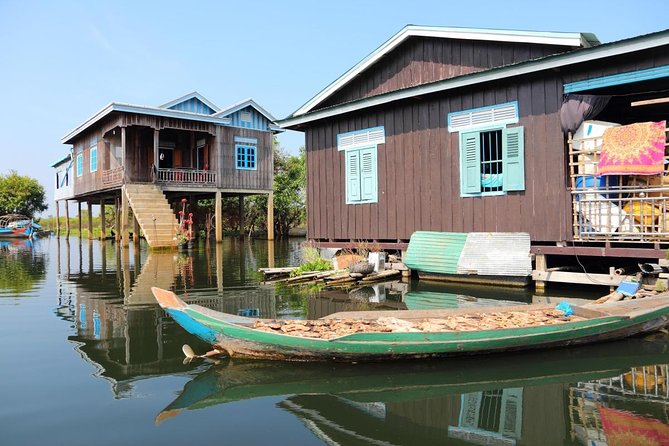
- Stilt-house life in Kampong Phluk: a clear view of how communities organize themselves on water.
- Seasonal mangrove paddle option (Aug–Jan): best timing matters if you want the flooded mangroves.
- Lunch, snacks, and cold drinks included: fewer meal stress points on a half-day outing.
Tonlé Sap Floating Villages: The real reason this tour works
Tonlé Sap is not a museum. It’s an active system—water levels rise and fall, and people adjust their housing, work, and daily routines to match. That’s why this tour feels more meaningful than just riding a boat and looking at houses on stilts.
I like that the day isn’t framed as a distant spectacle. You’re moving through a living region that’s described as a UNESCO-listed biosphere, and you’re seeing the floodplain as part of how the community survives. The tour also leans into biodiversity and the ecological changes that come with seasonal flooding, which makes the setting feel connected to real life rather than scenery.
One more thing: you’re not stuck in a single village. The route includes multiple water-based stops, so you get a better sense of how different communities use the lake and its edges.
You can also read our reviews of more tours and experiences in Siem Reap.

Price and what makes the $219 feel fair
At $219 per person for a 5 to 6 hour half-day, the price feels reasonable because it includes the stuff that usually adds up in Cambodia tours:
- Hotel pickup and drop-off (so you don’t have to coordinate transport on your own)
- Private boat for the main water segment (Chong Kneas to Kampong Phluk)
- Entrance ticket(s)
- An experienced English-speaking guide
- Life jackets
- Lunch plus snacks, along with cold bottled water and local beers as part of the refreshments
Where you’ll notice the cost is in the boat time and guide attention. You’re paying for a guided experience that includes a real water route on the lake—not just a quick “see and go” sightseeing stop. If you’ve done Cambodia day tours where you pay a lot and still end up hungry, this one helps with meals and drinks built in.
The only catch is the optional mangrove canoe paddle in Kampong Phluk mangroves (August to January). That part is not included, so your final value depends on whether you plan to add it.
8:00 AM pickup, then straight to Chong Kneas docks
The day starts early for a good reason. Pickup is at 8:00 AM from your hotel in Siem Reap, and then you drive about 15 km south to the boat docks at Chong Kneas.
This transfer matters more than it sounds. Getting to the starting docks smoothly keeps you from losing time later when the schedule is tight. It also lets the guide orient you before you’re on the water, which makes the floating villages easier to understand.
You’ll typically spend about an hour on this first segment, including the stop at the docks and getting set up. Ticket-wise, there’s an admission ticket component listed for this first stop, and the tour includes entrance for the experience overall.
Boat ride on Tonlé Sap: Chong Khneas to deeper lake life
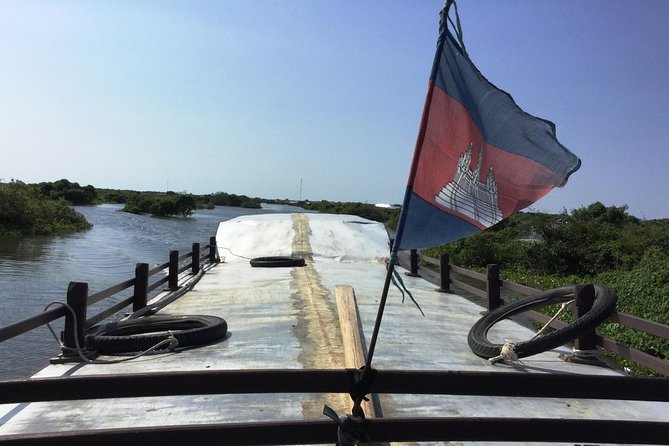
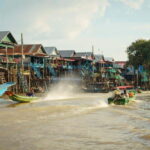
Once you’re on the water, the trip turns into a moving introduction to how Tonlé Sap works. You board a local boat and cruise onto the lake, passing the floating village of Chong Khneas along the way.
You’ll want to treat this as more than a transit segment. Tonlé Sap is Southeast Asia’s largest freshwater lake, and the floodplains are where the seasonal changes become obvious. Even if you don’t know the ecology, you can feel it in how the water shapes movement and daily routines.
What to watch for (practical)
- How close homes and activity are to the waterline. It’s not “at the lake.” It’s on the lake.
- How calm the boat ride is compared with open-water travel. It’s gentler, which helps you settle in for the village visits.
A small note on the “tone” of the day: you’re not on a loud speed-boat. This is a relaxed water day with a guide who can explain what you’re seeing as you go.

Kampong Phluk floating village: stilt houses and Khmer community rhythms
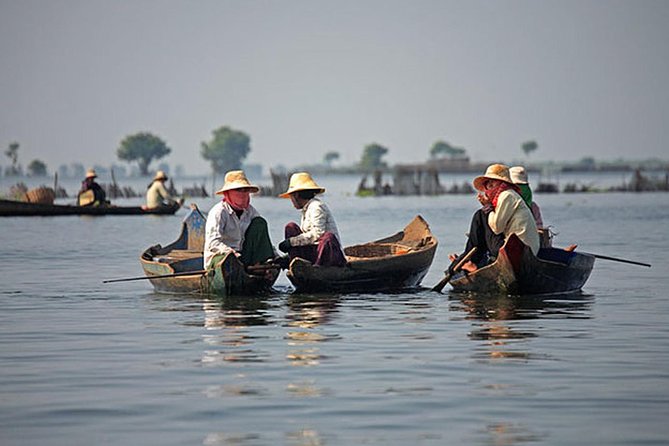
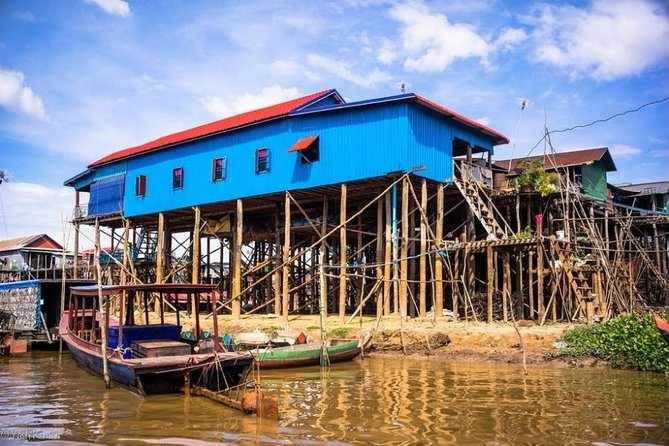
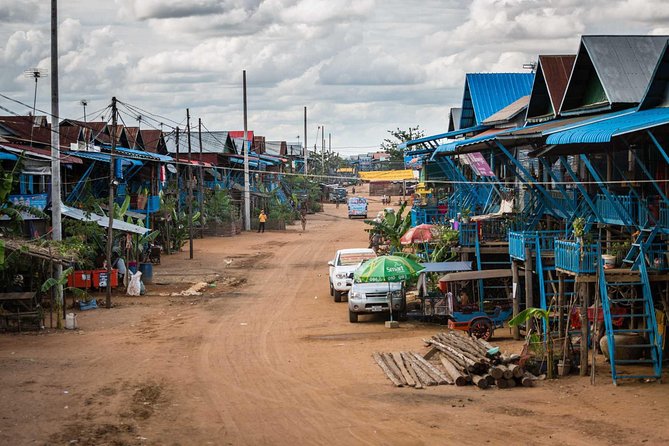
Next comes Kampong Phluk Floating Village, reached after the main boat segment. Houses here are built on stilts, so the village remains usable as water levels change. The tour also notes that this village is almost exclusively composed of Khmer origin, which helps frame what you’re seeing as a community with its own identity—not just a tourist stop.
This is the segment I’d call the heart of the tour. You’ll spend about 2 hours here, enough time to walk through parts of the village area and understand daily life from the inside out.
Why this stop is valuable
Floating villages can sometimes feel staged. Here, the framing is different: you’re learning how families live harmoniously in close quarters on the water. That means you’ll likely pay attention to shared spaces, work patterns, and how community life organizes itself around the lake.
Also, Kampong Phluk sits further up the lake than the first floating village stop. That difference matters because it changes the feel of what you see—and it can make the day feel less like a checklist.
Possible drawback to plan for
You’ll be spending time on and around water, and it can get warm. If you’re sensitive to heat, think about bringing sun protection and staying hydrated (cold bottled water is provided, but you’ll still feel the sun).
Optional flooded mangrove paddle (Aug to Jan): when you should add it
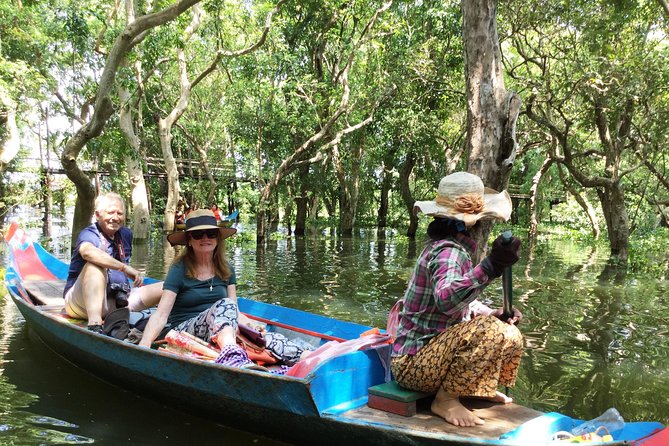
From August to January, the tour offers an optional chance to paddle through a flooded mangrove forest. That’s the kind of seasonal experience that can transform the day—from “floating villages” to “floodplain ecosystem.”
But here’s the key detail: the canoe ride in the Kampong Phluk mangrove forest is not included. So if mangroves are a priority, plan to add the paddle and ask your guide about timing and conditions on the water when you arrive.
When this is worth it
- If you want your day to include a stronger nature/ecosystem angle.
- If you’re traveling during the best water season (Aug–Jan), when flooded mangroves are reachable.
When you might skip it
If you prefer to keep the day simple, or if you know you’ll be satisfied with village life and boat time, you can enjoy the core tour without adding this extra element.
Lunch, snacks, cold water, and local beers: the comfort factor
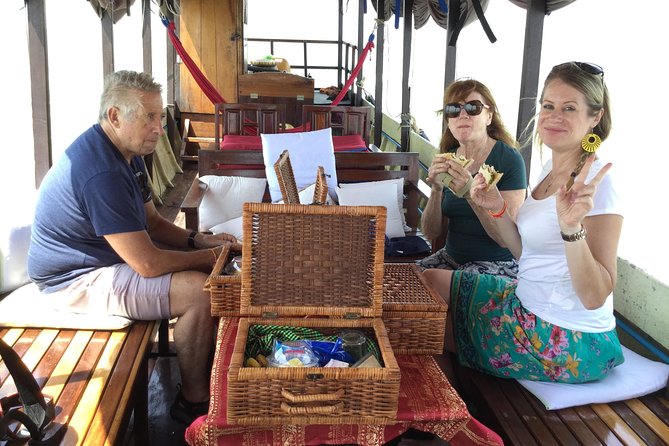
This is a half-day tour, but it’s structured so you don’t hit the usual Cambodia-tour problem of empty stomach + low energy. Lunch and snacks are included, and they list coke and cold bottled water as part of that.
The overview also mentions local beers, which is a nice touch if you enjoy a casual drink while you cool down after time on the water. Even if you don’t drink beer, the cold bottled water matters. It helps you focus on the experience instead of your thirst.
If you have dietary needs, tell the provider at booking. A vegetarian option is available, and they ask you to advise dietary requirements ahead of time, which is exactly what you want for a smooth day.
How the route adapts if weather turns
Tonlé Sap weather can change plans, especially in the rainy season (listed as July to mid-November). The tour notes that if conditions aren’t good (this is described as very unlikely), you may visit only Kampong Khleang and Kampong Phluk villages by car, while still taking a boat ride in Kampong Phluk and Kampong Khleang.
I appreciate this backup plan. It means you still get village time rather than having the day fall apart. The trade-off is that you might not follow the exact route you originally pictured, but you should still experience the water-community feel.
Group size and boat comfort: what it means for your day
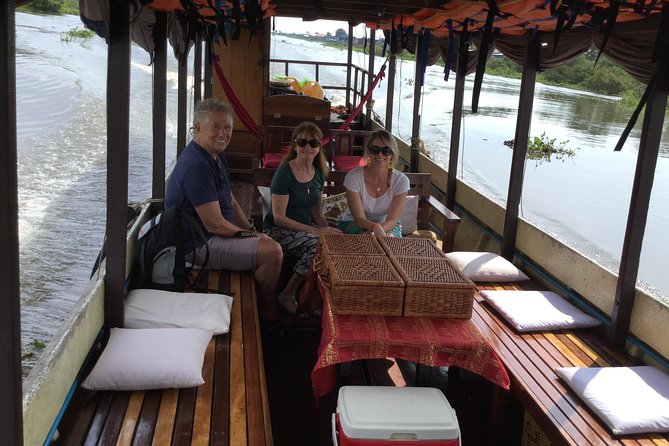
You’re limited to a maximum of 15 travelers, and the tour describes itself as a small group with an experienced English-speaking guide. That size is big enough to meet people, but small enough that you’re not constantly waiting in a line.
You’ll also get life jackets. That doesn’t mean you’ll be doing anything extreme, but it’s still reassuring for a water-based outing. The boat segment is described as a pleasant ride rather than anything wild, so your main comfort needs will be sun, heat, and staying seated.
Who should book this Tonlé Sap tour?
This one fits best if you:
- Want a cultural + nature experience in the same day
- Like real local life more than staged viewpoints
- Enjoy learning from a guide as you travel (not just reading a sign)
It may be less ideal if you:
- Are very short on time and only want quick stops
- Strongly dislike boats or spending multiple hours outdoors in heat
- Only want a nature trip and don’t care about the human side of the ecosystem
A useful way to decide
Ask yourself which part you’re chasing: the floating villages, or the flooded mangrove experience. If mangroves matter, target August to January. If village life and the lake rhythm are the main draw, any day in the scheduled period should still deliver.
Tips I’d use before you go
These aren’t “official rules,” just practical things that make the day smoother:
- Pack sun protection: the day is long enough that shade won’t always be available.
- Bring a light cover-up: mornings can start cooler and heat up fast.
- Think about the mangrove paddle decision early: if you want it, expect it to add time and you’ll want to be ready for that.
- Tell them about dietary needs at booking (vegetarian option is available).
- Use the day’s included drinks to pace yourself. Cold water is provided, plus refreshments with lunch.
Should you book this Tonlé Sap Floating Villages and Mangrove tour?
For most visitors to Siem Reap, I think this is a strong yes. The value is in the mix: floating village time, a deeper stop at Kampong Phluk, and a nature element tied to the Tonlé Sap floodplains. Add in pickup, guide, private boat time, and a real lunch, and you get a well-fed, well-paced half-day rather than a rushed outing.
Book it if you want an authentic water-based look at how families live with the lake’s seasonal changes. If you’re aiming for the mangrove paddle, make sure you’re traveling August to January, and be ready that the canoe portion isn’t included.
If you hate the idea of optional extras and want everything fully bundled, just plan to skip the mangrove canoe and focus on the floating villages and boat route. The core tour still stands on its own.
FAQ
What is the duration of the Tonlé Sap floating villages and mangrove tour?
It runs about 5 to 6 hours.
Where does the tour start and what time is pickup?
Pickup is offered from your hotel in Siem Reap at 8:00 AM, and you travel about 15 km south to the Chong Kneas docks.
How much does the tour cost?
The price is $219.00 per person.
Is hotel pickup and drop-off included?
Yes, hotel pickup and drop-off are included.
Is the boat ride included?
Yes. The tour includes a private boat segment from Chong Kneas to Kampong Phluk Village, along with a life jacket.
Are meals included?
Yes. The tour includes lunch and snacks, and it also lists coke and cold bottled water.
Are drinks included?
The tour includes cold bottled water, and the overview also mentions local beers as part of the refreshments.
Is there a vegetarian option?
Yes. A vegetarian option is available if you request it at booking.
Is the mangrove canoe ride included?
Not in the base price. The canoe ride in the Kampong Phluk mangrove forest is optional and is available from August to January but is not included.
What happens if the weather is poor?
In very poor weather conditions (rainy season between July to mid-November is mentioned), the plan may change to visiting Kampong Khleang and Kampong Phluk by car, with boat rides in Kampong Phluk and Kampong Khleang.
Can I cancel for a refund?
Yes. There is free cancellation, and you can cancel up to 24 hours in advance for a full refund.