REVIEW · SIEM REAP
Full-Day Angkor Wat Sunrise & Sunset & All Must-See Private Tour
Book on Viator →Operated by Happy Angkor Tour · Bookable on Viator
Waking up at 4:45am sounds wild, but it works. This private Angkor Wat tour packs sunrise, a full run through the main temples, and sunset views into one long day with hotel pickup and drop-off. I like that you get a licensed English guide who helps you connect the dots fast, and I really value the included cool waters and cool wet towels for that early start and the hot afternoon.
My favorite parts are the timing and the temple mix: Angkor Wat for sunrise plus the classic faces and terraces of Angkor Thom on the small circuit. One thing to plan for is that the big temple admission isn’t included in the price you see, and the day starts extremely early, so you’ll want to be ready for a long 11–12 hours.
In This Review
- Key Highlights at a Glance
- Sunrise Timing That Actually Makes Sense at Angkor Wat
- Ta Prohm’s Tree Roots and a More Peaceful Banteay Kdei Reset
- Inside Angkor Thom: Victory Gate, Bayon, and Those 49 Towers
- Royal Enclosure Stops: Phimeanakas and the Terrace Walk
- Phnom Bakheng for Sunset: Plan for the Climb
- Price and Value: $88.50 Plus the Admission Reality
- What Your Day Feels Like: Long, Full, and Carefully Timed
- Who This Private Sunrise and Sunset Plan Suits Best
- Should You Book This Tour?
- FAQ
- FAQ
- What time is pickup for this tour?
- How long does the tour take?
- Is hotel pickup and drop-off included?
- What’s included, and what costs extra?
- Does the itinerary include both sunrise and sunset?
- Which Angkor Thom highlights are part of the route?
- What happens if Phnom Bakheng is too crowded at the peak?
- Can I cancel for free?
Key Highlights at a Glance
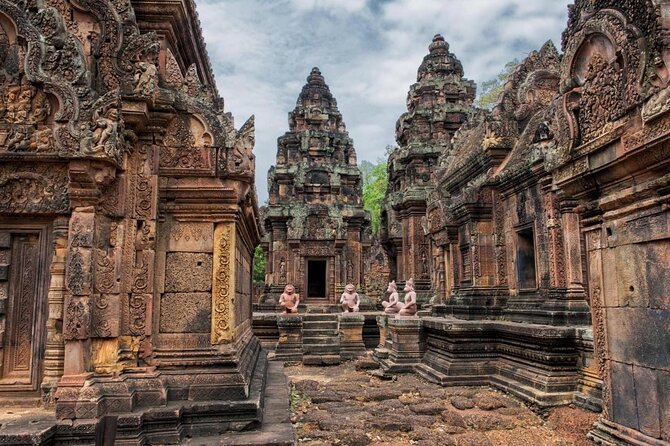
- 4:45am hotel pickup so you’re at Angkor Wat in time for the light shift
- Sunrise + sunset in one day with Phnom Bakheng timed for views
- Ta Prohm and the small circuit with Banteay Kdei and Ta Nei for variety
- Angkor Thom circuit essentials including Victory Gate and Bayon’s face towers
- Included comfort stops like air-conditioning, cool water, and cool wet towels
Sunrise Timing That Actually Makes Sense at Angkor Wat
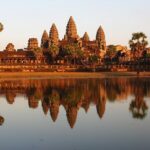
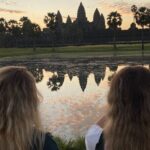
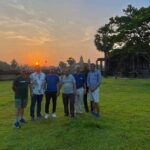
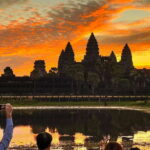
You’re not going to Angkor Wat “sometime in the morning.” You’re going early, with pickup at 4:45am from your hotel or guest house. That early departure matters because sunrise light changes everything: carvings pop, shadows sharpen, and the temple feels less like a photo backdrop and more like a real place in real time.
The tour also handles the awkward logistics of getting temple access. On the way, you stop to buy your temple pass, so you’re not stuck hunting for the right counter while the best light fades. Angkor Wat admission is listed as $37 per person and is not included, so budget that cost up front.
Right after that, you focus on the main event: Angkor Wat. The experience here is not just seeing the structure; it’s feeling the scale as the sun climbs and the edges of the platform reveal details you’d miss later. If you hate crowd chaos, this is one of the better ways to do Angkor Wat because you’re starting with the mood of sunrise rather than the rush of midday heat.
You can also read our reviews of more private tours in Siem Reap
Ta Prohm’s Tree Roots and a More Peaceful Banteay Kdei Reset
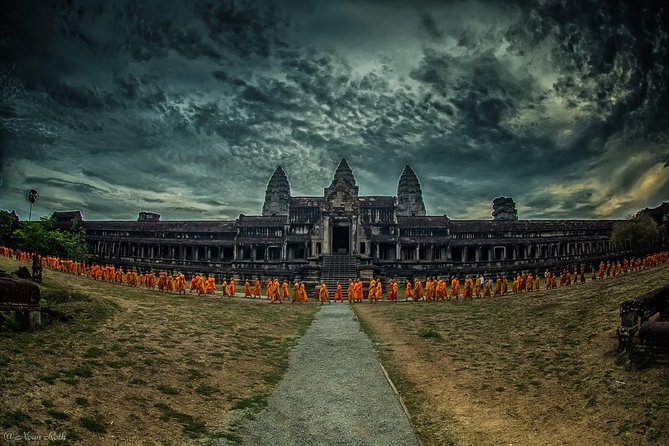
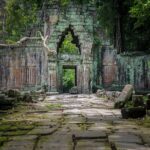
After sunrise, the day keeps moving, starting with Ta Prohm. This is the temple people recognize for its giant tree roots wrapped around stone. The description even points out the Hollywood connection through Tomb Raider, which is helpful if you like understanding why Ta Prohm looks the way it does in popular imagination.
Now for the practical part: Ta Prohm can be visually intense. Stone, roots, and angles all compete at once, so you’ll enjoy it more if you slow down and look from different distances. A guide can help with that by pointing out where your eyes should go first so you don’t just snap pictures at the nearest root.
From there, you hit Banteay Kdei, a large Buddhist monastery from the late 12th century. The big advantage here is that it tends to feel quieter and more relaxed than the biggest headline stops. It’s a good break in the day’s tempo—still historic and impressive, but not as frantic.
Stop time is listed at about 45 minutes for Banteay Kdei, and 30 minutes for Ta Nei right after. Ta Nei is described as smaller and less restored, with big surrounding trees. That combination gives you a calmer mood to balance the excitement of Ta Prohm, and you’ll likely appreciate it if you like temples where the restoration doesn’t shout.
Inside Angkor Thom: Victory Gate, Bayon, and Those 49 Towers
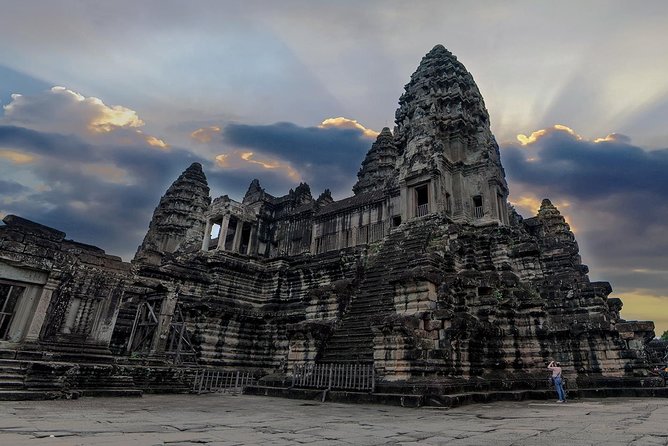
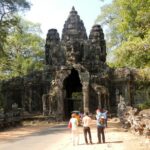
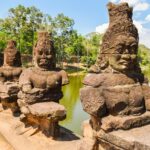
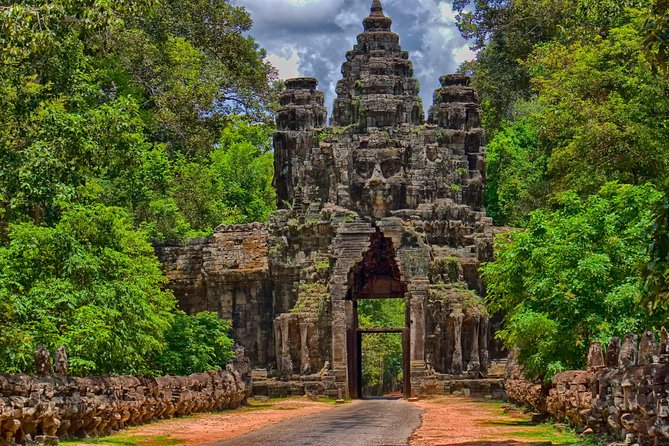
The afternoon shift moves you into Angkor Thom, which is where the tour really earns its “must-see” promise. You start with a quick stop at the Victory Gate on the east side, mainly for photos and a short look. This is a helpful introduction because it frames Angkor Thom’s layout before you start walking through the city core.
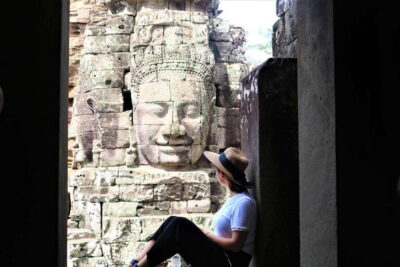
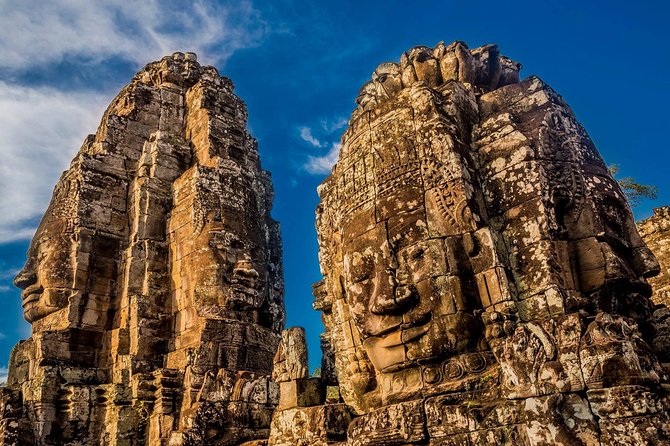
Then you move on to Bayon, and this is where the tour’s plan pays off. Bayon sits in the center of Angkor Thom, with towers that have faces on all sides. The tour description notes 49 towers, each with four faces, for 196 faces of Avalokiteshvara. That number sounds like trivia until you’re standing among the towers—then it becomes a visual rhythm you can track as you walk.
Bayon gets about 1 hour in the schedule. That’s enough time to see the faces from different angles and to walk the main path without feeling rushed. The value here is in pacing: you’re not getting dumped at the entrance and left to figure it out. A good guide helps you understand what you’re looking at, especially because Bayon is visually busy.
Next come more temple stops that build the sense of a royal and ceremonial complex rather than a single monument. Baphuon is described as a Hindu temple built before Angkor Wat in the 11th century, with a big reclining Buddha behind it built in the 16th century. Expect contrast between earlier temple architecture and later additions.
Royal Enclosure Stops: Phimeanakas and the Terrace Walk
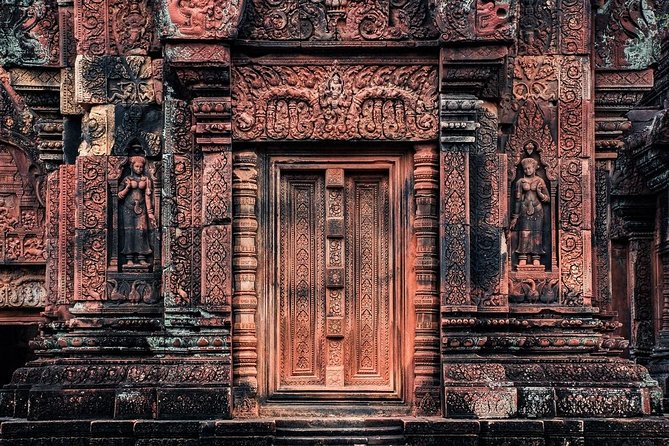
After Bayon, you work through several shorter stops inside Angkor Thom’s broader story. Phimeanakas is listed as a pyramid Hindu temple from the 10th century, located in the center of the old royal palace area. Even with a shorter visit (around 20 minutes), it’s a key stop because it helps you connect the political layout of the city to the religious architecture.
Then you step into the “watch and notice” part of the tour with the terraces. The Terrace of the Elephants is a platform that kings used to view victorious returning armies, and the stone is carved with elephant images. Even when you only have about 10 minutes here, it’s worth using that time to look at the carvings carefully rather than treating it as a quick photo.
Right nearby is the Terrace of the Leper King, another platform with its own carvings and details. It also gets about 10 minutes. These terraces are small compared to Angkor Wat and Ta Prohm, but they matter because they show how Angkor wasn’t only about one temple hill. It was about movement, ceremony, and a city-wide sense of power.
You finish this Angkor Thom stretch with Preah Palilay, described as a quiet Buddhist temple behind the Royal Palace inside Angkor Thom. It’s listed at about 20 minutes. That quieter stop is a smart choice for your energy level. After walking through the face towers and terraces, you’ll appreciate the slower mood.
Phnom Bakheng for Sunset: Plan for the Climb
The final stop is Phnom Bakheng, where you climb a hill for the sunset view. The schedule allows about 2 hours, but here’s the key consideration: the description flags that the number of tourists allowed at the peak is limited. If it’s busy, the guide will take you to a nearby alternative viewpoint.
That matters because sunrise is all about arriving early, but sunset is about the opposite problem: too many people trying to be in the same exact spot. Knowing your guide may adjust the end plan reduces the stress of hoping the top is open at the exact moment you arrive.
What you should expect at Phnom Bakheng is less about museum-like comfort and more about being outdoors, walking uphill, and watching the sky. It’s a good closer because the entire day is temple-heavy and flat-footed. This last climb forces you to switch gears, and the sunset view is what makes the long day feel worth it.
Also, if you’re sensitive to heat, pace matters. The tour includes cool water and cool wet towels, which helps a lot in late afternoon when you’re tired. Still, bring a light layer for the evening because conditions can change once the sun drops.
You can also read our reviews of more evening experiences in Siem Reap


Price and Value: $88.50 Plus the Admission Reality
The tour price is $88.50 per person, and that’s for a private experience with an air-conditioned vehicle, a licensed English-speaking guide, hotel pickup and drop-off, parking fees, and road tolls. You also get cool water and cool wet towels, which is one of those “small” inclusions that makes a huge difference at Angkor, where you’re outside for hours.
The main add-on is admission. Angkor Wat admission is listed at $37 per person, and admission fees aren’t included in the base price. Lunch is also not included, with lunch described as about $5 per person depending on the menu. So your realistic day budget is more than the headline number, but it’s still manageable if you plan ahead.
Where the value shows is in time and coverage. The itinerary hits Angkor Wat at sunrise, Ta Prohm, Banteay Kdei, Ta Nei, plus the core Angkor Thom sequence, then finishes at Phnom Bakheng. Doing all that solo would mean more planning for routes, timing, and getting temple access organized. With this setup, you’re paying for structure and guidance.
One more practical point: this is private. That typically means you’re not stuck waiting on other groups, and the guide can keep you moving through the route at a pace that fits your day. For a temple marathon, that’s not a luxury—it’s how you keep it enjoyable instead of exhausting.
What Your Day Feels Like: Long, Full, and Carefully Timed
This tour runs about 11 to 12 hours, and the day starts at 4:45am. That’s not a typo. If you want a relaxed Siem Reap day, this isn’t it. But if you’re visiting for a limited time and you want the “greatest hits” in one go, it’s a solid plan.
The included vehicle helps you avoid the mental load of transportation. You’re driven between stops, which matters because the distances add up when you’re tired. You’re also not stuck figuring out parking, entry lines, or where to start once you’re at the complex.
Because the stops include both major and supporting temples, you get variety in tone. Angkor Wat and Bayon are the loud, iconic pieces. Ta Prohm is dramatic and cinematic-looking. Banteay Kdei, Ta Nei, and Preah Palilay give you calmer contrast—so by the time you reach Phnom Bakheng, you’re ready to enjoy the viewpoint instead of just chasing another photo.
Who This Private Sunrise and Sunset Plan Suits Best
This fits best if you:
- have limited time in Siem Reap and want a lot of temples without planning chaos
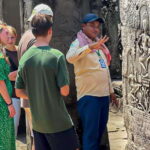
- prefer a guide who can explain what you’re seeing while you walk
- like structure and want sunrise and sunset as bookends to your day
- don’t want to manage transportation and temple-pass logistics on your own
It may not suit you if you strongly prefer slow travel. The schedule is tight by design. Even though some stops are short, the day is long and meant to stay in motion.
If you’re coming with kids or anyone with mobility issues, consider that the itinerary includes walking and a hill climb at Phnom Bakheng. The data doesn’t describe accessibility accommodations, so you might want to check with the provider before booking if this is a concern for your group.
Should You Book This Tour?
I’d book it if you want a one-day Angkor program that hits sunrise, major temples, and sunset without making you do a second day of planning. The blend of Angkor Wat + Ta Prohm + Angkor Thom plus the sunset finale is a strong value for a first-time or short-stay visit, especially because hotel pickup and drop-off are included.
I’d skip or rethink it if you’re only interested in one or two “top” sites. In that case, you might get a better match with a shorter tour that doesn’t start at dawn.
If you do book, budget the $37 Angkor Wat admission and plan your lunch. Then focus on the timing: arrive early for sunrise, accept that the day is long, and trust the guide to adjust the Phnom Bakheng end plan if the peak is crowded.
FAQ
FAQ
What time is pickup for this tour?
Pickup starts at 4:45am from your hotel or guest house in Siem Reap.
How long does the tour take?
The full experience runs about 11 to 12 hours.
Is hotel pickup and drop-off included?
Yes. The tour includes pickup from your accommodation and drop-off back at your hotel or guest house.
What’s included, and what costs extra?
Included are an air-conditioned vehicle with a driver, a licensed English-speaking guide, cool waters and cool wet towels, and parking/road tolls. Not included are lunch and temple admissions, with Angkor Wat admission listed at $37 per person and lunch described as depending on the menu.
Does the itinerary include both sunrise and sunset?
Yes. You see Angkor Wat at sunrise and you end with Phnom Bakheng for sunset.
Which Angkor Thom highlights are part of the route?
The route includes Victory Gate, Bayon, Baphuon, Phimeanakas, Terrace of the Elephants, Terrace of the Leper King, and Preah Palilay.
What happens if Phnom Bakheng is too crowded at the peak?
The description says the number of visitors at the peak is limited. If it is busy, the guide will take you to a different nearby option instead of forcing the peak.
Can I cancel for free?
Yes. You can cancel for a full refund if you cancel at least 24 hours before the experience start time.