REVIEW · SIEM REAP
Siem Reap: Morning Cooking Class & Market Tour
Book on GetYourGuide →Operated by Villages Cooking Class · Bookable on GetYourGuide
Start your morning with real Khmer cooking.
This 5-hour Siem Reap experience links a local market run to a cooking class set in a real Khmer house-style village kitchen. I love the way you’re not just watching from the sidelines; you’re choosing ingredients, learning what they are, and then turning them into a meal you’ll actually want to make again. I also like that the teaching style stays practical and step-by-step, with English guidance from hosts and chefs you may recognize by name from past groups, like Ron and Bopha. One consideration: a big chunk happens rain or shine and the setting is outdoors, so plan for heat, humidity, and sudden showers.
You’ll be picked up from your hotel lobby and whisked off by tuk tuk, then guided through the market and into the village school for cooking, tasting, and recipes to take home. I love the small touch of iced tea and a cold towel before you start cooking, because you’ll appreciate it once the walking and chopping begin. The one real drawback for some people is comfort: this activity isn’t suitable for pregnant women, and the walking plus outdoor environment may feel like too much if you’re sensitive to weather or uneven ground.
In This Review
- Key highlights worth your attention
- Tuk Tuk to the Market: How the Morning Gets Started in Siem Reap
- The Market Tour: Choosing Ingredients Like You Actually Mean It
- Village Cooking School Setup: Tea, Towels, and Khmer House Atmosphere
- Cooking Step by Step: 2 Mains and 1 Dessert You Can Recreate
- The Guides and Chefs Matter: Names You May Recognize
- Price and Value: Is $35 Worth It?
- What to Bring and How to Stay Comfortable Outdoors
- Who This Tour Fits Best (and Who Might Prefer Something Else)
- Should You Book This Morning Cooking Class?
- FAQ
- Where does this tour take place?
- How long is the Siem Reap Morning Cooking Class & Market Tour?
- How much does it cost?
- What is included in the price?
- Do I cook during the class?
- Is the tour offered in English?
- Is the tour indoors or outdoors?
- Is the tour suitable for everyone?
Key highlights worth your attention
- Hotel pickup + tuk tuk timing: convenient departure from your lobby, so you don’t waste time coordinating.
- Market walk with ingredient picking: you can see and choose produce, meat, and herbs firsthand.
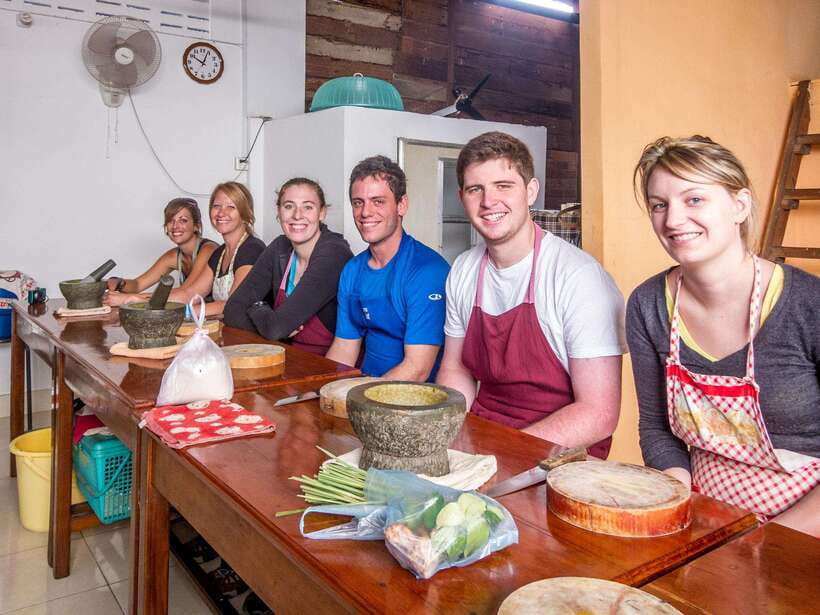
- Khmer village cooking in a real home setting: the class happens in pleasant Khmer surroundings, not a sterile classroom.
- Clear, guided cooking + recipe brochure: you get a printed guide with that day’s recipes, often written for one serving.
- 2 main courses and 1 dessert: you leave with more than one dish, including a sweet finish.
- Chef and guide support in English: groups are led in English, with friendly help when questions pop up.
Tuk Tuk to the Market: How the Morning Gets Started in Siem Reap
The best part of this tour is the sequence. You begin with a short ride from your hotel, then switch into local rhythm fast: tuk tuk to the market area, guided on foot. It’s a smart way to learn, because you see ingredients before anyone tells you how to cook them. When the class later asks you to use certain herbs or pick specific vegetables, you’ll recognize them instead of guessing.
Your guide (English-speaking) meets you in the hotel lobby and you depart once you’re accounted for. The practical tip here is simple: be ready about 15 minutes before pickup. In Siem Reap, that little buffer makes the whole morning feel smooth.
Depending on how your morning route is set, you may also stop outside town for farm life. Some groups have included visits like an oyster mushroom farm and a vegetable-herb village or farm, which adds context for what you’ll cook later. Even when your route sticks mostly to the market and village school, you still get that “see it first” advantage.
You can also read our reviews of more shopping tours in Siem Reap
The Market Tour: Choosing Ingredients Like You Actually Mean It
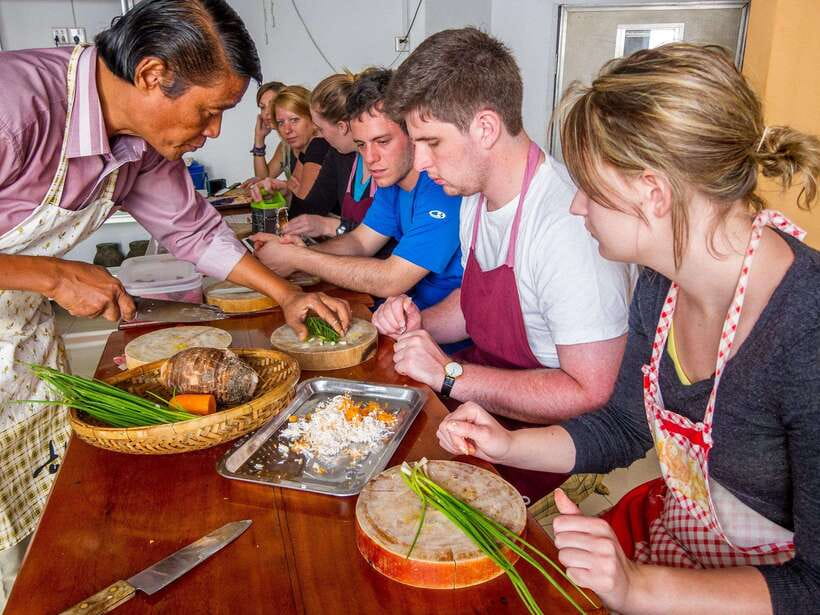
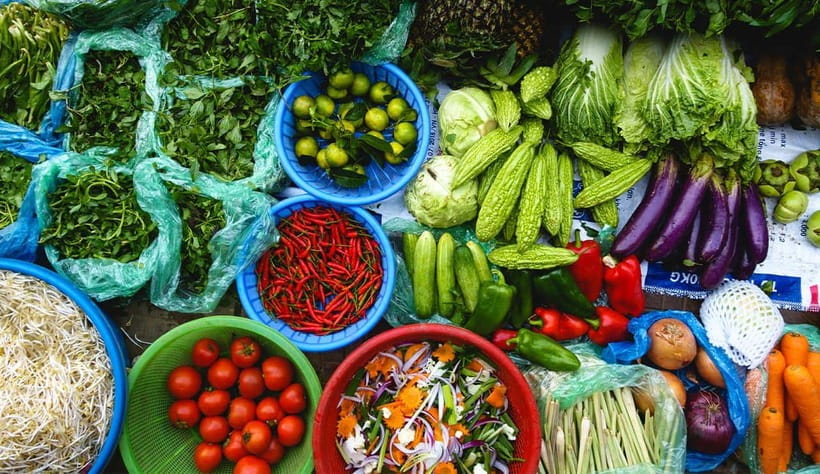
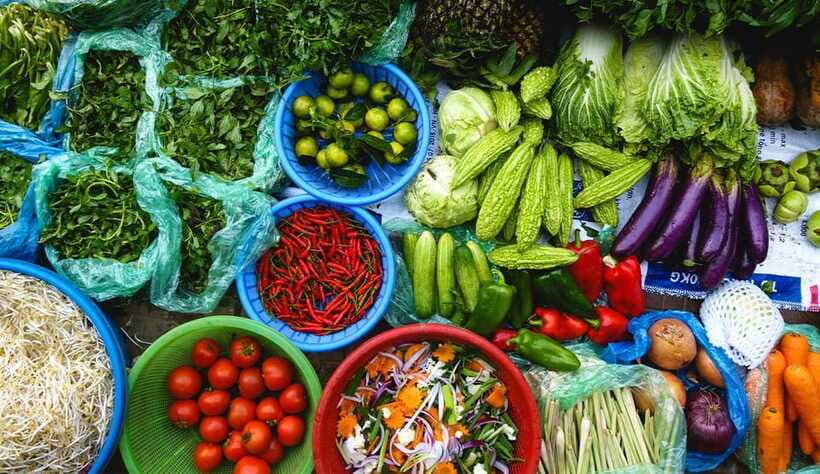
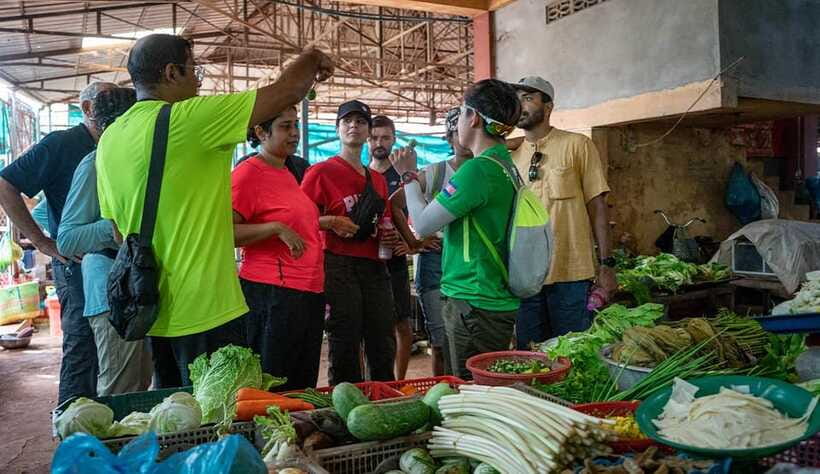
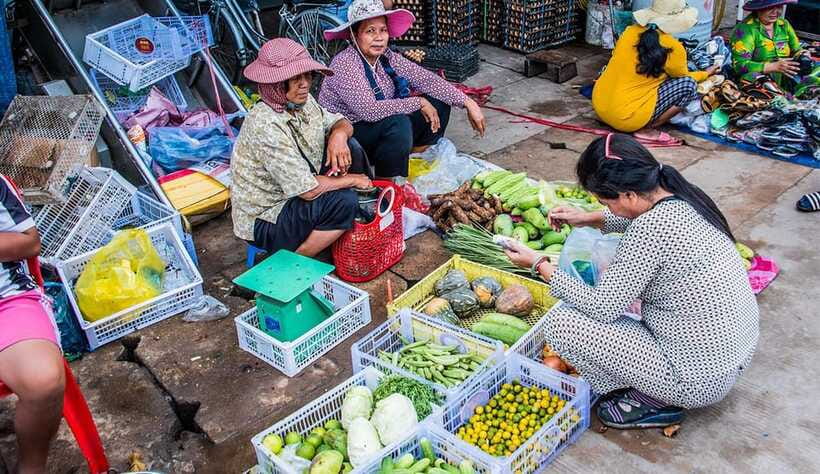
The market portion is where your cooking class stops being theoretical. You’ll walk with a local guide as they point out what’s seasonal and explain local products—think produce you’d find in Khmer homes, plus meat and herbs used in Khmer dishes.
I like that you get enough time to walk around, take photos, and slow down to look. Market browsing is part of the experience, not a rushed checkpoint. If you like to cook, this is also your chance to notice details: what different herb bunches look like, how vegetables are cut in daily use, and what vendors sell most often.
A lot of people worry about markets because they fear being handed a script. Here, the tone tends to be practical and friendly—your guide helps you sample local fruit or snacks when appropriate, and explains what you’re seeing. That matters for value: when you later cook, you’re translating real images into real techniques.
Village Cooking School Setup: Tea, Towels, and Khmer House Atmosphere
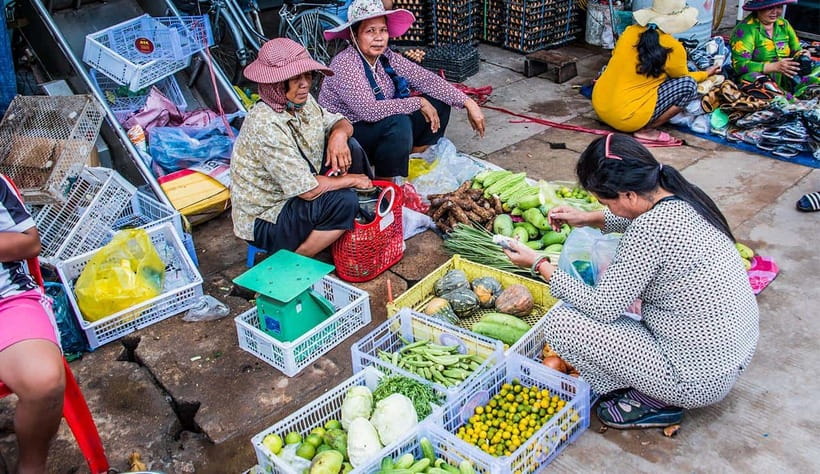
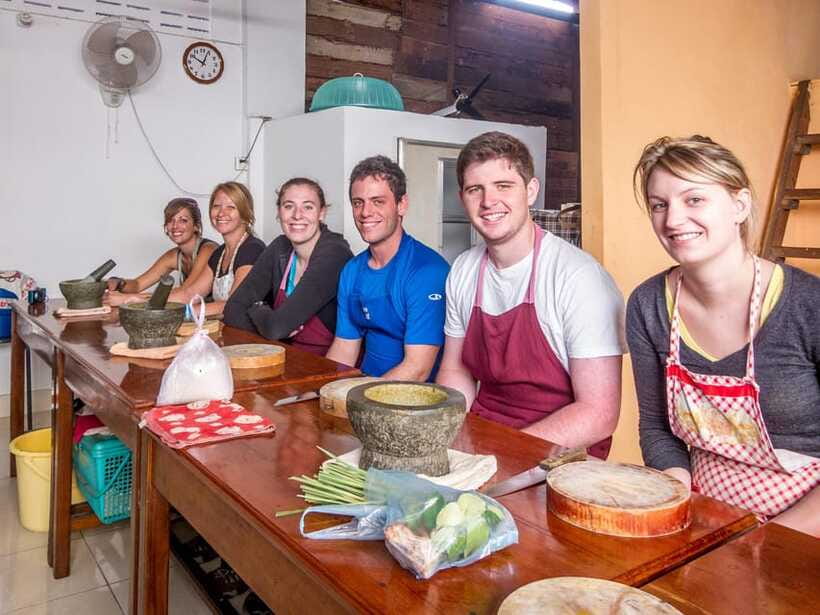
After the market, you head to the village cooking school. The vibe changes quickly from noisy vendor lanes to a calmer cooking area with Khmer surroundings. You’ll be greeted with iced tea and a cold towel, which sounds small until you’re actually in the heat and humidity of Siem Reap.
This is also the point where the day’s structure locks in. The chef presents the cooking demonstration of the dishes you chose (you’ll receive a brochure with those recipes). The brochure part is underrated. A lot of cooking classes hand you a vague worksheet. Here, you get a printed guide, and the recipes are written for one serving unless otherwise stated—useful if you want to scale up at home later.
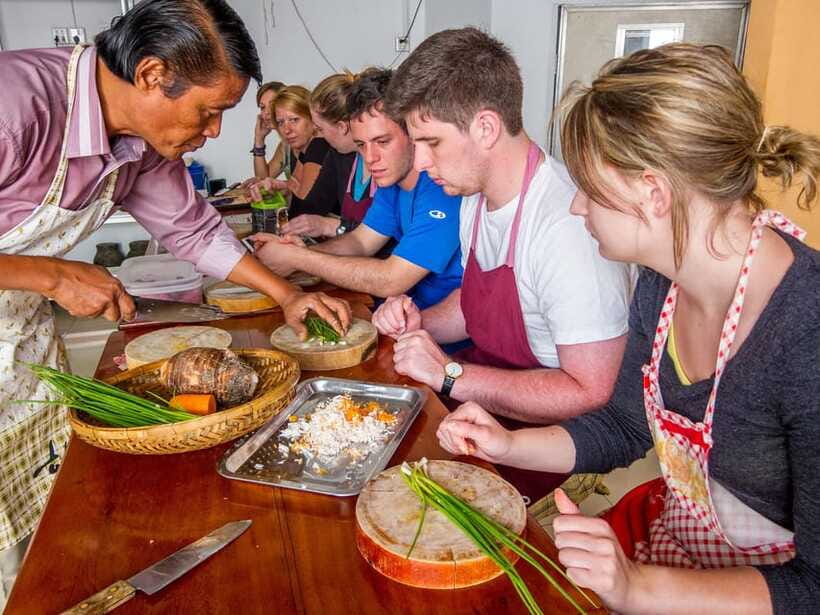
The teaching setup is hands-on in spirit. Even if you don’t do every single chop or stir at the exact same time as the chef, you’re guided toward doing the steps yourself afterward. That’s what makes it feel like you’re learning a process, not just tasting.
Cooking Step by Step: 2 Mains and 1 Dessert You Can Recreate
The class centers on cooking the dishes you selected. You’ll watch a demonstration, then move into preparing your own food. The tour includes 2 dishes of main course plus 1 dessert, so the meal feels complete, not like a token side project.
What you’ll remember is the rhythm:
- Chef explains key steps clearly
- You cook with assistance
- You taste what you made in the pleasant village setting
Several guides and chefs have been praised for clear English instruction and supportive pacing. Names that have come up include Keo and Mai, plus guides like Prearon and Thanut Kean. Whether you meet the same people or not, the pattern matters: the instruction tends to be straightforward, with help when your questions hit.
A practical note for your kitchen-at-home success: focus on the order of steps and the purpose of each ingredient. Market herbs and vegetables aren’t just “flavor add-ons.” In Khmer cooking, they often act as the foundation—aromatics that build the smell and taste before you notice the final seasoning.
Also, you’ll leave with your own final dishes ready to enjoy on-site. That means you’re not waiting until you get home to learn if it actually worked.
The Guides and Chefs Matter: Names You May Recognize
In Cambodia, the best cooking classes are often led by the people who live the food. This tour leans into that, and the impact shows in the feedback—friendly guides, clear communication, and chefs who teach without making you feel rushed.
Across past groups, guides such as Ron and Bopha have been mentioned for being organized and helpful, including helping guests at the market when you want to try local fruits or snacks. Chefs have been described as delightful and easy to follow, with one group highlighting a chef named Keo for hands-on instruction and another mentioning Mai as the cooking teacher.
If you’re booking this as a foodie experience, don’t just look for the promise of cooking. Look for the teaching style. This one is designed so you can follow along in English and actually complete your dishes, which is the difference between a fun afternoon and a real skill you can use later.
You can also read our reviews of more tours and experiences in Siem Reap

Price and Value: Is $35 Worth It?
At $35 per person for about 5 hours, this is strong value for a few reasons.
You’re paying for more than a cooking lesson. The package includes hotel pickup and drop-off, a local chef and local guide, a walking market tour, and the full meal components—two main dishes and one dessert—that you also get to taste and eat.
Many food experiences in tourist areas either:
- cost more for a short demo, or
- require you to buy ingredients separately and then still only taste a small portion.
Here, you do the ingredient selection during the market portion, then you cook and eat the results. That turns the time into something concrete. If you enjoy learning through doing, and you want recipes you can reference later, this price usually feels fair.
What to Bring and How to Stay Comfortable Outdoors
Because the tour runs rain or shine, you should pack for the outdoors. Wear comfortable shoes for walking in a market and moving around a village cooking area. Bring a light layer for rain, and keep water on your mind—even with iced tea included, you’ll still want to stay hydrated.
Also, plan for a hands-on session. You’ll be cooking and preparing food, so avoid clothes that you’d hate to smell like onions, garlic, or spices.
If you’re prone to motion sickness, the tuk tuk rides are short, but it still helps to be comfortable on small vehicles and uneven roads.
And if you’re pregnant: this one isn’t suitable, so look for another Cambodia food option that fits your comfort needs.
Who This Tour Fits Best (and Who Might Prefer Something Else)
This is a great fit if you:
- want a Khmer cooking lesson tied to real ingredients
- enjoy markets and the idea of choosing what you cook
- want recipes you can take home
- like guided, step-by-step instruction in English
It may be less ideal if you:
- want a purely indoor experience (it’s outdoors and runs rain or shine)
- have limited ability to walk during the market portion
- need an activity specifically suitable for pregnancy
If you’re traveling with kids, it can be fun when the group format is calm, but you’ll still be dealing with heat and outdoor walking. For solo travelers, it’s social in a friendly way because the group cooks together and shares the meal at the end.
Should You Book This Morning Cooking Class?
If your goal is to learn Khmer cooking in a way you can repeat at home, I’d say yes. The strongest reason to book is the connection: market to kitchen, ingredients to recipe. You’re not just tasting Cambodian food—you’re learning how it’s built.
Book it sooner if:
- you’re in Siem Reap for only a short time and want one focused, well-rounded experience
- you like hands-on activities more than museum-style sightseeing
- you want a guided English experience with real recipe handouts
Skip it if weather comfort is a dealbreaker for you, or if you fall into the “not suitable” category. Otherwise, this is the kind of food day that leaves you with both a full stomach and a practical skill set.
FAQ
Where does this tour take place?
It takes place in Siem Reap Province, Cambodia.
How long is the Siem Reap Morning Cooking Class & Market Tour?
The duration is 5 hours.
How much does it cost?
It costs $35 per person.
What is included in the price?
Hotel pickup and drop-off, a local chef, a local guide, a local market walking tour, 2 dishes of main course, and 1 dessert.
Do I cook during the class?
Yes. You’ll prepare the dishes you choose and then taste what you cooked.
Is the tour offered in English?
Yes. The live tour guide provides English.
Is the tour indoors or outdoors?
The cooking class takes place in a local khmer house/village setting, and the tour runs rain or shine, so you should expect outdoor elements.
Is the tour suitable for everyone?
It is not suitable for pregnant women. Personal expense is not included.