REVIEW · SIEM REAP
Siem Reap Cambodian Buddhist Water Blessing and Local Market
Book on GetYourGuide →Operated by Cambo Tours Services · Bookable on GetYourGuide
A monk’s water on your skin changes the day. This Siem Reap experience takes you into a Cambodian Buddhist ritual that feels as old as the Angkor-era world around it, with a real water blessing and a visit to everyday local life right after. It’s not just watching from the sidelines. You’re part of the ceremony.
I especially love how clearly your guide walks you through the meaning of the prayers and what the ritual is meant to do for the person being blessed. And I really like the market time afterward, because you don’t just browse. You learn what Cambodian specialties are, and in at least one case you can even sample a few things along the way, which makes the shopping feel like a cultural stop, not a chore.
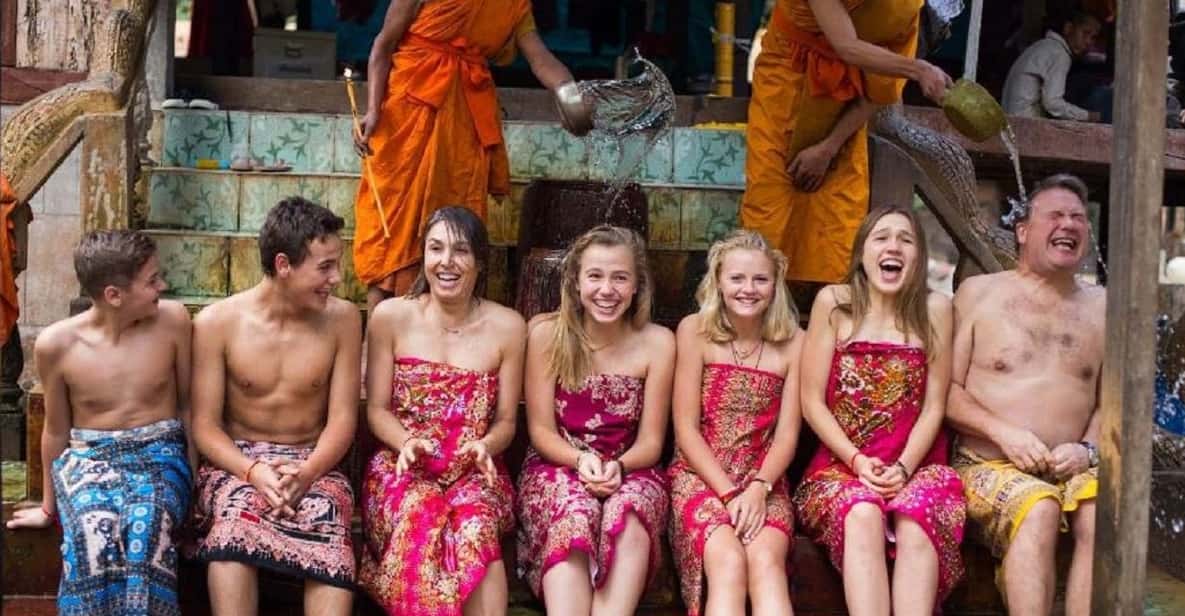
One thing to consider: you’ll be offered two styles of blessing, including a longer option where vessels of blessed water are poured over your head. The tour provides a sarong so your clothing stays dry for that longer ritual, but if you don’t like the idea of water on your head, choose the shorter blessing option.
In This Review
- Key points at a glance
- A Buddhist Water Blessing Outside Siem Reap’s Main Scene
- Pick Your Ritual: Short Blessing or the Longer Head-Pour Ceremony
- What Happens at the Pagoda: Chanting, Vessels, and Red Wrist Ties
- Your Guide Turns Ritual Into Something You Can Explain
- Market Time in Siem Reap: Learn, Taste, and Shop With Context
- How the Tuk-Tuk Transfer Fits the Whole Experience
- Price and Value: Why $19 Can Make Sense Here
- Who Should Book This (and Who Might Skip It)
- Practical Tips So You Feel Comfortable During the Blessing
- Should You Book the Siem Reap Cambodian Buddhist Water Blessing and Market?
- FAQ
- How long does the Siem Reap Buddhist water blessing and market tour take?
- Where does the water blessing take place?
- What kind of blessing do I receive?
- Are there different types of water blessings to choose from?
- Will I need to change clothes for the longer ritual?
- What happens after the blessing?
- What’s included in the price?
- What languages are the guides available in?
- Is hotel pickup available?
- Is alcohol allowed during the tour?
Key points at a glance
- Choose between two blessing rituals, from light sprinkling to water poured over your head
- Ancient pagoda setting in the countryside south of Siem Reap
- Your wrist gets red ties that mark the blessing you received
- Market visit with guided explanations of Cambodian food and specialties
- Small-group feel with a live guide in English, Chinese, or Cambodian
A Buddhist Water Blessing Outside Siem Reap’s Main Scene
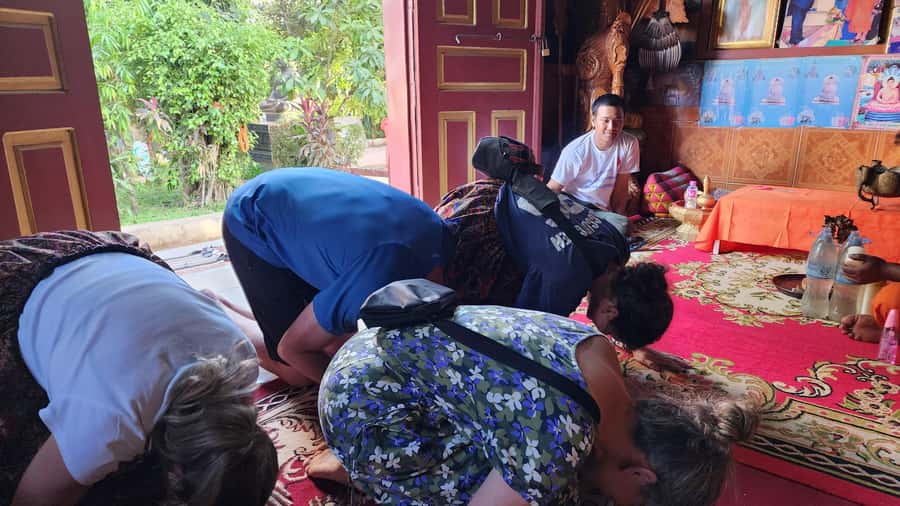
If Siem Reap has one superpower, it’s contrast. You can go from Angkor-era stones and big museum vibes to something quieter, more personal, and very human. This water blessing experience sits in that in-between space.
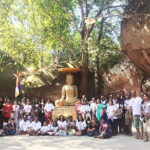
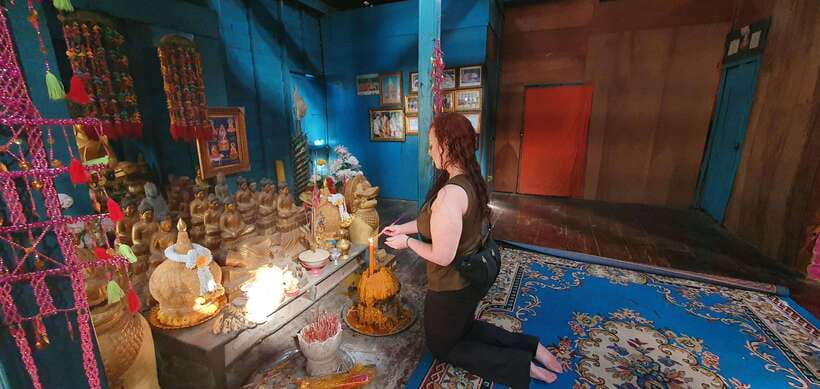
You’ll head to an ancient pagoda in the countryside just south of Siem Reap. The atmosphere there is slower and more focused. Instead of chasing sights, you’re listening to chanting, learning what the ritual is for, and taking part in a blessing that’s meant to support safe travel, good luck, and a long life.
What makes this tour genuinely worth your time is that you’re not treated like an anonymous spectator. You get a blessing of your own, and the guide keeps translating the ceremony so it makes sense as a living practice, not a performance.
You can also read our reviews of more shopping tours in Siem Reap
Pick Your Ritual: Short Blessing or the Longer Head-Pour Ceremony
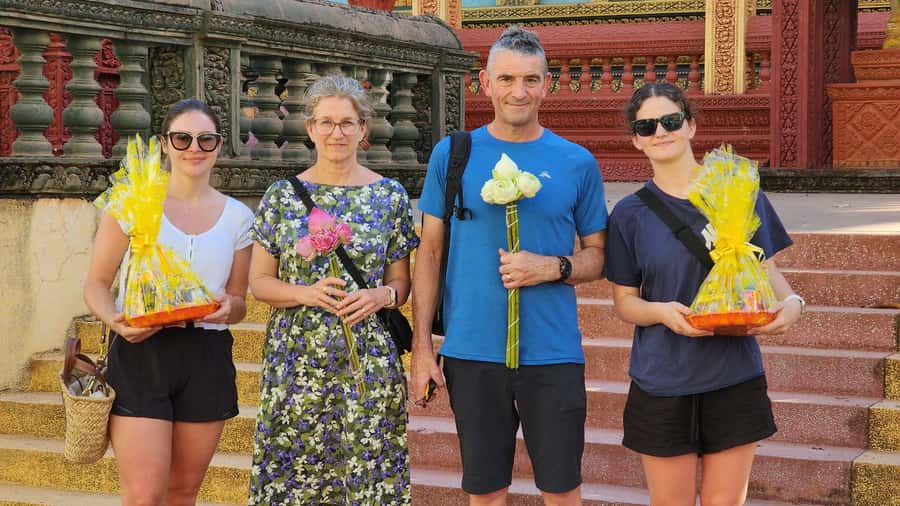
At the pagoda, you choose between two forms of blessings offered by the monks living at the site. This is one of the best parts of the experience because it lets you match your comfort level.
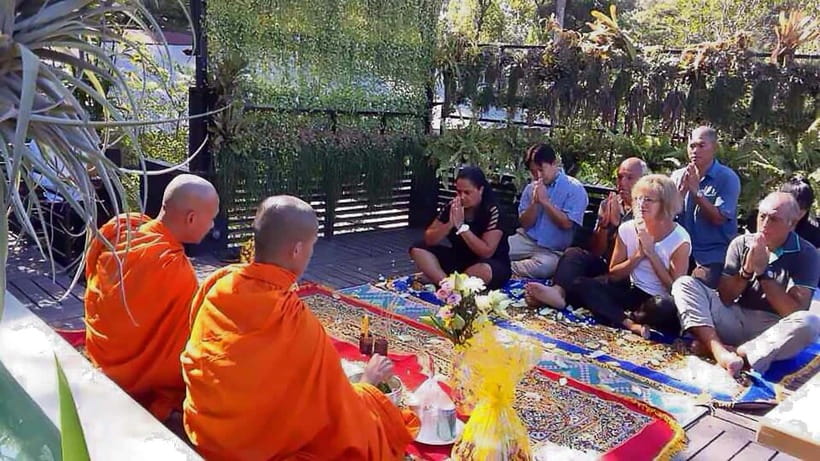
The shorter blessing begins with the monks chanting harmoniously while they wish you good luck, safe travel, and a long life. It comes with a light sprinkling of water—more symbolic than intense, and it’s a good fit if you want to participate without worrying about getting soaked.
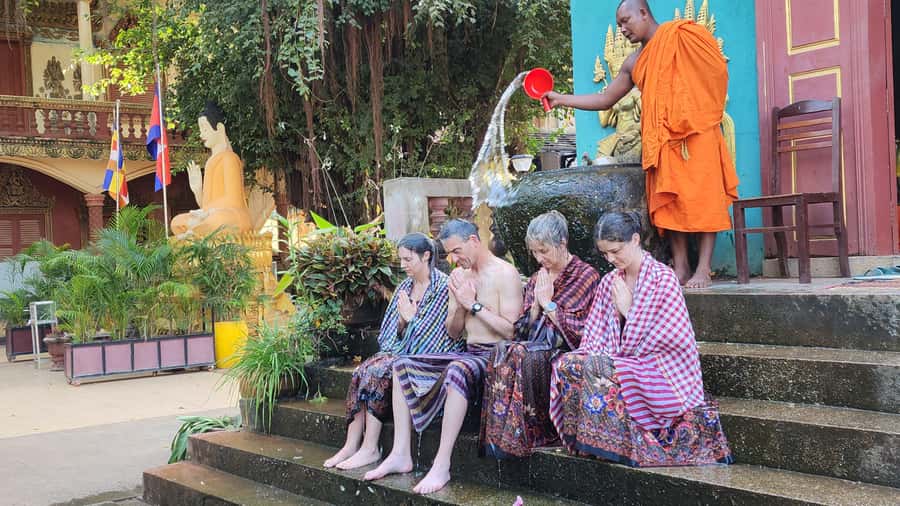
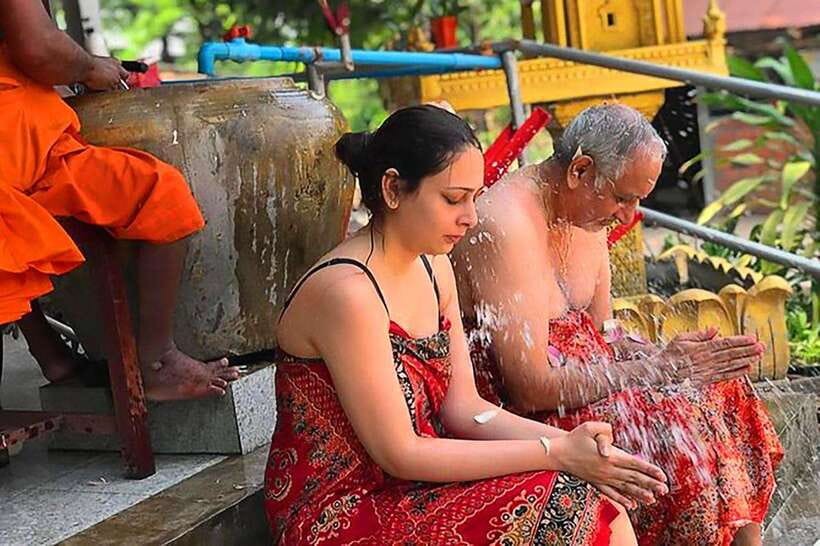
The longer ritual is the one many people talk about. It involves vessels of blessed water being poured over your head while the monks chant. Because this is a more hands-on moment, you’ll be given a sarong to change into so your clothing stays dry during the pouring.
If you’re unsure, think of it like this: the shorter option is participation with minimal physical surprise. The longer option is full participation, with more physical closeness to the ritual itself. Either way, you’ll still receive the end-of-ceremony marker on your wrist.
What Happens at the Pagoda: Chanting, Vessels, and Red Wrist Ties
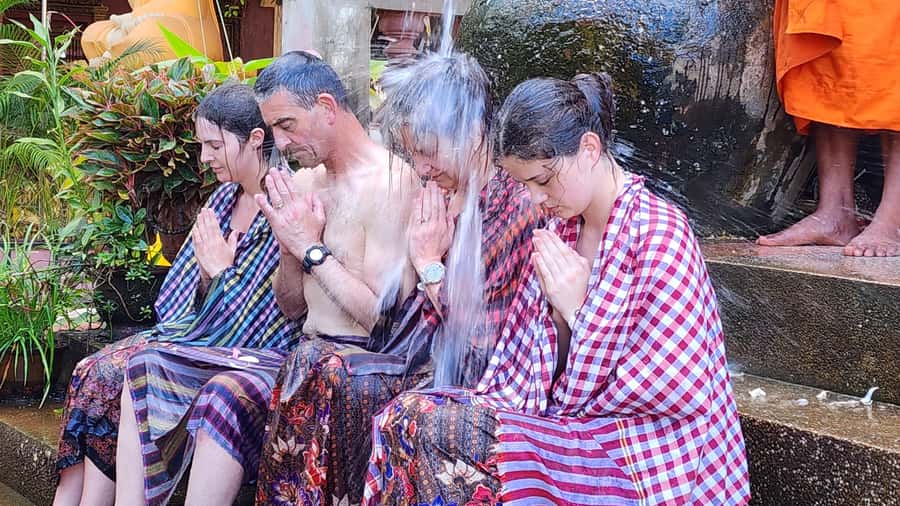
The flow of the ceremony is simple, but it’s meant to feel meaningful. You’ll be standing where the monks can chant directly and where the blessing can be completed properly. The guide helps you understand what’s going on as the monks speak through ritual rather than spoken explanation.
In the chanting parts, you’ll notice how steady and rhythmic the monks’ voices are. The goal isn’t dramatic showmanship. It’s the creation of a calm, focused atmosphere so the blessing lands in a deliberate way for the person being blessed.
Then comes the water moment. For the short ritual, it’s a light sprinkling as the monks wish you well. For the longer ritual, it’s vessels of blessed water poured over your head during the chanting. That difference matters. Sprinkling reads as gentle and brief. The head-pour reads as intentional and full-circle—your body is included in the blessing, not just your attention.
After the monks finish, your wrist is adorned with special red ties. Those red ties are the physical sign that the blessing was performed for you specifically. For many people, that’s the detail that makes the experience feel real long after you leave the pagoda.
Your Guide Turns Ritual Into Something You Can Explain
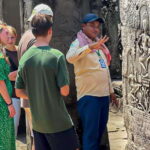
This tour is built around a live guide, and that makes a huge difference. You get explanations in English, Chinese, or Cambodian, depending on what you choose.
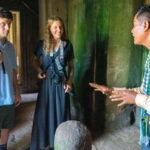
The strongest feedback from recent visitors is about the guide’s ability to explain the ceremony in clear detail, not just skim past it. When you understand the purpose behind what you’re seeing—safe travel, good luck, long life—you stop treating the blessing as a photo moment and start treating it as a personal ritual.
One guide name you may hear is Seila. A few people specifically praised Seila for making the blessing and pagoda time feel both breathtaking and intense in the best way. Even if your guide is someone else, expect that same pattern: the ritual is religious, but your guide’s job is to help you understand what it means so you can participate with respect.
If you like tours that feel educational without turning into a lecture, this one hits that sweet spot.
Market Time in Siem Reap: Learn, Taste, and Shop With Context
After the pagoda, you shift from sacred space to everyday Cambodia—still with a guide, so you don’t get dumped into a market and left to fend for yourself.
You’ll have a long stretch that includes a guided visit plus shopping, plus a shorter walk later. This matters because market tours can go two ways: you either get dragged through stalls with no explanation, or you get real context for what you’re seeing and buying. This one leans toward context.
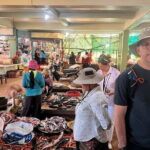
Expect photo stops and a guided market experience where you learn about Cambodian specialties. That’s the key phrase: specialties. Instead of generic souvenirs, you’re learning what people actually eat, cook with, and look for locally.
In at least one experience, the guide helped visitors taste a few things during the market portion. That simple detail makes the market feel active. You’re not just buying. You’re learning what flavors and textures to expect, and you can decide what’s worth taking home.
A practical tip: treat market time like a conversation, not a scavenger hunt. Ask questions and try one or two items you’re genuinely curious about. That way you leave with a few good buys instead of a bag full of maybes.
You can also read our reviews of more tours and experiences in Siem Reap

How the Tuk-Tuk Transfer Fits the Whole Experience
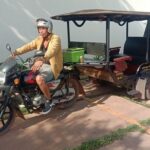
The tour uses tuk-tuk transportation with short rides. You’ll be picked up or meet at the start point, then transferred for a ride that’s brief enough to keep you from feeling like you’re spending your whole day in transit.
Timing is also designed to support the ceremony. The whole experience runs 2 to 5 hours, so it’s not an all-day commitment. You also get a practical structure: you go out to the pagoda, you do the blessing, then you return to Siem Reap for the market-focused part.
One small logistical detail I appreciate: pickup is optional, and if your hotel pickup is included, the guide and driver pick you up 30 minutes before departure. That’s enough time to get everyone together without rushing you out the door.
If you’re combining this with temple time, keep the water ritual early enough that you can still enjoy dinner and evening plans afterward. You’ll likely want time to relax after the ceremony, especially if you choose the longer head-pour blessing.
Price and Value: Why $19 Can Make Sense Here
At $19 per person for a 2–5 hour experience, the first question is usually whether you’re paying for a gimmick or something real. In this case, the value comes from what’s included versus what’s optional.
You get a live guide, tuk-tuk transfer, a sarong, a donation to the pagoda, and a market visit. Those items are the backbone of the experience. The donation matters because it supports the religious setting you’re participating in—not just a venue you’re passing through.
You also avoid the usual “you pay extra for everything” feeling. You’re paying for the full flow: ceremony support plus cultural time in the market.
What you don’t get is personal spending—shopping costs are on you, like most market experiences. If you go in with a clear idea of what you’d like to buy (snacks, small gifts, spices), budgeting is easy. If you wander without a plan, markets can turn into impulse shopping.
For me, this tour feels like good value if you want two things at once: a respectful ritual and a guide-led look at local daily life.
Who Should Book This (and Who Might Skip It)
This is a great fit if you want something more personal than temple sightseeing. If you’re the type of traveler who likes religious sites but also likes understanding them, you’ll probably enjoy the ceremony explanations.
It also works well if you prefer small-group settings. The tour notes small group available, which usually means less waiting and a more comfortable pace through both the pagoda and market portions.
You might consider skipping or choosing the shorter ritual if:
- you really dislike the idea of water on your head (even with the sarong provided),
- you’re looking for purely scenic photo stops with no active participation,
- you want a longer day of temples instead of a cultural blend of ritual plus market time.
If your goal is learning Cambodian culture through an actual community ritual and then seeing the local marketplace where people live and eat, this tour matches that perfectly.
Practical Tips So You Feel Comfortable During the Blessing
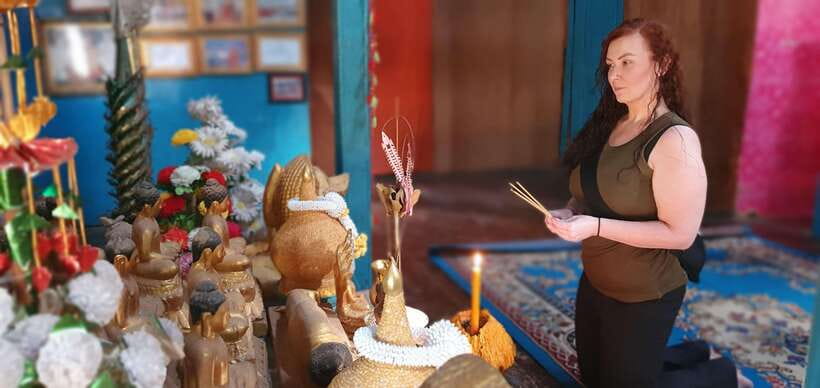
A few practical things help you get the most out of the experience without stress.
First, think about clothing like this: you’ll be offered a sarong for the longer head-pour option. That’s meant to keep your clothing dry, but still plan to wear something you’re okay with being close to water-adjacent moments. If you choose the shorter blessing, it’s typically lighter sprinkling rather than full pouring.
Second, be ready to slow down your phone behavior. This isn’t a crowd-bustling spectacle. It’s a ceremony. You’ll enjoy it more if you keep your attention on the chanting and the guide’s explanation, not just on capturing everything.
Third, during the market part, decide what you want from the market: food tastes, small Cambodian items, or souvenirs. When you have a target, shopping feels fun instead of time-consuming.
Finally, since alcohol and drugs aren’t allowed, keep your day clear-headed. You’ll likely want to feel present during the blessing.
Should You Book the Siem Reap Cambodian Buddhist Water Blessing and Market?
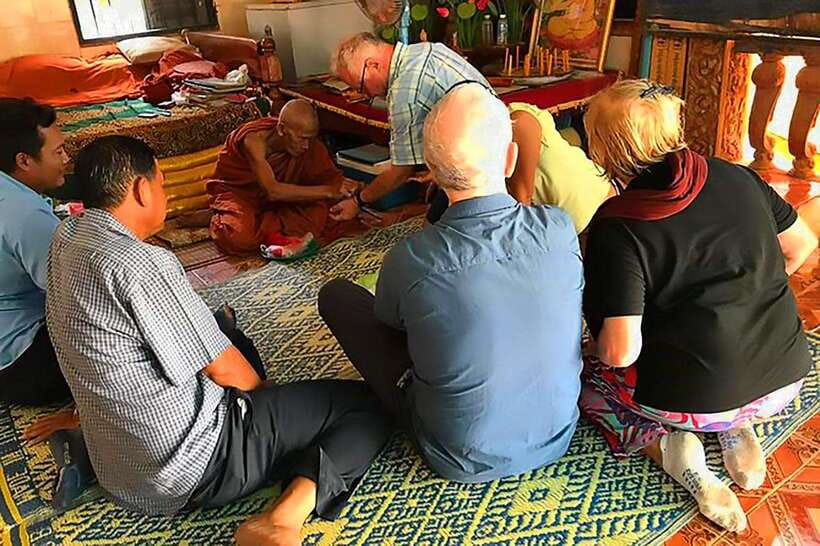
Book it if you want a morning or afternoon that blends meaningful participation with a real look at local Cambodia. The main strengths are clear: a guided ceremony that explains what’s happening, a choice between two blessing styles, and market time that’s guided enough to feel educational instead of random.
I’d skip it only if you know you won’t enjoy ritual participation or if water on your head would make you tense. If you choose the short blessing option, the experience stays respectful but feels gentler physically.
If you’re in Siem Reap and you want one activity that’s both spiritual and practical—something you’ll remember because you were part of it—this is a strong pick.
FAQ
How long does the Siem Reap Buddhist water blessing and market tour take?
The tour lasts between 2 and 5 hours, depending on the starting time and flow of the day.
Where does the water blessing take place?
The water blessing happens at an ancient pagoda in the countryside just south of Siem Reap.
What kind of blessing do I receive?
You receive a sacred Buddhist water blessing during the ceremony performed by monks living at the pagoda.
Are there different types of water blessings to choose from?
Yes. You can choose between a shorter blessing with chanting and a light sprinkling of water, or a longer ritual where blessed water is poured over your head while monks chant.
Will I need to change clothes for the longer ritual?
For the longer head-pour ritual, you are provided a sarong to change into so your clothing stays dry.
What happens after the blessing?
After the blessing, you’ll visit the local market area with guided time for shopping, viewing, and walking.
What’s included in the price?
Included items are a tour guide, tuk-tuk transfer, sarong, donation to the pagoda, and a market visit.
What languages are the guides available in?
The live tour guide is available in English, Chinese, and Cambodian.
Is hotel pickup available?
Pickup is optional. The guide and driver will pick you up from your hotel about 30 minutes before departure if you provide your hotel address or contact details.
Is alcohol allowed during the tour?
No. Alcohol and drugs are not allowed.