REVIEW · SIEM REAP
Angkor Wat Sunrise and Market Tour by Jeep
Book on Viator →Operated by Asean Angkor Guide · Bookable on Viator
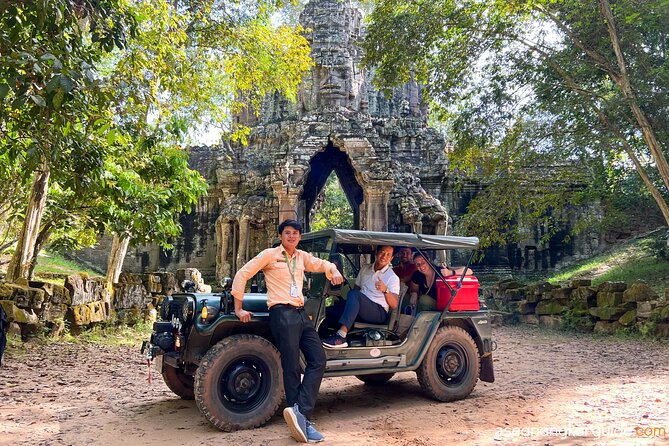
Sunrise at Angkor Wat makes time feel different. This jeep tour strings together the big-name sights and a more personal village food pause, all with an English-speaking guide and an experienced driver. I especially like the early start for first-light views and the mix of major temples with smaller stops like Ta Nei. The only real drawback to plan around is that the Angkor pass is not included, and the day can feel physically demanding with lots of walking.
You’ll start from your Siem Reap hotel in a private jeep and head straight out while it’s still cool. The tour runs about 7–8 hours, with breakfast plus seasonal fruit and fresh coconut. For many people, it hits the sweet spot: enough time to see a lot without you ending up in temple fatigue by mid-morning.
If you want a tight temple route with a calm, guided pace—and you don’t mind getting up early—this is a smart choice. It’s also a good fit if you prefer being in your own small group, since the tour is private for your group.
In This Review
- Key highlights you’ll actually feel
- Why the Angkor Wat sunrise start changes the whole day
- Jeep pickup and comfort: the part most people underestimate
- Angkor Wat at first light: what you should plan to do in 2 hours
- The Srah Srang village stop: a real food break, not just a pit stop
- Pre Rup to Ta Prohm: shifting from Hindu temple views to root-and-tree magic
- Ta Nei and the quieter side of Angkor
- Angkor Thom: the temple-city hits in a single guided sweep
- What’s included (and what you still need to pay for)
- Price and value: $80 is more than just transport
- Who this Angkor Wat sunrise jeep tour is best for
- Should you book this tour? My practical verdict
- FAQ
- FAQ
- Is the Angkor pass included in the tour price?
- What’s included with the $80 tour price?
- Do I need to pay for temple admission during the tour?
- How long is the tour?
- Do they pick you up from your hotel?
- Is this tour private?
- What food is provided on the tour?
- Can I cancel for a full refund?
- Where does the tour start and end?
Key highlights you’ll actually feel
- Sunrise at Angkor Wat in a structured, photo-friendly timeline
- English-speaking guides praised for history and great photo help (Jan, August, and Mr. David are mentioned in reviews)
- Local food stop at Srah Srang with rice noodles in fish-green curry soup and palm cake
- Ta Prohm in its original, root-and-tree setting
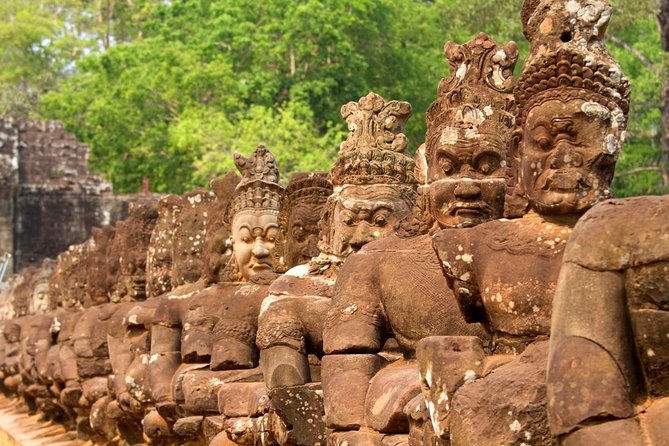
- Big hits at Angkor Thom: Bayon, Terrace of the Elephant & Leper King, and the Ghost Gate
- Breakfast plus water, towels, seasonal fruit, and fresh coconut included
Why the Angkor Wat sunrise start changes the whole day
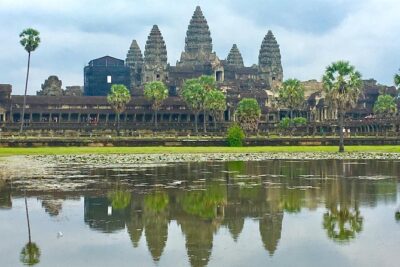
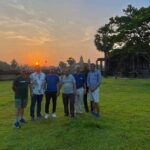
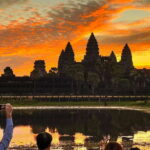
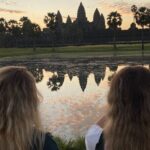
Angkor Wat works at two speeds: magical at first light, and crowded later. Starting early is the point here. You’re picked up from your hotel and taken straight to the temple when the sky is turning and the stone surfaces start to glow.
I like how the tour is built around a defined sunrise visit (about two hours there). That matters because it turns a once-in-a-lifetime idea into something practical: you’re not wandering for hours hoping you’ll catch the right angle. You also get time to slow down for photos instead of just treating sunrise like a quick stop on the way to the next thing.
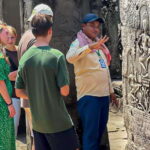
One more detail I appreciate: the tour makes room for a proper photo moment. In reviews, guides such as Jan, August, and Mr. David are singled out for helping people with pictures after the early start. That’s a small thing until you’re standing there with your camera set wrong and everyone else is already moving. (Don’t be that person.)
You can also read our reviews of more shopping tours in Siem Reap
Jeep pickup and comfort: the part most people underestimate
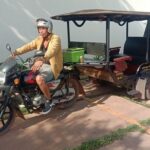
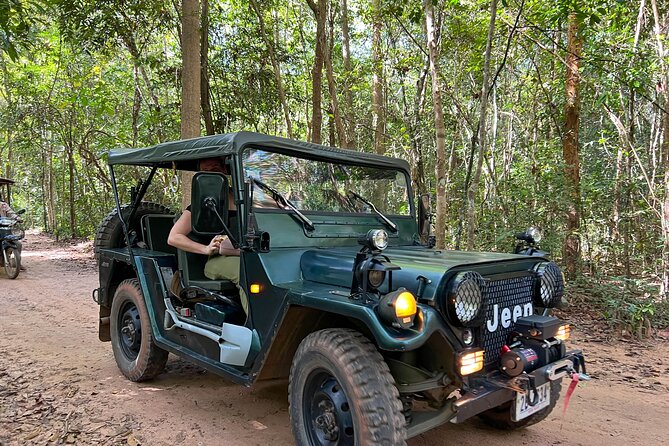
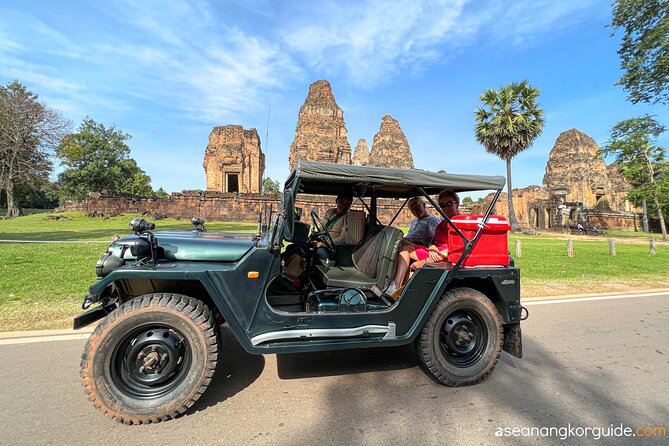
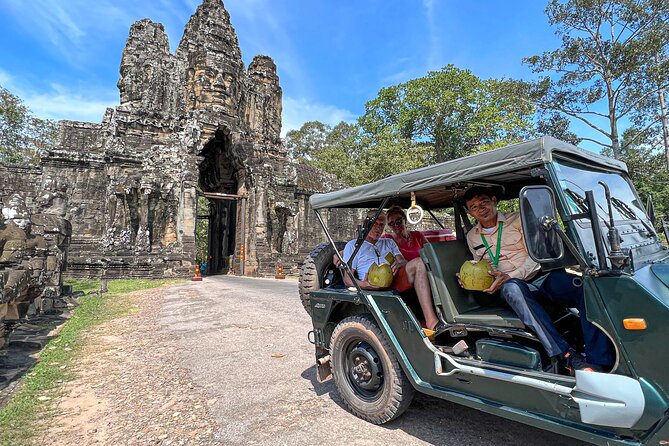
A lot of Angkor tours look the same on paper. The jeep ride is where this one feels different, mainly because you get hotel pickup and drop-off by jeep. That saves you time figuring out transport before sunrise and again at the end of the day.
You’re traveling with a private vehicle and an experienced driver, so the route flows. The tour runs roughly 7–8 hours, which means you’ll be in motion more than you might expect if you’re used to casual sightseeing. Bring comfortable shoes and plan for a long morning and early afternoon of stairs and uneven stone.
The tour also includes cool bottled water and towels during the day. That’s not flashy, but it helps. In Siem Reap, that simple “we thought about you” detail can make temple walking feel way less rough.
Angkor Wat at first light: what you should plan to do in 2 hours
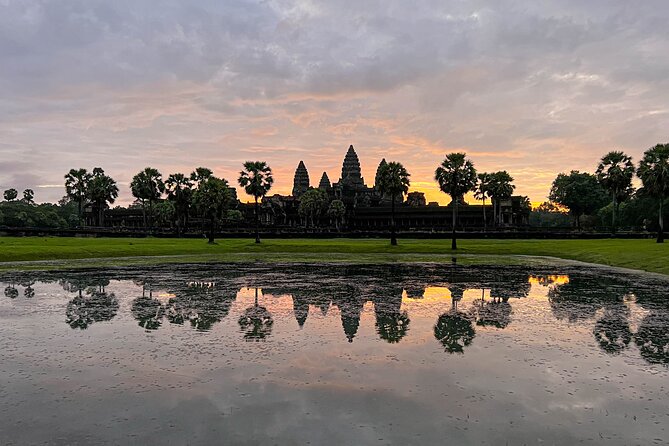
Angkor Wat is the star, and the timeline reflects that. You’ll arrive specifically for sunrise, then spend about two hours inside the complex.
Here’s how I’d use that time if I were optimizing for photos and still enjoying the place:
- Give yourself a minute to find your bearings before you commit to one perfect view.
- Spend the first chunk watching the light change, not chasing every spot.
- Save your deeper exploring for the later part of the visit, when you can move without worrying about the sky.
Important cost note: the Angkor pass is not included in the price. So if Angkor Wat is your priority, budget for the pass before you go. The tour does not list Angkor Wat admission as included, and the main pass is explicitly labeled as extra.
Also, the tour description focuses on sunrise, so don’t expect a slow breakfast-and-ramble start. You’re up, you’re moving, and you’re ready to see stone temples in their best lighting.
The Srah Srang village stop: a real food break, not just a pit stop
After Angkor Wat, you get a short village break at Srah Srang (about 45 minutes). This is one of the best parts of the day because it breaks the temple-only rhythm.
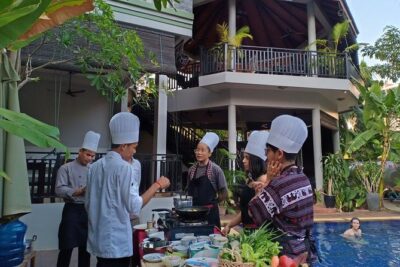
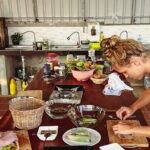
The tour includes an authentic meal prepared by a local family host: Cambodian rice noodle with fish-green curry soup and traditional palm cake. It’s not a fancy “tourist lunch” vibe. It’s a chance to slow down, eat something locally specific, and reset before more temples.
There’s also an admission ticket included for this stop. So if you’re watching costs, Srah Srang is one of the few pieces that is clearly bundled into what you pay for the tour.
Practical advice: eat, take a breath, and then head back out. This stop is designed to give you energy for what comes next—especially the trek-like feel of Ta Prohm.
Pre Rup to Ta Prohm: shifting from Hindu temple views to root-and-tree magic
Next up is Pre Rup (about 45 minutes). It’s a Hindu temple at Angkor, built as the state temple of Khmer king Rajendravarman, dedicated in 961. You don’t need to memorize dates to enjoy it, but knowing it’s tied to a specific ruler and era helps you read the place instead of just looking at it.
Pre Rup is also a good temperature and stamina transition. You move from the big, iconic sunrise moment into a temple that feels a little more grounded—less “grand stage” and more “standing inside the past.”
Then comes Ta Prohm (about 1 hour). This is the jungle-enveloped temple left in its original state, partly overgrown with massive trees and roots. The look is famous for a reason, but what makes it work on this tour is pacing. You’re not sprinting through; you get enough time to walk the paths and take in the scale of the roots without feeling completely rushed.
One consideration: roots, steps, and uneven surfaces mean you should move carefully. Bring shoes with grip. This part of the day can be the most physically tiring, even if it’s also the most visually dramatic.
You can also read our reviews of more tours and experiences in Siem Reap


Ta Nei and the quieter side of Angkor
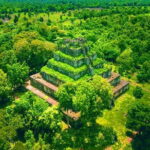
After Ta Prohm, you’ll visit Ta Nei (about 30 minutes). This is a late 12th-century stone temple connected to the reign of king Jayavarman VII, dedicated to the Buddha. It sits near the northwest corner of the East Baray, a large holy reservoir.
Ta Nei is the kind of stop that makes the whole tour feel balanced. You get one of the “less photographed” temples after the big wow factor of Ta Prohm. That contrast helps you avoid the sense that every stone is the same stone.
Because the time here is shorter, treat it like a careful scan: look at the details while you’re there, then move on. If you linger too long, you’ll rush later at Angkor Thom.
Angkor Thom: the temple-city hits in a single guided sweep
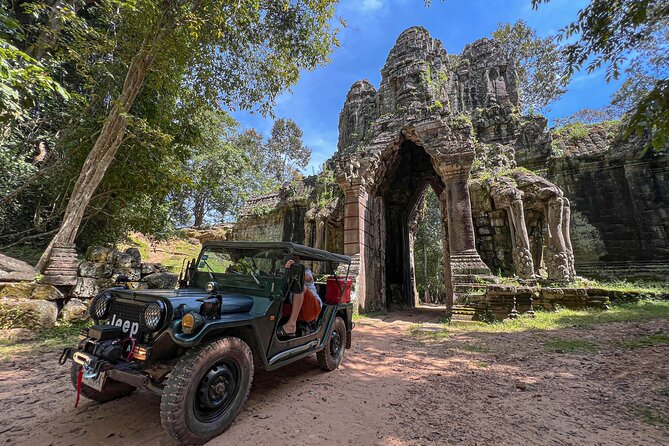
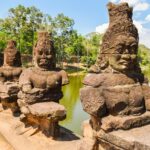
The day closes with Angkor Thom (about 2 hours), the ancient capital city of the Khmer Empire. You’ll see multiple key sights in one block, including:
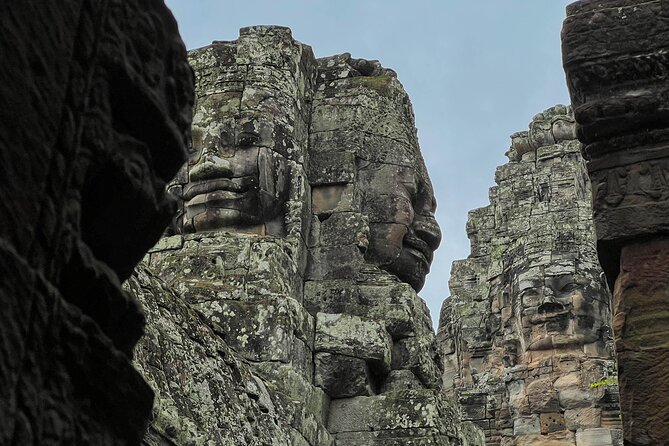
- Bayon temple
- Baphoun temple
- Phimeanakas temple
- The Terrace of Elephant & Leper King
- The Ghost gate of Angkor Thom city
This section is valuable because it helps you connect the dots. Bayon is the face-recognition part of Angkor Thom, while other areas shift the focus to architecture and ceremonial spaces. The Terrace of Elephant & Leper King is a reminder that Angkor wasn’t just temples for worship—it was also a place of display, power, and meaning.
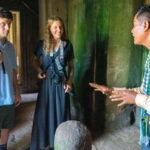
The Ghost Gate is the kind of detail that sticks in your memory. It’s also the kind of spot where a good guide helps you notice what you’d otherwise miss. In the reviews, people describe guides going out of their way with context and photos, and that kind of guidance really matters at multi-stop areas like this.
After Angkor Thom, you’ll head back to Siem Reap with about 40 minutes of return time.
What’s included (and what you still need to pay for)
The tour includes a lot of practical “you’re covered” items:
- English-speaking tour guide
- Private jeep with an experienced driver
- Hotel pickup and drop-off
- Breakfast
- Cool bottle of water and towels
- Seasonal fruit and fresh coconut
- A local food stop at Srah Srang (with rice noodles, fish-green curry soup, and palm cake)
What’s not included:
- Angkor pass ($37 per person)
- Lunch and soft drinks
That price structure is pretty common for Angkor tours, but it still changes your real budget. If you’re comparing options, add the pass to the headline price so you’re comparing apples to apples. This tour starts at $80 per person, but the Angkor pass brings the mandatory spend up.
Mobile ticket is listed as a feature. That can simplify things if you like having everything ready before you arrive.
Price and value: $80 is more than just transport
For many people, the biggest “hidden cost” in Angkor isn’t money—it’s time. This itinerary saves you that time by packaging the sunrise visit plus multiple major temples in one guided day. You’re also not responsible for hiring separate guides per temple.
You’re paying for:
- A dedicated early-morning setup for sunrise
- Jeep transport between distant sites
- A guide who can explain what you’re looking at (and help with photos, based on review feedback)
When a tour includes breakfast, water, towels, fruit, and fresh coconut, you spend less time hunting for basic needs mid-day. That matters because Angkor days already feel like a marathon.
The main value warning is simple: budget for the Angkor pass. If you forget it, you’ll feel it later in your day.
Who this Angkor Wat sunrise jeep tour is best for
This tour works best if you:
- Want a structured day with a lot of major sights
- Prefer a private group experience instead of joining a huge crowd
- Like having a guide who can connect temple details with practical directions and photo stops
- Don’t mind early mornings in exchange for first-light Angkor Wat
It may be less ideal if you:
- Need a very relaxed pace (there are multiple temple stops across 7–8 hours)
- Have mobility concerns, since you’ll be walking and moving between sites on older stone surfaces
Still, the tour notes that most travelers can participate, so it’s generally designed for a wide range of visitors—just plan for temple walking.
Should you book this tour? My practical verdict
If your top priority is Angkor Wat at sunrise plus a full sweep of key Angkor sites without organizing multiple parts yourself, I think this is a strong pick. The included extras—breakfast, water, towels, fruit, and fresh coconut—add real comfort value, and the Srah Srang food stop gives you a break that feels local rather than generic.
I’d book it if you’re okay paying for the Angkor pass separately and you want a guided, jeep-based route that keeps the day organized. If you’re specifically hunting for a market stroll, the name suggests that, but the detailed flow you’re given is temple-focused with a village meal stop—so it’s worth confirming what market segment you’ll actually see before you commit.
FAQ
FAQ
Is the Angkor pass included in the tour price?
No. The Angkor pass ($37 per person) is listed as not included, so you should plan to buy it separately.
What’s included with the $80 tour price?
The tour includes an English-speaking guide, jeep with an experienced driver, hotel pickup and drop-off, breakfast, cool water and towels, seasonal fruit, and fresh coconut.
Do I need to pay for temple admission during the tour?
The Angkor pass is not included. Admission ticket details are listed per stop, with Srah Srang indicating admission included, while several other stops show admission not included.
How long is the tour?
The duration is listed as approximately 7 to 8 hours.
Do they pick you up from your hotel?
Yes. Hotel pickup and drop-off by jeep is included.
Is this tour private?
Yes. It’s listed as private, meaning only your group participates.
What food is provided on the tour?
You get breakfast, plus seasonal fruit and fresh coconut. At Srah Srang, the tour includes rice noodles with fish-green curry soup and traditional palm cake prepared by a local family host.
Can I cancel for a full refund?
Yes. Free cancellation is available up to 24 hours in advance for a full refund.
Where does the tour start and end?
It starts in Krong Siem Reap, Cambodia, and ends back at the meeting point.