REVIEW · SIEM REAP
2 Day Angkor Wat Kulen Mountain Beng Mealea Floating Village Tour
Book on Viator →Operated by BREKSA TRAVEL · Bookable on Viator
4:30am alarm, but the payoff is real. This 2-day Siem Reap tour pairs Angkor Wat sunrise with jungle temples, then finishes on Tonle Sap at a real stilt-house floating village. I also like the way guides such as Mony keep things clear, friendly, and photo-ready as you move from site to site.
You’ll cover a lot of Cambodia’s big names in just two days: Angkor Wat and Ta Prohm on Day 1, then Kulen Mountain and Beng Mealea on Day 2. The itinerary also includes a couple of countryside moments, like breakfast away from the main tourist strip and a palm cake stop in a nearby village.
One thing to consider: this is a packed route with early starts and walking on temple steps, uneven ground, and hot sun. If you want a slow, sit-down pace, you might feel the schedule tightening.
In This Review
- Key things I’d plan for
- Two Days That Start Before Breakfast: How the Timing Works
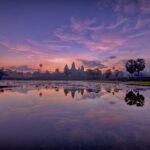
- Entering Angkor Wat at Sunrise: The Best Reason to Join
- Day 1 After Angkor: Ta Prohm and the Jungle Temple Feel
- Angkor Thom and Bayon: Reading the Faces and the Layout
- Day 1 Countryside Stops: Srah Srang Breakfast and Preah Dak Palm Cake
- Day 2 Begins With Views: Poeng Ta Kho and the Cliff Overlook
- Kulen Mountain’s Sacred Stops: Reclining Buddha and 1000 Lingas
- Phnom Kulen Waterfall Pools: When the Tour Lets You Cool Off
- Beng Mealea After Lunch: Letting Nature Reclaim the Stones
- Kompong Phluk on Tonle Sap: Boat Ride to Floating Village Life
- Price and Value: Why $88 Might Be a Bargain for the Right Person
- Who Should Book This Tour (and Who Might Want a Different Style)
- Should You Book This 2-Day Angkor Wat, Kulen, Beng Mealea, and Kampong Phluk Tour?
- FAQ
- What time does pickup start for Angkor Wat sunrise?
- Does the tour include hotel pickup and drop-off?
- Are admission tickets included?
- What meals are included?
- Is there a vegetarian meal option?
- How long are the two days?
- What’s included for comfort during excursions?
- How many people are in the group?
- Can I cancel for a full refund?
- Is anything not included?
Key things I’d plan for
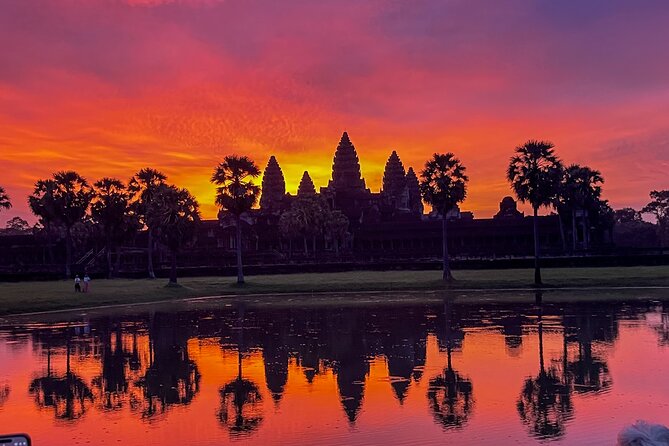
- 4:30am pickup timing to catch Angkor Wat at sunrise
- Small group size (up to 14 people) for a more manageable experience
- English-speaking guiding with hands-on photo help, including guides like Mony and Chiep Chy
- Kulen Mountain stops like the reclining Buddha and the 1000 Linga riverbed carvings
- A real break in the day for water time at Phnom Kulen waterfall pools
- Boat ride into Kampong Phluk on Tonle Sap for stilt-house village life
Two Days That Start Before Breakfast: How the Timing Works
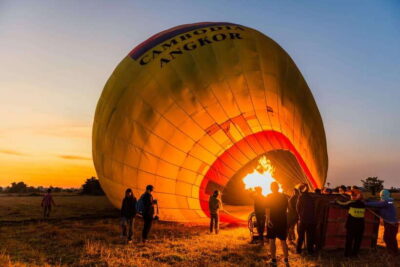
This tour is built around the same rule that makes Angkor special: go early. Your first day begins with hotel pickup around 4:30 AM, so you can reach Angkor Wat for sunrise. That means you’re trading sleep for softer light, fewer people, and better photo timing before the big crowd wave shows up.
Day 1 is a long but structured run: temple morning, then more temples, and you’re back in Siem Reap by about 1:00 PM. Day 2 pushes again, with a later end time—around 6:30 PM—so you get a full day in the countryside before dinner plans back in town.
The most practical takeaway? Plan your mindset. If you show up expecting a relaxed stroll with lots of free time, you’ll be disappointed. If you show up ready to see a lot while your guide handles the pacing, this plan works.
You can also read our reviews of more tours and experiences in Siem Reap


Entering Angkor Wat at Sunrise: The Best Reason to Join
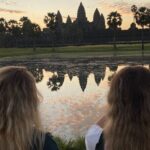
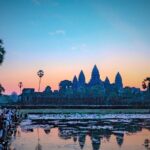
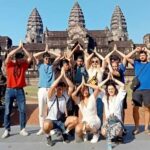
Angkor Wat at dawn is one of those places where time of day matters as much as the view. The tour has you visit Angkor Wat for sunrise, then explore with a guide while the light is still good. There’s a clear benefit here: you get the iconic views first, and your guide can help you move through the complex without wasting time.
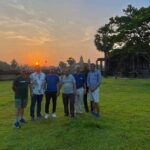
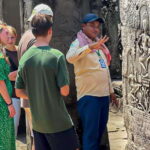
Your guide is also part of the value. In service notes and firsthand-style feedback, guides such as Mony are repeatedly described as passionate and patient, including taking photos for you. That matters because Angkor Wat isn’t a one-photo stop. If you try to wing it alone, you’ll spend energy figuring out where to stand rather than enjoying the place.
Practical tip: sunrise photos mean you’ll be on your feet before the heat arrives. If you’re sensitive to sun, it helps that guides like Chiep Chy have shown they’ll check in if someone feels unwell in direct sun and adjust how they manage outdoor time.
Day 1 After Angkor: Ta Prohm and the Jungle Temple Feel
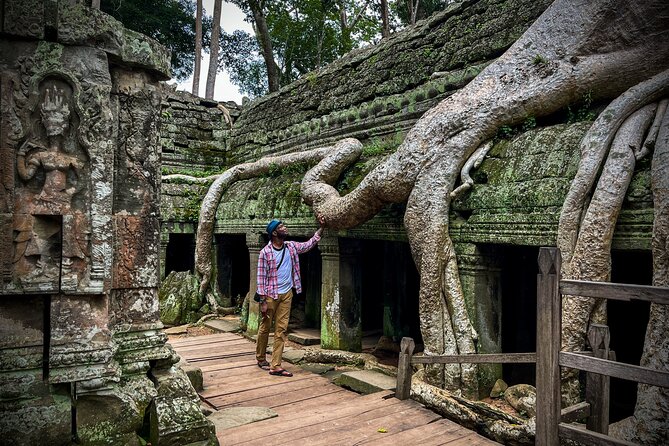
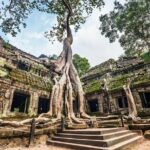
After Angkor Wat, you continue into more of the “jungle meets ancient stone” side of Angkor. The standout here is Ta Prohm, the temple that’s partly left in an overgrown state, with massive roots wrapping around structures.
This is where the tour feels most different from a basic Angkor checklist. Ta Prohm is the kind of place where the mood changes as the light changes. Morning brightness makes the roots look dramatic; later in the day, shadows can make the whole scene more mysterious. With a guide, you’ll also get the context for why the site looks the way it does—so you’re not just staring at cool trees.
The potential drawback is also here: Ta Prohm involves walking over uneven surfaces and paths that can feel slippery or tiring when it’s hot. If your knees don’t love stairs or you hate crowds, wear good shoes and keep your pace steady. You’ll enjoy it more that way.
Angkor Thom and Bayon: Reading the Faces and the Layout
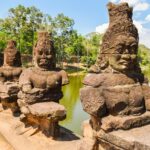
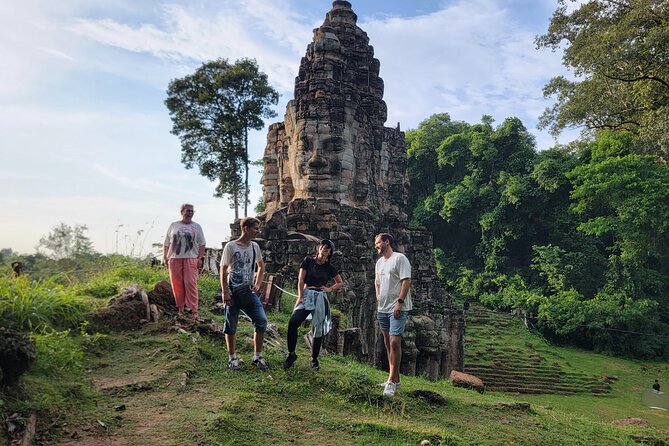
Next up is Angkor Thom, including the Bayon and Baphoun temples. The tour spotlights the famous “smiling faces” and the scale behind them—54 towers and 216 faces of Avalokesvara are part of what you’ll hear as you move through.
This is another point where a good guide helps you see more than the obvious. Even if you’ve seen photos, the temples make more sense when you understand the layout: where you are, what each area was for, and how the artwork connects to the bigger temple system.
You’ll also visit the Terrace of the Elephant and other nearby areas around the complex. The value here is time management. Without guidance, it’s easy to get disoriented among gates, courtyards, and overlapping viewpoints.
Wear breathable clothing and keep water habits in mind. The day is already moving fast by the time you reach Angkor Thom, so this is not the moment to “tough it out” if you’re feeling heat fatigue.
Day 1 Countryside Stops: Srah Srang Breakfast and Preah Dak Palm Cake
Not every minute on this tour is about stone temples. A big part of the Day 1 flow includes a countryside break that helps you reset.
You’ll enjoy breakfast at a local family restaurant in Siem Reap countryside after Srah Srang. Breakfast on the tour includes what you need to keep going, and it also adds a bit of local texture—this is Cambodia beyond the temple perimeter.
Then there’s a short stop in Preah Dak village, where you can try a traditional palm cake. It’s brief—about 20 minutes—but it’s exactly the kind of stop that makes the tour feel less like a bus ride from one landmark to the next.
One caution: because the tour keeps moving, these countryside stops are not long meal breaks. If you’re the type who likes lingering, don’t book this expecting a slow café day.
Day 2 Begins With Views: Poeng Ta Kho and the Cliff Overlook
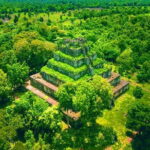
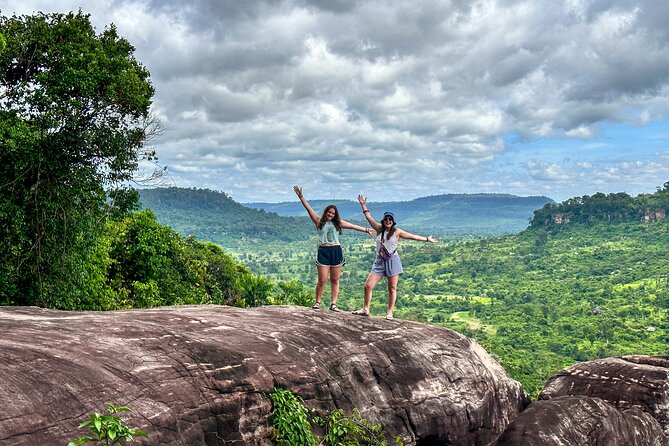
Day 2 is built around nature, and it kicks off with Poeng Ta Kho, an “amazing cliff” viewpoint. You get panoramic views across canyons and forests, and the walk from the parking area is short.
This stop is a smart warm-up. It’s not as physically demanding as some temple sections, and it sets the tone for the day: you’re swapping flat temple courtyards for big open sky and distant green.
It’s also the kind of spot where your guide’s timing matters. If you arrive when the light is right, the viewpoint looks dramatic. If clouds roll in or it’s too harshly bright, you’ll still get the shapes, but photos may be harder.
Kulen Mountain’s Sacred Stops: Reclining Buddha and 1000 Lingas
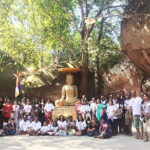
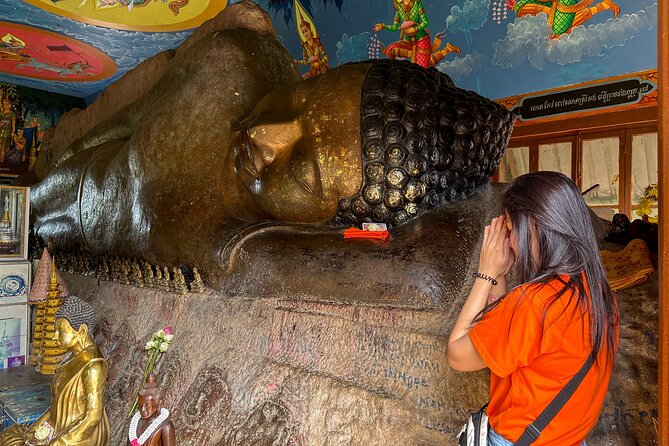
Kulen Mountain is where the spiritual side of the region comes into focus. You’ll visit Preah Ang Thom pagoda, known for an 8-meter reclining Buddha carved into the mountainside. It’s also described as a pilgrimage climb that locals treat as sacred space. You’ll see signs of devotion such as incense lighting and quiet prayers offered by monks and families.
Next is the 1000 Lingas, where carvings sit in the riverbed—sacred fertility symbols carved by 11th-century priests. This stop feels different from temple carvings above ground. Seeing the carvings in the water setting is what makes it memorable, because it connects the artwork to how the place functions.
As a practical matter, these stops involve time outdoors. Even when the day feels scenic, you’ll want sun protection and a calm pace. If you’re prone to feeling ill in heat, this is one more reason to be grateful you’ll have a guide who pays attention, like Chiep Chy did for a guest who felt unwell in direct sun.
Phnom Kulen Waterfall Pools: When the Tour Lets You Cool Off
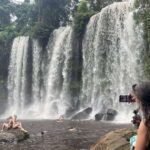
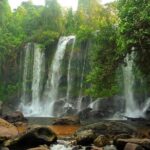
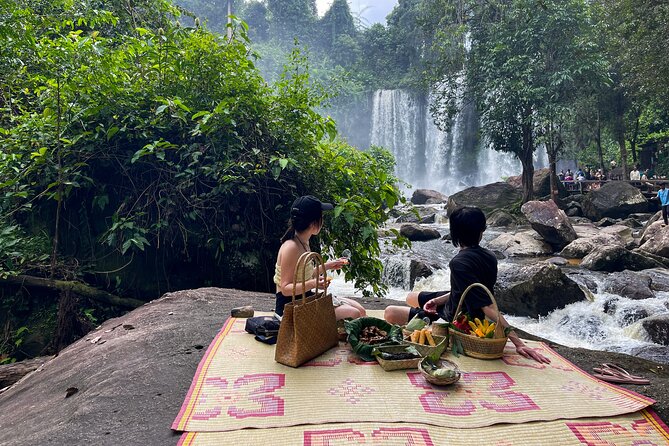
This is the moment many people book for: Phnom Kulen Waterfall and the chance to enjoy the pools. The tour describes crystal-clear pools fed by mountain water filtered through limestone, with smooth rocks that work well for a picnic. Waterfalls provide a constant sound backdrop, which makes the area feel like a real break rather than another quick viewpoint.
Then comes the part people remember later: swimming, in cold mountain water. Not everyone will be into it, but it’s great that the tour gives you the option.
Practical tip: if you want to swim, bring a simple plan—quick towel access and shoes that handle wet surfaces. The tour includes cool water and towels during excursions, but it’s still smart to be ready for getting wet and drying off.
Also, keep expectations realistic. Water time is time-limited; this isn’t a resort stay. Think of it as refreshing and scenic, not a long leisure day.
Beng Mealea After Lunch: Letting Nature Reclaim the Stones
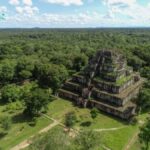
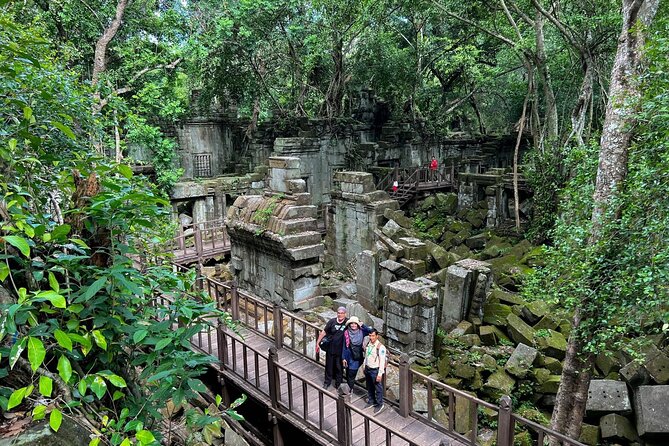
After lunch, you go to Prasat Beng Mealea, a temple that’s described as nature’s takeover version of what Angkor might look like if left more to the jungle. Built in the 12th century, it’s wrapped in vegetation and roots, and the structures don’t feel as “restored and polished” as some of the famous Angkor sites.
This is exactly why it fits well into a two-day itinerary. It’s still Angkor-related, but it changes the vibe. Instead of perfectly aligned courtyards and heavily managed pathways, Beng Mealea feels more rugged and in-progress.
The drawback: rugged also means more uneven walking. If you’re tired from the earlier day, pace yourself. Your guide’s direction matters here because you’ll want to move safely over stone and through areas that look stable but may not be level.
Kompong Phluk on Tonle Sap: Boat Ride to Floating Village Life
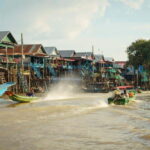
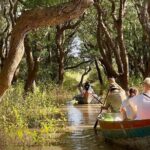
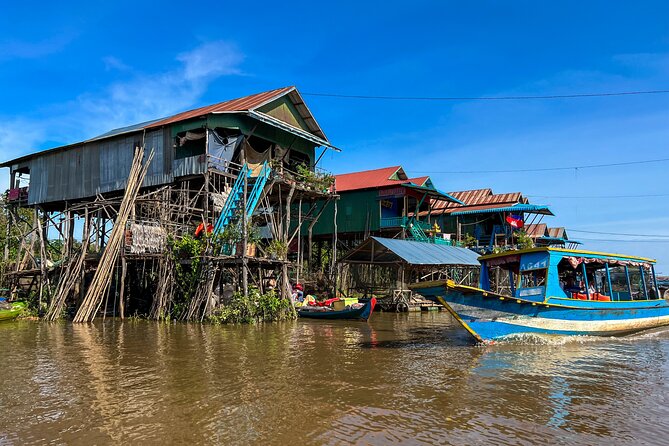
The final stretch is Kompong Phluk, a floating village on Tonle Sap Lake. The tour includes a scenic boat journey to reach the area and see stilt houses in mangrove surroundings. The focus is on authentic village life—families living on the water—and then a visit to a Buddhist site within the village area.
This stop has a different emotional feel than the temple days. Temples are timeless monuments; a floating village is everyday life. It’s also one of those experiences where your guide can help you understand what you’re seeing without turning it into a lecture.
One thing to remember: boat rides and lake environments can be affected by weather and water conditions. The tour is planned, but nature is nature. Wear something comfortable and keep your phone protected if you’re worried about splashes.
Price and Value: Why $88 Might Be a Bargain for the Right Person
At $88 per person for about two days, this tour is priced like a value-focused group experience. Here’s what you’re paying for beyond the sites themselves:
- Hotel pickup and drop-off for both days
- Professional English-speaking guide
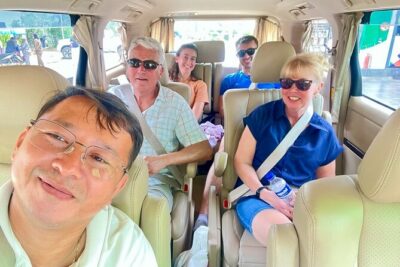
- Transportation with an experience driver
- Breakfast and lunch included
- Cool water and towels during excursions
- All admission tickets for the 2-day tour
- Optional vegetarian meal option
- Mobile ticket, plus group discounts are available
When you add admissions in Angkor and factor in guide time during sunrise, $88 can feel fair—especially if you don’t want to plan routes, buy tickets separately, and figure out transport on your own.
What’s not included is small but real: soft drinks. Bring or budget for water beyond what’s provided if you’re the type who constantly refills.
If you’re a solo traveler who hates bargaining with tuk-tuk drivers, this is where the tour format can save you effort. If you already have your own driver lined up and you’re happy doing sunrise logistics, the value story changes. But for most people on a short stay, it’s a practical deal.
Who Should Book This Tour (and Who Might Want a Different Style)
This tour is a great fit if you:
- Want to see Angkor Wat sunrise, Ta Prohm, and Angkor Thom in one organized flow
- Like the idea of Kulen Mountain stops that are more than photo points
- Enjoy a mix of temples + nature + a floating village boat ride
- Prefer a guide that helps with history and photos, with names like Mony and Chiep Chy showing the tour’s guiding style
- Travel in a small group (max 14 people) and want less chaos than a huge bus
You might want to reconsider if you:
- Hate early starts and long days
- Want tons of free time at each site
- Have mobility issues that make uneven temple ground and climbing uncomfortable
Should You Book This 2-Day Angkor Wat, Kulen, Beng Mealea, and Kampong Phluk Tour?
I’d book it if your priority is getting the big highlights without the mental overhead of planning transport, admissions, and sunrise timing. The strongest reasons are the sunrise schedule, the fact that admissions and meals are included, and the way the guide team is described as patient, friendly, and helpful with photos—exactly what you want when you’re moving fast.
If you’re the kind of traveler who wants a slow, sit-and-stare version of Angkor, you may feel the pace. But if you want a smart two-day circuit that mixes sacred sites, jungle ruins, and lake life, this is a solid choice.
FAQ
What time does pickup start for Angkor Wat sunrise?
Pickup starts around 4:30 AM from your hotel area so you can reach Angkor Wat for sunrise.
Does the tour include hotel pickup and drop-off?
Yes. Hotel pickup and drop-off are included for both days.
Are admission tickets included?
Yes. All admission tickets for the 2-day tour are included.
What meals are included?
The tour includes breakfast and lunch.
Is there a vegetarian meal option?
Yes. A vegetarian option is available.
How long are the two days?
The tour runs for approximately 2 days, with Day 1 ending around 1:00 PM and Day 2 returning to Siem Reap around 6:30 PM.
What’s included for comfort during excursions?
You’ll have cool water and towels during the excursion.
How many people are in the group?
The maximum group size is 14 travelers.
Can I cancel for a full refund?
Yes. You can cancel up to 24 hours in advance for a full refund.
Is anything not included?
Soft drinks are not included.