REVIEW · SIEM REAP
Private Kulen Mountain-Banteay Srei and Kampong Phluk Village
Book on Viator →Operated by Travel to Inspire · Bookable on Viator
Pink temples and floating villages in one day. This private route from Siem Reap strings together Banteay Srei and Phnom Kulen National Park with Kampong Phluk, so you spend your day seeing real places instead of waiting around.
I especially like that the tour includes hotel transfers plus an English-speaking guide who keeps the story clear as the scenery changes. One possible drawback: the big-ticket sights come with add-on fees and temple dress rules, so you’ll want to budget beyond the base price.
In This Review
- Key Things to Know Before You Go
- A Day Trip That Gets You Out of the Siem Reap Crowd Bubble
- Price and Value: What Costs $79 Really Includes
- Hotel Transfers and an English Guide: The Comfort Factor
- Banteay Srei: Pink Sandstone Temple Etiquette and 10th-Century Detail
- Phnom Kulen National Park: Waterfall Time, Thousand Lingas, and the Big Buddha
- Kulen’s Swimming Option: When It’s Worth It
- Kampong Phluk Floating Village: Tonle Sap Views and Stilted-Living Reality
- Community Support: Half the Profits Go to Education
- What Makes This Tour Work for Different Interests
- Small Practical Tips That Make the Day Easier
- Should You Book This Private Kulen, Banteay Srei, and Kampong Phluk Tour?
- FAQ
- Is hotel pickup and drop-off included?
- What is included in the price?
- Are temple and park entrance fees included?
- How much is the boat fee at Kampong Phluk?
- How long does the tour take?
- Is this tour private?
- What should I wear for temple visits?
Key Things to Know Before You Go
- Private, small-group feel: only your group joins, which makes timing and pacing more comfortable.
- Hotel pickup and drop-off: Siem Reap logistics get handled, so you can start sightseeing fast.
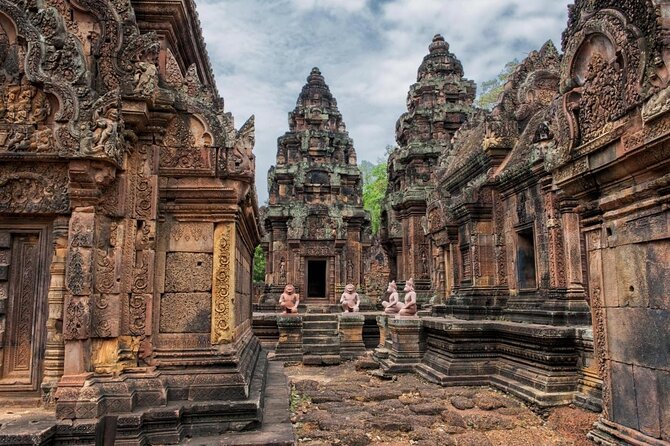
- Banteay Srei’s pink sandstone carvings: a standout 10th-century temple stop with top-tier detail.
- Kulen’s natural sights with culture: waterfalls, a field of thousand lingas, and the Big Buddha statue area.
- Kampong Phluk on Tonle Sap Lake: stilted houses rise and fall with water levels, giving that floating look.
- Your tour supports education: 50% of profits go toward underprivileged student education.
A Day Trip That Gets You Out of the Siem Reap Crowd Bubble
If you like the idea of seeing Angkor-era culture without being stuck in the biggest tourist grid, this route does the job. You start with Banteay Srei, then head into Phnom Kulen’s national park area, and finish at Kampong Phluk on Tonle Sap Lake.
It also has a nice mix: stone carvings and temple rules in the morning, then nature and optional water time at Kulen, then everyday village life at Kampong Phluk. That balance is what makes it work well for different interests in one group.
You can also read our reviews of more private tours in Siem Reap
Price and Value: What Costs $79 Really Includes
The tour price is $79 per person, and it already covers the basics that make a day trip smoother. You get an air-conditioned vehicle, an English-speaking guide, drinking water and cold towels, and hotel pickup and drop-off.
The part to plan for is that several major stops are not included in the base rate. Temple entrance fees are $37 per person, Kampong Phluk has a boat fee of $22 per person, and Kulen Mountain ticket is $20 per person.
Add those up and the listed add-on total is $79 per person. So you should expect an all-in cost of about $158 per person for the core sights, before any personal extras.
Hotel Transfers and an English Guide: The Comfort Factor
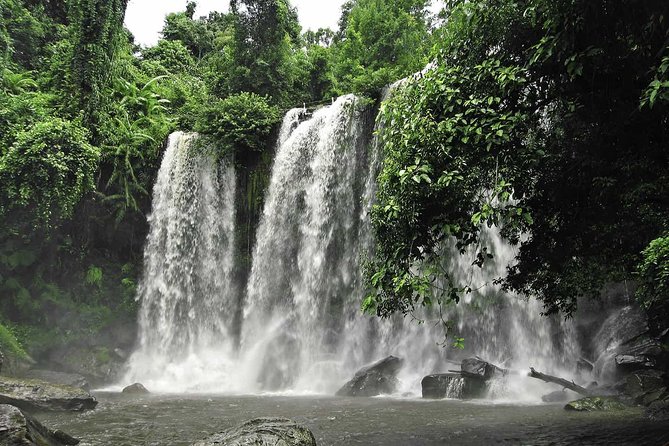
This is one of those tours where the best feature is how little you have to manage. Pickup and drop-off mean you skip figuring out transport timing and meeting points on your own, especially helpful if your first day in Siem Reap already felt like a blur.
The guide is English-speaking, which matters because these places aren’t just photo stops. Temple orientation, what you’re looking at on the stone, and how to move through the park all land better when your explanations are clear.
Banteay Srei: Pink Sandstone Temple Etiquette and 10th-Century Detail
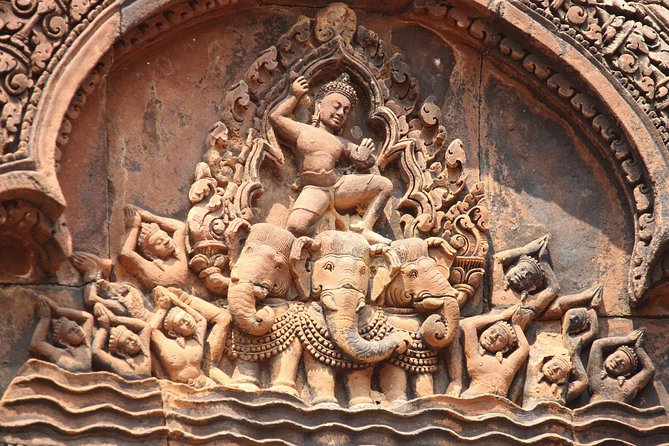
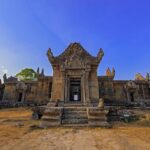
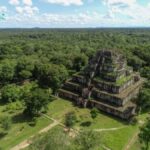
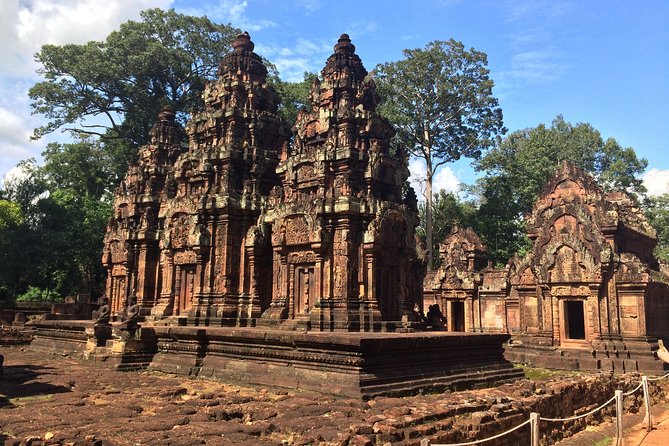
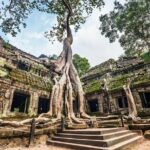
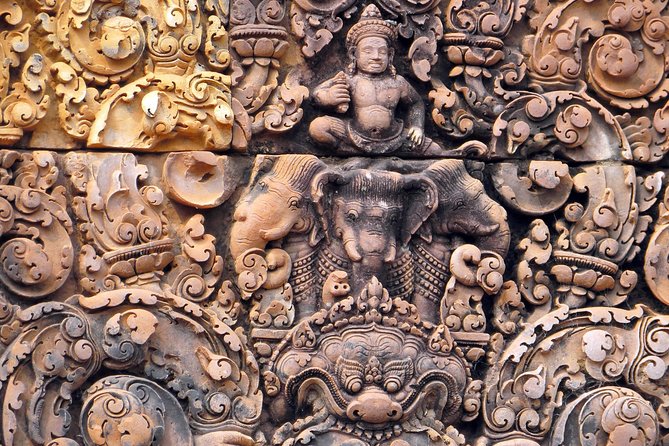
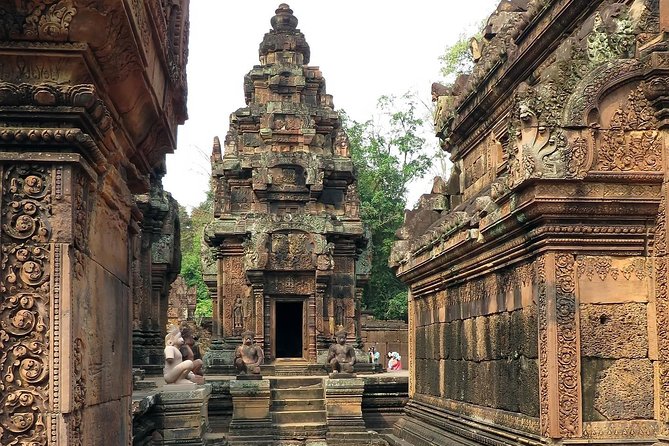
Banteay Srei is the first stop, and it’s a temple people talk about for a reason. It’s built in the 10th century and known for pink sandstone, plus very fine carving that stands out even compared with the mega-famous sites.
There’s also a practical travel note: the drive to reach it is about 50 miles. That means you’ll want to settle in early—this isn’t a quick hop, it’s the start of a real day.
Temple basics you should plan for:
- You must cover your knees and shoulders when entering temples.
- You’ll likely do some walking on uneven surfaces, so comfortable shoes are worth it.
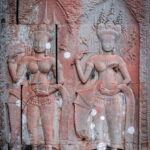
What you’ll enjoy most here is the scale of the carvings. You don’t just see a structure; you see craftsmanship. If you like detail work and the feeling of standing in a quieter corner of the Angkor story, this stop delivers.
A consideration: because it follows a drive and you have multiple stops ahead, going slowly helps. If your group is prone to rushing, gently setting expectations early keeps everyone happier.
Phnom Kulen National Park: Waterfall Time, Thousand Lingas, and the Big Buddha
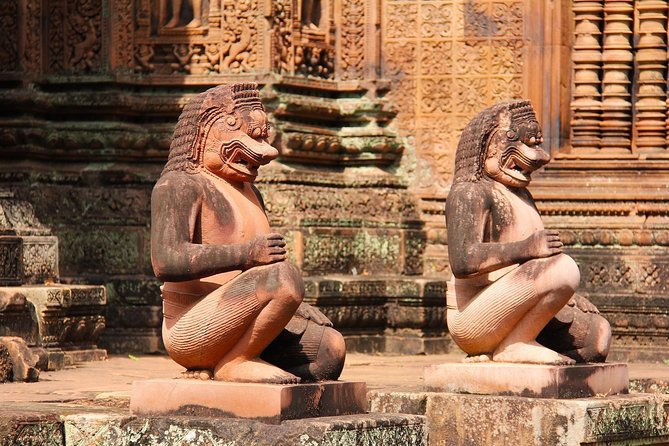
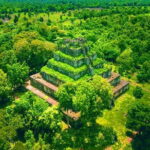
After Banteay Srei, you move into the Phnom Kulen National Park area for a longer stretch—about three hours. Kulen Mountain is formed from sandstone, and it was used as a quarry during the Angkorian period, which adds a layer of context when you look at stonework and carvings elsewhere.
Here are the highlights you can expect:
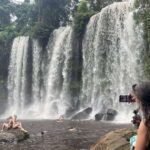
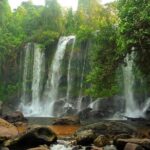
- Waterfall scenery (seasonal impact can affect what you see, but the waterfall area is part of the plan).
- Thousand lingas: a striking section tied to religious practice.
- A Big Buddha statue area.
- Time around local people and village surroundings within the park area.
There’s also the chance to swim. Your schedule sets aside enough time that you can treat this as a break from sitting in a car.
Why this stop matters is that it changes the feel of the day. One minute you’re focused on stone and rules; the next you’re thinking about water, heat, and how the natural setting shapes daily life in the region.
The one practical drawback is energy management. Parks can mean more walking than you expect, and the day is long overall (roughly 5 to 7 hours). If your group doesn’t love uneven terrain, wear shoes you can trust.
Kulen’s Swimming Option: When It’s Worth It
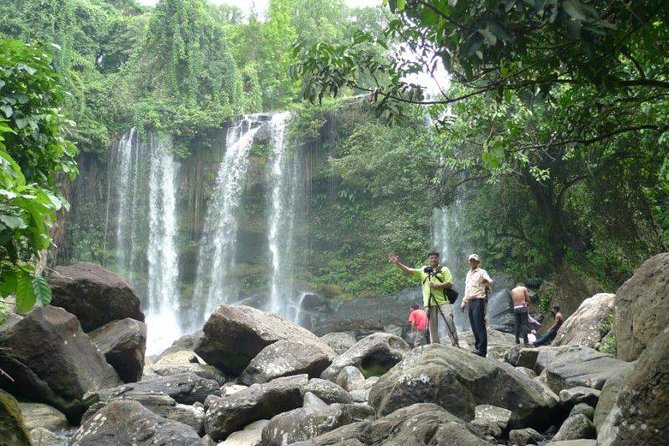
You’ll see that swimming is an option at Phnom Kulen. If that’s your thing, plan for it like you’re adding a mini escape from heat.
A couple smart reminders based on the reality of temple and park days:
- Keep valuables out of sight. The tour advises you not to bring valuables, and that’s good advice for water areas too.
- Think about comfort and coverage. You’re moving between sacred and natural spaces, and the temple dress rule (knees and shoulders) still matters when you transition back.
If swimming isn’t for you, the same time window still works as a nature break. You can enjoy the waterfall area and the monument spots without getting in the water.
Kampong Phluk Floating Village: Tonle Sap Views and Stilted-Living Reality
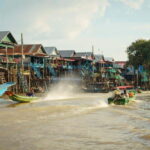
The day ends at Kampong Phluk, a floating village on Tonle Sap Lake near Angkor Wat. Instead of houses literally bobbing around, the village is known for stilted houses that rise and fall with water levels, creating that floating impression.
This area is tied to Khmer fishermen, and the daily-life feel is part of the attraction. It’s less about one grand monument and more about how people live with the lake.
Kampong Phluk also has a boat fee of $22 per person, and that cost is not included in the base price. So you’ll want to treat the boat segment as part of the full experience rather than a surprise expense.
What you’ll like most is the contrast. You’ll finish the day with water views and lived-in culture after a morning of carved stone and a midday focus on national park sights.
What to consider: water areas tend to mean more dust, sun exposure, and movement than temple courtyards. Bring a relaxed attitude and plan your photos, because timing can shift with conditions and how your boat time fits into the day.
Community Support: Half the Profits Go to Education
This tour has a clear community angle: 50% of profits support underprivileged student education. On a day like this, where you’re moving between temples, parks, and lake communities, it’s meaningful to feel connected to more than just your own sightseeing.
I like tours that build support into the price. It’s one of the ways you can make a sightseeing day feel like a two-way exchange, not just extraction for photos.
What Makes This Tour Work for Different Interests
This is a good fit when your group has mixed tastes. If one person loves temple details, Banteay Srei helps. If another person wants nature and a break from crowds, Phnom Kulen gives you waterfalls and the chance to cool off.
If someone just wants scenery and a sense of place, Kampong Phluk adds that lake-living perspective without asking you to be a hardcore history buff.
The private format helps too. Because it’s private, you’re not stuck watching everyone else’s pace, which can be a big deal for temple etiquette moments and for park-time logistics.
Small Practical Tips That Make the Day Easier
A few simple prep moves can keep things smooth:
- Wear comfortable walking shoes. This matters at temples and in park areas.
- Follow the temple dress rule: cover knees and shoulders.
- Don’t bring valuables. Park and boat areas are not the places for expensive items.
- Plan for a full day: roughly 5 to 7 hours, with multiple stops and paid add-ons.
Also, since temple entrance fees, the Kulen Mountain ticket, and the boat fee are separate, keep your budget in mind early so you’re not doing math in the car.
Should You Book This Private Kulen, Banteay Srei, and Kampong Phluk Tour?
Book it if you want a day that mixes temple craftsmanship, natural park time, and Tonle Sap village life without the hassle of coordinating transport yourself. The included guide, air-conditioned vehicle, pickup and drop-off, and basic comfort items like water and cold towels make it a practical choice.
I’d skip it only if your group hates extra fees and prefers everything to be truly all-inclusive. The listed add-ons (temples, Kulen Mountain ticket, and the boat fee) can double your spend compared to the base price, so you need to go in knowing what’s coming.
If you’re looking for a calm, well-paced change from Siem Reap’s busiest zones, this itinerary is built for exactly that.
FAQ
Is hotel pickup and drop-off included?
Yes. Hotel pickup and drop-off are included as part of the tour.
What is included in the price?
The tour includes a local English speaking tour guide, an air-conditioned vehicle, drinking water and cold towels, and hotel pickup and drop-off. It also includes 50% of profits supporting underprivileged student education.
Are temple and park entrance fees included?
No. Temple entrance fees are not included ($37.00 per person). Kulen Mountain ticket is also not included ($20.00 per person).
How much is the boat fee at Kampong Phluk?
The boat fee is $22.00 per person and it is not included.
How long does the tour take?
The duration is approximately 5 to 7 hours.
Is this tour private?
Yes. It’s a private tour/activity, and only your group participates.
What should I wear for temple visits?
You must cover your knees and shoulders when entering temples. Comfortable walking shoes are also recommended.
If you want, tell me your travel month and your group size, and I’ll help you judge whether the swimming option at Kulen and the full add-on budget make sense for your day.