REVIEW · SIEM REAP
Cambodian Village Life Tour with Lady Tuk Tuk & Local Guide
Book on Viator →Operated by Bayon Guide · Bookable on Viator
Rice fields quiet the city fast. This 4-hour private countryside trip turns a normal afternoon into real village routines, with stops for food, faith, and farms just outside Siem Reap.
I especially love the rice fields and Tonle Sap-area views you get along the way. I also like the hands-on, story-tied stops—bamboo sticky rice and rice noodle making—so you’re not just watching, you’re understanding.
The only drawback is time. Each place is relatively short, so if you want to linger for hours in one village, this won’t feel like that kind of day.
In This Review
- Key highlights you’ll notice right away
- Getting out of Siem Reap: what this 4-hour circuit really feels like
- Hotel pickup and private transport that keeps the day smooth
- The countryside views: rice fields and Tonle Sap energy
- West Baray: bamboo sticky rice, noodle making, and your included lunch tastings
- Wat Svay Romiet: Theravada Buddhism you can see in daily routines
- Lotus Farm Siem Reap: the quiet stop that explains a Khmer symbol
- Krabei Riel: gardens, farmers, and a village market moment
- Siem Reap Province stop: duck farm life, water buffalo, and native birds
- Price and value: $35 for rural access, guide time, and included food
- What’s included, what to plan for, and how long it takes
- Who this tour suits best (and who might want a different plan)
- Should you book this Cambodian Village Life Tour?
- FAQ
- How long is the Cambodian Village Life Tour?
- Do I get hotel pickup in Siem Reap?
- Is this tour private?
- What language is the guide?
- What food is included?
- What stops will we visit during the tour?
- Are tickets or entry fees included?
- What should I bring?
- Can I cancel for free?
- Is there a mobile ticket?
Key highlights you’ll notice right away
- Private tour comfort: your group goes together, with pickup included from Siem Reap hotels
- Working-food moments: bamboo sticky rice and rice noodle making, plus local snack tastings
- Theravada Buddhism at a real monastery: a calm visit to Wat Svay Romiet and the spiritual routines around it
- Lotus symbolism: a peaceful lotus pond stop with Khmer meaning explained
- Farm animal encounters: ducks, water buffalo, and native birds as you move through Siem Reap Province
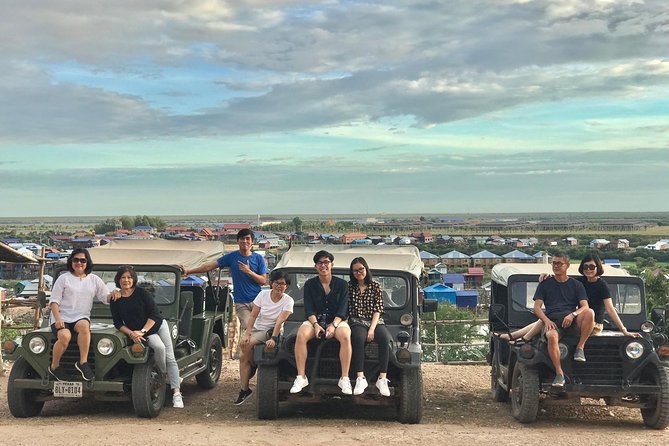
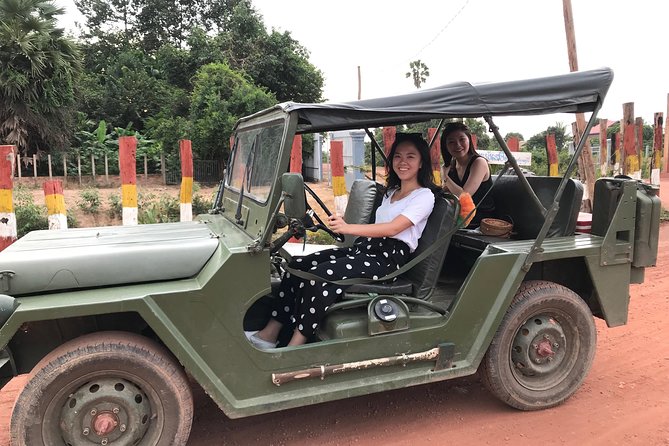
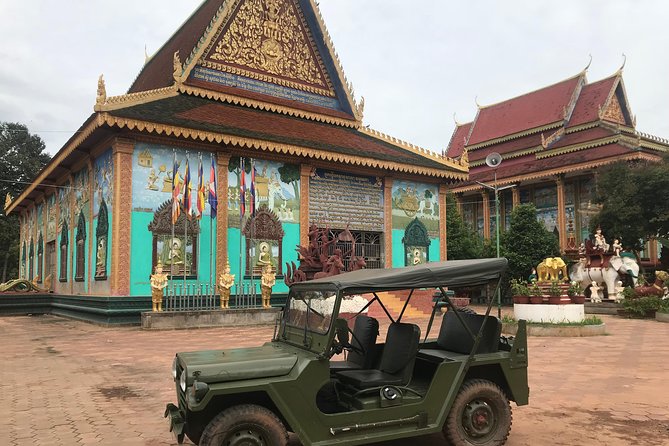
- Countryside travel energy: rides via lady tuk tuk service, with time to enjoy the route in a refurbished US Army Jeep
Getting out of Siem Reap: what this 4-hour circuit really feels like
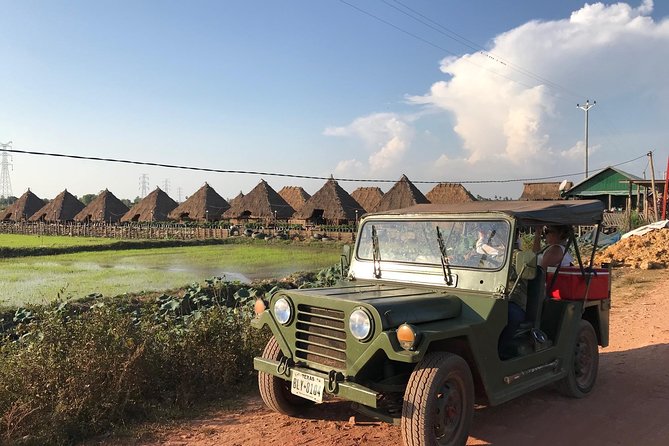
Siem Reap can be loud at times, even when you’re trying to enjoy it. What makes this tour appealing is how quickly it changes the mood: you leave the main zone and shift into daily life—fields, gardens, small markets, and working farms.
In just about four hours, you get multiple “life scenes” without needing a whole day logistically. It’s the kind of plan that works well if you’re also doing temples and want one quieter, more human-sized day.
You can also read our reviews of more guided tours in Siem Reap
Hotel pickup and private transport that keeps the day smooth
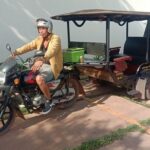
This tour is built around convenience. You get hotel pickup, and the transportation is handled privately by a lady tuk tuk driver, with an English-speaking guide accompanying you.
For you, the practical value is simple: you’re not trying to figure out routes, you’re not negotiating rides between stops, and you’re not losing time to slow transitions. It also means you can ask questions and adjust timing a bit—like pausing for a better view of the rice fields.
The countryside views: rice fields and Tonle Sap energy
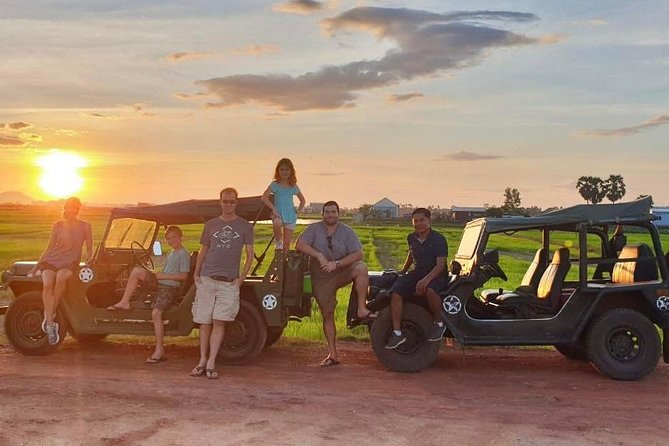
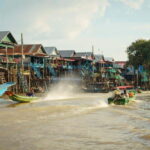
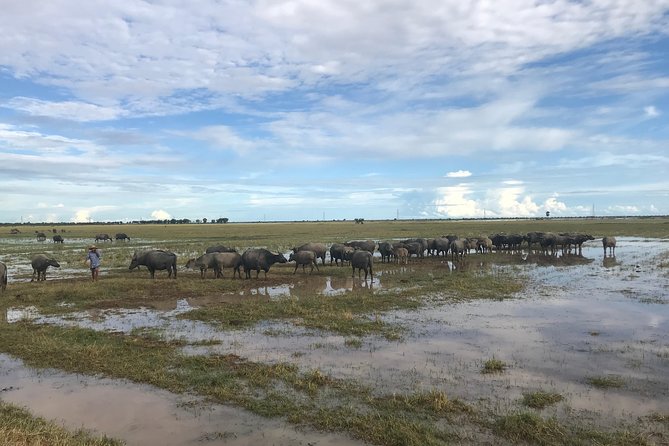
The big promise here is views. Along the drive and countryside route, you’ll see the classic Siem Reap-area mix of rice fields and the wider Tonle Sap region.
These views do more than look good on camera. They explain why so much Cambodian life here revolves around water, planting seasons, and small-scale farming. When your guide points out what you’re seeing—work timing, water use, and why certain spots matter—it clicks.
You can also expect a more open, outdoor-feeling afternoon. Bring sunglasses and something for sun and dust, because this is not an indoor museum day.
West Baray: bamboo sticky rice, noodle making, and your included lunch tastings
Stop 2 is where the tour becomes hands-on. At West Baray, you meet a local family and watch bamboo sticky rice and rice noodle making, then sample local flavors as part of what’s included.
This is a smart choice for a few reasons:
- It’s a food lesson you can actually use later in Cambodia (you’ll recognize what different foods are and why they’re made this way).
- It gives you a break from walking—so you can enjoy the learning without getting exhausted.
- You get a meal structure without having to hunt for lunch on your own.
If you like food travel that’s grounded in real daily work, this stop usually hits the sweet spot. In past visits led by guides such as Mork (mentioned in feedback as well versed), people often enjoy the moment when working agriculture details are pointed out—like how rice is handled and processed on farms.
Wat Svay Romiet: Theravada Buddhism you can see in daily routines
Stop 3 takes you into a quiet monastery setting: Wat Svay Romiet. Here, the guide focuses on Theravada Buddhism and how spiritual practices shape daily Cambodian life.
This kind of stop is best approached with the right mindset. Don’t treat it like a checklist. Sit for a bit, look at how people move through the space, and listen for the everyday meaning behind what you’re seeing.
You’ll have a short visit window—about 30 minutes—so it won’t feel heavy or drawn out. Still, it can add depth to the day because it connects the countryside to beliefs and community rhythm, not just scenery.
Practical tip: dress respectfully for monastery areas. You don’t need formal clothing, but you should plan for shoulders and knees to be covered.
Lotus Farm Siem Reap: the quiet stop that explains a Khmer symbol
Stop 4 is a calm one: Lotus Farm Siem Reap and a lotus pond visit. You’ll hear the lotus legend and why the sacred flower symbolizes purity and resilience in Khmer culture.
What I like about this stop is its pacing. After active food and religious context, you get a slower moment—water, plants, and a story that helps you understand why certain symbols matter here.
This part of the tour is short (around 30 minutes), but short doesn’t mean pointless. It’s long enough for the meaning and the atmosphere, especially if you’re the kind of traveler who likes cultural context mixed into your photos.
Krabei Riel: gardens, farmers, and a village market moment
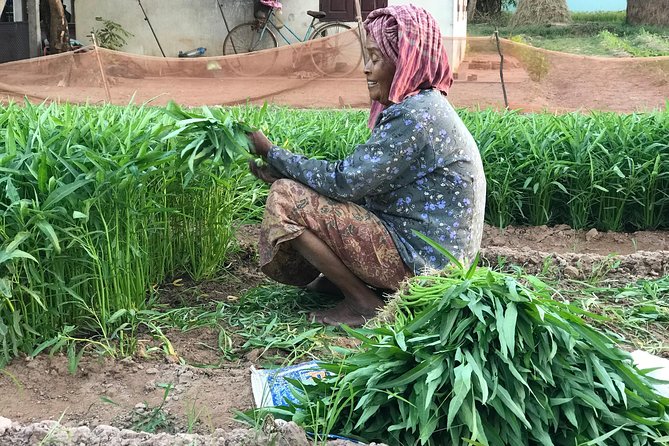
Stop 5 is Krabei Riel, and it’s all about movement and local rhythm. You’ll wander lush gardens, meet farmers at work, and explore a lively village market with color and everyday charm.
This stop is where you can feel the difference between “tourist Cambodia” and “neighborhood Cambodia.” The market isn’t staged to impress you—it’s for people to trade, eat, and live their day.
A helpful way to enjoy it: ask your guide about what you’re seeing instead of trying to interpret everything on your own. Even basic explanations—what people grow, what’s sold, what “daily work” looks like—makes the experience feel real.
One caution: markets can get crowded quickly depending on the time of day. Wear comfortable shoes and keep an eye on your belongings.
Siem Reap Province stop: duck farm life, water buffalo, and native birds
Stop 6 brings you to family farm life in Siem Reap Province. You visit a duck farm and have a chance to spot water buffalo and native birds along the way.
Even though this is a brief stop (about 15 minutes), it adds a vivid “life on the ground” element. You’ll see agriculture and animal care as practical routines, not background scenery.
If you’re an animal lover, this is a nice touch because it’s not a performance. It’s closer to what you’d see if you visited a household farm—short, focused, and grounded in the day’s work.
Price and value: $35 for rural access, guide time, and included food
At $35 per person, this is priced like a mid-value small-group countryside experience. The reason it can feel like good value is that it bundles the parts that are usually annoying to organize yourself:
- private transportation and pickup
- an English-speaking guide who explains what you’re seeing
- local snack tastings and drinks
- bottled water
- and a food stop with local cuisine included for lunch tastings
You’re also paying for access. Village markets, a monastery visit, and a home-family food session aren’t the same as roadside photo stops. The guide turns those stops into something you understand.
If you’re comparing alternatives, I’d think in terms of time saved and friction removed. You’re paying not only for the sites, but for the ability to move between them smoothly in a half-day plan.
What’s included, what to plan for, and how long it takes
Included in the tour:
- private transportation by lady tuk tuk driver
- English-speaking guide
- snacks (local snack tastings) plus drinks
- bottled water
- lunch-related local cuisine sampling during the West Baray stop
Not included:
- personal expenses and gratitude
Expect timing to be structured. You’ll have multiple short stops, which makes the day feel efficient. The upside is variety. The tradeoff is you won’t have hours in one place.
So plan your expectations: this is a sampler of Cambodian village life, not a full immersion homestay-style day.
Who this tour suits best (and who might want a different plan)
This tour is a great fit if you:
- want countryside views without committing to a full day away
- like food travel with practical, local learning
- enjoy cultural stops that connect spirituality to everyday life
- want a private setup so you can ask questions and move at your group’s pace
You might choose something else if you:
- want lots of downtime in one location
- prefer long, slow wandering with no schedule pressure
- dislike short stop durations (because this plan moves)
It also fits first-time Cambodia visitors who feel pulled toward Angkor and want at least one day that shows life beyond the temple circuit.
Should you book this Cambodian Village Life Tour?
Yes, I’d book it if your goal is a quick, meaningful shift from Siem Reap’s main sights into real daily countryside routines. The combination of rice field views, a working food session at West Baray, and a monastery stop gives you variety with cultural grounding.
It’s especially worth it if you care about value: for $35, you get guided explanation, private transport, and food tastings that would be harder to piece together on your own in the time you have.
FAQ
How long is the Cambodian Village Life Tour?
The tour lasts about 4 hours.
Do I get hotel pickup in Siem Reap?
Yes, pickup is offered from your hotel.
Is this tour private?
Yes. It’s a private tour/activity, so only your group participates.
What language is the guide?
The tour includes an English-speaking guide.
What food is included?
Snacks are included, and local cuisine is included for lunch tastings during the West Baray stop. Bottled water is also included.
What stops will we visit during the tour?
You’ll visit West Baray, Wat Svay Romiet, Lotus Farm Siem Reap, Krabei Riel, and a stop in Siem Reap Province, plus hotel pickup in Siem Reap.
Are tickets or entry fees included?
The tour notes that some admissions are included (for example, West Baray, Wat Svay Romiet, and Lotus Farm Siem Reap), while other stops are marked as free.
What should I bring?
Wear comfortable shoes for village walking and bring sun protection. You’ll have bottled water, but you may want cash for personal expenses.
Can I cancel for free?
Yes. Free cancellation is available up to 24 hours in advance for a full refund.
Is there a mobile ticket?
Yes, mobile ticket is included.