REVIEW · SIEM REAP
Exploring the Enchanting Kampong Phluk Floating Village
Book on GetYourGuide →Operated by Angkor Wat Local guide · Bookable on GetYourGuide
Stilt houses rise like magic. Kampong Phluk floats into view on the Tonle Sap, and the scene is what makes this trip worth your time: stilt houses and Tonle Sap Lake water levels change the whole look of the village. I really like how the tour keeps the pace relaxed, so you can actually notice how people live with the water instead of just snapping photos.
I love watching traditional fishing up close, especially how daily routines make sense when the water moves. If you get a guide like MR PIP, the village stops feel more like a story you can picture, not just sightseeing on a schedule.
One possible drawback: some parts can feel a bit too geared toward tourists, including animal cages at certain stops. If you’re sensitive to that, keep your expectations realistic and be ready to focus on the village itself.
In This Review
- Key things that make Kampong Phluk worth it
- Kampong Phluk: Why the Stilt Houses Look Like They Float
- Getting There from Krong Siem Reap: The 4.5-Hour Reality Check
- Ro Lus Market: The Short Walk That Sets the Mood
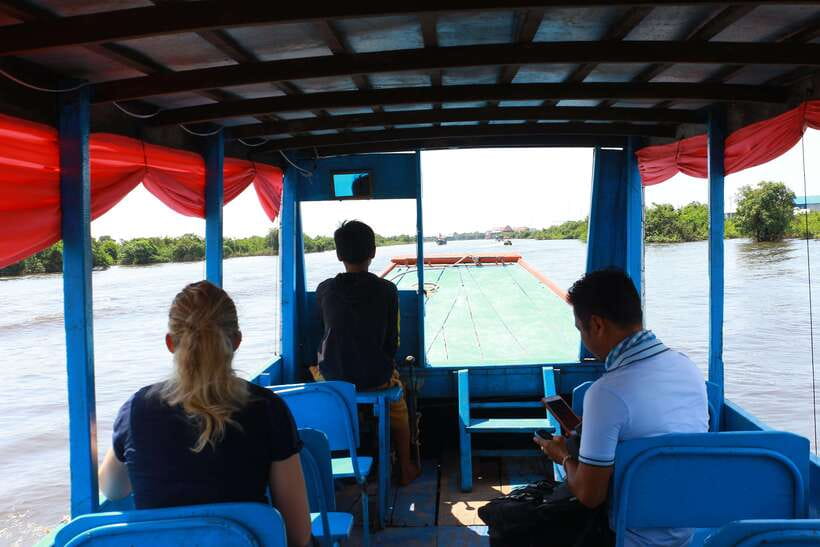
- The Boat Ride: Tonle Sap’s Calm, Up Close
- Kampong Phluk Village Walk: Stilt Houses, Flooded Forests, and Fishing Life
- Stilt houses: built for changing water levels
- Flooded forests: the surreal part you’ll remember
- Fishing practices: the daily work behind the view
- A careful note on tone
- Tonlé Sap: The Extra Hour of Guided Sightseeing
- Price and Value: What $26 Buys You (and What It Doesn’t)
- Who This Tour Fits Best
- Should You Book Kampong Phluk?
- FAQ
- How long is the Kampong Phluk Floating Village tour?
- Is hotel pickup and drop-off included?
- What does the tour price include?
- Does the tour run in the rain?
- What should I bring?
- Is this tour suitable for children or wheelchair users?
Key things that make Kampong Phluk worth it
- Rainy-season timing changes everything: when water is high, the village looks like it’s actually floating.
- Flooded forest scenery is surreal: trees sit with roots disappearing into the submerged world.
- Small-group boat time (up to 10 people): easier to hear your English guide and move at a human pace.
- A market stop first adds context: Ro Lus Market gives you local texture before you hit the water.
- Fishing is the heart of it: nets, lines, and boat routines show you how families earn a living.
- It runs shine or rain: the day can be wet, so bring a hat and expect muddy moments.
Kampong Phluk: Why the Stilt Houses Look Like They Float
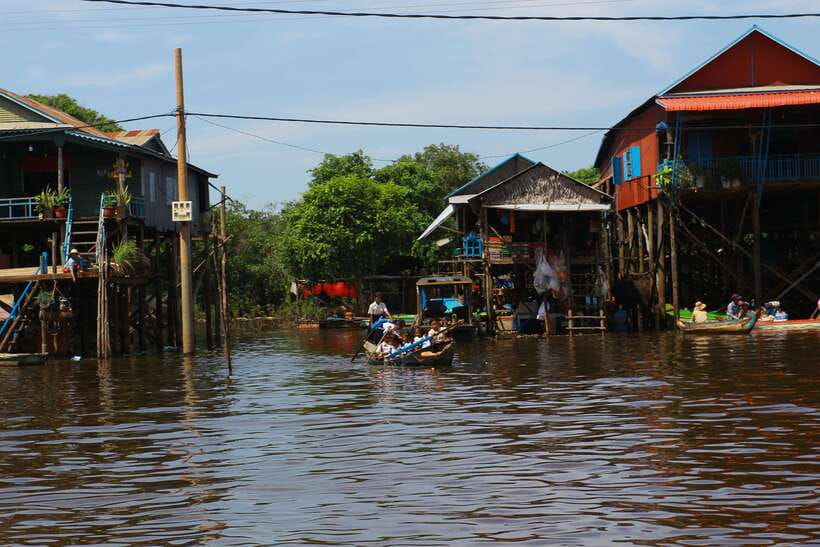
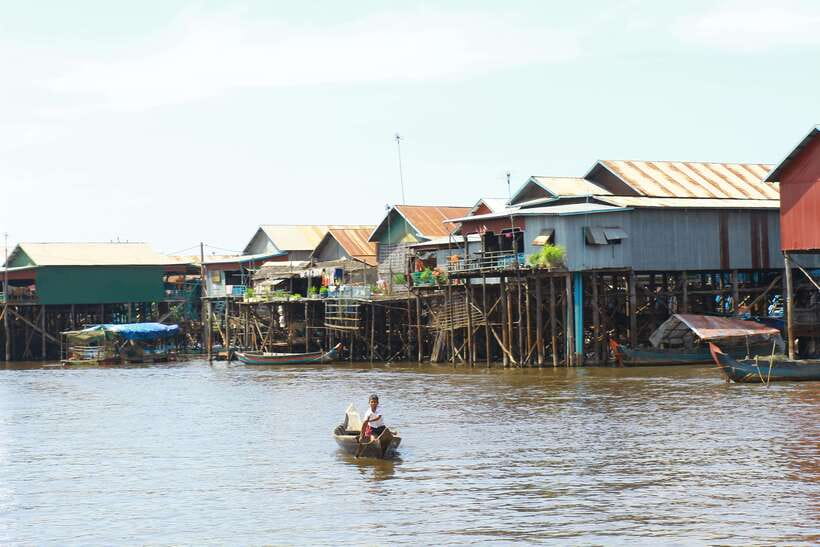
Kampong Phluk sits along the Tonle Sap, and the big visual trick is water height. In the rainy season, stilted homes rise dramatically, so the whole village can look like it’s drifting. In the dry season, the same homes look more grounded, perched above drier ground with a different mood entirely.
That change is the point. You’re not seeing one fixed postcard. You’re seeing how daily life adapts when the environment changes. Even if you’ve seen floating villages in photos, the real thing is more physical—waterline, wood posts, and reflections all in the same view.
You can also read our reviews of more tours and experiences in Siem Reap.

Getting There from Krong Siem Reap: The 4.5-Hour Reality Check
This is a half-day trip that fits well between temple visits in Siem Reap. Pickup is included from Krong Siem Reap, and you’ll ride in an air-conditioned vehicle with a small group capped at 10 participants. With a total duration of about 4.5 hours, you’ll feel the structure, but you won’t feel rushed from start to finish.
Two practical notes matter. First, the tour runs shine or rain, so you should plan like it could be wet. Second, it’s not designed for everyone: it’s not suitable for children under 10, pregnant women, or wheelchair users, so check that before you book.
The weather detail isn’t just fine print. Cold wind, rain, and splashy boats happen. The tour includes a bottle of water and a cool towel, which helps, but you still need to bring a hat and a camera and expect to get a little damp.
Ro Lus Market: The Short Walk That Sets the Mood
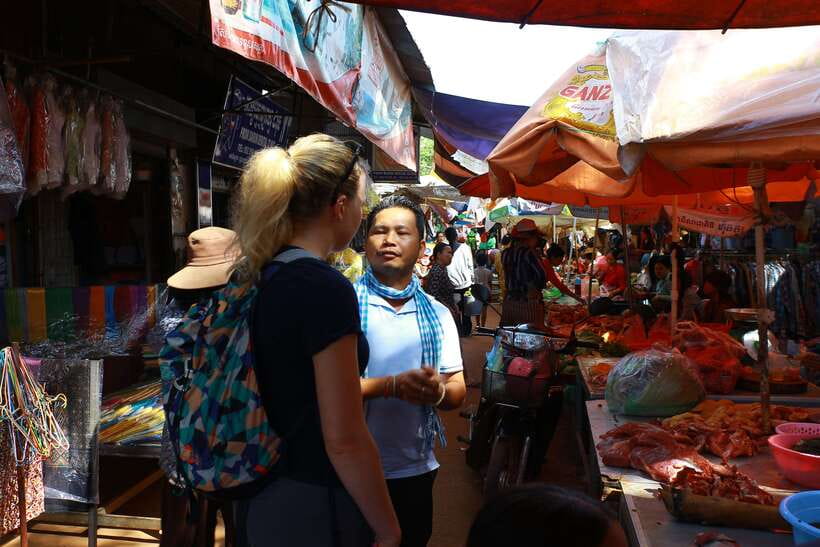
You start with a quick stop at Ro Lus Market for about 15 minutes of walking. This isn’t long enough for shopping therapy. It’s more like a fast orientation—color, everyday goods, and a sense of how locals move through the day.
I like this kind of add-on because it keeps the trip from feeling like a one-note boat excursion. You see people, produce, and normal life first, then the day shifts to lake life. If you’re curious, this short window also helps you ask better questions once you’re out on the water.
In short: it’s brief, but it works.
The Boat Ride: Tonle Sap’s Calm, Up Close
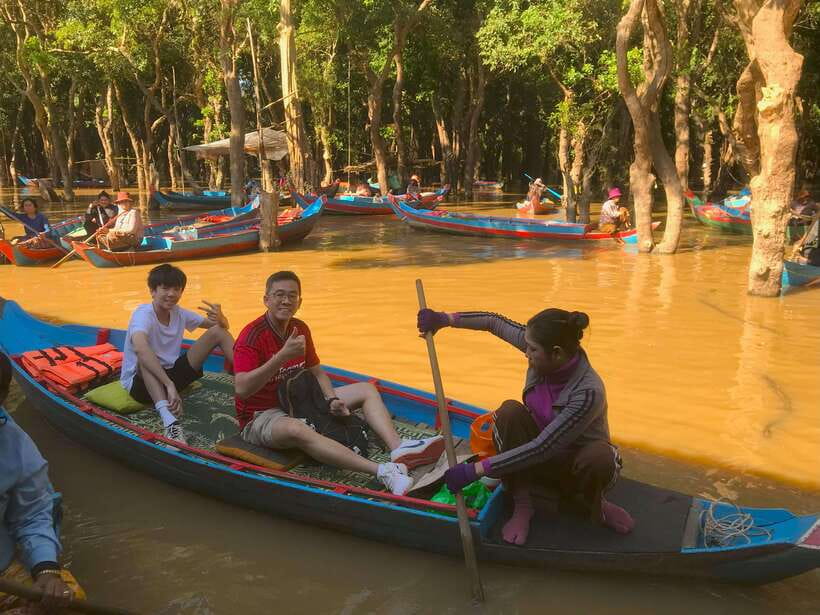
Once you’re set with tickets and guidance, the tour focuses on time on the lake. The boat ticket/admission is included, and that matters because Kampong Phluk is all about seeing the right angles from the water.
On the water, you’ll notice how the pace slows down. The lake isn’t loud or dramatic like a big ocean. It’s more measured, and that matches what you’re seeing: homes built on stilts, daily movement across water, and fishing as a constant.
Also, because this is a guided experience, you’re not just drifting. You’ll get context for what you’re looking at—how people use the changing water levels and why stilted living is practical here.
Kampong Phluk Village Walk: Stilt Houses, Flooded Forests, and Fishing Life
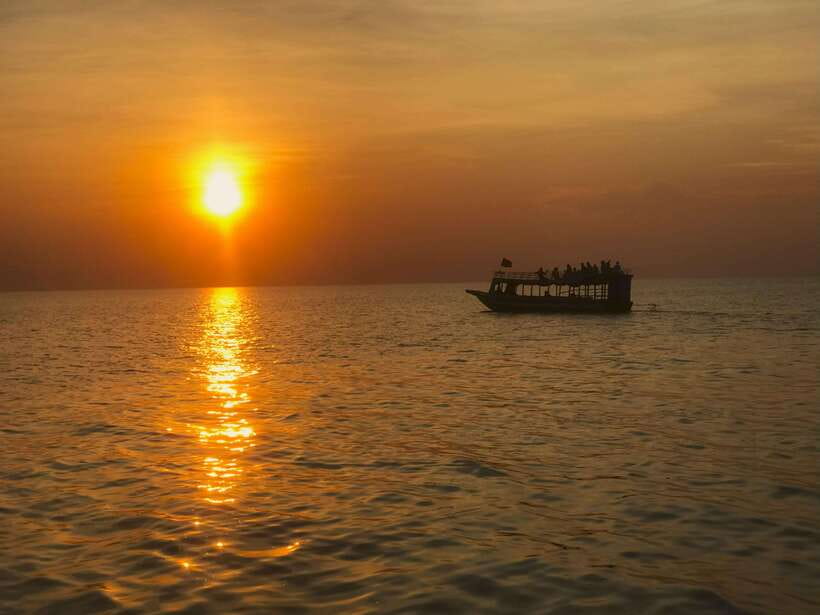
This is the heart of the trip: a guided visit and walk for about 2 hours in Kampong Phluk. Expect a steady mix of scenery and real-life observations, centered on how families live alongside the water.



Stilt houses: built for changing water levels
The stilt houses are the headline, but the best part is how they look different depending on water height. Posts, platforms, and the way homes connect to boat access all tell you this isn’t just a romantic setting—it’s infrastructure.
If you’re the type who likes details, watch how people move. You’ll see routine decisions shaped by the environment: what’s reachable by foot, what’s reachable by boat, and how everyday tasks fit into a world where water level changes.
Flooded forests: the surreal part you’ll remember
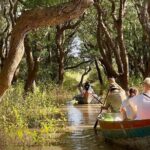
Then comes the flooded forests—trees with roots disappearing into the submerged landscape. This is where the trip stops feeling like a village tour and starts feeling like you’re witnessing a natural system in action. The forest doesn’t look dead or ruined. It looks adapted, with the water acting like a living ceiling.
The walking part gives you those close-up views. You’re not just peeking from far away.
Fishing practices: the daily work behind the view
Fishing is the backbone here, and you’ll see it as routines—not as a staged performance. You may spot fishing setups in and around boats, including nets and lines used by locals.
What I like is that this focus makes the village feel grounded. You’re not only watching scenery; you’re watching livelihood. Even when the boat slows for views, the fishing theme stays in the background like a soundtrack.
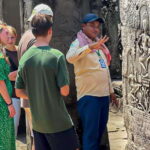
If you’re lucky with your guide, you’ll also hear the story behind how this community developed and how water levels shape what families can do. One name you might come across in English-guided stories is MR PIP, who shares history in a way that makes the daily rhythm easier to understand.
A careful note on tone
Remember that one or two stops can feel more tourist-facing, including animal cages mentioned in past experiences. If that kind of thing bothers you, keep your attention on the main village, the fishing life, and the flooded forest views.
Tonlé Sap: The Extra Hour of Guided Sightseeing
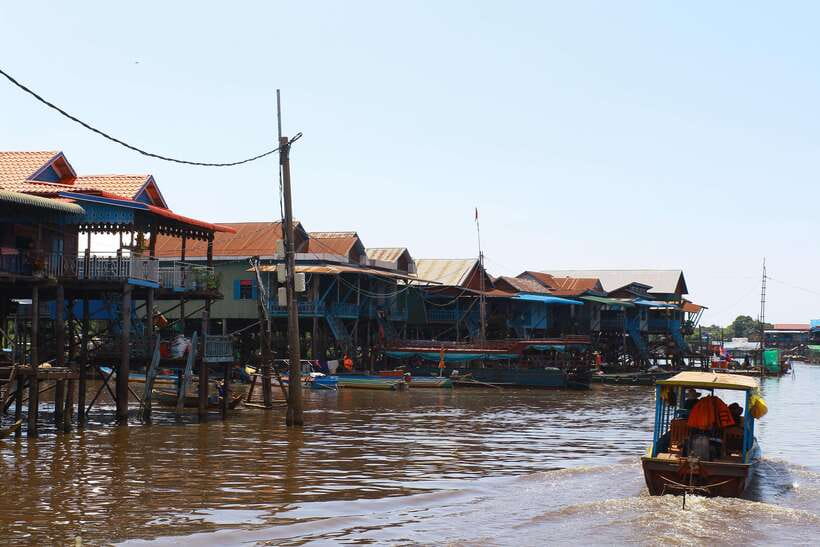
After the main Kampong Phluk time, you continue with about 1 hour at Tonlé Sap for guided sightseeing. This is where you get more perspective on the lake itself, not just the village.
I like this segment because it helps you connect dots: the village isn’t floating because it’s a gimmick. It’s floating because the lake’s water level drives the whole setup. With a guide leading the way, you’re more likely to notice the practical logic behind what you’re seeing.
The time is short, so you’ll want to stay alert for the views. Bring your camera, but also take a moment to look without it. The lake makes reflections that are hard to capture perfectly.
Price and Value: What $26 Buys You (and What It Doesn’t)
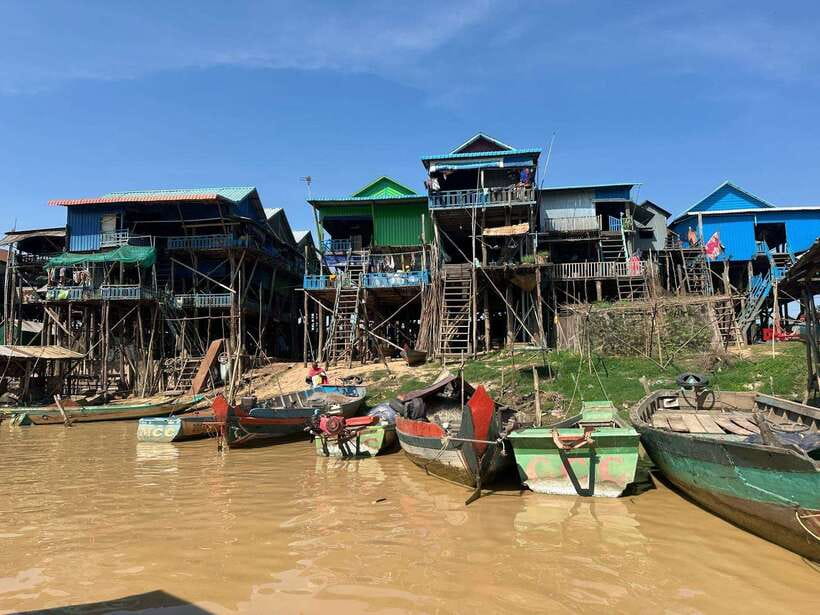
At $26 per person, this tour can be good value if you want structure and local guidance without the stress of arranging transport and boat tickets alone. The price includes hotel pickup and drop-off, an air-conditioned vehicle, the experience tour guide, all fees and taxes, the boat ticket/admission, plus a bottle of water and a cool towel.
What you won’t get in the price is personal spending. So bring a little cash for anything you feel like buying at stops, meals, or souvenirs.
The small group size (limited to 10) also adds value. It’s easier to hear your guide on the boat and on walking portions, and it keeps the day from turning into a conveyor belt.
Is it worth it? If you care about water-level life, flooded forest scenery, and real fishing routines, yes. If you only want a quick photo and you dislike wet conditions, you might feel the time squeeze.
Who This Tour Fits Best
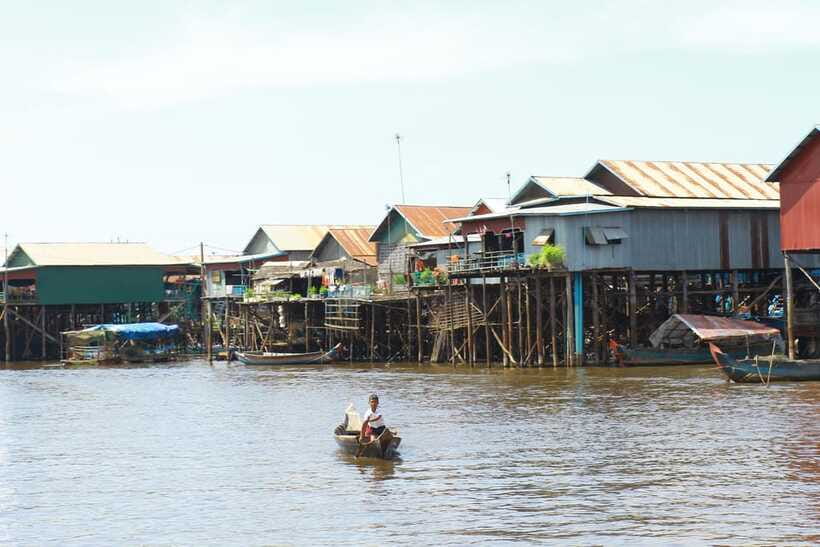
This experience tends to suit people who like real daily life over pure museum-style tourism. It’s especially good for anyone interested in how livelihoods adapt to seasonal water changes.
It is not suitable for:
- children under 10
- pregnant women
- wheelchair users
Also, because it runs in rain or shine, consider whether you’re comfortable getting wet and walking in potentially slippery conditions.
If your group includes kids over 10, it can be memorable in a way temples often aren’t—because it’s everyday work and play around water. If you’re traveling with someone who wants fully dry comfort and minimal walking, you may want to plan a different day.
Should You Book Kampong Phluk?
I’d book Kampong Phluk if you want a half-day that feels different from the usual temple-and-market rhythm. The stilt houses tied to Tonle Sap’s water levels, the flooded forest visuals, and the focus on fishing life give you a snapshot of Cambodia that’s hard to replicate on your own.
I wouldn’t book it if you’re strongly put off by the idea of touristy stops or animal cages, or if you need a fully accessible, dry, low-walking day.
If you do book, pack smart: a hat, a camera, and clothes you can handle if you get splashed. The day is short, so your best move is to show up ready to look, ask, and learn—then let the lake do what it does.
FAQ
How long is the Kampong Phluk Floating Village tour?
The tour lasts about 4.5 hours total.
Is hotel pickup and drop-off included?
Yes. Hotel pick & drop off is included, and pickup is available in Krong Siem Reap.
What does the tour price include?
The price includes an experience tour guide, air-conditioned vehicle, all fees and taxes, boat ticket/admission for Kampong Phluk, bottle of water, and a cool towel.
Does the tour run in the rain?
Yes. The tour happens shine or rain.
What should I bring?
Bring a hat and a camera.
Is this tour suitable for children or wheelchair users?
No. It’s not suitable for children under 10, pregnant women, or wheelchair users.