REVIEW · SIEM REAP
Siem Reap: Angkor Wat Temples & Phnom Kulen Park 3-Day Tour
Book on GetYourGuide →Operated by Angkor Wat Travel Tour · Bookable on GetYourGuide
Early start. Big payoff.
This 3-day Siem Reap tour is built around early access to iconic temples and a smart mix of “stone days” with a change of pace at Phnom Kulen and Tonlé Sap. I especially like how Banteay Srey is handled early enough that you’re not fully swallowed by crowds, and how the itinerary keeps pushing you from major sights to smaller stops that you’d otherwise miss. One thing to consider: it’s a packed walking schedule in hot weather, and the temple pass + Phnom Kulen ticket are not included in the listed price.
You also get a private-group setup, with a licensed English-speaking guide and a driver who keeps the day moving between far-flung sites. In other words, you’re not just checking boxes—you’re getting the context for carvings, layouts, and why certain spots matter, with real human flexibility when energy levels or timing change.
In This Review
- Key highlights worth planning around
- Why this 3-day Angkor mix feels efficient
- Day One: From your hotel at 7:30 to Banteay Srey’s intricate carvings
- The optional Landmine Museum stop
- Phnom Kulen: why this mountain ties to Angkor’s “beginning”
- Kampong Phluk on Tonlé Sap: a floating village reality check
- Day Two (8:00 AM): Angkor Thom’s big names, then the small-circuit calm
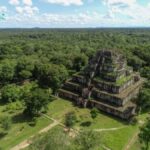
- The smaller circuit stops (Chau Say Tevoda, Thommanon, Ta Keo)
- Lunch break, then Banteay Kdei and Ta Prohm
- Phnom Bakheng sunset: timing matters more than you think
- Day Three: 5:00 AM pickup for Angkor Wat sunrise, then the rest of the temples
- After sunrise: Pre Rup and Banteay Samre
- Photo pause on the way back
- What you get for the money (and what you still need to budget)
- Guide and driver style: why it can feel personal
- Practical stuff before you go: heat, shoes, and temple dress rules
- What to bring
- Dress appropriately (this is not optional)
- Hydration and sun protection
- Rain
- Who should book this private Siem Reap tour
- Should you book this 3-day Angkor Wat and Phnom Kulen tour?
- FAQ
- What’s the duration of this Siem Reap tour?
- How many people is the private group for?
- What time is pickup for Angkor Wat sunrise on day three?
- Is pickup included from Siem Reap hotels?
- Which temples are included during the 3 days?
- Do I need to buy tickets during the tour?
- Is the Landmine Museum included?
- Is Kampong Phluk part of the itinerary?
- What’s included in the tour price?
- What should I wear and bring?
Key highlights worth planning around
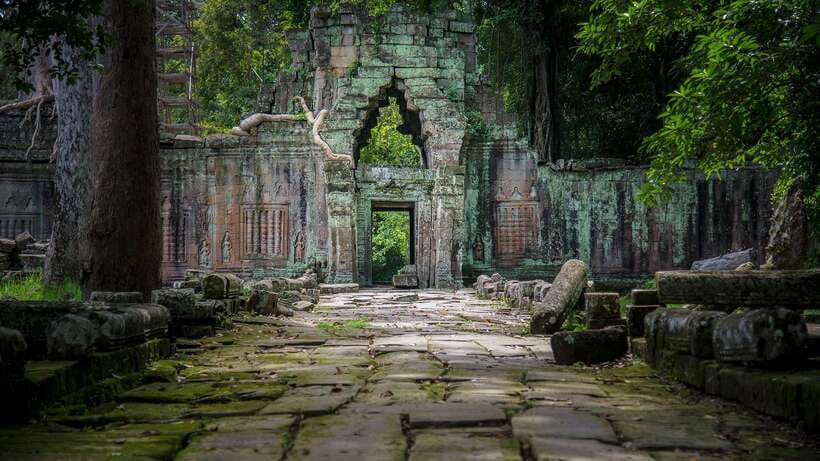
- Banteay Srey early: the most intricately carved temple in the Angkor complex is the first major stop for a reason
- Phnom Kulen National Park: you’ll connect the start of Angkor to King Jayavarman II and the royal “God of the King” linga cult (802 AD)
- Kampong Phluk on Tonlé Sap: a floating village change of scene after temple heat
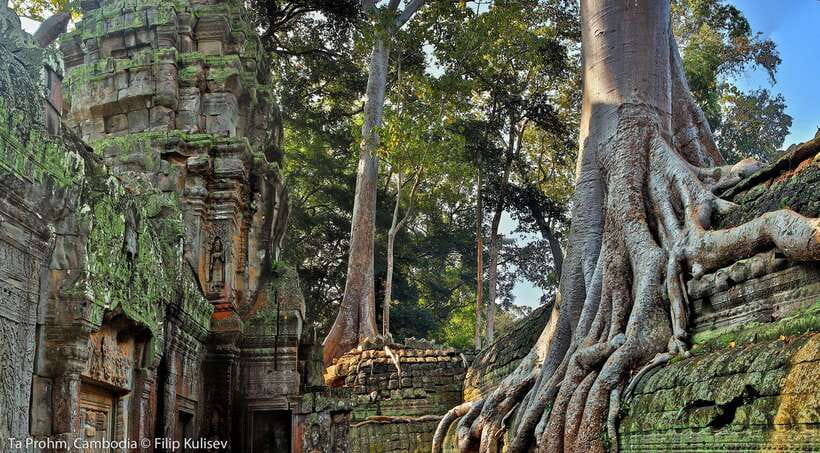
- Ta Prohm, with Tomb Raider fame: jungle-temple atmosphere that works even if you’ve seen photos before
- Angkor Wat sunrise: a 5:00 AM pickup so you see the temple before the heavy crowds
- Sunset plan at Phnom Bakheng: another built-in “timing matters” moment
Why this 3-day Angkor mix feels efficient
Angkor can be overwhelming fast. The trick is pacing: you want enough time at the big names, but not so much that you lose the thread of what you’re seeing. This tour’s shape does that well.
Day One starts with Banteay Srey before the masses, then pivots to Phnom Kulen, then finishes with Kampong Phluk on Tonlé Sap Lake. Day Two stays focused on the Angkor Thom area and nearby smaller temples before landing at Ta Prohm and the calmer Banteay Kdei. Day Three is the big finale: Angkor Wat at sunrise, then a second wave of temples afterward.
If you like learning as you walk—rather than flipping through a guidebook in the heat—this kind of flow helps everything click.
You can also read our reviews of more tours and experiences in Siem Reap
Day One: From your hotel at 7:30 to Banteay Srey’s intricate carvings
Pickup is around 7:30 AM, and you’ll head out from your Krong Siem Reap hotel with your driver and English-speaking guide. One practical thing they handle right away: you purchase your 3-day temple pass before you go deeper into the circuit. That saves time later, and it keeps the day from turning into a scramble.
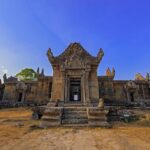
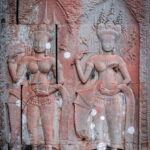
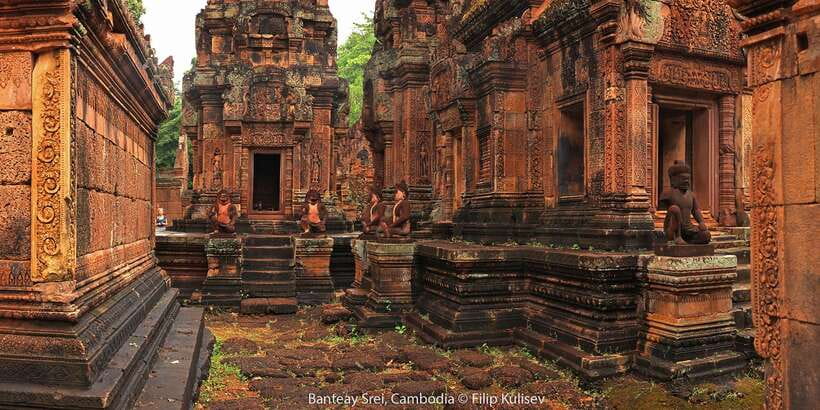
Then comes Banteay Srey, placed early enough that you can experience the temple with less crowd pressure. This is the temple the tour highlights as the most intricately carved in the Angkor world. The value here isn’t only the craftsmanship—it’s the chance to slow down. When you’re not constantly moving around other people, you can actually notice details in doorways, bas-relief patterns, and the way the site is composed.
On the ride there, you get a window into daily Khmer life: views of traditional villages and palm sugar plantations. It’s a small touch, but it matters. It reminds you that Angkor isn’t floating in a museum bubble.
The optional Landmine Museum stop
Later in the day, you have an option to visit the Landmine Museum (admission is extra). If you’re interested in understanding Cambodia beyond temples, it can be a meaningful stop. If you’d rather keep your day focused on nature and Angkor sites, you can skip it and continue on to Phnom Kulen.
Phnom Kulen: why this mountain ties to Angkor’s “beginning”
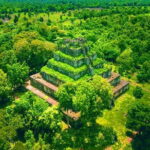
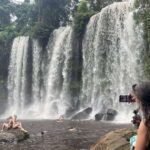
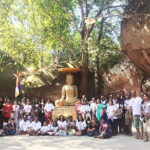
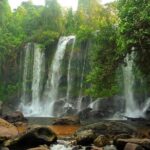
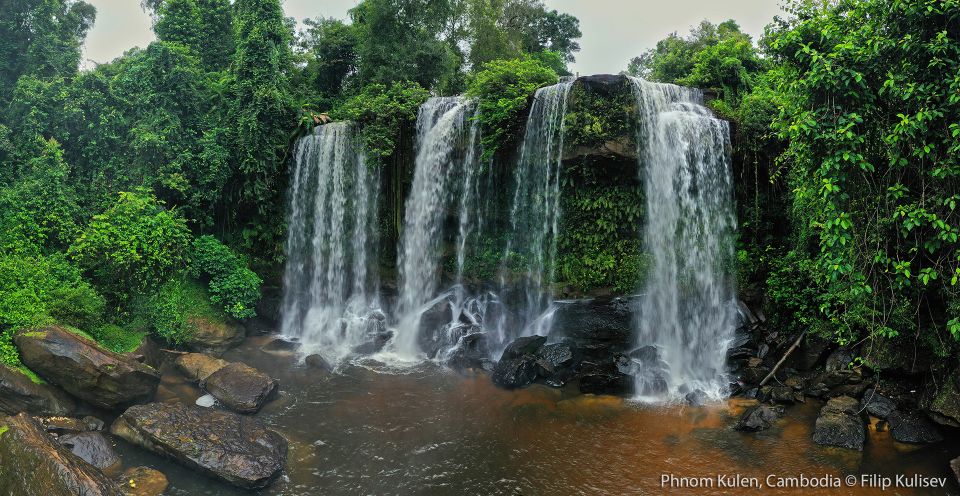
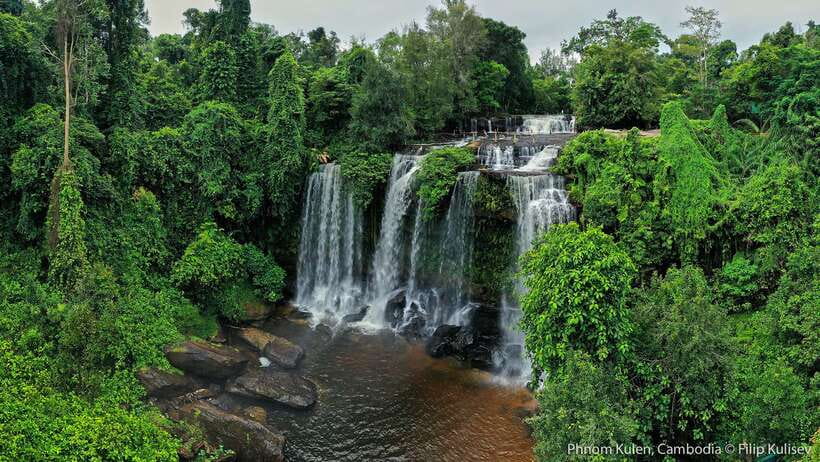
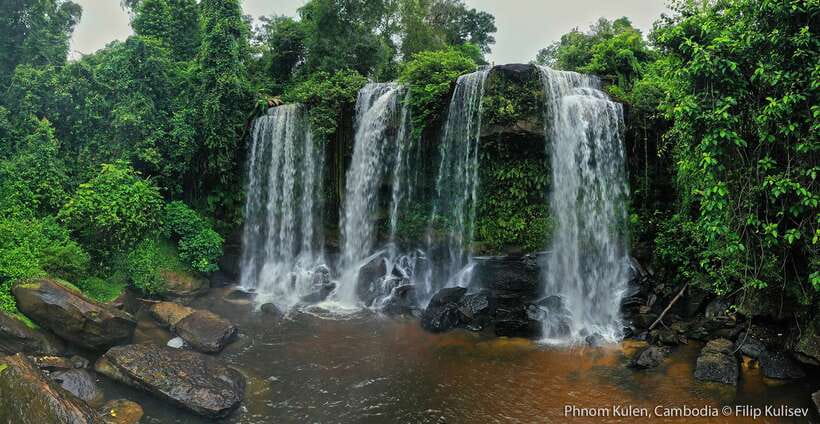
After Banteay Srey, you head to Phnom Kulen National Park. The tour frames it as more than a scenic detour: Phnom Kulen is where the 500-year age of Angkor began, and it’s also the mountain tied to King Jayavarman II. In 802 AD, he initiated the royal “God of the King” linga cult there.
That’s the kind of context that changes how you look at the place. Instead of treating Phnom Kulen like a break from ruins, you’re seeing it as part of the spiritual and political story that fed Angkor’s growth.
You don’t just roll up for quick photos and leave. The day is structured so you have time to take it in before moving on to the Tonlé Sap experience.
Kampong Phluk on Tonlé Sap: a floating village reality check
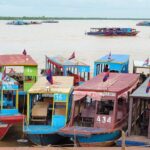
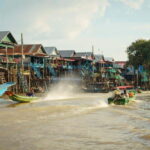
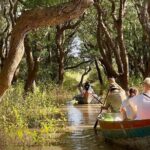
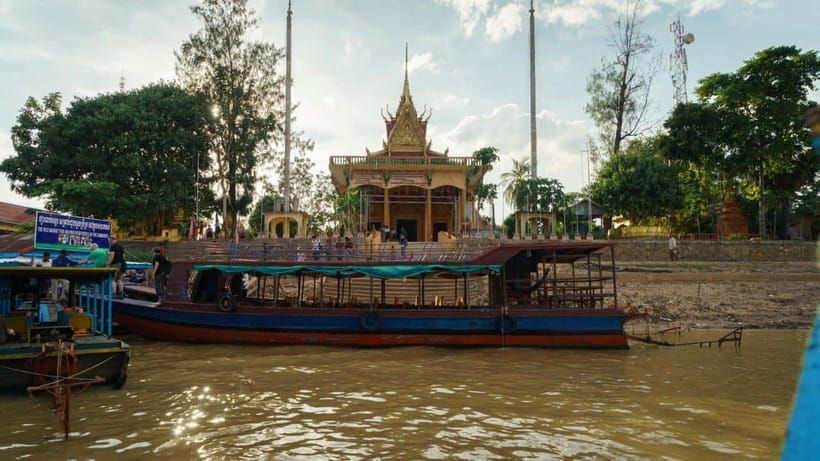
Day One ends at Kampong Phluk, a floating village on Tonlé Sap Lake. This stop is a real palate cleanser after temples and hot stone.
Even if you’re skeptical at first—about how “real” a floating village experience can be—the point is to see how people live with the water level that shapes daily routines. You’ll be in a place where the environment isn’t a backdrop; it’s part of the home.
It’s also a good moment to slow down. Your body has done a lot of sun exposure already, and this kind of evening setting tends to feel less rigid than temple walking.
Day Two (8:00 AM): Angkor Thom’s big names, then the small-circuit calm
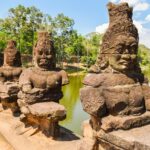
Day Two starts with a suggested 8:00 AM pickup. You’ll head to the ancient city area of Angkor Thom, starting at the South Gate and moving through major landmarks.
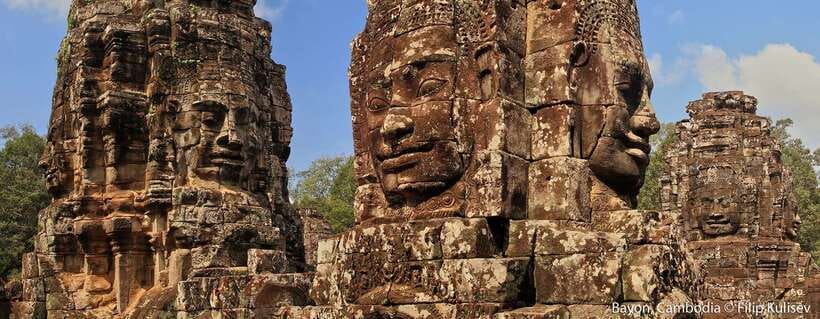
This is the day’s “main campus” feeling. You’ll see places like Bayon and Baphuon, then continue to Phimeanakas. The terraces also get attention by name, including the Terrace of the Elephants and the Terrace of the Leper King, plus the North Khleang and South Khleang.
What I like about this ordering is simple: you move through a logical sequence. You’re not hopping randomly across a giant complex, which is how a temple day turns into exhaustion without much payoff.
The smaller circuit stops (Chau Say Tevoda, Thommanon, Ta Keo)
After Angkor Thom, the tour shifts into the small circuit with Chau Say Tevoda, Thommanon, and Ta Keo. These stops matter because they’re the difference between seeing “a few highlights” and understanding Angkor as a system of sites, not one giant attraction.
If you’re the type who hates rushing, these smaller temples often provide better breathing space for photos and quiet viewing.
Lunch break, then Banteay Kdei and Ta Prohm
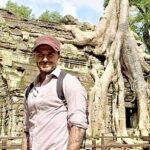
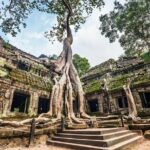
After lunch you visit Ta Prohm, the jungle temple famous from Tomb Raider scenes. Even when you know the movie reference, the temple still plays as a living, tangled setting—trees and roots shaping the feel of the stone.
Then you head to the Buddhist temple Banteay Kdei. The tour notes you can explore this incredible monument at your own leisure, which is important. It gives you a chance to slow your pace and choose where to spend your energy instead of following a script the whole day.
Phnom Bakheng sunset: timing matters more than you think
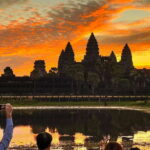
Day Two ends with Phnom Bakheng in time for sunset. The big point here is not just the view—it’s the schedule design. If you miss sunset timing, the whole mood drops.
This is one of those moments where your guide’s job really shows: making sure you’re at the right place, at the right time, after two full days of temples. Sunset also helps reset your brain. By then, the day stops feeling like a checklist and starts feeling like a place you’re actually in.
Day Three: 5:00 AM pickup for Angkor Wat sunrise, then the rest of the temples
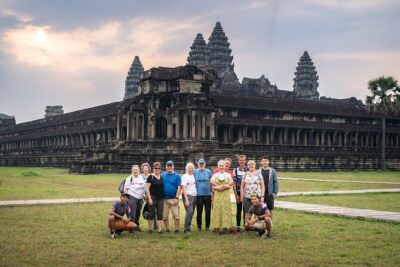
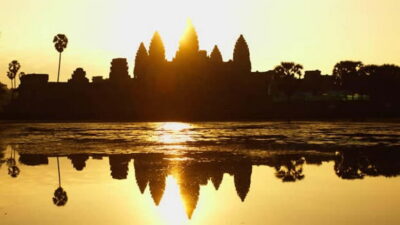
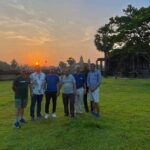
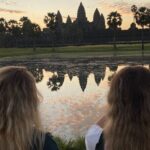
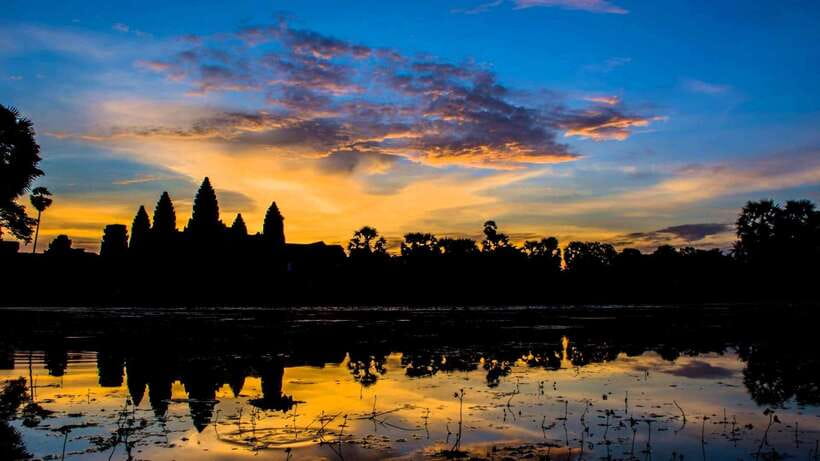
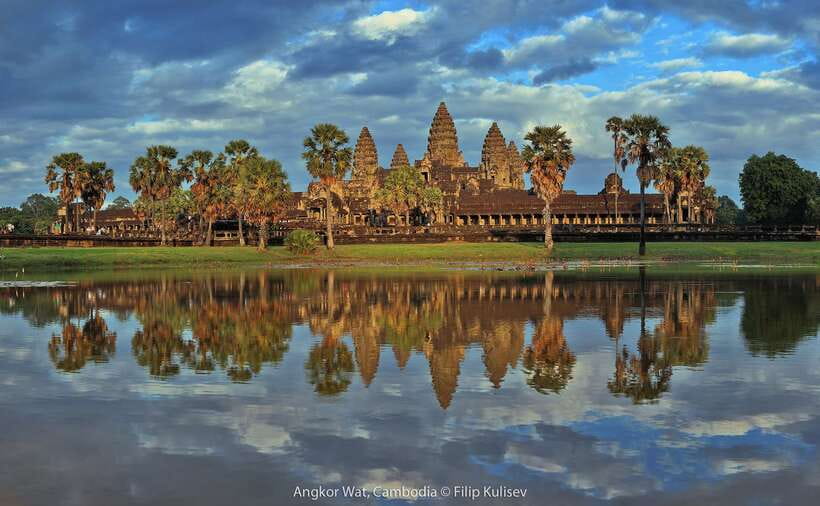
Your final day starts very early: pickup is suggested at 5:00 AM to catch sunrise at Angkor Wat. The tour’s logic is clear—go before the Chinese crowd leaves, then you get a window to explore at a calmer pace.
That early access is the main reason sunrise days are worth it. You can move, look upward, and take photos without constantly fighting for angles. It’s also the best time to see scale: Angkor Wat is not a small temple, and the first moments help you understand the geometry of the whole site.
Your guide stays engaged during this period, sharing lots of details so you don’t just wander around blankly. This is where guide talent can really affect your experience.
After sunrise: Pre Rup and Banteay Samre
After you finish at Angkor Wat, you move to other temples like Pre Rup and Banteay Samre.
Then after lunch, the itinerary continues with East Mebon, Ta Som, Neak Pean, and Preah Khan. That’s a lot of ground, but the schedule is spread across the day in a way that doesn’t feel like pure sprinting from one stop to the next.
Photo pause on the way back
On the ride back to your hotel, you pass picturesque local villages and you may want to stop for photos. These stops are practical too: they help you end the trip on a human scale instead of only stone.
What you get for the money (and what you still need to budget)
The price is $336 per group up to 3 people for 3 days. The big value drivers aren’t just the sites. It’s the private setup and the day-runner support:
- A car (Mini LEXUS RX300) or minivan (Mercedes Istana) with gasoline and driver
- A fully-licensed English-speaking tour guide
- Mineral drinking water and cold handkerchiefs
- Umbrellas during the rainy season
Then come the costs that are not included:
- Phnom Kulen ticket
- 3-day Temple ticket
- Optional Landmine Museum admission (listed as $5)
- Meals, accommodations, and personal expenses
Here’s how I think about the value: if you tried to DIY this route in tuk-tuks or hired scooters, you’d lose two things quickly—(1) time and (2) context. The guide and driver help you run the complicated timing, especially sunrise and early Banteay Srey. And having water plus cold cloths is not a luxury when you’re walking in sun for hours.
Budget realistically for entry tickets and meals, and the tour becomes a strong “stress-reducer” instead of a pure bargain.
Guide and driver style: why it can feel personal
The most praised aspect across experiences with this tour style is how much attention the guide and driver give to the details that affect comfort and flow.
You’ll likely notice the difference immediately. One example: a driver named Sol has been described as always ready with chilled water and a soothing lemon-scented cold cloth. That’s the kind of small comfort that makes temples feel manageable rather than punishing.
Guides also matter. Names like Paul, Paim/Praim, Noy, Samuth, and Sa show up in strong feedback. The pattern isn’t just “they knew facts.” It’s that guides adapt—adjusting the pace when abilities differ, pointing out carvings and stones you’d miss on your own, and finding good photo stops instead of treating photos like an afterthought.
One extra angle: a guide described as also being a strong photographer can help if you want more than casual snapshots. You still do your own exploring, but you’re not guessing.
Practical stuff before you go: heat, shoes, and temple dress rules
This trip is suitable for all ages, but that doesn’t mean it’s effortless. Plan for heat. For most of the year, you can expect hot weather while exploring the temples.
What to bring
- Comfortable shoes
- Sunscreen
- Insect repellent
Dress appropriately (this is not optional)
You’ll visit temples, so plan clothing that covers:
- shoulders
- knees
- chest
for both genders
If you show up in tank tops and shorts, you’ll spend time fixing the situation instead of enjoying the day.
Hydration and sun protection
The tour includes drinking water, but you should still stay aware of your own hydration. Use sunscreen, and if you can, bring a hat. The day starts early and ends late, but the sun still has a say.
Rain
Umbrellas are provided during the rainy season, but you’ll still want to dress in a way that keeps you comfortable walking.
Who should book this private Siem Reap tour
This is a great fit if:
- You want sunrise Angkor Wat plus an efficient 3-day plan without logistics headaches
- You like a mix of major sites and smaller stops so you don’t feel trapped in one “only famous temples” loop
- You prefer a private-group experience rather than squeezing into a larger bus day
- You want a guide to explain carvings and layouts in a way that connects stops
It might be less ideal if:
- You want a slow, unstructured day with lots of free time and no early starts
- You’re trying to see Angkor entirely on budget without planning for entry tickets and meals
Should you book this 3-day Angkor Wat and Phnom Kulen tour?
If you’re choosing between a DIY plan and a guided one, I’d lean toward booking this style—especially for the 5:00 AM sunrise and the early Banteay Srey timing. Those two elements do a lot of work for you. They lower stress and give you a better chance to actually look, not just pass through.
I’d book it if you want a guide-led experience that also protects your comfort with water and cold handkerchiefs. And I’d book it if you like variety: Angkor temples, then Phnom Kulen’s spiritual backstory, then Kampong Phluk on Tonlé Sap.
Just don’t forget to budget separately for the temple pass and Phnom Kulen ticket, and accept that you’ll be walking in hot sun. Pack well, wear the right clothes, and you’ll get a trip that feels like a story from morning to sunset.
FAQ
What’s the duration of this Siem Reap tour?
It’s a 3-day tour, covering Angkor temples, Phnom Kulen National Park, and Kampong Phluk on Tonlé Sap Lake.
How many people is the private group for?
The price is listed per group up to 3 people.
What time is pickup for Angkor Wat sunrise on day three?
Pickup is suggested at 5:00 AM to catch sunrise at Angkor Wat.
Is pickup included from Siem Reap hotels?
Yes. Pickup is included from hotels in Krong Siem Reap.
Which temples are included during the 3 days?
You’ll visit Banteay Srey, Angkor Thom highlights (including South Gate and Bayon), Ta Prohm, Banteay Kdei, Phnom Bakheng at sunset, plus other temples like Pre Rup, Banteay Samre, East Mebon, Ta Som, Neak Pean, and Preah Khan. The tour also includes multiple stops within the smaller circuit.
Do I need to buy tickets during the tour?
Yes. The tour notes you’ll purchase your 3-day temple pass before heading to Banteay Srey. The Phnom Kulen ticket is not included.
Is the Landmine Museum included?
It’s optional. Admission is listed as $5, and it’s not included in the price.
Is Kampong Phluk part of the itinerary?
Yes. Day One includes Kampong Phluk, a floating village on Tonlé Sap Lake.
What’s included in the tour price?
A private car or minivan with driver and gasoline, a fully-licensed English-speaking guide, mineral drinking water, cold handkerchiefs, and umbrellas during the rainy season.
What should I wear and bring?
Wear clothing that covers shoulders, knees, and chest for both genders. Bring comfortable shoes, sunscreen, and insect repellent, and stay hydrated in the heat.